
Set of Chafing Dishes: Bulk Buying Guide for Caterers
Caterers building or expanding their equipment inventory face critical decisions when purchasing chafing dish sets in bulk. The economics of bulk buying offer significant advantages but require careful evaluation of quality, compatibility, and long-term value that simple per-unit pricing cannot capture. This guide examines the key factors that determine whether bulk purchases deliver genuine value or create future problems that outweigh initial savings.
Understanding Bulk Pricing Dynamics
Bulk purchasing discounts typically range from 15% to 40% compared to single-unit pricing, with greater savings available for larger orders. These discounts reflect reduced sales overhead, simplified logistics, and manufacturer incentives for volume commitments. However, the actual value of these discounts depends heavily on whether the purchased equipment serves your needs effectively over its useful life.
Suppliers often structure bulk pricing in tiers, with larger quantities triggering additional discounts at specific breakpoints. Understanding these tier structures helps you optimize order quantities to capture maximum available discounts without over-committing to equipment that exceeds your actual requirements.
Hidden costs in bulk purchasing merit equal attention. Large orders may require specialized storage, extended setup time, and staff training that smaller incremental purchases would avoid. Calculate total cost of ownership rather than focusing exclusively on unit pricing when evaluating bulk opportunities.
Quality Assessment for Volume Purchases
When buying multiple units, quality consistency becomes paramount. A single defective unit represents manageable inconvenience, but multiple quality failures across a large order create operational chaos that undermines the efficiency bulk purchasing promises. Establish quality standards before entering purchase negotiations, including specific material specifications, construction requirements, and performance criteria that each unit must meet.
Request sample units before committing to large orders. Testing samples under actual service conditions reveals quality issues that specification sheets cannot communicate. Pay particular attention to seams, hinges, and surface finish that often show differences between premium and economy construction.
Manufacturer warranties become more valuable as order quantities increase. Understand warranty coverage duration, claim procedures, and replacement timelines before finalizing bulk orders. The warranty value across ten units substantially exceeds warranty value across a single purchase, making warranty terms a meaningful negotiating point.
Capacity Planning for Catering Operations
Accurate capacity planning prevents both under-buying that constrains future growth and over-buying that ties up capital in idle equipment. Calculate the maximum simultaneous events you expect to service, then add 20-30% capacity buffer for unexpected demand increases and equipment rotation during cleaning cycles.
Consider the typical event mix your catering business serves. Organizations running primarily intimate gatherings benefit from a mix of full-size and half-size units that provide flexibility without excess capacity. Full-time catering operations with diverse client bases may require larger full-size inventories to handle large-scale corporate events.
Seasonal demand patterns influence optimal inventory levels significantly. Caterers experiencing pronounced seasonal fluctuations may benefit from rental partnerships that provide surge capacity without permanent inventory investment. Evaluate whether your seasonal peak requirements justify permanent inventory or whether rental arrangements prove more economical.
Standardization Benefits and Trade-offs
Bulk purchasing naturally encourages standardization across your equipment fleet. Standardized equipment simplifies staff training, reduces spare parts inventory requirements, and enables confident equipment swaps when units require maintenance. These operational benefits compound over time, making standardization a strategic advantage beyond the immediate economics of volume purchasing.
However, standardization limits flexibility for specialized applications. If your catering includes unique event types requiring non-standard equipment, forcing everything into a standardized fleet creates operational constraints that reduce service quality. Balance standardization benefits against the flexibility your diverse client base requires.
Component compatibility across your standardized fleet enables shared accessories, interchangeable spare parts, and consolidated maintenance procedures. Verify that standardization enables these benefits for your specific operational model before committing to uniform equipment across all units.
Supplier Selection for Bulk Orders
Supplier capability matters substantially for bulk orders that exceed standard inventory levels. Evaluate supplier production capacity, lead time reliability, and financial stability before committing to large orders. Suppliers experiencing growth may struggle to maintain quality across expanded production, while financially stressed suppliers pose delivery and warranty support risks.
Communication quality during order processing predicts post-sale support quality more reliably than sales presentations. Assess supplier responsiveness, problem acknowledgment, and solution orientation during the ordering process. Suppliers who communicate clearly before the sale typically maintain that communication quality throughout the relationship.
Geographic proximity affects shipping costs and delivery times, particularly for large equipment orders that exceed standard shipping parameters. Evaluate whether local or regional suppliers offer advantages that offset potential pricing differences compared to distant manufacturers with lower base prices.
Delivery and Inspection Protocols
Establish detailed inspection protocols before bulk deliveries arrive. Define acceptance criteria, documentation requirements, and rejection procedures that protect your interests if delivered equipment fails to meet specifications. Having these protocols in place prevents disputes and ensures consistent evaluation across all units in large orders.
Schedule deliveries to allow adequate inspection time. Bulk orders require substantially more inspection effort than single units, and rushed inspections miss quality issues that proper evaluation would reveal. Plan delivery timing to accommodate thorough inspection without operational pressure.
Document all inspection findings, including minor defects that fall within acceptance criteria but indicate production quality trends. This documentation supports warranty claims, return negotiations, and future supplier performance evaluations. Maintain inspection records throughout equipment useful life for reference when maintenance issues arise.
Storage and Maintenance Planning
Bulk orders require storage capacity that may exceed your current facilities. Evaluate storage requirements before finalizing order quantities, accounting for climate control needs, access requirements, and space allocation for equipment rotation during maintenance cycles.
Maintenance procedures for bulk fleets benefit from standardization but require scalable processes that remain efficient across different fleet sizes. Develop maintenance schedules, cleaning procedures, and inspection routines that scale efficiently as your equipment inventory grows through bulk purchases.
Featured Chafing Dish Products

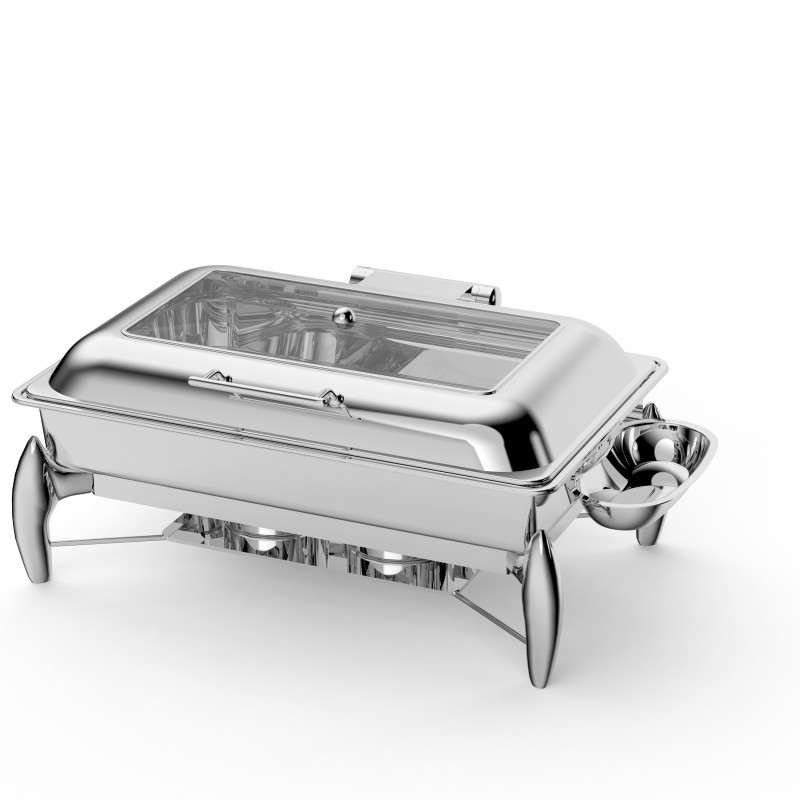
Stainless Steel Alcohol Fuel Buffet Chafing Dish
Stainless Steel Alcohol Fuel Buffet Chafing Dish offers the construction quality that professional caterers depend on for reliable bulk inventory. The durable design handles frequent use while maintaining appearance that projects professional competence at client events.
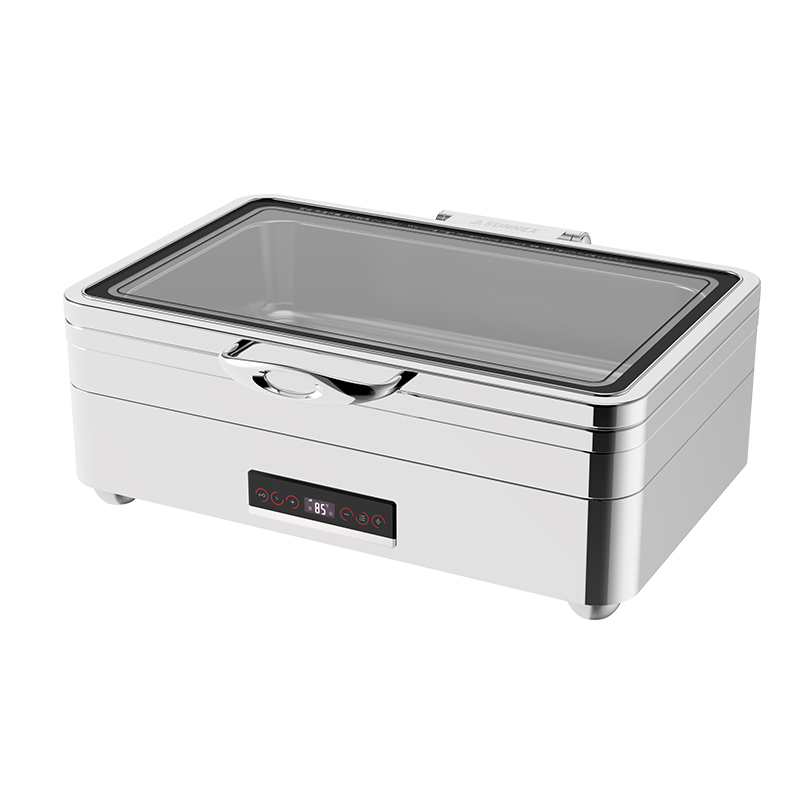
Electric Chafing Dish-BA
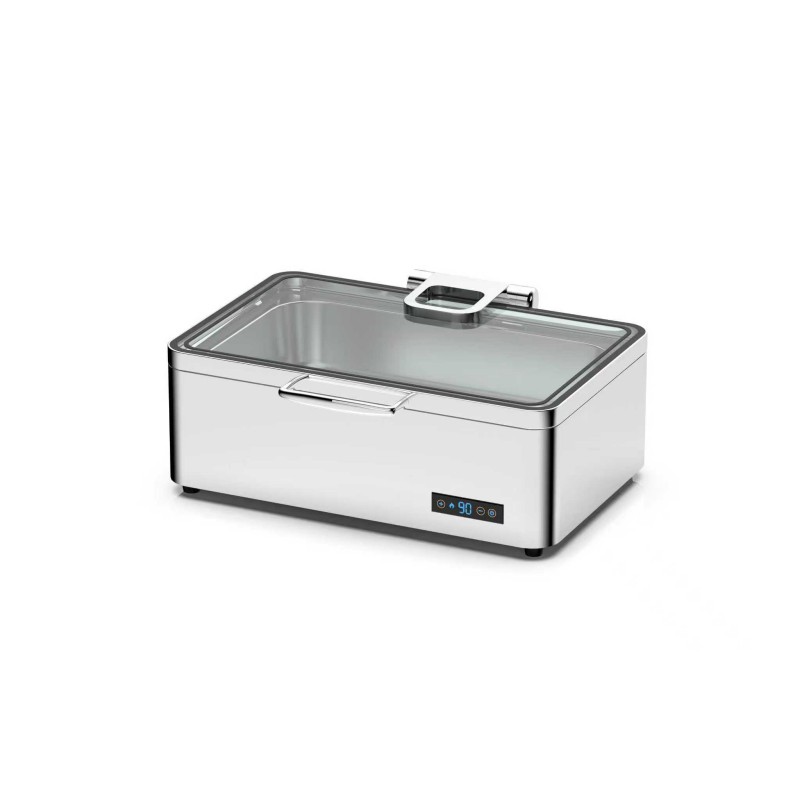
Electric Chafing Dish-BA provides the consistent performance across multiple units that bulk buyers require. Standardized construction ensures each unit performs identically, simplifying staff training and operational procedures across your entire fleet.
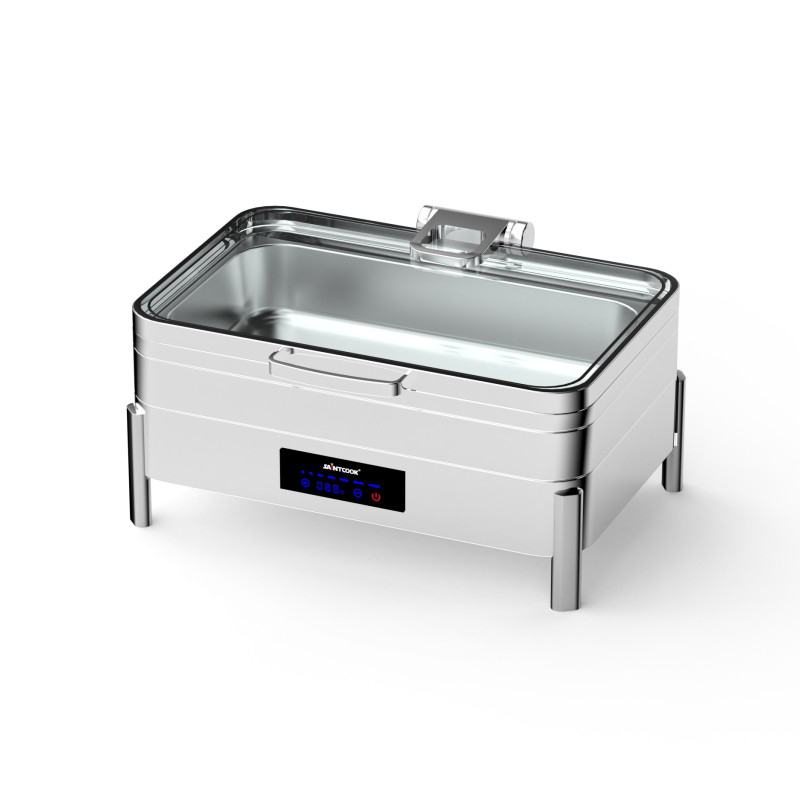
Full Size 11L Electric Chafer
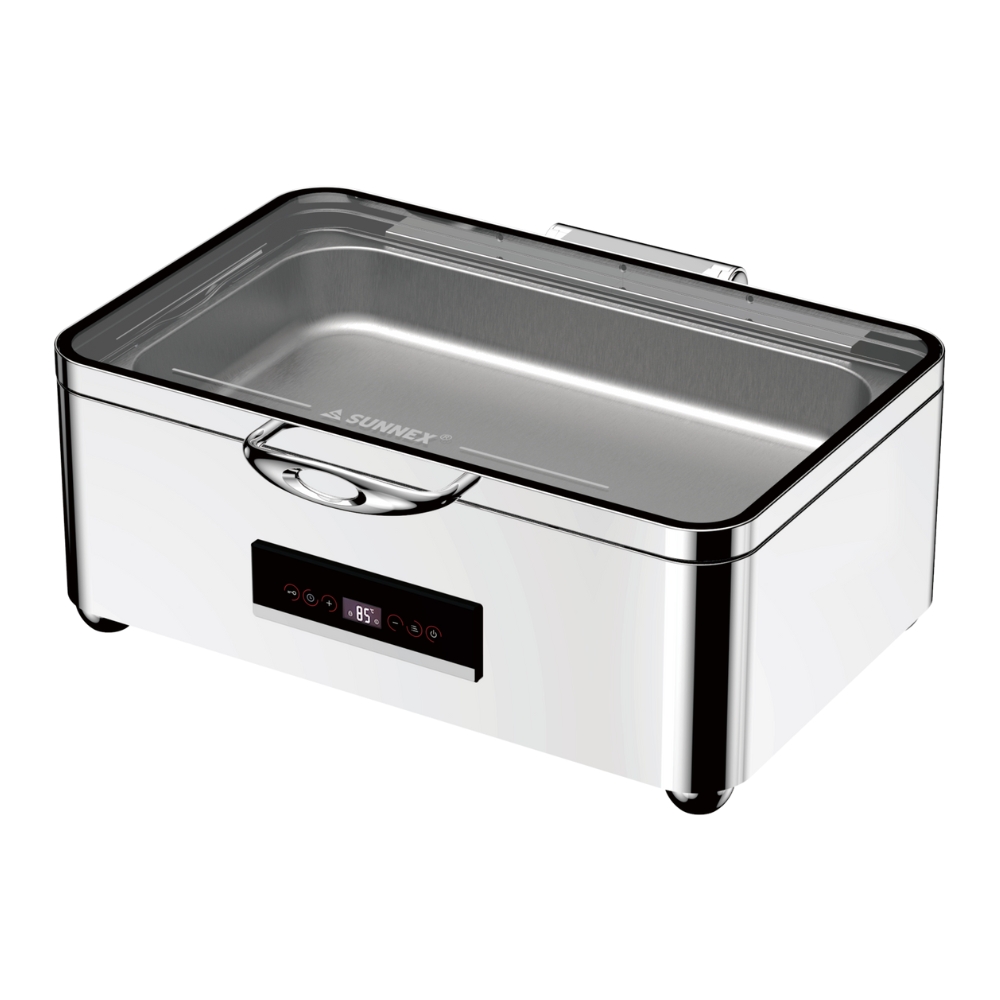
Full Size 11L Electric Chafer represents premium construction that justifies bulk purchase investment for caterers prioritizing long-term equipment value. The superior materials and craftsmanship reduce lifetime ownership costs despite higher initial per-unit pricing.
Making Your Bulk Purchase Decision
Bulk purchasing chafing dish sets delivers genuine value when approached with clear quality standards, realistic capacity planning, and careful supplier evaluation. The economics favor bulk buying for established catering operations with predictable equipment needs and adequate storage capacity.
For growing businesses or those with uncertain demand patterns, more conservative purchasing approaches may prove more appropriate despite foregoing bulk discounts. The flexibility to adjust equipment inventory to actual demand often outweighs the savings that bulk commitment requires.
Related Articles
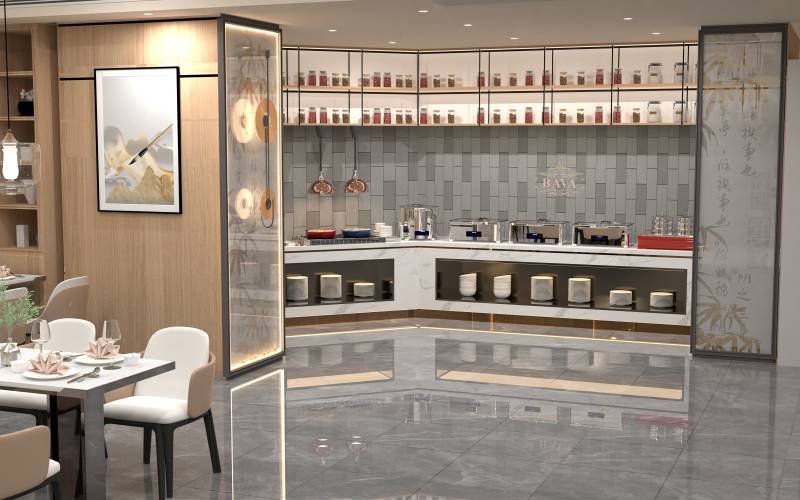
Electric Buffet Warmer with Adjustable Thermostat for Restaurants
Discover the best Electric Buffet Warmer with Adjustable Thermostat for Restaurants solutions. Real ...
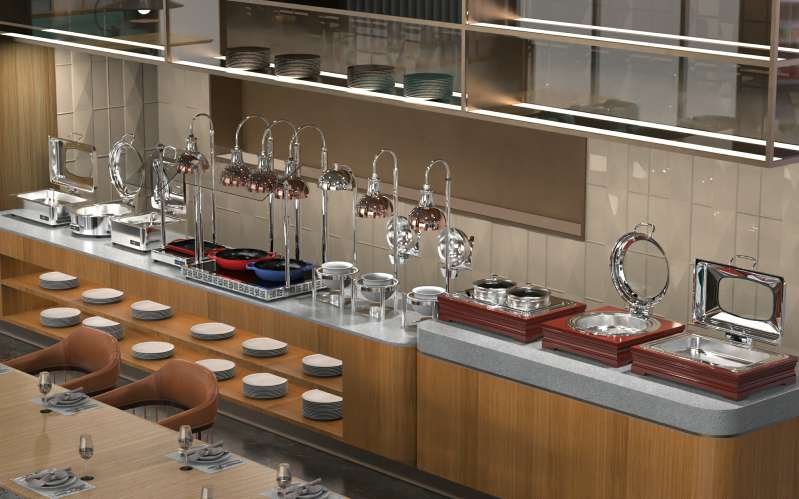
Mini Chafing Dish for Breakfast Buffet & Condiment Stations
Discover the best Mini Chafing Dish for Breakfast Buffet & Condiment Stations solutions. Real case s...
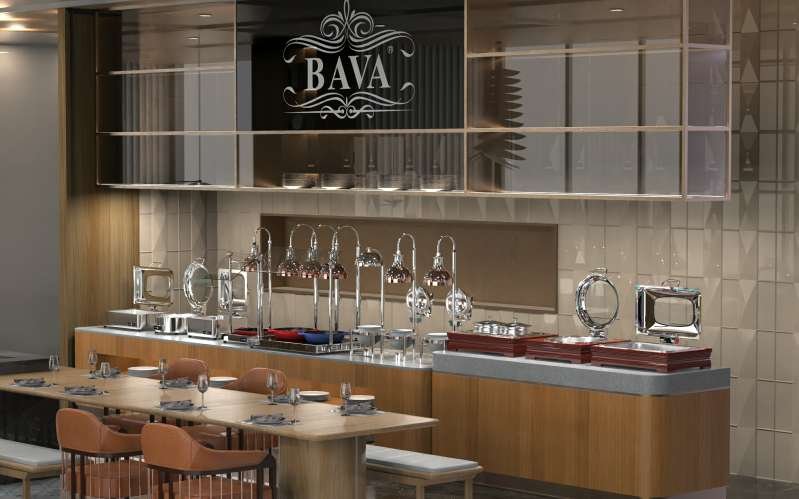
9QT Extra-Large Chafing Dish for Large-Scale Banquet Events
Discover the best 9QT Extra-Large Chafing Dish for Large-Scale Banquet Events solutions. Real case s...
Wall-Mounted Buffet Stove for Space-Saving Kitchen Layouts
Discover the best Wall-Mounted Buffet Stove for Space-Saving Kitchen Layouts solutions. Real case st...

Stainless Steel Food Warmer for Supermarket Deli Departments
Discover the best Stainless Steel Food Warmer for Supermarket Deli Departments solutions. Real case ...
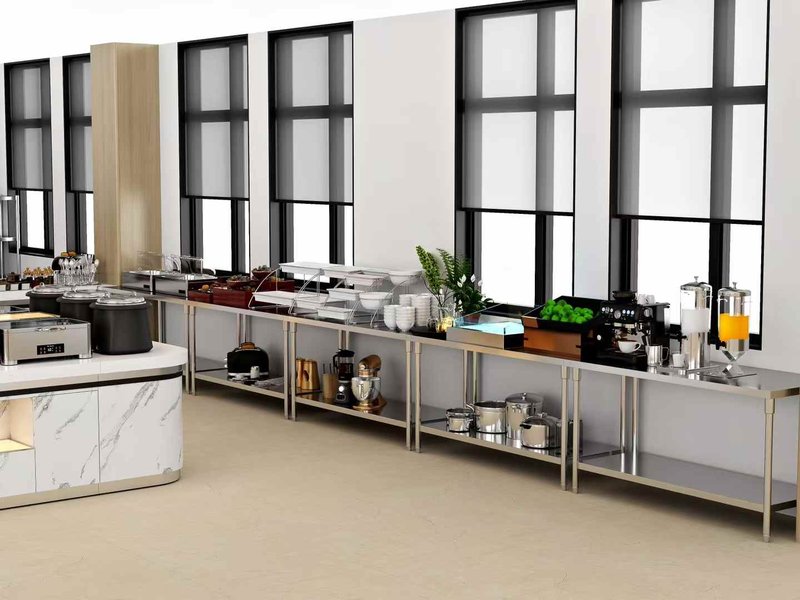
Commercial Chafer Dish with Temperature Control for Food Safety
Discover the best Commercial Chafer Dish with Temperature Control for Food Safety solutions. Real ca...