
Disposable Chafing Dishes Bulk: Cheap Options for Large Events
Large-scale events present catering logistics challenges that intensify when equipment requirements multiply across hundreds of guests. Disposable chafing dishes provide a cost-effective solution for events where traditional equipment ownership or rental doesn't justify the investment, offering the functionality of standard chafing dishes without the cleaning, transport, and storage burdens that reusable equipment imposes. Understanding bulk purchasing options for disposable catering equipment helps event planners access quality solutions at prices that support large-event budgets.
Understanding Disposable Chafing Dish Options
Disposable chafing dishes come in several configurations, from complete single-use units to disposable components that work with reusable frames. Complete disposable units include the heating element, food pan, water pan, and lid in a single assembly designed for one-time use. These units eliminate all post-event equipment handling, making them attractive for events where cleanup resources are limited or where equipment return logistics would be impractical.
Hybrid disposable options pair reusable metal frames with disposable liner pans and water pans, reducing waste while maintaining cleanup convenience. The frame investment enables repeated use while disposable components eliminate the cleaning that reusable pans require. This hybrid approach balances environmental considerations with operational efficiency, providing a middle ground between fully disposable and fully reusable systems.
Material options for disposable units include aluminum, plastic, and composite constructions with varying heat tolerance and presentation characteristics. Aluminum disposables offer better heat distribution and professional appearance than plastic alternatives, though at higher per-unit cost. Plastic options provide the lowest cost for budget-constrained events where presentation is less critical than basic functionality.
Bulk Purchasing Economics
Unit economics for disposable chafing dishes improve significantly at higher order volumes, with per-unit pricing dropping as order quantities increase. The volume discount curve typically shows substantial savings at break points of fifty, one hundred, and two hundred units, making bulk purchasing essential for cost optimization. The per-unit savings often justify the storage investment that larger orders require.
Supplier relationships affect bulk pricing beyond simple quantity discounts, with established customers often receiving preferential rates that compound over time. Building relationships with disposable equipment suppliers provides pricing advantages that one-time purchases cannot access, making consistent supplier selection worthwhile even when marginally lower prices appear elsewhere. The relationship value extends beyond price to include availability guarantees during peak seasons.
Quality variation between disposable suppliers affects the value calculation beyond initial unit cost. Higher-quality disposables may cost more per unit but reduce failure rates during service, eliminating the replacement costs and service disruptions that inferior products create. The total cost of ownership for disposable equipment includes both purchase price and failure-related expenses, making the cheapest initial option potentially more expensive overall.
Large Event Planning Considerations
Quantity calculation for large events requires guest count projection, service duration, and food type analysis that determines consumption rates. Events with extended service windows require more units than brief service periods, as food consumption accumulates over time and units empty more frequently. Buffer units beyond calculated requirements provide protection against unexpected demand or equipment issues that create service disruptions.
Service style affects unit selection, with buffet-style events requiring different configurations than plated service with station setup. Self-serve buffet configurations benefit from units positioned for easy guest access, while staffed stations may optimize for serving efficiency rather than guest convenience. Planning equipment placement alongside menu design ensures that units support the service flow that event logistics require.
Power and fuel access at event venues determines whether electric or fuel-fired disposable units are appropriate. Venues with adequate electrical infrastructure support electric units without fuel handling concerns, while locations without reliable power require fuel-dependent configurations. Understanding venue capabilities before selecting equipment type prevents day-of incompatibilities that would require emergency substitutions.
Storage and Logistics Management
Bulk disposable equipment storage requires climate-controlled environments that prevent material degradation before use. Excessive heat, moisture, or sunlight exposure can compromise disposable unit integrity, creating failures during service if stored improperly. Establishing proper storage protocols protects inventory investment and ensures equipment quality when deployment time arrives.
Inventory tracking systems prevent over-ordering that wastes budget on equipment that exceeds actual requirements. Tracking usage patterns across events refines quantity estimates over time, reducing both over-ordering waste and under-ordering risk. The investment in inventory management systems pays returns through improved ordering accuracy and reduced emergency procurement costs.
Delivery coordination for bulk orders requires timeline planning that ensures equipment arrives with adequate buffer before events. Peak season orders may experience extended lead times that compress scheduling windows, requiring advance ordering that accommodates potential delays. Building delivery buffer into event timelines prevents the pressure that last-minute equipment arrival creates.
Quality Assessment for Bulk Buyers
Product specifications reveal construction quality that affects service performance, with material thickness, heat tolerance ratings, and structural design indicating expected durability. Requesting samples before bulk orders enables physical assessment that specifications alone cannot provide, revealing quality issues that written descriptions would not surface. Sample evaluation investment often prevents the larger losses that bulk quality problems create.
Supplier reputation in the disposable equipment market provides reliability indicators that inform purchasing decisions. Review analysis, industry references, and peer recommendations reveal supplier track records that predict the service quality buyers can expect. Established suppliers with proven track records provide reliability that new market entrants cannot match, particularly during high-demand periods when experience matters most.
Certification and compliance documentation confirms that disposable products meet food safety standards applicable to your event jurisdiction. Products meeting relevant certifications provide confidence that equipment is safe for food contact applications, reducing liability exposure that uncertified products create. The certification verification investment provides protection against the regulatory and reputational consequences that non-compliant equipment could trigger.
Featured Chafing Dish Products

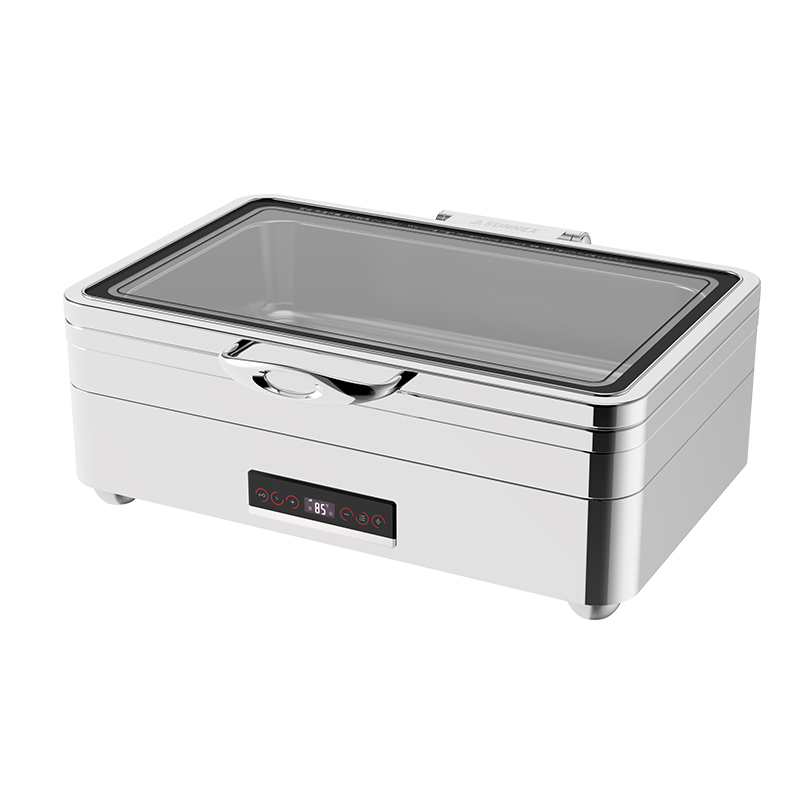
Electric Chafing Dish-HC380D
Electric Chafing Dish-HC380D demonstrates the quality standard that disposable chafing dish options should meet for professional events. When evaluating bulk purchasing options, using this quality benchmark helps identify products that provide genuine value rather than initial-cost illusions that fail during service.
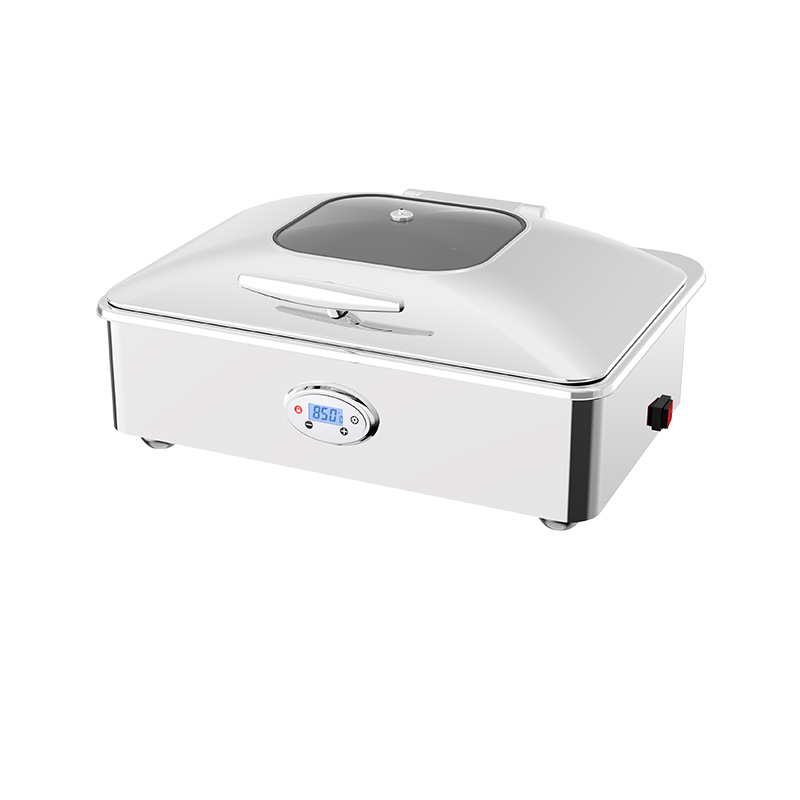
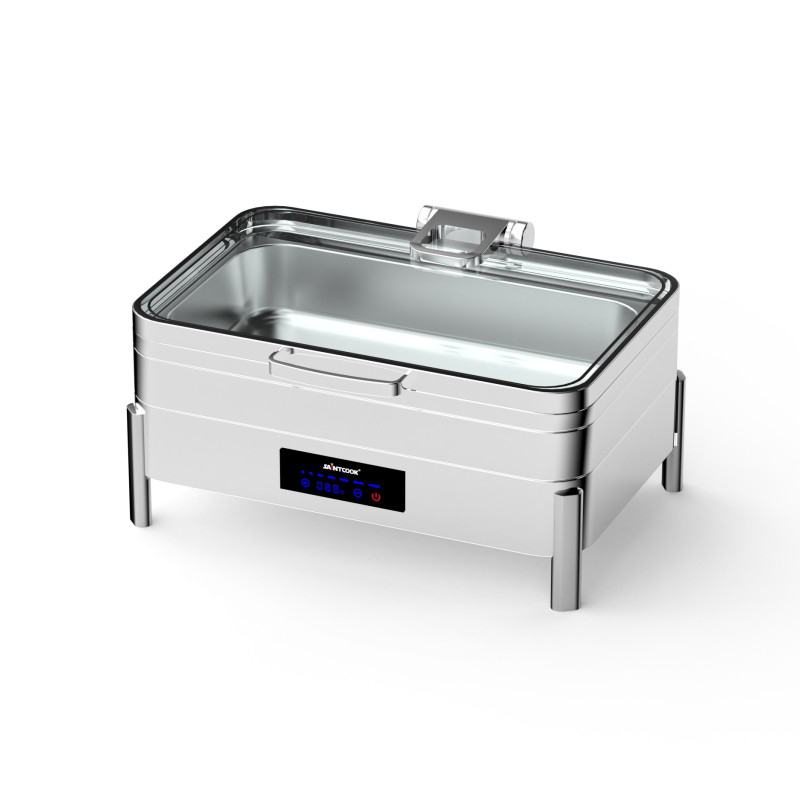
Electric Chafing Dish-W37
Electric Chafing Dish-W37 provides the construction quality and performance characteristics that reliable catering equipment requires. These benchmarks inform bulk purchasing decisions, ensuring that cost optimization doesn't compromise the service quality that event guests expect.

Electric Chafing Dishes-W20
Electric Chafing Dishes-W20 represents the engineering quality that professional catering operations depend upon. Understanding these quality standards helps bulk purchasers evaluate disposable options against professional requirements, selecting products that support event success without unnecessary cost exposure.
Strategic Bulk Purchasing Decisions
Total cost analysis for bulk disposable equipment should account for purchase price, delivery, storage, failure rates, and replacement costs that affect actual event economics. The cheapest initial option often generates higher total cost when failure rates, service disruptions, and replacement expenses enter the calculation. Comprehensive cost analysis reveals the true economics that surface pricing obscures.
Supplier diversification reduces risk exposure that single-source dependency creates, particularly during peak seasons when demand may exceed supplier capacity. Maintaining relationships with multiple qualified suppliers provides alternative options when primary suppliers cannot meet demand, preventing the service disruptions that supply constraints create. The diversification investment provides insurance against availability risk that single-source concentration would accept.
Quality consistency across bulk orders ensures that equipment performance remains stable as inventory turns over. Suppliers who maintain consistent quality across production batches provide reliability that variable quality cannot match, reducing the adjustment burden that inconsistent equipment creates for event operations. Building supplier relationships that prioritize your account helps ensure the quality consistency that reliable service requires.
Related Articles
Electric Buffet Warmer with Adjustable Thermostat for Restaurants
Discover the best Electric Buffet Warmer with Adjustable Thermostat for Restaurants solutions. Real ...
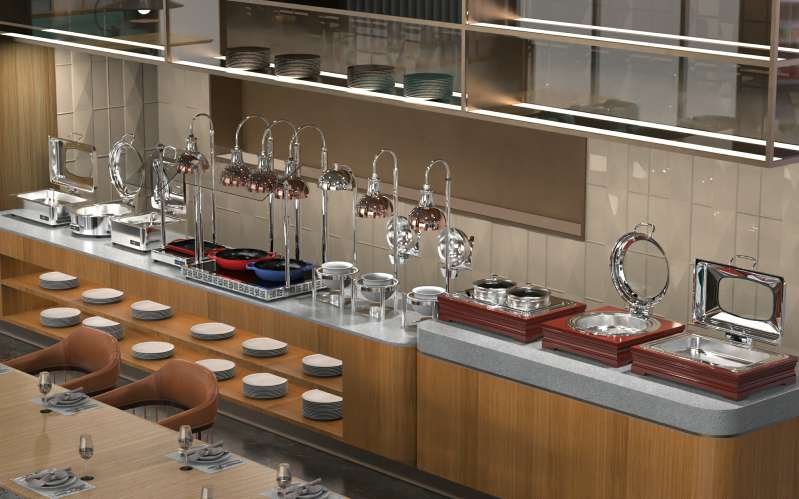
Mini Chafing Dish for Breakfast Buffet & Condiment Stations
Discover the best Mini Chafing Dish for Breakfast Buffet & Condiment Stations solutions. Real case s...
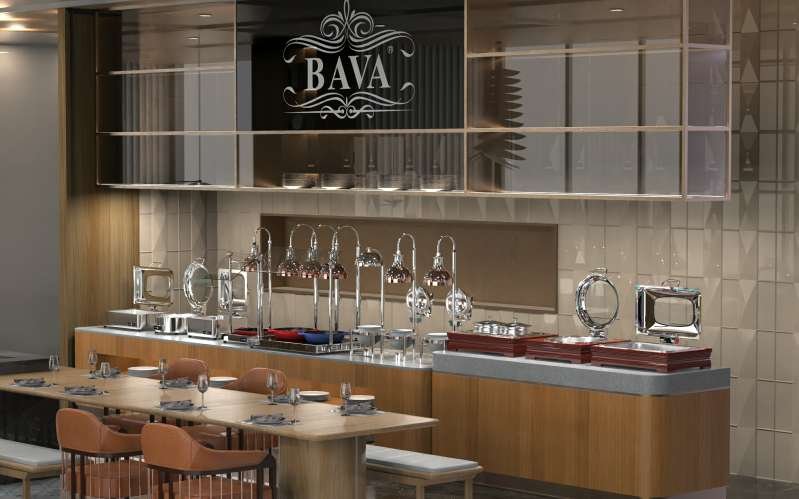
9QT Extra-Large Chafing Dish for Large-Scale Banquet Events
Discover the best 9QT Extra-Large Chafing Dish for Large-Scale Banquet Events solutions. Real case s...
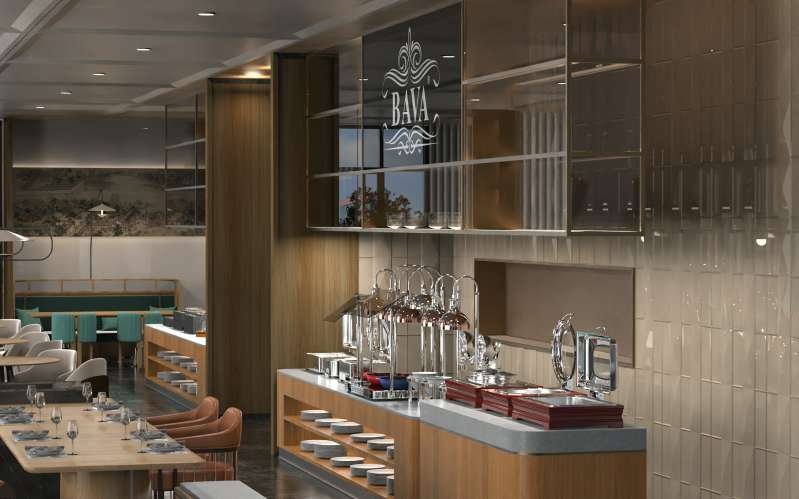
Wall-Mounted Buffet Stove for Space-Saving Kitchen Layouts
Discover the best Wall-Mounted Buffet Stove for Space-Saving Kitchen Layouts solutions. Real case st...

Stainless Steel Food Warmer for Supermarket Deli Departments
Discover the best Stainless Steel Food Warmer for Supermarket Deli Departments solutions. Real case ...
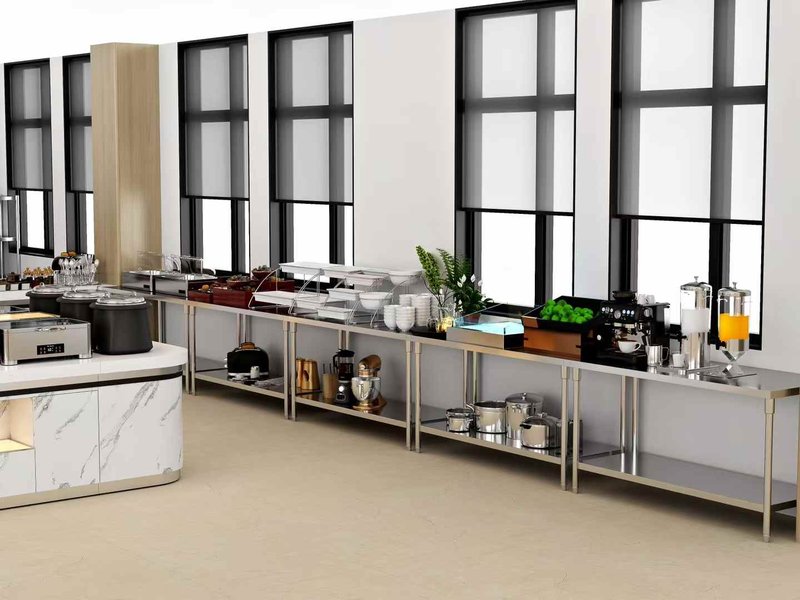
Commercial Chafer Dish with Temperature Control for Food Safety
Discover the best Commercial Chafer Dish with Temperature Control for Food Safety solutions. Real ca...