
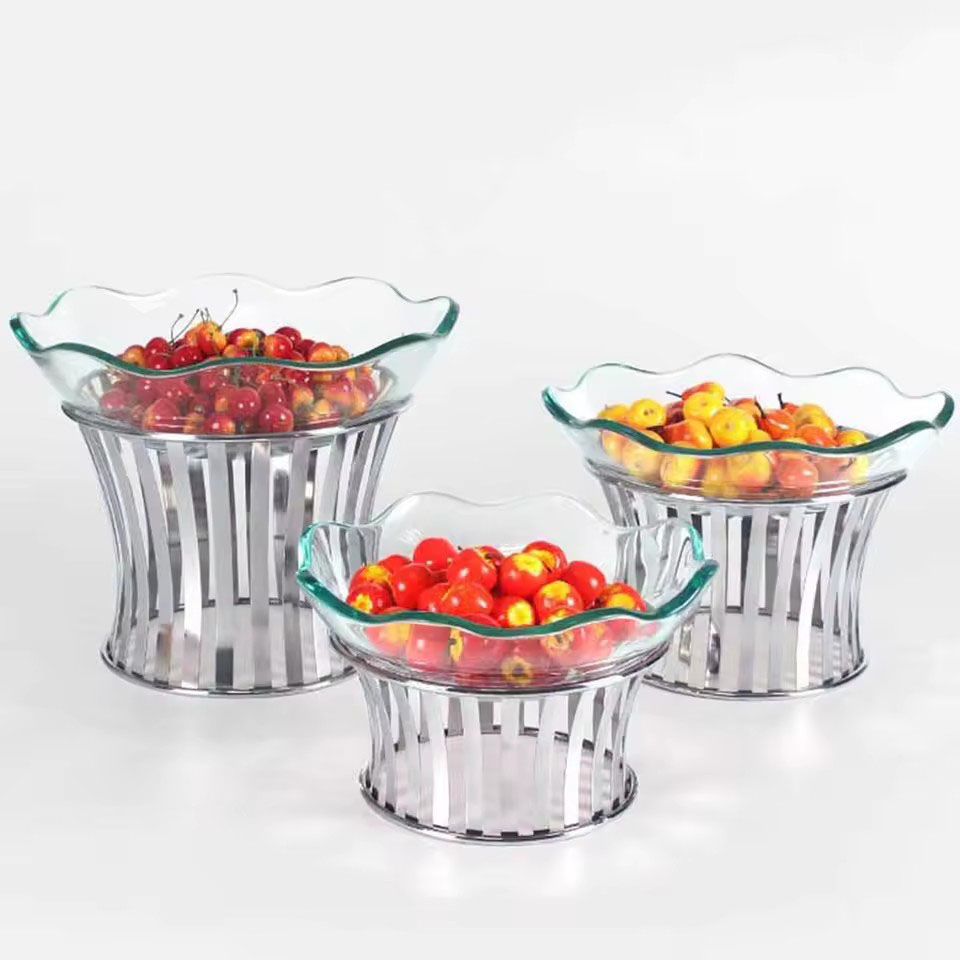
Chafing Dish Supplier: Trusted Manufacturers for Catering
Selecting the right chafing dish supplier determines equipment quality, service reliability, and the long-term partnership value that successful catering operations require. Trusted manufacturers combine product quality with responsive support, consistent availability, and business practices that make them reliable partners for professional operations. Understanding supplier evaluation criteria helps caterers build relationships that support operational success.
Manufacturer vs. Distributor Considerations
Direct manufacturer relationships provide the deepest product knowledge, customization options, and pricing advantages that distributors cannot match. However, manufacturers typically require larger order quantities and may not offer the variety that distributors aggregate from multiple sources. The manufacturer-direct choice suits operations with focused equipment needs and sufficient volume.
Distributor partnerships provide variety, smaller order accommodation, and logistical convenience that manufacturers may not offer. Distributors add cost through their markup but provide value through inventory management, consolidated shipping, and single-source purchasing. The distributor choice suits operations prioritizing convenience and variety.
Hybrid approaches combine manufacturer relationships for core equipment with distributor purchasing for specialty items and replacements. This strategy captures manufacturer pricing advantages for high-volume items while maintaining distributor flexibility for varied needs. Hybrid sourcing optimizes both cost and convenience.
Quality Indicators
Material specifications including stainless steel grade, thickness, and finish quality indicate the manufacturing standards that affect durability and appearance. Reputable suppliers readily provide detailed specifications while vague material descriptions may indicate quality compromises. Specification transparency reflects manufacturing quality.
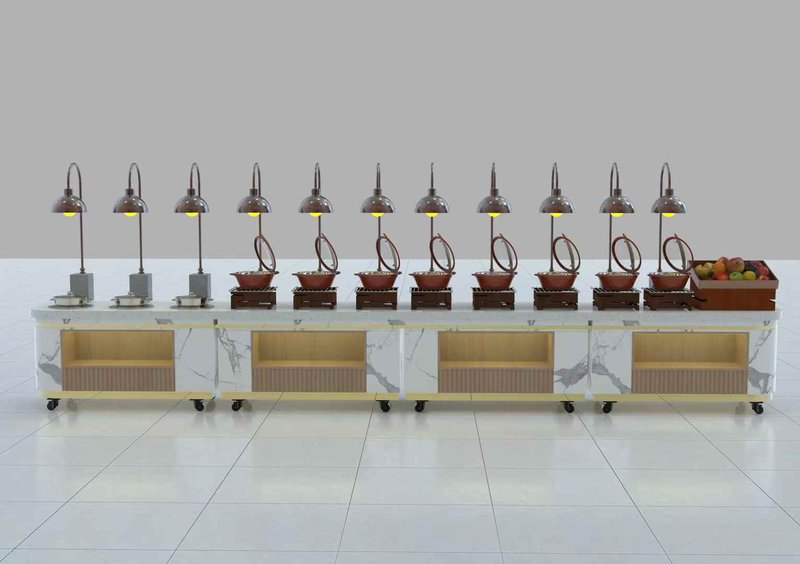
Construction quality visible in weld finishing, hinge operation, and component fit reveals the attention to detail that distinguishes quality manufacturers from those focused on cost reduction. Sample inspection before committing to supplier relationships reveals construction characteristics. Physical inspection validates quality claims.
Testing and certification documentation demonstrates that products meet relevant standards for food service equipment, including NSF certification and electrical safety approvals for heated models. Certification availability indicates professional manufacturing practices. Documentation validates quality claims.
Reliability Assessment
Industry reputation among professional caterers provides insight into real-world supplier performance that marketing materials cannot convey. Reference checking with current customers reveals service quality, problem resolution, and long-term reliability. Customer references provide realistic expectations.
Operational history indicates stability, with established manufacturers offering more reliable long-term partnerships than newer operations still developing their capabilities. Company longevity suggests both product quality and business sustainability. History assessment reduces risk.
Financial stability affects warranty value and parts availability because financially troubled suppliers may not honor commitments or maintain inventory. Credit reports and industry reputation provide financial stability insight. Financial assessment protects warranty value.
Featured Chafing Dish Products
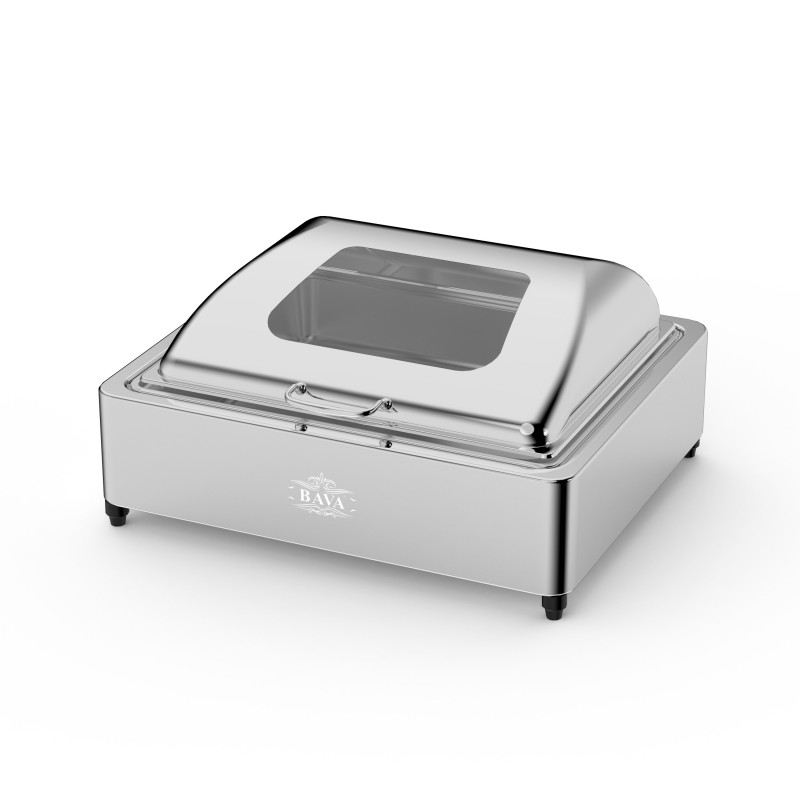
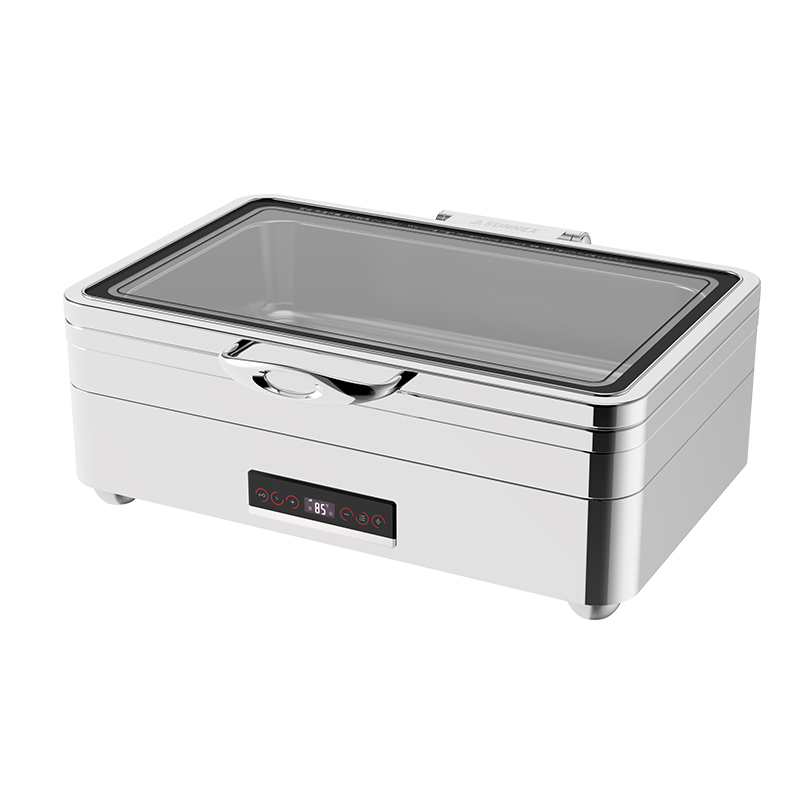
Electric Chafing Dishes-StoveMaster Series
Electric Chafing Dishes-StoveMaster Series demonstrates the manufacturing quality that trusted suppliers deliver. Professional-grade construction and consistent quality reflect the manufacturing standards that catering operations should seek in supplier partnerships.
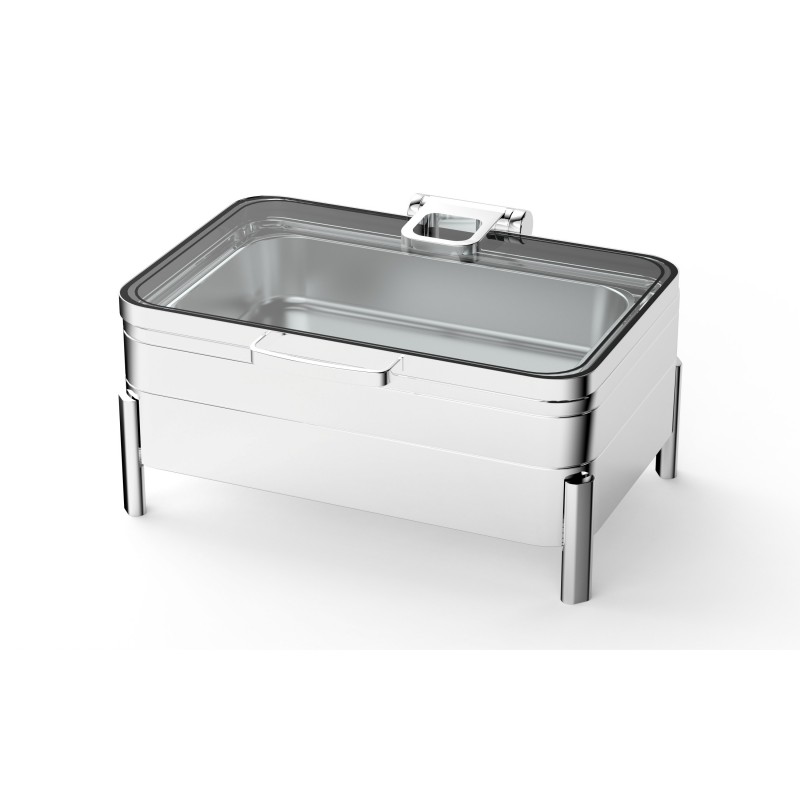
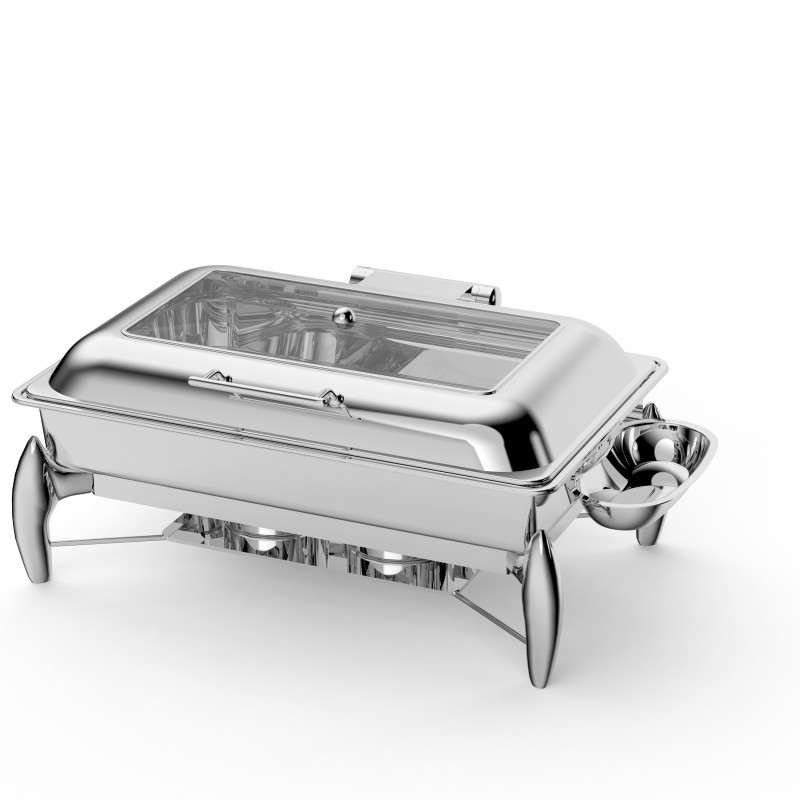
Fuel Chafing Dish-HC380Z
Fuel Chafing Dish-HC380Z represents the reliable performance that results from quality manufacturing partnerships. Consistent construction and professional appearance demonstrate the supplier quality that catering businesses depend upon.
Service and Support Evaluation
Warranty coverage comparison reveals supplier confidence in product quality and commitment to customer support. Comprehensive warranties with reasonable claim processes indicate supplier reliability that limited warranty terms may not provide. Warranty evaluation affects total cost of ownership.
Parts availability ensures that minor failures do not render equipment unusable, with established suppliers typically maintaining better parts inventories than newer operations. Parts ordering convenience and delivery speed affect equipment downtime. Parts support protects equipment investment.
Technical support accessibility including phone availability, response times, and technical expertise affects problem resolution speed when equipment issues arise. Support quality testing through pre-purchase inquiries reveals service capability. Support evaluation predicts service experience.
Business Practices
Pricing transparency indicates trustworthy business practices, with clear pricing structures and consistent terms building relationship confidence. Suppliers with confusing pricing or frequent unexplained changes may create operational complications. Pricing clarity supports business planning.
Order fulfillment reliability including on-time delivery, order accuracy, and damage rates affects operational planning and inventory management. Consistent fulfillment performance enables just-in-time ordering that reduces inventory requirements. Fulfillment reliability affects operations.
Problem resolution approach when issues arise reveals supplier character, with some suppliers prioritizing customer satisfaction while others minimize their involvement. Problem resolution experience during evaluation periods predicts long-term relationship quality. Resolution testing reveals supplier values.
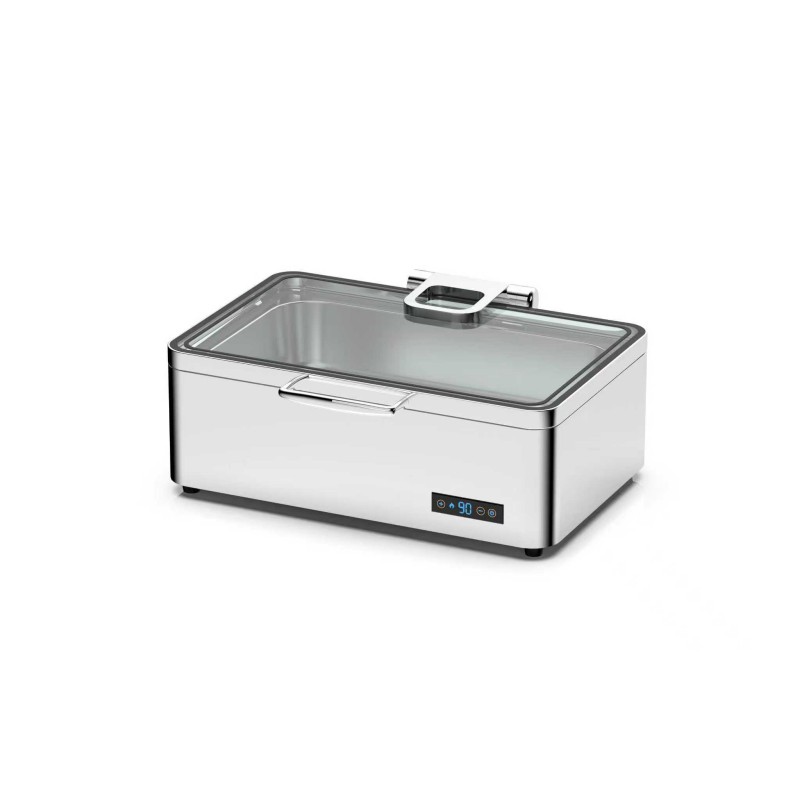
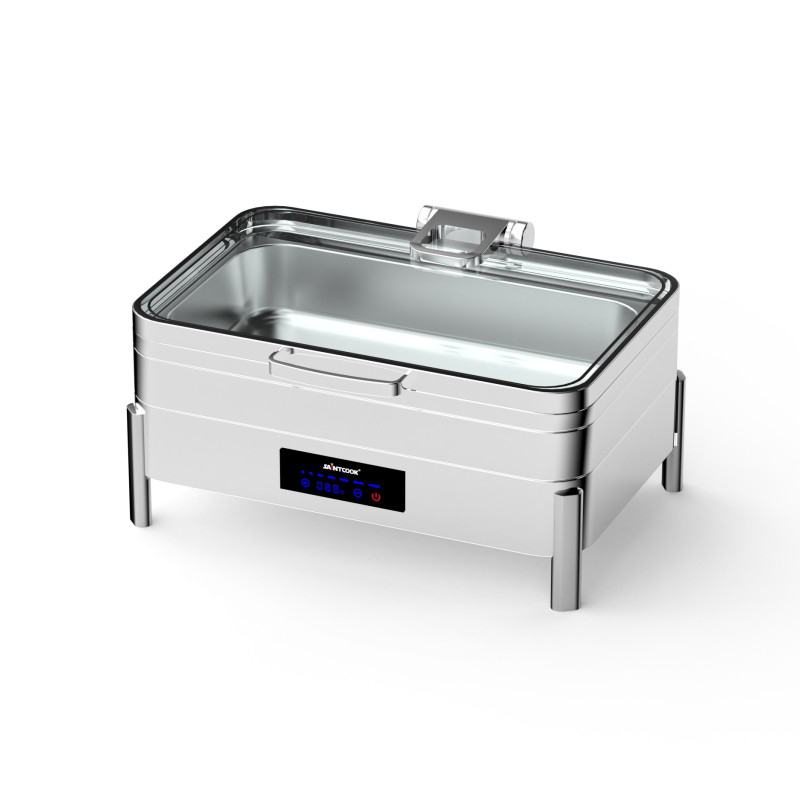
Electric Chafing Dish-BA
Electric Chafing Dish-BA illustrates the product variety that comprehensive supplier relationships provide. Quality manufacturers offer ranges that suit diverse catering applications while maintaining consistent standards across their product lines.
Relationship Development
Account management support through dedicated representatives who understand your business needs improves service quality over time. The investment suppliers make in relationship management reflects their commitment to long-term partnerships. Relationship support indicates partnership value.
Communication channels including order systems, support contacts, and relationship management structure affect daily interaction quality. Efficient communication systems reduce friction while responsive support channels resolve issues quickly. Communication infrastructure affects experience.
Partnership programs for high-volume customers may include benefits like priority service, extended terms, exclusive products, or volume pricing tiers. These programs reward loyalty while improving operational economics. Partnership benefits enhance relationship value.
Geographic Considerations
Domestic suppliers offer shipping advantages, warranty service convenience, and time zone alignment that international suppliers cannot match. The domestic advantage includes easier communication and faster problem resolution. Domestic sourcing simplifies logistics.
International manufacturers may offer pricing advantages or product variety not available domestically, with the trade-offs including longer lead times, import complexity, and warranty service challenges. International sourcing requires additional planning and patience. Import decisions weigh cost against convenience.
Regional suppliers provide local inventory, reduced shipping times, and market knowledge that national or international suppliers may lack. Regional relationships often develop more personal connections that improve service quality. Regional advantages suit specific markets.
Supplier Transition Planning
Backup supplier relationships protect against primary supplier problems including stockouts, quality issues, or business failures. Maintaining secondary supplier accounts enables rapid switching without operational disruption. Redundancy planning protects operations.
Standardization considerations affect supplier switching because different manufacturers produce equipment with different dimensions and styling. Maintaining standardization requires either staying with current suppliers or planning gradual transition. Standardization affects switching costs.
Relationship continuity value accumulates over time through improved service, pricing benefits, and operational understanding that new suppliers cannot immediately provide. The investment in building relationships should be weighed against potential benefits of switching. Relationship value affects supplier decisions.
Related Articles

Electric Buffet Warmer with Adjustable Thermostat for Restaurants
Discover the best Electric Buffet Warmer with Adjustable Thermostat for Restaurants solutions. Real ...
Mini Chafing Dish for Breakfast Buffet & Condiment Stations
Discover the best Mini Chafing Dish for Breakfast Buffet & Condiment Stations solutions. Real case s...
9QT Extra-Large Chafing Dish for Large-Scale Banquet Events
Discover the best 9QT Extra-Large Chafing Dish for Large-Scale Banquet Events solutions. Real case s...

Wall-Mounted Buffet Stove for Space-Saving Kitchen Layouts
Discover the best Wall-Mounted Buffet Stove for Space-Saving Kitchen Layouts solutions. Real case st...

Stainless Steel Food Warmer for Supermarket Deli Departments
Discover the best Stainless Steel Food Warmer for Supermarket Deli Departments solutions. Real case ...
Commercial Chafer Dish with Temperature Control for Food Safety
Discover the best Commercial Chafer Dish with Temperature Control for Food Safety solutions. Real ca...