
Chafing Dishes for Buffet Lines: High-Volume Commercial Solutions
High-volume buffet operations require chafing dishes engineered for continuous service that consumer equipment cannot reliably provide. Commercial buffet lines serve hundreds of guests over extended periods, demanding equipment that maintains temperature, withstands constant use, and presents food attractively throughout service. Understanding commercial-grade solutions enables buffet operators to select equipment that performs under professional demands.
High-Volume Design Requirements
Continuous service capability distinguishes commercial chafing dishes from consumer alternatives, with equipment designed to operate for four, six, or eight hours without performance degradation. The extended operation that buffet lines require creates demands that home equipment cannot meet. Continuous operation demands commercial construction.
Temperature consistency across extended service periods ensures food safety and quality from the first guest through the last, with commercial designs maintaining proper temperatures despite repeated lid openings that allow heat to escape. Consistency protects both guests and operation reputation. Temperature stability matters throughout service.

Recovery speed determines how quickly temperatures return to safe levels after lid openings, with commercial designs providing faster recovery than consumer alternatives. The frequent access that buffet service creates makes recovery performance critical for food safety. Quick recovery maintains food safety.
Capacity Considerations
Full-size capacity accommodates standard hotel pans that commercial kitchens use, enabling seamless integration with existing food preparation and service equipment. Standard sizing simplifies operations and reduces specialized equipment requirements. Standard capacity simplifies kitchen operations.
Multiple well configurations allow diverse menu offerings within single equipment setups, with two, three, or four well designs supporting varied buffet presentations. Multi-well designs maximize menu variety while minimizing equipment footprint. Configuration options support menu variety.
Depth options accommodate different food types, with shallow wells for items that require frequent replenishment and deeper wells for dishes that maintain quality over longer periods. Depth selection affects service efficiency and food quality maintenance. Proper depth suits food types.
Durability for Commercial Use
Heavy-gauge construction resists the dents and damage that daily commercial service inevitably causes, with material thickness that consumer equipment lacks. The investment in commercial construction pays dividends through extended equipment life. Material gauge determines durability.
Component quality including hinges, handles, and lid mechanisms withstands the repeated use cycles that buffet service creates, with commercial components rated for thousands of operations. Component durability prevents the failures that interrupt service. Quality components ensure reliability.
Finish durability maintains professional appearance despite the daily cleaning that commercial operations require, with commercial-grade finishes that resist scratching, staining, and the effects of commercial detergents. Finish quality affects both appearance and cleanliness. Durable finishes maintain appearance.
Featured Chafing Dish Products
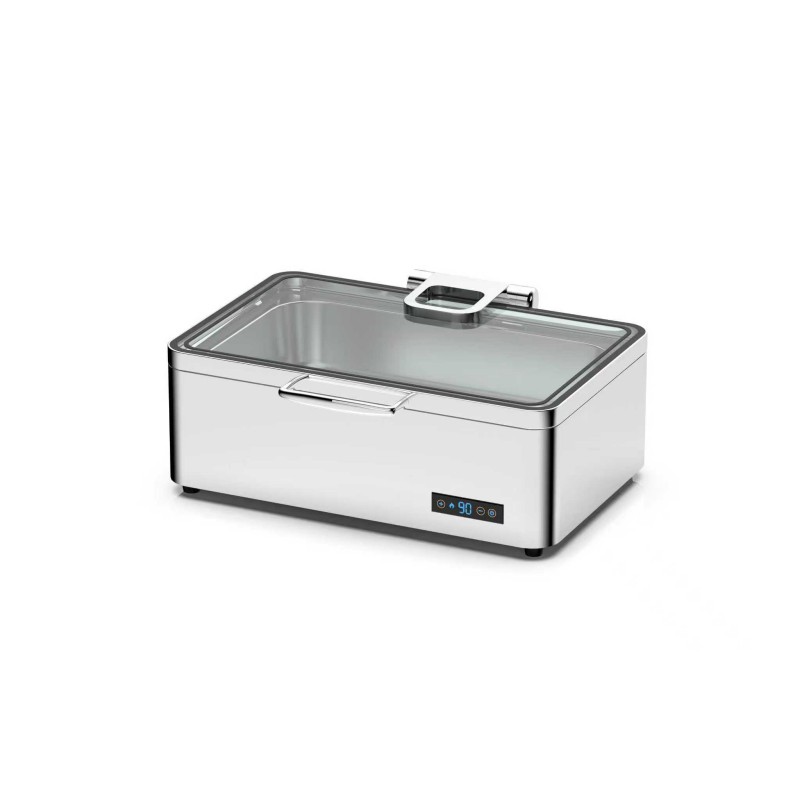
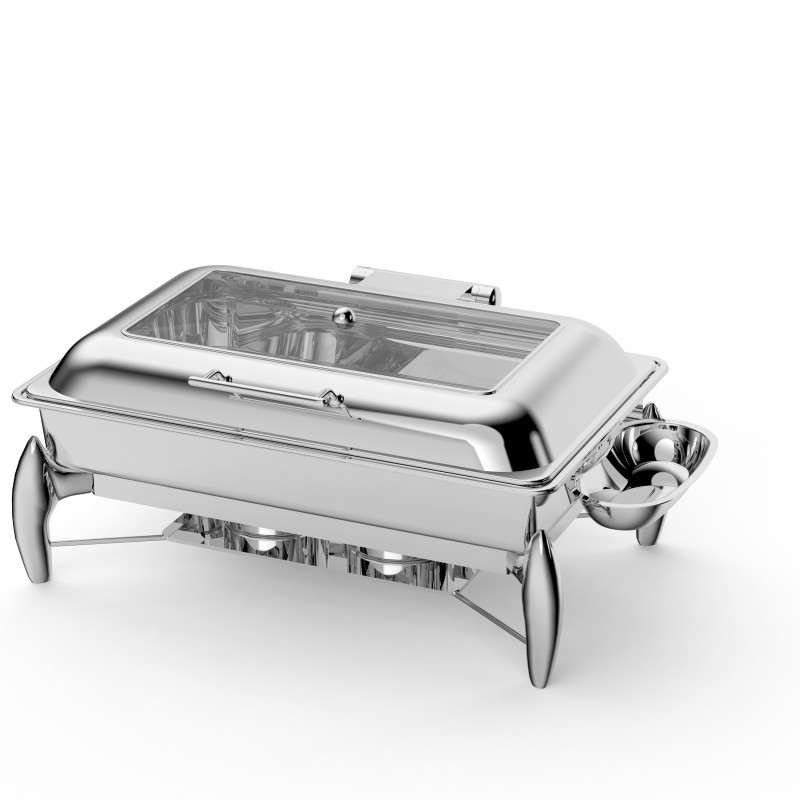
Electric Chafing Dish-BA
Electric Chafing Dish-BA represents the commercial construction that high-volume buffet operations demand. Heavy-duty materials and robust design ensure reliable performance throughout extended service periods.
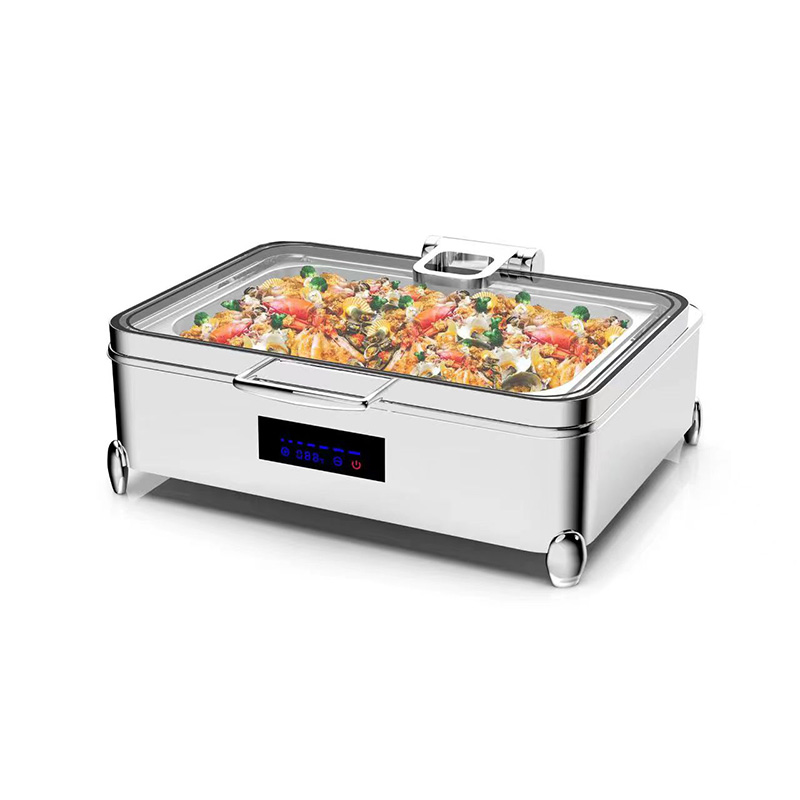
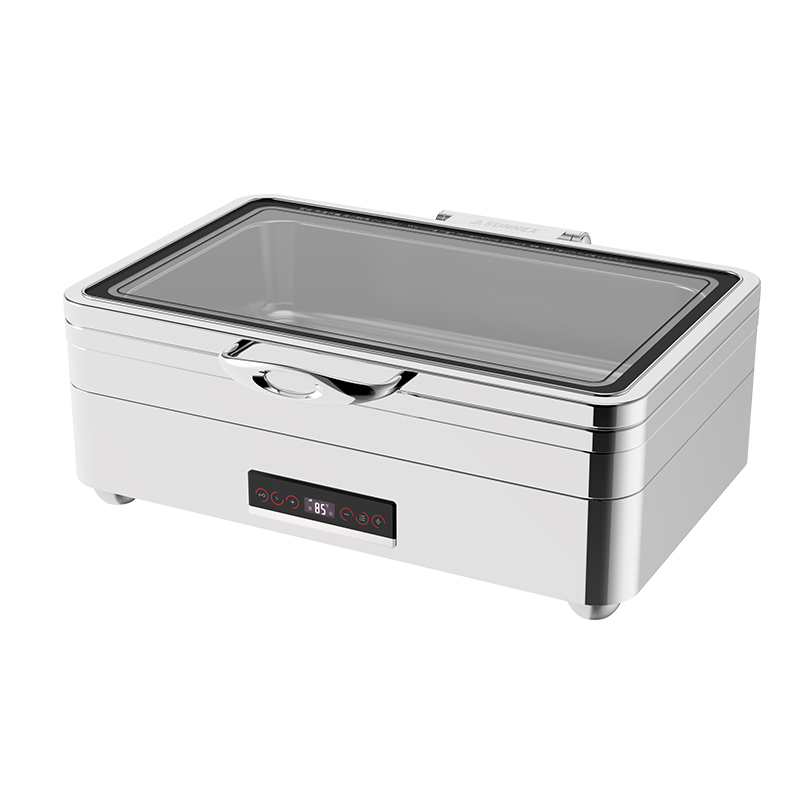
Electric Chafing Dish Food Warmer
Electric Chafing Dish Food Warmer demonstrates the capacity and durability that buffet lines require. Professional-grade construction delivers the reliability that high-volume service cannot compromise.
Heat Source Options
Sterno fuel provides the simplicity that many buffet operations prefer, with canned heat that requires no electrical connections and enables flexible placement anywhere in the buffet line. Fuel heating suits operations without convenient electrical access or those prioritizing setup simplicity. Fuel heating offers flexibility.
Electric heating delivers consistent temperature control without fuel replacement needs, though placement requires access to electrical outlets that may limit buffet layout options. Electric heating suits operations with adequate electrical infrastructure and permanent buffet locations. Electric power provides consistency.
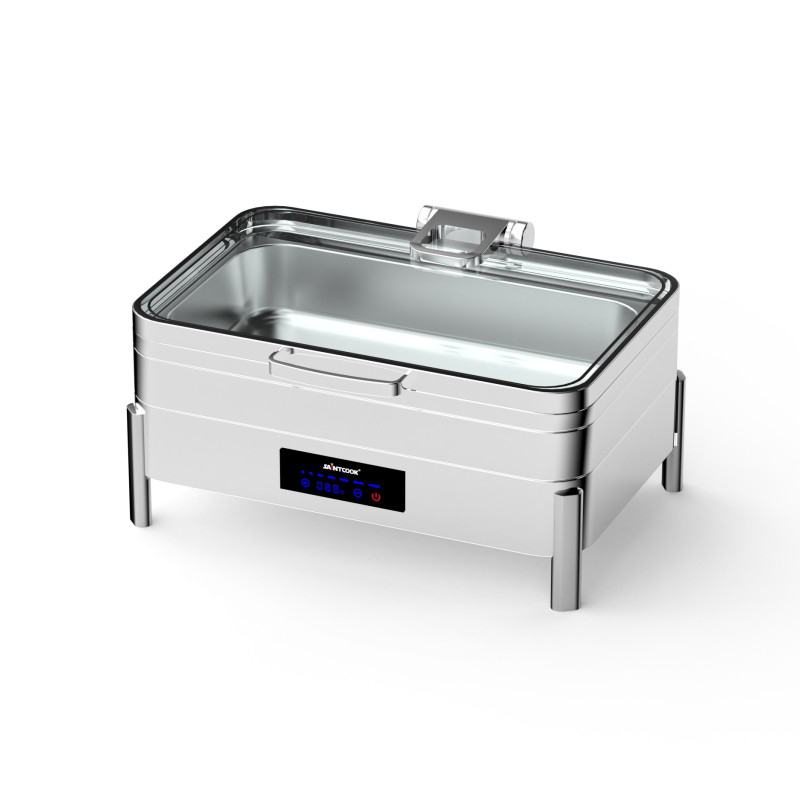
Induction heating offers precise temperature control and energy efficiency, with rapid heating and the ability to adjust temperatures for different food types. Induction suits operations investing in advanced equipment with appropriate cookware. Induction provides precision control.
Service Flow Optimization
Line configuration affects both guest experience and operational efficiency, with equipment arrangement influencing traffic patterns and service speed. Proper configuration prevents bottlenecks that frustrate guests and slow service throughput. Layout planning affects service efficiency.
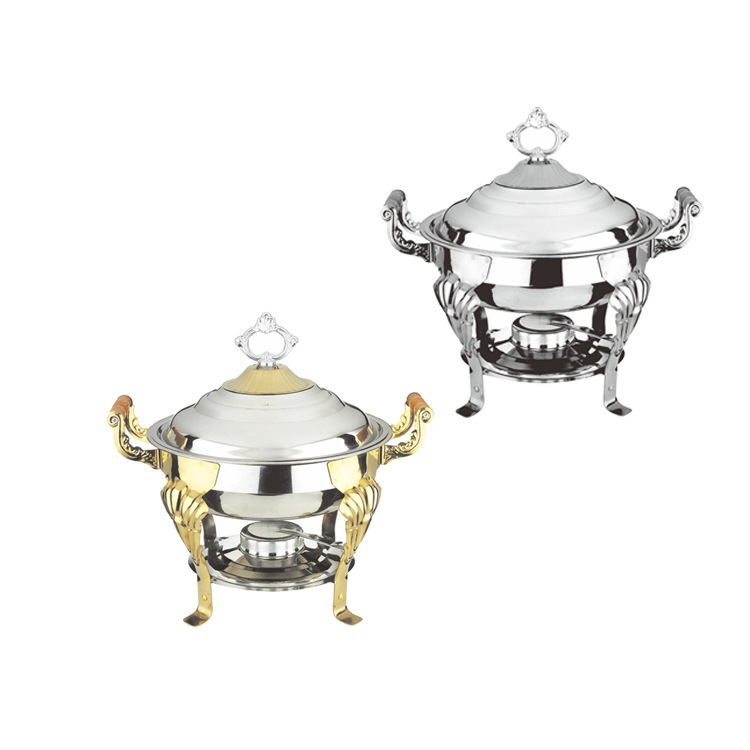
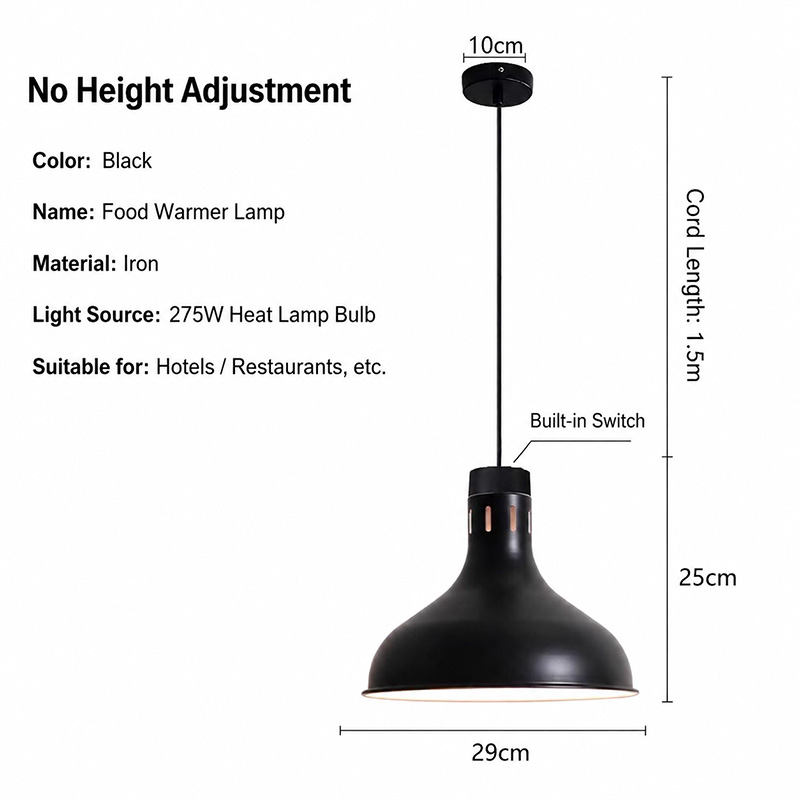
Mini Individual Buffet Chafing Dish
Mini Individual Buffet Chafing Dish illustrates the professional appearance that commercial buffet operations require. Consistent equipment creates the cohesive presentation that enhances guest perception and supports branding.
Accessibility considerations ensure all guests can access buffet items comfortably, with equipment height and arrangement serving both ambulatory guests and those with mobility limitations. Accessibility planning serves all guests effectively. Inclusive design serves everyone.
Refill access enables staff to replenish items without disrupting guest flow, with rear-access designs allowing service without entering guest areas. Efficient refill processes maintain food availability while minimizing service disruption. Access design affects service efficiency.
Maintenance Protocols
Daily cleaning routines for commercial chafing dishes should include complete breakdown, washing, sanitizing, and thorough drying to prevent water spots and mineral buildup that affect appearance. Consistent cleaning maintains both hygiene and presentation quality. Daily maintenance preserves equipment.
Regular inspection identifies wear before failures occur, with hinge checks, seal inspection, and fuel holder examination preventing service disruptions. Preventive maintenance extends equipment life while avoiding embarrassing equipment failures during service. Inspection prevents failures.
Proper storage protects equipment between uses, with adequate space preventing scratches and dents that affect appearance and function. Storage care extends equipment life and maintains professional appearance. Storage practice affects longevity.
Food Safety Compliance
Temperature maintenance requirements for buffet service typically mandate keeping hot foods above specific temperatures, with equipment that cannot maintain safe temperatures creating health code violations and guest risk. Equipment selection should verify temperature maintenance capability for intended service duration. Temperature compliance protects guests.
Health code requirements may specify equipment standards for commercial buffet service, with NSF certification indicating compliance with sanitation standards that inspectors may verify. Certification provides documentation that simplifies permit and inspection processes. Certification demonstrates compliance.
Documentation practices including temperature logs demonstrate due diligence that health inspectors may request, with records showing consistent food safety practices. Documentation supports both compliance verification and operational improvement. Record keeping aids compliance.
Operational Economics
Initial investment in commercial equipment exceeds consumer alternatives but delivers value through extended service life and reliable performance that prevents costly service interruptions. Quality investment protects revenue through reliability. Investment quality affects total cost.
Operating costs including fuel or electricity consumption should factor into equipment selection, with more efficient designs reducing ongoing expenses throughout equipment life. Efficiency improvements compound over years of daily operation. Operating costs affect total expense.
Labor considerations include setup time, cleaning effort, and maintenance requirements that differ between equipment types and quality levels. Equipment that simplifies operations reduces labor costs while improving service quality. Labor efficiency affects operating costs.
Related Articles
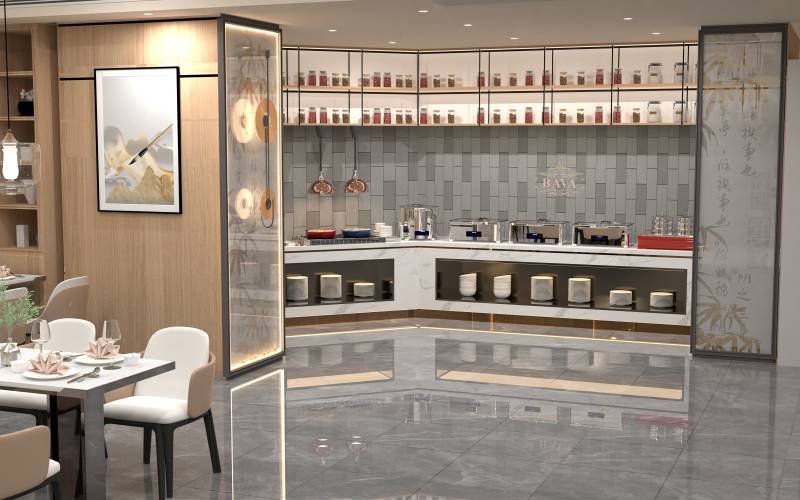
Electric Buffet Warmer with Adjustable Thermostat for Restaurants
Discover the best Electric Buffet Warmer with Adjustable Thermostat for Restaurants solutions. Real ...
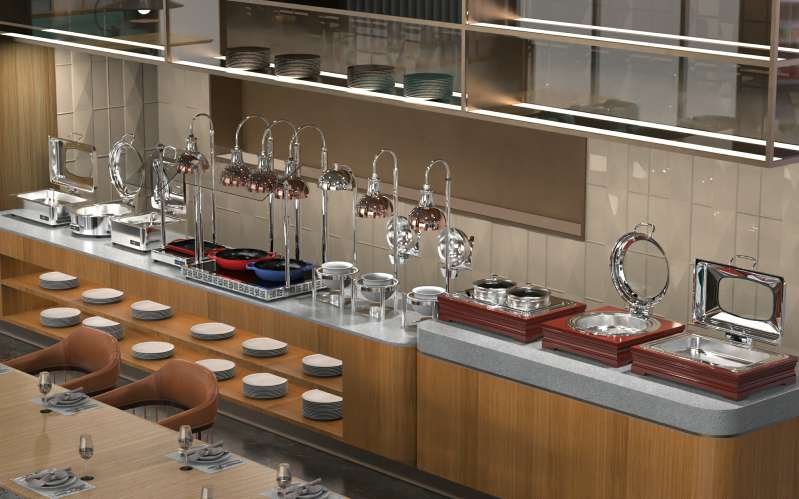
Mini Chafing Dish for Breakfast Buffet & Condiment Stations
Discover the best Mini Chafing Dish for Breakfast Buffet & Condiment Stations solutions. Real case s...
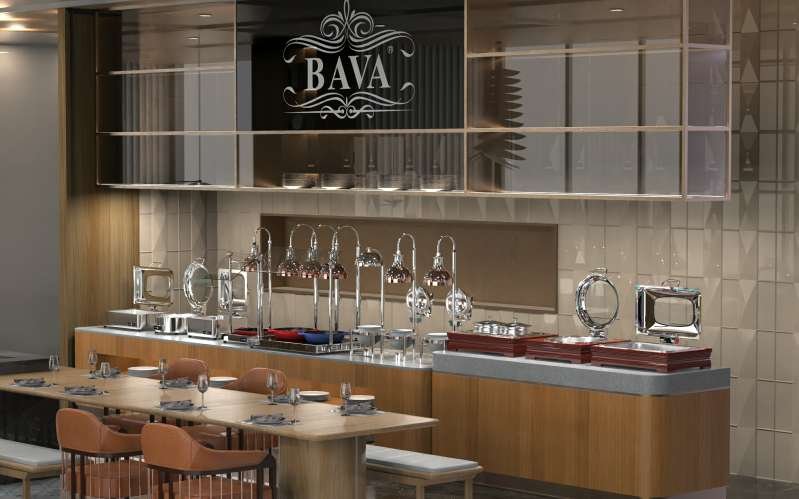
9QT Extra-Large Chafing Dish for Large-Scale Banquet Events
Discover the best 9QT Extra-Large Chafing Dish for Large-Scale Banquet Events solutions. Real case s...
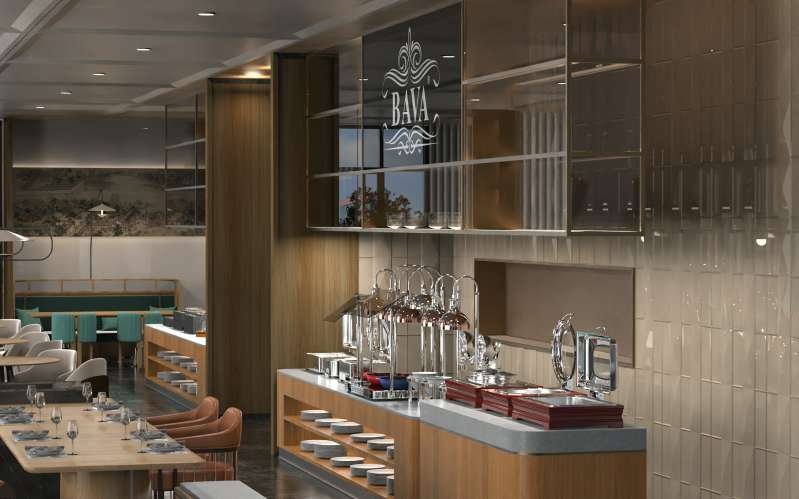
Wall-Mounted Buffet Stove for Space-Saving Kitchen Layouts
Discover the best Wall-Mounted Buffet Stove for Space-Saving Kitchen Layouts solutions. Real case st...
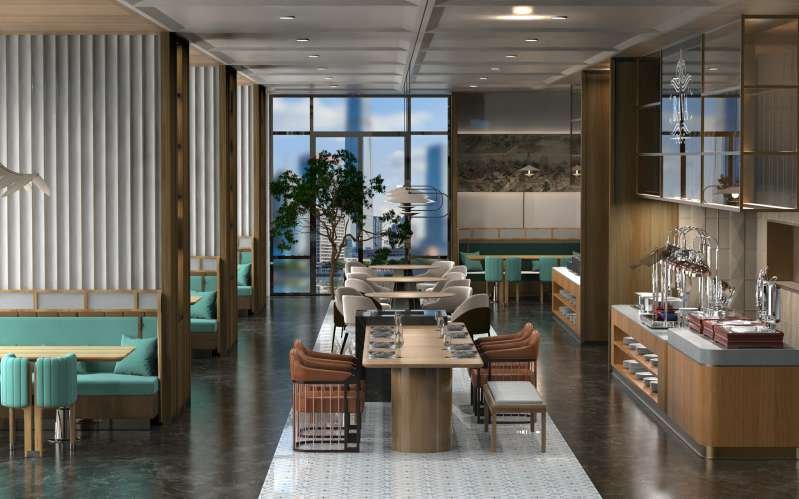
Stainless Steel Food Warmer for Supermarket Deli Departments
Discover the best Stainless Steel Food Warmer for Supermarket Deli Departments solutions. Real case ...
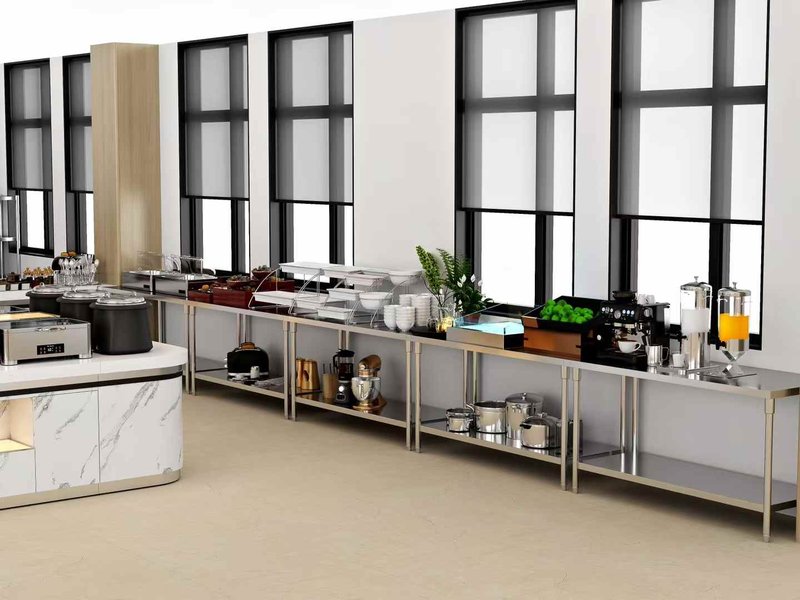
Commercial Chafer Dish with Temperature Control for Food Safety
Discover the best Commercial Chafer Dish with Temperature Control for Food Safety solutions. Real ca...