
Food Heat Lamps for Food Trucks: Portable Warming Solutions
The food truck industry has experienced remarkable growth over the past decade, with operators increasingly competing against brick-and-mortar restaurants in terms of food quality and presentation. One of the most significant challenges facing food truck chefs is maintaining food at safe serving temperatures in a mobile environment where kitchen space is limited, power supply is constrained, and ambient conditions change constantly. Food heat lamps designed for portable use address these unique challenges, allowing food truck operators to deliver hot, safe, and delicious food to their customers throughout each service period.
Understanding the Food Truck Warming Challenge
Traditional restaurant kitchens have the luxury of dedicated warming equipment, stable electrical infrastructure, and consistent ambient conditions. Food trucks operate in a completely different environment. A typical food truck might serve breakfast at a farmers market, then drive across town for an afternoon lunch rush, before setting up for an evening event. Each location presents different ambient temperatures, humidity levels, and power availability. Effective warming equipment must adapt to these variations while still maintaining food safety standards.
Temperature management becomes even more critical when operating in outdoor settings. Summer heat, winter cold, wind, and direct sunlight all affect food temperatures differently than a controlled indoor kitchen. A heat lamp that works perfectly in a climate-controlled restaurant may underperform on a windy food truck patio during winter or overheat food in direct summer sunlight.
Key Features of Portable Food Heat Lamps
Food trucks require heat lamps with specific characteristics that differ from static catering applications:
Compact Footprint
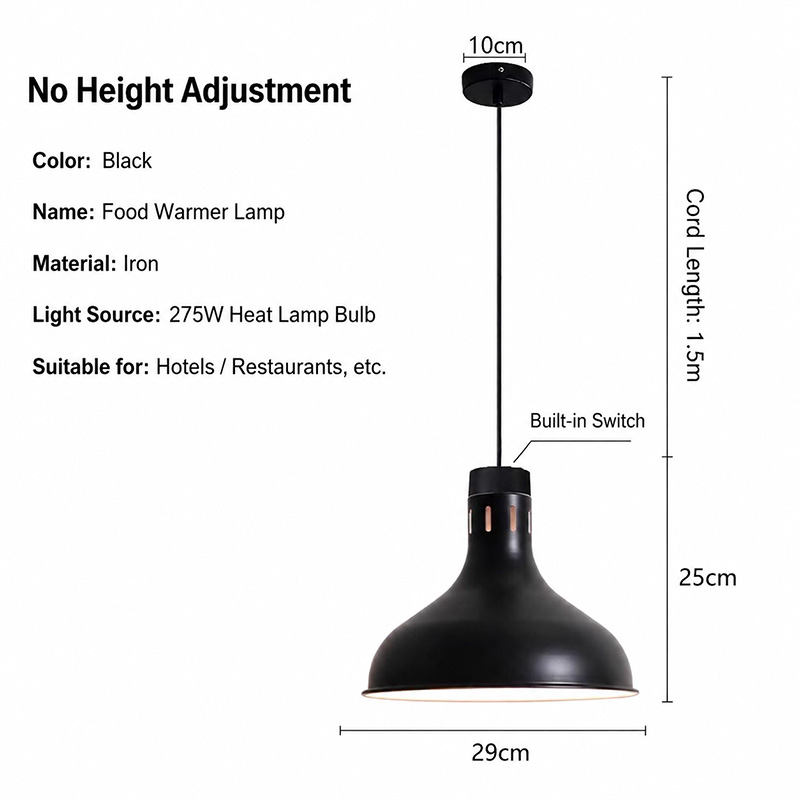
Every square inch of counter space in a food truck is valuable real estate. Food truck heat lamps must deliver effective warming performance while occupying minimal counter area. The best portable units feature slim profiles and adjustable mounting options that allow them to fit into unconventional kitchen layouts. Wall-mounted or adjustable-arm designs free up valuable counter space entirely, positioning the heat lamp over food warmers without taking up preparation area.
Electrical Efficiency
Food trucks typically operate on limited electrical supply, often running from a single dedicated circuit or even battery power in some configurations. Portable heat lamps for food trucks should offer effective warming with reasonable power consumption. Look for units that provide good heat output relative to their wattage, allowing you to run multiple lamps simultaneously without tripping breakers or draining power reserves needed for refrigeration and other critical equipment.
Durability for Mobile Use
A food truck kitchen experiences constant vibration from driving, repeated setup and breakdown, and exposure to road dust and moisture during travel. Heat lamps in this environment must be built to withstand these conditions without degradation in performance or safety. Stainless steel construction provides the best durability, with sealed electrical components that prevent dust and moisture intrusion. Lamp heads should be securely attached with locking mechanisms that prevent loosening from vibration.
Easy Setup and Breakdown
Food trucks that operate at multiple locations daily need warming equipment that can be quickly set up at the first location and efficiently broken down at the end of service. Lightweight heat lamps with quick-connect mounting systems and simple plug-and-play electrical connections significantly reduce setup time. Some operators prefer freestanding units that can be positioned quickly without any mounting hardware, while others favor permanent or semi-permanent installations that minimize daily handling.
Types of Portable Heat Lamps for Food Trucks
Adjustable Arm Mounted Lamps
These versatile units attach to counter edges or walls and feature articulated arms that allow precise positioning over food items. The Single-Head Rose Gold Buffet Heat Lamp exemplifies this category, offering adjustable reach and angle to accommodate different food pan sizes and positions. Adjustable arm lamps work well for food trucks with dedicated serving windows where the lamp can remain in position throughout service.
Multi-Head Station Systems
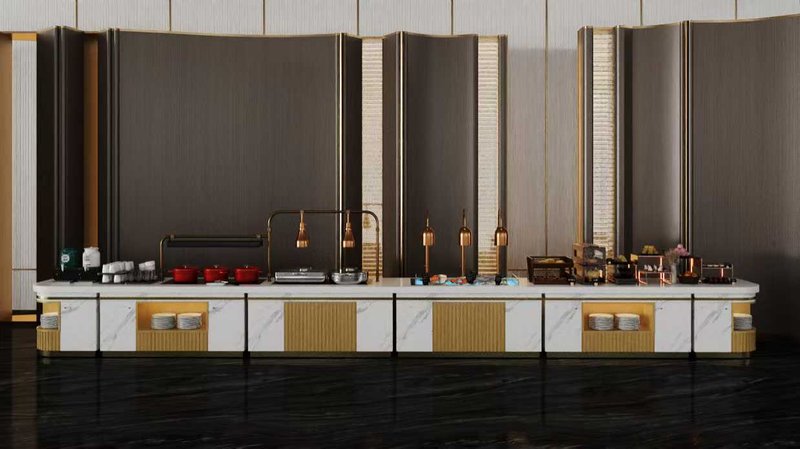
For food trucks serving multiple hot food items simultaneously, multi-head heat lamp stations provide efficient coverage from a single stand. The Three-Head Rose Gold Buffet Heat Lamp Station can warm three separate food pans from one base, eliminating the need for multiple single-head units and their associated power draw. The shared base also simplifies setup and breakdown compared to managing three separate lamp stands.
Dual-Function Workstations
Some food trucks benefit from combining warming with food preparation surfaces. Dual-insulation workstations integrate heat lamps with heated holding areas below, providing both overhead warming for one food item and surface warming for another. These units maximize the functionality of limited counter space, though they typically require more power than single-function alternatives.
Power Options for Food Truck Heat Lamps
Food truck electrical systems vary significantly depending on the vehicle type and setup. Understanding your power availability helps select the right heat lamp configuration:
Dedicated Circuit Power
Most properly equipped food trucks have at least one dedicated 20-amp circuit for cooking equipment. This allows running one or two heat lamps alongside other equipment simultaneously. Check the total amperage draw of all equipment to ensure you stay within circuit capacity and avoid dangerous overloads.
Portable Generator Power
Some food trucks, particularly those at outdoor events without hookup access, rely on portable generators. Generator-powered setups require additional consideration of power management, as the generator must supply both cooking equipment and warming lamps. Inverter generators provide the cleanest power for sensitive equipment but have limited wattage output.
Battery and Solar Supplemented Systems
Some modern food trucks incorporate battery storage or solar panels to supplement their electrical supply. These systems can power heat lamps during brief peak demand periods or provide backup warming if primary power fails. However, battery-powered heat lamp operation is typically limited to short periods due to the high power consumption of warming lamps.
Food Safety Considerations for Mobile Operations
Health regulations for food trucks vary by jurisdiction, but the fundamental requirements for hot food temperature maintenance remain consistent. Food must be held at 135 degrees Fahrenheit (57 degrees Celsius) or above to prevent bacterial growth. Heat lamps help achieve this requirement, but they must be monitored regularly in mobile environments where ambient conditions change frequently.
Establish a temperature monitoring routine appropriate for your operation. In stable indoor environments, checking food temperatures every two hours may suffice. In outdoor food truck settings with varying ambient temperatures, hourly checks provide better food safety assurance. Use calibrated probe thermometers and document your readings for health inspector visits and customer assurance.
Maintenance Tips for Food Truck Heat Lamps
Regular maintenance extends the life of food truck heat lamps and ensures consistent performance. Inspect bulbs before each service period, as vibration from driving can loosen bulbs and reduce their effectiveness. Clean lamp heads and reflectors weekly to remove grease buildup that can reduce warming efficiency and create fire hazards.
Check all electrical connections monthly, looking for signs of wear, corrosion, or damage to cords and plugs. Replace any components showing deterioration immediately. Keep spare bulbs and fuses in your truck at all times, as failures during service require immediate correction to maintain food safety.
Investing in Quality Equipment
While budget considerations matter for any business, food truck operators should view heat lamps as long-term investments rather than disposable equipment. Quality stainless steel units from established manufacturers provide reliable performance over years of daily use, while cheaper alternatives often require frequent replacement and may not perform adequately in demanding mobile conditions.
Consider the total cost of ownership rather than just the initial purchase price. A heat lamp that costs twice as much but lasts three times as long represents a better investment than a cheaper unit that fails within months. Factor in expected maintenance costs, bulb replacement frequency, and energy efficiency when comparing options.
Conclusion
Portable food heat lamps are essential equipment for food truck operators who serve hot food. The unique challenges of mobile food service demand warming solutions specifically designed for compact spaces, variable power conditions, and demanding operational environments. Whether you choose a single adjustable-arm unit for a focused menu or a multi-head station system for broader offerings, the right heat lamp helps you maintain food quality and safety throughout every service period. Invest in quality equipment, establish consistent monitoring practices, and your food truck will deliver the hot, delicious food that keeps customers coming back.
Featured Products
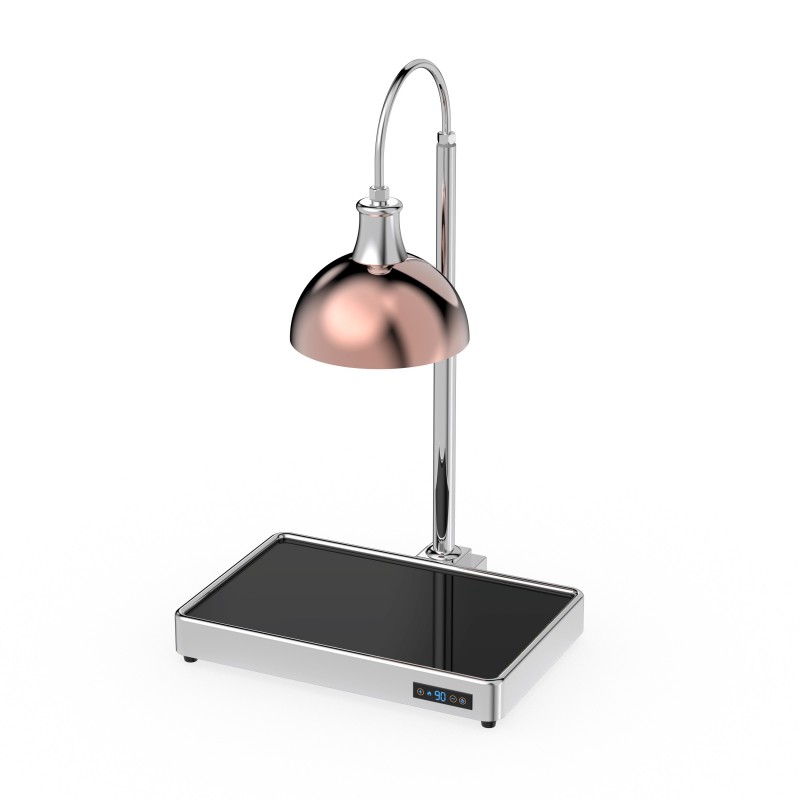
Single-Head Rose Gold Buffet Heat Lamp
A compact single-head heat lamp ideal for food truck configurations with limited counter space. The rose gold finish adds visual appeal to your serving window while the adjustable arm allows precise positioning over individual food pans. Lightweight and portable enough for daily setup and breakdown.
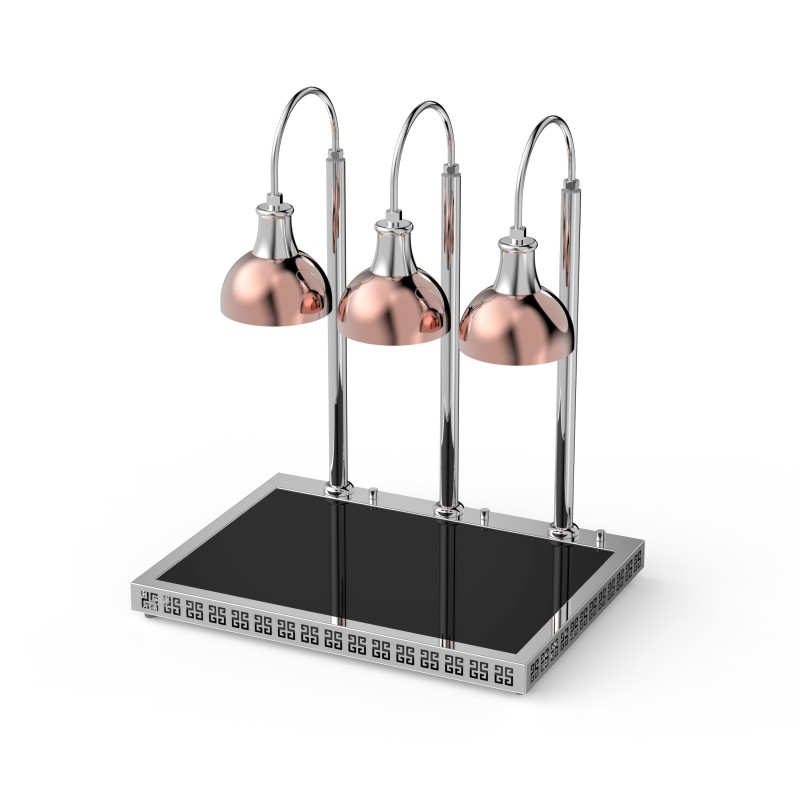
Three-Head Rose Gold Buffet Heat Lamp Station
This three-head heat lamp station warms up to three food pans simultaneously from a single stand, maximizing output in compact food truck kitchens. The rose gold finish coordinates with modern food truck branding while the wheeled base allows easy repositioning between service windows.
Related Articles
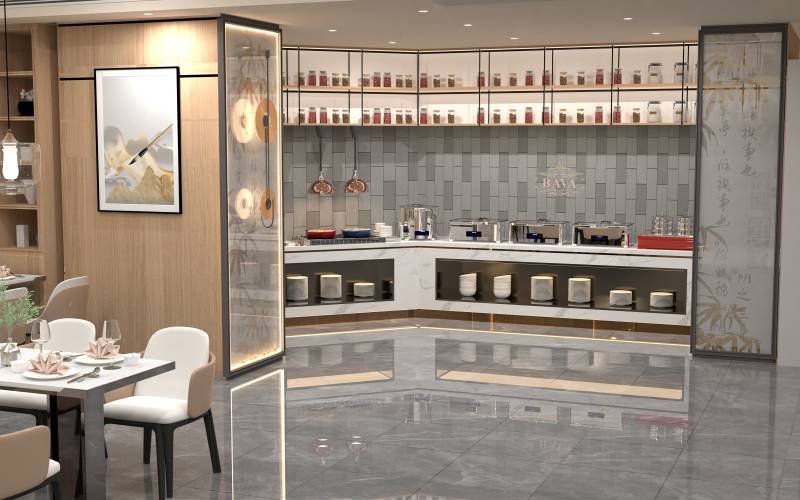
Electric Buffet Warmer with Adjustable Thermostat for Restaurants
Discover the best Electric Buffet Warmer with Adjustable Thermostat for Restaurants solutions. Real ...
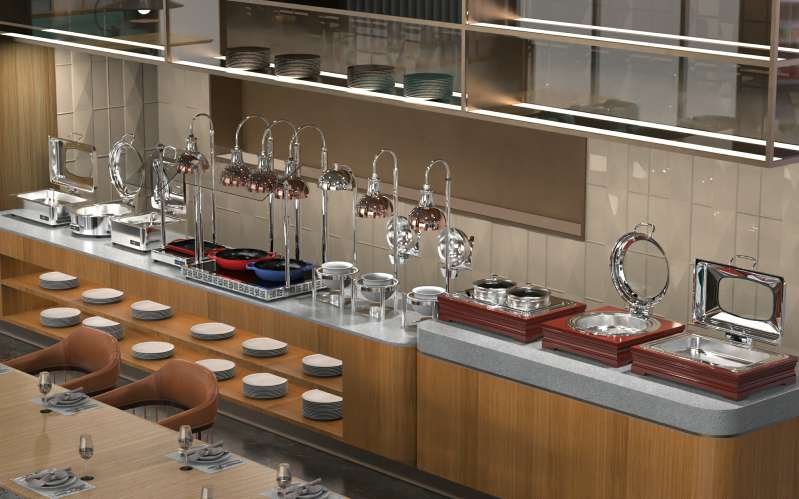
Mini Chafing Dish for Breakfast Buffet & Condiment Stations
Discover the best Mini Chafing Dish for Breakfast Buffet & Condiment Stations solutions. Real case s...
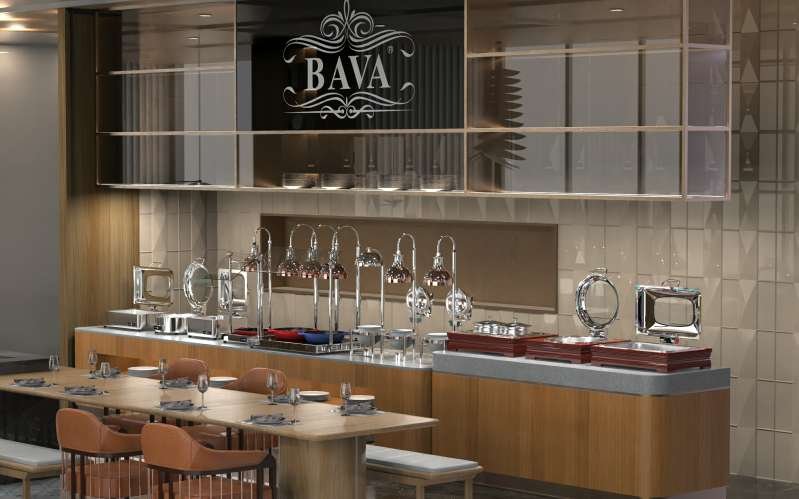
9QT Extra-Large Chafing Dish for Large-Scale Banquet Events
Discover the best 9QT Extra-Large Chafing Dish for Large-Scale Banquet Events solutions. Real case s...
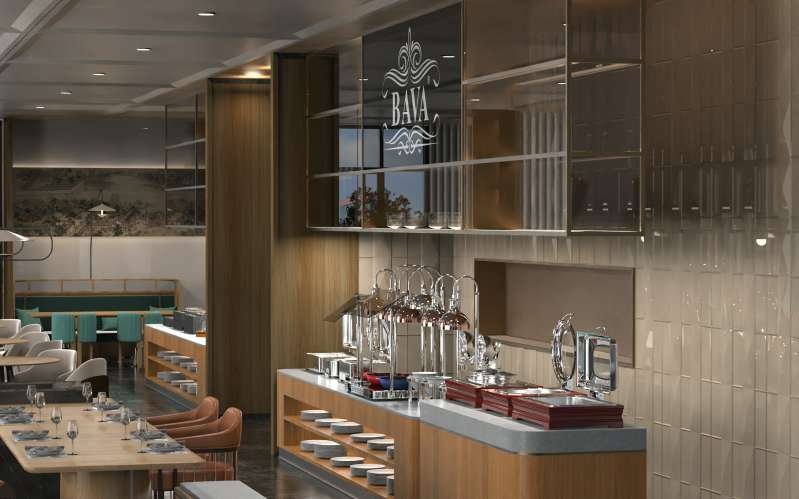
Wall-Mounted Buffet Stove for Space-Saving Kitchen Layouts
Discover the best Wall-Mounted Buffet Stove for Space-Saving Kitchen Layouts solutions. Real case st...

Stainless Steel Food Warmer for Supermarket Deli Departments
Discover the best Stainless Steel Food Warmer for Supermarket Deli Departments solutions. Real case ...
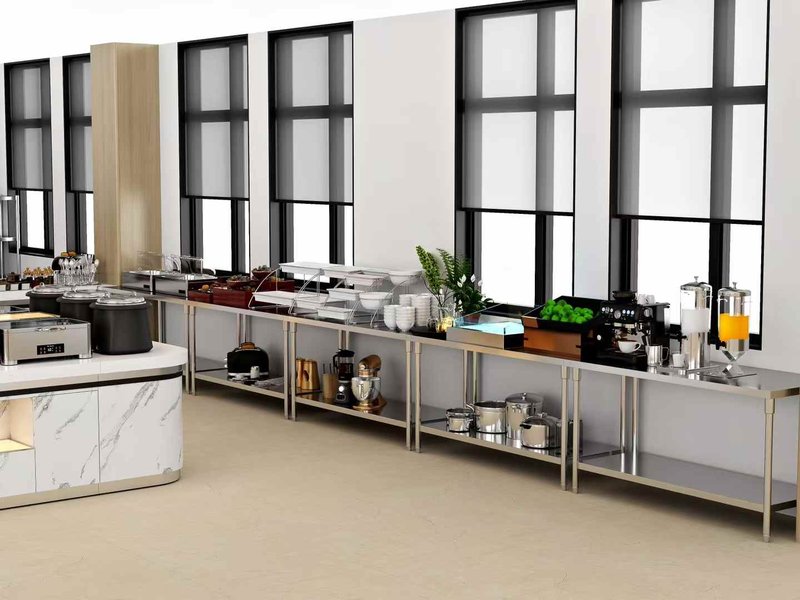
Commercial Chafer Dish with Temperature Control for Food Safety
Discover the best Commercial Chafer Dish with Temperature Control for Food Safety solutions. Real ca...