
Infrared Food Heat Lamps: Top Picks for Efficient Food Warming
Infrared heating technology represents the dominant approach in modern commercial food warming, offering distinct advantages over conventional conduction and convection methods that make it the preferred choice for professional food service operations. The physics of infrared heating—where energy transfers directly from heat source to food surface without intermediate heating of surrounding air—produces faster response times, more consistent temperatures, and reduced energy consumption compared to traditional warming approaches. Understanding how infrared technology works and how to evaluate specific implementations enables food service operators to select warming equipment that maximises efficiency while delivering the food quality that customers expect.
Understanding Infrared Food Warming Technology
How Infrared Radiation Heats Food
Infrared radiation occupies the electromagnetic spectrum between visible light and microwave radiation, with wavelengths that correspond to the thermal vibration frequencies of water molecules and organic food components. When infrared energy strikes a food surface, molecular vibrations increase, generating heat within the food rather than at the surface alone. This direct heating mechanism produces faster temperature recovery after plate assembly, more uniform warming across irregular food surfaces, and better retention of moisture and texture compared to hot holding methods that rely on heated air circulation.
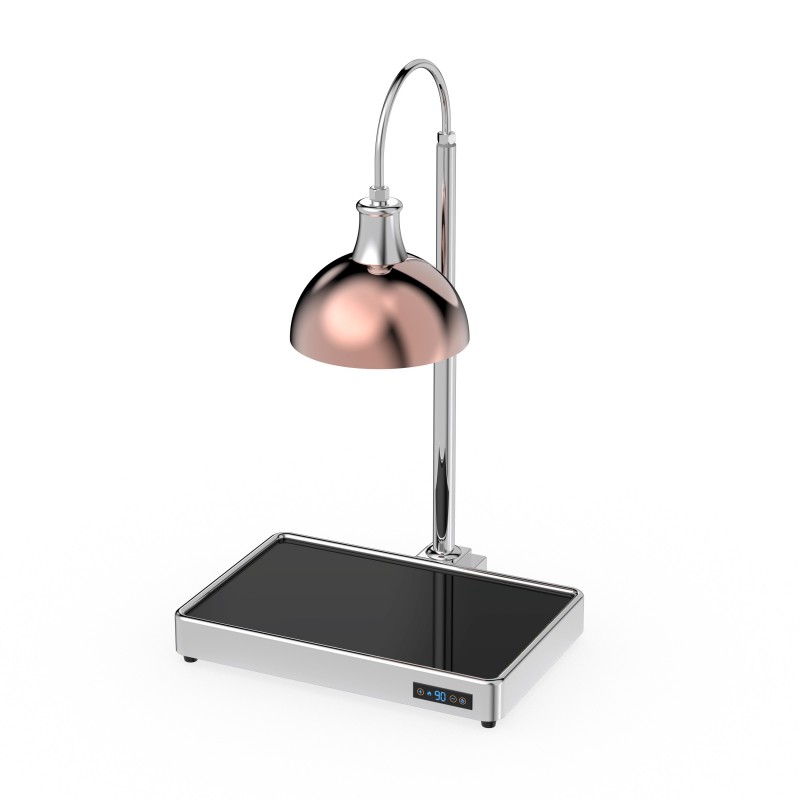
The Single-Head Rose Gold Buffet Heat Lamp implements infrared technology through its dual-zone design that combines infrared lamp warming with a thermostatic base plate, providing both overhead radiant heat and surface conduction warming in a single integrated unit. The thermostatic base plate maintains consistent food-safe temperatures in the bottom portion of the warming area, complementing the infrared overhead warming that addresses the primary food surface. This dual-zone approach compensates for the limitation that infrared warming primarily heats surfaces rather than the full food mass.
Wavelength Considerations for Food Service
Not all infrared wavelengths behave identically in food warming applications. Short-wave infrared produces rapid surface heating with limited penetration, making it appropriate for quick finishing applications where browning or surface temperature matters more than internal warmth. Medium-wave infrared provides better penetration with gentler surface heating, making it the preferred choice for extended food holding where moisture retention and texture maintenance matter more than rapid temperature recovery. Most commercial food heat lamps operate in the medium-wave range, providing the balance between warming efficiency and food quality preservation that food service applications require.
Energy Efficiency Advantages
Infrared warming delivers energy directly to food surfaces with minimal losses to surrounding air, containers, or equipment surfaces. Conventional warming methods must first heat substantial masses of air and equipment components before food warming can occur, wasting energy and creating temperature gradients within the warming zone. This efficiency advantage compounds across extended holding periods, where the reduced energy consumption of infrared systems translates directly to lower operating costs and smaller heating infrastructure requirements.
Evaluating Infrared Heat Lamp Performance
Reflector Design and Heat Direction
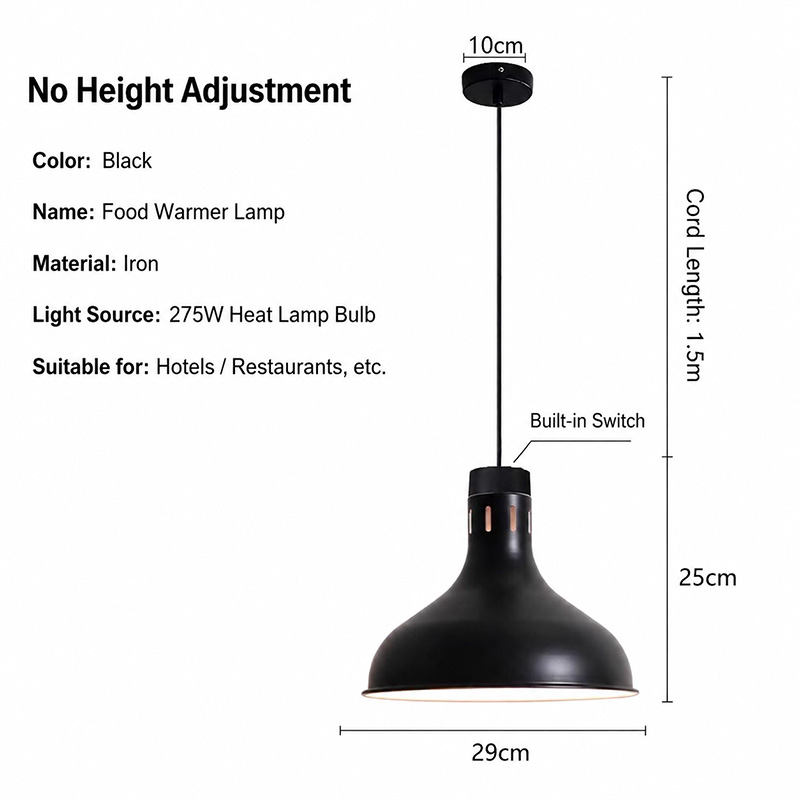
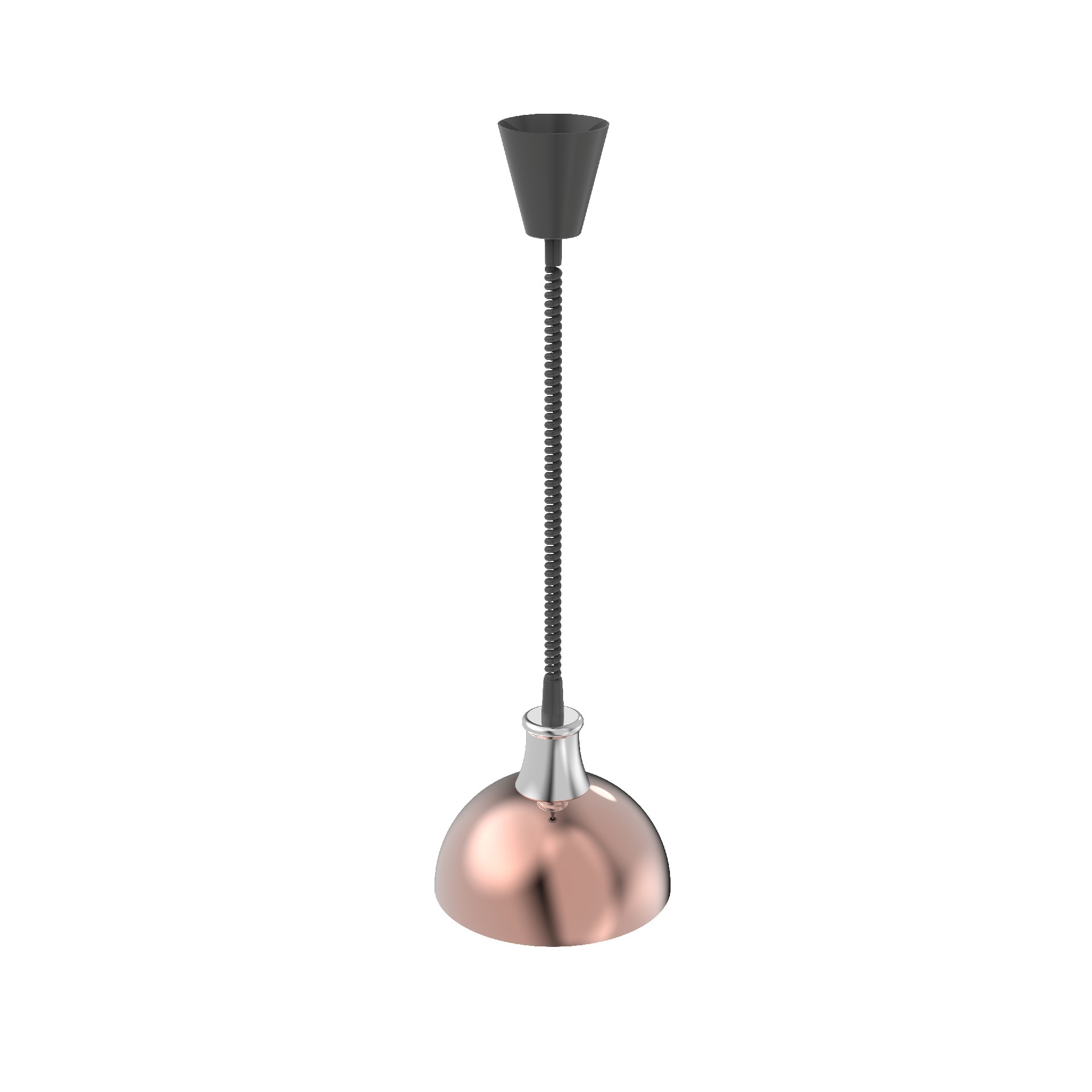
The efficiency of any heat lamp depends substantially on reflector design that directs infrared energy toward food surfaces rather than dispersing it into the surrounding environment. Quality reflectors use parabolic or elliptical geometries that concentrate radiant energy in controlled patterns matching typical food pan dimensions, maximising the percentage of lamp output that actually reaches food surfaces. The Ceiling-Mounted Rose Gold Buffet Heat Lamp implements pendant mounting with a single rose gold dome that directs infrared output downward toward the food surface, with the coiled cord height adjustment enabling precise positioning that optimises warming coverage for specific food configurations.
Temperature Control and Consistency
Effective food warming requires temperature consistency across the entire holding surface, not just peak temperatures at the centre. Evaluate heat lamp specifications for temperature uniformity data that indicates performance across the full warming zone, not merely maximum temperatures achievable at the lamp centre. Systems with thermostatic controls maintain more consistent temperatures than fixed-output designs, compensating for ambient temperature variations and food mass differences that affect warming performance throughout the service period.
Construction Quality and Durability
Commercial food service environments demand equipment that withstands continuous operation, inadvertent contact, and the cleaning regimens necessary for food safety compliance. Stainless steel construction provides the durability and corrosion resistance that commercial kitchen environments require, while quality hardware and precise manufacturing ensure that the reflector geometry maintains its effectiveness throughout the equipment lifespan. The Three-Head Rose Gold Buffet Heat Lamp Station delivers professional-grade construction through its stainless steel components and quality hardware throughout, backed by BAVA's commercial equipment design heritage that prioritises reliability over initial cost minimisation.
Product Recommendations: Three Infrared Heat Lamp Options
Best for High-Volume Multi-Product Buffets
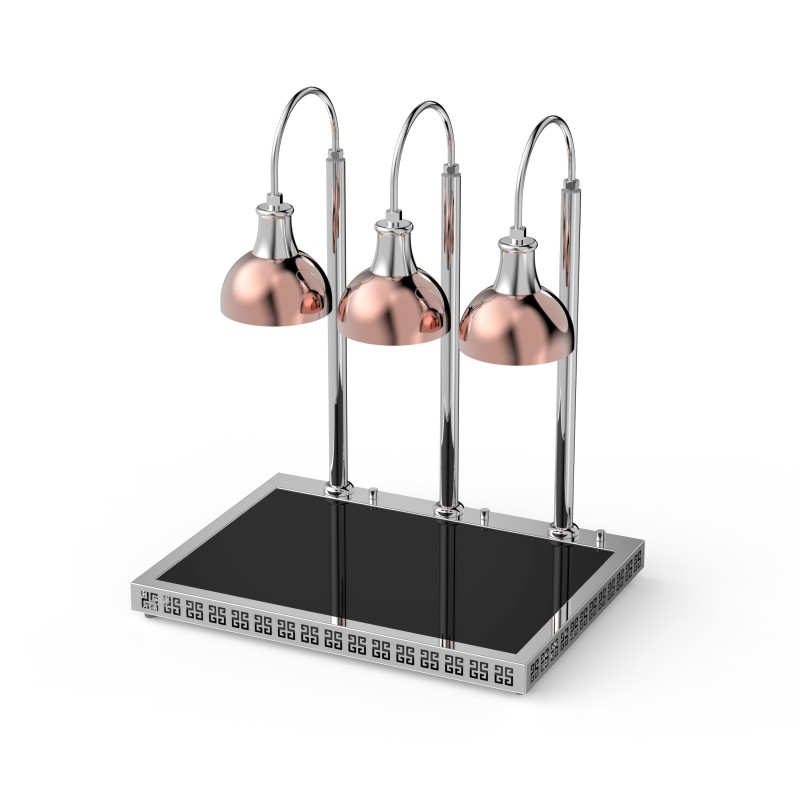
The Three-Head Rose Gold Buffet Heat Lamp Station addresses high-volume buffet operations where multiple menu items require simultaneous warming across extended service periods. Its three-lamp linear arrangement provides independent warming zones that accommodate different product types and varying portion sizes without the temperature interference that single-lamp designs experience when warming adjacent products at different target temperatures. The Greek key decorative base pattern adds aesthetic refinement appropriate for hospitality environments where equipment appearance influences customer perceptions, while the stainless steel construction ensures durability across continuous commercial operation.
Best for Space-Constrained Counter Applications
The Ceiling-Mounted Rose Gold Buffet Heat Lamp Series offers pendant-mounted warming capability that eliminates the counter footprint consumed by freestanding alternatives, making it the preferred choice for operations where counter space is at premium. The BJ1001 and BJ1002 models provide single-head warming in configurations that suit intimate dining venues, grab-and-go stations, and perimeter warming areas where counter space cannot accommodate freestanding equipment. The matte black canopy and rose gold dome combination delivers visual refinement that complements contemporary dining environments without the industrial appearance that conventional heat lamp designs often present.
Best for Precision Temperature Control
The Single-Head Rose Gold Buffet Heat Lamp prioritises temperature precision through its dual-zone design that combines overhead infrared warming with thermostatic base plate heating, providing more complete warming coverage than single-zone alternatives. The infrared lamp delivers rapid surface warming, while the thermostatic base plate maintains consistent temperatures in the food portion nearest the plate surface, addressing the warming gradient that single-direction infrared warming creates. This dual-zone approach makes the BJ1631 and BJ1831T models particularly suitable for operations where food quality and temperature precision matter more than maximum throughput capacity.
Side-by-Side Comparison: Three Top Infrared Heat Lamps
| Feature | Three-Head Rose Gold Buffet Heat Lamp St... | Ceiling-Mounted Rose Gold Buffet Heat La... | Single-Head Rose Gold Buffet Heat Lamp... |
|---|---|---|---|
| Heads | 3 | 1 | 1 |
| Mounting | Freestanding Gantry | Ceiling Pendant | Freestanding Counter |
| Finish | Stainless Steel | Rose Gold Dome | Rose Gold + SS |
| Warming Zones | 3 + glass surface | 1 overhead | 2 (infrared + base) |
| Best For | High-volume buffets | Space-constrained | Precision control |
| Thermostatic Control | No | No | Yes (base plate) |
| Sneeze Guard Option | Yes (BJ663T) | No | No |
Installation and Operational Best Practices
Optimal Height Positioning
Infrared heat lamp effectiveness depends critically on positioning height above the food surface, with optimal distances typically ranging from 14 to 22 inches depending on lamp wattage and food surface area. Position lamps too high and infrared energy disperses before reaching food surfaces, reducing warming efficiency and creating temperature gradients across the warming zone. Position lamps too close and surface temperatures can exceed safe holding limits while the food interior remains cool, creating food safety concerns alongside quality issues. The Ceiling-Mounted Rose Gold Buffet Heat Lamp's coiled cord height adjustment enables precise positioning that matches your specific counter height and warming requirements.
Ambient Temperature Considerations
Infrared warming performance varies with ambient temperature, with cooler kitchen environments increasing the temperature differential that drives efficient infrared transfer. In warm kitchen environments approaching 90 degrees Fahrenheit, the efficiency advantage of infrared warming diminishes as the temperature differential between lamp and ambient decreases. Consider ambient temperature when evaluating warming requirements, adjusting lamp positioning and selection for warm environments where infrared efficiency gains are reduced.
Conclusion
Infrared food heat lamps offer meaningful efficiency and quality advantages over conventional warming methods, making them the preferred choice for professional food service operations prioritising food quality, operating efficiency, and consistent customer experience. The three products evaluated above represent distinct approaches to infrared warming that suit different operational requirements: the three-head linear configuration for high-volume multi-product environments, the pendant-mounted single head for space-constrained applications, and the dual-zone design for operations requiring precision temperature control. Selecting among these options requires honest assessment of your specific requirements, menu characteristics, and operational constraints rather than simple price comparison that ignores the meaningful performance differences between these approaches.
Featured Products
Three-Head Rose Gold Buffet Heat Lamp Station
BAVA Three-Head Rose Gold Buffet Heat Lamp Station. Three rose gold dome lamps in linear arrangement over black glass warming surface. Greek key decorative base pattern. BJ663T adds adjustable glass shelf. Premium hotel buffet design. CE certified.
Ceiling-Mounted Rose Gold Buffet Heat Lamp
BAVA Ceiling-Mounted Rose Gold Buffet Heat Lamp. Single-head pendant lamp with rose gold dome, coiled cord height adjustment, matte black canopy. Models BJ1001/BJ1002. CE certified. Ideal for hotel buffets and upscale catering.
Single-Head Rose Gold Buffet Heat Lamp
BAVA Single-Head Rose Gold Buffet Heat Lamp. Dual-zone heating with infrared lamp and thermostatic base plate. Polished stainless steel + rose gold finish. Models BJ1631/BJ1831T. Ideal for hotel buffets and catering.
Related Articles
Electric Buffet Warmer with Adjustable Thermostat for Restaurants
Discover the best Electric Buffet Warmer with Adjustable Thermostat for Restaurants solutions. Real ...
Mini Chafing Dish for Breakfast Buffet & Condiment Stations
Discover the best Mini Chafing Dish for Breakfast Buffet & Condiment Stations solutions. Real case s...
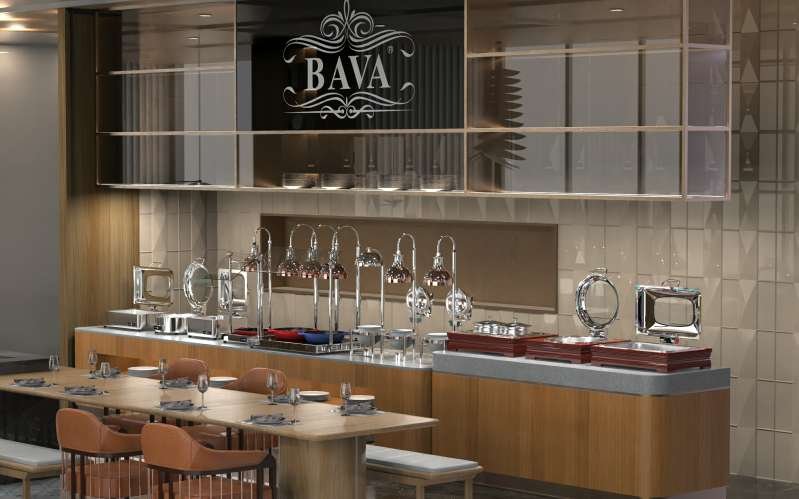
9QT Extra-Large Chafing Dish for Large-Scale Banquet Events
Discover the best 9QT Extra-Large Chafing Dish for Large-Scale Banquet Events solutions. Real case s...
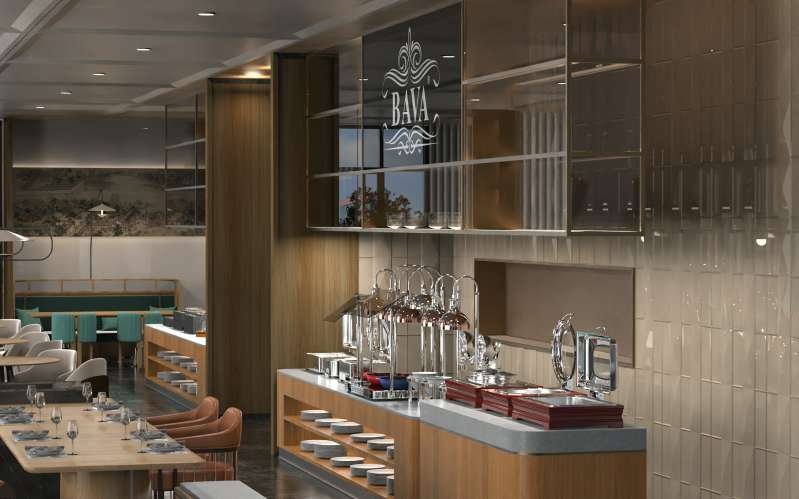
Wall-Mounted Buffet Stove for Space-Saving Kitchen Layouts
Discover the best Wall-Mounted Buffet Stove for Space-Saving Kitchen Layouts solutions. Real case st...
Stainless Steel Food Warmer for Supermarket Deli Departments
Discover the best Stainless Steel Food Warmer for Supermarket Deli Departments solutions. Real case ...
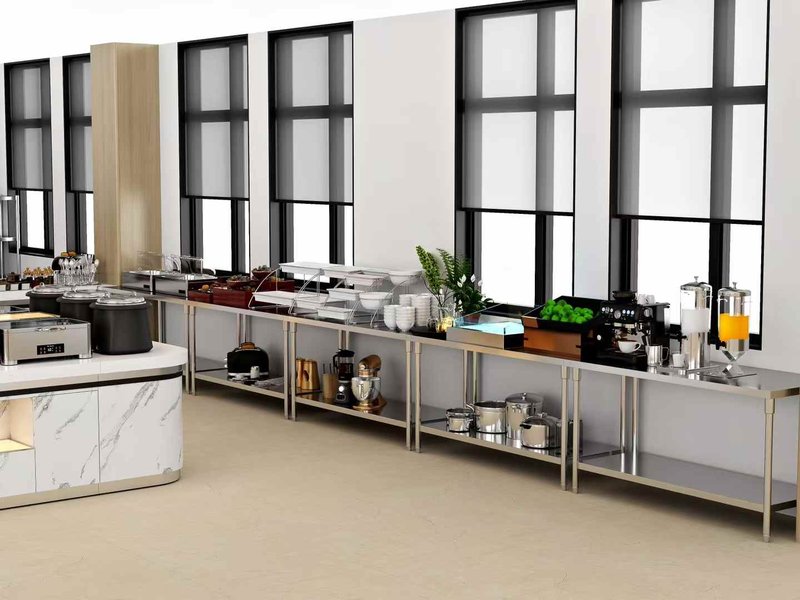
Commercial Chafer Dish with Temperature Control for Food Safety
Discover the best Commercial Chafer Dish with Temperature Control for Food Safety solutions. Real ca...