
Food Heat Lamp Rental: Complete Guide for Event Planners
Event catering presents unique challenges that differ fundamentally from the equipment needs of fixed-location food service operations. Event planners, caterers, and hospitality professionals who manage temporary food service setups face decisions about whether to purchase warming equipment outright, rent it for specific events, or incorporate warming capability into broader rental packages negotiated with event venues and equipment suppliers. The decision to rent rather than purchase food heat lamps for events is often the correct one — and understanding when and how to rent effectively can significantly improve both the quality of food service at events and the operational efficiency of the planning process.
When Renting Makes More Sense Than Buying
Infrequent Event Volume
The most straightforward case for renting rather than purchasing food heat lamps is an operation that manages events infrequently — a restaurant that caters only a few times per year, an organisation that holds annual galas or fundraising dinners, or a business that stages occasional promotional food events. The equipment investment required to purchase sufficient heat lamp capacity for event catering may not be justified by the limited number of uses per year, and the storage and maintenance costs of equipment that sits idle for most of the year add further to the total cost of ownership. Renting heat lamps only for events where they are needed converts a capital equipment investment into an event operating cost that scales directly with the number of events served.
Variable Event Sizes and Formats
Event catering operations that serve events of significantly different sizes — from intimate dinners of twenty guests to large corporate events of five hundred — face a challenge in equipment purchasing because no single heat lamp configuration can efficiently serve both ends of this spectrum. Purchasing enough equipment to handle the largest events means paying for capacity that sits idle during smaller events. Purchasing equipment sized for typical events means being under-equipped during larger events. Renting allows the equipment selection to be matched precisely to each event's specific requirements, providing the right warming capacity for each event without requiring capital investment in equipment that covers the full range of possible event sizes.
Venue Constraints and Transport Challenges
Some event venues present challenges that make equipment ownership impractical. Historic buildings, outdoor event spaces, rooftop venues, and temporary structures may lack the infrastructure to support heavy equipment installations, the electrical capacity to power multiple warming units, or the secure storage needed for leaving equipment overnight. Renting equipment for these venues eliminates the risk of investing in equipment that cannot be effectively deployed in the venues where the business operates. Transporting heat lamp equipment to distant or unusual venues also presents challenges, and rental companies that maintain regional depot networks can provide equipment closer to event locations, reducing transport costs and logistics complexity.
Types of Events and Appropriate Equipment
Corporate Events and Business Dinners
Corporate events typically prioritise elegant presentation and quiet operation, making upscale heat lamp configurations like the Single-Head Rose Gold Buffet Heat Lamp the appropriate choice for this application. The rose gold finish and pendant-mounted design of the Single-Head Rose Gold Buffet Heat Lamp complements formal dining environments and provides warming capability without the industrial appearance of heavier commercial equipment. Corporate events also typically feature plated or structured service rather than buffet service, which may require positioning heat lamps at individual serving stations or along the plating line rather than over buffet counters. Event planners should confirm the service format with the catering client before selecting warming equipment, as the positioning and configuration requirements differ significantly between buffet and plated service formats.
Wedding Receptions and Formal Celebrations
Wedding receptions and formal celebrations have similar presentation requirements to corporate events but often feature larger buffet installations and more elaborate food display arrangements. The three-head configuration of the Three-Head Rose Gold Buffet Heat Lamp Station provides the warming coverage needed for substantial buffet displays while maintaining the visual elegance appropriate for wedding catering. Wedding events also typically run longer than corporate events, placing greater demands on equipment that must maintain food quality throughout extended service periods. Event planners should factor in the total event duration when selecting rental equipment, ensuring that the warming solution can maintain food quality from setup through the final service without degradation or equipment failure.
Outdoor Events and Catering Fairs
Outdoor food events and catering fairs present the most demanding conditions for rental heat lamp equipment, as ambient temperature variation, wind, rain exposure, and the challenges of temporary electrical supply all affect equipment performance. Freestanding configurations like the Stainless Steel Heat Lamp-BJ10 that can be positioned flexibly within temporary tent or outdoor installations are most appropriate for these applications. Outdoor events also require more backup equipment planning than indoor events, as equipment failure in an outdoor environment cannot be addressed by simply moving to a different area of the venue. Event planners should arrange for spare elements and backup lamp units for outdoor events where equipment failure during the event would be particularly disruptive.
Sourcing and Working with Equipment Rental Companies
Specialist vs. Generalist Rental Suppliers
Food service equipment rental companies range from specialist suppliers who focus specifically on catering and hospitality equipment to generalist event rental companies who offer heat lamps as one item in a broad inventory that includes tables, chairs, linens, and audiovisual equipment. Specialist rental companies typically maintain higher equipment quality standards, provide better technical support for food service-specific applications, and understand the particular requirements of food warming equipment that generalist suppliers may not appreciate. For events where food quality is a primary concern, working with a specialist supplier is often the better choice despite potentially higher rental rates, because the quality assurance and technical support provided by specialists reduces the risk of equipment problems during the event.
Advance Planning and Booking
Heat lamp rental inventory, particularly the most popular configurations, can be in high demand during peak event seasons, and last-minute rental requests may find that the preferred equipment is unavailable. Event planners should provide rental companies with as much advance notice as possible, particularly for events scheduled during popular wedding months, holiday seasons, or other periods when event volume is high. Advance booking also gives the rental company time to prepare equipment specifically for the event, including inspection, cleaning, and any necessary repairs or adjustments. Equipment that has been booked well in advance is more likely to be in optimal condition than equipment that is pulled from inventory at short notice for a rush booking.
Delivery, Setup, and Collection Logistics
Clear communication with the rental company about delivery timing, venue access, setup requirements, and collection logistics is essential for smooth event operations. The rental company should be provided with detailed venue information including access points, elevator availability, load-in routes, and any restrictions on vehicle access or delivery timing. For events in buildings with limited access, the rental company may need to provide smaller vehicles or hand-carry equipment to the event space, which affects pricing and should be discussed in advance. The collection timing should be confirmed with the venue to ensure that equipment can be retrieved without conflict with other vendor breakdown schedules, and a responsible person should be designated to oversee the equipment handover on both delivery and collection.
Cost Considerations for Heat Lamp Rental
Rental Rate Structures
Heat lamp rental rates are typically structured as daily, weekend, or weekly rates, with discounts for longer rental periods. Daily rates apply to single-day events where equipment is picked up and returned on the same day or within a twenty-four hour period. Weekend rates, which typically cover Friday through Monday, are appropriate for events that span the weekend with setup on Friday and collection on Monday. Weekly rates apply to events that run for a full week or longer, and these typically offer the best value per day for extended applications. Event planners should understand the rental company's rate structure and book equipment for the appropriate period that covers all setup, event, and breakdown activities without paying for unnecessary additional days.
Deposit and Damage Waiver Fees
Equipment rental agreements typically require a security deposit that is refunded upon return of the equipment in good condition, minus any charges for damage or excessive wear. Some rental companies offer damage waiver options that limit the renter's liability for accidental damage in exchange for an additional fee, which may be worth considering for events in challenging environments where equipment damage risk is elevated. Event planners should review the deposit and damage waiver terms carefully before signing rental agreements, and should document the condition of equipment thoroughly on delivery to establish a baseline that protects against unjustified damage claims on collection.
Included Services and Additional Charges
Some rental agreements include delivery, setup, and collection services in the quoted rate, while others charge these as additional services. Equipment that is delivered and collected by the rental company eliminates the transport logistics burden for the event planner but adds to the rental cost. Setup services, where rental company staff assemble and position the heat lamps at the venue, may be included or charged separately. Event planners should obtain clear quotations that specify exactly what is included and what additional charges may apply, including delivery fees, setup labour, pickup charges, and any fees for equipment that is not returned on time. A comprehensive quotation that covers all potential charges enables accurate budget planning and avoids unexpected costs after the event.
Technical Requirements and Venue Coordination
Electrical Power Requirements
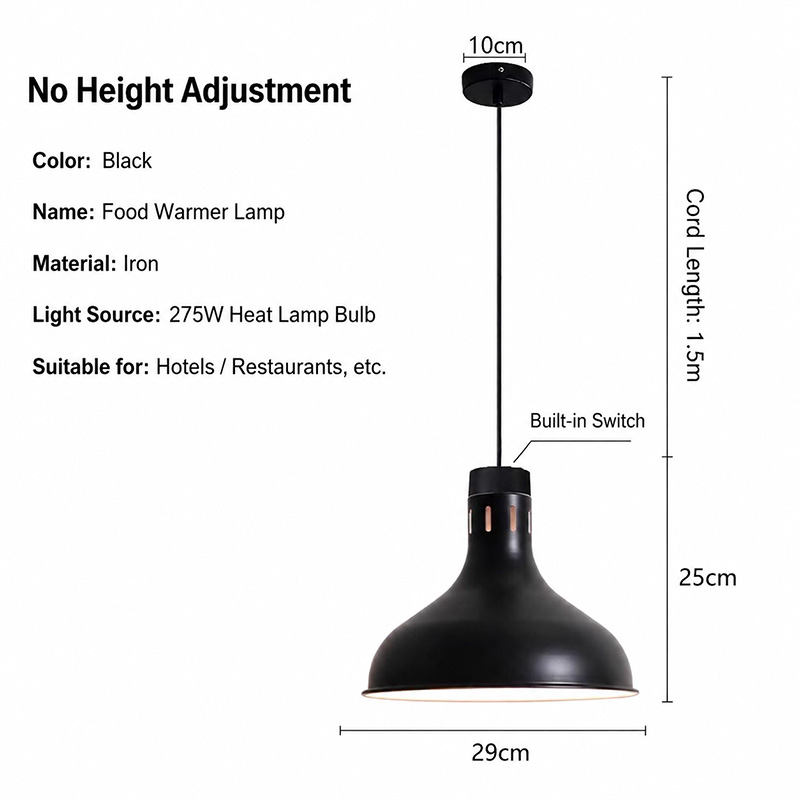
Heat lamps draw significant electrical power, and event venues must have adequate electrical supply to support the warming equipment without overloading circuits or creating safety hazards. Each heat lamp head draws between 250 and 500 watts depending on the specific configuration, and a three-head gantry system can draw 1500 watts or more. Event planners should calculate the total electrical demand of all warming and food service equipment and confirm with the venue that adequate power is available at the locations where the equipment will be used. Dedicated circuits for warming equipment are preferable to shared circuits that may trip during service periods, and the venue should be informed of power requirements well in advance so that any necessary electrical work can be coordinated before the event.
Venue Access and Load-In Planning
The logistics of moving heat lamp equipment into event venues should be planned carefully, particularly for venues with limited access or multi-floor installations. Equipment should be delivered in manageable units that can be transported through available access points, and the rental company should be informed of any access restrictions that might affect delivery. For venues where equipment must be carried up stairs or through narrow passages, the rental company may need to provide smaller individual units rather than assembled multi-head gantries. Load-in timing should be coordinated with other vendors who may be setting up simultaneously, and sufficient time should be allowed for equipment setup before food preparation begins.
Coordination with Catering and Kitchen Teams
Heat lamp positioning should be coordinated with the catering team before the event, as the optimal placement depends on the specific food items being served, the service flow, and the layout of the food display. The catering chef or food service manager should confirm that the warming coverage provided by the heat lamp configuration matches the actual food items and serving areas at the event. For events with multiple food stations, the heat lamp placement should be planned to ensure that each station has appropriate warming capability without requiring equipment to span excessively large distances. Early coordination with the catering team enables rental equipment to be selected and positioned to support the food service operation optimally.
Equipment Quality and Condition Standards
Inspection and Condition Verification
Rented heat lamp equipment should be inspected thoroughly upon delivery to verify that it is in good working condition and that all components are present. The lamp elements should be checked for signs of age or damage that might cause premature failure during the event, and the reflectors should be clean and undamaged to ensure optimal heat output. The stands, mounting hardware, and electrical components should be inspected for stability, security, and proper grounding. Any concerns about equipment condition should be documented and reported to the rental company immediately, so that replacements can be arranged if necessary before the event begins.
Backup Equipment Planning
Events where food quality is critical should include backup heat lamp equipment in the rental plan, so that any equipment failure during the event can be addressed immediately without extended service interruption. At minimum, a spare lamp element for each configuration in use should be included in the rental, enabling rapid replacement if an element fails during service. For larger events with multiple heat lamp units, having one complete backup unit available provides greater assurance of continuity of service. The cost of backup equipment is minimal relative to the food quality risk that equipment failure creates during a critical event service period.
Post-Event Equipment Return
Proper handling of rental equipment after the event protects the renter from damage charges and ensures that the equipment is available for the next customer. Equipment should be cleaned after use to remove food debris and grease buildup, and any accessories or components that were added during the event should be returned with the equipment. The return timing should be coordinated with the rental company, and the condition of returned equipment should be documented with photographs that establish what condition it was in when returned. Clean, properly handled equipment reflects well on the event planner and maintains the relationship with the rental company for future bookings.
Alternatives and Complements to Heat Lamp Rental
Chafing Dishes as Warming Solutions
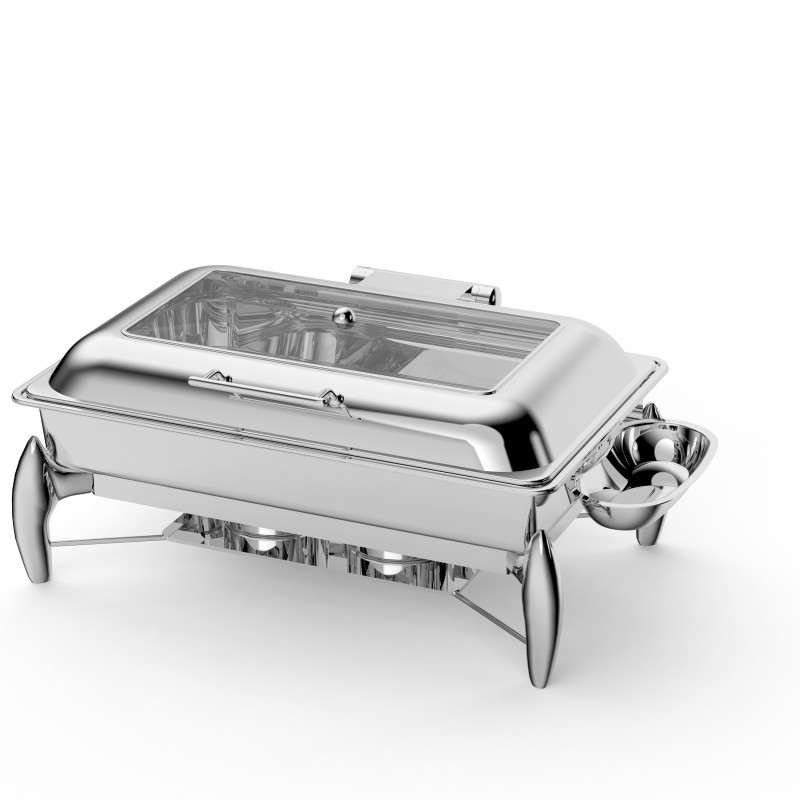
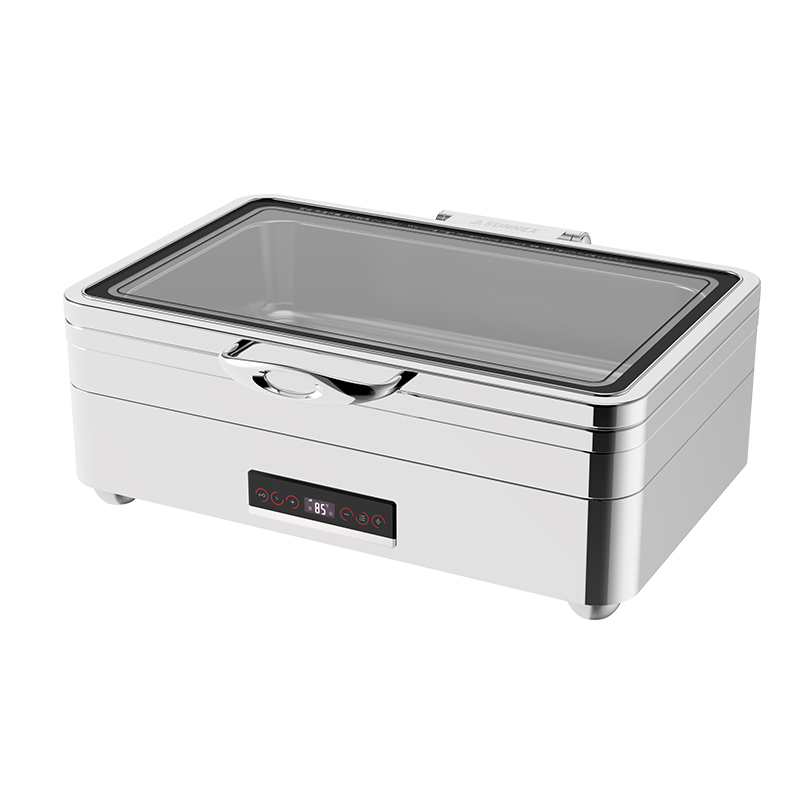
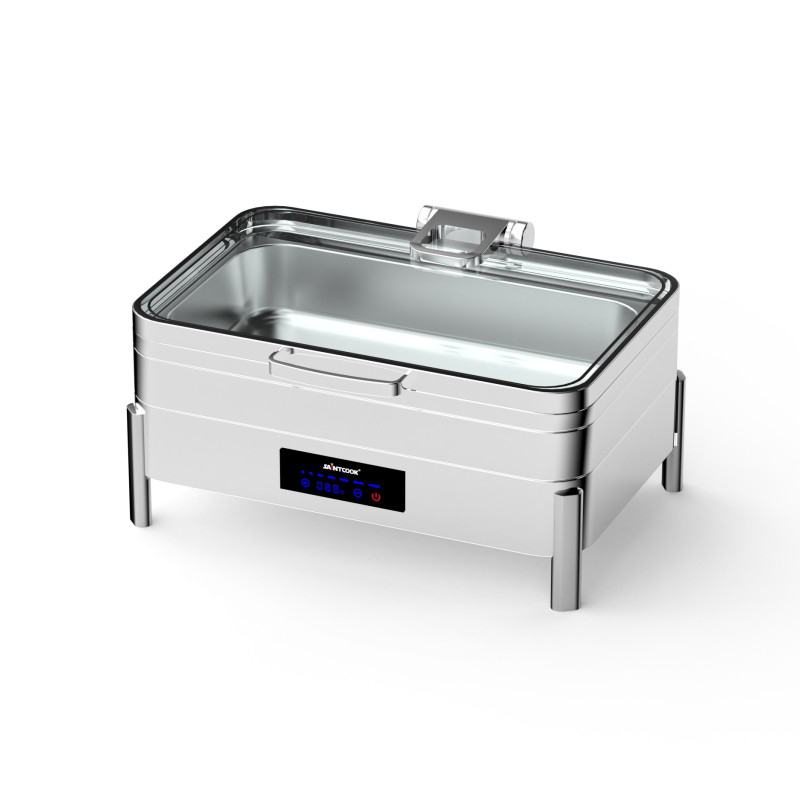
For events that focus primarily on hot food that is replenished regularly from the kitchen, chafing dishes with built-in fuel warming may provide adequate food temperature maintenance without the need for separate heat lamp rental. Chafing dishes are particularly effective for wet dishes and sauced preparations that benefit from the moist hot environment that fuel warming creates. The trade-off is that chafing dishes are less effective for solid foods and grilled items that benefit from the dry radiant warming of heat lamps, and they require more frequent replenishment from the kitchen to maintain food quality over extended service periods.
Combined Equipment Packages
Many rental companies offer combined equipment packages that include heat lamps along with chafing dishes, serving utensils, beverage dispensers, and other food service equipment, providing a more complete food service solution in a single rental transaction. Package pricing is typically more favourable than the sum of individual item rentals, and using a single rental source simplifies logistics, invoicing, and equipment coordination. Event planners who need a comprehensive food service equipment solution should ask rental companies about package options that combine warming equipment with other food service items they need for the event.
Purchasing for Frequent Event Operations
Operations that manage events frequently enough that the annual rental cost approaches or exceeds the purchase price of equivalent equipment should evaluate purchasing as an alternative to ongoing rental. The Single-Head Rose Gold Buffet Heat Lamp, Stainless Steel Heat Lamp-BJ10, and Three-Head Rose Gold Buffet Heat Lamp Station represent configurations that cover the range from compact single-head warming to comprehensive three-head buffet stations, and any of these could represent a sound investment for an event operation that uses warming equipment regularly. The break-even calculation should factor in not just the rental rates avoided but also the storage, maintenance, and replacement element costs that purchasing entails, to ensure that the purchase decision is genuinely more economical than continued renting.
Conclusion
Renting food heat lamps for events is the right choice for most event planners and caterers, providing access to appropriate warming equipment without the capital investment, storage burden, and maintenance requirements of equipment ownership. Understanding when to rent versus buy, how to work effectively with rental companies, and what technical and logistical factors to consider enables event planners to integrate food warming capability into their events efficiently and cost-effectively. Whether the event is a small corporate dinner requiring the elegant warming of the Single-Head Rose Gold Buffet Heat Lamp, a wedding reception featuring the substantial coverage of the Three-Head Rose Gold Buffet Heat Lamp Station, or an outdoor catering fair deploying the flexible Stainless Steel Heat Lamp-BJ10, the right rental solution enables food to be served at optimal quality throughout the event, supporting the overall success of the occasion.
Featured Products
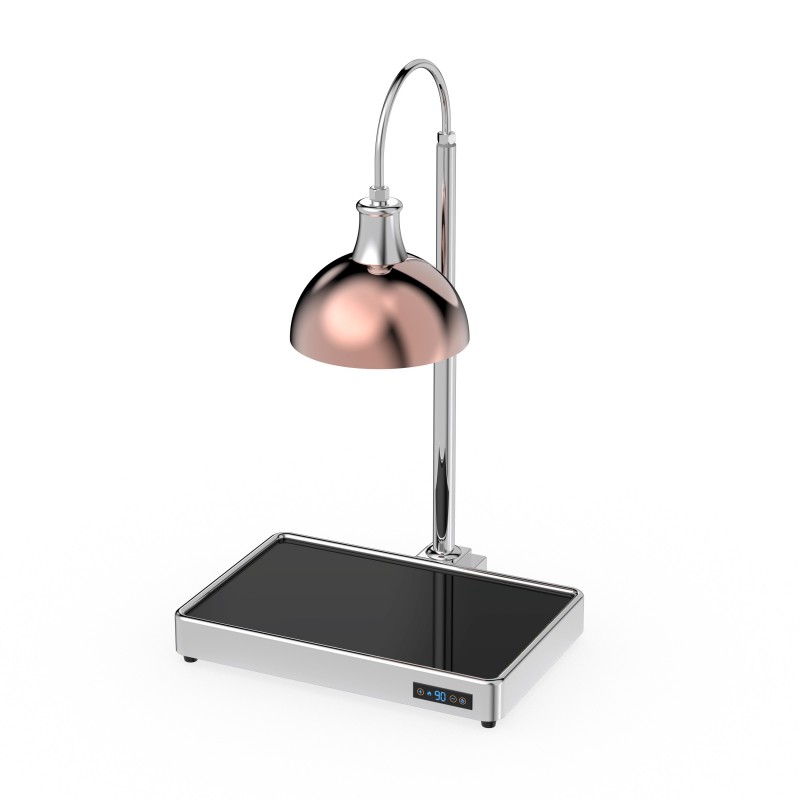
Single-Head Rose Gold Buffet Heat Lamp
BAVA Single-Head Rose Gold Buffet Heat Lamp. Dual-zone heating with infrared lamp and thermostatic base plate. Polished stainless steel + rose gold finish. Models BJ1631/BJ1831T. Ideal for hotel buffets and catering.
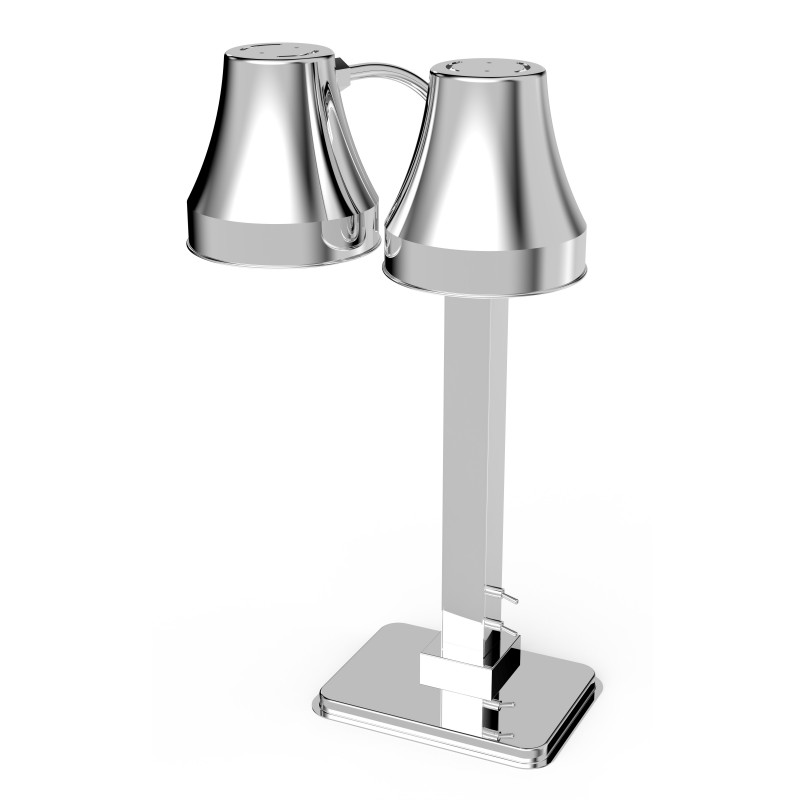
Stainless Steel Heat Lamp-BJ10
BAVA Stainless Steel Heat Lamp BJ10 Series. Freestanding countertop design with polished mirror SS, bell dome shade, height-adjustable post, weighted base. Available in single-head (BJ10/BJ101) and dual-head (BJ102). CE certified.
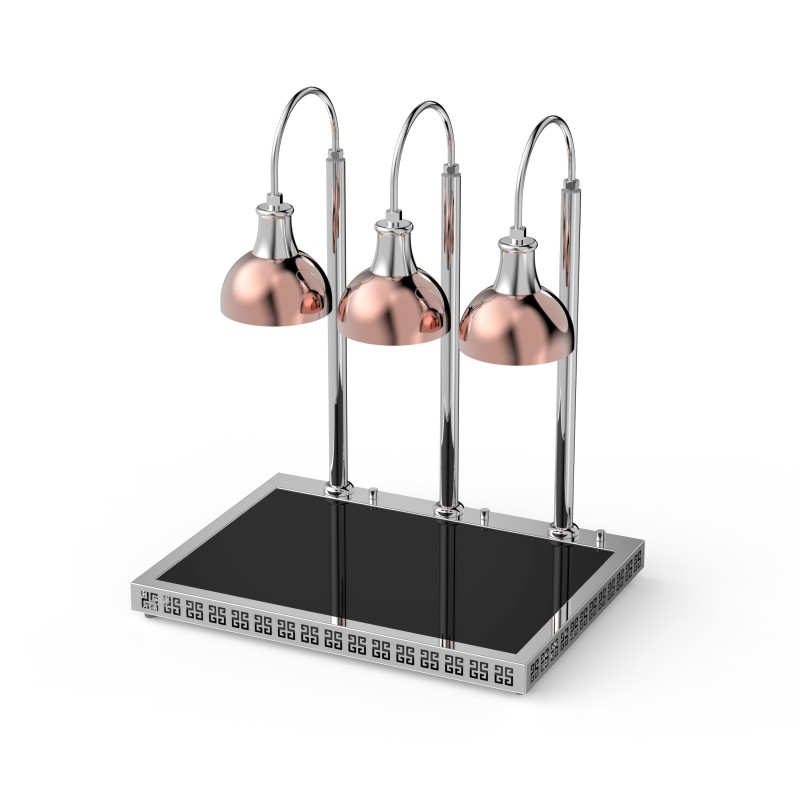
Three-Head Rose Gold Buffet Heat Lamp Station
BAVA Three-Head Rose Gold Buffet Heat Lamp Station. Three rose gold dome lamps in linear arrangement over black glass warming surface. Greek key decorative base pattern. BJ663T adds adjustable glass shelf. Premium hotel buffet design. CE certified.
Related Articles
Electric Buffet Warmer with Adjustable Thermostat for Restaurants
Discover the best Electric Buffet Warmer with Adjustable Thermostat for Restaurants solutions. Real ...
Mini Chafing Dish for Breakfast Buffet & Condiment Stations
Discover the best Mini Chafing Dish for Breakfast Buffet & Condiment Stations solutions. Real case s...
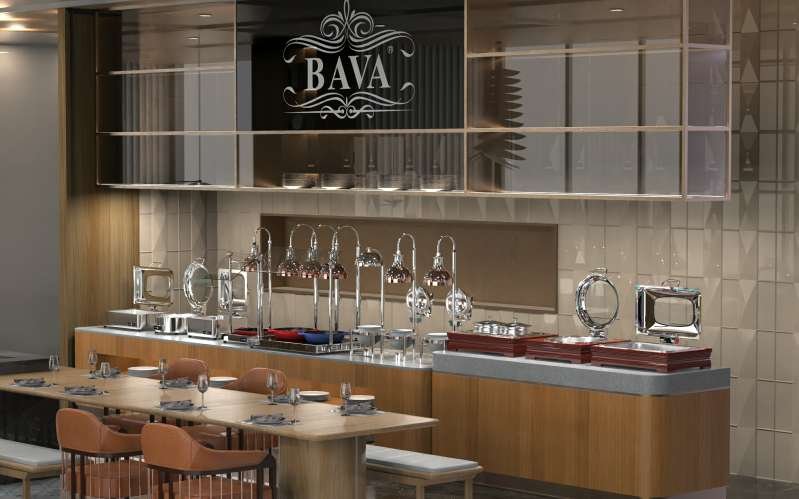
9QT Extra-Large Chafing Dish for Large-Scale Banquet Events
Discover the best 9QT Extra-Large Chafing Dish for Large-Scale Banquet Events solutions. Real case s...
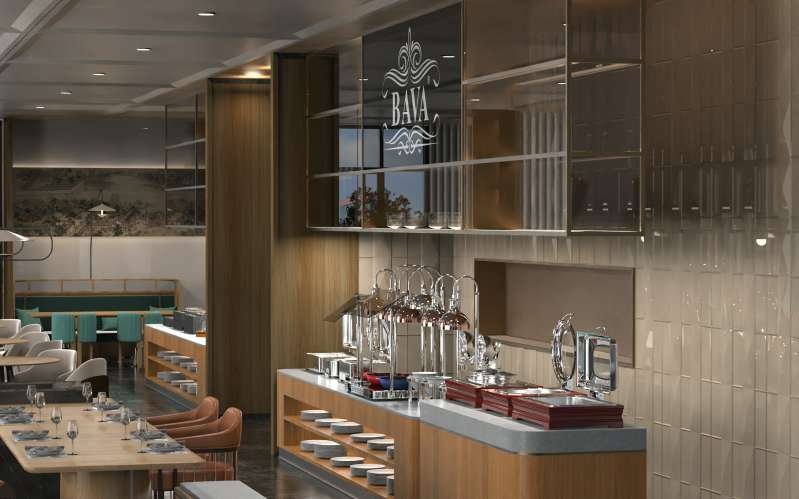
Wall-Mounted Buffet Stove for Space-Saving Kitchen Layouts
Discover the best Wall-Mounted Buffet Stove for Space-Saving Kitchen Layouts solutions. Real case st...
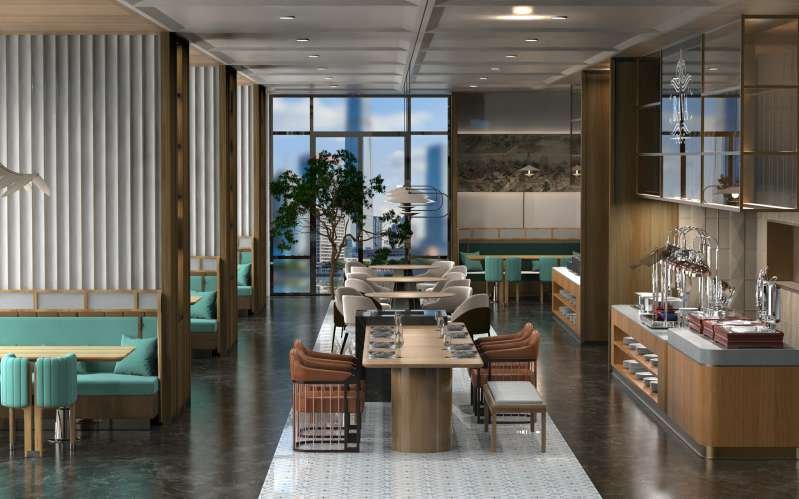
Stainless Steel Food Warmer for Supermarket Deli Departments
Discover the best Stainless Steel Food Warmer for Supermarket Deli Departments solutions. Real case ...
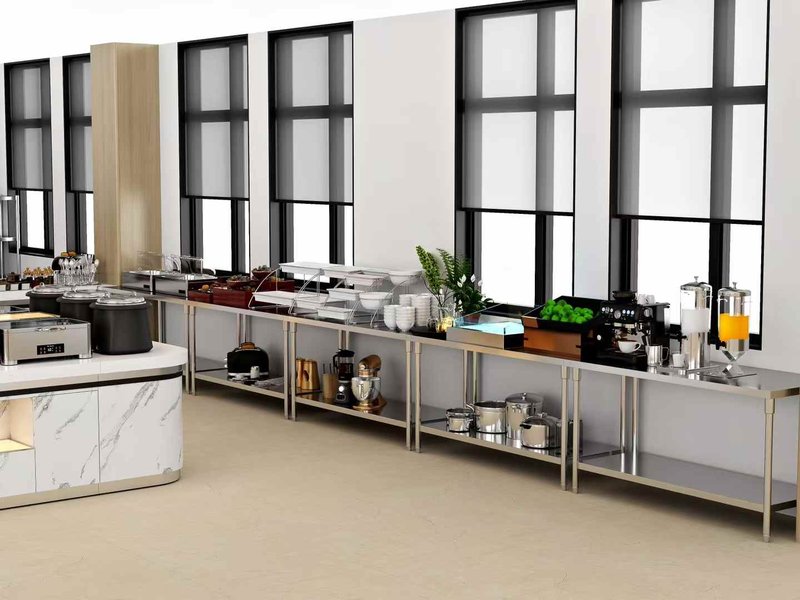
Commercial Chafer Dish with Temperature Control for Food Safety
Discover the best Commercial Chafer Dish with Temperature Control for Food Safety solutions. Real ca...