
What Is a Buffet Warmer and How Does It Work?
A buffet warmer is one of those pieces of equipment that quietly does its job in the background of every hotel breakfast spread, every wedding reception, and every corporate luncheon. Guests walk past the serving line, lift a lid, and find their food at the perfect serving temperature. They never think about the technology keeping that food warm and safe for hours on end. But if you are responsible for purchasing or operating commercial food service equipment, understanding how buffet warmers work is essential to making the right buying decisions and keeping your operation running smoothly.
The Basic Principle: Controlled Heat Transfer
At its core, a buffet warmer does one thing: it maintains food at a safe and appetizing temperature for an extended period. The magic is in how it delivers that heat. Rather than cooking food, a buffet warmer applies gentle, consistent warmth that holds food in the range of 60 to 74 degrees Celsius (140 to 165 degrees Fahrenheit). This is hot enough to inhibit bacterial growth and keep food palatable, but not so hot that it continues cooking or dries out the food.
The heat source sits beneath or above the food pan, depending on the design. In fuel-based warmers, a can of chafing gel or Sterno burns beneath a water pan, and the steam from the heated water transfers warmth to the food pan above. In electric warmers, a heating element does the same job with far more precision and consistency. Overhead heat lamps use infrared radiation to warm food surfaces from above, which is ideal for display situations where you want the food visible and the steam contained.
Types of Buffet Warmers
1. Fuel-Based Chafing Dishes
The traditional chafing dish has been a staple of buffet service for decades. It consists of a frame, a water pan, a food pan, a lid, and a fuel holder. You fill the water pan with hot water, place the food pan inside it, and light a can of fuel beneath the water pan. The fuel burns for two to six hours depending on the size of the can, providing a steady heat source that keeps the water hot and the food at serving temperature.
Fuel-based chafing dishes are popular because they require no electricity, making them completely portable. You can set them up anywhere, from an outdoor garden party to a remote event venue with no power access. The trade-off is that temperature control is limited. You can adjust the fuel can lid to regulate the flame, but you cannot set a precise temperature. Fuel costs also add up over time, and someone needs to monitor and replace fuel cans during long events.
2. Electric Buffet Warmers
Electric buffet warmers replace the fuel can with a built-in heating element, and they offer significantly better temperature control. Many models include adjustable thermostats that let you set a specific temperature, and some feature digital displays that show the current temperature in real time. This precision means you can hold delicate items like sauces and seafood at their ideal temperatures without risk of overcooking.
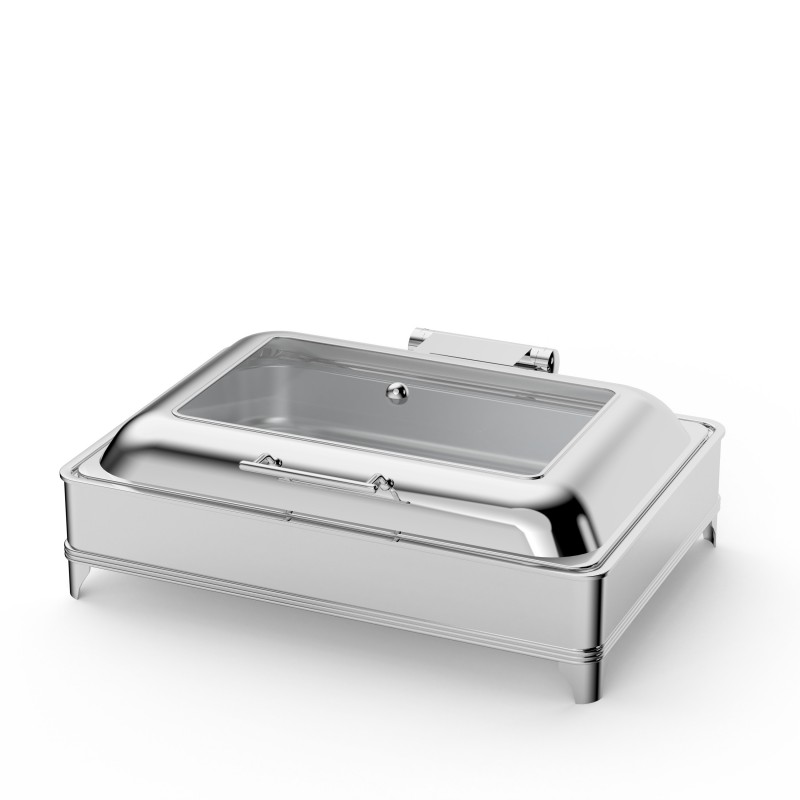
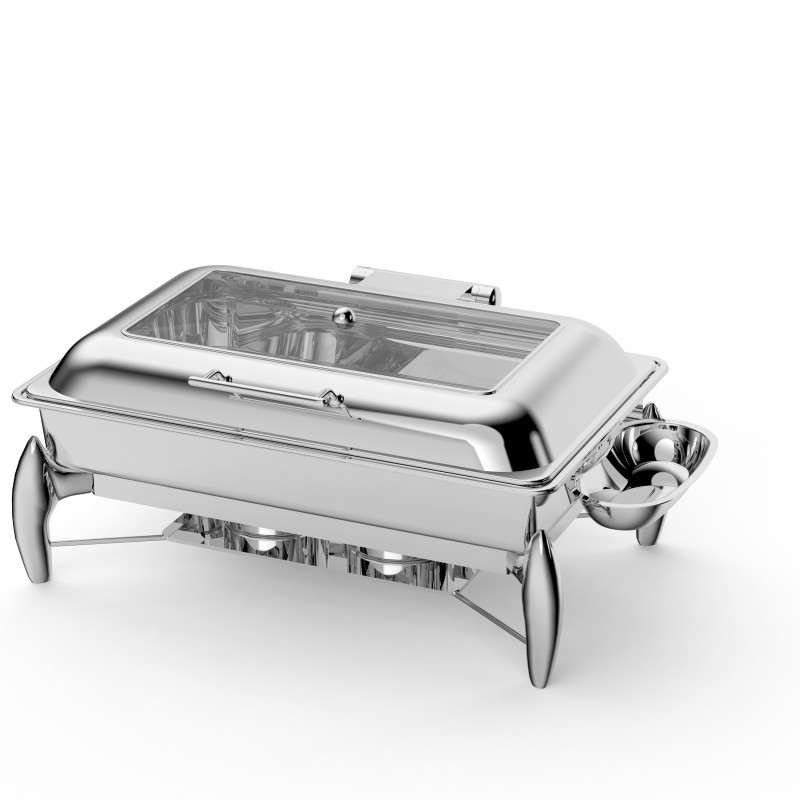
Stainless Steel Electric Buffet Warmer with Visible Window
The BAVA Stainless Steel Electric Buffet Warmer with Visible Window combines electric heating with a transparent lid panel, allowing kitchen staff to monitor food levels and condition without lifting the cover. The adjustable thermostat maintains consistent heat, and the stainless steel construction ensures durability through years of daily service in hotel and catering environments.
Electric warmers also eliminate the ongoing cost of fuel cans and the safety considerations of open flames. They are the preferred choice for indoor venues where power is available and food safety standards require precise temperature documentation.
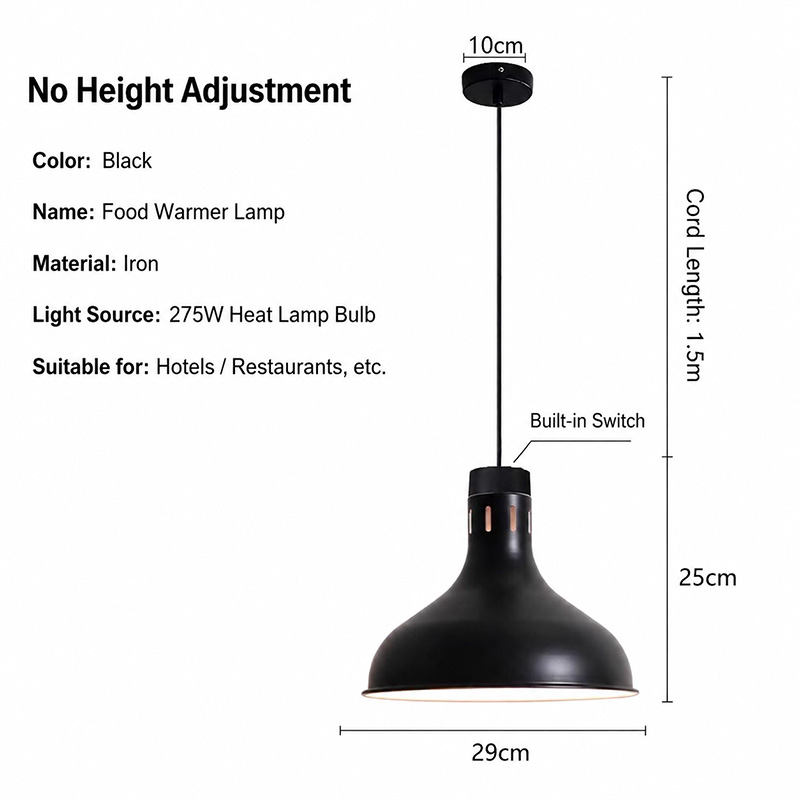
3. Overhead Heat Lamps
Overhead heat lamps take a different approach entirely. Instead of heating from below through a water bath, infrared lamps mounted above the food radiate heat downward onto the food surface. This method is particularly effective for items that benefit from a dry heat environment, such as carved meats, roasted vegetables, and fried foods that would lose their texture in a steamy chafing dish.
Heat lamps are commonly used in carving stations, pizza buffets, and display cases where the visual presentation of the food is as important as the temperature. The downside is that they heat unevenly compared to water-bath systems, and they are less effective for liquid items like soups and sauces.
How the Water Bath Works
The water bath is the key engineering insight behind both fuel-based and electric chafing dishes. Direct heat applied to a food pan would create hot spots that scorch the food at the bottom while leaving the top cold. By placing the food pan inside a water pan, the heat is distributed evenly across the entire bottom surface of the food pan. Water is an excellent conductor of heat, and it creates a uniform temperature environment that surrounds the food pan from below and the sides.
The water also adds humidity to the warming environment, which helps prevent food from drying out during extended holding periods. This is particularly important for proteins, pasta dishes, and vegetables that lose quality quickly when exposed to dry heat. The steam created by the water bath rises around the edges of the food pan, keeping the food moist from below while the lid contains most of the moisture.
Temperature Control and Food Safety
Maintaining food at the correct temperature is not just about quality — it is a matter of safety. Health regulations in most jurisdictions require that hot food be held at 60 degrees Celsius (140 degrees Fahrenheit) or above. Below this threshold, bacteria can multiply rapidly, turning a perfectly prepared dish into a health hazard within hours.
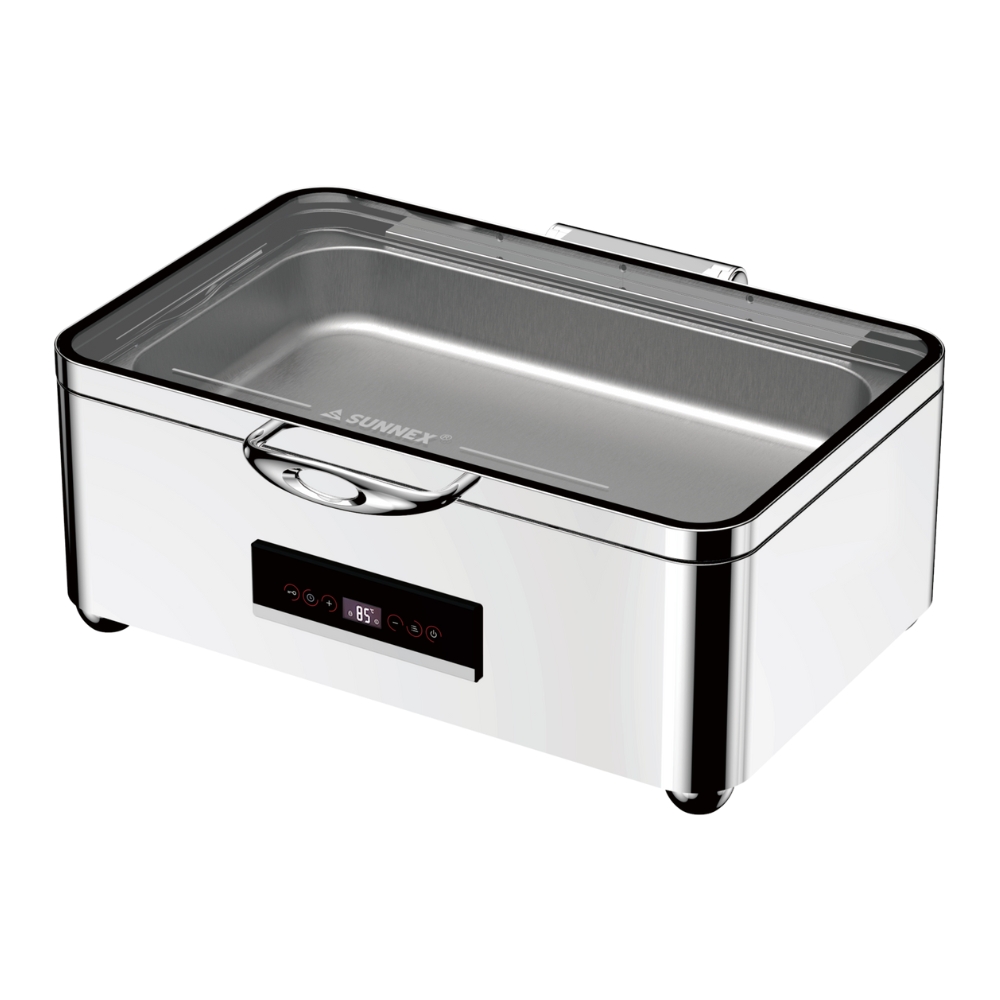
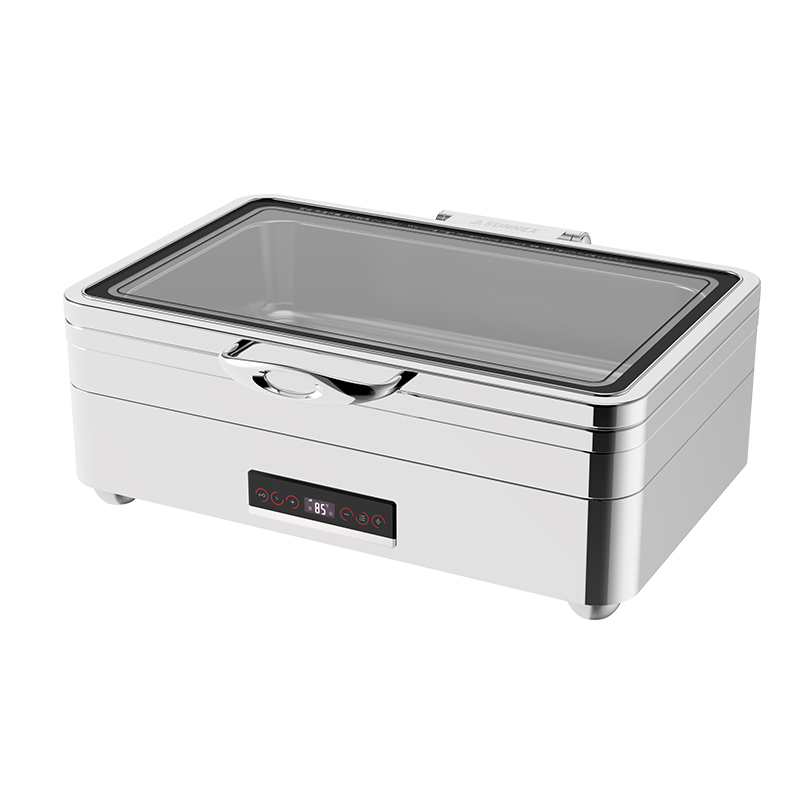
Full Size 11L Electric Chafer
The Sunnex Full Size 11L Electric Chafer from the Lido Series (model W27-1100) takes temperature management to the next level with its 1100W heating element and 12-minute rapid heat-up cycle. The digital temperature display gives kitchen staff real-time visibility into the holding temperature, while the Smart Mode automatically adjusts heat output to maintain the target range without overshooting. With a thermal efficiency rating above 80 percent, it converts more of its energy input into useful heat, reducing operating costs over time.
Electric warmers with thermostatic controls make it straightforward to comply with food safety requirements. Set the thermostat to 65 degrees Celsius, and the unit maintains that temperature automatically. Fuel-based warmers require more vigilance. Kitchen staff must check food temperatures regularly with a probe thermometer and adjust the fuel flame or replace cooling fuel cans as needed.
Choosing Between Electric and Fuel
The decision between electric and fuel-based buffet warmers comes down to your specific operation. If you run a hotel with permanent buffet stations that have power outlets nearby, electric warmers offer better temperature control, lower operating costs, and greater convenience. You set the temperature once and the unit does the rest.
If you operate a mobile catering company that sets up in diverse locations, fuel-based warmers give you the flexibility to serve anywhere without depending on power access. Many catering companies maintain a mix of both types, using electric warmers at venues with power and fuel-based units for outdoor or remote events.
Some operations benefit from hybrid models that can operate on either electricity or fuel, providing maximum flexibility. These units typically have an electric heating element for indoor use and a fuel holder for situations where power is unavailable.
Maintenance and Longevity
A well-maintained buffet warmer can last for many years. The most important maintenance task is regular cleaning after each use. Food residue left on the water pan or food pan can bake on and become difficult to remove, and acidic foods can stain or corrode stainless steel surfaces over time. Wash all removable components with warm soapy water after each event, and dry them thoroughly before storing.
For electric warmers, inspect the power cord and heating element periodically. Look for frayed cords, loose connections, or discoloration on the heating element that could indicate a developing fault. Replace any damaged components promptly to avoid safety hazards.
For fuel-based warmers, check the fuel holder for stability and ensure it holds the fuel can securely. A tipped fuel can is a fire hazard. Also inspect the frame for stability — years of assembly, disassembly, and transport can loosen joints and create wobble that makes the entire setup less safe.

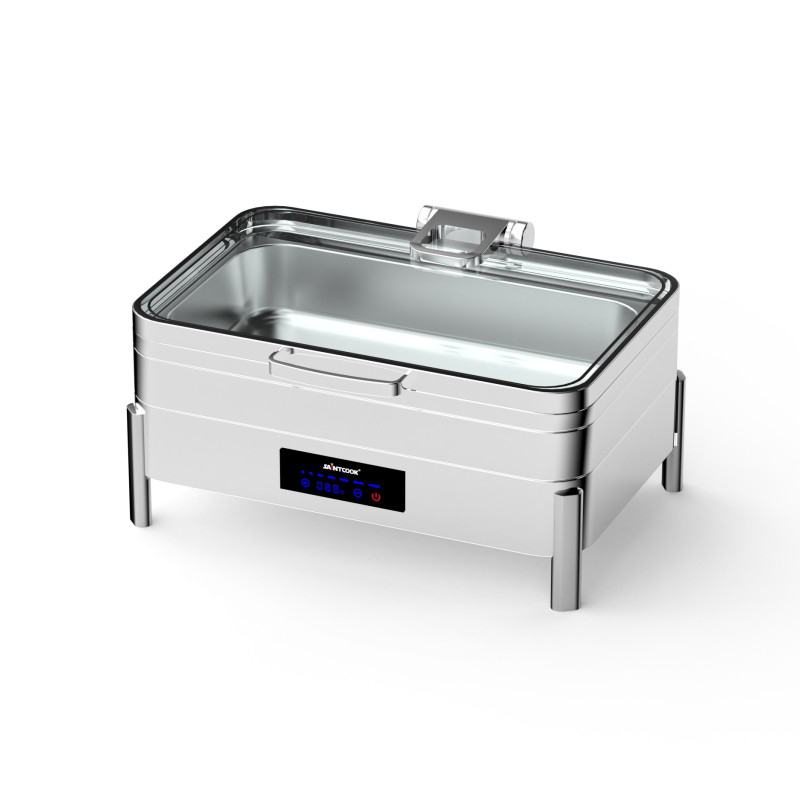
Electric Chafing Dish-HC380D
The BAVA Electric Chafing Dish HC380D brings digital precision to buffet warming with its integrated temperature control and visible window. The stainless steel body resists corrosion and cleans easily, while the digital controls allow precise temperature settings for different food types. This model is well-suited for operations that need reliable, repeatable temperature management across multiple service periods per day.
Key Takeaways
A buffet warmer works by applying controlled, even heat to food through a water bath or overhead infrared radiation. The water bath method distributes heat uniformly and adds moisture to prevent drying, while overhead lamps provide direct surface heating ideal for display situations. Electric models offer precise thermostatic control and lower long-term costs, while fuel-based models provide total portability for off-site events. Understanding these differences helps you select the right warmer for your operation and maintain it properly for years of reliable service.
Related Articles
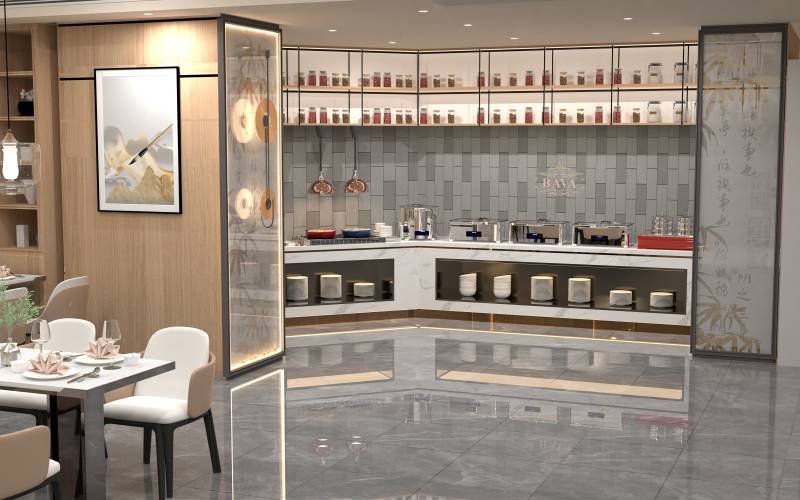
Electric Buffet Warmer with Adjustable Thermostat for Restaurants
Discover the best Electric Buffet Warmer with Adjustable Thermostat for Restaurants solutions. Real ...
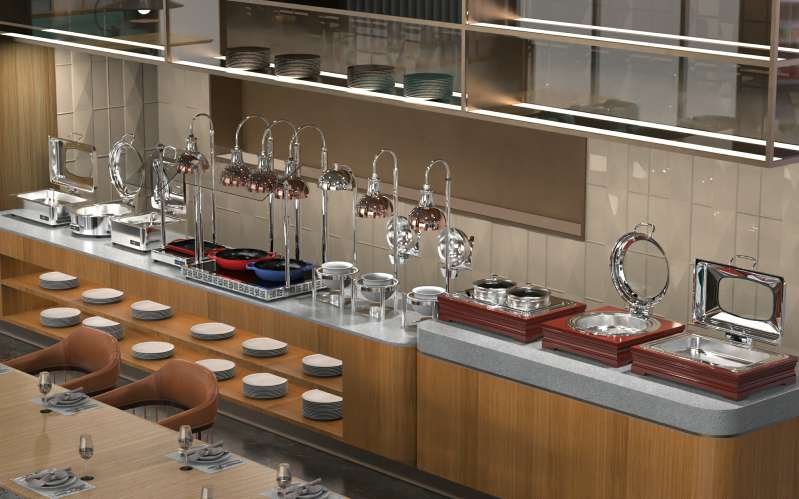
Mini Chafing Dish for Breakfast Buffet & Condiment Stations
Discover the best Mini Chafing Dish for Breakfast Buffet & Condiment Stations solutions. Real case s...
9QT Extra-Large Chafing Dish for Large-Scale Banquet Events
Discover the best 9QT Extra-Large Chafing Dish for Large-Scale Banquet Events solutions. Real case s...
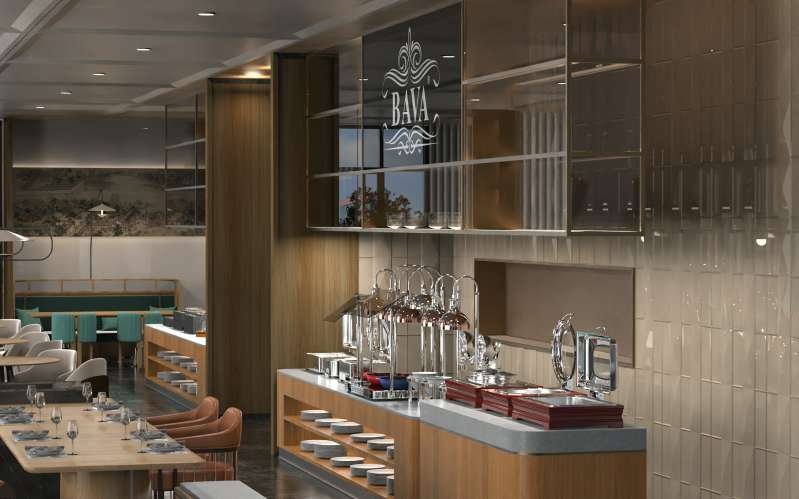
Wall-Mounted Buffet Stove for Space-Saving Kitchen Layouts
Discover the best Wall-Mounted Buffet Stove for Space-Saving Kitchen Layouts solutions. Real case st...
Stainless Steel Food Warmer for Supermarket Deli Departments
Discover the best Stainless Steel Food Warmer for Supermarket Deli Departments solutions. Real case ...
Commercial Chafer Dish with Temperature Control for Food Safety
Discover the best Commercial Chafer Dish with Temperature Control for Food Safety solutions. Real ca...