
Heat Lamps vs Chafing Dishes: Which Is Best for Your Restaurant?
When it comes to keeping food warm in a commercial setting, two pieces of equipment dominate the conversation: heat lamps and chafing dishes. Both are staples in restaurants, hotels, catering operations, and buffet-style venues. But which one actually delivers better results for your specific needs?
This question doesn't have a one-size-fits-all answer. The right choice depends on your menu, your service style, your staff capabilities, and your budget. In this guide, we'll break down how each equipment works, compare their strengths and weaknesses side by side, and give you a clear framework for making the best decision for your operation.
What Is a Heat Lamp?
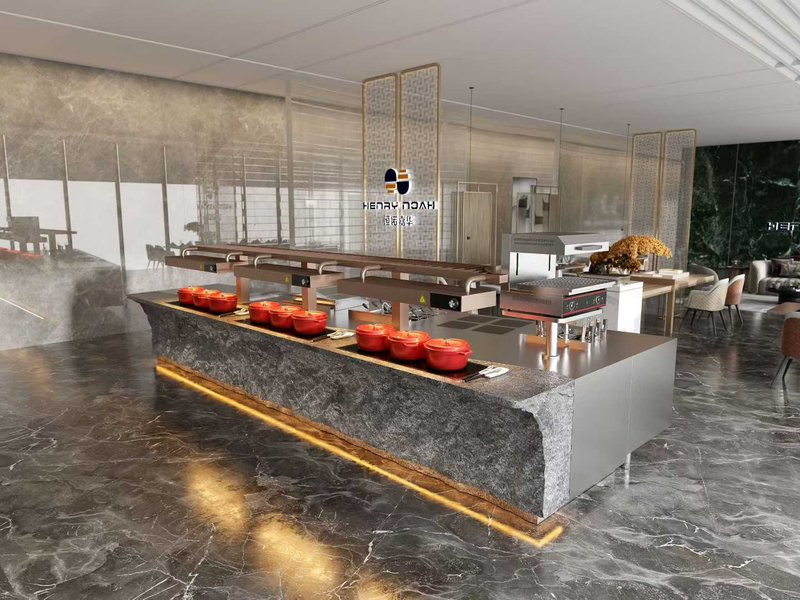
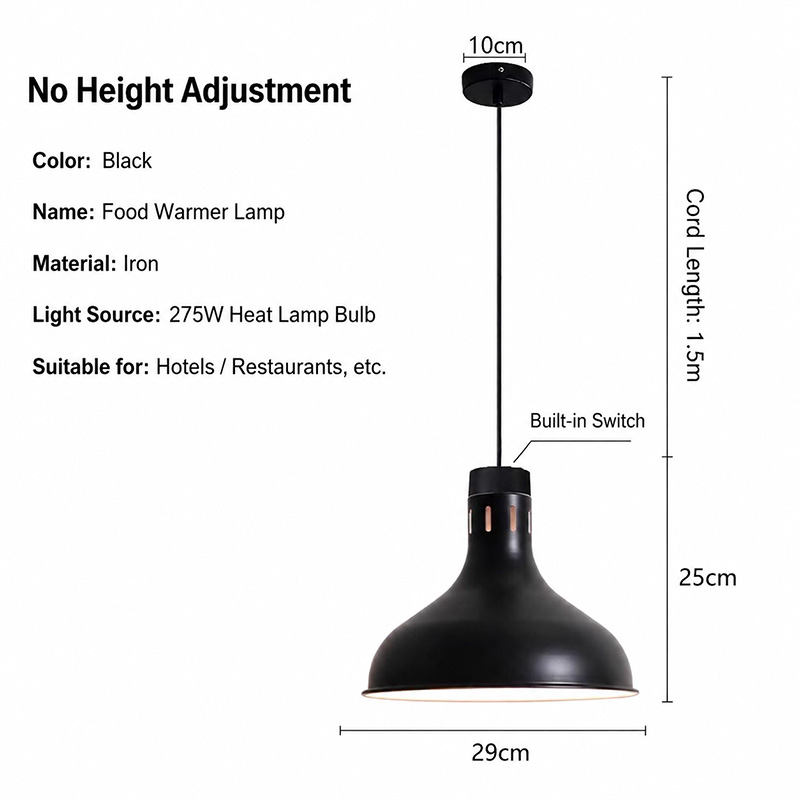
A heat lamp is a overhead warming device that uses infrared radiation to maintain the temperature of cooked food. Typically mounted above a serving line or buffet station, heat lamps project gentle, consistent warmth downward onto food items without the need for water or fuel beneath them.
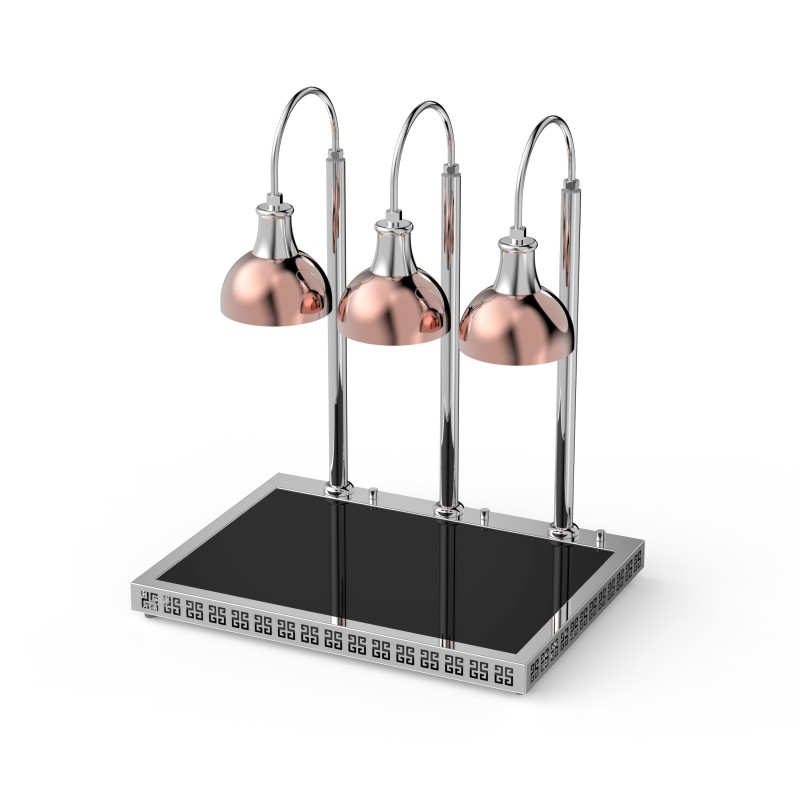
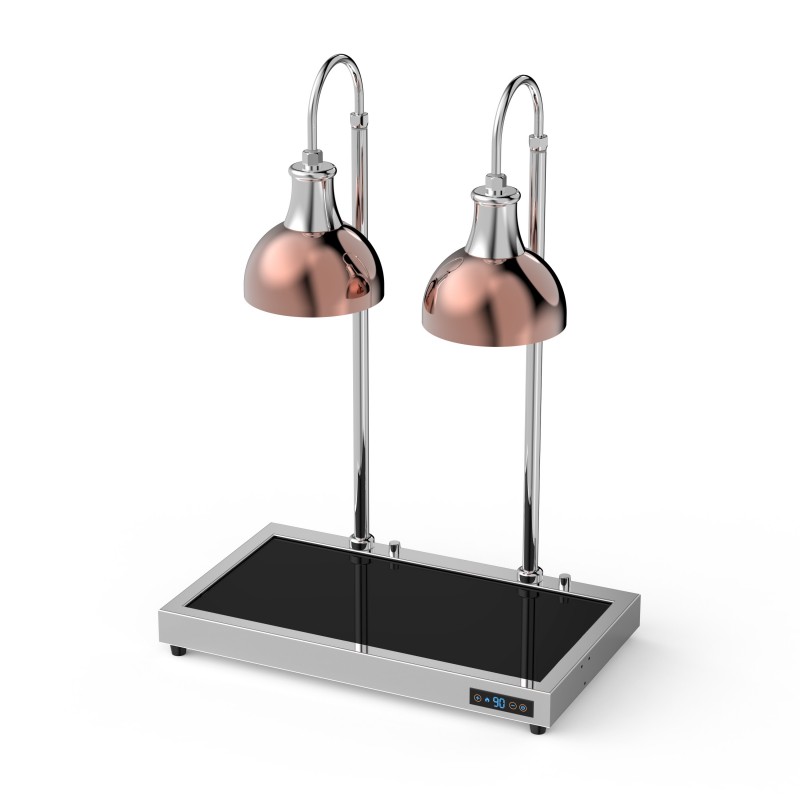
Modern commercial heat lamps come in several configurations. Single-head models like the BAVA Single-Head Rose Gold Buffet Heat Lamp are ideal for individual serving stations, while multi-head setups such as the BAVA Three-Head Rose Gold Buffet Heat Lamp Station can cover wider buffet spreads. Higher-end models like the BAVA Dual-Insulation Workstation with Heat Lamp and Heating Plate combine infrared lamp heat with a thermostatic base plate, offering dual-zone warming for maximum food quality retention.
The key advantage of a heat lamp is that it operates with dry heat. There is no water reservoir to fill, no steam generated, and no risk of condensation diluting delicate sauces or crispy fried items. Infrared heat penetrates food surfaces evenly, maintaining the texture and appearance that guests expect from freshly plated dishes.
Heat lamps are particularly effective for short-term food holding—typically up to two hours—before food quality begins to decline. They excel in front-of-house settings where presentation matters, such as hotel breakfast buffets, wedding reception carving stations, and upscale catering events where guests expect food to look as good as it tastes.
What Is a Chafing Dish?
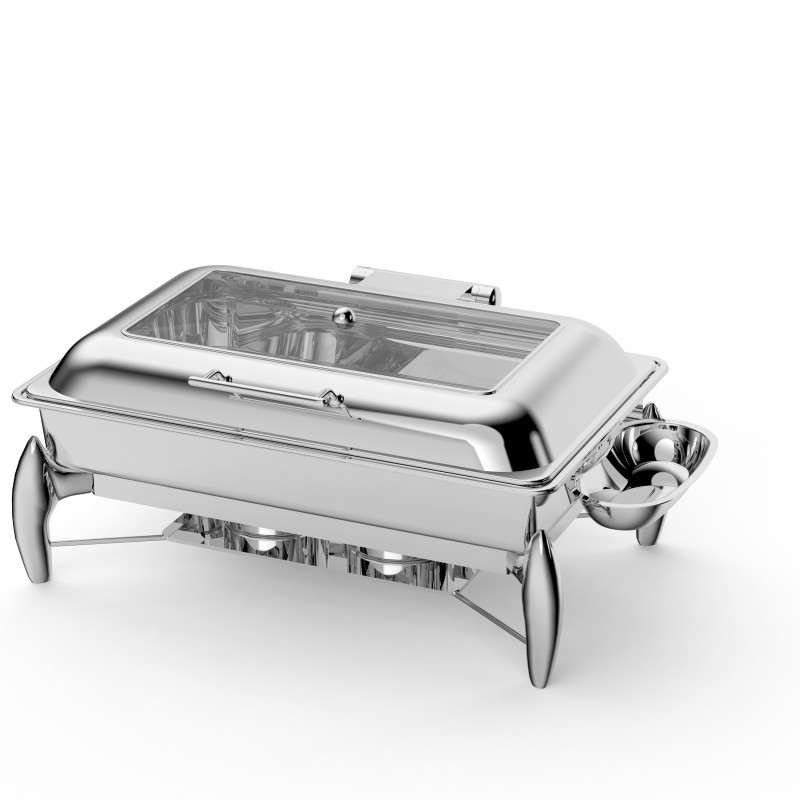
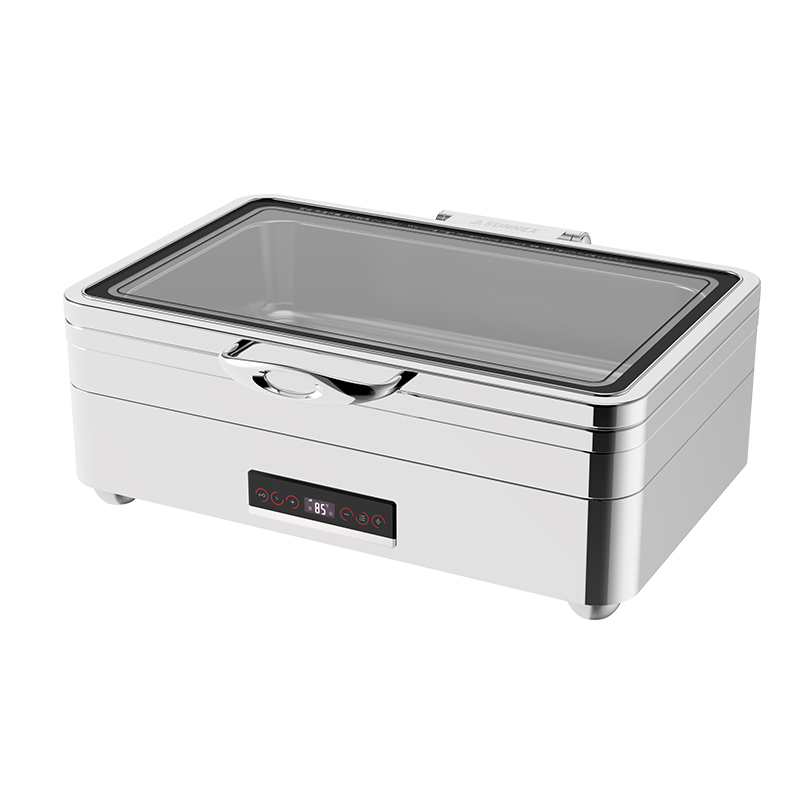
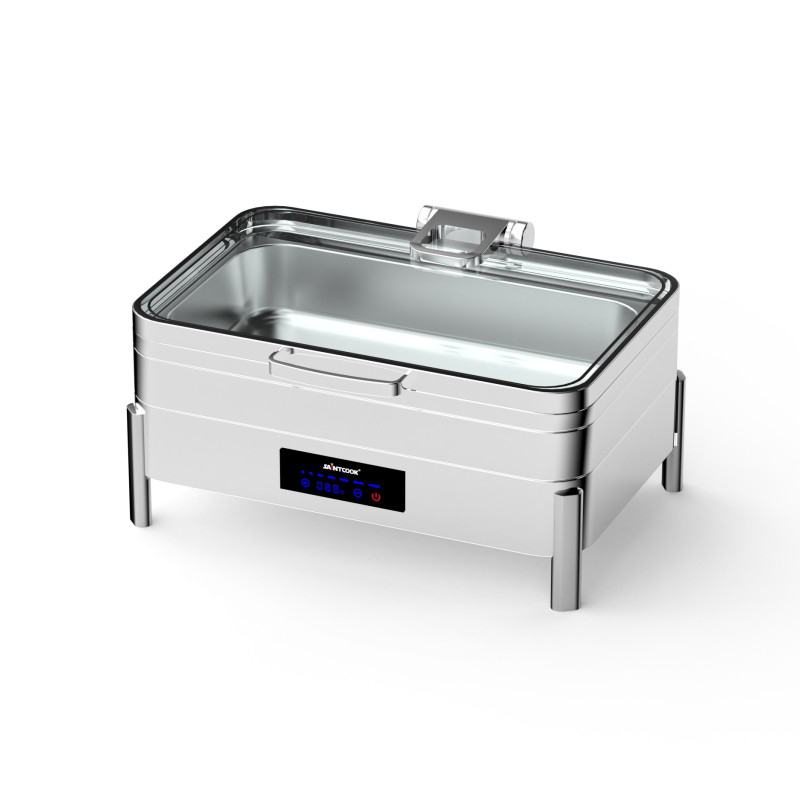
A chafing dish is a portable warming vessel that uses a water bath and a heat source—either sterno fuel or an electric heating element—to keep food at safe serving temperatures. The food sits in a removable pan inside a frame, with water in the base creating a gentle steam environment that prevents food from drying out.
The BAVA Electric Chafing Dish Food Warmer, for example, uses 400W electric heating with digital temperature control to maintain food between 60°C and 93°C. Models like the BAVA Electric Chafing Dish-W07 feature 900W rapid heating and intelligent temperature management, reaching optimal temperatures in as little as 8 minutes. Traditionalists may prefer fuel-powered options like the BAVA Stainless Steel Alcohol Fuel Buffet Chafing Dish, which relies on alcohol-based chafing fuel for reliable, cord-free operation.
The water bath system is the defining feature of a chafing dish. By trapping steam around the food, chafing dishes can maintain safe temperatures for extended periods—sometimes four hours or more—without significant moisture loss. This makes them particularly well-suited for slow-moving service environments, outdoor events where electrical access is limited, and dishes that benefit from gentle moist heat, such as braised meats, stews, and creamy casseroles.
Head-to-Head Comparison
To help you make an informed decision, here is a detailed comparison of heat lamps and chafing dishes across the key factors that matter most in a commercial kitchen or buffet setting.
| Factor | Heat Lamp | Chafing Dish |
|---|---|---|
| Heating Method | Infrared radiation (dry heat) | Water bath with steam (moist heat) |
| Food Texture | Maintains surface crispness and appearance | Can soften breadings and crispy coatings over time |
| Ideal Food Types | Roasted meats, fried items, baked goods, plated dishes | Casseroles, soups, stews, sauces, braised dishes |
| Setup Complexity | Mount or position overhead; plug in or hardwire | Assemble frame, add water, insert food pan, activate heat |
| Maintenance | Wipe lamp heads; replace bulbs as needed | Clean water basin; monitor fuel or electrical function |
| Portability | Requires electrical outlet or hardwired connection | Highly portable; fuel models need no electricity |
| Service Duration | Best for 1–2 hours; quality declines after | Effective for 3–5 hours with proper water levels |
| Food Safety Risk | Higher risk if food sits beyond 2 hours | Lower risk with consistent water temperature monitoring |
| Best Use Environment | Hotel buffets, indoor catering, front-of-house display | Outdoor events, banquet halls, all-day service |
| Initial Cost | Generally higher for multi-head commercial units | More affordable entry point; wide price range |
When to Choose a Heat Lamp
There are specific situations where heat lamps are clearly the superior choice. If your menu centers on items that lose their appeal when exposed to steam—think fried chicken, roasted vegetables, baked goods, or grilled steaks—a heat lamp is the way to go. The dry infrared heat keeps breading crispy, prevents soggy crusts, and preserves the visual presentation that makes plated food look appetizing.
Heat lamps also shine in environments where speed and flexibility matter. A busy hotel breakfast buffet with a carving station needs equipment that can keep a prime rib looking perfect without the visual obstruction of a chafing dish lid. Heat lamps maintain an open, inviting display that encourages self-service and creates a more upscale atmosphere.
For catering companies that move between venues, the BAVA Stainless Steel Buffet Heat Lamp Rack—a 4-lamp overhead system—is a solid investment. Its freestanding gantry design allows quick setup and breakdown, while the individual angle adjustment on each lamp head lets staff fine-tune coverage based on the food items on display.
Additionally, heat lamps are a natural fit for operations running on electricity alone. If your event space lacks ventilation or fire safety infrastructure for open flame fuel, heat lamps eliminate that concern entirely. Models like the BAVA Ceiling-Mounted Rose Gold Buffet Heat Lamp offer a clean, permanent installation that eliminates counter space requirements and creates a sleek, modern presentation.
When to Choose a Chafing Dish
Chafing dishes earn their keep in environments where food spends longer on the line and moisture retention is critical. If you are serving hearty, saucy dishes—goulash, macaroni and cheese, braised short ribs, or creamy soups—the steam environment of a chafing dish keeps these items tasting fresh and prevents a dry, unappetizing surface.
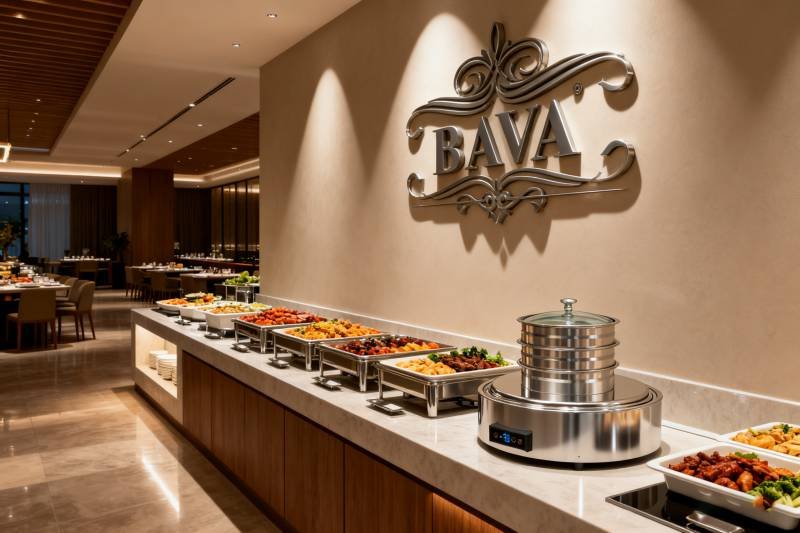
For outdoor events, fuel-powered chafing dishes are nearly indispensable. Catering at a park, a tent wedding, or a remote estate means working without reliable electrical access. A model like the BAVA Stainless Steel Alcohol Fuel Buffet Chafing Dish runs entirely on chafing fuel, giving you consistent warming capability anywhere you can set up a table. The built-in glass viewing window on models like the BAVA Fuel Chafing Dish-HC380Z lets staff monitor food levels without lifting the lid, reducing the risk of contamination.
Chafing dishes also have a lower skill threshold for staff. With an electric model like the BAVA Electric Chafing Dish BA Series, you simply set the temperature on the digital control, and the smart temperature management system maintains the food at a safe holding temperature automatically. Dry burn protection on models like the BAVA Electric Chafing Dish-W37 adds a layer of safety for busy kitchens where staff may be pulled in multiple directions.
For high-volume banquet operations, the BAVA Electric Chafing Dishes-StoveMaster Series is worth considering. Its dual electric heating plates combined with four alcohol burners provide redundant heat sources, ensuring food stays at temperature even if one element fails—critical in large-scale lobby banquet settings where guest satisfaction depends on every element being perfect.
Can You Use Both?
The honest answer is yes—and in many successful operations, both pieces of equipment are used together strategically. A well-designed buffet might feature heat lamps over the carved meats and fried appetizers, while chafing dishes handle the hot sides, soups, and braised proteins. This hybrid approach gives you the best of both worlds: crisp, visually appealing items that hold their texture, and saucy, moist dishes that stay at safe temperatures for hours.
The key is to map your menu to the right equipment. Group your dishes by their moisture sensitivity and service duration, then assign the appropriate warming method. This takes a bit of upfront planning, but it eliminates the frustration of serving soggy fried chicken from a steam bath or dried-out roast beef from a heat lamp left running too long.
Key Factors to Consider Before You Buy
Before making your purchase, walk through these questions with your team:
1. What foods are on your menu? If the majority of your hot items are dry-heat sensitive—grilled, fried, or baked—a heat lamp investment makes sense. If you are running a comfort food menu heavy on sauces and braised items, prioritize chafing dishes.
2. How long does food sit on the line? For service windows under two hours, heat lamps are perfectly adequate. For all-day events or slower-paced banquet service, chafing dishes with their steam environment will deliver better food quality over time.
3. What is your power and ventilation situation? Electric equipment requires accessible outlets and sufficient electrical capacity. Fuel-based equipment needs ventilation and fire safety protocols. Know your infrastructure before committing to either approach.
4. What is your budget and timeline? Heat lamp systems—especially multi-head commercial models—typically carry a higher upfront cost. Chafing dishes offer a wider price range and a lower barrier to entry. Consider not just the initial purchase price, but ongoing costs: replacement bulbs for heat lamps, sterno fuel for chafing dishes, and maintenance labor for both.
5. How important is presentation? If your brand is built on an upscale, open-display buffet aesthetic, heat lamps win on visual appeal. If functionality and extended holding time take priority over the visual setup, chafing dishes deliver.
Recommended Products for Your Operation
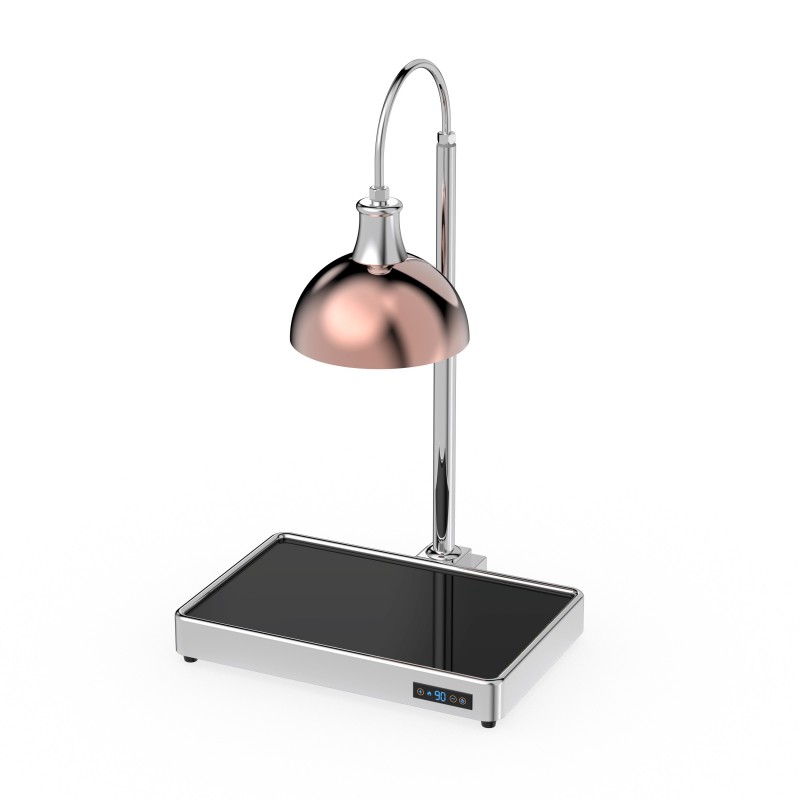
BAVA Single-Head Rose Gold Buffet Heat Lamp
The BAVA Single-Head Rose Gold Buffet Heat Lamp combines dual-zone infrared heating with a thermostatic base plate, delivering consistent warmth without the drying effects of steam. Its polished stainless steel construction and rose gold dome finish make it as visually appealing as it is functional, making it ideal for hotel buffets and upscale catering events where presentation and food quality both matter. With 250W-275W infrared power and adjustable height, this CE-certified unit offers reliable performance for any front-of-house warming application.
BAVA Three-Head Rose Gold Buffet Heat Lamp Station
Designed for high-volume buffet operations, the BAVA Three-Head Rose Gold Buffet Heat Lamp Station features three rose gold dome lamps arranged in a linear configuration over a black glass-ceramic warming surface. The Greek key decorative base pattern adds an upscale aesthetic, while the optional BJ663T model includes an adjustable clear tempered glass intermediate shelf for additional warming space. This CE-certified station is the perfect centerpiece for hotel breakfast buffets and wedding reception serving lines.
BAVA Dual-Insulation Workstation with Heat Lamp & Heating Plate
The BAVA Dual-Insulation Workstation represents the next generation of buffet warming technology, combining infrared lamp heating with a digital thermostat-controlled base plate that reaches up to 90°C. Available in single-lamp (BJ661) and dual-lamp (BJ662) configurations, with T-models adding adjustable tempered glass sneeze guards for enhanced food safety. The black glass-ceramic heating surface is easy to clean and maintain, making this workstation ideal for high-traffic catering environments and hotel banquet service.
Making the Final Call
Both heat lamps and chafing dishes have earned their place in commercial food service for good reasons. The decision between them is not about finding the single best piece of equipment—it is about matching the right tool to your specific menu, service model, and operational environment.
For a hotel breakfast buffet featuring scrambled eggs, bacon, and roasted tomatoes, heat lamps keep the proteins looking fresh and the baked items crisp. For a corporate lunch buffet serving beef stew and mashed potatoes, a chafing dish keeps those comfort foods at their best for the full two-hour service window.
Consider investing in both if your menu is diverse. A small fleet of heat lamps for your signature items and a set of chafing dishes for your saucy, slow-moving dishes gives your kitchen the flexibility to serve every dish at its best. Your guests will notice the difference in food quality, and your operation will run more smoothly as a result.
Ready to explore your options? Browse the full range of commercial heat lamps and chafing dishes available from BAVA to find the equipment that fits your menu, your space, and your service style.
Related Articles
Electric Buffet Warmer with Adjustable Thermostat for Restaurants
Discover the best Electric Buffet Warmer with Adjustable Thermostat for Restaurants solutions. Real ...
Mini Chafing Dish for Breakfast Buffet & Condiment Stations
Discover the best Mini Chafing Dish for Breakfast Buffet & Condiment Stations solutions. Real case s...
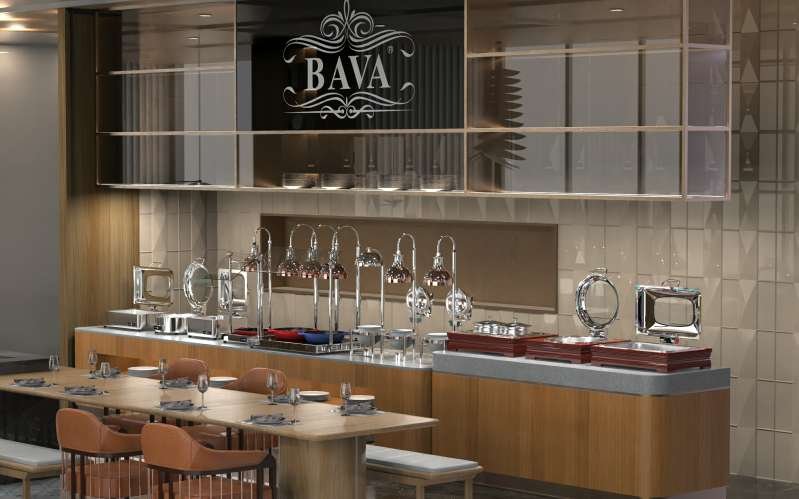
9QT Extra-Large Chafing Dish for Large-Scale Banquet Events
Discover the best 9QT Extra-Large Chafing Dish for Large-Scale Banquet Events solutions. Real case s...
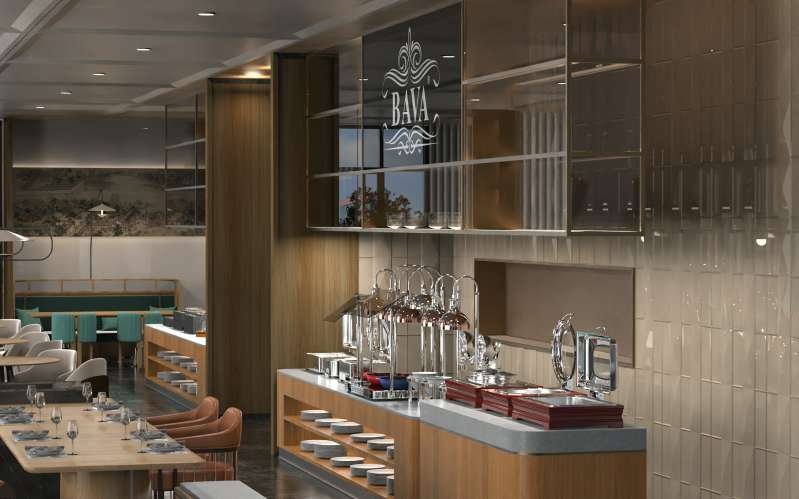
Wall-Mounted Buffet Stove for Space-Saving Kitchen Layouts
Discover the best Wall-Mounted Buffet Stove for Space-Saving Kitchen Layouts solutions. Real case st...
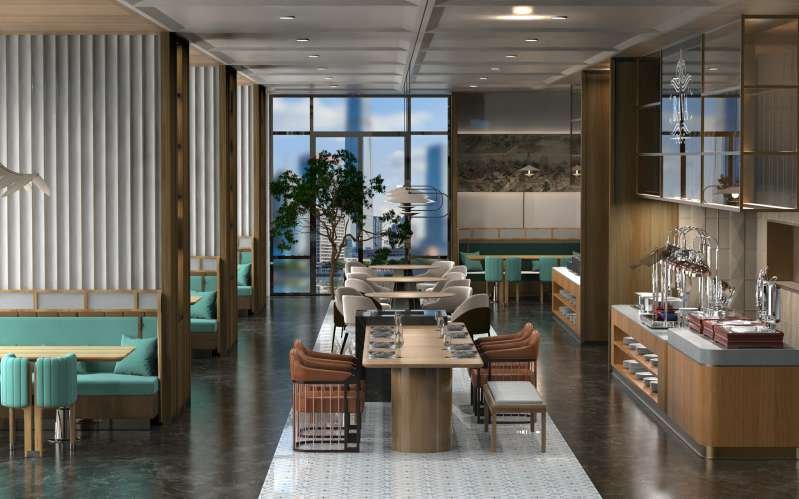
Stainless Steel Food Warmer for Supermarket Deli Departments
Discover the best Stainless Steel Food Warmer for Supermarket Deli Departments solutions. Real case ...
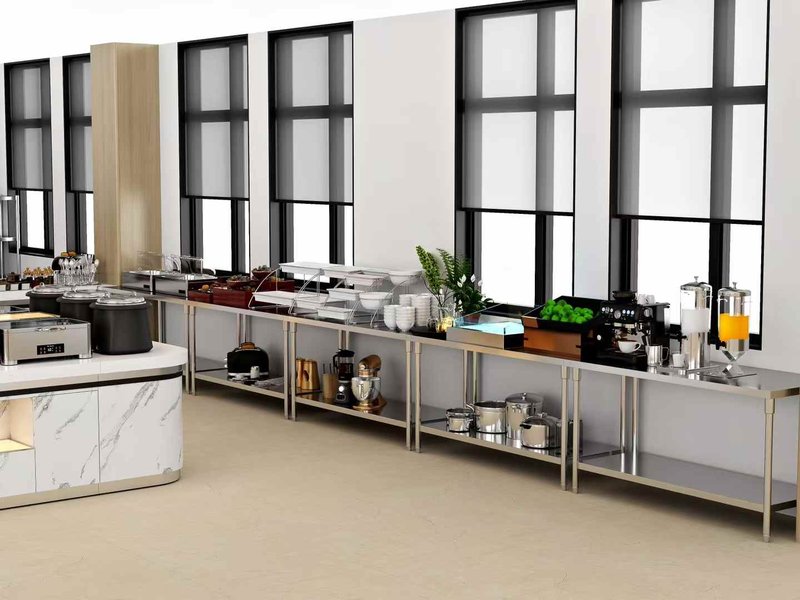
Commercial Chafer Dish with Temperature Control for Food Safety
Discover the best Commercial Chafer Dish with Temperature Control for Food Safety solutions. Real ca...