
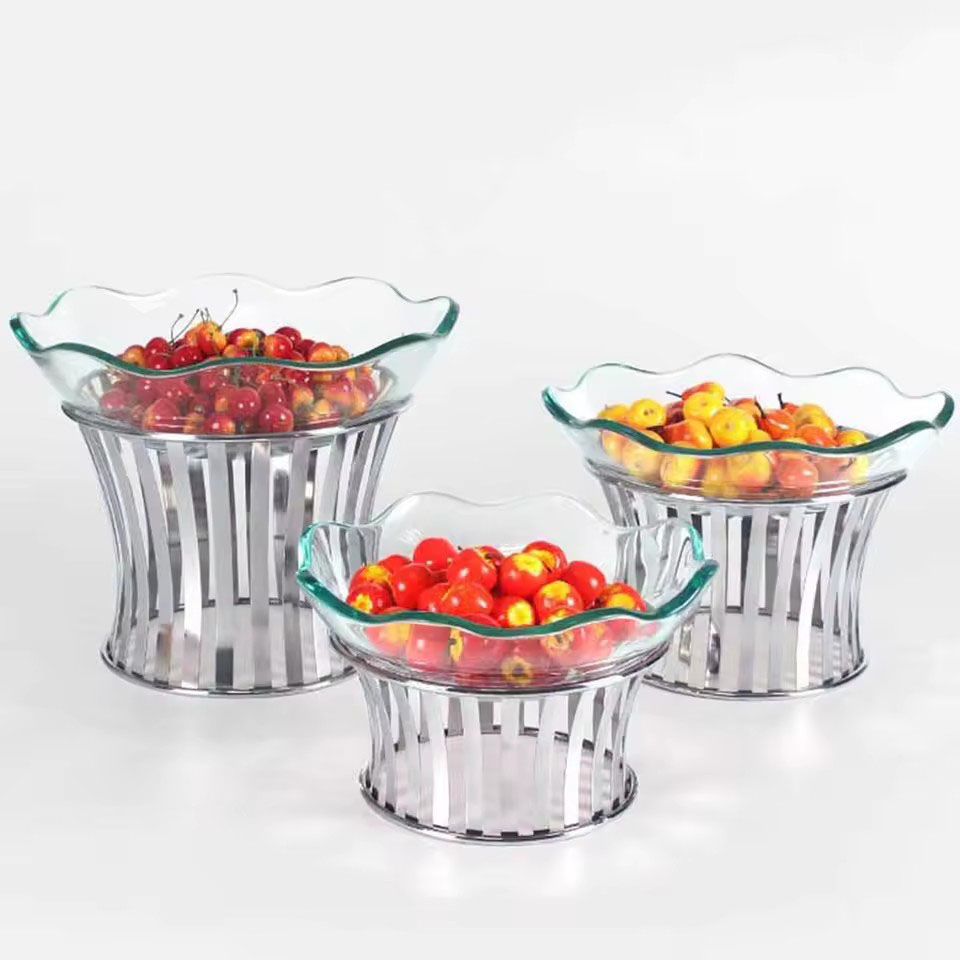
How to Set Up a Buffet Stove for Maximum Efficiency
Properly setting up a buffet stove is critical for any restaurant, hotel, or catering business aiming to maximize operational efficiency. A well-configured buffet stove not only keeps food at safe, consistent temperatures but also reduces energy waste, speeds up service, and enhances customer satisfaction. Many establishments overlook the setup process, leading to uneven heating, higher utility bills, and unnecessary equipment wear. This guide walks you through every step to set up your buffet stove for peak performance, ensuring you get the most out of your investment.
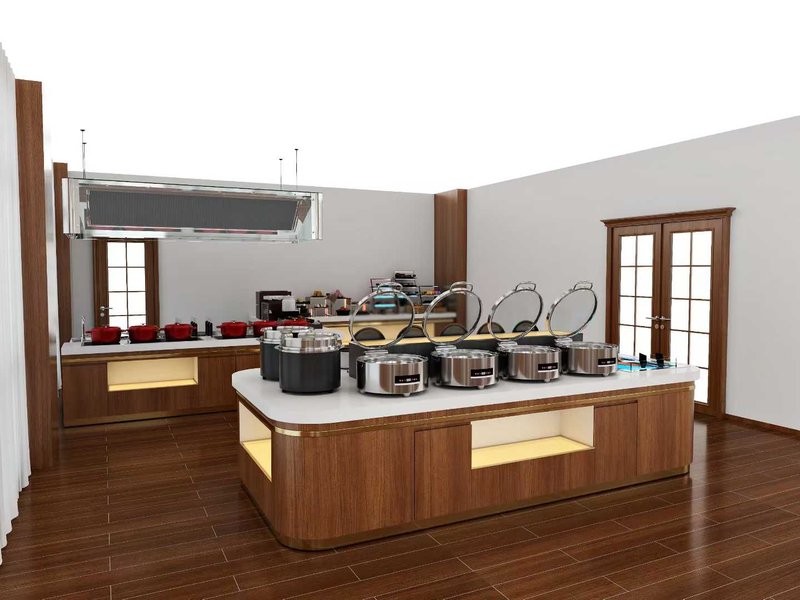
The first step to an efficient buffet stove setup is selecting an optimal location. Place the stove in a well-ventilated area away from direct sunlight, air conditioning vents, or drafts, which can cause temperature fluctuations. Ensure it is close to a grounded power outlet (for electric models) or a safe fuel storage area (for alcohol/gas models). Keep the stove at a comfortable height for staff to access easily, and leave at least 12 inches of clearance on all sides for proper airflow. Avoid placing it near flammable materials like paper napkins or curtains to minimize fire risks.
Before powering on your buffet stove, conduct a thorough inspection. Check the unit for dents, loose parts, or damaged cords (for electric models). Verify that all accessories are included: food pans, lids, water trays (for electric models requiring water baths), and temperature controls. For fuel-powered stoves, ensure the fuel canister is sealed properly and compatible with the unit. Test the temperature control dial or digital display to confirm it responds correctly. Skipping this step can lead to mid-service breakdowns that disrupt operations.
For electric buffet stoves, plug the unit into a dedicated 220V/110V outlet (matching the stove's voltage rating) to avoid overloading circuits. Do not use extension cords, as they can cause voltage drops that reduce heating efficiency. For alcohol or gas-powered models, attach the fuel canister securely following the manufacturer's instructions, and check for leaks with a soapy water solution before ignition. Keep a fire extinguisher rated for grease fires nearby as a safety precaution.
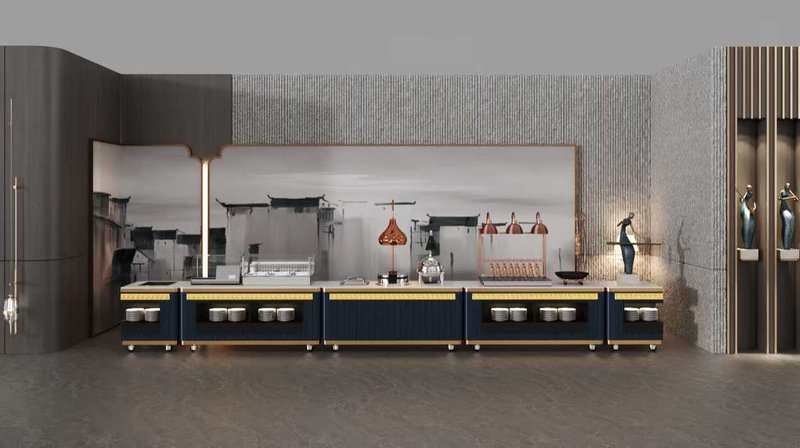
Preheating is essential to maintain consistent food temperatures. Turn on the stove 15–20 minutes before service starts: electric models typically reach 60°C in 8–15 minutes depending on wattage, while fuel models take 5–10 minutes to stabilize. Use a food-safe thermometer to calibrate the built-in temperature display, adjusting the setting if there is a discrepancy. For hot dishes like soups or stews, set the temperature between 60–75°C; for delicate items like eggs or pastries, use 50–60°C to prevent overcooking. Avoid setting temperatures higher than needed, as this wastes energy and dries out food.
Water bath management is crucial for electric buffet stoves that use indirect heating. Fill the water tray to the recommended level (usually just below the rim of the food pan) with hot water to speed up heating. Check the water level every 2–3 hours during service, refilling as needed to prevent the heating element from running dry, which can cause permanent damage. For stoves without water baths, ensure the food pans are NSF-certified for direct heating and monitor food moisture levels closely.
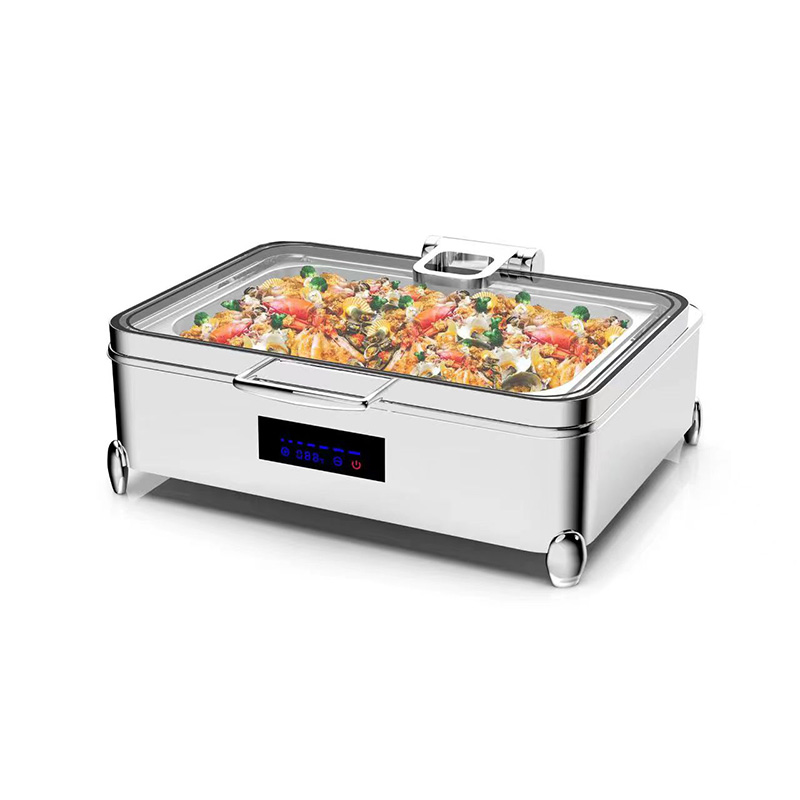
Electric Chafing Dish Food Warmer
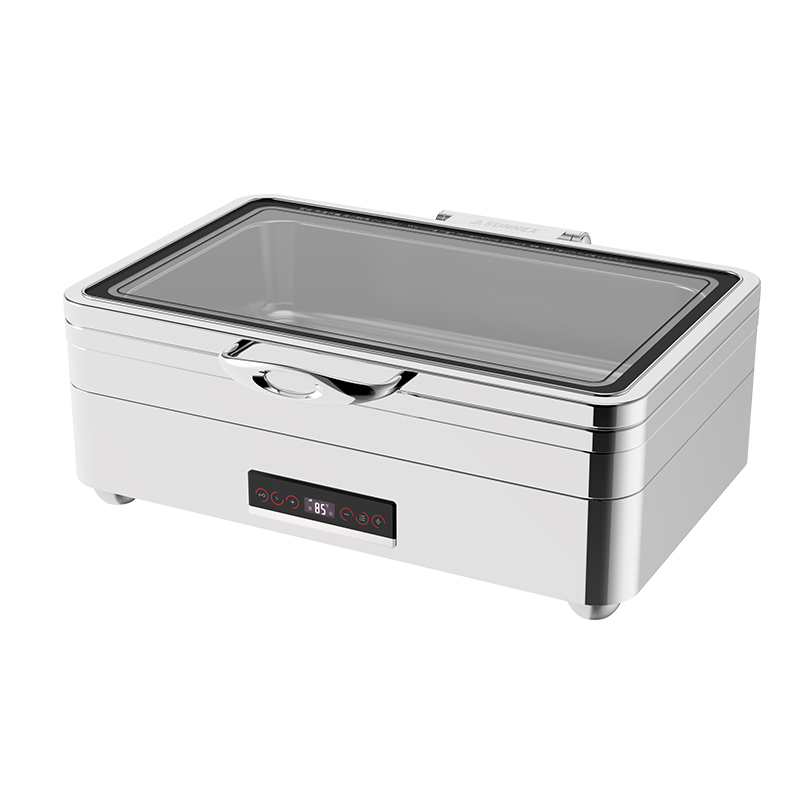
This 400W electric chafing dish features fast heating and precise digital temperature control, making it ideal for buffet setups where consistency is key. With a 304 stainless steel build and adjustable temperature range of 60–93°C, it maintains optimal food warmth without drying. The 2.5L water tank ensures even heat distribution, while CE, ETL, RoHS, and FDA compliance guarantees food safety. Its compact 610×400×320mm design fits seamlessly into any buffet line, and the GN 1/1 food pan size accommodates standard hotel trays. Setup is straightforward: fill the water tank, plug into a 220V outlet, set your desired temperature, and let the digital display guide you to perfect heating every time.
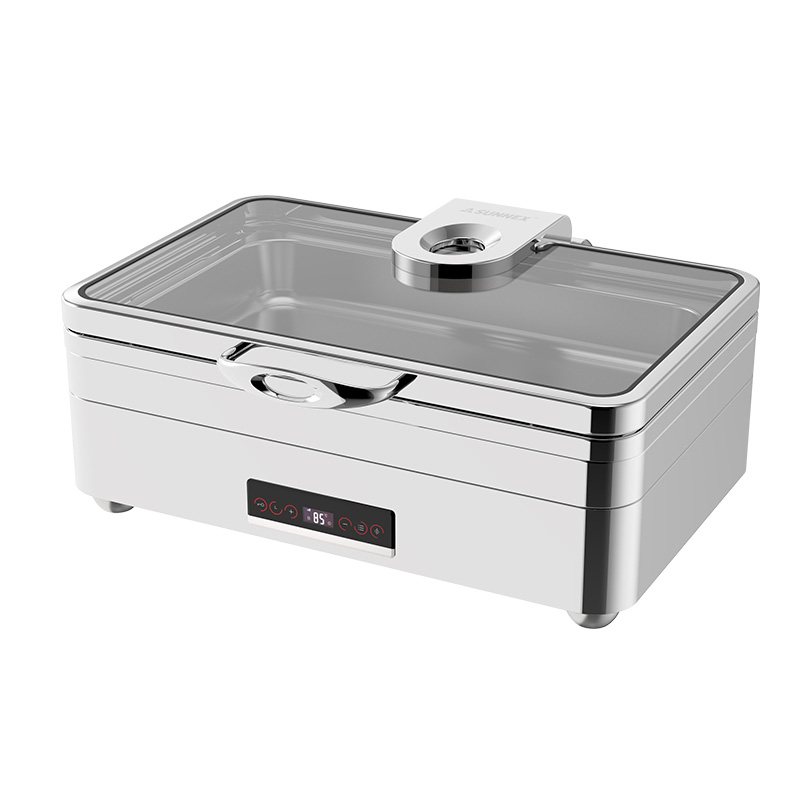
Electric Chafing Dish-W07
For high-volume restaurants, the 900W W07 model delivers rapid heating with intelligent temperature control, reaching 60°C in just 8 minutes. Its 45–89°C adjustable range and multi-safety protection—including anti-dry heat flash alarm and auto shut-off—make it a reliable choice for busy buffets. The 304 stainless steel construction withstands daily commercial use, while CE, ETL, RoHS, and FDA certifications ensure compliance with international food safety standards. The GN 1/1 pan size and 2.5L water tank capacity support large batch serving, and the intuitive controls allow staff to adjust settings quickly during peak hours without disrupting service flow.
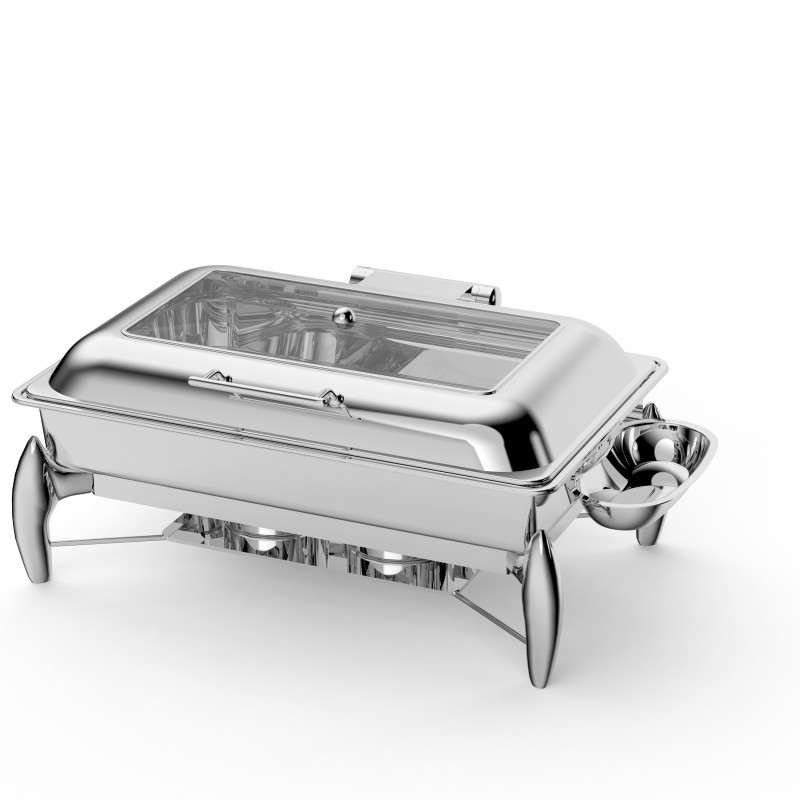
Positioning food pans correctly enhances both efficiency and presentation. Use GN 1/1 standard pans that fit snugly into the stove's frame to prevent heat escape. Arrange pans so that frequently accessed items (like scrambled eggs or bacon) are at the front, while slower-moving dishes (like roasted vegetables) are toward the back. Always use lids when the buffet is not actively being served to retain heat and moisture. Train staff to lift lids only briefly when serving, and to check food levels every 30 minutes to avoid running low during peak periods.
Staff training is often the missing link in buffet stove efficiency. Create a simple checklist for setup, monitoring, and breakdown: preheat 15 minutes before service, check water levels hourly, calibrate temperature daily, and clean the unit immediately after service. Assign a dedicated staff member to monitor the buffet station during operating hours, ensuring the stove remains at the correct temperature and food quality stays consistent. Provide quick-reference guides near the station with troubleshooting steps for common issues like temperature drops or fuel shortages.
Energy efficiency tweaks can significantly reduce operating costs over time. For electric models, use the stove's "Smart Mode" or "Eco Mode" if available, which automatically adjusts power based on food volume and ambient temperature. Turn off individual pans that are not in use rather than running the entire unit at full power. For fuel models, use high-quality chafing fuel gel that burns consistently for 2–4 hours, and extinguish burners immediately after service ends. Regular descaling of electric heating elements (every 3–6 months) maintains optimal heat transfer and prevents energy-wasting buildup.
Daily cleaning and maintenance preserve your buffet stove's efficiency and extend its lifespan. After each service, unplug the unit and let it cool completely before cleaning. Remove food pans and wash them in a commercial dishwasher; wipe down the stove's exterior with a food-safe sanitizer. For electric models, drain and clean the water tray to prevent mineral buildup, and inspect the power cord for fraying. For fuel models, clean the burner area of soot or residue, and store fuel canisters in a cool, dry place away from the stove. Document maintenance tasks in a logbook to track patterns and anticipate replacement needs.

Electric Chafing Dishes-W20
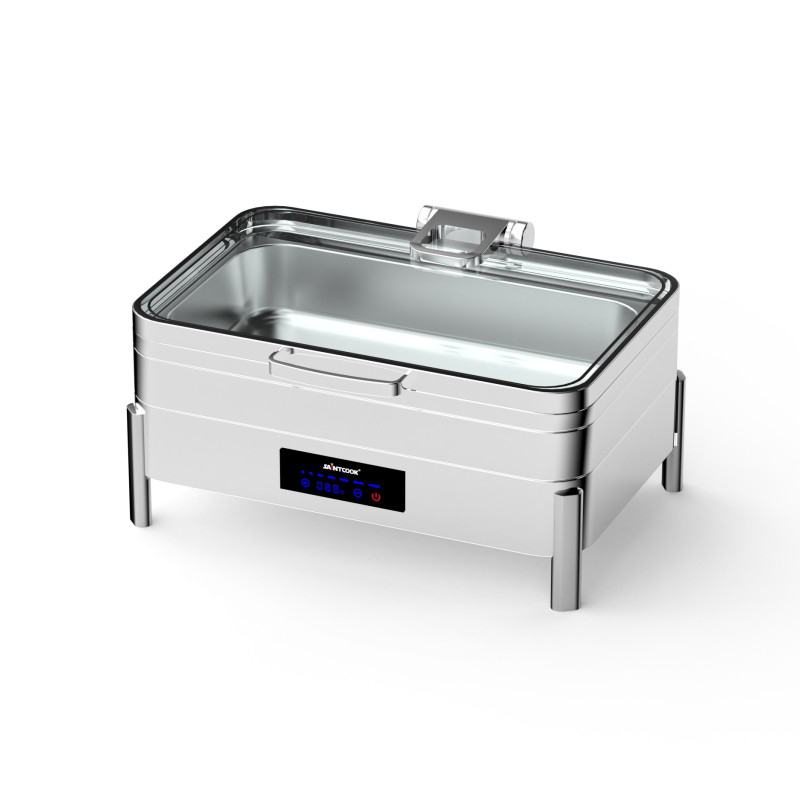
The W20 model combines 900W rapid heating with an intuitive OLED touchscreen, making it easy for staff to monitor and adjust settings at a glance. Its 45–90°C temperature range and 304 stainless steel construction deliver reliable performance in high-pressure environments like hotel breakfast buffets and wedding receptions. The GN 1/1 pan compatibility and CE/ETL/RoHS certifications make it a versatile choice for international venues. The OLED display shows real-time temperature readings, eliminating guesswork during busy service periods. Its three-layer base design enhances heat retention, reducing the need for frequent power adjustments and keeping food at safe temperatures longer.
Troubleshooting common setup issues saves time and prevents service disruptions. If the stove fails to heat, check the power connection (electric) or fuel level (fuel-based) first. For uneven heating, ensure the water level is adequate and the food pans are seated correctly. If the digital display shows an error code, consult the manufacturer's manual—most issues are resolved by resetting the unit or replacing a blown fuse. Keep a spare fuel canister and a backup power cord on-site to handle emergencies without delaying service. Regularly testing the stove during off-peak hours helps identify potential problems before they affect customers.
Integrating the buffet stove into your existing kitchen workflow maximizes overall efficiency. Coordinate with the kitchen team to time food preparation so that dishes are ready to load onto the stove just as it finishes preheating. Use the stove's surface temperature to keep backup pans warm while the primary pan is in use, reducing wait times during refills. For catered events, transport the stove in a padded case to prevent damage, and bring extra fuel or extension cords (if absolutely necessary) to handle unexpected venue limitations. A well-integrated setup turns the buffet stove from a standalone appliance into a seamless part of your service ecosystem.
Finally, measure and optimize your setup regularly. Track key metrics like average temperature stability, energy consumption per service hour, and customer feedback on food temperature. If you notice frequent temperature drops, consider upgrading to a higher-wattage model or adding a wind guard for drafty venues. If energy costs are high, experiment with lower temperature settings that still meet food safety standards (minimum 60°C for hot holding). Continuous improvement ensures your buffet stove setup remains efficient as your business grows and customer expectations evolve.
By following these steps, you will transform your buffet stove from a simple warming device into a high-performance asset that enhances food quality, reduces costs, and delights your customers. A thoughtful setup is the foundation of a successful buffet operation—invest the time upfront, and you will reap the rewards in smoother service, happier guests, and a healthier bottom line.
Related Articles
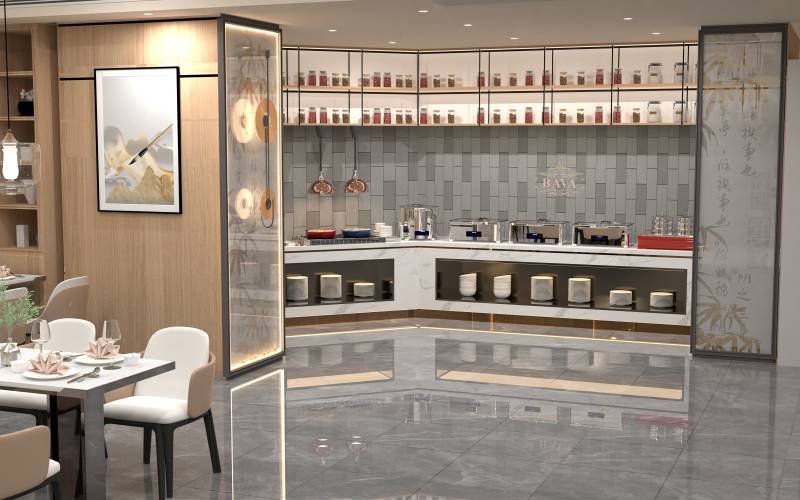
Electric Buffet Warmer with Adjustable Thermostat for Restaurants
Discover the best Electric Buffet Warmer with Adjustable Thermostat for Restaurants solutions. Real ...
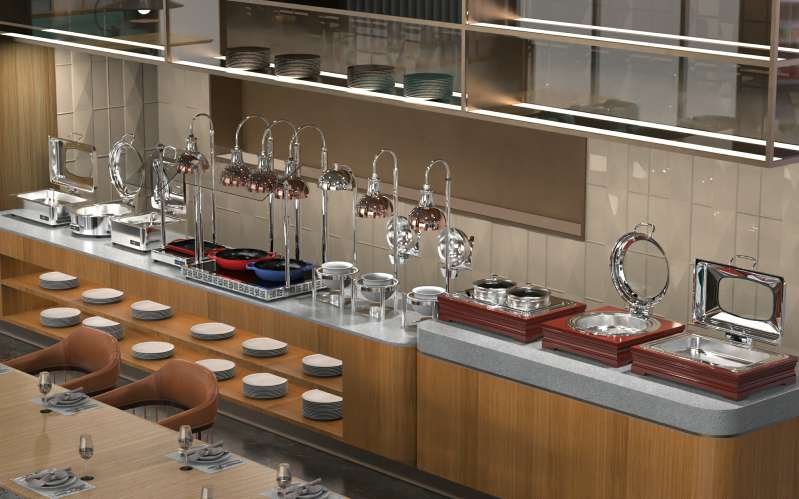
Mini Chafing Dish for Breakfast Buffet & Condiment Stations
Discover the best Mini Chafing Dish for Breakfast Buffet & Condiment Stations solutions. Real case s...
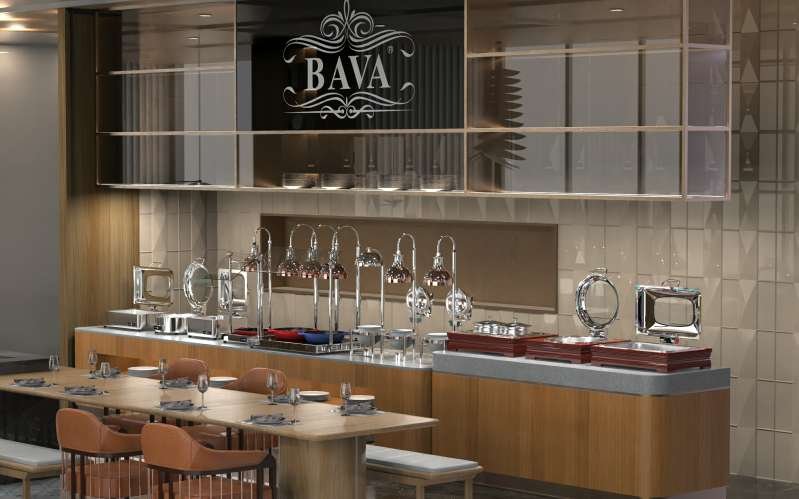
9QT Extra-Large Chafing Dish for Large-Scale Banquet Events
Discover the best 9QT Extra-Large Chafing Dish for Large-Scale Banquet Events solutions. Real case s...
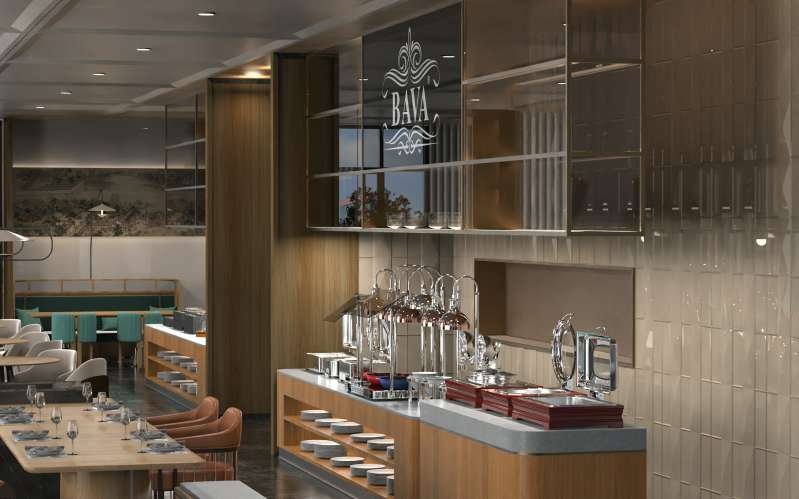
Wall-Mounted Buffet Stove for Space-Saving Kitchen Layouts
Discover the best Wall-Mounted Buffet Stove for Space-Saving Kitchen Layouts solutions. Real case st...
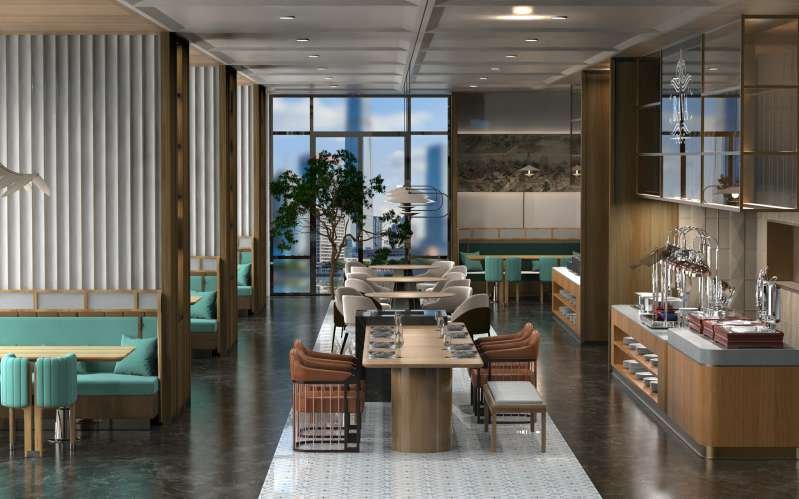
Stainless Steel Food Warmer for Supermarket Deli Departments
Discover the best Stainless Steel Food Warmer for Supermarket Deli Departments solutions. Real case ...
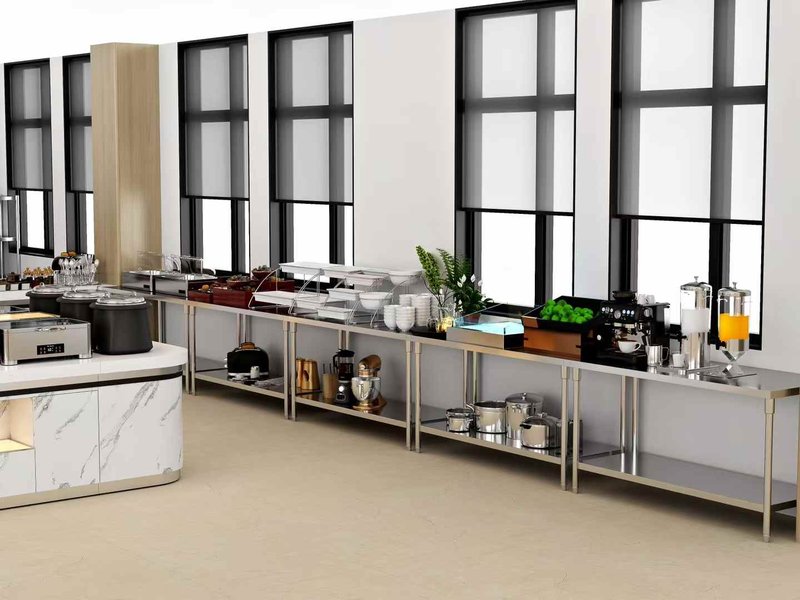
Commercial Chafer Dish with Temperature Control for Food Safety
Discover the best Commercial Chafer Dish with Temperature Control for Food Safety solutions. Real ca...