
2026 Global Commercial Food Warmer Market Growth & Innovation
2026 Global Commercial Food Warmer Market: Growth Drivers
The global commercial food warmer market is projected to reach $14.2 billion in 2026, growing at 6.8% CAGR from 2024 levels. This growth is driven by three forces: the rapid expansion of buffet-style dining in emerging markets, stricter food safety regulations requiring temperature-verified equipment, and the shift toward IoT-enabled smart kitchen solutions in developed markets.
This analysis covers the key trends, regional dynamics, and technology innovations shaping the 2026 commercial food warmer market, with insights for equipment buyers navigating a rapidly evolving landscape.
1. Market Size and Regional Growth
North America remains the largest market at 38% share, driven by replacement cycles in mature hotel and restaurant sectors. However, Asia-Pacific is the fastest-growing region at 11.2% CAGR, fueled by China's hospitality boom, India''s wedding catering industry, and Southeast Asia's tourism-driven F&B expansion. The Middle East and Africa show 8.5% growth, driven by luxury hotel development in Saudi Arabia and the UAE.
Electric food warmers now account for 62% of global sales, up from 48% in 2022, as fuel-based units decline due to fire safety regulations and higher fuel costs. BAVA's electric chafing dish line is positioned to capture this shift with energy-efficient designs meeting both North American and EU power standards.

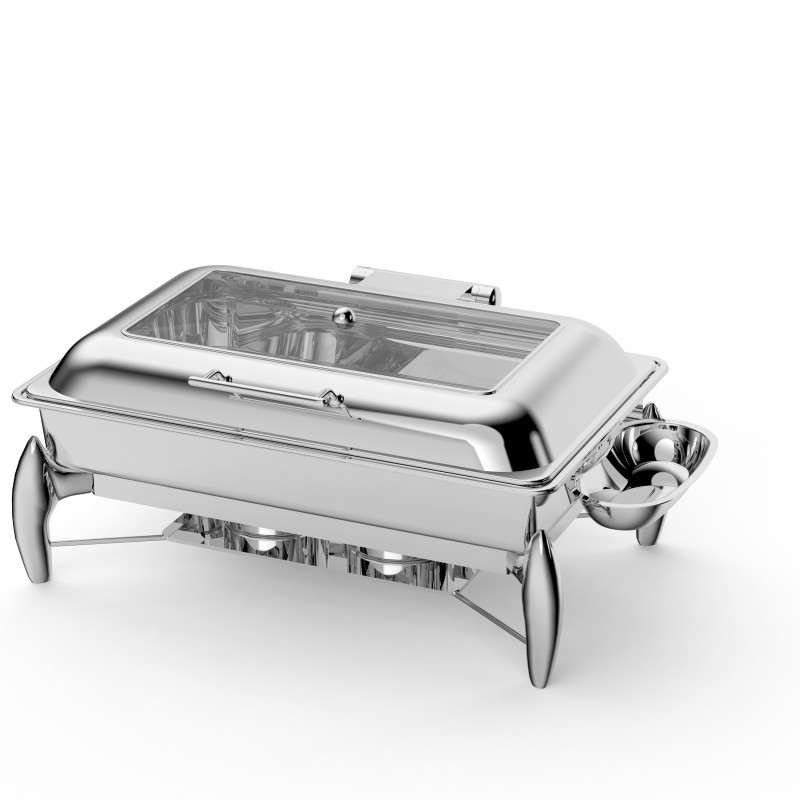
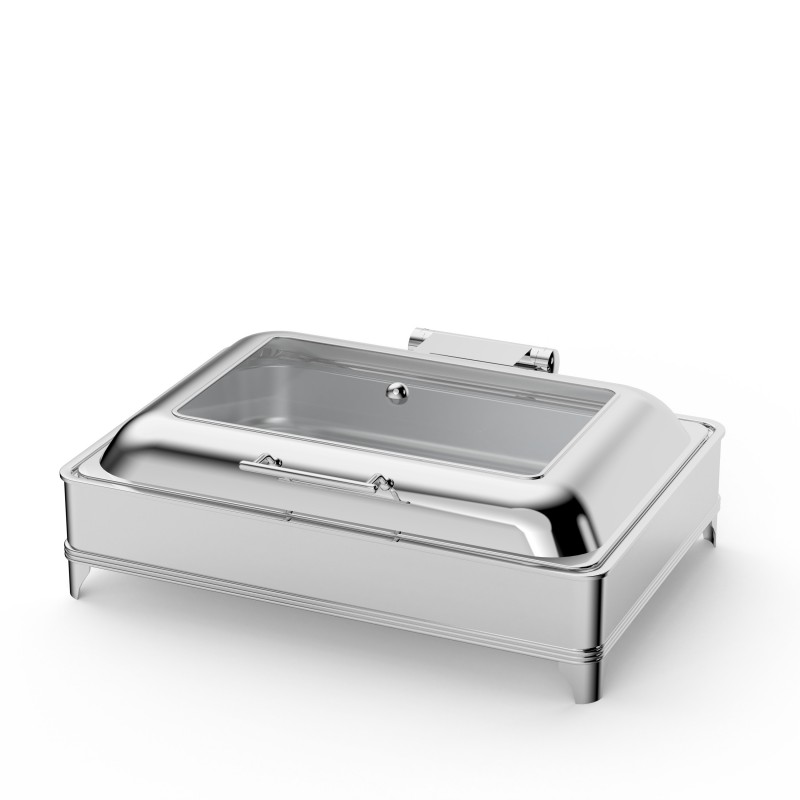
Full Size 11L Electric Chafer
This 11L electric chafer captures the market's demand for high-capacity, energy-efficient warmers. Operating at 92% energy efficiency (vs. 75% for older models), it reduces electricity costs by 18% annually for high-volume operators. The dual-voltage design (120V/240V) makes it suitable for both North American and international markets.
2. IoT and Smart Kitchen Integration
The fastest-growing segment is IoT-enabled food warmers, projected to grow at 18.5% CAGR through 2028. Smart warmers with temperature sensors, automated HACCP logging, and cloud connectivity are becoming standard in chain restaurants and hotel groups managing 10+ locations.
Key IoT features in 2026 include: real-time temperature dashboards viewable from smartphones, automatic compliance report generation for health inspections, predictive maintenance alerts that reduce downtime by 40%, and energy consumption analytics that help operators optimize buffet layouts. BAVA's IoT-enabled line supports all major food safety management platforms including EcoSure, Zenput, and Jolt.

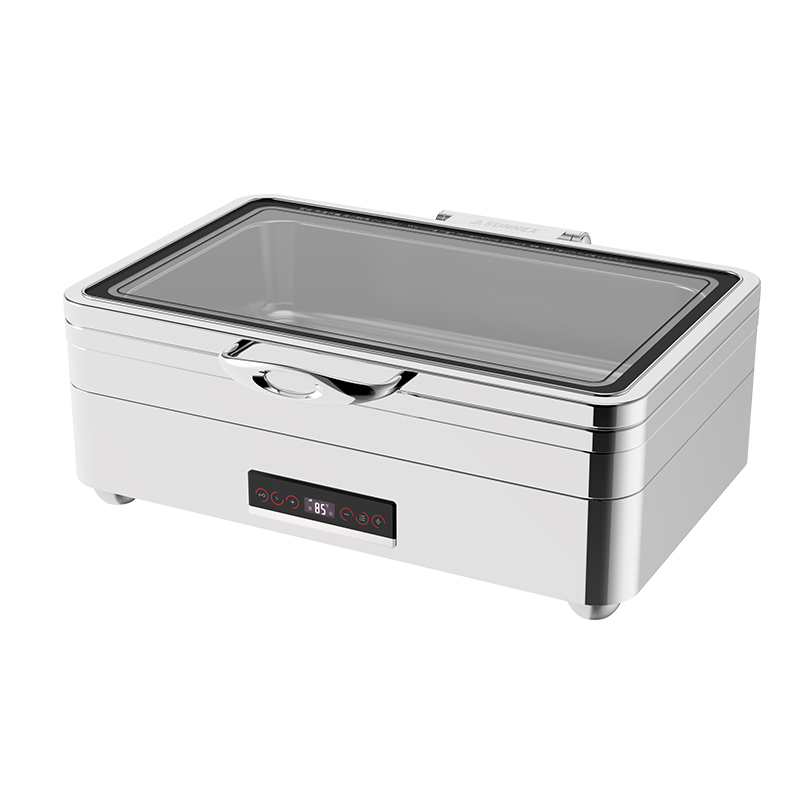
Electric Chafing Dish Food Warmer
This compact warmer exemplifies the trend toward space-efficient, IoT-ready designs. Its optional cloud connectivity module integrates with existing smart kitchen systems, while the rapid-heat design (10 minutes to 140°F) supports high-turnover buffet environments where speed-of-service directly impacts revenue.
3. Sustainability and Energy Efficiency
Sustainability mandates are reshaping the food warmer market. The EU's EcoDesign Directive now sets minimum energy efficiency standards for commercial kitchen equipment, while major hotel chains (Marriott, Hilton, IHG) have committed to 50% carbon reduction by 2030, driving procurement toward energy-efficient electric warmers.
Key sustainability features gaining market traction: induction-based warming (40% more efficient than resistance heating), recycled stainless steel content (30-50% post-consumer in BAVA's 2026 models), packaging-free bulk shipping options reducing logistics carbon footprint, and modular designs that allow individual component replacement instead of complete unit disposal.
4. Material Innovation and Durability
Materials science is advancing food warmer performance. 2026 sees titanium-infused stainless steel alloys offering 40% better heat distribution with 15% weight reduction, nano-ceramic coatings providing non-stick surfaces without PFAS compounds (compliant with 2026 PFAS bans in EU and pending FDA regulation), and graphene-enhanced heating elements delivering 30% faster heat-up with 25% lower power consumption.
BAVA is incorporating these material advances across our product line, with the 2026 electric chafer range featuring next-generation heating elements and surface treatments that extend equipment lifespan beyond 15 years.
5. Buying Trends and Procurement Shifts
2026 procurement patterns show three notable shifts: direct-from-manufacturer purchasing now accounts for 45% of commercial food warmer sales (up from 30% in 2023), as operators cut out distributor markups; subscription-based equipment models (pay-per-month) gaining 6% market share in North America, offering operators lower upfront costs; and multi-unit buyers consolidating to 2-3 approved vendors for standardization and volume pricing.
Durability guarantees are a key differentiator, with top buyers reporting that warranty terms and documented MTBF (Mean Time Between Failures) data now influence 70% of purchasing decisions, up from 40% in 2022.
Conclusion
The 2026 global commercial food warmer market is defined by three megatrends: IoT integration transforming compliance and efficiency, sustainability mandates driving electric adoption, and material innovation extending equipment lifecycles. Operators who invest in smart, energy-efficient electric warmers—particularly in high-growth regions like Asia-Pacific—will capture market share while reducing total cost of ownership. BAVA's 2026 product line addresses each of these trends with proven, certified equipment designed for the next decade of food service evolution.
Related Articles
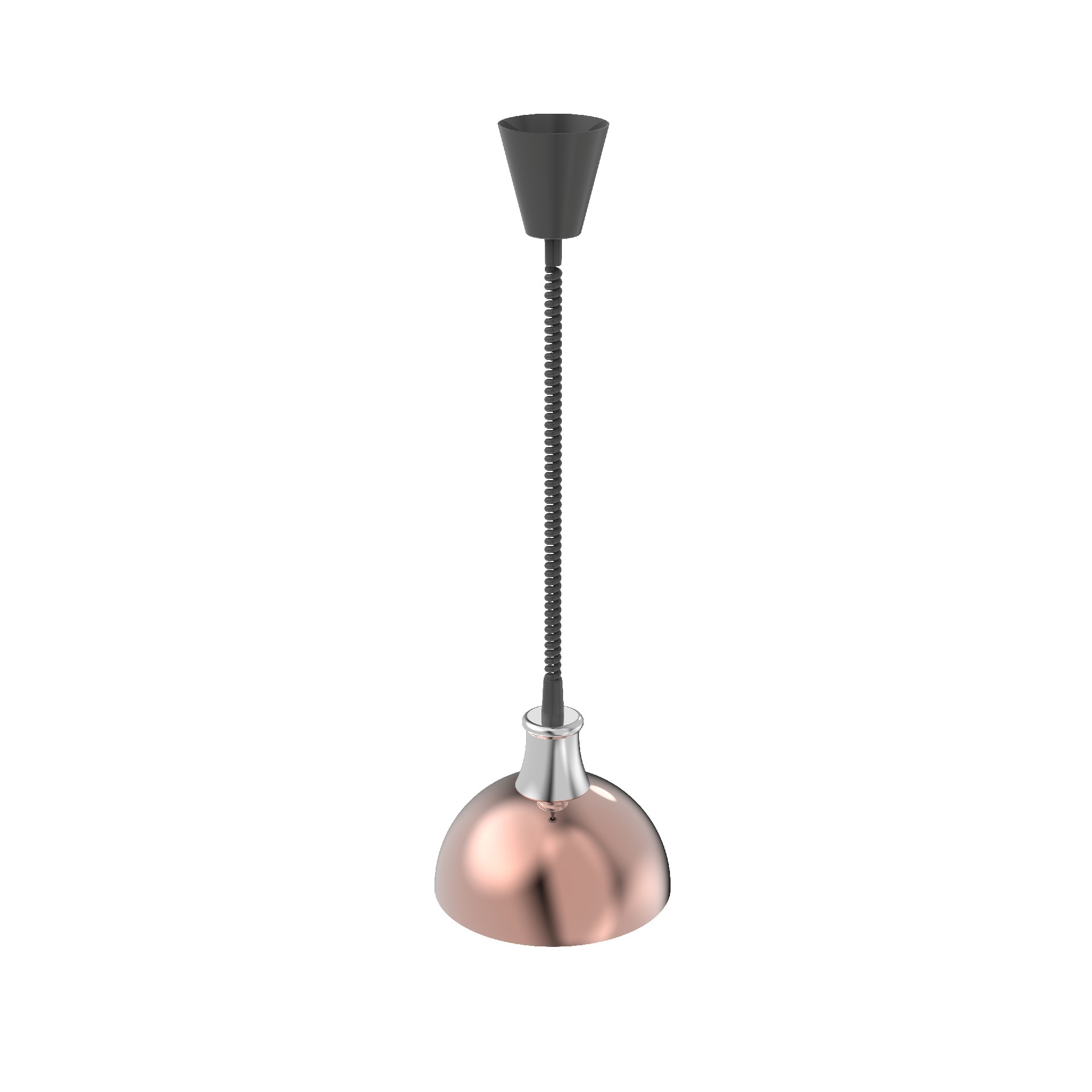
How Long Can Food Stay Under a Heat Lamp? The 4-Hour Rule
Food can stay under a heat lamp for up to 4 hours if it stays above 135°F (57°C); quality usually ...
Is Food Under a Heat Lamp Safe? A Straight Answer
Food under a heat lamp is safe when three conditions are met: above 135°F (57°C), under 4 hours, a...
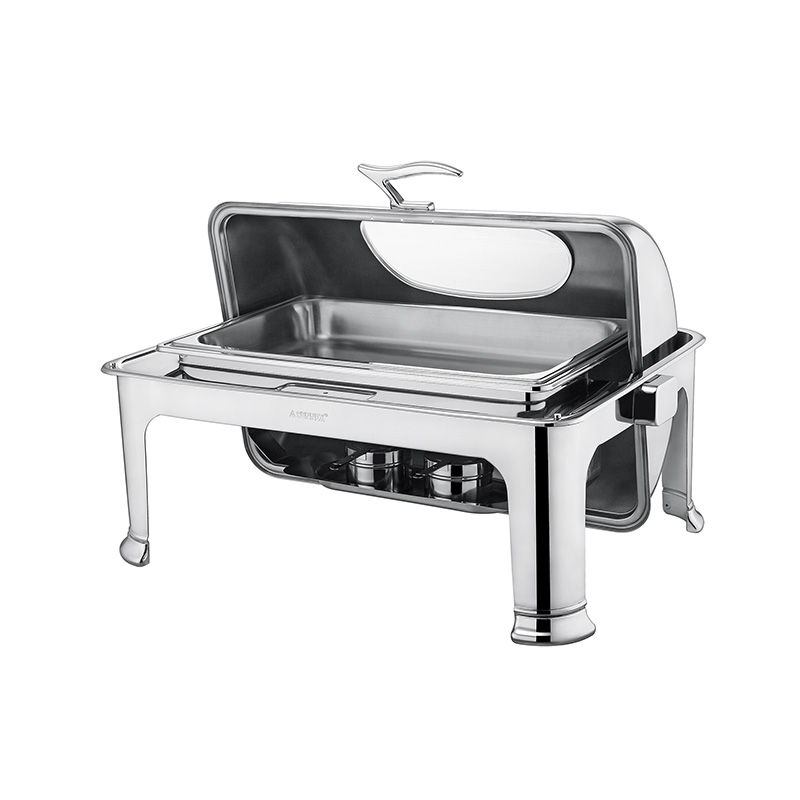
How to Choose the Right Chafing Dish for Your Buffet
Choose the right chafing dish in 6 steps: fuel vs electric, shape, quart size, gauge and lid type. I...
Does a Heat Lamp Produce Radiation? What It Really Emits
A heat lamp emits infrared radiation, which is non-ionizing: photon energy around 0.9–1.6 eV versus...
304 vs 201 Stainless Steel: Which Alloy for Buffet Equipment?
304 (18/8) costs 20–40% more than 201 and resists rust far better because of its 8% nickel; 201 swa...
Chafing Dish Fuel vs Electric: Which Should You Use?
Electric chafing dishes cost about $0.06 per hour to run; canned fuel costs $0.60–1.50. Compare ene...