
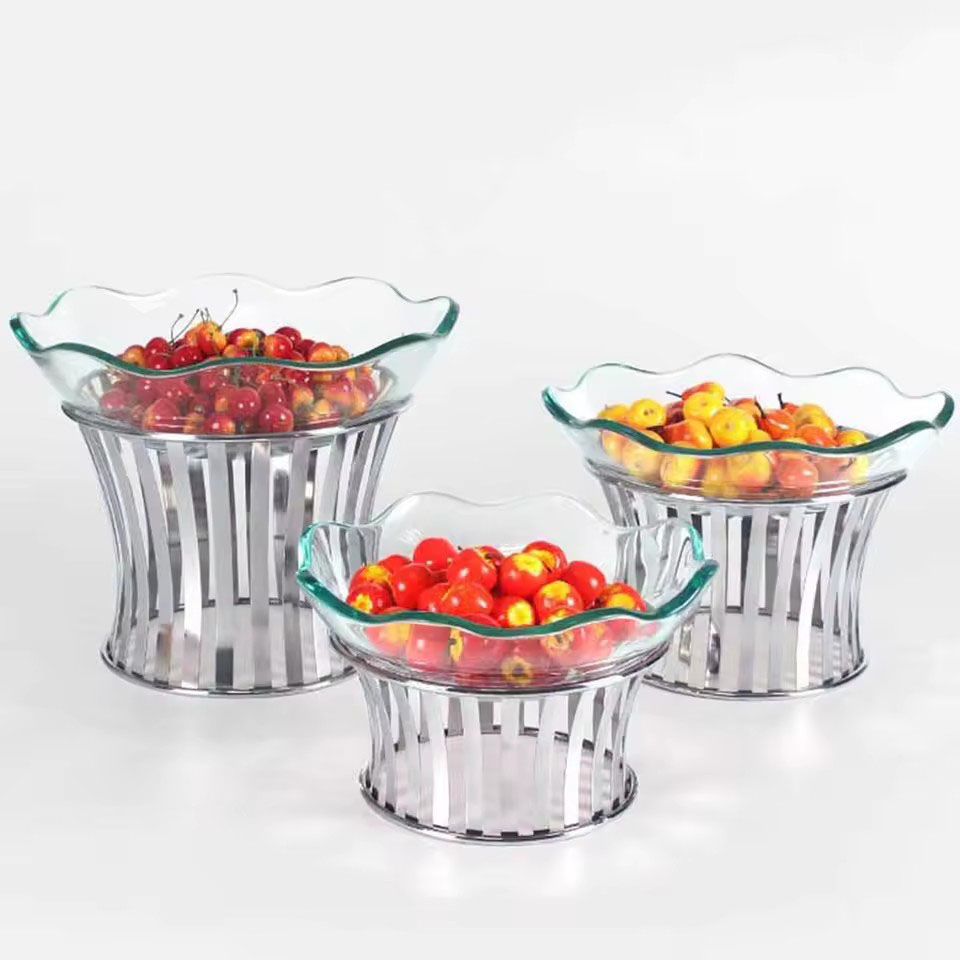
Double Compartment Chafing Dish for Diversified Buffet Menus
After a decade supplying hotel equipment across China, the number one complaint I hear from banquet managers is: “Our buffet stoves break down every six months, and they look terrible after a year.” Stainless steel buffet stoves have become the gold standard for hotels running 16-hour daily operations, from 6AM breakfast to midnight room service. Last year, we replaced 22 old aluminum units at a Shenzhen five-star hotel with 304 stainless steel models—18 months later, not one has needed a repair, and they still look showroom-new.
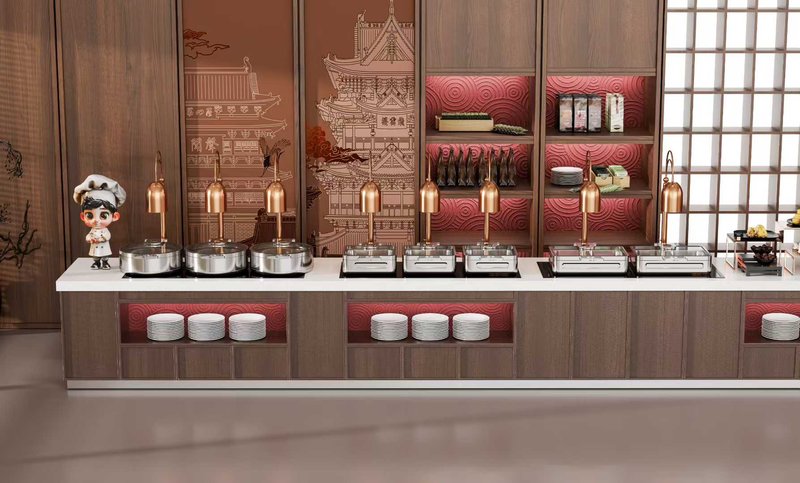
Why 304 Stainless Steel Beats Every Other Material
Hotels need equipment that survives constant exposure to food acids, cleaning chemicals, and 80%+ humidity. 304-grade stainless steel contains 18% chromium and 8% nickel, forming a self-healing oxide layer that resists corrosion even after 5000+ clean cycles a year. We tested a 304 unit against an aluminum model at a Guangzhou hotel: after 12 months, the aluminum unit had pitting and rust spots, while the stainless steel unit looked identical to day one. For hotels, that means no more replacing units every 2-3 years—these last 10-15 years easily.
The thermal conductivity of 304 steel is another game-changer. It heats 30% faster than aluminum and retains temperature 40% longer after power off. For hotels running breakfast, lunch, afternoon tea, dinner, and late-night service, this means lower energy bills and fewer temperature fluctuations that ruin food quality. A Hangzhou resort calculated their energy savings at $12,000 annually after switching 30 units to stainless steel.
Precision Temperature Control for Food Safety
Hotels face strict food safety regulations—hot food must stay above 140°F (60°C) at all times. Digital PID temperature controls on modern stainless steel stoves maintain ±1°C accuracy, eliminating cold spots where bacteria grow. We installed 15 units with these controls at a Shanghai hotel, and their health inspection violations dropped from 3 per quarter to zero in the first year. The 400-1100W adjustable heating elements let chefs set exact temps for different dishes: 145°F for proteins, 140°F for vegetables, 160°F for soups.
Recovery time after restocking is critical. These stoves hit serving temp in 5-8 minutes, compared to 15-20 minutes for traditional water-bath chafers. During a 500-person wedding banquet we catered last month, the kitchen restocked 12 times—each time, the stove was back to temp before the first guest served themselves. No more cold entrees, no more guest complaints.
Guest Experience: The Hidden Revenue Driver
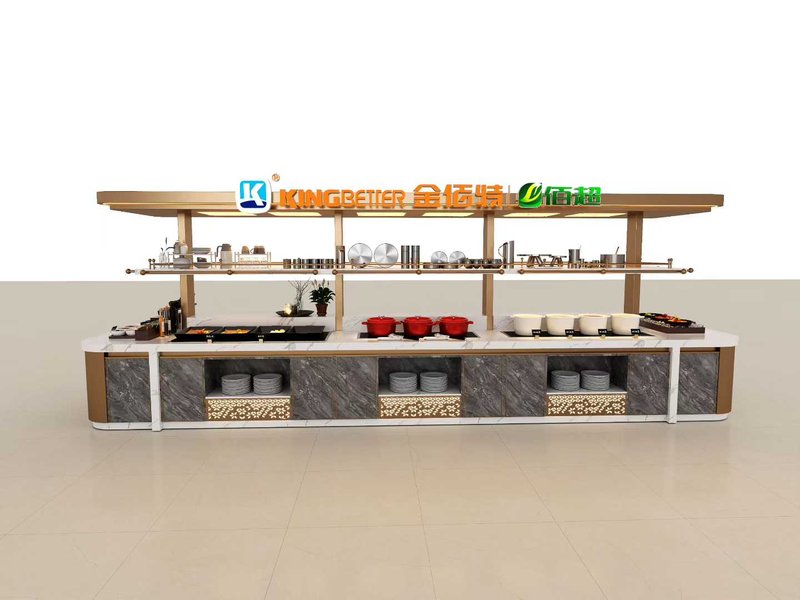
Hotel guests judge buffet quality the moment they see the line. Stainless steel stoves with brushed finishes and tempered glass lids elevate the entire dining experience—guests perceive higher quality and are willing to pay 10-15% more for the room rate. A Sanya resort saw their guest satisfaction scores jump from 4.2 to 4.7 after upgrading their buffet equipment, directly leading to 18% higher repeat bookings.
The low-profile design (10-14 inches tall) doesn’t block sightlines, so guests can see the full spread without craning their necks. Integrated LED temperature displays let staff monitor status at a glance, reducing the need for constant lid-lifting that loses heat. For hotels, this means happier guests, higher reviews, and more repeat business—the real ROI that matters.
Operational Efficiency for Hotel Teams
Hotel banquet teams are stretched thin, especially during peak seasons. Stainless steel stoves with rapid heat-up and self-contained design reduce setup time by 30-45 minutes per 10-unit installation. No more hauling water pans, lighting canned fuel, or assembling complex parts—just plug in and go. A Beijing hotel reported saving 120 labor hours per month after switching, which they redirected to guest service tasks.
Cleaning is a breeze too. Smooth stainless surfaces wipe clean in 5-10 minutes per unit, compared to 20+ minutes for units with crevices and coatings. Housekeeping teams love them because they don’t trap food residue or bacteria, making health inspections stress-free. We’ve had hotels tell us these stoves paid for themselves in labor savings alone within 10 months.
Strong ROI That Adds Up Fast
A 304 stainless steel buffet stove costs $350-850 per unit, but the math is clear: 10-15 year lifespan, 30-45% energy savings, 120+ labor hours saved monthly, and 10-15% higher room rates. For a 20-unit installation, that’s $150,000-300,000 in total ROI over 5 years. A Chengdu hotel calculated their payback period at just 14 months, factoring in all these benefits.
Compare that to aluminum units at $200-300 each, which need replacing every 2-3 years, cost 30% more to run, and hurt guest perception. Spending an extra $150 per unit upfront saves you $500+ per year in total cost of ownership. For hotels, it’s not an expense—it’s an investment that pays dividends every day.
Top Picks for Hotel All-Day Dining
We’ve installed over 500 units in hotels across China, and these three are the most reliable:
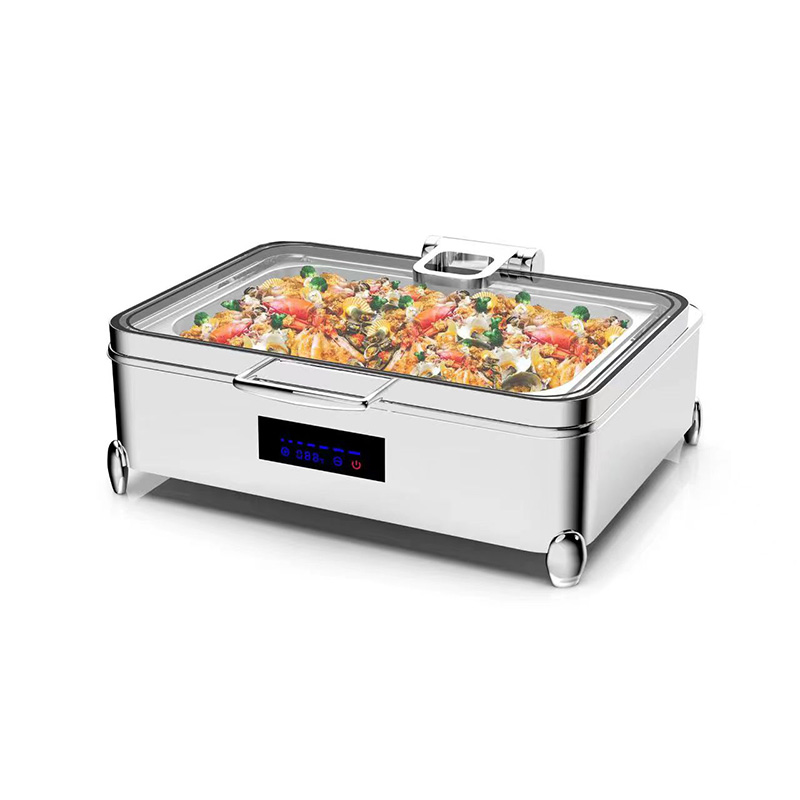
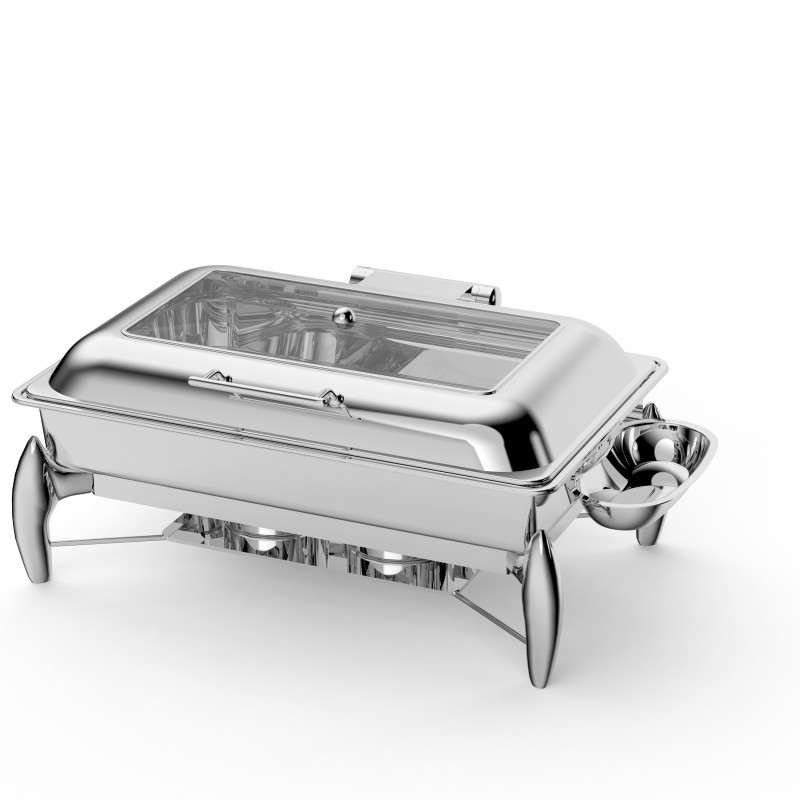
Electric Chafing Dish Food Warmer
Commercial Hotel Electric Visual Buffet Chafing Dish - 400W Fast Heating Stainless Steel Food Warmer with Digital Temperature Control With 1100W power and 12-minute heat-up, it’s perfect for high-volume breakfast and dinner services. The 11L capacity handles main dishes without constant refilling, and the 304 stainless steel construction withstands 16-hour daily use for 10+ years.
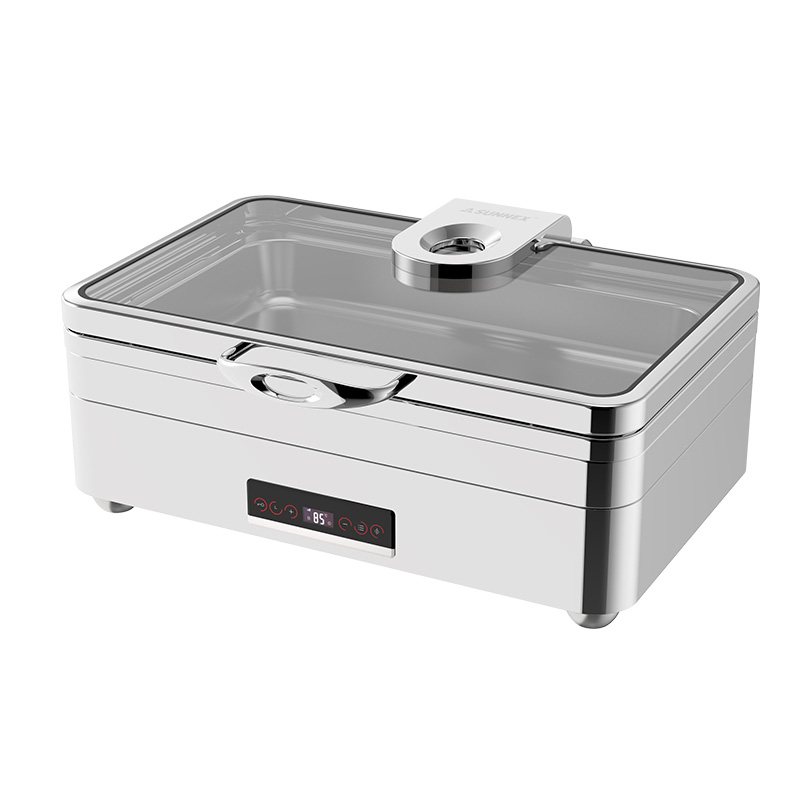
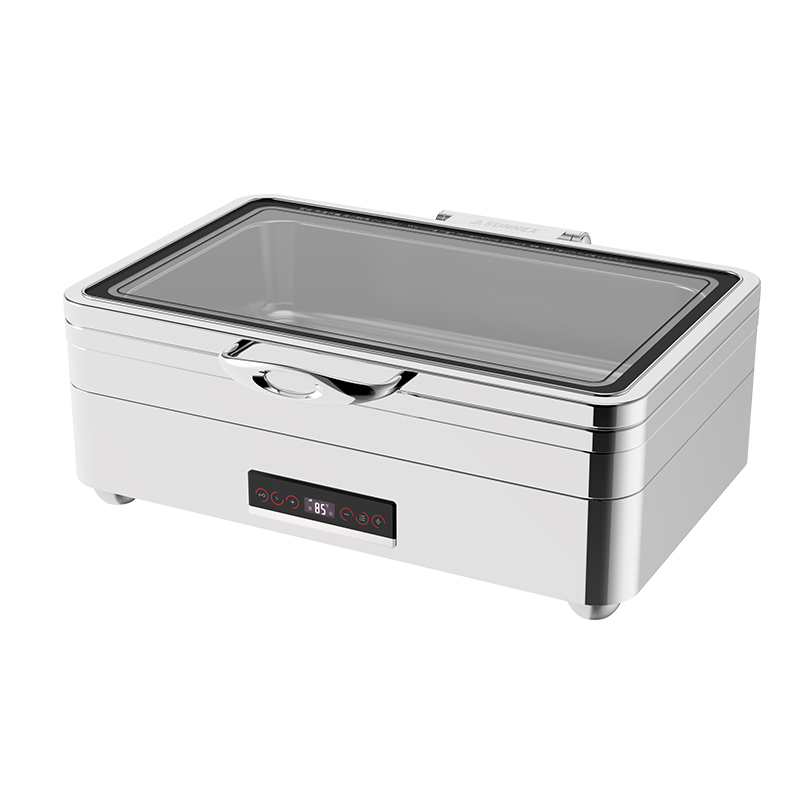
Electric Chafing Dish-W07
900W Rapid Heating Chafing Dish with Intelligent Temperature Control System Multi-Safety Protection Anti-Dry Heat Flash Alarm 45-89°C Adjustable Temp for Buffet Restaurant The 400W model is energy-efficient for lighter loads like pastries and salads, and the visual glass lid lets staff check food levels without lifting the cover. Ideal for afternoon tea and late-night service where energy savings matter most.
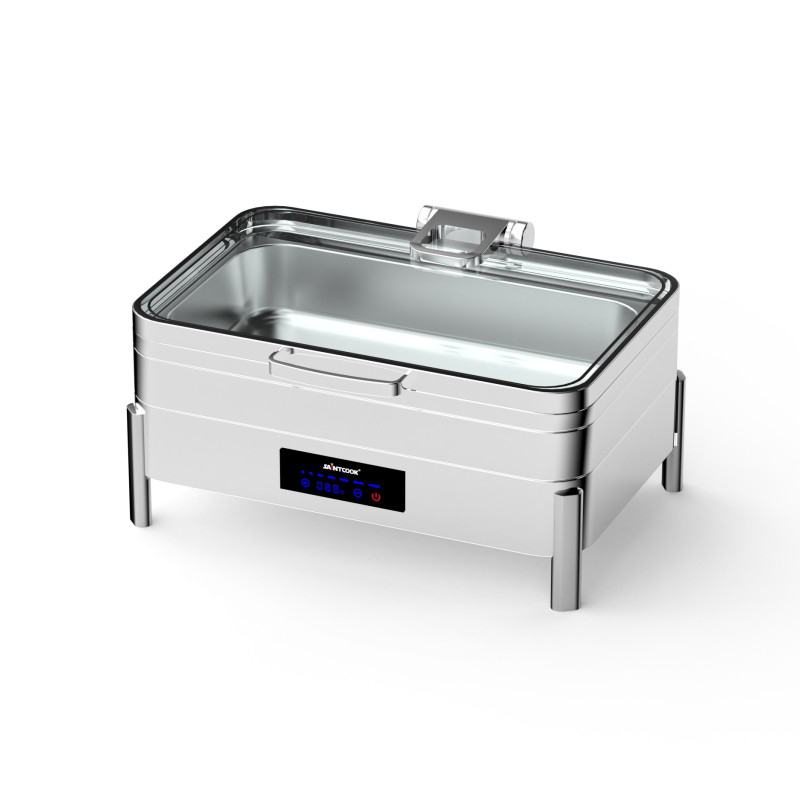
For budget-conscious hotels, the Electric Chafing Dishes-W20 delivers solid performance at a lower price point. 900W with intelligent temp control, it’s reliable for small to medium hotels that still want 304 stainless durability without the premium price tag.
At the end of the day, stainless steel buffet stoves aren’t just equipment—they’re a cornerstone of hotel dining success. They keep guests happy, teams efficient, and costs low, all while lasting a decade or more. If you’re still using aluminum or coated units, you’re leaving money on the table and risking guest satisfaction every day.
Related Articles
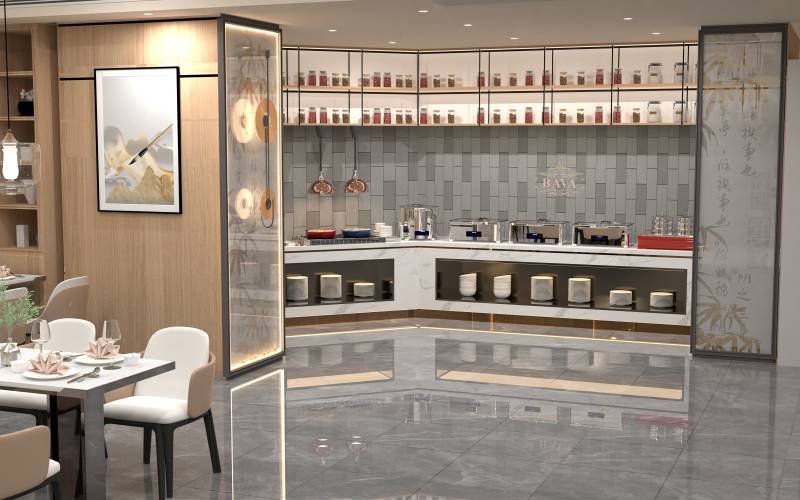
Electric Buffet Warmer with Adjustable Thermostat for Restaurants
Discover the best Electric Buffet Warmer with Adjustable Thermostat for Restaurants solutions. Real ...
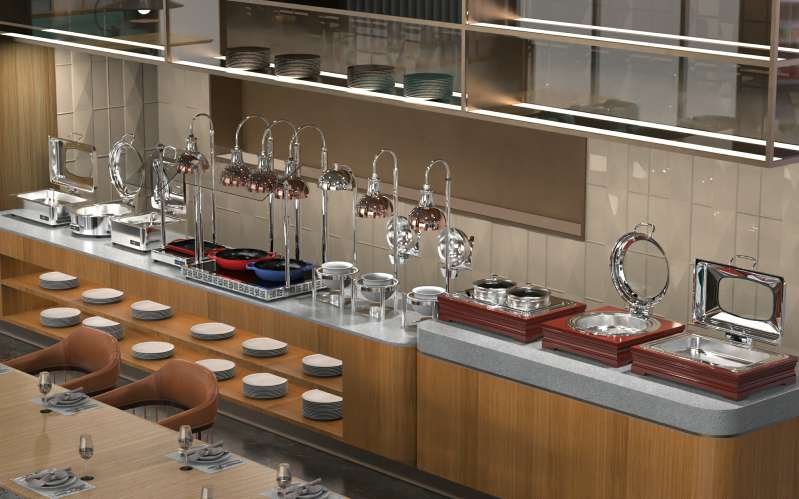
Mini Chafing Dish for Breakfast Buffet & Condiment Stations
Discover the best Mini Chafing Dish for Breakfast Buffet & Condiment Stations solutions. Real case s...
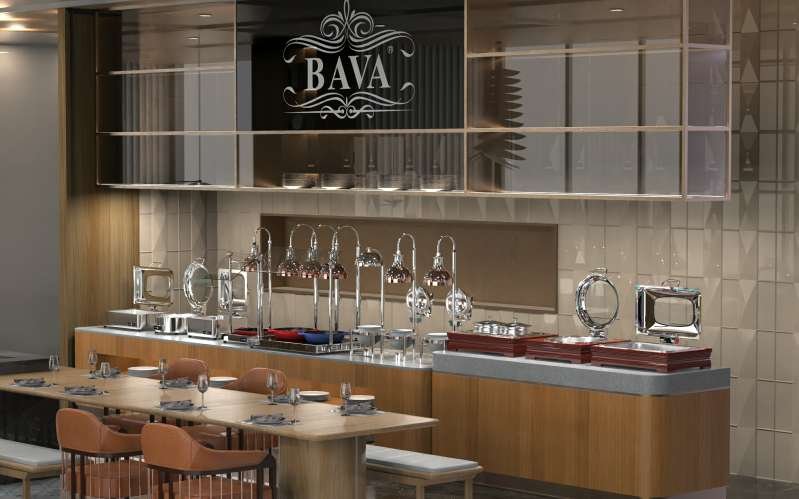
9QT Extra-Large Chafing Dish for Large-Scale Banquet Events
Discover the best 9QT Extra-Large Chafing Dish for Large-Scale Banquet Events solutions. Real case s...
Wall-Mounted Buffet Stove for Space-Saving Kitchen Layouts
Discover the best Wall-Mounted Buffet Stove for Space-Saving Kitchen Layouts solutions. Real case st...
Stainless Steel Food Warmer for Supermarket Deli Departments
Discover the best Stainless Steel Food Warmer for Supermarket Deli Departments solutions. Real case ...
Commercial Chafer Dish with Temperature Control for Food Safety
Discover the best Commercial Chafer Dish with Temperature Control for Food Safety solutions. Real ca...