
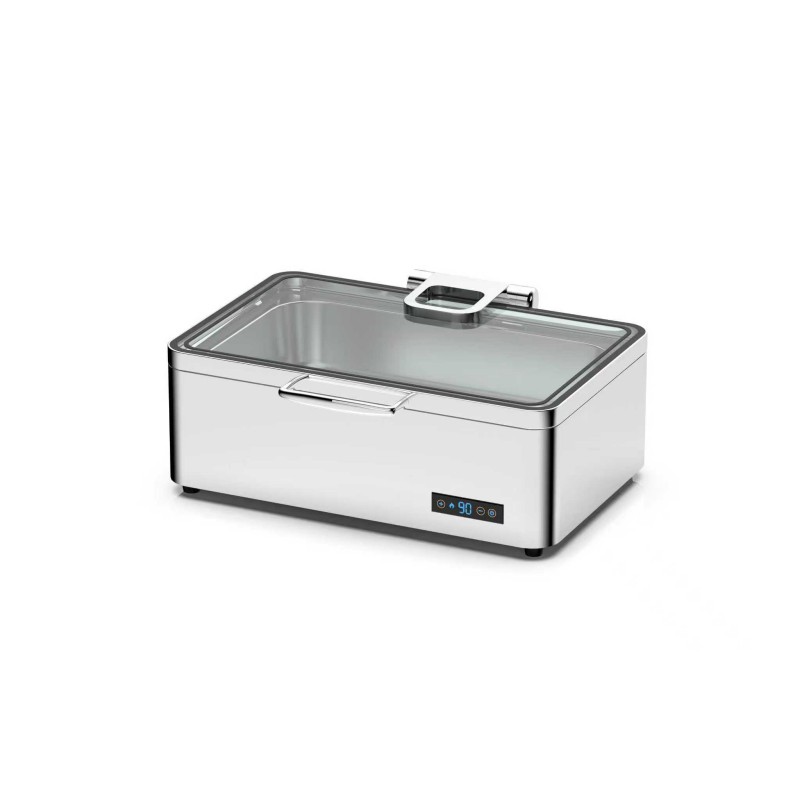
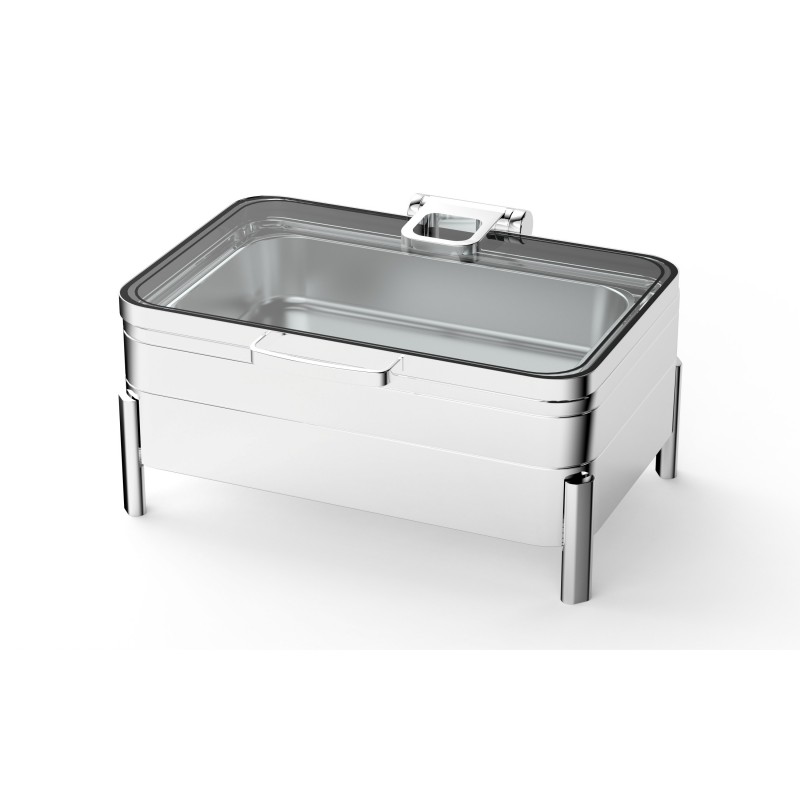
Chafing Dish Electric vs Chafing Dish Fuel: Which Is Right for You?
Chafing dishes are essential for keeping food warm at events, buffets, and catering services. When choosing between electric and fuel-powered models, key factors like performance, safety, cost, portability, and sustainability come into play. Below is a concise comparison to help you make an informed decision, including a detailed comparison table for quick reference.
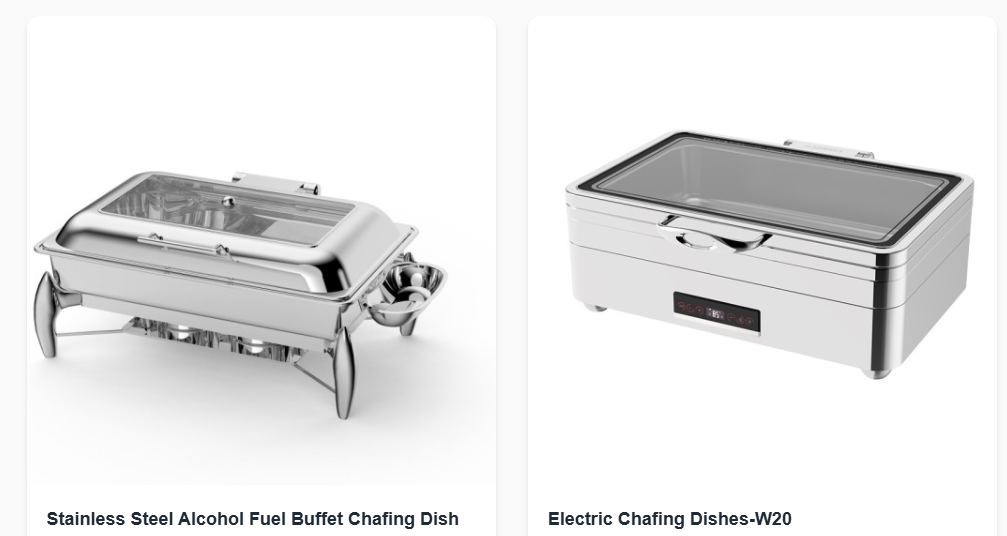
Key Comparison Table
Comparison Dimension | Fuel-Powered Chafing Dishes | |
|---|---|---|
Heating & Temp Control | Precise thermostat (140–180°F), quick & uniform heating; quiet operation | Instant heat but limited control (on/off only); risk of hot/cold zones; heat diminishes as fuel burns |
Safety | Low risk (no open flame/CO); equipped with overheat protection & grounded cords; voltage compatibility needed for international use | Higher risk (open flame, fuel spills, CO poisoning); requires ventilation; subject to regional fuel regulations |
Cost | Higher initial cost ($50–$500); low long-term cost ($0.05–$0.10/hour electricity); durable (5–10 years) | Lower initial cost ($30–$300); high long-term cost ($2–$10 per fuel canister); fuel has shelf life |
Portability | Limited (needs power outlet); portable generators optional for outdoor use | Highly portable (no power needed); lightweight & easy to transport/disassemble |
Environmental Impact | Sustainable if powered by renewables; no disposable waste; recyclable units | Higher impact (non-renewable fuels, disposable canisters); emits greenhouse gases |
Concise Analysis by Dimension
1. Performance: Precision vs Instant Gratification
Electric chafers excel at consistent, controlled heating—ideal for delicate dishes like sauces or casseroles. Fuel models offer instant heat but lack precision, making them better for hearty foods that tolerate temperature fluctuations.
2. Safety: Low Risk vs Caution Required
Electric chafers are safer for indoor events, with no open flames or CO risks. International users must check voltage compatibility (110–120V for NA, 220–240V for Europe). Fuel models need proper ventilation and compliance with regional fuel regulations (e.g., methanol bans in some areas).
3. Cost: Long-Term Savings vs Low Upfront Investment
Electric models have higher upfront costs but save money long-term on electricity. Fuel models are cheaper initially but require ongoing fuel purchases, with shipping fees for hazardous fuel canisters adding to international costs.
4. Portability: Indoor Focus vs Outdoor Flexibility
Electric chafers are limited to powered locations, while fuel models are perfect for outdoor/remote events (beach weddings, park picnics) where electricity is unavailable—ideal for caterers working across diverse venues.
5. Sustainability: Eco-Friendly vs Higher Footprint
Electric chafers are more sustainable, especially with renewable energy. Fuel models generate waste from disposable canisters and emissions, which may conflict with strict environmental regulations (e.g., EU’s REACH).
Conclusion
Choose electric if you host indoor events, prioritize precision/safety, and want long-term savings. Choose fuel if you need portability for outdoor/remote events or have a limited upfront budget. For international users, factor in voltage, fuel availability, and local regulations to ensure compliance and functionality.
Related Articles
Electric Buffet Warmer with Adjustable Thermostat for Restaurants
Discover the best Electric Buffet Warmer with Adjustable Thermostat for Restaurants solutions. Real ...
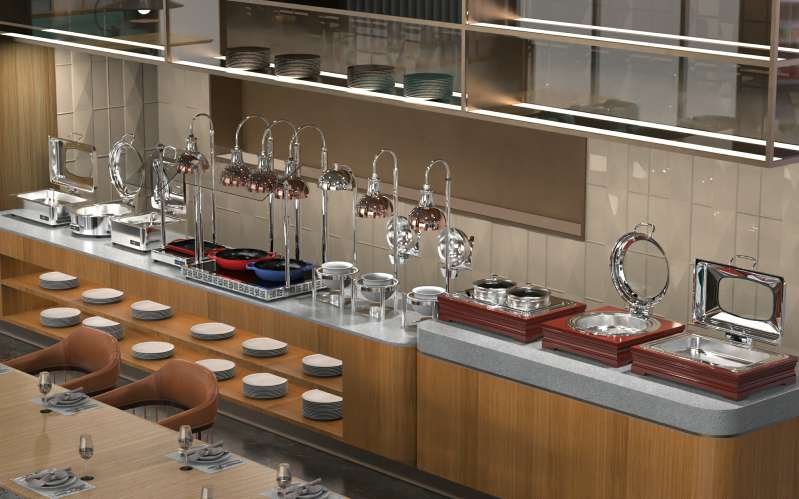
Mini Chafing Dish for Breakfast Buffet & Condiment Stations
Discover the best Mini Chafing Dish for Breakfast Buffet & Condiment Stations solutions. Real case s...
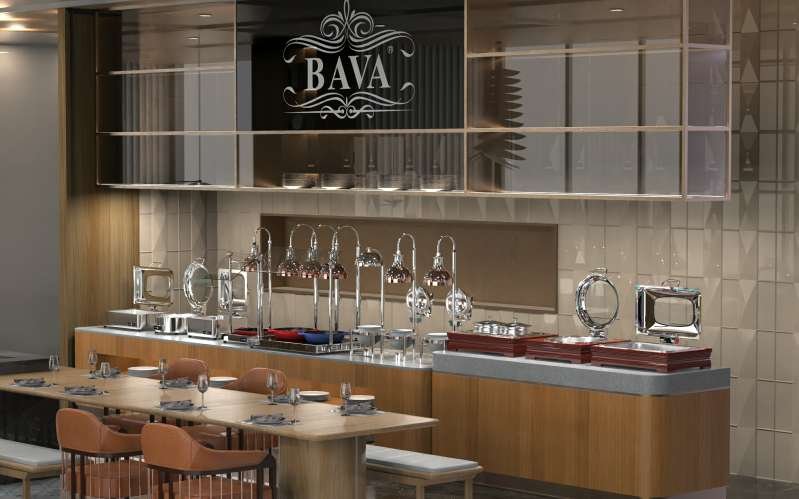
9QT Extra-Large Chafing Dish for Large-Scale Banquet Events
Discover the best 9QT Extra-Large Chafing Dish for Large-Scale Banquet Events solutions. Real case s...
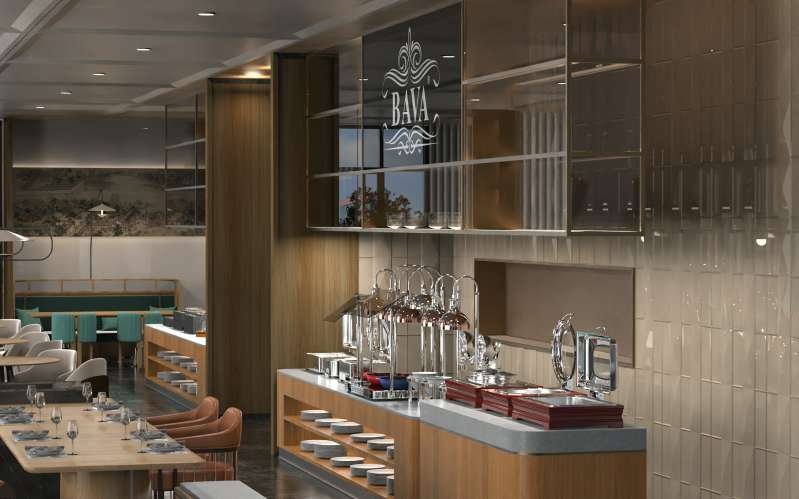
Wall-Mounted Buffet Stove for Space-Saving Kitchen Layouts
Discover the best Wall-Mounted Buffet Stove for Space-Saving Kitchen Layouts solutions. Real case st...

Stainless Steel Food Warmer for Supermarket Deli Departments
Discover the best Stainless Steel Food Warmer for Supermarket Deli Departments solutions. Real case ...
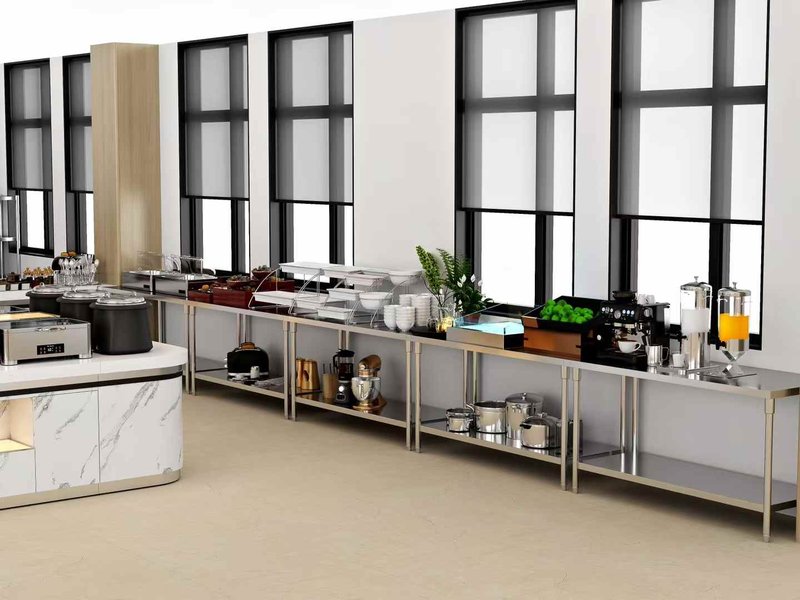
Commercial Chafer Dish with Temperature Control for Food Safety
Discover the best Commercial Chafer Dish with Temperature Control for Food Safety solutions. Real ca...