
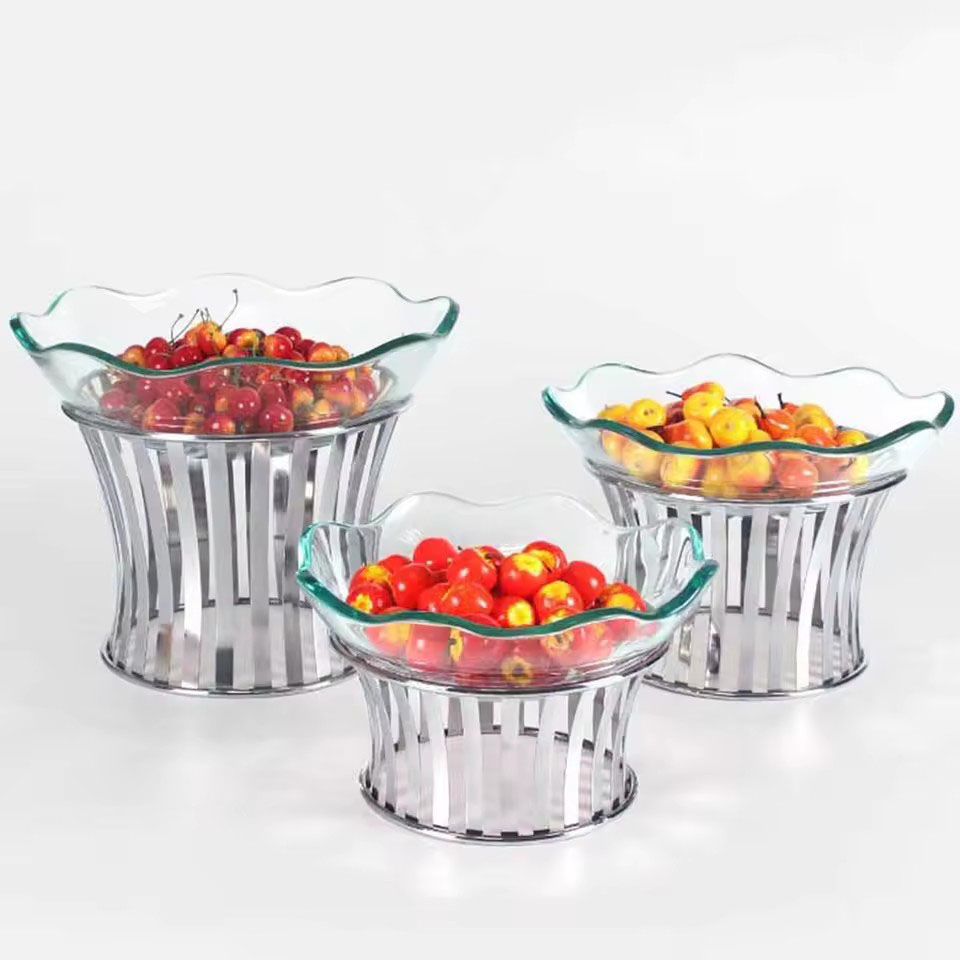
Food Heat Lamp: The Ultimate Guide to Commercial Food Warming
Commercial food heat lamps represent one of the most essential pieces of equipment in any professional food service operation. These infrared warming devices keep prepared dishes at safe serving temperatures without continued cooking, making them indispensable for busy kitchens, hotel breakfastbuffets, catering events, and any situation where food must be held before serving. Understanding how to select and use the right food heat lamp directly affects food quality, safety, and customer satisfaction across every service.
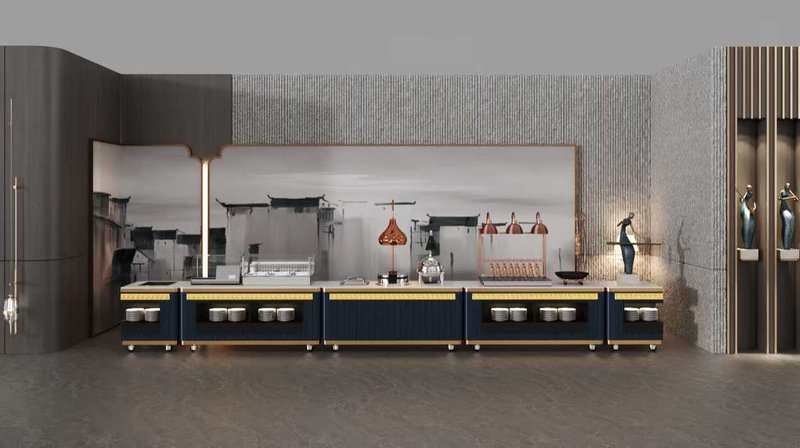
Why Food Heat Lamps Are Critical in Commercial Kitchens
In a restaurant or catering environment, timing rarely aligns perfectly between when food finishes cooking and when it reaches the guest. Dishes plate ahead, orders queue up during rush periods, and banquet service demands that multiple courses be ready simultaneously. Without proper warming equipment, food cools below safe temperatures, loses texture and appearance quality, and ultimately disappoints guests who expect their meal served at peak condition.
Food heat lamps solve this challenge by providing gentle, consistent infrared radiation that maintains food surface temperatures above the 140-degree Fahrenheit (60-degree Celsius) safety threshold without continuing to cook the dish. Unlike hot holding equipment that uses convection heat, infrared lamps warm food from above, preserving the texture of delicate items like sauces, proteins, and fried foods that would be adversely affected by sustained dry heat from below.
The difference between a well-maintained heat lamp setup and improvised warming solutions is immediately apparent to any food service professional. Guests notice when their food arrives at the correct temperature, and they notice even more when it does not. Investing in quality commercial heat lamps pays dividends through consistently positive dining experiences that translate directly to repeat business and positive reviews.
Understanding Infrared Warming Technology
Infrared heat lamps work by converting electrical energy into electromagnetic radiation in the infrared spectrum, which heats objects directly without significantly warming the surrounding air. This makes them exceptionally efficient for food warming applications where controlling ambient temperature matters. The infrared waves penetrate the food surface and agitate molecules, generating heat internally rather than through surface conduction.
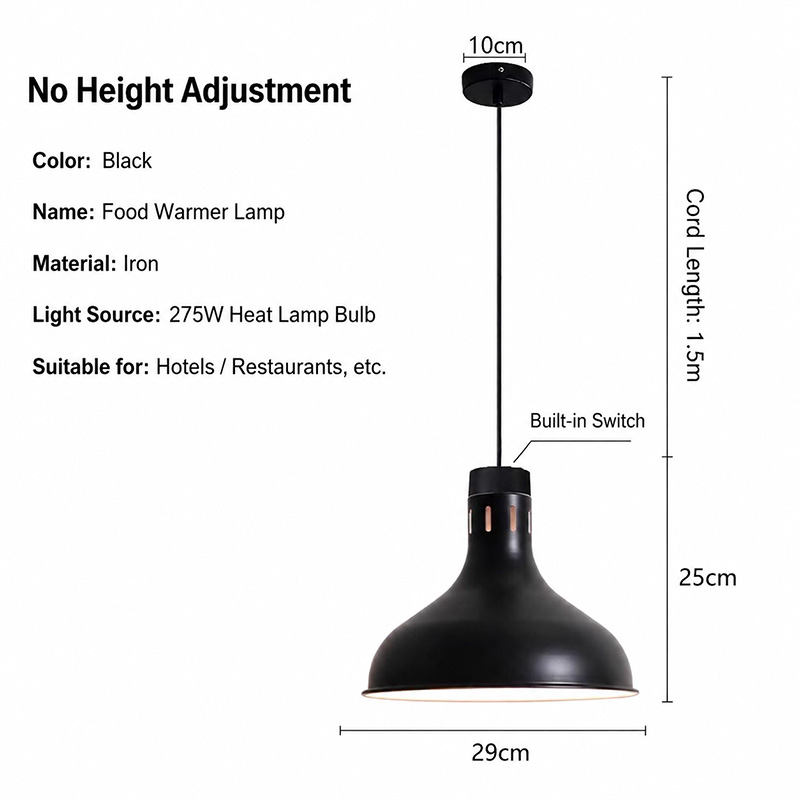
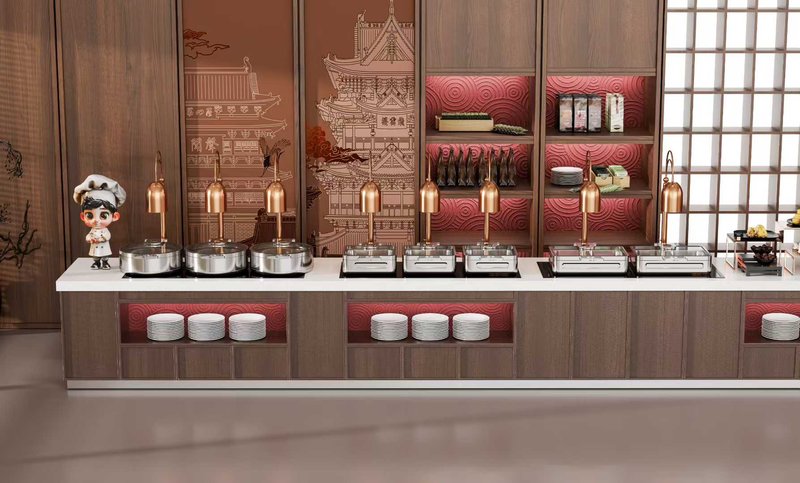
Commercial food heat lamps typically operate at specific wattages optimized for food service applications. Higher wattage lamps generate more intense heat suitable for larger food volumes or items requiring sustained higher temperatures. Single-head configurations work well for focused warming over individual plating stations, while multi-head stations can cover broader service areas where multiple dishes require simultaneous attention.
Professional Recommendations
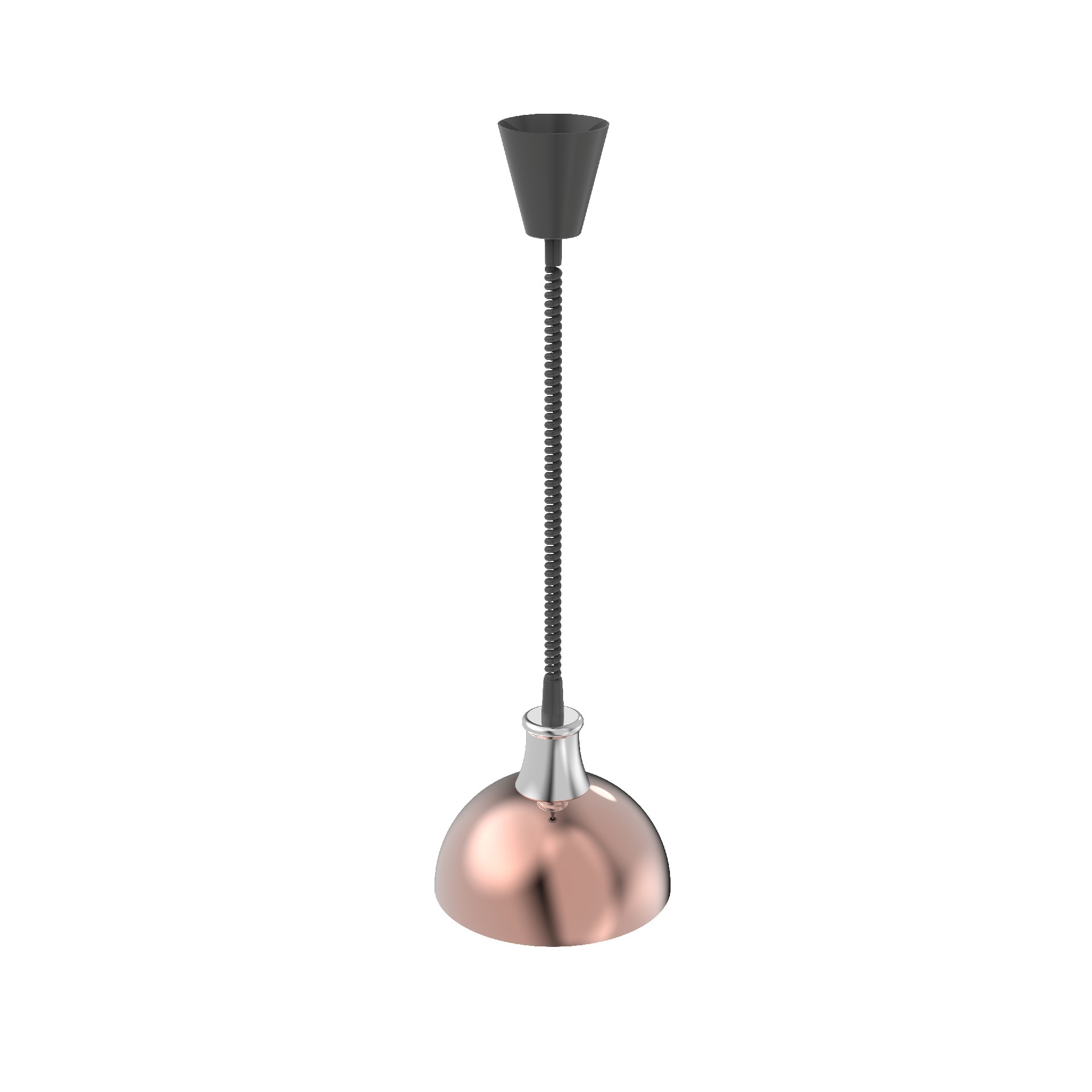
Ceiling-Mounted Rose Gold Buffet Heat Lamp
BAVA Ceiling-Mounted Rose Gold Buffet Heat Lamp. Single-head pendant lamp with rose gold dome, coile
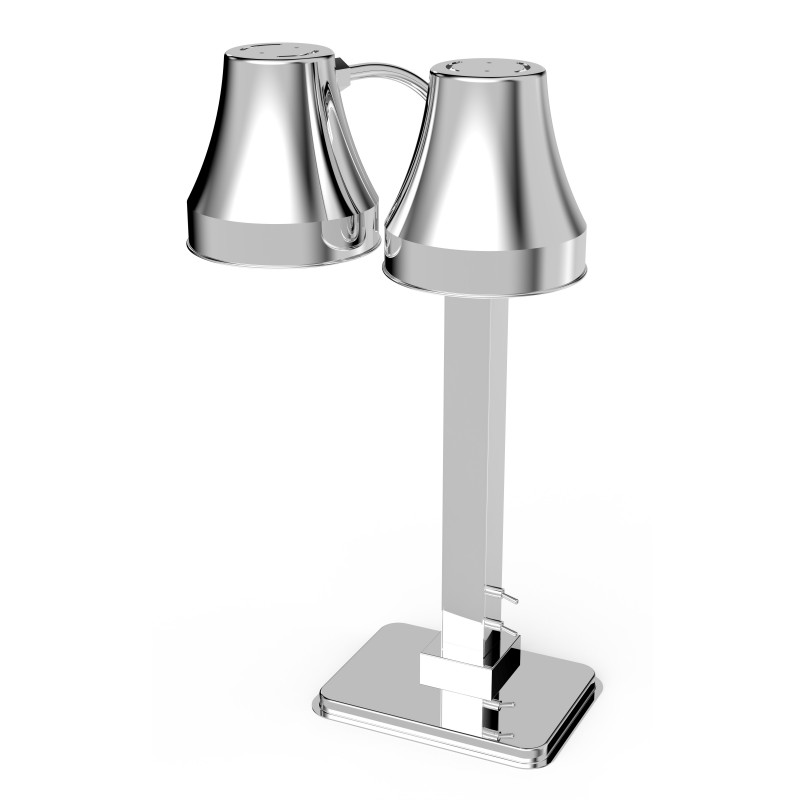
Stainless Steel Heat Lamp-BJ10
BAVA Stainless Steel Heat Lamp BJ10 Series. Freestanding countertop design with polished mirror SS,
Choosing the Right Heat Lamp for Your Operation
Single-Head vs Multi-Head Configurations
Single-head food heat lamps offer focused, precise warming ideal for individual plating stations, small prep areas, or operations where different dishes require different attention levels. They provide concentrated heat in a focused cone beneath the lamp, making them ideal for maintaining individual plate temperatures in fine dining settings where presentation precision matters.
Multi-head heat lamp stations cover larger surface areas, warming multiple dishes simultaneously in buffet service, banquet plating lines, or high-volume quick-service environments. The broader heat distribution means less precise temperature control over any single item, but the efficiency gains for high-volume operations outweigh the trade-off when properly configured.
Finish and Aesthetic Considerations
Commercial kitchens prioritizing visual presentation benefit from heat lamps that complement their decor. Rose gold and stainless steel finishes provide modern aesthetics that enhance rather than detract from food displays. The finish also affects durability and cleanability, with stainless steel offering superior resistance to corrosion and scratching in demanding kitchen environments.
Installation Requirements
Proper installation height directly affects both warming effectiveness and energy efficiency. Lamps mounted too high deliver insufficient heat to maintain food temperatures; those mounted too close create surface overheating that degrades food quality and poses burn risks to staff. Professional installation with appropriate mounting hardware and electrical specifications ensures safe, effective operation throughout the equipment lifecycle.
Maintaining Food Safety Standards
Food heat lamps must be used as part of a comprehensive food safety program, not as a substitute for proper temperature management. The FDA Food Safety Modernization Act and local health codes require that potentially hazardous foods be maintained at specific temperatures to prevent bacterial growth. Heat lamps help operators meet these requirements during active service, but foods held for extended periods beyond standard service windows require additional monitoring and temperature verification protocols.
Regular equipment inspection ensures heating elements function within specifications. Lamp bulbs should be replaced according to manufacturer recommendations, and reflective surfaces should be kept clean to maintain optimal heat distribution. Any equipment showing signs of damage, inconsistent heating, or electrical issues should be removed from service immediately for professional evaluation.
Conclusion
Commercial food heat lamps are essential infrastructure for any food service operation where timing between cooking and serving creates temperature management challenges. The right lamp configuration, properly installed and maintained, ensures food arrives at guests' tables at ideal serving temperatures while maintaining quality and safety standards. Whether operating a small plating station or a sprawling buffet service, investing in quality heat lamp equipment delivers measurable returns in food quality, operational efficiency, and customer satisfaction.
Related Articles
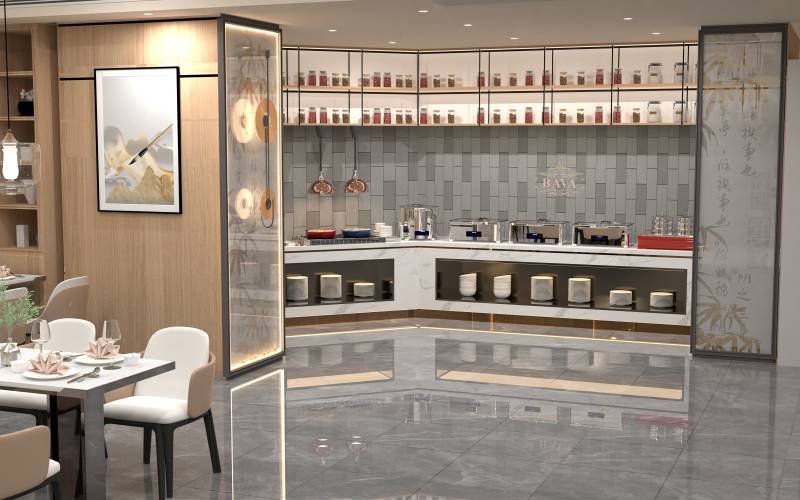
Electric Buffet Warmer with Adjustable Thermostat for Restaurants
Discover the best Electric Buffet Warmer with Adjustable Thermostat for Restaurants solutions. Real ...
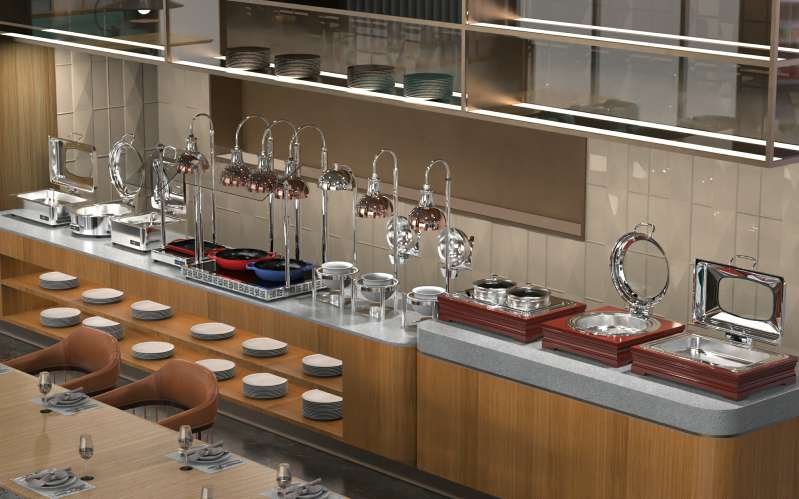
Mini Chafing Dish for Breakfast Buffet & Condiment Stations
Discover the best Mini Chafing Dish for Breakfast Buffet & Condiment Stations solutions. Real case s...
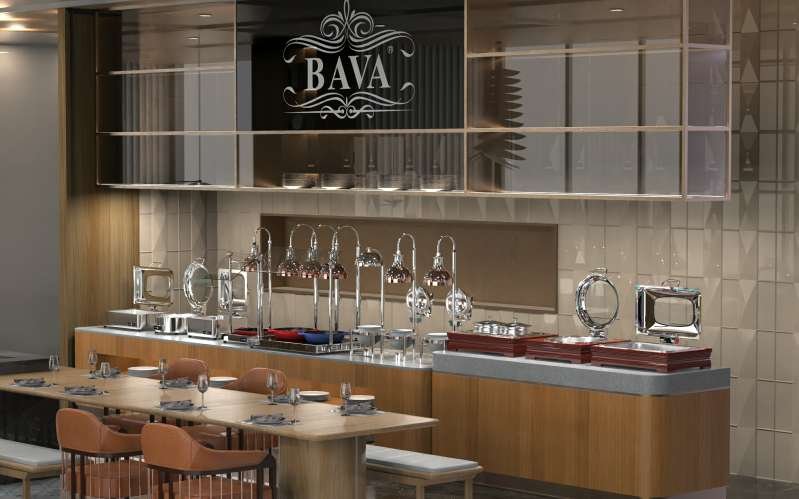
9QT Extra-Large Chafing Dish for Large-Scale Banquet Events
Discover the best 9QT Extra-Large Chafing Dish for Large-Scale Banquet Events solutions. Real case s...
Wall-Mounted Buffet Stove for Space-Saving Kitchen Layouts
Discover the best Wall-Mounted Buffet Stove for Space-Saving Kitchen Layouts solutions. Real case st...
Stainless Steel Food Warmer for Supermarket Deli Departments
Discover the best Stainless Steel Food Warmer for Supermarket Deli Departments solutions. Real case ...
Commercial Chafer Dish with Temperature Control for Food Safety
Discover the best Commercial Chafer Dish with Temperature Control for Food Safety solutions. Real ca...