
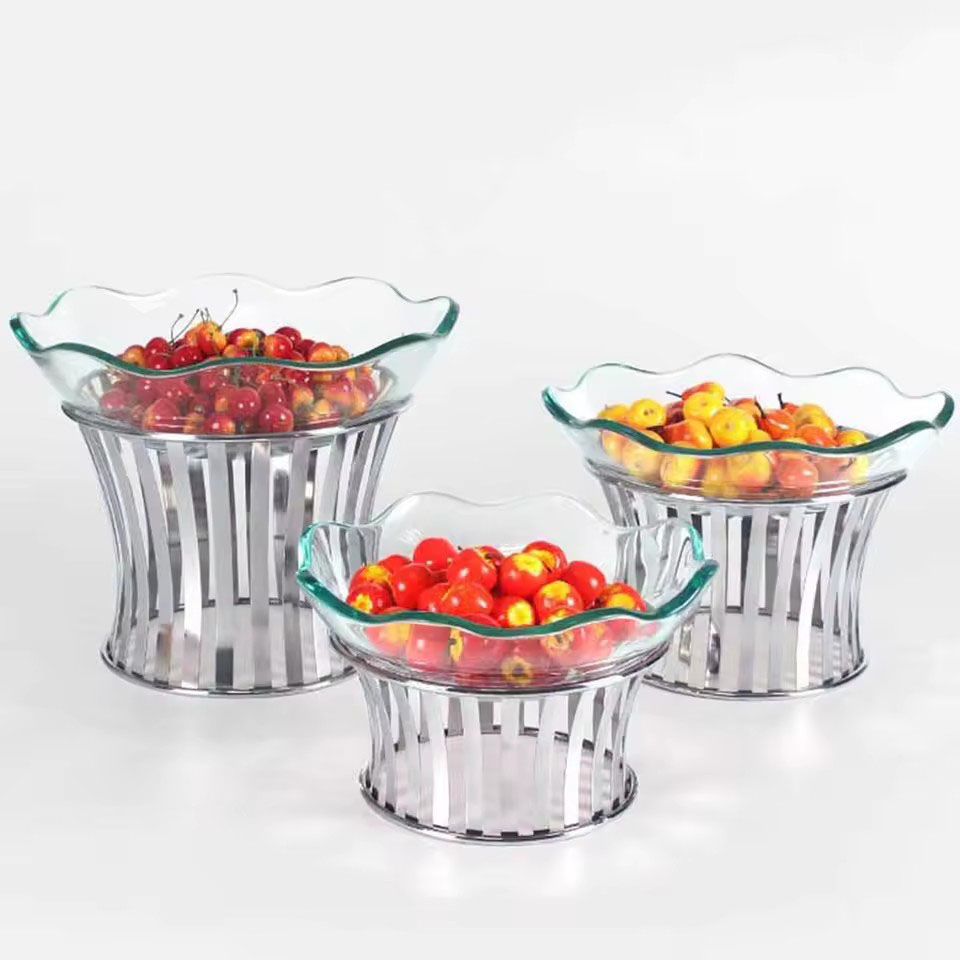
Best Buffet Chafing Dish: Keep Food Warm for Hours in Events & Catering
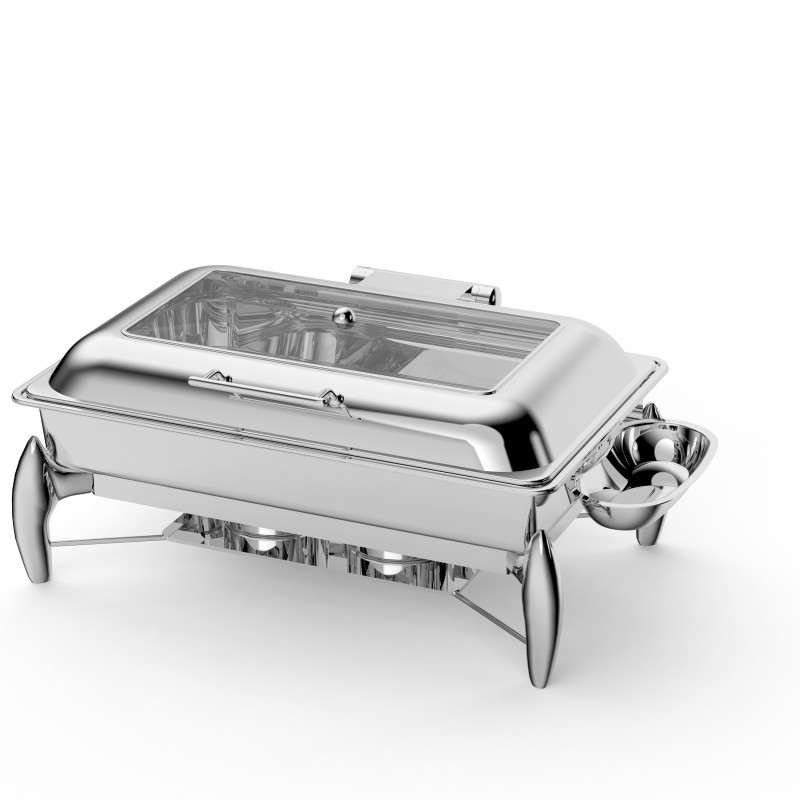
Buffet chafing dishes serve as the backbone of food presentation and temperature maintenance at events, hotels, and catering operations worldwide. These elegant heating vessels keep prepared foods at safe, appetizing temperatures throughout extended service periods, allowing caterers and food service professionals to prepare dishes ahead of time without sacrificing quality or safety. Whether hosting a corporate breakfast, wedding reception, or large-scale banquet, understanding how to select and operate the right chafing dish directly impacts event success and guest satisfaction.
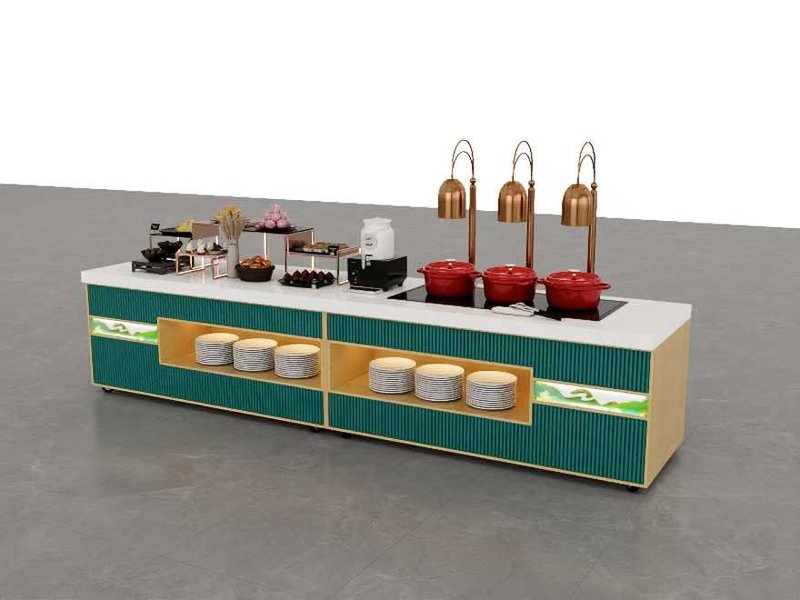
Why Chafing Dishes Are Essential for Events and Catering
The logistical realities of event catering demand advance preparation. Unlike restaurant service where dishes go directly from kitchen to table, catered events require food to sit in serving stations for extended periods while hundreds of guests move through the buffet line at varying paces. Chafing dishes bridge this timing gap, maintaining foods at temperatures between 140 and 165 degrees Fahrenheit where they remain safe for consumption while preserving the texture and appearance that makes them appetizing.
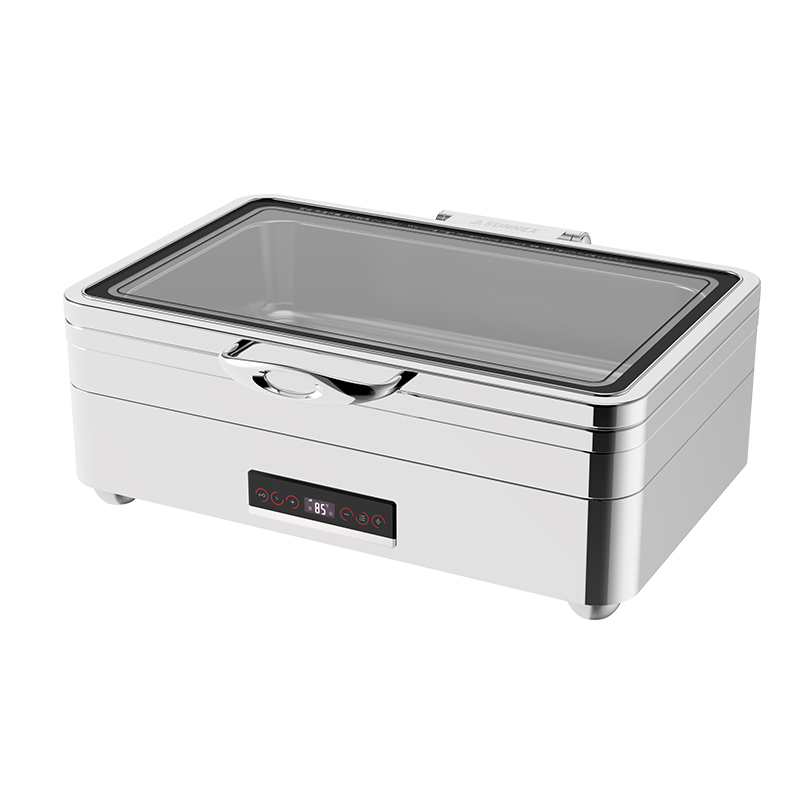
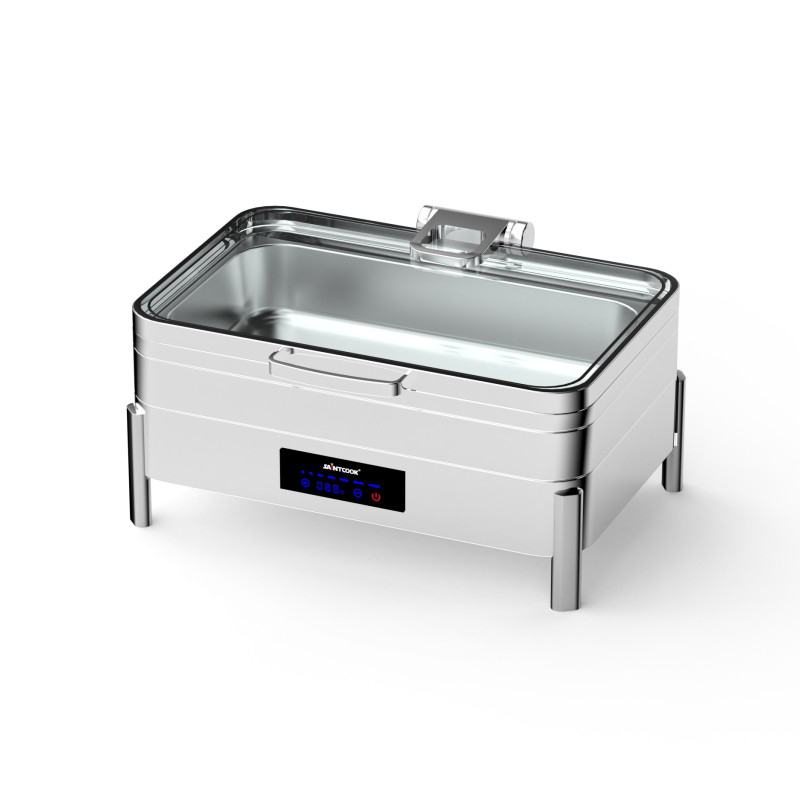
Modern chafing dishes have evolved significantly from their earliest incarnations. While traditional fuel-based chafing dishes remain popular for their portability and independence from electrical infrastructure, electric chafing dishes offer precision temperature control, consistent heating, and reduced fire safety concerns that make them increasingly preferred in hotel and institutional settings where electrical power is readily available.
The visual presentation that chafing dishes provide should not be underestimated in event contexts. Well-designed chafing dishes contribute to the overall aesthetic of food displays, lending an air of elegance and professionalism that elevates the entire dining experience. Guests associate the sight of gleaming chafing dishes with quality catering, making these vessels both functional equipment and important presentation elements.
Electric vs Fuel-Based Chafing Dishes
Electric chafing dishes connect to standard electrical outlets and use heating elements to maintain food temperatures without open flames or fuel canisters. This makes them ideal for indoor events where fire safety regulations restrict open flame use, where ventilation is limited, or where consistent, hands-off temperature maintenance is preferred. Electric models typically feature adjustable thermostats that allow operators to fine-tune temperatures for different food types, from delicate sauces that require gentler heat to protein dishes that benefit from sustained higher temperatures.
Fuel-based chafing dishes use canned heat sources—typically either gel fuel or canned sterno—to generate warmth. They offer unmatched portability and work anywhere without requiring proximity to electrical outlets, making them essential for outdoor events, remote locations, and mobile catering operations. The chafer water jacket absorbs and distributes heat evenly, preventing hot spots that might overcook portions of food while keeping outer areas cool.
Professional Recommendations
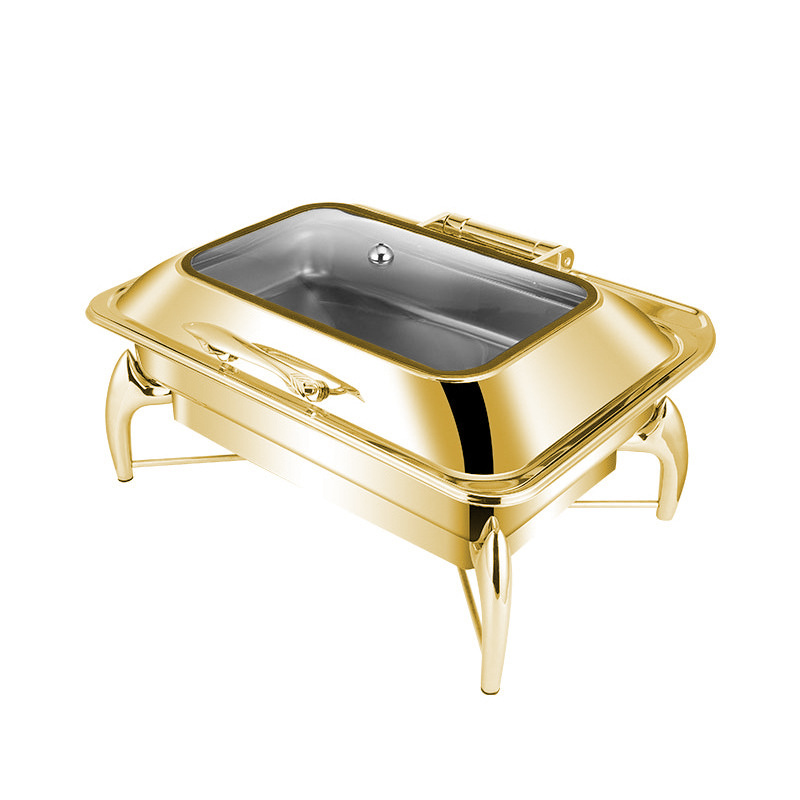
Alcohol Heated Gold-Plated Stainless Steel Buffet Chafing Di
Alcohol Heated Gold Plated Stainless Steel Buffet Chafing Dish Server
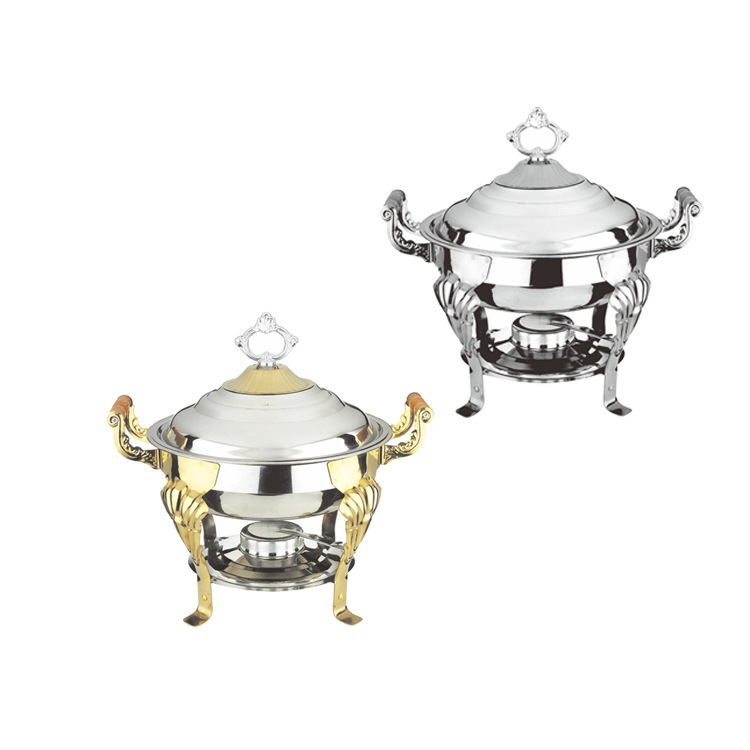
Mini Individual Buffet Chafing Dish
Commercial Mini Individual Buffet Chafing Dish - One-Person Hygienic Food Warmer
Selecting the Right Chafing Dish for Your Needs
Capacity Considerations
Chafing dish capacity should match your actual service volume and portion sizes. Full-size chafing dishes, typically holding 8 to 11 liters (approximately 8 to 12 quarts), serve 20 to 40 guests depending on portion size and menu mix. Half-size and third-size options work better for smaller events or when offering multiple variety dishes in limited space. Overfilling chafer dishes reduces heating efficiency and can lead to spills; choosing appropriately sized vessels for your anticipated service volume prevents both issues.
Construction Quality and Durability
Commercial chafing dishes face continuous use in demanding environments. Stainless steel construction provides the durability, corrosion resistance, and ease of cleaning that professional operations require. Look for thick-gauge stainless steel that resists denting and maintains its appearance through years of heavy use. Quality hinges and latches should operate smoothly and securely, while the water pan and food pan should fit precisely to maintain proper heat transfer between the water jacket and the food contents.
Cleaning and Maintenance
Professional chafing dish maintenance extends equipment life and ensures consistent performance. Food pans and water pans should be thoroughly cleaned after each use, with particular attention to removing mineral deposits from water pans when tap water is used. Heating elements on electric models should be inspected regularly for signs of wear or damage. Any equipment showing corrosion, element degradation, or inconsistent heating should be removed from service for professional assessment.
Menu Planning for Chafing Dish Service
Different food types perform better in chafing dishes than others. Protein dishes like scrambled eggs, roasted meats, and braised preparations hold up well under sustained warming. Starches including rice, pasta, and mashed potatoes maintain their texture when properly handled. Vegetable preparations work best when slightly undercooked initially, as the chafing process continues cooking even at holding temperatures.
Avoid foods that require precise temperature control beyond what chafing dishes provide, such as seafood that dries out under sustained heat or dairy-based sauces that can break and scorch. Fried foods lose their crisp texture and are better served through alternative holding methods or replenished frequently. Menu planning should account for chafing dish limitations while maximizing the equipment's strengths in maintaining heartier dishes at safe serving temperatures.
Conclusion
Choosing the right buffet chafing dish for your event or catering operation requires balancing capacity needs, power availability, presentation requirements, and budget constraints. Electric chafing dishes offer precision and convenience for fixed indoor installations, while fuel-based models provide the portability and independence that mobile operations require. Professional-grade construction ensures durability and consistent performance across thousands of uses. By selecting appropriately sized vessels and maintaining them properly, catering professionals ensure their food arrives at guests' plates exactly as intended—appetizing, safe, and beautifully presented.
Related Articles
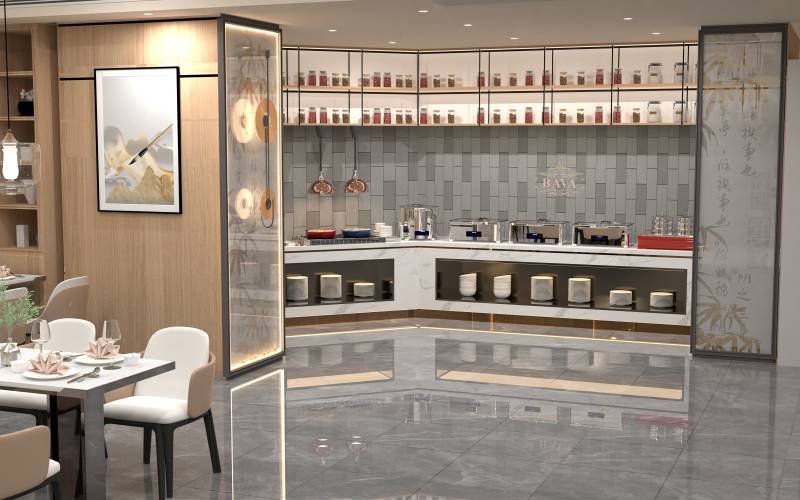
Electric Buffet Warmer with Adjustable Thermostat for Restaurants
Discover the best Electric Buffet Warmer with Adjustable Thermostat for Restaurants solutions. Real ...
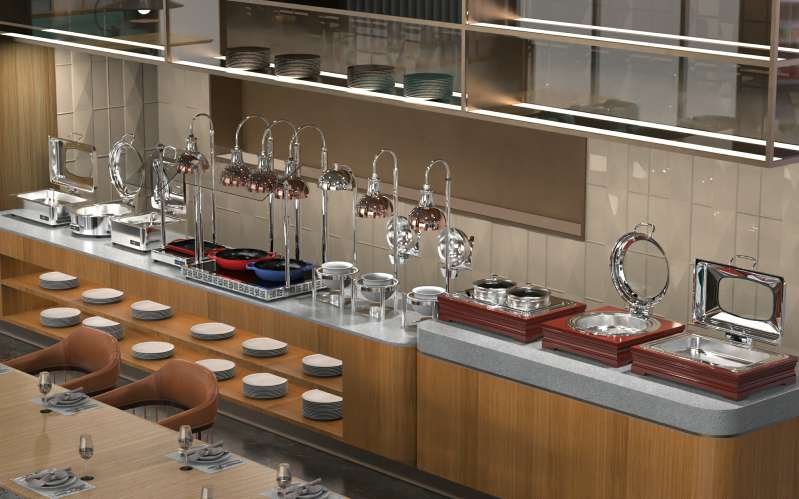
Mini Chafing Dish for Breakfast Buffet & Condiment Stations
Discover the best Mini Chafing Dish for Breakfast Buffet & Condiment Stations solutions. Real case s...
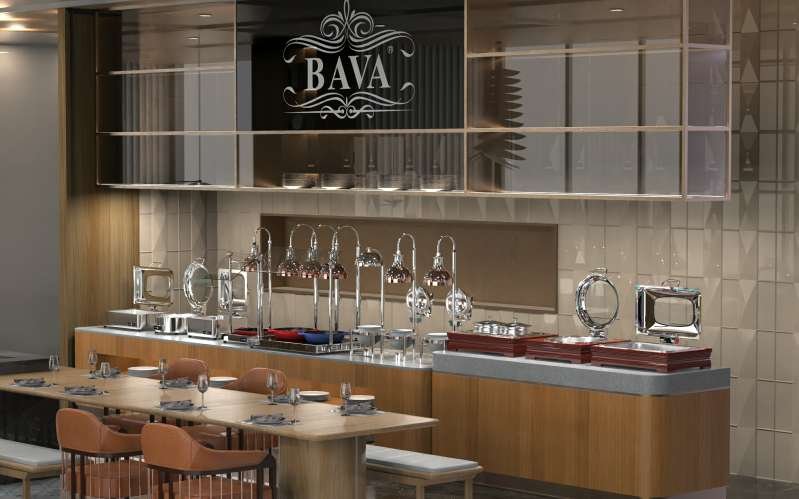
9QT Extra-Large Chafing Dish for Large-Scale Banquet Events
Discover the best 9QT Extra-Large Chafing Dish for Large-Scale Banquet Events solutions. Real case s...
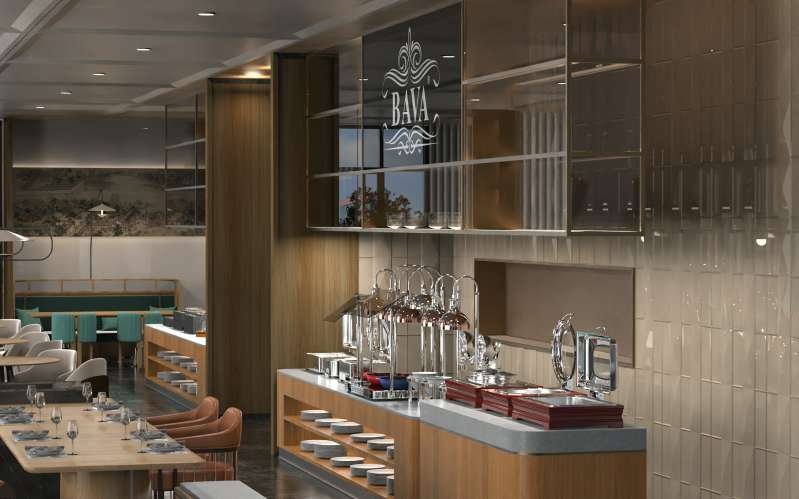
Wall-Mounted Buffet Stove for Space-Saving Kitchen Layouts
Discover the best Wall-Mounted Buffet Stove for Space-Saving Kitchen Layouts solutions. Real case st...
Stainless Steel Food Warmer for Supermarket Deli Departments
Discover the best Stainless Steel Food Warmer for Supermarket Deli Departments solutions. Real case ...
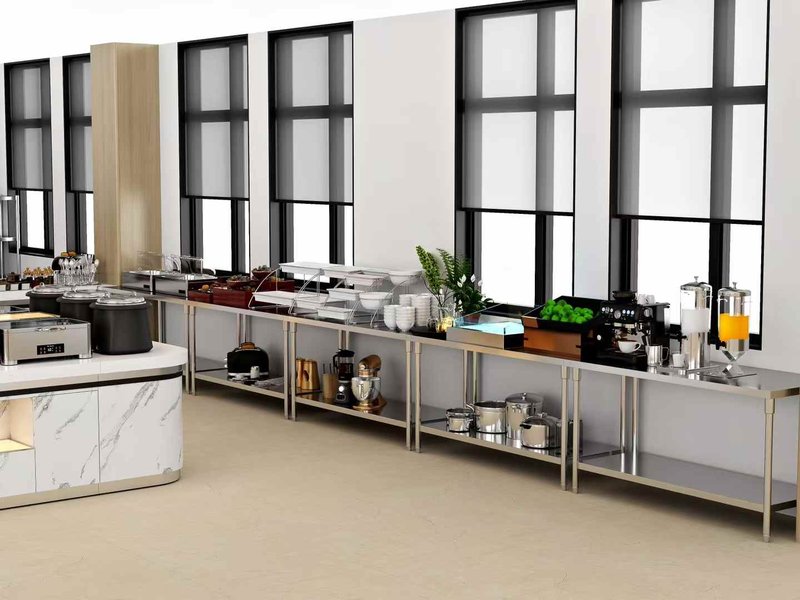
Commercial Chafer Dish with Temperature Control for Food Safety
Discover the best Commercial Chafer Dish with Temperature Control for Food Safety solutions. Real ca...