
Chafing Dishes for Catering Companies: Bulk Order Options
Catering companies face a fundamental equipment challenge that directly impacts profitability and service quality: how to acquire, manage, and deploy enough chafing dishes to serve their clients reliably without overcapitalizing in inventory that sits unused between events. Bulk purchasing of chafing dishes represents one of the most strategic equipment investments a catering business can make, yet the decision involves far more complexity than simply multiplying unit price by quantity. Understanding how to evaluate bulk order options, negotiate effectively with suppliers, and standardize equipment across your operation determines whether your chafing dish fleet becomes a competitive advantage or a financial burden.
The economics of catering equipment ownership follow different rules than restaurant operations. Unlike a restaurant that serves the same location daily, catering companies deploy equipment at different venues, different scales, and different menu configurations with every engagement. A company might service an intimate 30-person corporate lunch one week and a 300-guest wedding reception the next. Equipment inventory must flex to match this variability while maintaining the reliability that professional reputation demands. Bulk purchasing addresses this challenge by building equipment reserves that can be deployed strategically across events of varying sizes.
The Economics of Bulk Chafing Dish Purchasing
Volume purchasing of commercial equipment typically unlocks pricing structures unavailable to single-unit buyers. Manufacturers and distributors offering bulk order options structure discounts around quantity thresholds that reflect their own manufacturing and logistics economics. Understanding where these discount tiers exist—and which tier represents the best value for your specific business scale—requires analyzing your actual usage patterns rather than simply ordering the largest quantity that seems like a bargain.
The real cost of bulk equipment extends beyond the purchase price. Storage costs for idle equipment represent real estate and facility expenses that don't appear on invoices. Maintenance and replacement reserves must be built into the cost analysis—equipment that sees heavy use across multiple events annually will require more frequent replacement than equipment used sparingly. Insurance costs for large equipment inventories add another ongoing expense layer that thoughtful purchasing decisions must account for.
However, the strategic advantages of bulk purchasing extend beyond unit economics. Standardized equipment across your fleet simplifies training as staff become familiar with consistent operating procedures. Spare parts and replacement inventory becomes more manageable when all units share common components. Setup and breakdown efficiency improves when crews know exactly how each piece of equipment functions without relearning different models at every event.
Professional Recommendations
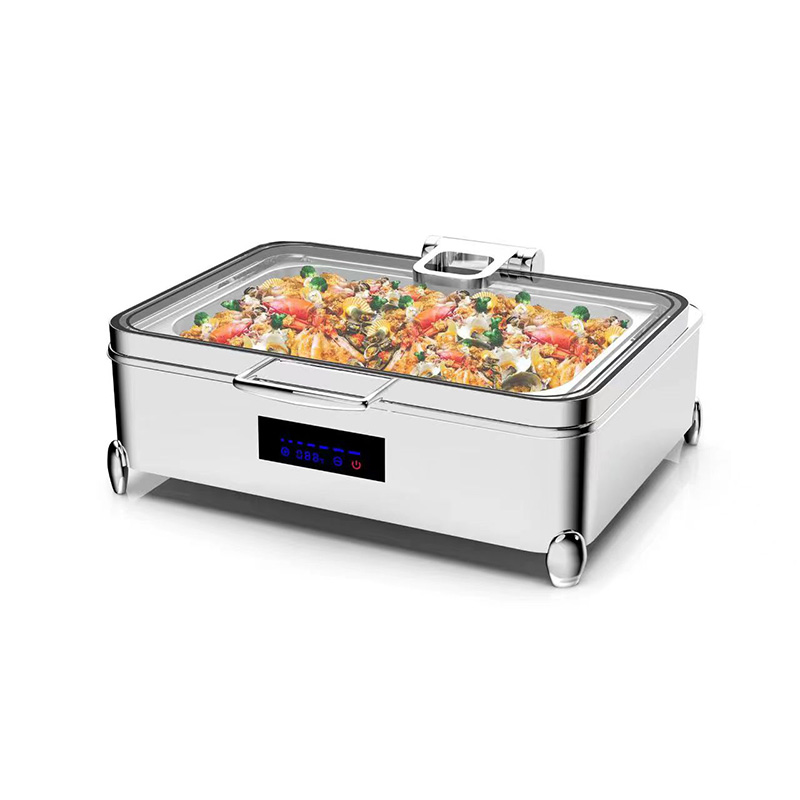
Electric Chafing Dish Food Warmer
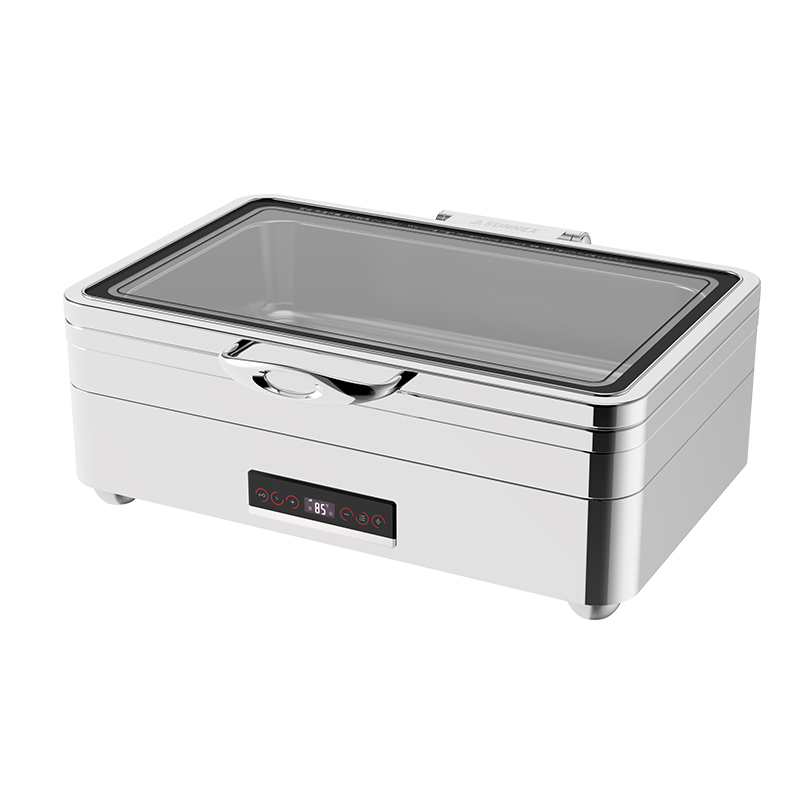
Commercial Hotel Electric Visual Buffet Chafing Dish - 400W Fast Heating Stainless Steel Food Warmer with Digital Temperature Cont
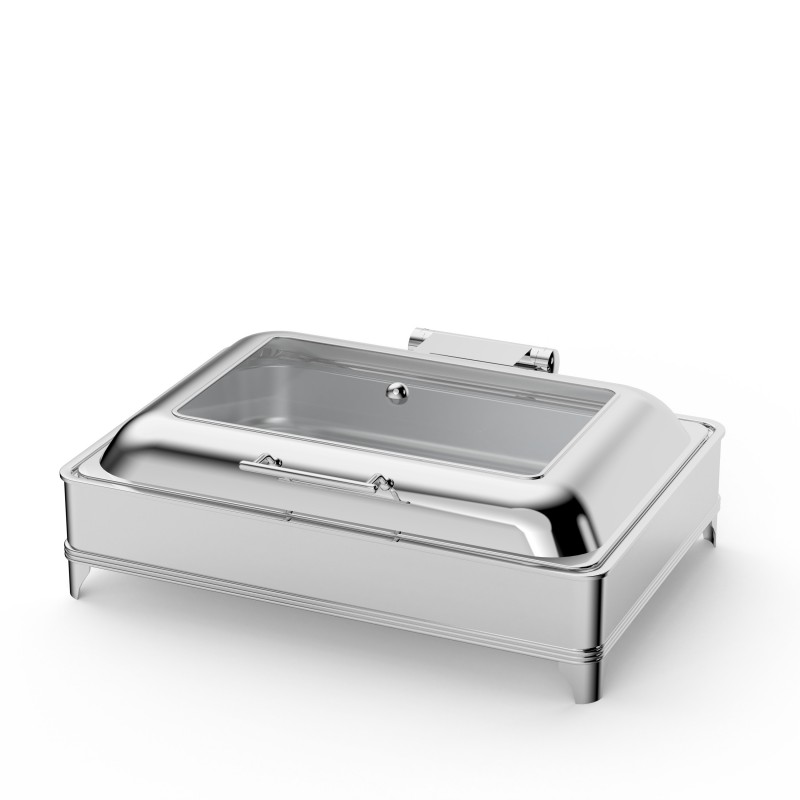
Stainless Steel Electric Buffet Warmer with Visible Window
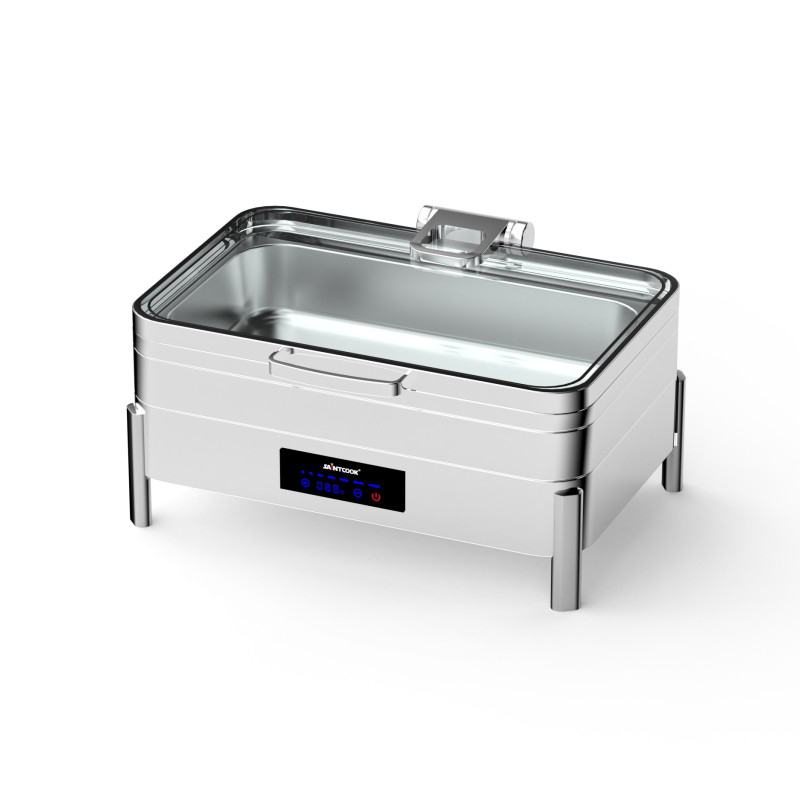
Stainless Steel Electric Buffet Warmer with Visible Window - Commercial Electric Chafing Dish for Catering, Weddings & Events
Evaluating Chafing Dish Quality for Heavy-Duty Catering Use
Construction Standards That Withstand Professional Abuse
Catering equipment faces demands that consumer-grade or light-commercial equipment simply cannot survive. Chafing dishes deployed across dozens of events annually encounter transportation shock, repeated thermal cycling, chemical cleaning agents, and storage conditions that would destroy lesser equipment. Heavy-gauge stainless steel construction provides the durability necessary for this use pattern, with thicker water jackets that resist denting from transport and heating element compartments that maintain alignment through years of thermal stress.
Hinge and latch quality matters enormously in catering applications. Equipment that fails to latch securely during transport creates spill risks that damage both food contents and reputation. Hinges that loosen over time create unstable lid positioning that compromises both heating efficiency and food safety. Premium hardware may cost more initially but delivers far lower total ownership cost when measured against replacement frequency and the operational disruption of equipment failures at job sites.
Fuel System Considerations for Extended Events
Catering events often run longer than standard restaurant service hours, with buffets remaining open for two, three, or even four hours during extended receptions. Fuel capacity and burn time become critical specifications when selecting chafing dishes for heavy catering use. Alcohol-fueled chafing dishes require fuel monitoring and replacement throughout events, creating staff demands that must be factored into service planning. Understanding the fuel consumption rates of different chafing dish designs helps operators plan resupply intervals and staff assignments accordingly.
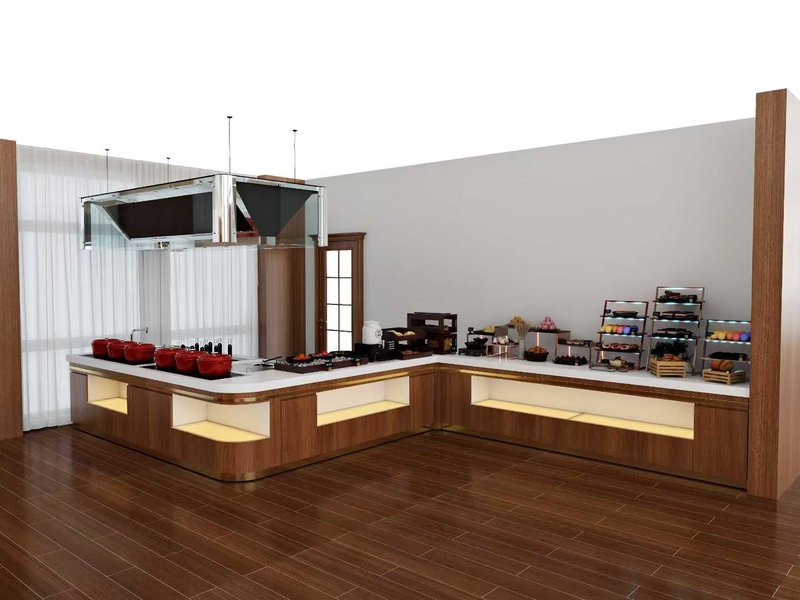
Standardization vs. Equipment Variety
The argument for standardizing your chafing dish fleet centers on operational simplicity. When all equipment operates identically, staff training reduces to a single curriculum applied uniformly across your entire team. Equipment spare parts inventory shrinks to common components rather than requiring extensive multi-model coverage. Setup checklists and procedures become universally applicable rather than requiring event-specific customization.
However, variety in your equipment fleet can serve strategic purposes that pure standardization sacrifices. Different event types may genuinely benefit from different equipment approaches—a plated service corporate event has different needs than a buffet-style wedding reception or an outdoor festival operation. Maintaining a small variety of chafing dish types allows deployment flexibility that pure standardization forecloses.
The practical resolution involves identifying which specifications genuinely require standardization—fuel type, for instance, simplifies logistics considerably when all equipment uses compatible fuel sources—and which allow controlled variation to serve different event requirements. Many successful catering operations standardize their core fleet while maintaining a smaller specialized inventory for specific applications.
Managing Equipment Fleet Logistics
Transportation and Storage Planning
Large chafing dish inventories require transportation infrastructure that scales with equipment volume. Commercial catering operations typically invest in dedicated transport equipment—stacking racks, padded transport cases, and vehicle configurations—that protect equipment during transit while maximizing loading efficiency. The cost of this transport infrastructure must be included in bulk purchasing economics, as the savings achieved through volume acquisition can easily be consumed by inadequate transportation solutions.
Storage facilities for idle equipment represent a frequently underestimated cost in bulk purchasing decisions. Climate-controlled storage prevents corrosion and extends equipment life, particularly for equipment stored between seasonal busy periods. Adequate shelving and organization systems enable efficient inventory management that supports reliable deployment without equipment shortages or surpluses that waste capital.
Maintenance Scheduling Across Large Inventories
Equipment fleets of significant scale require systematic maintenance approaches that differ fundamentally from single-unit care. Preventive maintenance schedules must track usage across individual units, identifying which pieces require service based on actual deployment hours rather than arbitrary calendar intervals. Record-keeping systems that track maintenance history, fuel consumption, and repair history enable data-driven replacement decisions that prevent both premature replacement and equipment failures from neglected maintenance.
Calculating True Bulk Order ROI
Return on investment analysis for bulk chafing dish purchasing should account for multiple value streams beyond simple unit cost savings. The avoided cost of emergency single-unit purchases—which typically carry premium pricing and uncertain availability—represents a real financial benefit of building adequate inventory. The operational efficiency gains from standardized equipment translate to labor cost reductions that compound across thousands of annual service hours. Equipment reliability improvements from quality bulk-purchased inventory reduce both replacement costs and the revenue risk of equipment failures during critical events.
The appropriate investment level depends on your specific business scale, growth trajectory, and equipment utilization patterns. An operation running multiple events daily benefits from larger equipment reserves than one servicing occasional engagements. Building equipment inventory toward a target utilization rate—rather than simply purchasing the largest available bulk quantity—balances financial efficiency against operational capability.
Conclusion
Bulk ordering chafing dishes for catering operations represents a strategic decision that extends far beyond seeking lower per-unit prices. Thoughtful bulk purchasing considers total cost of ownership including storage, maintenance, transportation, and replacement reserves. Quality construction that withstands professional catering use justifies premium pricing when measured against replacement frequency and operational reliability.
Standardizing your chafing dish fleet while maintaining controlled flexibility for specialized applications creates the operational efficiency that competitive catering margins demand. Building equipment inventory that matches your actual business scale—rather than pursuing maximum quantity at minimum price—delivers the reliability and capability that professional catering reputation requires. The right bulk order strategy transforms your chafing dish fleet from a cost center into a competitive infrastructure advantage that supports growth and profitability across every event you service.
Related Articles
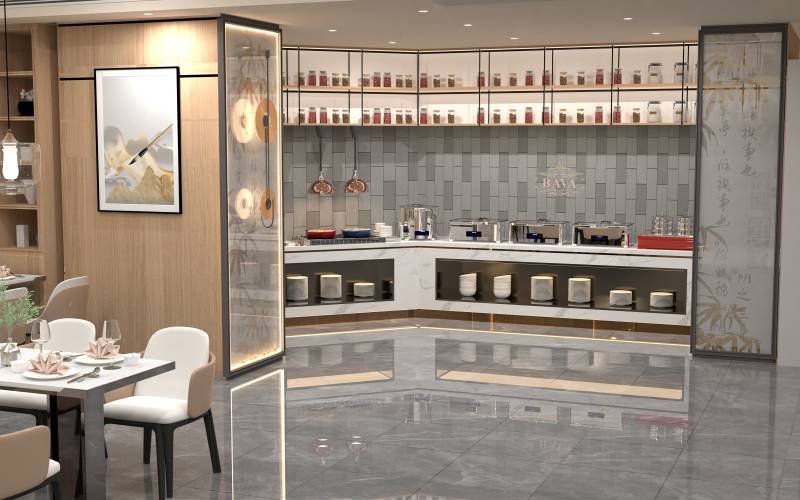
Electric Buffet Warmer with Adjustable Thermostat for Restaurants
Discover the best Electric Buffet Warmer with Adjustable Thermostat for Restaurants solutions. Real ...
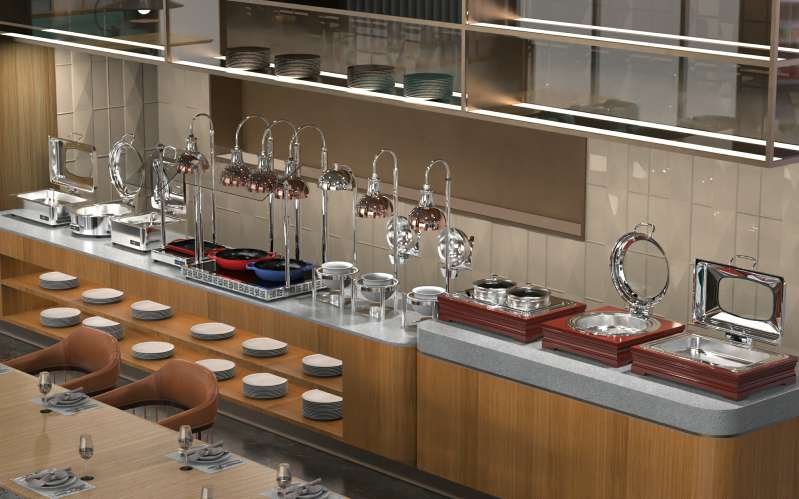
Mini Chafing Dish for Breakfast Buffet & Condiment Stations
Discover the best Mini Chafing Dish for Breakfast Buffet & Condiment Stations solutions. Real case s...
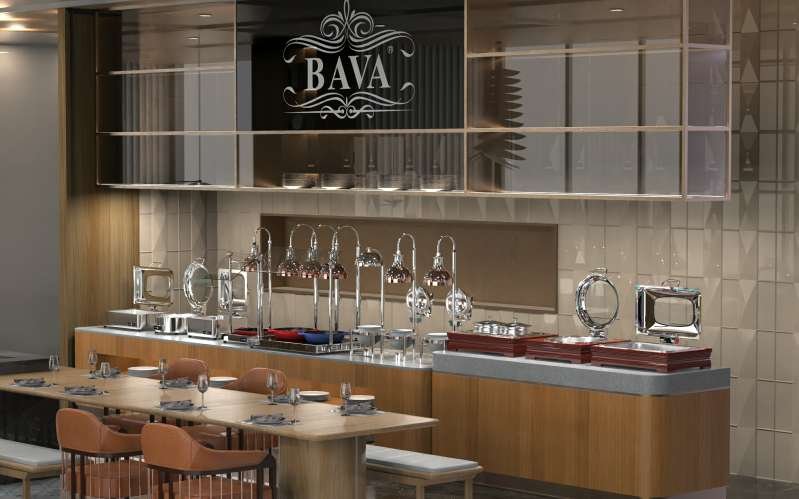
9QT Extra-Large Chafing Dish for Large-Scale Banquet Events
Discover the best 9QT Extra-Large Chafing Dish for Large-Scale Banquet Events solutions. Real case s...
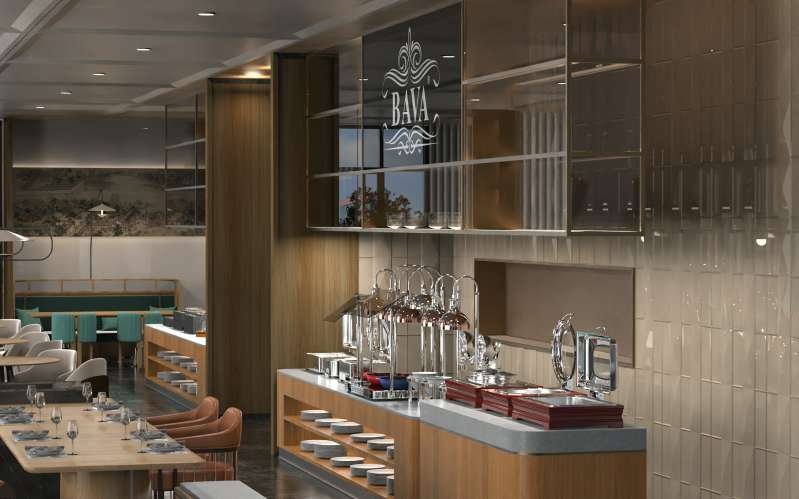
Wall-Mounted Buffet Stove for Space-Saving Kitchen Layouts
Discover the best Wall-Mounted Buffet Stove for Space-Saving Kitchen Layouts solutions. Real case st...

Stainless Steel Food Warmer for Supermarket Deli Departments
Discover the best Stainless Steel Food Warmer for Supermarket Deli Departments solutions. Real case ...
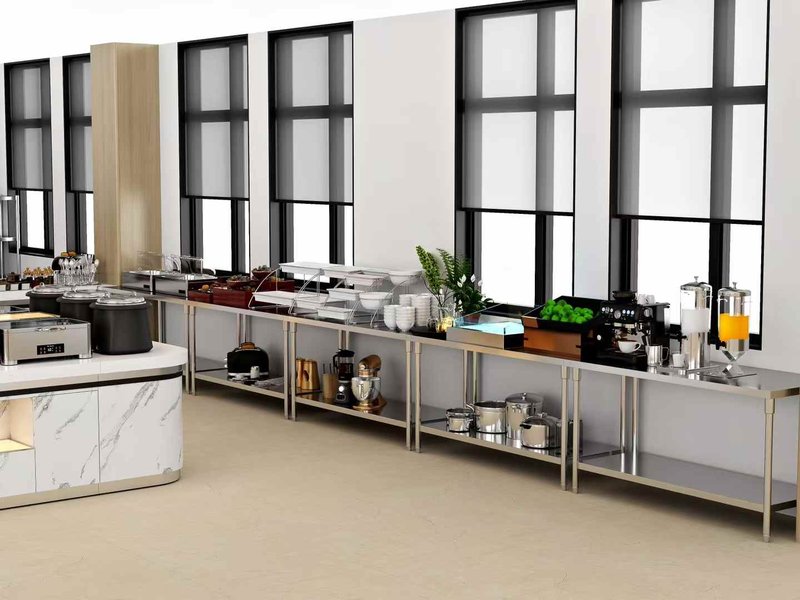
Commercial Chafer Dish with Temperature Control for Food Safety
Discover the best Commercial Chafer Dish with Temperature Control for Food Safety solutions. Real ca...