
Sterno vs. Gel Fuel for Chafing Dishes: Which Is Safer?
What Is Sterno Fuel?
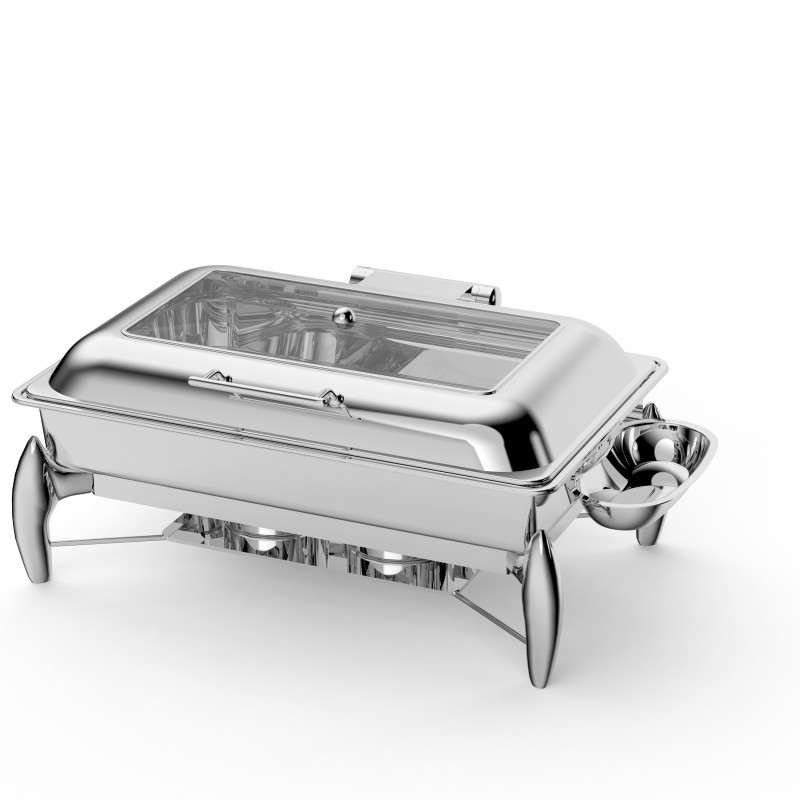
Sterno is the brand name for a type of jellied alcohol fuel that has been used in food service since 1934. The original Sterno was made from denatured alcohol (ethanol with added methanol to make it undrinkable), compressed into a gel form that burns at a relatively low temperature compared to open flames. Modern Sterno products still use denatured alcohol bases, though formulations have evolved for better performance and reduced smoke. Sterno cans contain jellied fuel that burns at approximately 350°F to 400°F at the flame source. The gel formulation means the fuel won't splash or spill easily if the can tips over — it tends to stay contained within the container. This makes it a popular choice for events where children or inexperienced staff might be near the buffet. One key advantage of Sterno is its predictability. The burn rate is well-documented, and a standard Sterno can typically provides 1.5 to 2 hours of heating for a full-size chafing dish. This makes it easier to plan food preparation timing and service sequences.What Is Gel Fuel?
Gel fuel is a broader category of fuel products that use similar denatured alcohol technology but in varying formulations. While "Sterno" is a specific brand, "gel fuel" refers to any fuel product sold in gel form for chafing dishes and fondue pots. The gel consistency comes from adding thickening agents to the alcohol base. Different manufacturers use different thickeners, which affects burn characteristics, flame color, and how cleanly the fuel combusts. Some gel fuels are designed to produce almost no visible flame, burning with a clean blue glow that some operators prefer for aesthetic reasons. Gel fuels typically burn slightly hotter than traditional Sterno — some products claim temperatures up to 450°F at the flame source. The higher heat output can be beneficial for maintaining food temperatures in larger chafing dishes or in cooler ambient conditions.Safety Comparison: Sterno vs Gel Fuel
Both fuel types present fire risks, but the nature of those risks differs. Gel fuel fire hazards: The thickening agents in gel fuel can make accidental spills less likely, but when gel fuel does spill, it spreads over a wider surface area than liquid fuel. A spilled gel fuel pool can be harder to extinguish than a Sterno spill because the gel clings to surfaces. However, both fuels use denatured alcohol and share similar combustibility characteristics. Sterno safety profile: The jellied formula makes Sterno less likely to splash or aerosolize during handling. The can design provides a physical barrier between the fuel and the environment. Sterno is generally considered safer for unsupervised events or situations where the chafing dish might be bumped by guests. Ventilation requirements: Both fuel types produce carbon monoxide as a combustion byproduct. Outdoor and well-ventilated events are always preferable. For indoor events with limited ventilation, electric chafing dishes eliminate combustion byproducts entirely — a consideration that has become more prominent since COVID-19 highlighted indoor air quality concerns. Burn time and stability: Sterno typically provides a more consistent flame throughout its burn cycle. As gel fuel is consumed, the consistency can change, potentially affecting burn rate and flame height. This inconsistency is usually minor but noticeable in longer events.Performance and Heating Effectiveness
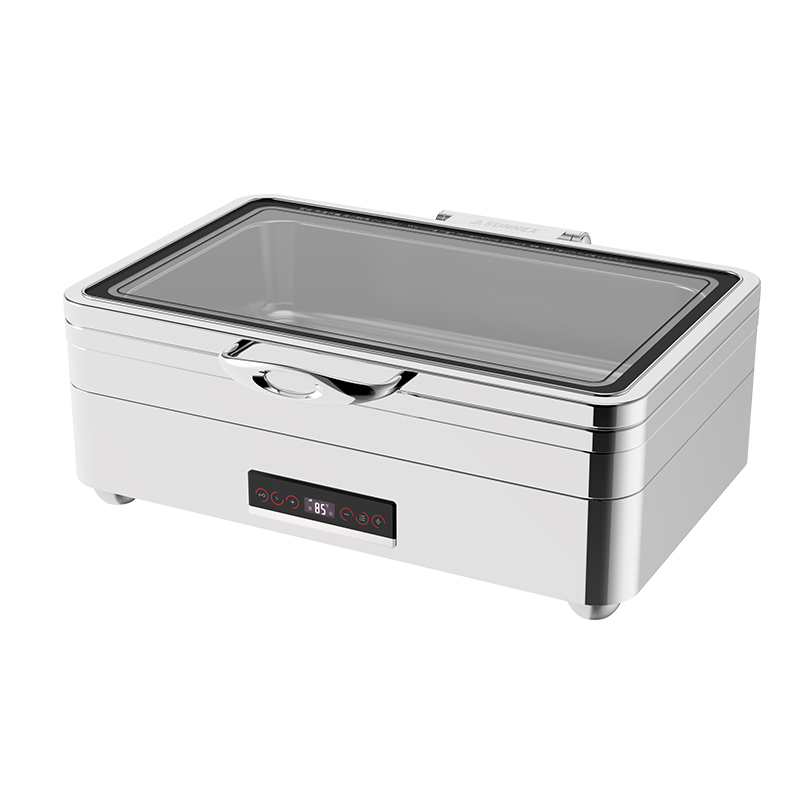
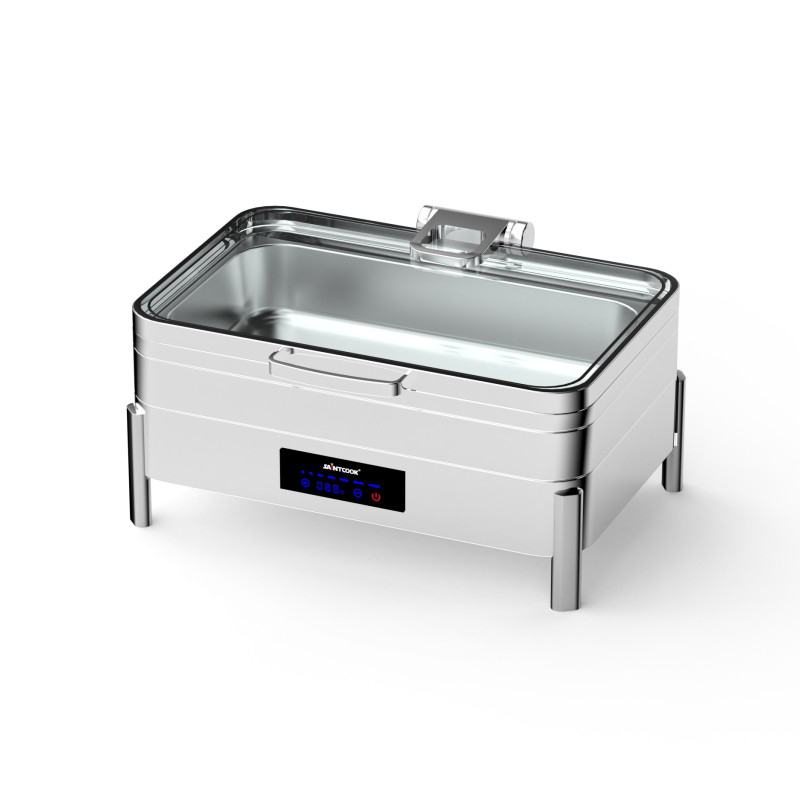
Both fuels maintain food at safe serving temperatures (above 140°F) when used properly, but there are performance differences worth noting. Heat output: Gel fuels generally burn hotter, which can be an advantage for large chafing dishes or in cold environments. However, excessively high heat can dry out food or cause overcooking at the edges. The goal is gentle, even warming — not rapid heating. Chafing dish compatibility: Most chafing dishes are designed to work with either fuel type. Some premium chafing dishes include built-in holders specifically designed for standard Sterno cans, while others accommodate both standard and smaller fuel cans. Electric heating as an alternative: Electric chafing dishes like the Sunnex Lido Series eliminate fuel concerns entirely. The 1100W electric chafer achieves optimal temperature in just 12 minutes with 80%+ thermal efficiency, using digital temperature controls to maintain consistent heat without the monitoring requirements of fuel-based systems. For venues with reliable electrical infrastructure, electric chafing dishes often provide superior performance with less oversight required.Cost Comparison
For a single event, both fuel types are relatively inexpensive — typically $2 to $5 per can depending on quantity and supplier. However, the economics change significantly for operators running frequent events. Sterno tends to be slightly more expensive per hour of burn time than generic gel fuel, though branded Sterno products command a premium. Buying in bulk from restaurant supply distributors significantly reduces per-unit costs for either fuel type. The total cost of ownership also includes labor — checking and replacing fuel cans during an event takes staff time. Electric systems eliminate this ongoing cost, though they require a higher initial investment and access to electrical outlets at each serving station.Environmental and Health Considerations
Both fuels produce similar combustion byproducts: carbon dioxide, water vapor, and trace amounts of other compounds depending on the specific formulation. Neither fuel type is "clean" in an environmental sense, though the volumes used at individual events are minimal. Some gel fuel formulations use thickened isopropanol (rubbing alcohol) rather than ethanol-based denatured alcohol. Isopropanol combustion produces additional acrolein and formaldehyde byproducts compared to ethanol combustion. While these levels remain well below occupational exposure limits for brief event use, venues with sensitive individuals (respiratory conditions, chemical sensitivities) may prefer electric alternatives. For venues committed to reducing their environmental footprint, transitioning to electric chafing dishes represents the most significant improvement. The Sunnex Electric Chafer's 80%+ thermal efficiency outperforms fuel-based systems, and eliminating single-use fuel cans reduces waste.Which Should You Choose?
For occasional events without access to electrical outlets, either Sterno or gel fuel works well. Choose Sterno for situations where spill resistance is paramount (events with children, high-traffic areas, or inexperienced handlers). Choose gel fuel if you need slightly higher heat output or are purchasing in bulk at a lower cost. For regular catering operations, restaurants, or hotels, the math shifts toward electric chafing dishes. The fuel costs, labor monitoring, ventilation requirements, and safety management of fuel-based systems add up. An investment in quality electric chafing dishes — like the Full Size 11L Electric Chafer with its rapid heat-up and digital temperature control — often pays for itself within a year of regular use. The comparison table below summarizes the key differences to help you decide for your specific situation.Comparison: Sterno vs Gel Fuel
| Factor | Sterno Fuel | Gel Fuel |
|---|---|---|
| Typical Burn Temp | 350-400°F | 400-450°F |
| Burn Time (standard can) | 1.5-2 hours | 1-2 hours |
| Spill Resistance | Excellent (gel stays contained) | Good (can spread if spilled) |
| Flame Consistency | Very consistent | Moderate (can vary) |
| Cost per Event | $2-5 per can | $2-4 per can |
| Ventilation Needed | Yes (CO produced) | Yes (CO produced) |
| Best For | Events with children, high-traffic areas, predictable timing | Larger chafing dishes, cold environments, bulk purchasing |
Our Top Picks
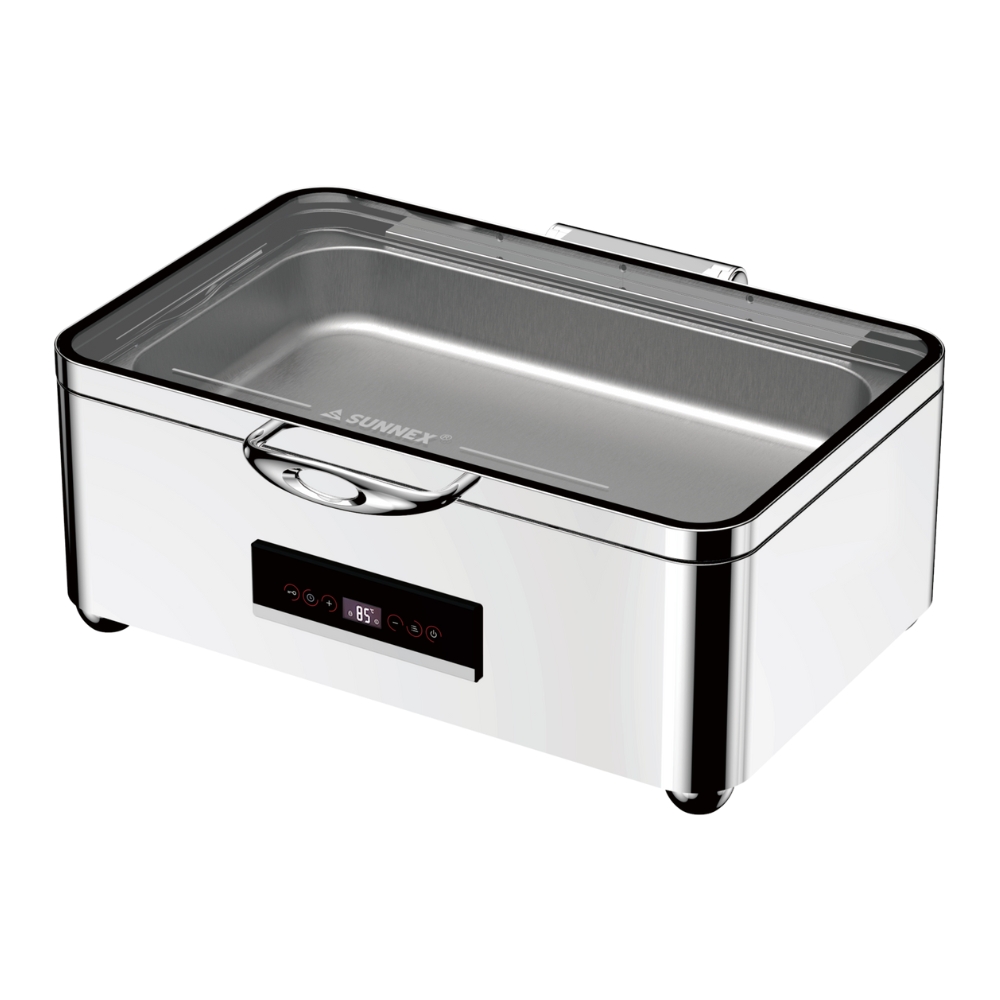
Full Size 11L Electric Chafer (Lido Series W27-1100)
Sunnex Full Size 11L Electric Chafer Lido Series W27-1100 delivers 1100W rapid heat-up in just 12 minutes with thermal efficiency exceeding 80%. Features digital temperature display, Smart Mode, and polished stainless steel construction. Ideal for hotels and professional catering environments requiring consistent food warming without fuel management concerns.
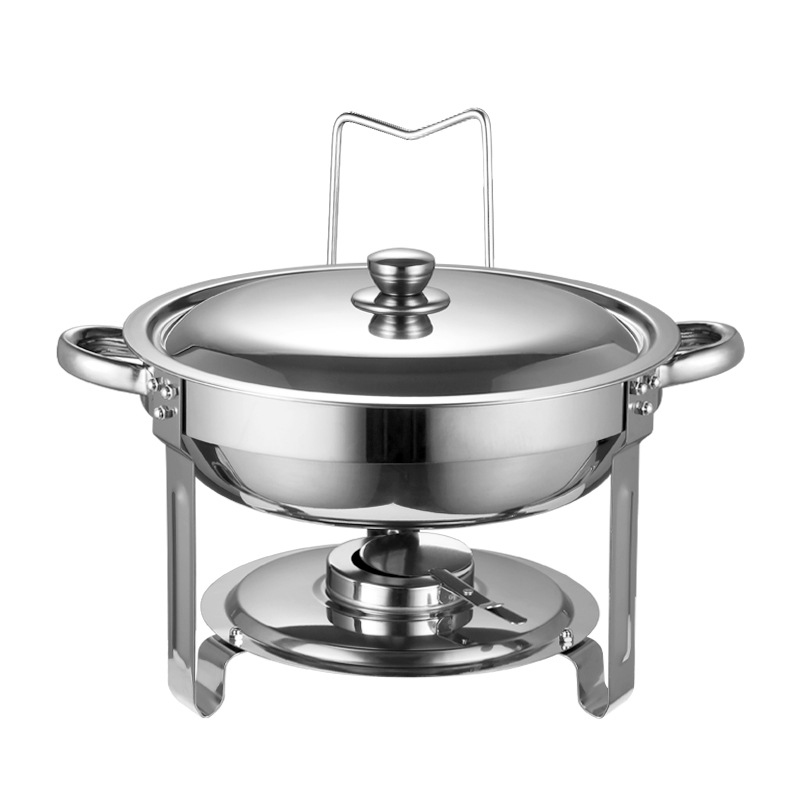
4.5L Stainless Steel Gold-Plated Round Chafing Dish
4.5L Stainless Steel Gold-Plated Round Chafing Dish combines elegant aesthetics with reliable heat retention for buffet and catering applications. The gold-plated finish adds a premium look to any dining setup while the stainless steel construction ensures durability and even heat distribution. Perfect for upscale events where presentation matters.
The right choice depends on your specific situation. For one-time events with limited electrical access, fuel-based systems remain practical. For ongoing catering operations, the move to electric chafing dishes increasingly makes sense both economically and operationally.Related Articles
Electric Buffet Warmer with Adjustable Thermostat for Restaurants
Discover the best Electric Buffet Warmer with Adjustable Thermostat for Restaurants solutions. Real ...
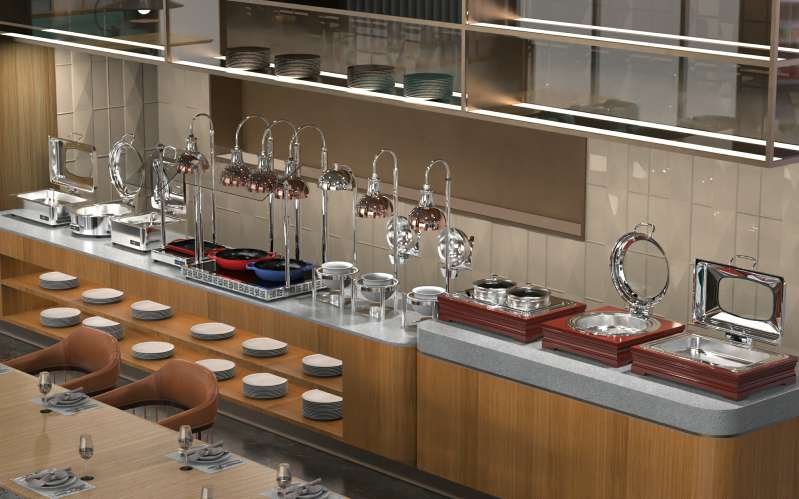
Mini Chafing Dish for Breakfast Buffet & Condiment Stations
Discover the best Mini Chafing Dish for Breakfast Buffet & Condiment Stations solutions. Real case s...
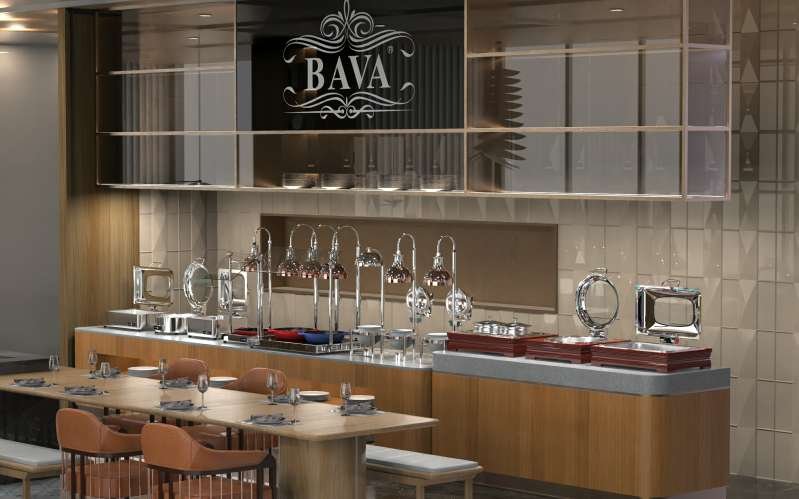
9QT Extra-Large Chafing Dish for Large-Scale Banquet Events
Discover the best 9QT Extra-Large Chafing Dish for Large-Scale Banquet Events solutions. Real case s...
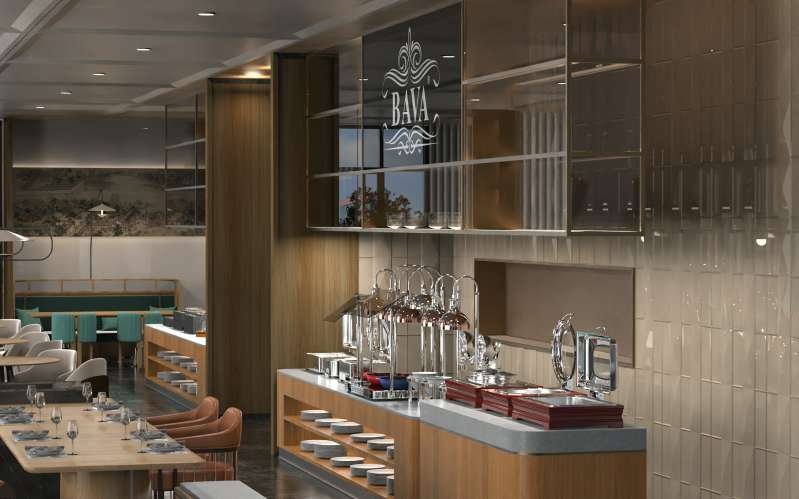
Wall-Mounted Buffet Stove for Space-Saving Kitchen Layouts
Discover the best Wall-Mounted Buffet Stove for Space-Saving Kitchen Layouts solutions. Real case st...

Stainless Steel Food Warmer for Supermarket Deli Departments
Discover the best Stainless Steel Food Warmer for Supermarket Deli Departments solutions. Real case ...
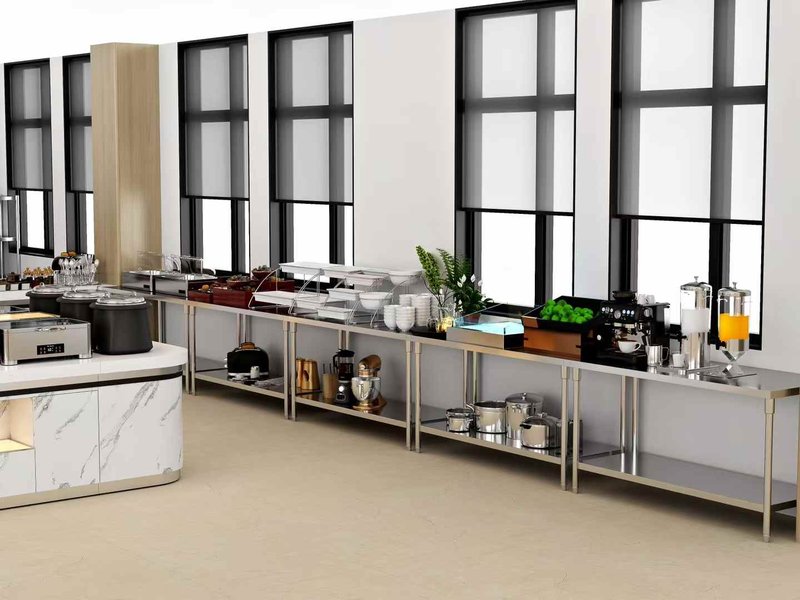
Commercial Chafer Dish with Temperature Control for Food Safety
Discover the best Commercial Chafer Dish with Temperature Control for Food Safety solutions. Real ca...