
Chafing Dish Pans: Replacement Pans for Food Warmers
Understanding Chafing Dish Pan Standards
The food service industry has standardized chafing dish pan sizes around the Gastronorm (GN) system, originally developed in Europe but now used worldwide. The standard for full-size chafing dishes is GN 1/1, which measures 530mm × 325mm (approximately 20.9 inches × 12.8 inches). Understanding this standard is the first step to finding compatible replacement pans. GN sizes are designated by numbers — GN 1/1 is the full size, and smaller pans use fractions: GN 1/2 (half size, 325mm × 265mm), GN 1/3 (third size, 325mm × 176mm), and GN 1/4 (quarter size, 265mm × 162mm). These fractions let you create flexible configurations within a single chafing dish frame, using multiple smaller pans instead of one large one. The depth of the pan is equally important. Standard depths range from 20mm (about 0.8 inches) to 200mm (about 8 inches). Shallow pans work well for items that shouldn't be stacked deep — grilled vegetables, sauces, or fried foods. Deep pans accommodate soups, stews, and large quantities of food that need to hold heat through extended service periods.Materials: Stainless Steel vs. Aluminum vs. Cast Iron
Stainless steel is the professional standard for commercial food service. The most common grade is 18/8 stainless steel (304 stainless), which contains 18% chromium and 8% nickel. This grade offers excellent corrosion resistance, durability, and food safety. Stainless steel pans handle temperature changes without warping, clean easily, and don't react with acidic foods like tomato-based sauces or citrus vinaigrettes. The 7L Stainless Steel Soup Pot exemplifies quality commercial stainless steel construction. Made from food-grade stainless steel, these pots distribute heat evenly across the base, preventing hot spots that can burn food at the bottom while the top remains cool. The robust construction handles the repeated thermal stress of heating, holding, and cleaning that commercial environments demand. Aluminum pans are lighter and less expensive than stainless steel, making them popular for high-volume operations where cost is paramount. However, aluminum reacts with acidic foods (creating a metallic taste and gray discoloration), warps more easily under thermal stress, and doesn't clean as smoothly as stainless steel. Anodized aluminum offers improved durability and corrosion resistance but at a higher price point. Cast iron provides superior heat retention — once heated, cast iron stays hot longer than any metal pan. This makes cast iron ideal for chafing dishes at outdoor events in cooler weather, where maintaining temperature matters more than rapid heat-up. However, cast iron is heavy, requires seasoning to prevent rust, and demands more maintenance than stainless steel.Matching Pans to Your Chafing Dish
Not all chafing dish frames accept all pan sizes. Before purchasing replacement pans, check your chafing dish specifications. Hollow handle vs. solid handle: Many chafing dish frames include indentations or supports to hold pans with handles. If your chafing dish has these supports, ensure your replacement pans match — pans with handles that don't fit the indentations will sit unevenly and may tip. Pan depth and frame clearance: Some chafing dish frames have limited clearance between the frame rim and the interior support. Deep pans may not fit properly, causing the lid to not close or the pan to sit too high in the frame. Measure your frame's interior dimensions before ordering replacement pans. Steam pan vs. solid bottom: Standard chafing dish pans have perforated or solid bottoms depending on the heating method. For fuel-based chafing dishes, perforated pans allow heat from the Sterno or gel fuel to circulate up through the food. For electric chafing dishes like the StoveMaster Series with dual heating plates, solid-bottom pans are preferable because the heating comes from above and below rather than just below.The StoveMaster Advantage: Hybrid Heating Technology
The Electric Chafing Dishes StoveMaster Series represents a significant advancement in buffet warming technology. By combining dual electric heating plates with four alcohol burners, the StoveMaster provides flexibility that pure fuel or pure electric systems can't match. In electric mode, the dual heating plates provide consistent, adjustable warmth without the ventilation requirements or fuel costs of alcohol burners. The electric heating is particularly effective for all-day breakfast buffets where the chafing dish may sit active for 6-8 hours — electric heating maintains consistent temperatures without the gradual temperature decline that fuel-based systems experience as fuel is consumed. The alcohol burner backup proves valuable for outdoor events, tent installations, or locations without reliable electrical access. Having both heating methods available means you're never caught without a way to keep food warm. When using the StoveMaster Series, choose solid-bottom replacement pans for electric mode to maximize heat transfer from the base plate, and ensure pans fit securely within the frame's pan support system.Common Replacement Pan Mistakes to Avoid
Buying by appearance rather than dimensions: Two pans might look identical but differ by millimeters. Always verify exact dimensions before purchasing — a pan that's 2mm too large won't fit in the frame, and a pan 2mm too small will shift during service. Ignoring capacity ratings: Chafing dish frames have maximum capacity limits, usually measured in liters or gallons. Exceeding the capacity creates safety hazards and may cause the frame to fail. The 4.5L stainless steel gold-plated round chafing dish, for instance, is rated for 4.5 liters — using it to hold 6 liters of soup risks overflow and instability. Choosing aesthetics over function: Gold-plated and decorative finishes look stunning at upscale events, but they require more careful handling to maintain their appearance. For high-volume daily operations, plain stainless steel pans often provide better long-term value despite less visual appeal. Not stocking backups: A cracked pan mid-event creates a crisis situation. Keep at least one spare replacement pan per chafing dish in your inventory. Pans are inexpensive compared to the cost of an event disruption.Maintenance and Care for Long Pan Life
Proper care extends replacement intervals significantly. Thermal shock prevention: Never plunge a hot pan into cold water — the rapid temperature change causes warping and can crack even high-quality stainless steel. Allow pans to cool naturally before washing, or use warm water for cleaning. Stacking protection: When storing multiple pans, place a soft cloth or pan protector between each one. Metal-on-metal contact creates scratches that harbor bacteria and degrade appearance over time. Inspection protocols: Before each event, inspect all pans for cracks, warping, and damage to the rim. A small crack that seems minor can propagate during heating, causing the pan to fail mid-service. Proper cleaning: Use non-abrasive cleaners on stainless steel to maintain the passive oxide layer that prevents corrosion. Avoid steel wool or harsh scouring pads that scratch the surface. For stubborn stains, a paste of baking soda and water followed by a thorough rinse restores appearance without damaging the metal.Calculating How Many Replacement Pans You Need
For a catering business running daily events, plan for 3-4 pans per chafing dish unit: one in use at the event, one being cleaned, one in storage as backup, and one reserved for prep staging. This ratio ensures continuous operation even when a pan needs extended cleaning or repair. For occasional-use operations, one backup pan per chafing dish is sufficient, provided you inspect before each event and order replacements promptly when damage occurs.Our Top Picks
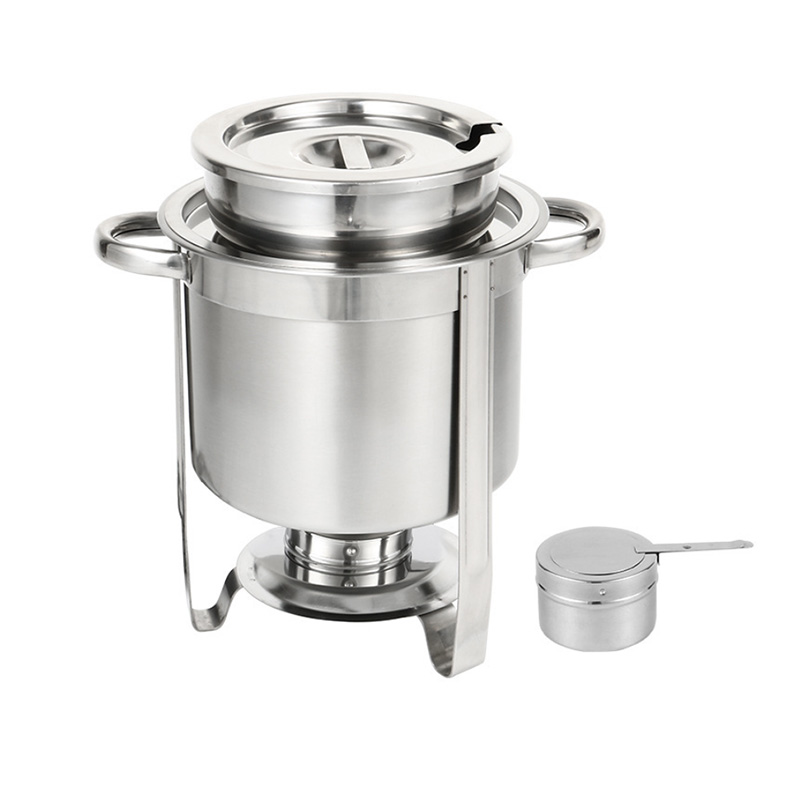
7L Stainless Steel Soup Pot
Stainless Steel Breakfast Porridge Warmer in commercial grade with multiple size options for buffet and restaurant applications. The robust stainless steel construction ensures durability in high-volume catering environments while maintaining food temperature efficiently. Compatible with standard GN 1/1 chafing dish frames.
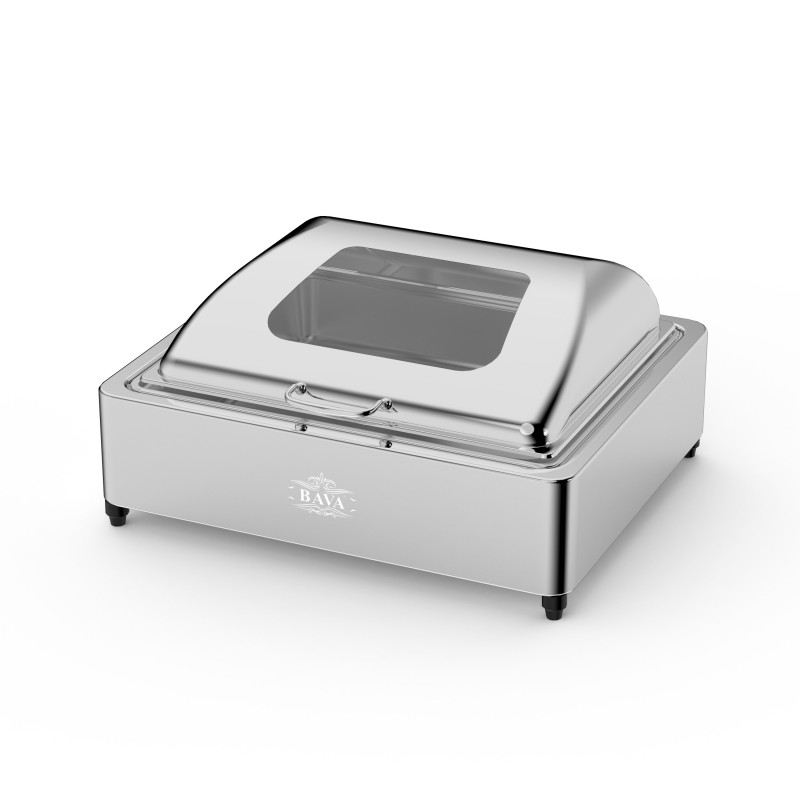
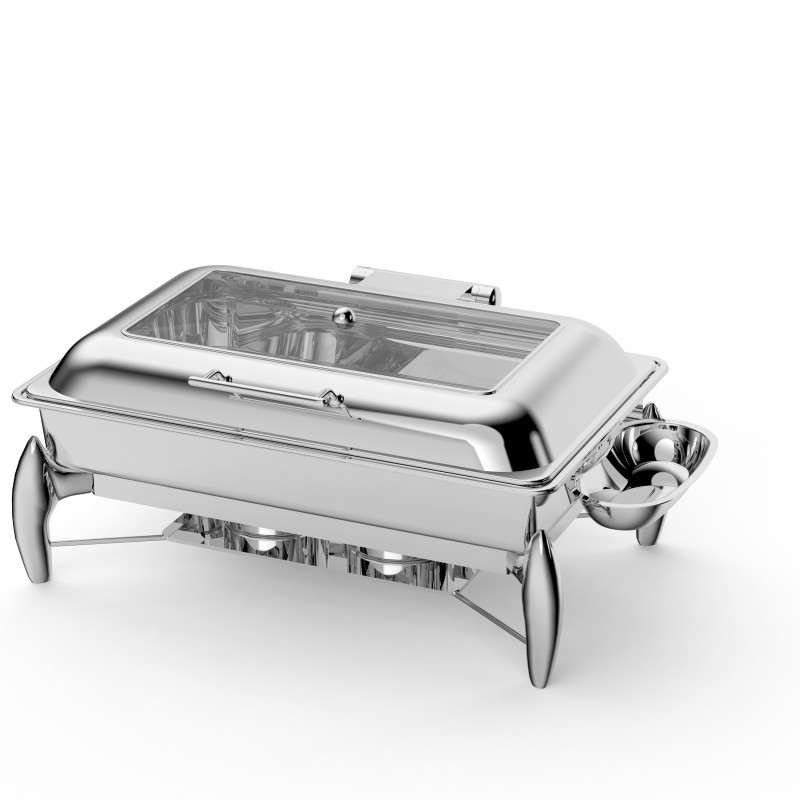
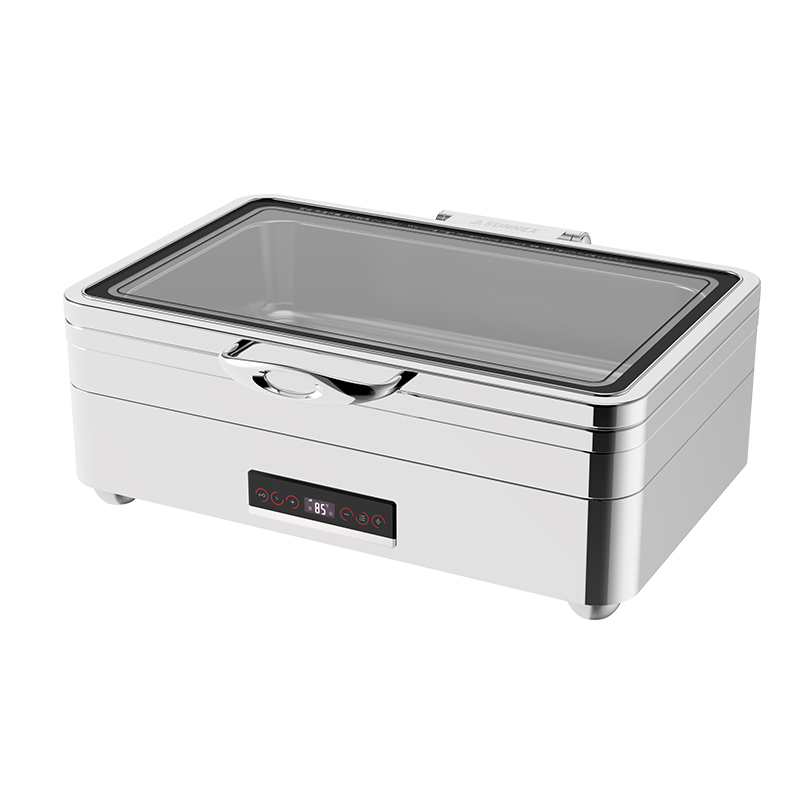
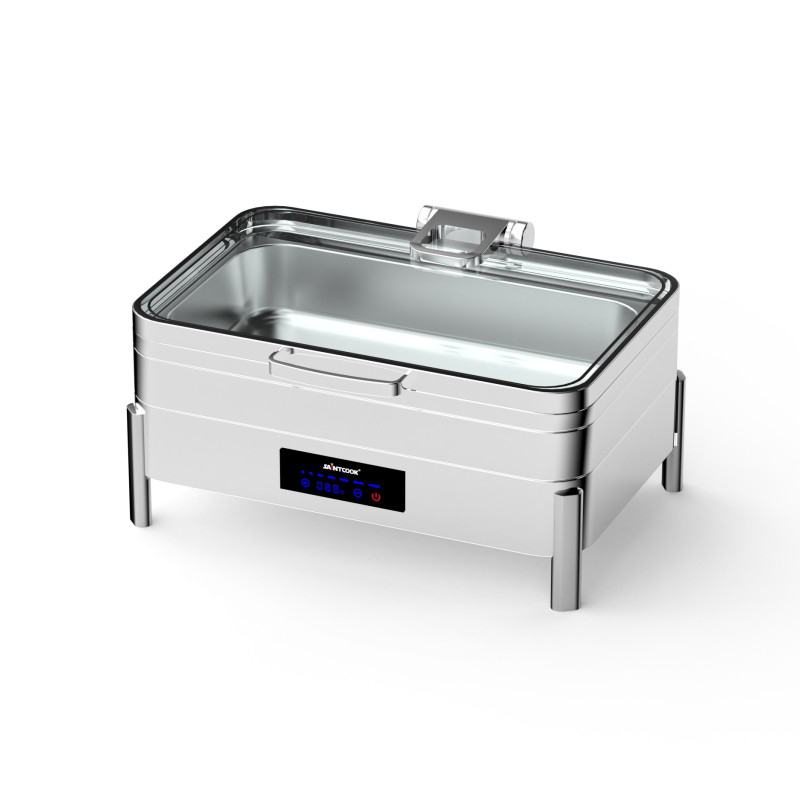
Electric Chafing Dishes-StoveMaster Series
Dual Electric Heating Plates and 4 Alcohol Burners make the StoveMaster Series the flagship choice for lobby banquets and high-volume catering events. This hybrid heating system provides flexibility and reliable performance for demanding food service environments. Use solid-bottom replacement pans when operating in electric mode for optimal heat transfer.
Investing in quality replacement pans and maintaining them properly pays dividends in reduced replacement costs, fewer service disruptions, and consistent food quality. Understanding the specifications — dimensions, materials, and compatibility — ensures you buy the right pans the first time.Related Articles
Electric Buffet Warmer with Adjustable Thermostat for Restaurants
Discover the best Electric Buffet Warmer with Adjustable Thermostat for Restaurants solutions. Real ...
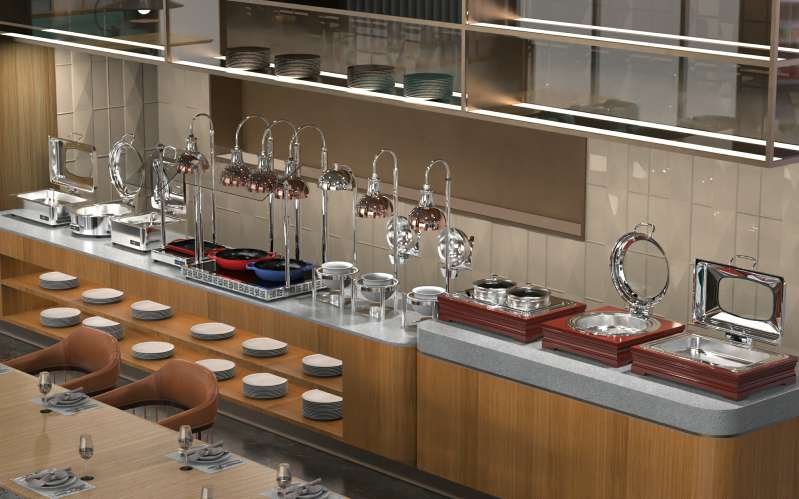
Mini Chafing Dish for Breakfast Buffet & Condiment Stations
Discover the best Mini Chafing Dish for Breakfast Buffet & Condiment Stations solutions. Real case s...
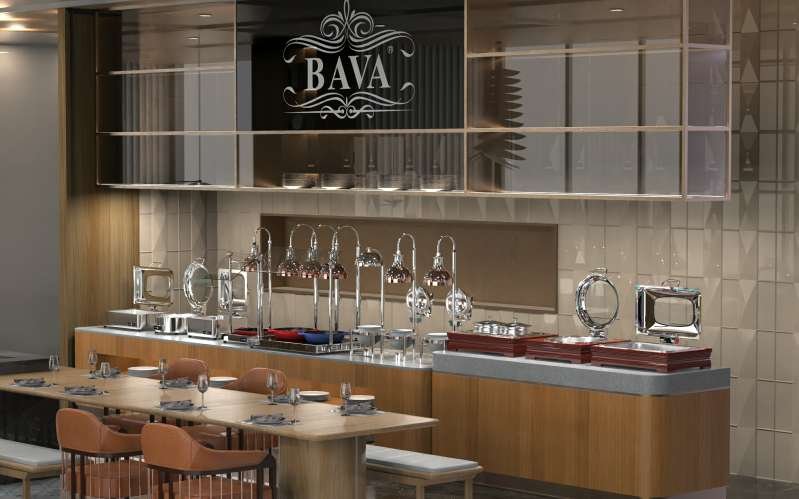
9QT Extra-Large Chafing Dish for Large-Scale Banquet Events
Discover the best 9QT Extra-Large Chafing Dish for Large-Scale Banquet Events solutions. Real case s...
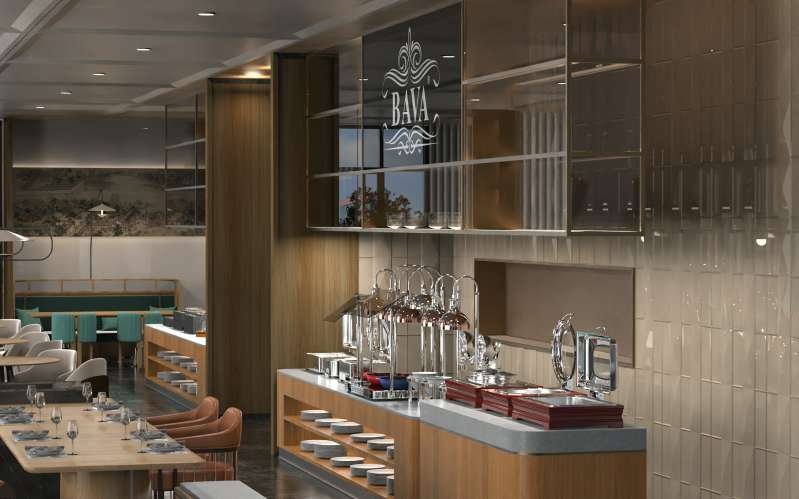
Wall-Mounted Buffet Stove for Space-Saving Kitchen Layouts
Discover the best Wall-Mounted Buffet Stove for Space-Saving Kitchen Layouts solutions. Real case st...

Stainless Steel Food Warmer for Supermarket Deli Departments
Discover the best Stainless Steel Food Warmer for Supermarket Deli Departments solutions. Real case ...
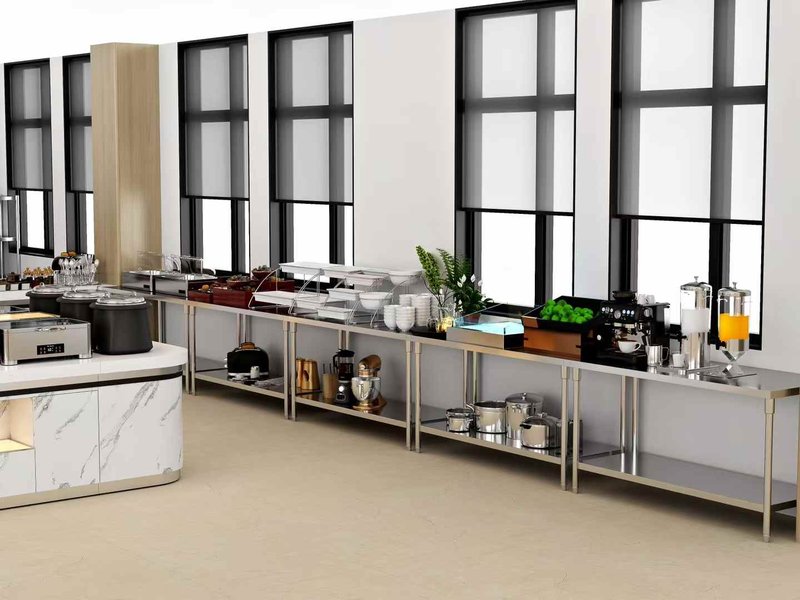
Commercial Chafer Dish with Temperature Control for Food Safety
Discover the best Commercial Chafer Dish with Temperature Control for Food Safety solutions. Real ca...