
How to Choose Chafing Dish for Catering Business
Selecting the right chafing dishes forms a critical decision for any catering business. Equipment choices directly impact service quality, operational efficiency, and ultimately profitability. With numerous options available across different materials, sizes, and heating methods, understanding how to evaluate chafing dishes for your specific business needs prevents costly mistakes and ensures reliable performance during critical events.
Assessing Your Business Scale and Scope
Begin the selection process by honestly evaluating your current operation and growth trajectory. Consider your typical event size range, from smallest gatherings to largest anticipated bookings. Determine whether your catering focuses on intimate dinners for 20 guests or large banquets serving hundreds. These factors shape the capacity and quantity of chafing dishes you'll need to maintain in your equipment inventory.
Event frequency matters as much as event size. A caterer running multiple events weekly needs equipment that withstands heavy use without frequent maintenance or replacement. Invest in commercial-grade units that provide durability matching intensive operating schedules. Occasional entertainers can consider lighter-duty models that serve their limited needs at lower initial cost.
Understanding Capacity Requirements
Chafing dish capacity should align with your serving portions per holding period. Full-size units accommodate GN 1/1 food pans holding approximately 40-60 portions depending on serving style and food type. For main course items at events exceeding 100 guests, multiple full-size units or strategic placement becomes necessary to prevent service bottlenecks.
Half-size units serving 20-30 portions work well for side dishes, appetizers, or smaller events. Their compact footprint allows placing multiple units on limited buffet space without crowding. Consider maintaining a mix of full-size and half-size units to match varying event requirements without over-investing in equipment that sits idle during smaller bookings.
Calculate the total holding capacity you need by multiplying expected guest count by portion size, then dividing by unit capacity. Add a 20% buffer for backup capacity during unexpected volume increases or equipment failures. This calculation provides a baseline for determining equipment quantity requirements.
Heating Method Selection
Fuel-Heated Units offer portability and independence from electrical infrastructure. Gel fuel or Sterno cans provide reliable warming for events in venues without adequate power access. However, fuel costs accumulate over time, and staff must monitor fuel levels throughout service. Flame safety training and protocols become necessary operational requirements.
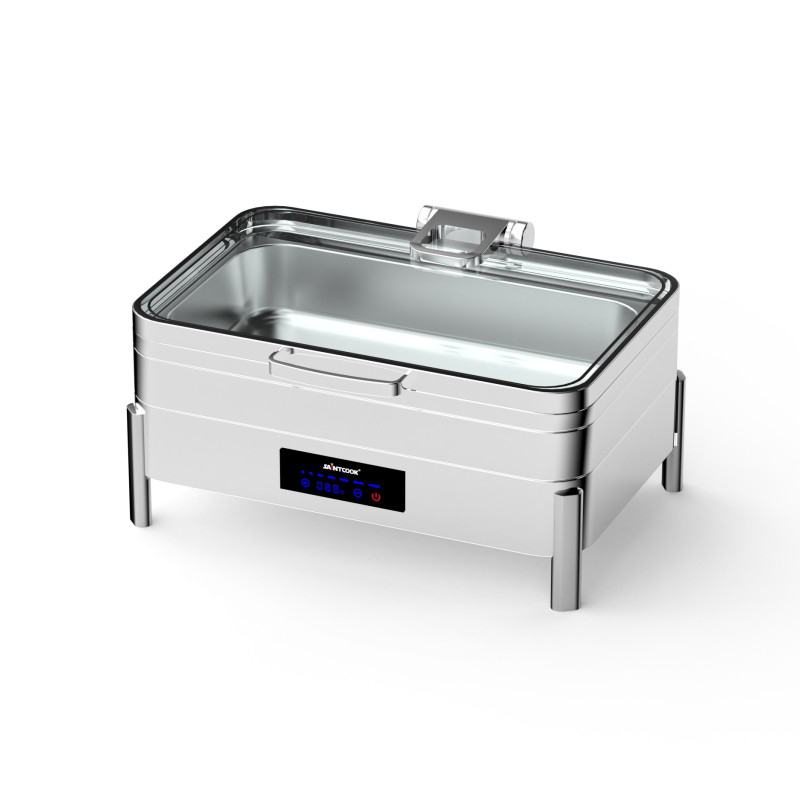
Electric Models provide precise temperature control and unlimited operation duration when power is available. Initial equipment costs exceed fuel-heated alternatives, but ongoing operating costs decrease significantly. Electric units require less staff monitoring and eliminate fuel handling procedures. For indoor events with reliable power, electric models often prove more economical over their service life.
Hybrid Options combine fuel and electric capabilities, offering flexibility across venue types. These versatile units can operate on either heating method, adapting to whatever power situation you encounter. While commanding premium prices, hybrid chafing dishes maximize operational flexibility for caterers working across diverse venues.
Material Quality and Construction
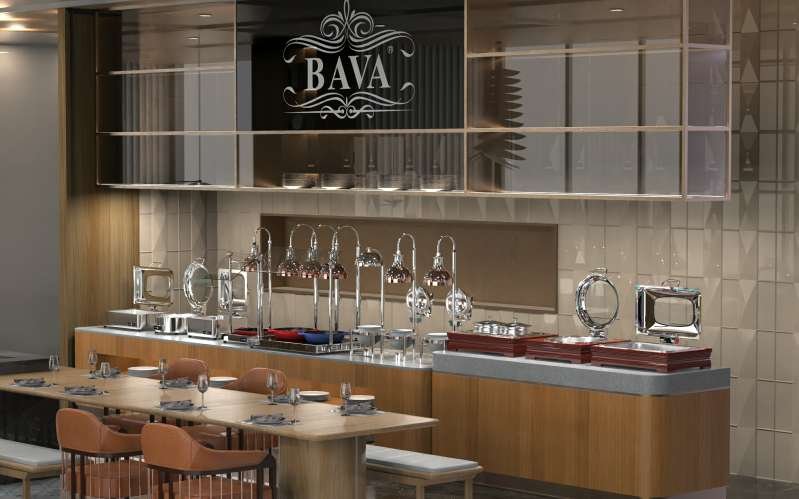
Stainless steel remains the preferred material for commercial chafing dishes due to its durability, corrosion resistance, and professional appearance. Grade 304 stainless steel provides optimal performance for food service applications, maintaining its finish through repeated use and cleaning cycles. Inspect construction quality at joints and welds, ensuring smooth finishes without rough edges or visible defects.
Consider the gauge (thickness) of stainless steel used in body construction. Heavier gauges resist denting and warping better but add weight that affects transport logistics. Commercial operations typically balance durability against portability by selecting mid-range gauges that provide adequate durability without excessive weight.
Features That Enhance Service Efficiency
Lid Design Options include lift-off, roll-top, and glass dome varieties. Lift-off lids provide simple operation and are less expensive but require dedicated space for removed lids. Roll-top lids slide open along the unit's top, eliminating the need for separate lid storage. Glass domes allow monitoring food levels without breaking the heat seal, useful for extended holding applications.
Water Pan Construction should be seamless to prevent leaks during heating cycles. Some models include drain valves for easier water removal after service. Consider water pan depth—deeper pans hold more water for extended operation but require more time to reach operating temperature.
Heat Indicators on some units display water temperature, helping staff verify safe holding conditions without physical measurement. Temperature displays prove valuable for food safety documentation and health inspection compliance.
Budget Considerations and ROI
Chafing dish prices range from under $50 for basic aluminum models to several hundred dollars for premium stainless steel units with advanced features. Calculate return on investment based on your usage frequency and operating cost differences. Higher-quality units typically last significantly longer, justifying premium pricing through extended service life and reduced replacement frequency.
Consider total cost of ownership rather than initial purchase price alone. Fuel costs for gel-burning units accumulate substantially over time. Electric models may have higher initial costs but lower operating expenses. Factor in maintenance requirements, expected service life, and residual value when comparing options.
Building Your Equipment Fleet
Start with sufficient inventory for your most common event size, then add units for larger bookings as your business grows. Maintain at least one backup unit for each critical size category to ensure service continuity during equipment failures. Professional caterers typically maintain equipment for 150-200% of their average event capacity to handle volume variations and equipment contingencies.
Recommended Products for Catering Businesses
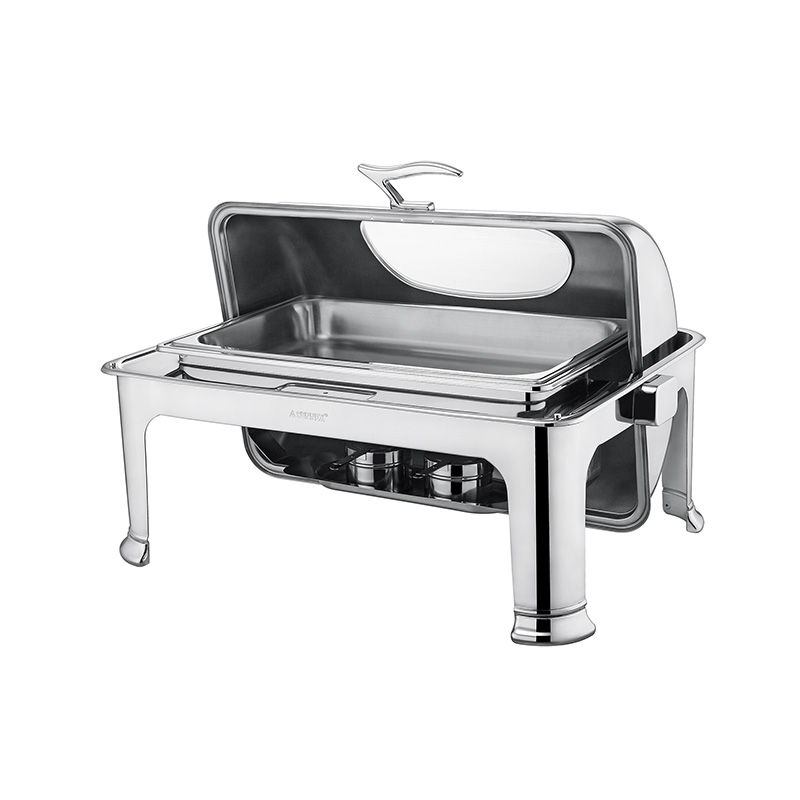
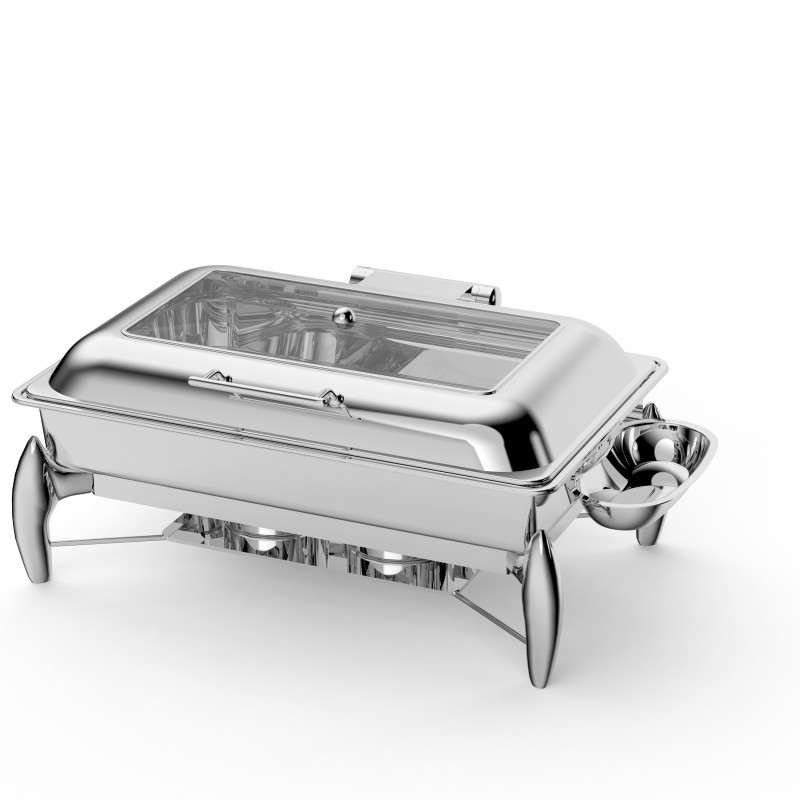
Covered Stainless Steel Alcohol Chafing Dish
Upgrade your buffet setup with this Covered Stainless Steel Alcohol Chafing Dish—the reliable warmer for events, restaurants, or home gatherings. Designed for the demands of professional catering operations, this unit combines reliable performance with the durability that high-volume users require. Features professional-grade construction and user-friendly operation that supports efficient service delivery.
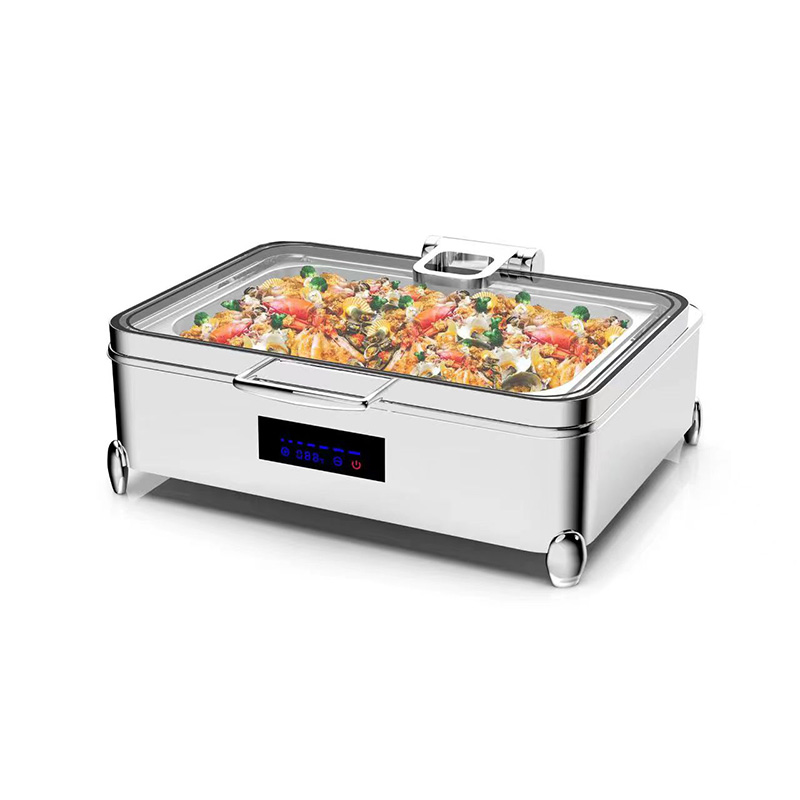
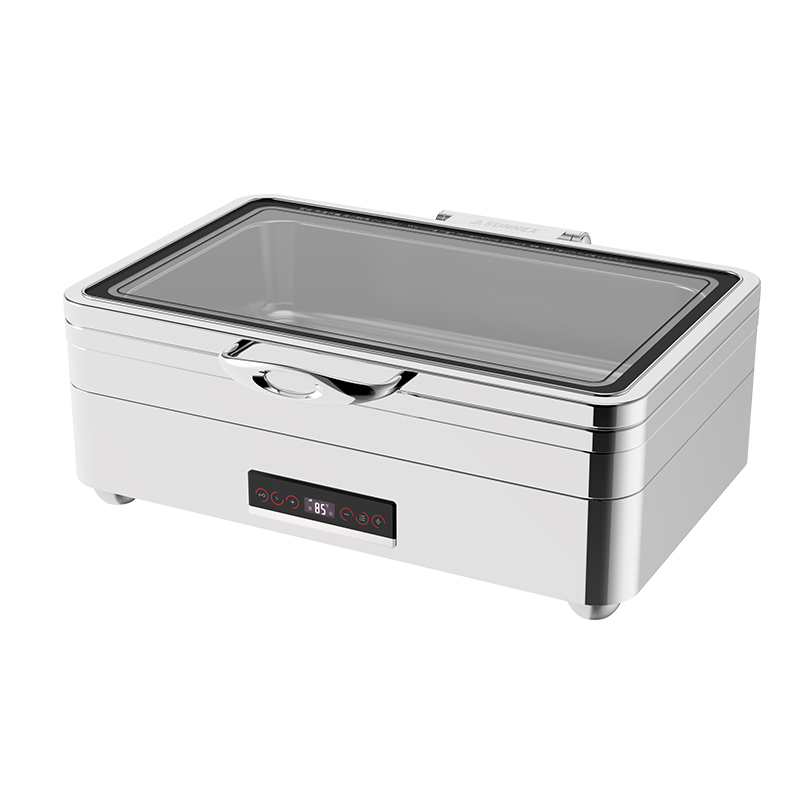
Electric Chafing Dish Food Warmer
Commercial Hotel Electric Visual Buffet Chafing Dish - 400W Fast Heating Stainless Steel Food Warmer with Digital Temperature Control This commercial chafing dish delivers the heating performance and temperature consistency that caterers depend on for successful events. Quality construction ensures years of reliable service under intensive operating conditions.
Final Selection Criteria
Choose chafing dishes that match your actual business requirements rather than theoretical ideal specifications. Consider venue constraints, typical event characteristics, and staff capabilities when evaluating options. The best equipment for your operation balances initial cost, operating efficiency, durability, and features that genuinely improve your service delivery.
Invest in quality from reputable manufacturers that provide reliable customer support and replacement parts availability. Equipment failures during critical events create lasting negative impressions with clients. Prioritize reliability over cost savings when building your catering equipment inventory.
Related Articles
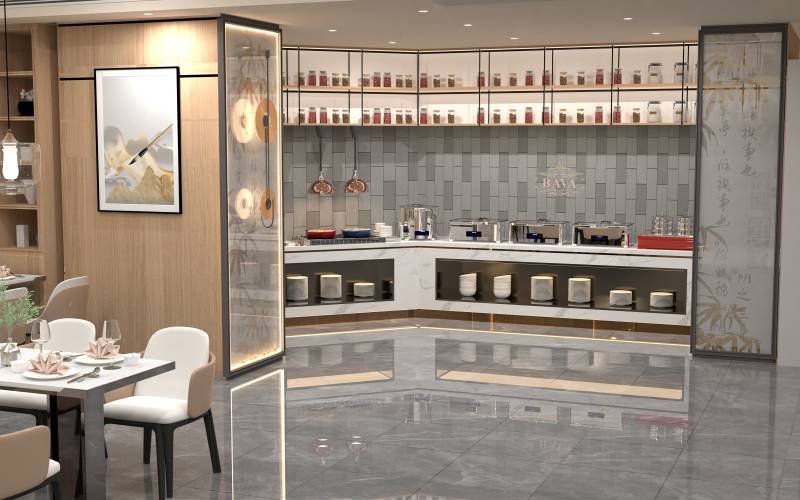
Electric Buffet Warmer with Adjustable Thermostat for Restaurants
Discover the best Electric Buffet Warmer with Adjustable Thermostat for Restaurants solutions. Real ...
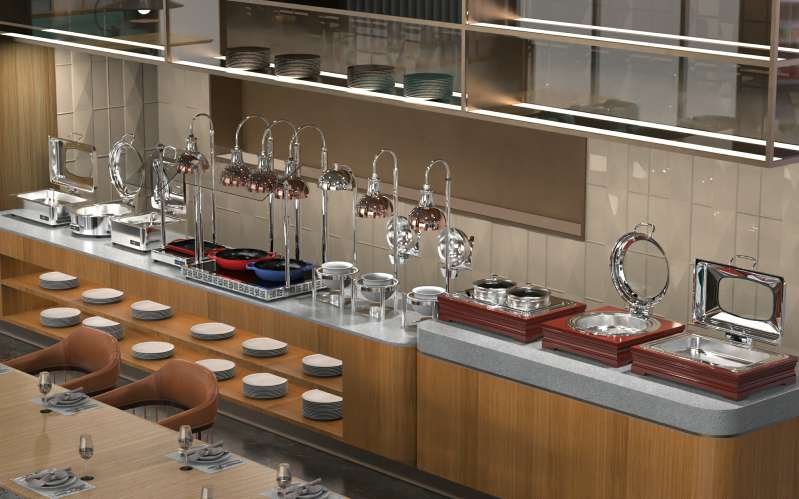
Mini Chafing Dish for Breakfast Buffet & Condiment Stations
Discover the best Mini Chafing Dish for Breakfast Buffet & Condiment Stations solutions. Real case s...
9QT Extra-Large Chafing Dish for Large-Scale Banquet Events
Discover the best 9QT Extra-Large Chafing Dish for Large-Scale Banquet Events solutions. Real case s...
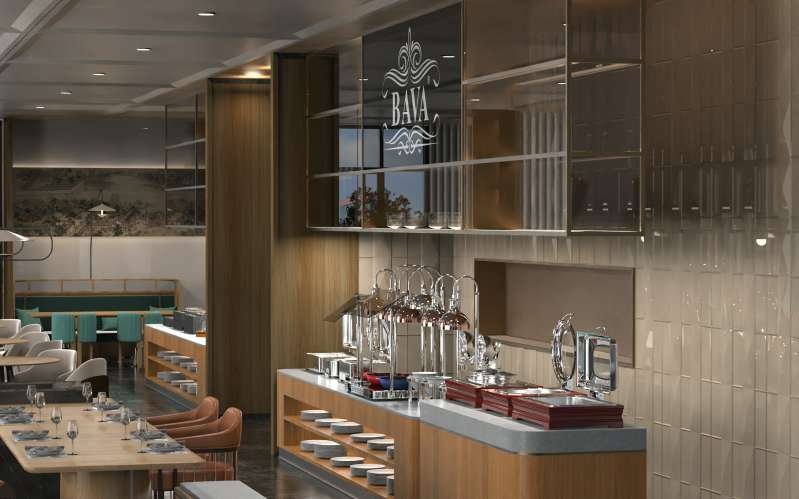
Wall-Mounted Buffet Stove for Space-Saving Kitchen Layouts
Discover the best Wall-Mounted Buffet Stove for Space-Saving Kitchen Layouts solutions. Real case st...
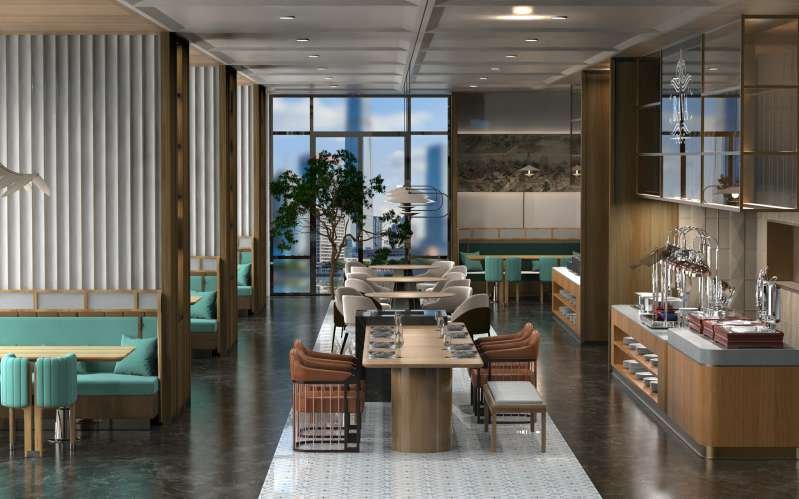
Stainless Steel Food Warmer for Supermarket Deli Departments
Discover the best Stainless Steel Food Warmer for Supermarket Deli Departments solutions. Real case ...
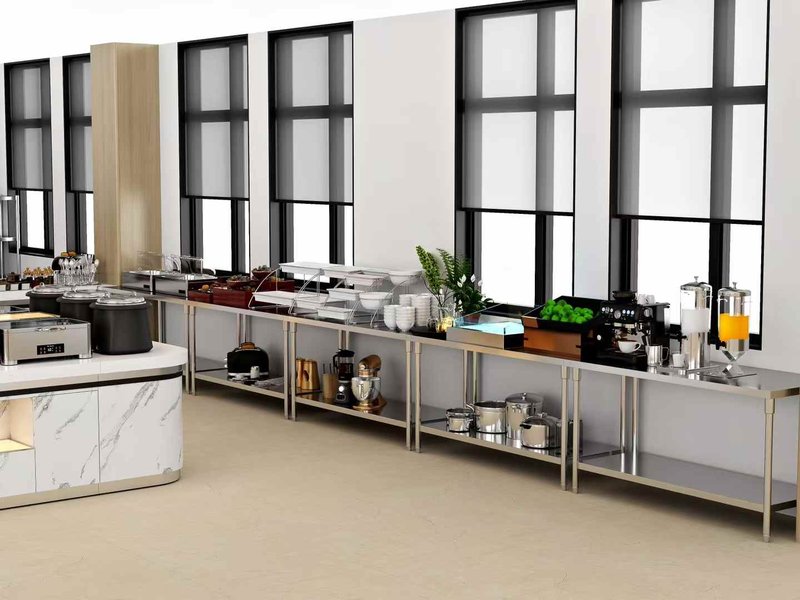
Commercial Chafer Dish with Temperature Control for Food Safety
Discover the best Commercial Chafer Dish with Temperature Control for Food Safety solutions. Real ca...