
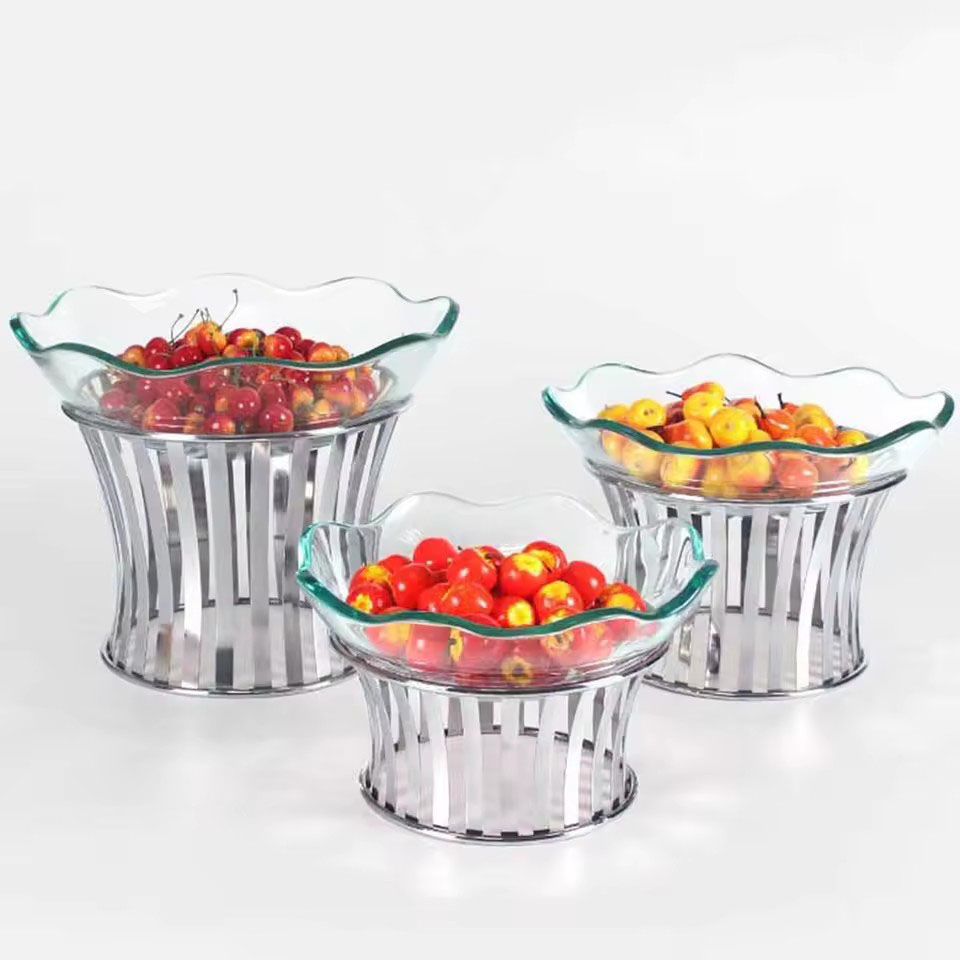
Best Disposable Chafing Dishes for One-Time Events
Disposable chafing dishes have transformed event catering for organizations and hosts seeking convenient warming solutions without the commitment of permanent equipment. These single-use or limited-use units eliminate post-event cleaning entirely, allowing hosts to focus entirely on their guests rather than dish duty. Understanding the range of disposable options available helps you select appropriate warming solutions that maintain food quality while maximizing the convenience that disposable products provide.
The Rise of Disposable Catering Solutions
The disposable catering market has expanded dramatically as event organizers recognize the operational benefits these products deliver. Corporate events, community gatherings, religious celebrations, and family reunions all benefit from warming solutions that require no return logistics, no cleaning staff, and no inventory management between events. The economics of disposables make increasing sense as labor costs rise and the hassle of managing reusable equipment grows.
Modern disposable chafing dishes incorporate design improvements that address earlier reliability concerns. Enhanced insulation materials maintain food temperatures more effectively, while improved lid seals prevent spills during transport and service. Structural engineering has created units capable of handling full catering operation demands while remaining lightweight and easy to dispose.
Material Options in Disposable Chafing Dishes
Aluminum Disposable Units represent the most common disposable chafing dish material, offering excellent heat conductivity at minimal cost. These units heat quickly over standard fuel sources and distribute warmth evenly throughout the food pan. Aluminum disposables typically accommodate standard GN 1/1 or 1/2 food pans, allowing compatibility with catering equipment you may already own.
Plastic Composite Disposables provide adequate insulation that reduces fuel consumption compared to bare aluminum. These units feel more substantial during service and maintain appearance better through extended events. While not truly disposable in the single-use sense, plastic composites handle multiple events with proper care before requiring replacement.
Bio-based Composites address environmental concerns that increasingly influence purchasing decisions. Made from plant fibers or recycled materials, these disposable units decompose more readily than traditional plastics while providing functional warming capability. For organizations prioritizing sustainability messaging, bio-based disposables align warming equipment with broader environmental commitments.
Sizing Considerations for Different Events
Full-size disposable chafing dishes accommodate GN 1/1 pans serving 40-60 portions, suitable for main course service at gatherings exceeding 50 guests. These units require adequate table space for the warming unit plus fuel access and lid placement during service. Consider traffic flow patterns when positioning full-size disposables to prevent congestion that slows service.
Half-size disposable units serving 20-30 portions work well for side dishes, appetizers, or smaller events. Their compact footprint allows placing multiple units on limited serving space without creating the visual clutter that several full-size units might produce. For events with diverse menu items held at different temperatures, half-size units provide the variety capacity that single-temperature full-size units cannot.
Individual portion disposables have emerged as a popular option for events emphasizing portion control or plated service. These single-serving units eliminate the communal serving aspect of traditional chafing dishes while maintaining food temperature until service. For upscale events where presentation matters, individual disposables provide the refinement that buffet-style service cannot match.
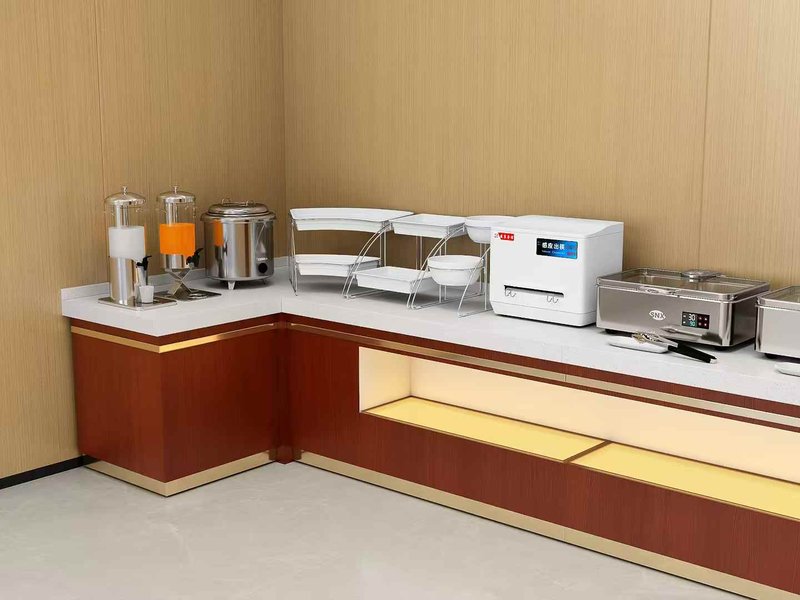
Fuel Options and Burn Times
Gel fuel remains the standard heating source for disposable chafing dishes, providing consistent flame that requires minimal monitoring. Standard gel fuel cans burn 2-4 hours depending on ambient conditions and lid usage patterns. For extended events, plan fuel quantities to ensure continuous warming without mid-service fuel replacement interruptions.
Electric disposable warming units have entered the market for venues with adequate power access. These units eliminate fuel handling entirely, providing precise temperature control through direct electrical heating. While requiring power infrastructure that gel fuel does not, electric disposables reduce fire safety concerns and eliminate fuel cost accumulation that affects long-term economics.
Compressed wood fiber fuel provides an alternative that burns cleaner than gel fuel while producing less moisture. This fuel option works particularly well in enclosed spaces where ventilation concerns limit gel fuel use. The natural fuel aesthetic appeals to events emphasizing rustic or organic presentation themes.
Environmental Considerations
The environmental impact of disposable chafing dishes deserves careful consideration before selecting products. While convenience drives disposable adoption, the accumulated waste from single-use equipment has prompted manufacturers to develop more sustainable options. Bio-degradable materials, recycled content plastics, and aluminum units with high recycling value each represent different environmental approaches.
Aluminum disposable units offer excellent recycling potential that substantially reduces environmental impact compared to landfilled alternatives. Most recycling programs accept aluminum chafing dish components, allowing the material value to offset some of the production environmental cost. For organizations with recycling infrastructure, aluminum disposables may represent the most responsible choice despite higher initial cost.
Compostable options have improved significantly, with some products achieving commercial composting certification that ensures breakdown under proper conditions. These units require specific disposal handling that composting facilities provide, limiting practical availability to areas with organic waste collection programs.
Quality Indicators in Disposable Units
Construction quality in disposable units varies substantially between manufacturers and price points. Quality indicators include seam integrity, lid fit security, and base stability that prevents tipping during service. Purchasing from reputable suppliers ensures consistency between units that prevents surprises during critical events.
Thermal performance testing helps identify products that maintain safe food temperatures throughout expected service duration. Independent testing data or manufacturer performance specifications guide purchasing decisions that prevent food safety issues that result from inadequate warming capacity. Saving money on lower-quality disposables costs more in food waste and reputation damage if warming fails.
Structural testing under typical service loads reveals whether units can handle the weight of full food pans without deformation or failure. Units that bow or warp during heating indicate inferior materials that compromise both appearance and function. Premium disposables maintain shape throughout service, projecting the professional image that corporate events require.
Cost Analysis: Disposable vs. Reusable
Direct cost comparison between disposable and reusable chafing dishes reveals the complexity behind apparent savings. Reusable units require ongoing costs for cleaning supplies, labor, replacement parts, and eventual replacement that disposable purchasers avoid entirely. For events with infrequent needs, disposables often prove more economical when total cost of ownership is calculated.
High-frequency users typically benefit from reusable equipment despite higher initial investment. Organizations running multiple weekly events amortize equipment costs across many uses, while the convenience factor of disposables diminishes when cleaning staff are already employed for other kitchen duties. Evaluate your actual usage frequency before defaulting to either option.
Hidden costs in both approaches merit consideration. Disposables include disposal fees where landfill costs apply, while reusables include inventory storage, equipment maintenance, and transportation logistics. Comprehensive cost accounting typically favors the solution aligned with your actual operational patterns rather than theoretical advantages.
Featured Chafing Dish Products

Electric Chafing Dishes-W20
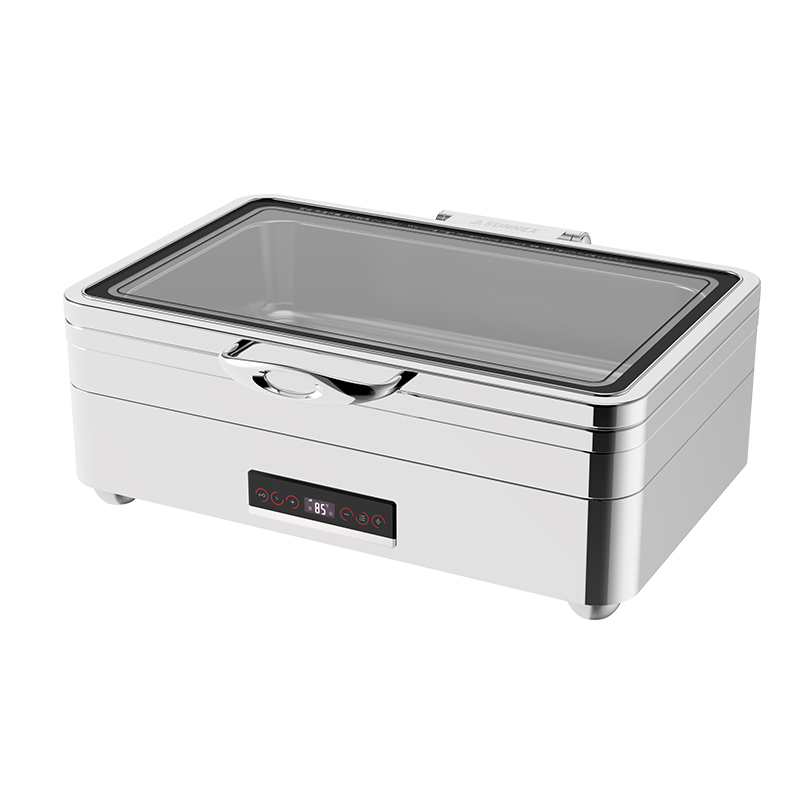
For organizations evaluating permanent equipment, Electric Chafing Dishes-W20 delivers the reliability and performance that professional catering demands. While not disposable, this unit represents the investment quality that high-volume users require for consistent service delivery across countless events.
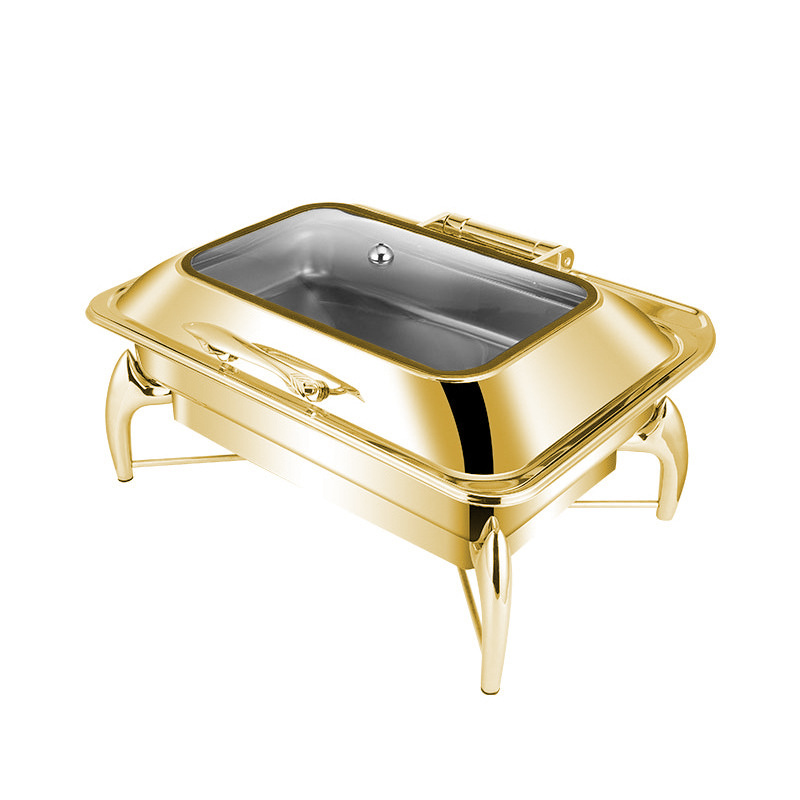
Alcohol Heated Gold-Plated Stainless Steel Buffet Chafing Dish
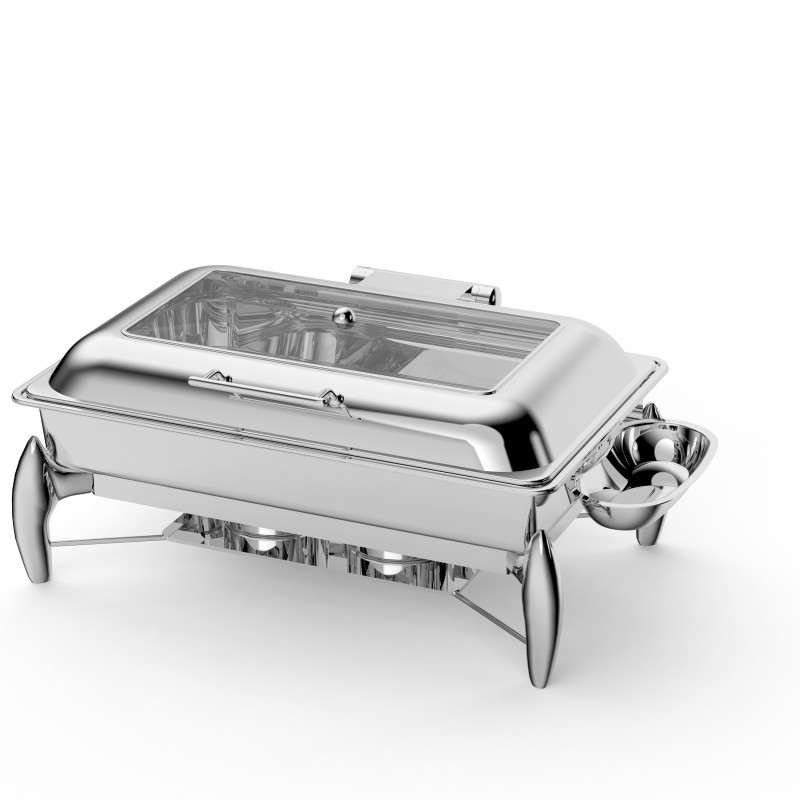
Alcohol Heated Gold-Plated Stainless Steel Buffet Chafing Dish combines commercial-grade construction with practical features that simplify operation and maintenance. The durable design handles frequent use while maintaining the appearance that upscale events require. Consider this unit for organizations transitioning from occasional event catering to regular service programs.
Making Your Selection
Disposable chafing dishes serve specific needs that make them ideal for particular event types and organizational situations. Evaluate your actual requirements honestly, considering event frequency, storage capacity, labor availability, and environmental priorities when making purchasing decisions. The right choice aligns with your operational reality rather than theoretical ideals.
For one-time events or organizations without catering infrastructure, disposables provide the convenience that justifies their cost. The elimination of post-event cleaning and equipment storage concerns often outweighs the per-event cost premium that disposables command. Plan fuel quantities carefully to ensure adequate warming throughout your event duration.
Organizations running regular catering operations typically find reusable equipment more economical despite the ongoing maintenance requirements. The initial investment in quality reusable units pays dividends across many events, while consistent equipment familiarity simplifies staff training and service execution.
Related Articles
Electric Buffet Warmer with Adjustable Thermostat for Restaurants
Discover the best Electric Buffet Warmer with Adjustable Thermostat for Restaurants solutions. Real ...
Mini Chafing Dish for Breakfast Buffet & Condiment Stations
Discover the best Mini Chafing Dish for Breakfast Buffet & Condiment Stations solutions. Real case s...
9QT Extra-Large Chafing Dish for Large-Scale Banquet Events
Discover the best 9QT Extra-Large Chafing Dish for Large-Scale Banquet Events solutions. Real case s...
Wall-Mounted Buffet Stove for Space-Saving Kitchen Layouts
Discover the best Wall-Mounted Buffet Stove for Space-Saving Kitchen Layouts solutions. Real case st...

Stainless Steel Food Warmer for Supermarket Deli Departments
Discover the best Stainless Steel Food Warmer for Supermarket Deli Departments solutions. Real case ...
Commercial Chafer Dish with Temperature Control for Food Safety
Discover the best Commercial Chafer Dish with Temperature Control for Food Safety solutions. Real ca...