
Disposable vs. Reusable Chafing Dishes: Pros & Cons
The choice between disposable and reusable chafing dishes affects event economics, environmental impact, operational logistics, and presentation quality in ways that deserve careful evaluation. Both options serve the same fundamental function but impose dramatically different constraints on how catering operations function. Understanding the full implications of each approach enables decisions that align with your specific operational priorities.
Understanding the Options
Reusable chafing dishes are permanent equipment constructed from durable materials designed for repeated use across hundreds of events. These units require cleaning, maintenance, and storage investment but provide long-term service when properly cared for. The initial purchase represents a capital investment that distributes across many uses.
Disposable chafing dishes use lightweight materials designed for single or limited use before disposal. These units eliminate cleaning and storage requirements entirely, shifting costs from capital investment to per-event consumable expenses. The logistics of disposal create their own operational considerations that require planning.
Hybrid options combining disposable components with reusable hardware attempt to capture benefits of both approaches. Understanding where each material component falls on the disposable-reusable spectrum helps evaluate these middle-ground alternatives honestly.
Comparison: Disposable vs. Reusable Chafing Dishes
| Factor | Disposable Chafing Dishes | Reusable Chafing Dishes |
|---|---|---|
| Upfront Cost | Low initial investment; pay per event | Higher initial purchase; cost spreads over many events |
| Per-Event Cost | Recurring consumable expense per event | Minimal consumables (liners); lower long-term cost |
| Cleaning Required | None; discard after use | Full cleaning after each event; labor intensive |
| Storage Needs | Minimal; no long-term storage required | Significant storage space for all equipment |
| Environmental Impact | Waste generated; not recyclable in most cases | Lower waste; equipment lasts years with proper care |
| Presentation Quality | Basic appearance; suitable for casual events | Professional appearance; elevates event quality perception |
| Durability | Single use; not designed for longevity | Years of service with proper maintenance |
| Logistics | Order, receive, use, dispose; simple cycle | Transport, set up, clean, store, retrieve; complex cycle |
Cost Analysis Over Time
Disposable chafing dish costs accumulate predictably based on event frequency and unit count per event. The per-use cost remains relatively stable regardless of how many times equipment would have been reusable, creating straightforward budgeting that some operations prefer for financial predictability.
Reusable equipment costs concentrate in the initial purchase period, then diminish to cleaning supplies, maintenance, and eventual replacement. The cost per event drops significantly as usage accumulates, creating strong economics for high-volume catering operations that spread initial investment across many events.
Break-even analysis depends heavily on usage volume and the specific products under comparison. Operations comparing these options should calculate their specific cost per event under each approach rather than relying on general guidance that may not match their actual circumstances.
Operational Logistics Comparison
Disposable systems dramatically simplify logistics by eliminating post-event cleaning requirements. The disposable cycle involves ordering supplies, setting up during the event, then discarding units when service concludes. This simplicity reduces labor requirements and eliminates the cleaning infrastructure that reusable systems demand.
Reusable systems require cleaning facilities, cleaning supplies, and labor allocation for post-event cleanup. The time between events must accommodate cleaning and inspection processes that disposable systems eliminate entirely. This logistical complexity requires operational systems that smaller operations may lack.
Transportation considerations differ significantly between approaches. Disposable units ship as flat packaging that minimizes transport volume, while reusable equipment requires dedicated transport capacity for each unit. Events requiring extensive setup benefit from disposable logistics that minimize transport burden.
Environmental Considerations
Disposable equipment generates waste that reusable alternatives avoid entirely. The environmental cost of manufacturing, transporting, and disposing of single-use items accumulates with each event, creating a sustainability profile that increasingly conscious clients may question or reject.
Reusable equipment manufacturing impact occurs once and distributes across many uses, creating a per-use environmental burden far lower than disposable alternatives. The environmental advantage of reusable systems strengthens with usage volume, making high-frequency operations the clearest case for reusable equipment on environmental grounds.
Some disposable materials offer recycling pathways that reduce landfill impact, though these options require local infrastructure that may not exist everywhere. Verify actual disposal routes before assuming recycled disposable equipment represents environmentally responsible choices.
Event Type Suitability
Casual events with relaxed presentation expectations suit disposable equipment well, where the cost savings and logistics simplicity outweigh presentation considerations. Family gatherings, informal corporate events, and budget-sensitive occasions all accept disposable equipment without perception of compromise.
Formal events requiring elevated presentation quality demand reusable equipment that provides the professional appearance disposable alternatives cannot match. Weddings, executive functions, and high-stakes occasions all benefit from the quality perception that quality reusable equipment provides.
Large-scale events with extensive unit counts create logistical challenges for reusable equipment that disposable alternatives handle more easily. The scale of cleaning and transport requirements may make disposable options the only practical choice for events exceeding certain size thresholds.
Featured Chafing Dish Products
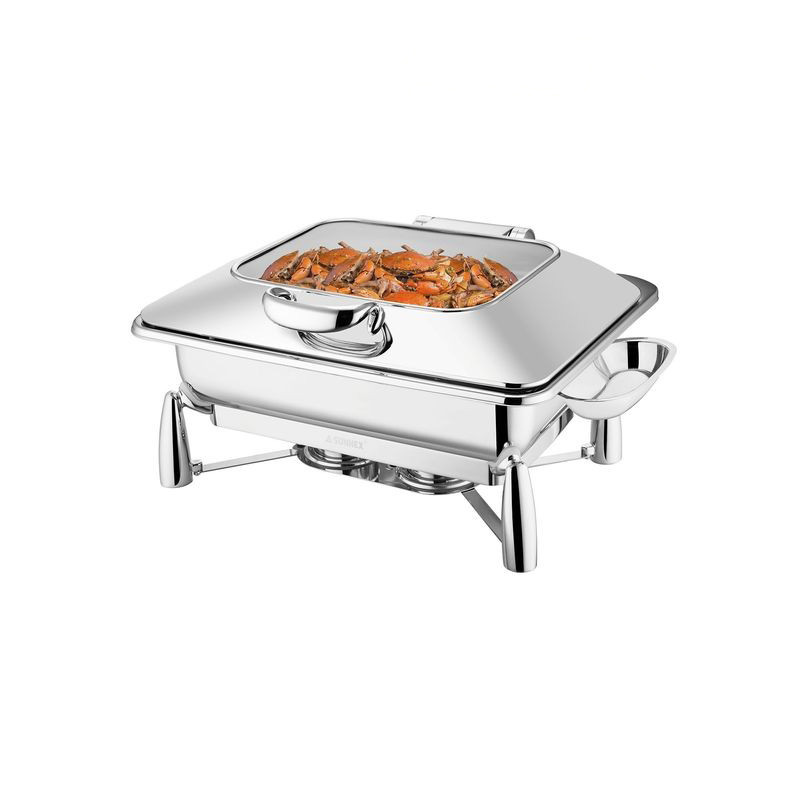
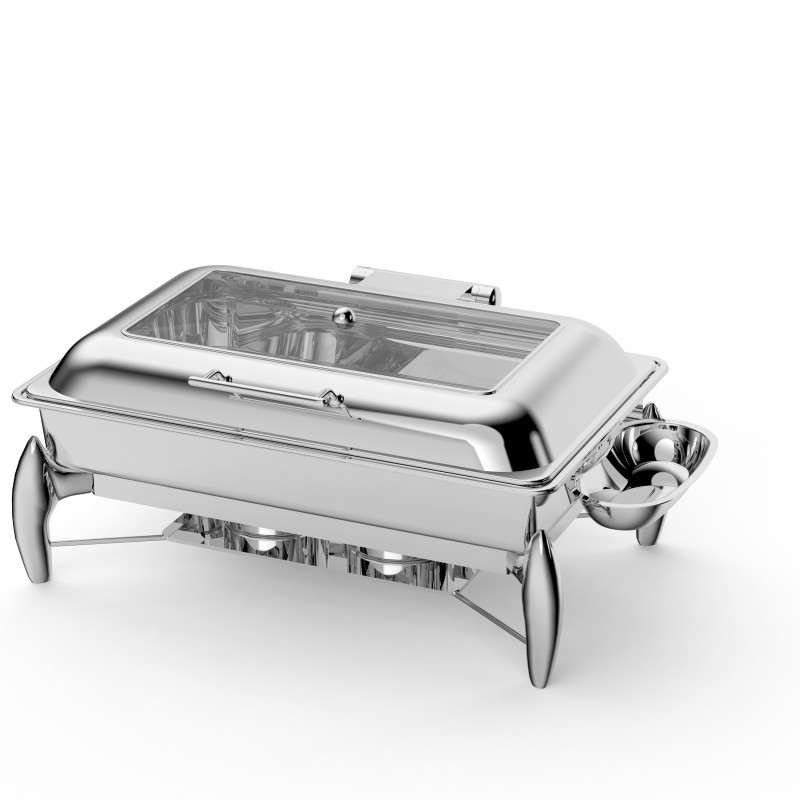
Alcohol Heated Chafing Dish + Utensil Tray
Alcohol Heated Chafing Dish + Utensil Tray provides the professional quality that reusable equipment demands. Constructed from durable materials designed for extended service life, this unit rewards the investment in reusable equipment with years of reliable performance.
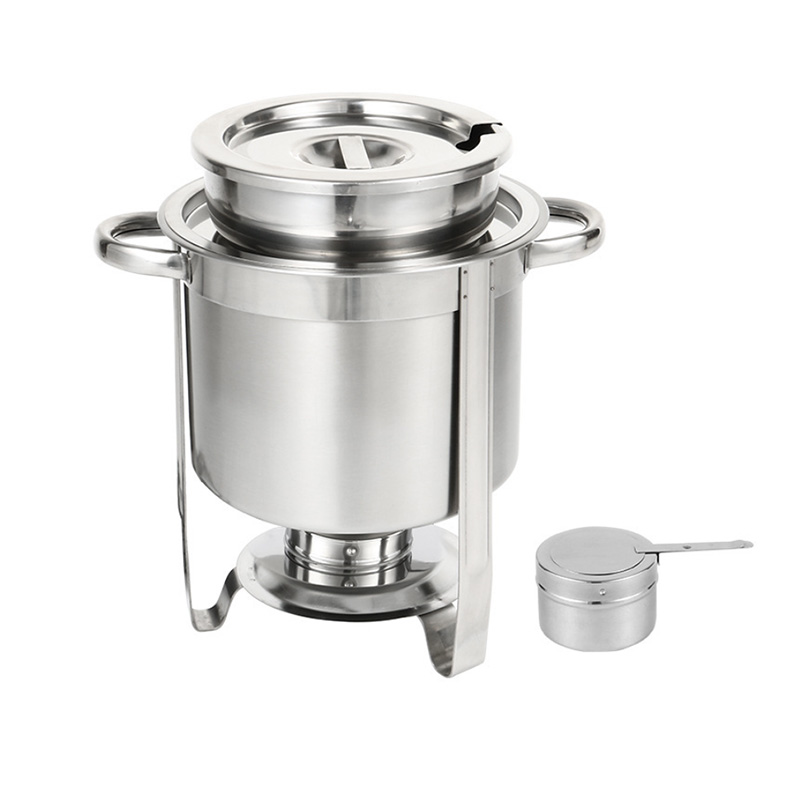
7L Stainless Steel Soup Pot
7L Stainless Steel Soup Pot represents the quality construction that professional catering requires from reusable equipment. The thoughtful engineering and durable materials ensure consistent performance event after event, justifying initial investment through long-term reliability.
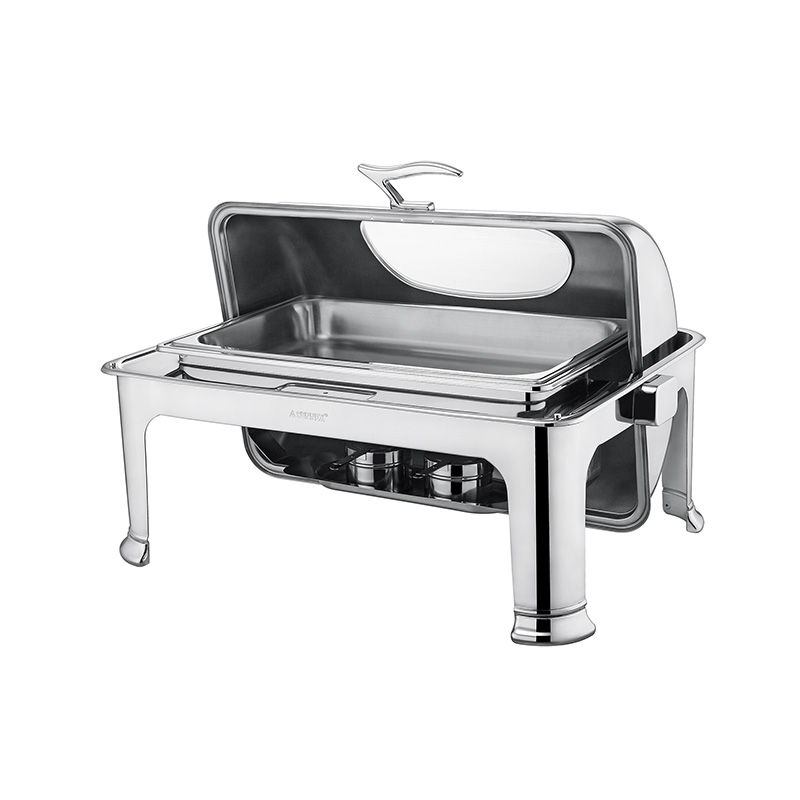
Covered Stainless Steel Alcohol Chafing Dish
Covered Stainless Steel Alcohol Chafing Dish delivers the professional standard that caterers depend on for reusable equipment applications. Superior materials and construction quality maintain appearance and function throughout years of demanding service.
Making the Right Choice
The disposable versus reusable decision ultimately reflects your operational priorities, event mix, and client expectations. Neither option universally outperforms the other; each serves different operational needs effectively. Analyze your specific circumstances to identify which approach provides the best balance for your catering business.
Many successful operations maintain both options, selecting equipment type based on individual event requirements. This flexibility provides the operational advantage of each approach without accepting the limitations of either. The additional inventory complexity often pays returns through better event matching.
Consider how your business is likely to evolve when making this decision. Rapidly growing operations may find reusable equipment cost advantages accumulate faster than initially expected, while businesses facing uncertain futures may prefer the flexibility that disposable options provide.
Related Articles
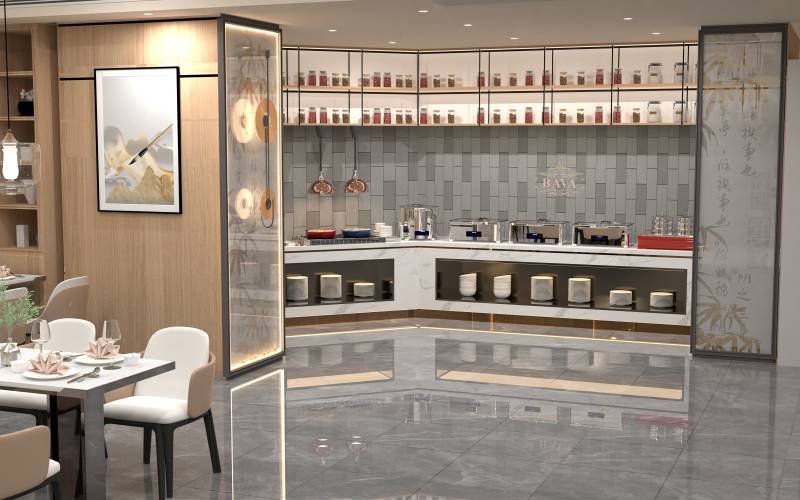
Electric Buffet Warmer with Adjustable Thermostat for Restaurants
Discover the best Electric Buffet Warmer with Adjustable Thermostat for Restaurants solutions. Real ...
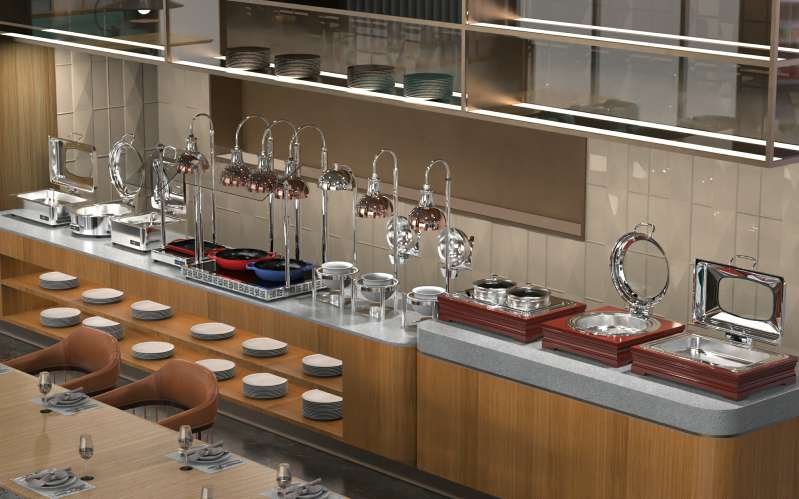
Mini Chafing Dish for Breakfast Buffet & Condiment Stations
Discover the best Mini Chafing Dish for Breakfast Buffet & Condiment Stations solutions. Real case s...
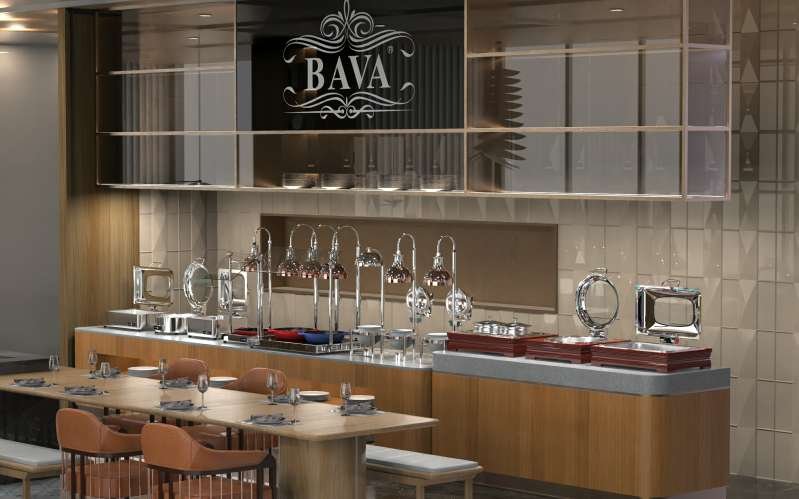
9QT Extra-Large Chafing Dish for Large-Scale Banquet Events
Discover the best 9QT Extra-Large Chafing Dish for Large-Scale Banquet Events solutions. Real case s...
Wall-Mounted Buffet Stove for Space-Saving Kitchen Layouts
Discover the best Wall-Mounted Buffet Stove for Space-Saving Kitchen Layouts solutions. Real case st...

Stainless Steel Food Warmer for Supermarket Deli Departments
Discover the best Stainless Steel Food Warmer for Supermarket Deli Departments solutions. Real case ...
Commercial Chafer Dish with Temperature Control for Food Safety
Discover the best Commercial Chafer Dish with Temperature Control for Food Safety solutions. Real ca...