
Disposable Chafing Dishes for Catering: Time-Saving Solutions
Catering operations efficiency directly affects profitability in an industry where margins depend on executing multiple events successfully within tight timeframes. Disposable chafing dishes offer time-saving advantages that streamline catering workflows, from initial preparation through final cleanup. Understanding how disposable options reduce operational time investment helps catering businesses optimize their service delivery while maintaining the quality standards that clients expect.
Setup Time Reduction
Traditional chafing dish setup involves multiple component assembly steps that consume valuable preparation time during event countdowns. Frame assembly, water pan positioning, food pan placement, and lid configuration each require attention and effort that accumulate across multiple service stations. Disposable chafing dishes arrive as integrated units ready for immediate use, eliminating the assembly time that traditional equipment requires.
Pre-event preparation efficiency improves substantially with disposable formats that reduce the component gathering and verification that traditional setups demand. Catering teams spend less time ensuring that all necessary components are present and properly matched, with disposable units providing complete functionality in a single package. This preparation simplification reduces the pre-event stress that incomplete or mismatched equipment creates.
Setup consistency improves when equipment arrives in standardized configurations rather than requiring the judgment calls that mixed component assemblies involve. Teams work faster when they know exactly what to expect from each unit, with the predictable setup pattern enabling efficient parallel preparation across multiple service stations. This consistency advantage compounds when events require numerous serving units.
Transportation and Handling Efficiency
Weight reduction with disposable equipment decreases the physical effort that transportation requires, with lighter loads enabling faster movement between vehicles and event spaces. Traditional metal chafing dishes add substantial weight to catering loads that increases handling time and effort throughout the logistics chain. Disposable alternatives reduce this burden significantly, accelerating both loading and unloading processes.
Packaging efficiency improves with disposable formats designed for compact transport that maximizes vehicle capacity utilization. Traditional equipment requires careful arrangement to prevent damage during transport, with padding and positioning consuming cargo space that disposable options can use more efficiently. The improved packing density reduces the number of trips required to deliver equivalent service capacity.
Damage concerns that slow handling with traditional equipment disappear with disposable formats designed for single-use applications. Teams can work faster without the careful handling that valuable equipment requires, with the reduced damage anxiety enabling more efficient movement and positioning. This handling efficiency advantage becomes particularly valuable during time-constrained event setups.
Cleanup Time Elimination
Post-event cleanup traditionally involves disassembly, washing, drying, and repacking that extends work hours long after guests depart. This cleanup phase consumes labor hours that affect both operational costs and staff scheduling flexibility. Disposable chafing dishes eliminate the washing and drying steps entirely, with units proceeding directly from service completion to disposal.
Water handling logistics that traditional chafing dishes require disappear with disposable formats that eliminate water pan management. Draining, transporting, and disposing of heated water consumes time and creates mess that extends cleanup duration. Disposable options sidestep this entire operational challenge, reducing both cleanup time and the complications that water handling creates.
Inventory management simplification extends beyond the event itself, with disposable formats eliminating the equipment tracking, storage organization, and condition monitoring that owned equipment requires. The post-event checklist shortens dramatically when equipment returns to inventory is removed from the process. This administrative simplification reduces overhead throughout the operational cycle.
Staffing Flexibility Benefits
Reduced setup complexity enables staffing flexibility that traditional equipment requirements would constrain. Simpler setup procedures allow less experienced team members to contribute effectively to preparation work that traditional equipment would require more skilled handling. This staffing flexibility helps catering businesses manage labor costs while maintaining service quality.
Training time reduction with disposable equipment accelerates team onboarding that traditional equipment would require more extensive preparation. New team members become productive faster when equipment procedures are straightforward rather than complex, reducing the training investment that expanding operations would otherwise require. The training efficiency advantage compounds as teams grow.
Post-event staffing requirements decrease with cleanup simplification that disposable equipment provides. Events that would require staff retention for equipment breakdown and washing can release teams earlier when disposable options eliminate these tasks. The reduced staffing duration affects both labor costs and staff scheduling flexibility for subsequent events.
Event Volume Capacity
Turnaround speed improvement with disposable equipment enables catering businesses to accept more events within given timeframes. When setup and cleanup consume less time per event, the operational capacity for events increases without proportional increases in equipment inventory or staff hours. This capacity expansion potential represents a significant business advantage for growing catering operations.
Same-day multiple events become more feasible when equipment management between events requires less time and effort. Catering businesses can schedule events closer together when the transition between events consumes fewer operational resources. This scheduling flexibility expands business opportunities that equipment-intensive approaches would constrain.
Emergency or last-minute event accommodation improves when equipment preparation requirements are minimal. Disposable chafing dishes stored as backup inventory enable rapid response to unexpected opportunities that traditional equipment preparation would not support. This responsiveness advantage creates competitive differentiation that can generate additional business.
Featured Chafing Dish Products

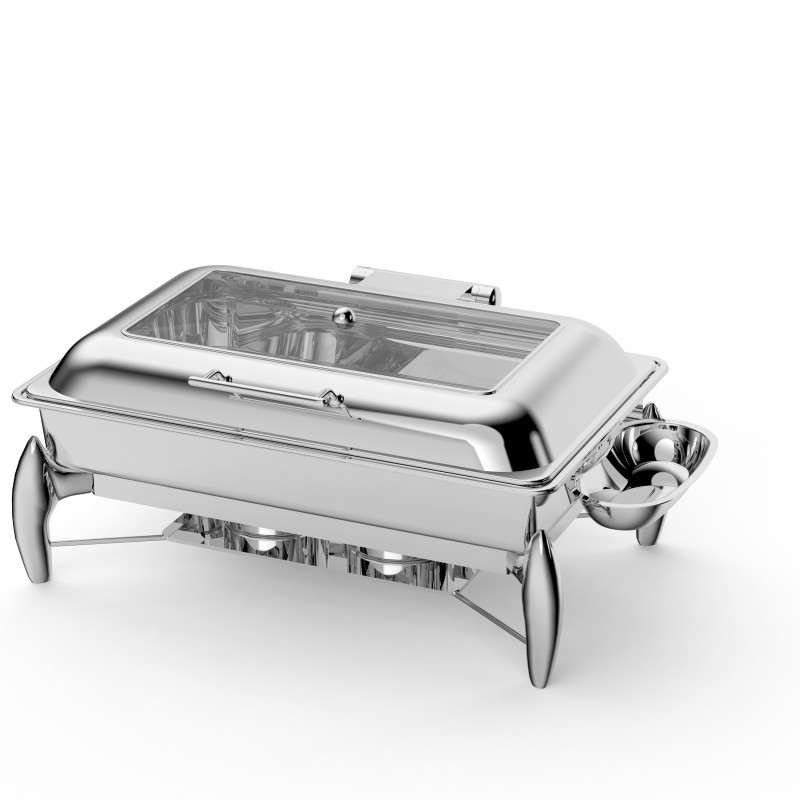
Stainless Steel Alcohol Fuel Buffet Chafing Dish
Stainless Steel Alcohol Fuel Buffet Chafing Dish represents the quality standard that catering professionals should expect from equipment across all categories. When evaluating disposable options, using this quality benchmark helps ensure that time-saving benefits do not compromise the service quality that catering reputation depends upon.
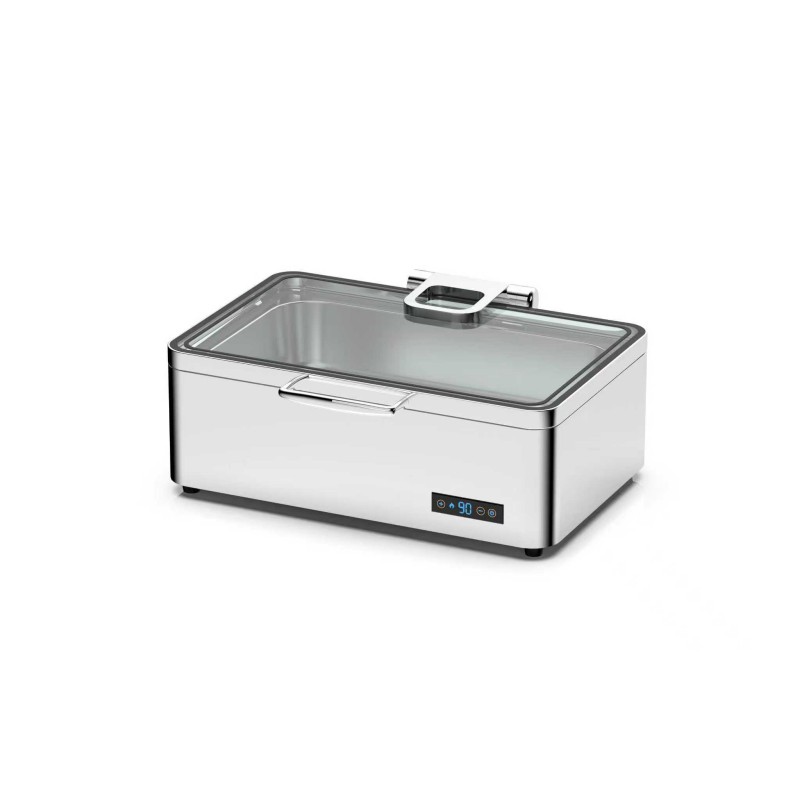
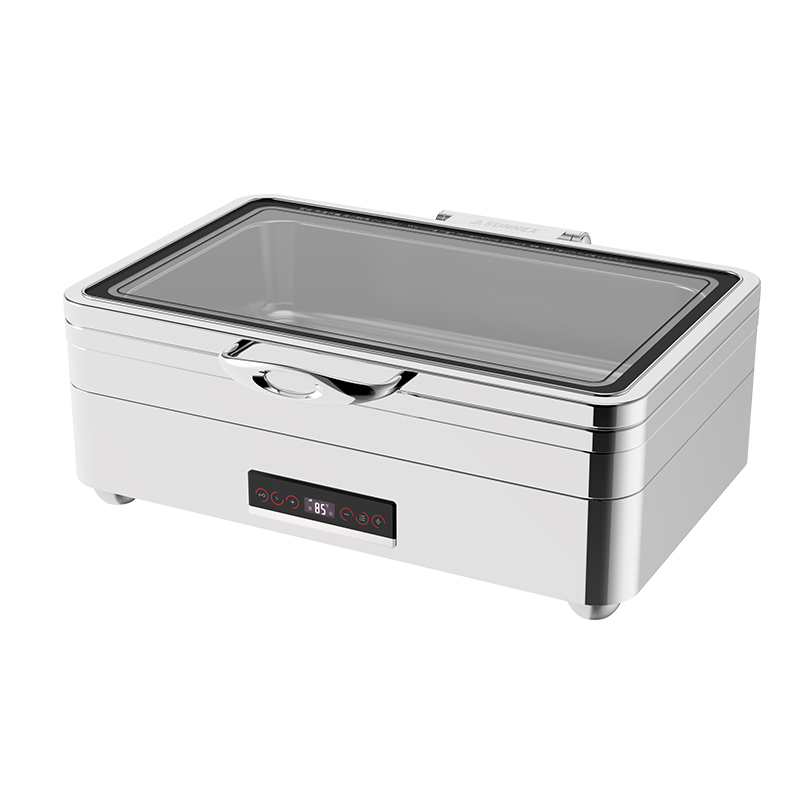
Electric Chafing Dish-BA
Electric Chafing Dish-BA provides the reliable construction and performance that catering operations require for consistent success. These quality standards inform disposable equipment evaluation, ensuring that operational efficiency gains do not sacrifice the functional performance that professional service demands.
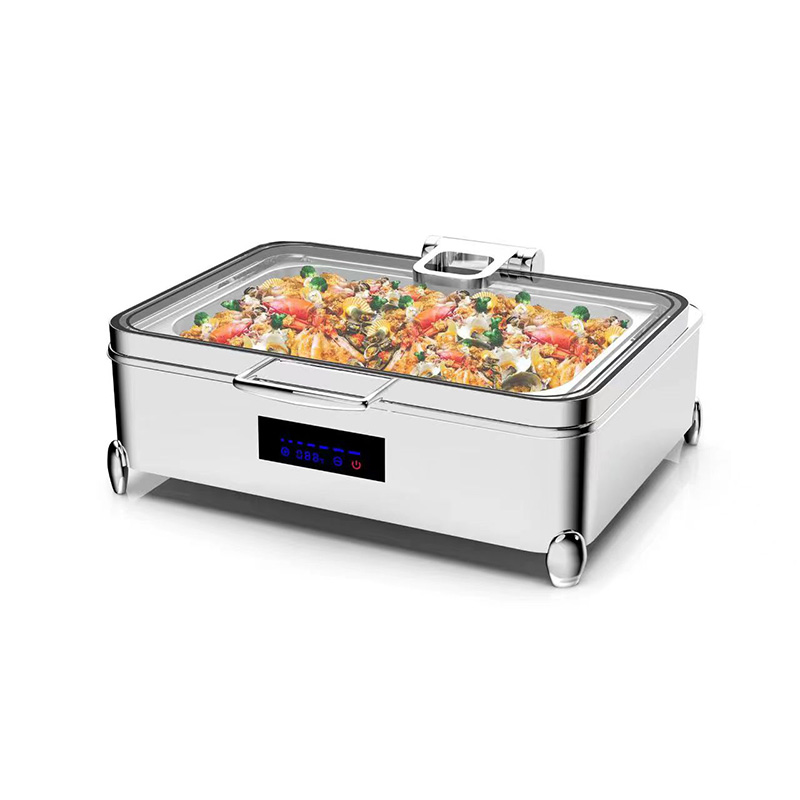
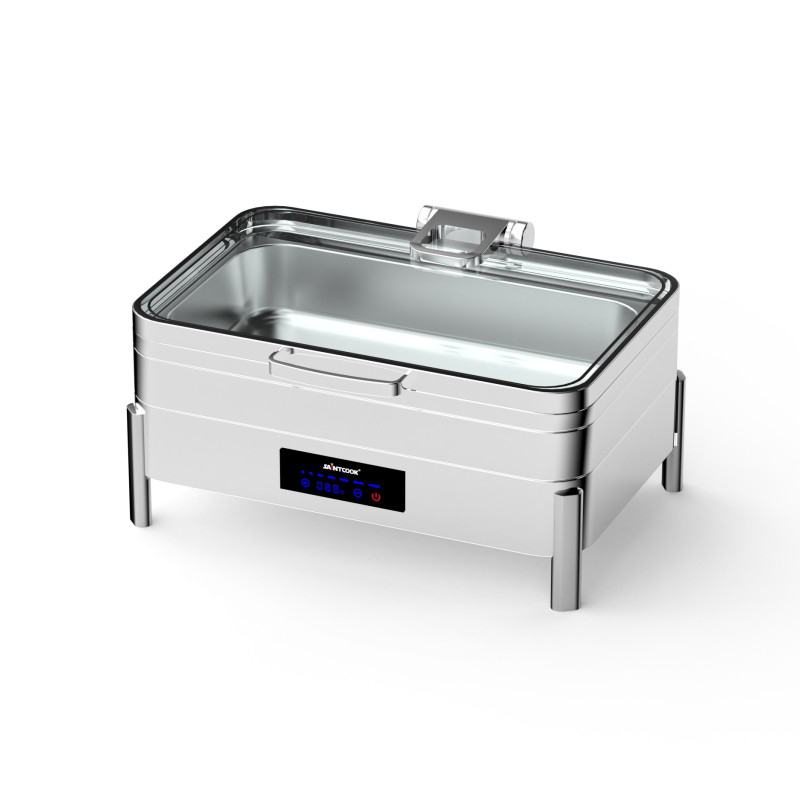
Electric Chafing Dish Food Warmer
Electric Chafing Dish Food Warmer demonstrates the engineering quality that professional catering depends upon for reliable event execution. Understanding these standards helps businesses evaluate whether disposable options genuinely support their operational needs without introducing the compromises that would affect service quality.
Strategic Implementation
Hybrid approaches combining disposable and traditional equipment can optimize time savings while maintaining quality where it matters most. High-visibility serving stations might use traditional equipment for presentation quality, while back-of-house warming uses disposable formats for efficiency. This strategic deployment maximizes the benefits that both equipment types provide.
Cost-benefit analysis should account for the complete operational impact that time savings create, including labor costs, opportunity costs, and business capacity effects. The apparent cost premium of disposable equipment often disappears when comprehensive time-value analysis reveals the hidden savings that operational efficiency generates. Total operational cost comparison provides more accurate guidance than equipment cost comparison alone.
Environmental considerations increasingly influence equipment decisions, with some markets and clients prioritizing sustainable practices that disposable equipment challenges. Understanding the environmental tradeoffs enables informed decisions that balance operational efficiency against sustainability commitments. Some manufacturers offer biodegradable or recyclable disposable options that address environmental concerns while maintaining time-saving advantages.
Related Articles
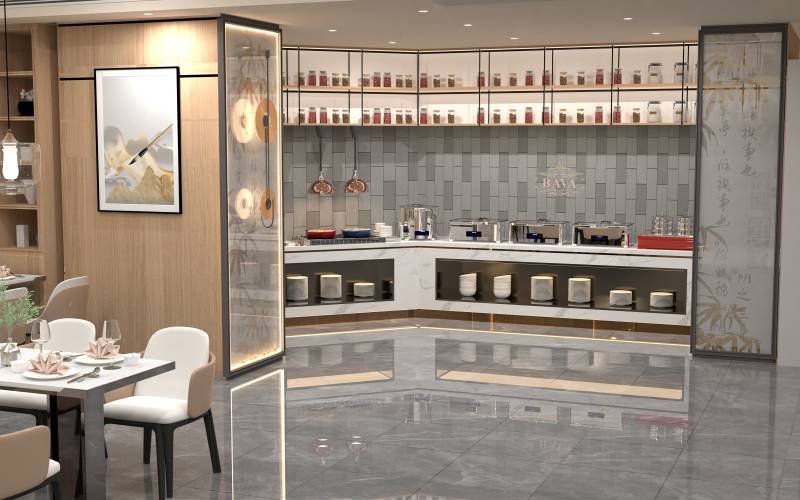
Electric Buffet Warmer with Adjustable Thermostat for Restaurants
Discover the best Electric Buffet Warmer with Adjustable Thermostat for Restaurants solutions. Real ...
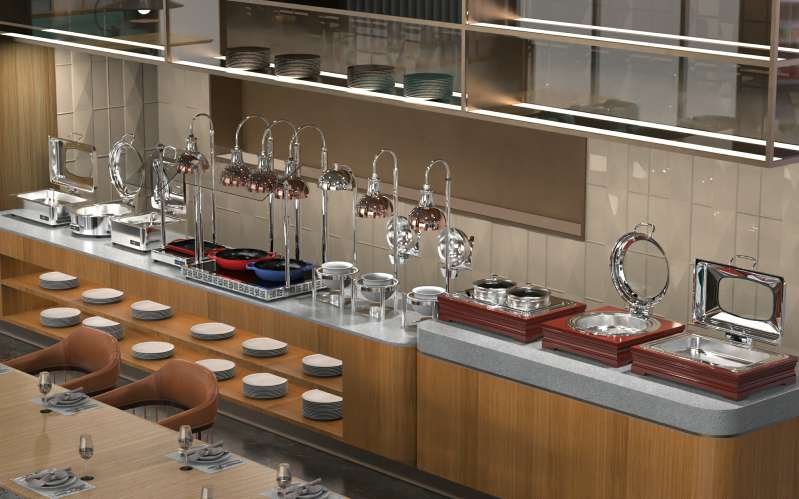
Mini Chafing Dish for Breakfast Buffet & Condiment Stations
Discover the best Mini Chafing Dish for Breakfast Buffet & Condiment Stations solutions. Real case s...
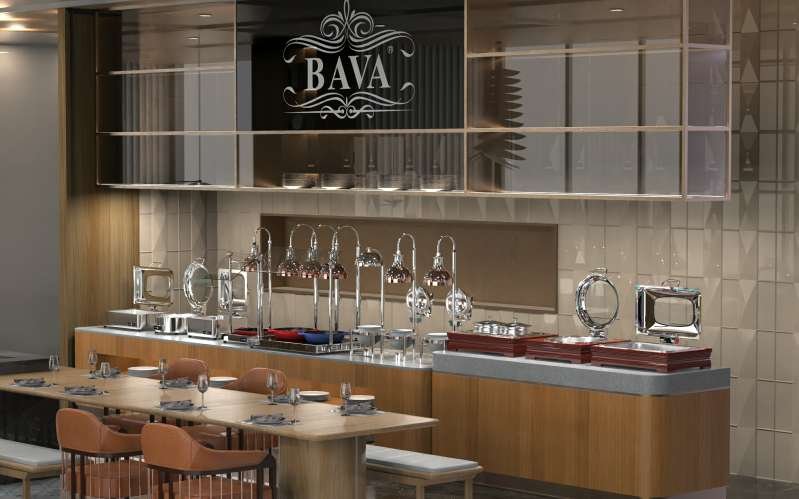
9QT Extra-Large Chafing Dish for Large-Scale Banquet Events
Discover the best 9QT Extra-Large Chafing Dish for Large-Scale Banquet Events solutions. Real case s...
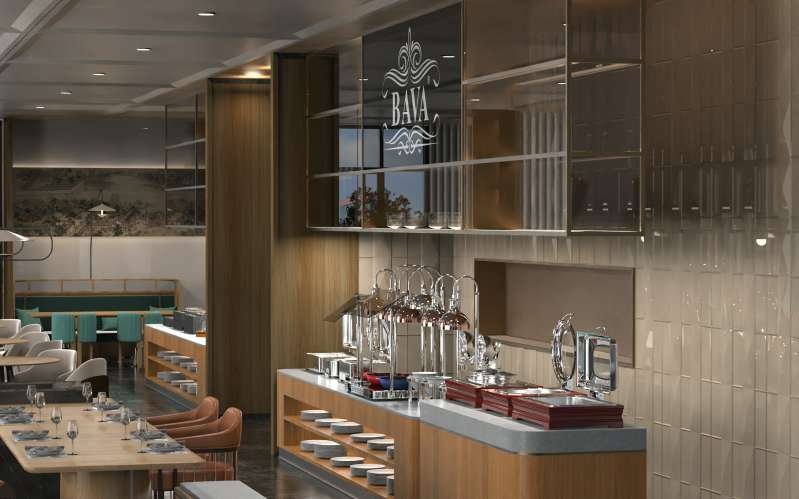
Wall-Mounted Buffet Stove for Space-Saving Kitchen Layouts
Discover the best Wall-Mounted Buffet Stove for Space-Saving Kitchen Layouts solutions. Real case st...

Stainless Steel Food Warmer for Supermarket Deli Departments
Discover the best Stainless Steel Food Warmer for Supermarket Deli Departments solutions. Real case ...
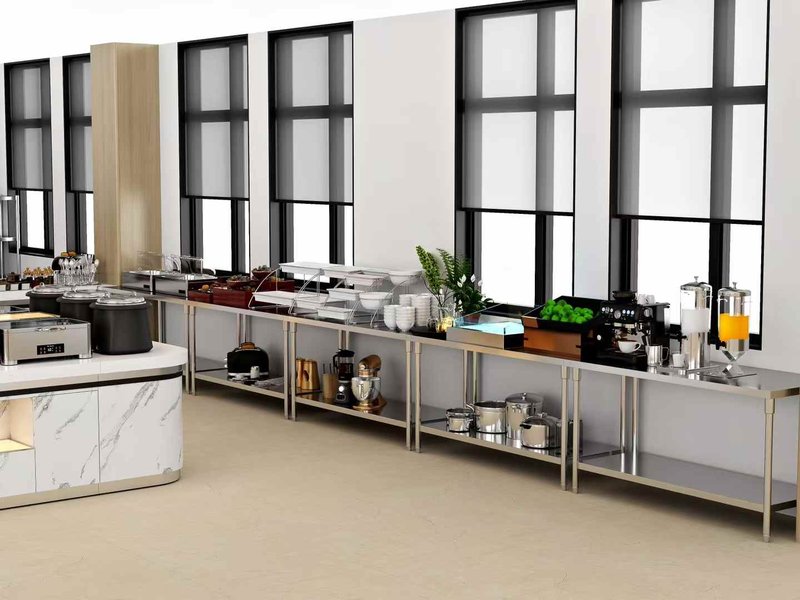
Commercial Chafer Dish with Temperature Control for Food Safety
Discover the best Commercial Chafer Dish with Temperature Control for Food Safety solutions. Real ca...