
Stainless Steel vs. Aluminum Chafing Dishes: Which Lasts Longer?
Material selection fundamentally determines how chafing dishes perform over time, affecting durability, maintenance requirements, and long-term value. The choice between stainless steel and aluminum construction creates tradeoffs that impact every aspect of equipment ownership, from initial purchase through eventual replacement. Understanding these differences helps operators make investments that deliver lasting returns.
Material Properties Overview
Stainless steel is an iron-based alloy containing chromium that creates a protective oxide layer resisting corrosion and staining. This surface protection makes stainless steel exceptionally suitable for food service applications where cleanliness and appearance matter. The material resists the corrosion that acidic foods and repeated cleaning cycles impose on lesser metals.
Aluminum is a lightweight metal valued for its thermal conductivity and ease of handling. The metal heats quickly and distributes warmth evenly across surfaces, making it attractive for applications where rapid temperature response matters. However, aluminum lacks the corrosion resistance that stainless steel provides naturally.
Both materials see use in commercial food equipment, with each excelling in applications suited to its properties. Chafing dishes represent one of the many equipment categories where this material choice creates different ownership experiences.
Comparison: Stainless Steel vs. Aluminum Chafing Dishes
| Property | Stainless Steel | Aluminum |
|---|---|---|
| Corrosion Resistance | Excellent; chromium oxide layer protects naturally | Poor; reacts with acids and moisture; requires coating |
| Durability | Exceptional; resists dents, scratches, and deformation | Moderate; dents easily; warps under thermal stress |
| Weight | Heavier; 2.5x heavier than aluminum equivalent | Lightweight; easier to handle and transport |
| Thermal Conductivity | Lower; heats more slowly but maintains steady temperature | High; heats quickly with even distribution |
| Maintenance | Simple; tolerates harsh cleaners; resists staining | Requires care; harsh cleaners damage protective coating |
| Lifespan | 10-20+ years with proper care | 3-7 years before significant degradation |
| Initial Cost | Higher; premium material and manufacturing costs | Lower; economical material and simpler production |
| Long-Term Value | Better; cost per year of service is lower despite higher initial cost | Lower; replacement costs accumulate over time |
Corrosion and Material Degradation
Stainless steel's chromium oxide layer regenerates when damaged, providing ongoing corrosion protection that maintains surface integrity throughout the equipment's service life. This self-repairing characteristic means stainless steel equipment improves its corrosion resistance over time as the protective layer develops and stabilizes.
Aluminum's vulnerability to acidic foods creates particular challenges for food service applications where tomato-based sauces, citrus presentations, and vinegar-containing dressings contact surfaces. These foods accelerate aluminum corrosion, creating pitting and surface degradation that worsens with repeated exposure. Anodized or coated aluminum resists this damage but adds cost and may wear through over time.
Water mineral content affects both materials differently. Hard water creates scale deposits on stainless steel that cleaning removes, while aluminum suffers pitting corrosion in areas where mineral deposits concentrate. The ongoing maintenance burden differs significantly between materials even when exposed to identical water conditions.
Structural Integrity Over Time
Stainless steel maintains its original shape and structural integrity through years of thermal cycling, impact exposure, and repeated use. The material's strength resists the denting and deformation that aluminum accumulates through normal service. Equipment appearance and function remain stable over extended ownership periods.
Aluminum softens and weakens under repeated heating, creating warping that affects lid fit, heating efficiency, and overall appearance. The thermal expansion and contraction cycles gradually distort aluminum components, creating gaps and misalignments that impair function and increase heat loss.
Dent resistance represents a significant practical difference in daily use. The heavier gauge stainless steel units resist the impacts that bend aluminum, maintaining their appearance through the jostling and handling that catering equipment routinely experiences. This durability translates directly to maintained appearance quality over time.
Maintenance Requirements
Stainless steel tolerates the full range of commercial cleaning agents without surface damage, enabling the aggressive sanitation protocols that food safety regulations require. The material responds well to scouring, chemical cleaners, and high-temperature washing that would damage aluminum's protective surfaces.
Aluminum requires gentler cleaning approaches that avoid abrasive scouring and harsh chemical cleaners. The protective coatings that enable aluminum's corrosion resistance can be stripped by aggressive cleaning, creating maintenance constraints that complicate food safety compliance in demanding service environments.
The time investment in cleaning differs significantly between materials. Stainless steel's stain resistance means less scrubbing to maintain appearance, while aluminum's vulnerability to marking and staining creates cleaning tasks that stainless steel avoids. Over years of ownership, this maintenance difference accumulates to significant time savings.
Heat Performance Characteristics
Aluminum's rapid thermal response provides advantages in specific scenarios where quick heating matters. The metal's conductivity ensures even heat distribution across water bath surfaces, reducing the hot spots that create uneven cooking or holding conditions. This performance characteristic suits high-turnover service environments.
Stainless steel's slower heating actually provides advantages in temperature stability, where the thermal mass maintains consistent temperatures despite fluctuations in heating input. Once at operating temperature, stainless steel's thermal stability provides more consistent food holding conditions throughout service.
For typical buffet service durations, both materials provide adequate heating performance. The thermal performance differences matter most in specialized applications where rapid temperature changes or extreme temperature stability affect food quality noticeably.
Featured Chafing Dish Products

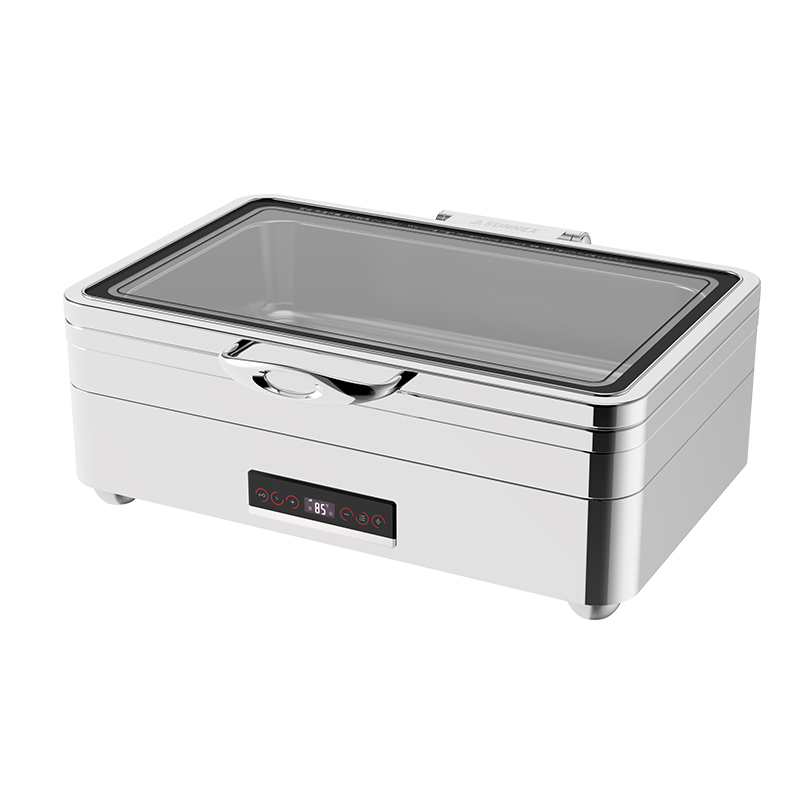
Electric Chafing Dishes-W20
Electric Chafing Dishes-W20 delivers the lasting quality that stainless steel construction provides. The professional-grade materials maintain appearance and function through years of demanding service, justifying the investment premium with superior long-term value.
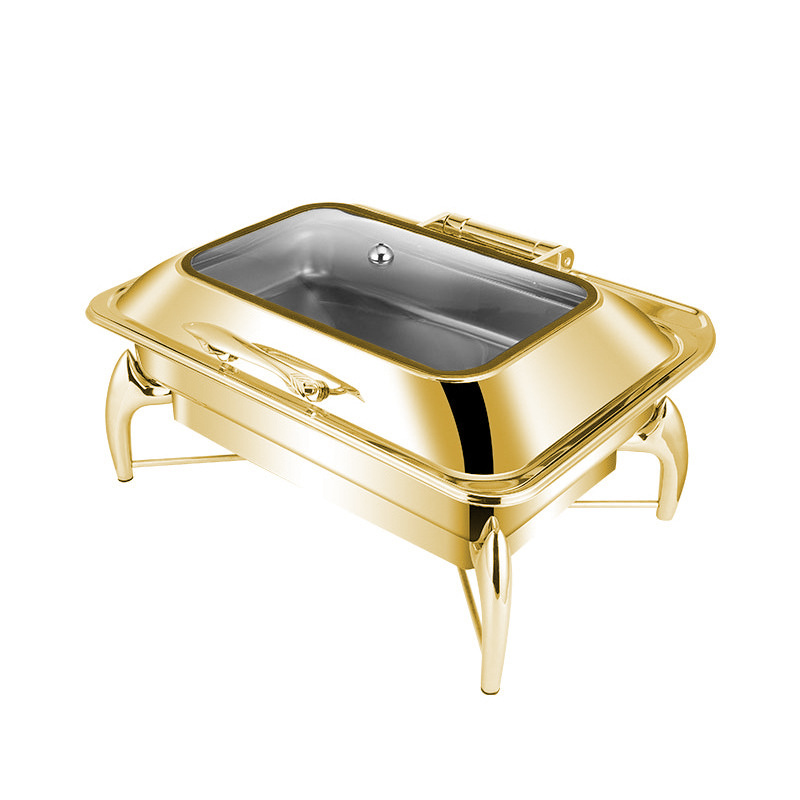
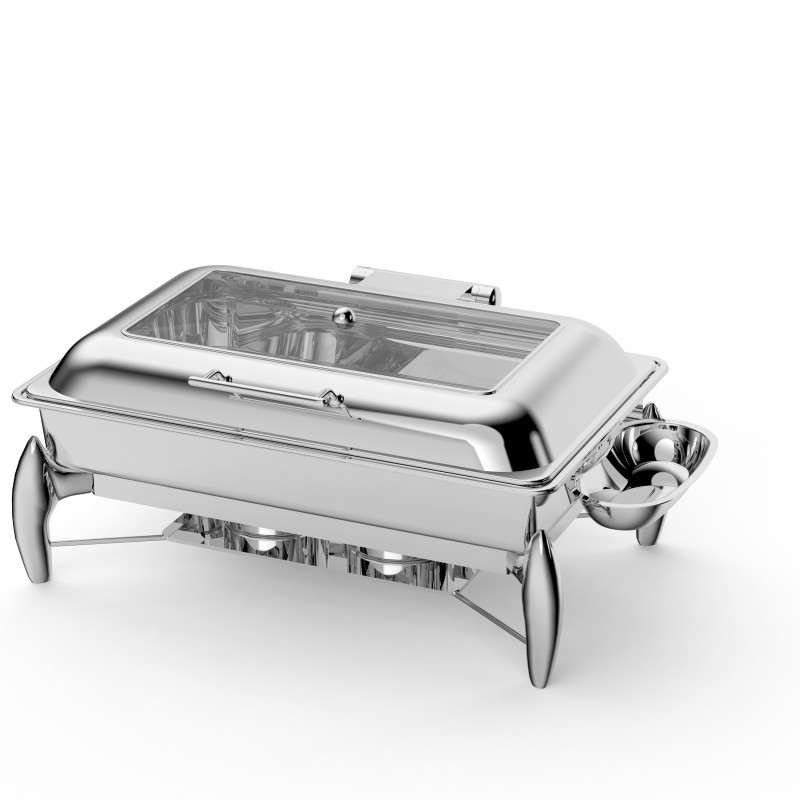
Alcohol Heated Gold-Plated Stainless Steel Buffet Chafing Dish
Alcohol Heated Gold-Plated Stainless Steel Buffet Chafing Dish represents the quality engineering that professional catering demands. The durable construction ensures reliable performance event after event, with corrosion resistance that protects your investment through extended service life.
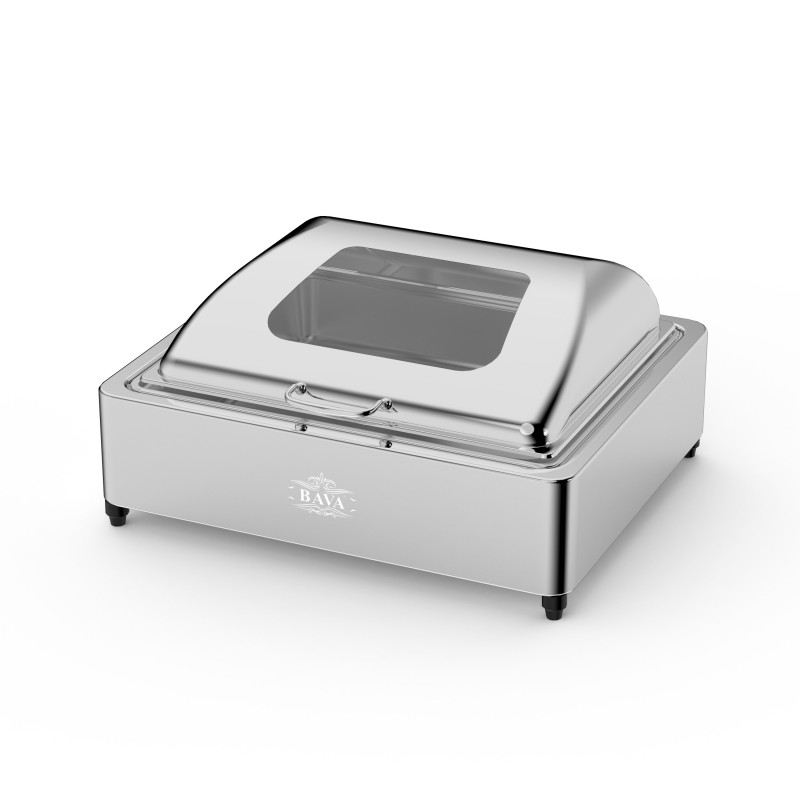
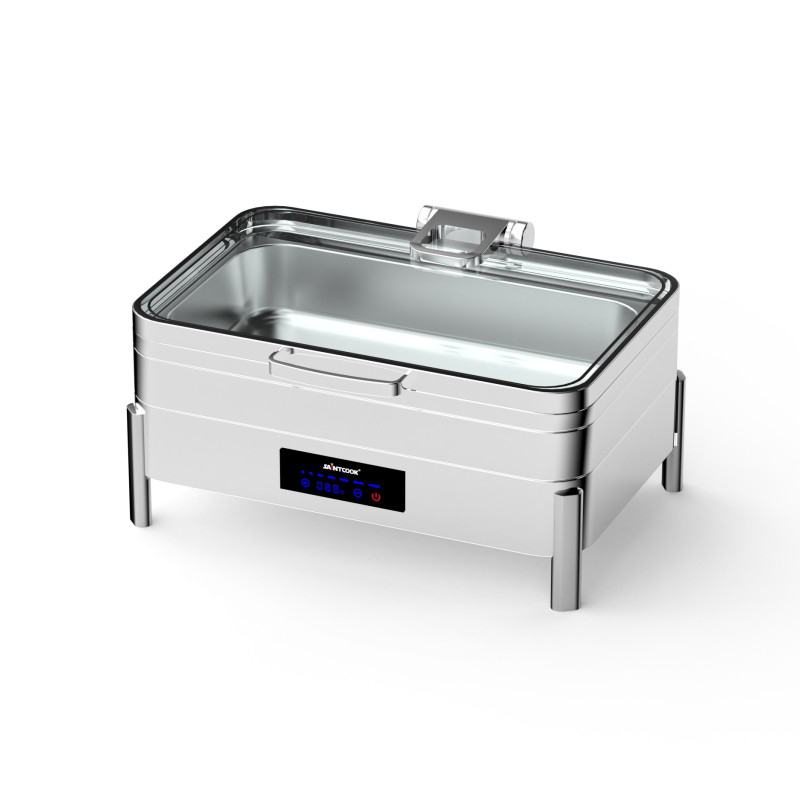
Electric Chafing Dishes-StoveMaster Series
Electric Chafing Dishes-StoveMaster Series provides the professional standard that caterers rely on for lasting performance. Quality materials and construction ensure this equipment serves reliably through years of continuous use, delivering value that justifies initial investment.
Investment Decision Framework
The material choice affects not just initial purchase price but the total cost of ownership over the equipment's service life. When calculated properly, stainless steel's higher initial cost often produces lower total cost due to extended service life and reduced maintenance requirements. The math becomes more favorable for stainless steel as usage volume increases.
Consider how equipment intensity matches your operational patterns. High-volume operations benefit most from stainless steel's durability, where the cost-per-event advantage compounds with each use. Lower-volume operations may find aluminum's lower initial cost more attractive despite the eventual replacement costs.
Appearance maintenance matters for operations where equipment presentation affects client perception. Stainless steel's ability to maintain its appearance through years of use protects the professional image that quality equipment projects, while aluminum's tendency to show wear may undermine that perception over time.
Related Articles
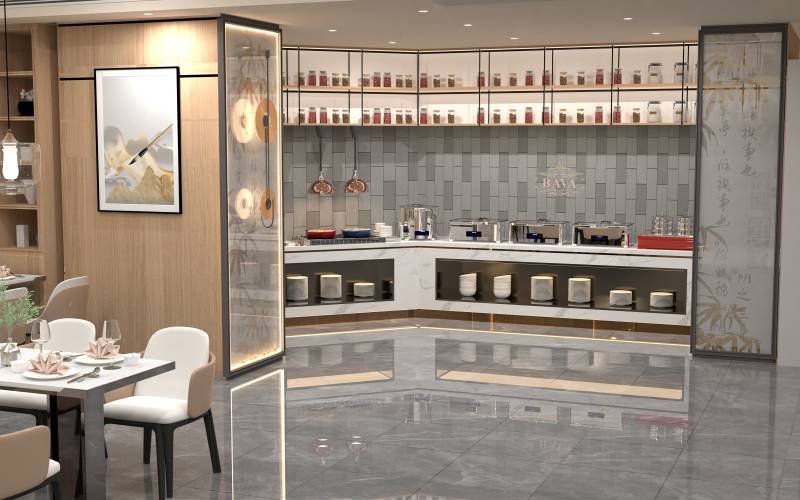
Electric Buffet Warmer with Adjustable Thermostat for Restaurants
Discover the best Electric Buffet Warmer with Adjustable Thermostat for Restaurants solutions. Real ...
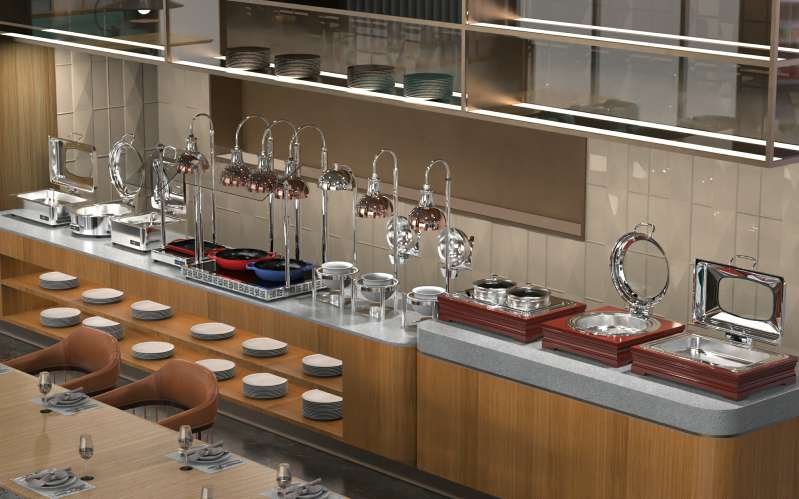
Mini Chafing Dish for Breakfast Buffet & Condiment Stations
Discover the best Mini Chafing Dish for Breakfast Buffet & Condiment Stations solutions. Real case s...
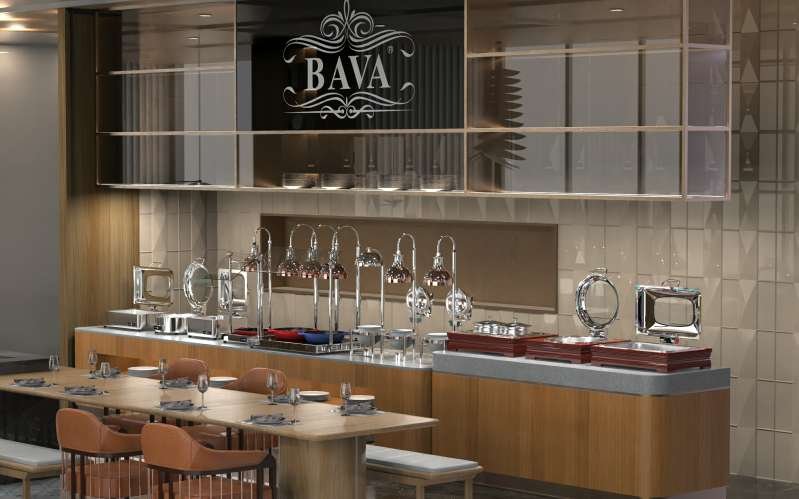
9QT Extra-Large Chafing Dish for Large-Scale Banquet Events
Discover the best 9QT Extra-Large Chafing Dish for Large-Scale Banquet Events solutions. Real case s...
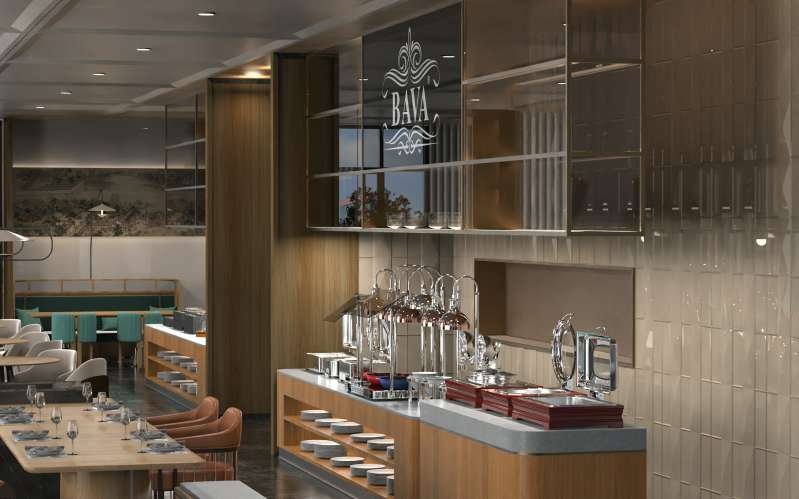
Wall-Mounted Buffet Stove for Space-Saving Kitchen Layouts
Discover the best Wall-Mounted Buffet Stove for Space-Saving Kitchen Layouts solutions. Real case st...
Stainless Steel Food Warmer for Supermarket Deli Departments
Discover the best Stainless Steel Food Warmer for Supermarket Deli Departments solutions. Real case ...
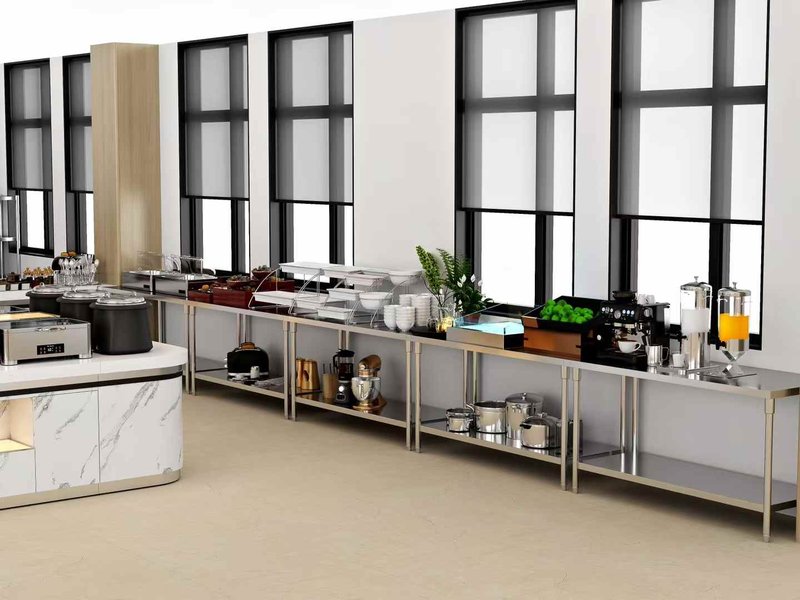
Commercial Chafer Dish with Temperature Control for Food Safety
Discover the best Commercial Chafer Dish with Temperature Control for Food Safety solutions. Real ca...