
Roll Top vs. Lift Off Chafing Dishes: Key Differences
Lid style defines much of the chafing dish user experience, affecting serving efficiency, heat retention, and the workflow of buffet service. The choice between roll-top and lift-off lid designs creates tradeoffs that manifest in daily operational patterns, making this decision more consequential than its apparent simplicity suggests. Understanding the functional differences between these lid types helps operators select equipment that matches their service style.
Roll-Top Lid Mechanics
The roll-top lid slides along a track from the back of the unit to rest above the front edge, providing full access to the food pan while the lid rests in its open position. This sliding mechanism requires no lifting and maintains lid position without additional support, enabling single-handed operation once the slide begins. The lid stays with the unit during service, eliminating the storage challenge that separate lid pieces create.
The track system that guides roll-top lid movement can accumulate food debris over time, requiring periodic cleaning to maintain smooth operation. This maintenance requirement increases with use frequency and the types of food being served, with saucy or sticky items creating more debris than dry presentations. Keeping tracks clean prevents the sticking and binding that debris causes.
Roll-top lids provide partial insulation even in the open position, as the lid's mass creates a thermal barrier that reduces heat loss from the open side. This passive insulation advantage helps maintain food temperature during active service when lids are open for extended periods.
Comparison: Roll-Top vs. Lift-Off Chafing Dishes
| Feature | Roll-Top Lid | Lift-Off Lid |
|---|---|---|
| Operation | Slides open along track; single-hand operation possible | Lifts straight up and off; requires two hands and storage space |
| Heat Retention | Lid stays with unit; provides partial insulation when open | Lid removed entirely; full heat loss from open side during service |
| Lid Storage | Lid rests above unit; no separate storage needed | Must be set aside; creates clutter if not managed properly |
| Maintenance | Track requires periodic cleaning to prevent binding | Simple hinge mechanism; minimal maintenance required |
| Durability | Track and rollers can wear or break with heavy use | Simple mechanical design; fewer failure points |
| Space Required | Lid extends above unit; needs clearance above chafing dish | Needs nearby surface for lid placement during service |
| Service Speed | Fast transition between open and closed; efficient for busy service | Slower transition; lifting and setting aside takes more time |
| Cost | Generally higher; more complex mechanism | Generally lower; simpler mechanical design |
Lift-Off Lid Characteristics
The lift-off lid removes entirely from the unit when opened, requiring a nearby surface for placement during service. This design provides completely unobstructed access to the food pan, maximizing the opening available for serving and allowing the full pan area to be reached from any angle. The absence of a lid in the workspace eliminates any collision risk during busy serving periods.
Lift-off lids require two-handed operation for removal, which matters when staff need to serve food while managing other tasks. The separate lid storage also requires attention to prevent lid damage or loss, particularly in busy service environments where the lid might be set down in an inconvenient location.
The simplicity of the lift-off design provides reliability advantages, with fewer mechanical components that can fail or require adjustment. Hinges and simple attachment points maintain function reliably over years of use without the track maintenance that roll-top designs demand.
Service Efficiency Implications
High-volume service environments benefit from roll-top lid efficiency, where the single-handed operation and quick transition between states matters. The ability to maintain the lid above the unit eliminates the step of finding somewhere to place a removed lid, streamlining the serving workflow for experienced staff.
Lower-volume or formal service settings may prefer lift-off lids where the cleaner presentation and complete access outweigh efficiency considerations. The more deliberate pace of formal service means the efficiency difference matters less than the aesthetic and practical advantages lift-off designs provide.
Consider the typical serving pattern when choosing lid types. Continuous serving with frequent opening and closing favors roll-top convenience, while intermittent access with extended closed periods may favor lift-off simplicity and heat retention advantages.
Maintenance and Longevity
Roll-top track maintenance becomes more demanding as equipment ages, with tracks accumulating debris that affects smooth operation. Regular track cleaning extends reliable operation, while neglected tracks develop binding that makes opening difficult. The maintenance investment pays returns in smooth, reliable service.
Lift-off hinges may require occasional adjustment as mounting points loosen through thermal cycling and normal use. Simple inspection during cleaning intervals catches these issues before they affect service, and adjustment is typically straightforward for experienced maintenance staff.
Both designs benefit from the same fundamental care practices, with regular cleaning and inspection extending service life for either lid type. The mechanical complexity difference creates different maintenance demands rather than different maintenance necessity.
Space Considerations
Roll-top lids require vertical clearance above the unit's back edge, as the lid slides to an elevated position when fully open. Low ceilings or overhead obstructions may prevent roll-top use in some venues, making lift-off designs the practical choice for spaces with limited vertical clearance.
Lift-off lid storage requires nearby horizontal surfaces for lid placement, which may not exist in tight service configurations. The storage requirement creates planning needs that roll-top designs avoid entirely, potentially complicating setup in constrained spaces.
Evaluate your typical venue constraints when choosing between these designs. The space that works for one design may not work for the other, making practical evaluation of your service environments essential for making appropriate choices.
Featured Chafing Dish Products
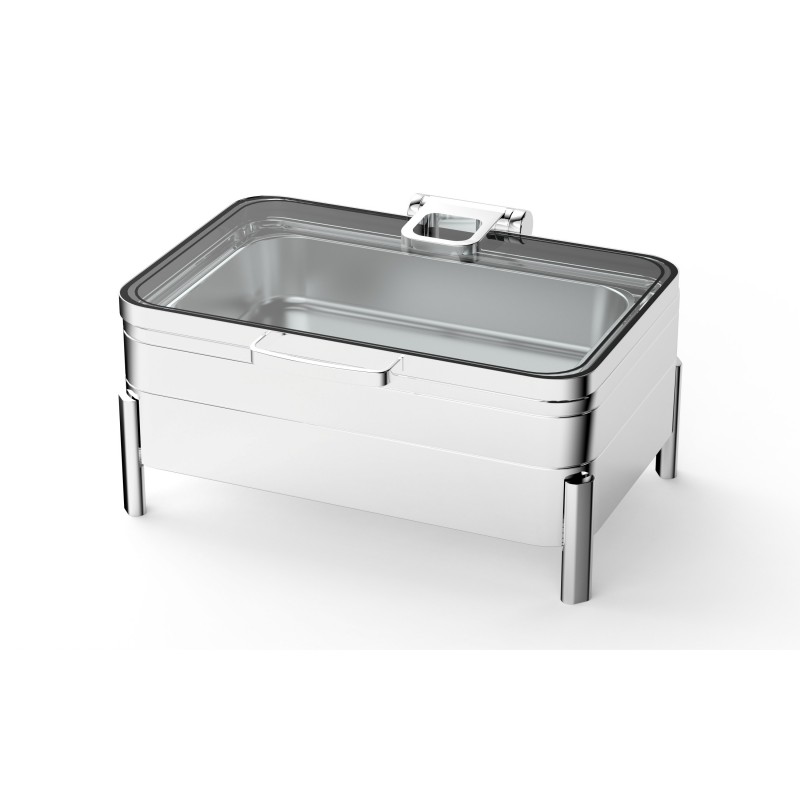
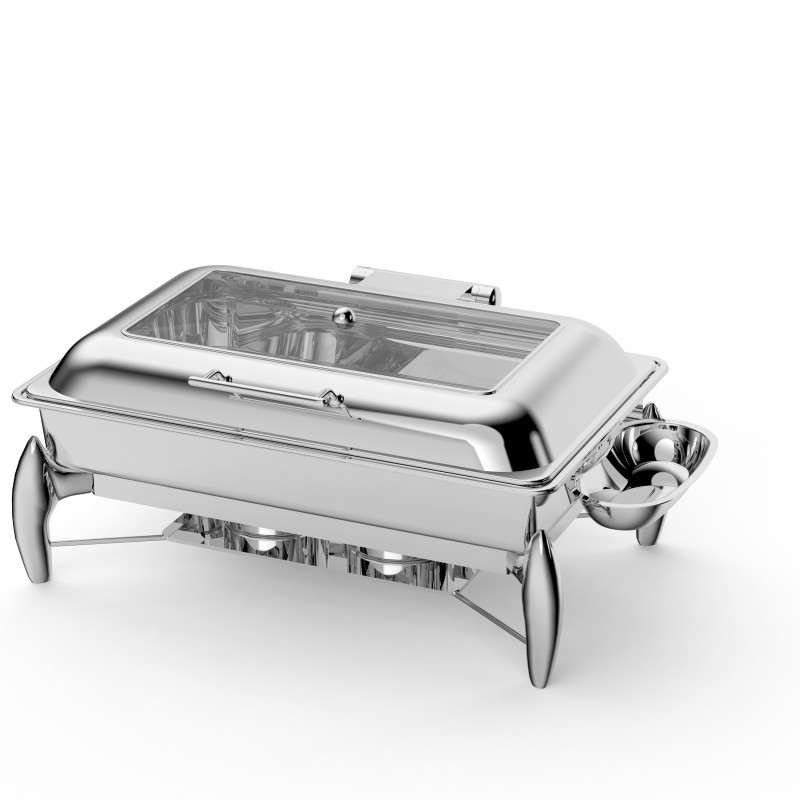
Fuel Chafing Dish-HC380Z
Fuel Chafing Dish-HC380Z delivers the quality construction that professional catering demands, with lid mechanisms designed for reliable operation throughout years of demanding service. The thoughtful engineering ensures smooth performance that busy service environments require.
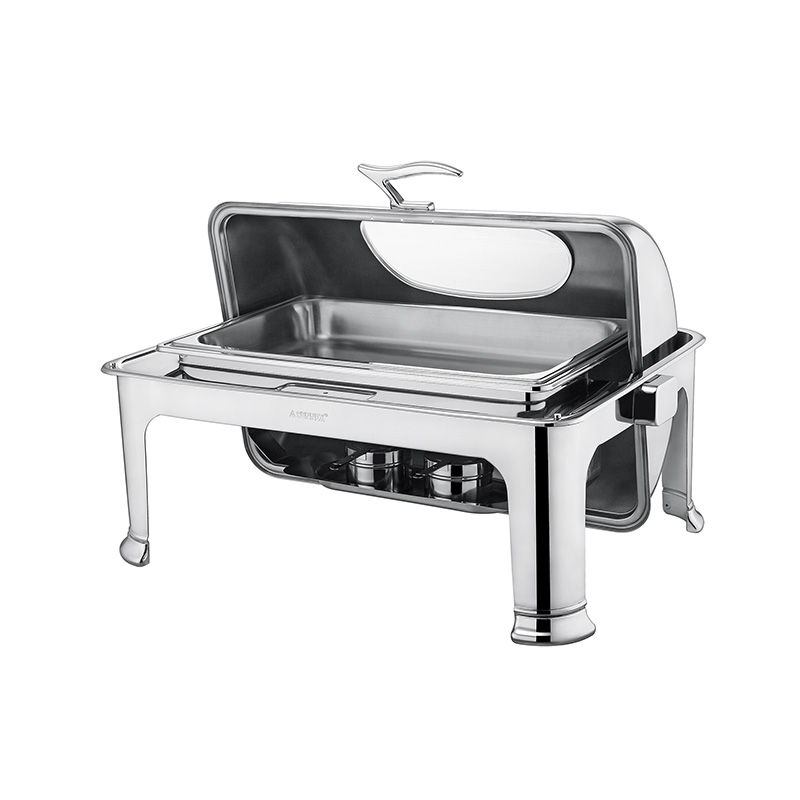
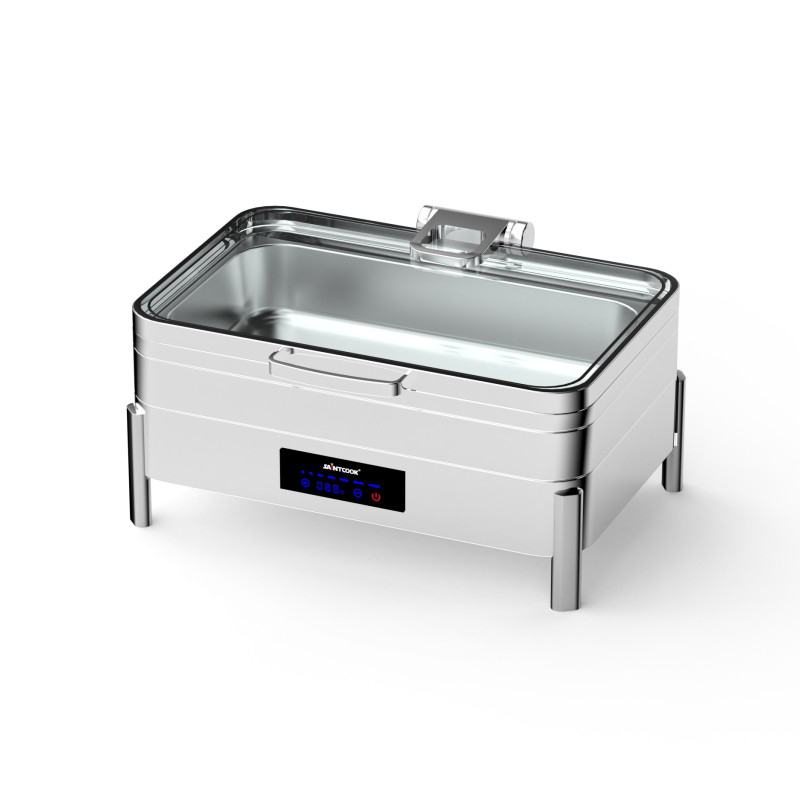
Covered Stainless Steel Alcohol Chafing Dish
Covered Stainless Steel Alcohol Chafing Dish represents the professional standard that caterers depend on for reliable performance event after event. Quality materials and mechanical precision ensure this equipment maintains its function through extended service life without the maintenance demands that lesser equipment creates.
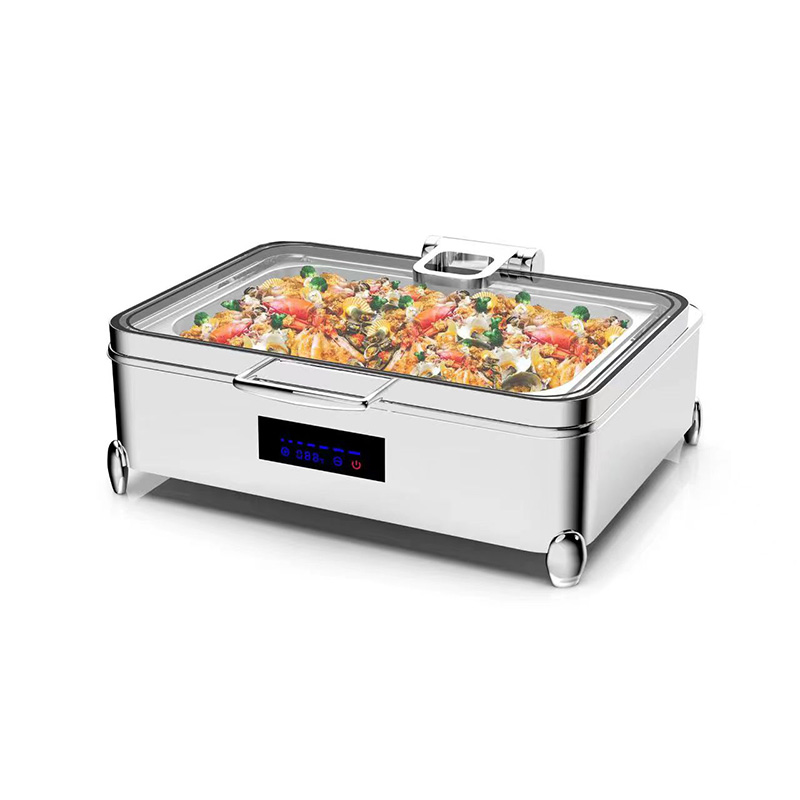
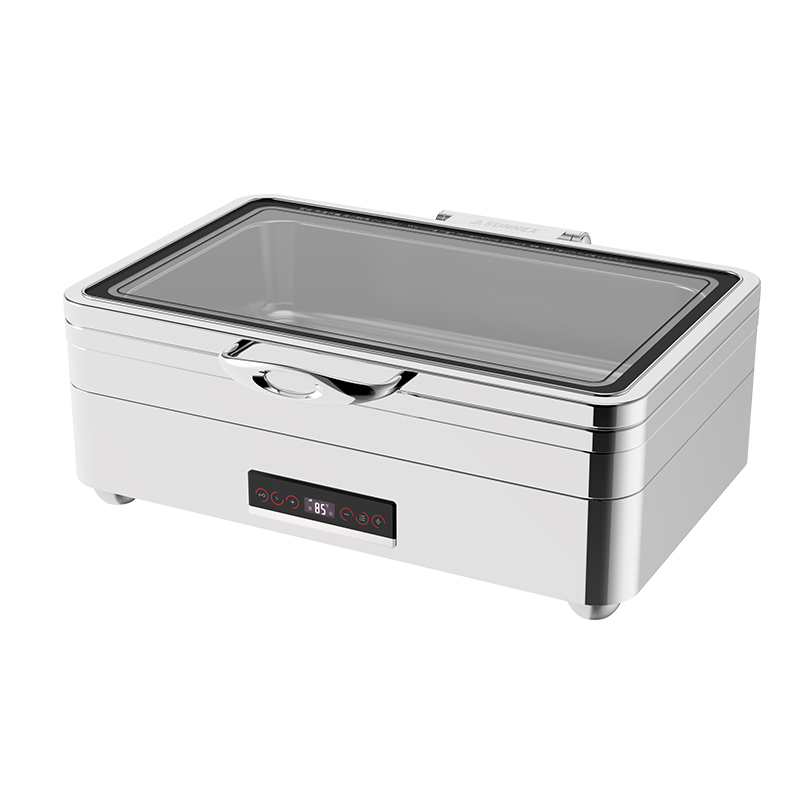
Electric Chafing Dish Food Warmer
Electric Chafing Dish Food Warmer provides the durability and reliability that professional catering operations require. Superior design and quality construction ensure consistent performance whether equipped with roll-top or lift-off lid configurations.
Making the Right Choice
The roll-top versus lift-off decision reflects your service priorities, venue characteristics, and operational patterns. Neither design universally outperforms the other; each serves different needs effectively. Match your choice to the realities of your typical service environment for the best outcome.
Consider trialing both designs if your operation includes diverse service contexts that might benefit from different lid types. The flexibility to select equipment matched to specific events provides advantages that single-design standardization cannot match.
Quality matters more than lid type, as well-constructed equipment of either design provides better service than poorly-made equipment of the supposedly superior design. Invest in quality construction regardless of which lid mechanism you select.
Related Articles
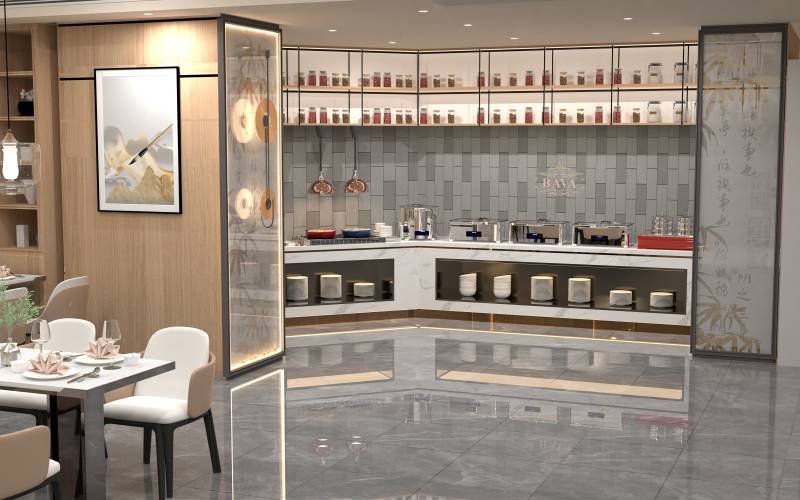
Electric Buffet Warmer with Adjustable Thermostat for Restaurants
Discover the best Electric Buffet Warmer with Adjustable Thermostat for Restaurants solutions. Real ...
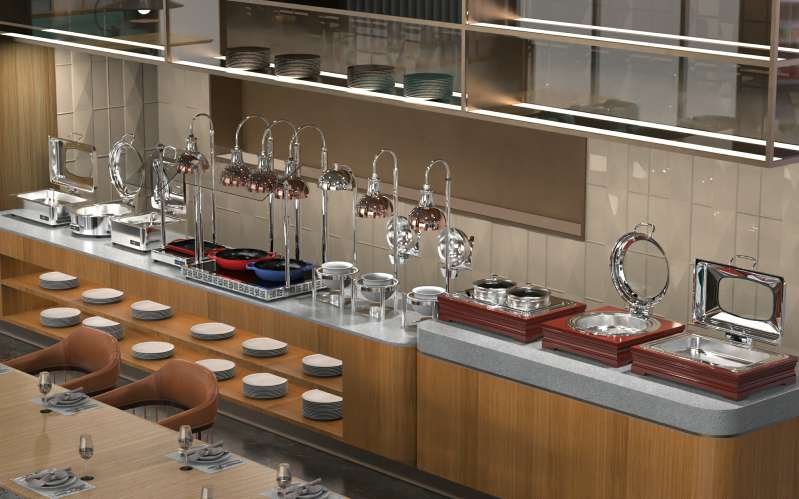
Mini Chafing Dish for Breakfast Buffet & Condiment Stations
Discover the best Mini Chafing Dish for Breakfast Buffet & Condiment Stations solutions. Real case s...
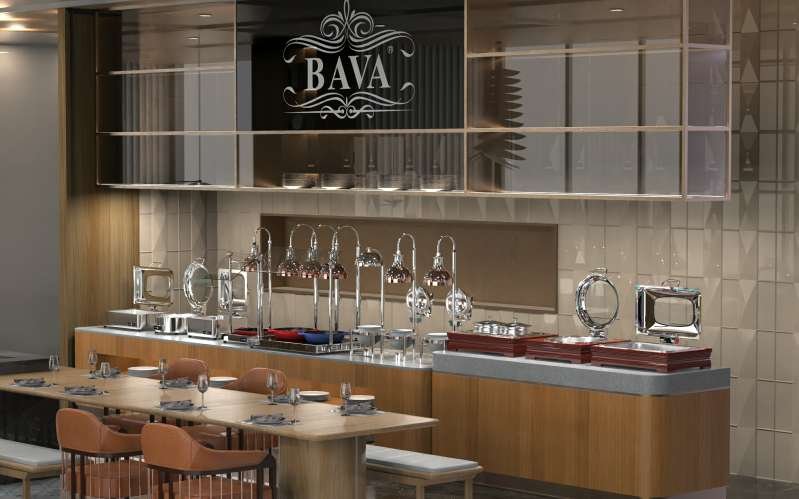
9QT Extra-Large Chafing Dish for Large-Scale Banquet Events
Discover the best 9QT Extra-Large Chafing Dish for Large-Scale Banquet Events solutions. Real case s...
Wall-Mounted Buffet Stove for Space-Saving Kitchen Layouts
Discover the best Wall-Mounted Buffet Stove for Space-Saving Kitchen Layouts solutions. Real case st...

Stainless Steel Food Warmer for Supermarket Deli Departments
Discover the best Stainless Steel Food Warmer for Supermarket Deli Departments solutions. Real case ...
Commercial Chafer Dish with Temperature Control for Food Safety
Discover the best Commercial Chafer Dish with Temperature Control for Food Safety solutions. Real ca...