
Chafing Dish vs. Slow Cooker: Which Is Better for Buffets?
Buffet food holding equipment choices affect presentation quality, food safety, operational efficiency, and the dining experience in ways that matter for any catering operation. Chafing dishes and slow cookers both hold food at serving temperature, but their underlying technologies and design assumptions create fundamentally different performance characteristics. Choosing between them requires understanding how each approach serves buffet needs differently.
Core Technology Differences
Chafing dishes use indirect heating through a water bath, with a heat source beneath the unit warming water that surrounds the food pan. This indirect approach provides gentle, even heating that resists hot spots and maintains consistent temperatures throughout the food surface. The water bath acts as a thermal buffer that moderates temperature fluctuations and provides built-in temperature stabilization.
Slow cookers use direct heating from an element to the ceramic or metal insert, with temperatures controlled by a simple thermostat. The direct heating approach reaches and maintains temperature more aggressively than water bath systems, creating the high-temperature environment that slow cooking requires. This directness also creates the temperature inconsistencies that make slow cookers less suitable for extended holding of delicate foods.
The heating technology difference manifests most clearly in how each system responds to lid openings. Chafing dishes recover temperature slowly but steadily through their water bath thermal mass, while slow cookers recover more quickly but may experience temperature overshoot that affects food quality.
Comparison: Chafing Dish vs. Slow Cooker for Buffets
| Factor | Chafing Dish | Slow Cooker |
|---|---|---|
| Heating Method | Indirect water bath heating; gentle and even | Direct element heating; aggressive temperature |
| Food Safety | Water bath maintains safe holding temps reliably | High temps may overcook; monitoring required |
| Presentation | Professional appearance; elegant for formal events | Casual appliance look; limited presentation options |
| Capacity | Standard full-size pans hold 8-12 quarts | Varies; typically 4-7 quarts per unit |
| Mobility | Designed for transport; stable setup on buffet lines | Corded appliance; limited mobility during operation |
| Power Source | Fuel (gel, liquid, or sterno) or electric | Requires electrical outlet; cord management needed |
| Food Types | Versatile; suitable for most buffet foods | Best for thick soups, stews, dips; limited versatility |
| Temperature Control | Self-regulating through water bath; stable | Thermostat controlled; may cycle on/off visibly |
| Setup Complexity | Requires water filling and fuel setup | Simple plug-in operation; minimal setup |
| Cost | Moderate to premium; investment in quality | Lower cost; consumer appliances available |
Food Quality Impact
Chafing dish water bath heating maintains food at optimal serving temperatures without the aggressive heat that degrades food quality. Delicate items like sauces, seafood, and vegetable dishes hold better in chafing dishes where the gentle heat prevents overcooking and texture degradation. The thermal buffer effect protects food quality throughout extended service periods.
Slow cookers' direct heating creates the sustained high temperatures that break down tough proteins in slow cooking applications, but these same temperatures can overcook delicate buffet items. Foods held for extended periods in slow cookers may develop the overdone texture and reduced visual appeal that makes them less attractive to buffet guests.
Moisture retention differs significantly between systems. Chafing dishes' water bath helps maintain food moisture, while slow cookers' aggressive heat can evaporate moisture over time, creating the dry, crusted surfaces that make food less appealing. This moisture difference matters most for items where texture determines quality perception.
Operational Considerations
Chafing dishes require more setup attention, including water level verification, fuel management, and pre-event heating time. These setup requirements add preparation steps but become routine for experienced operators who develop efficient workflows for chafing dish preparation. The preparation investment pays returns in reliable performance throughout the service period.
Slow cookers offer simpler setup, requiring only food loading and power connection. This simplicity appeals to operations with limited prep time or staff unfamiliar with chafing dish operation. However, the simpler setup comes with performance limitations that may affect food quality and presentation quality.
Fuel management for chafing dishes requires supply inventory and replacement during long events. Electric chafing dishes eliminate fuel concerns but require electrical infrastructure that may not exist in all venues. Evaluating power availability becomes part of the equipment planning process for electric setups.
Buffet Line Configuration
Chafing dishes are designed for buffet line integration, with stable bases, professional appearance, and configurations that work well in standardized buffet setups. The fuel-powered options provide complete portability without electrical requirements, enabling placement anywhere on the buffet line regardless of power availability.
Slow cookers require electrical access, limiting placement to areas near outlets or requiring extension cord management across the buffet line. The cord appearance may detract from professional presentation, while the appliance aesthetic doesn't match the formal appearance that chafing dishes provide.
Capacity planning differs between the two approaches. Chafing dishes' standard pan sizes enable consistent portion planning and easy pan exchanges during service, while slow cooker capacity limits may create challenges for high-volume events requiring food quantities that exceed individual unit capacity.
Event Type Suitability
Formal events with quality expectations favor chafing dishes' professional appearance and food quality maintenance. The elegant presentation and reliable temperature control support the quality perception that formal events require, making chafing dishes the clear choice for weddings, corporate events, and upscale gatherings.
Casual events with relaxed quality expectations may accept slow cooker limitations in exchange for their lower cost and simpler operation. Family gatherings, informal corporate events, and budget-sensitive occasions can work well with slow cookers where presentation matters less than convenience.
Hybrid approaches combining both equipment types leverage each system's strengths for appropriate food categories. Thick soups, chili, and dips may work well in slow cookers while main courses and vegetable dishes use chafing dishes. This selective approach optimizes cost and convenience while maintaining quality where it matters most.
Featured Chafing Dish Products
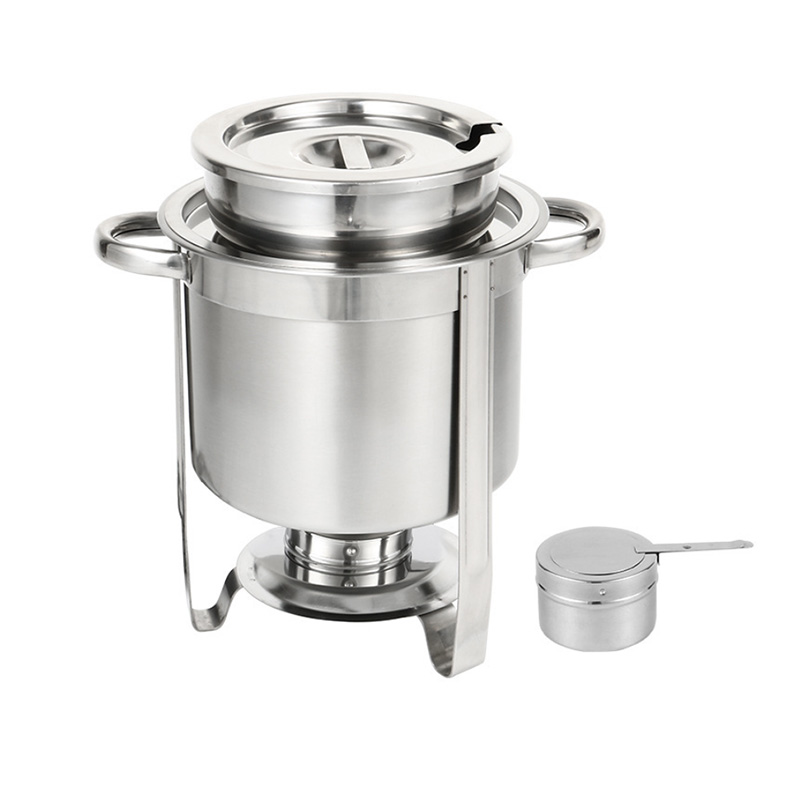
7L Stainless Steel Soup Pot
7L Stainless Steel Soup Pot delivers the professional performance that buffet-quality food holding demands. Water bath heating maintains food quality and safety throughout extended service periods, making it the appropriate choice for events where presentation and food quality matter.
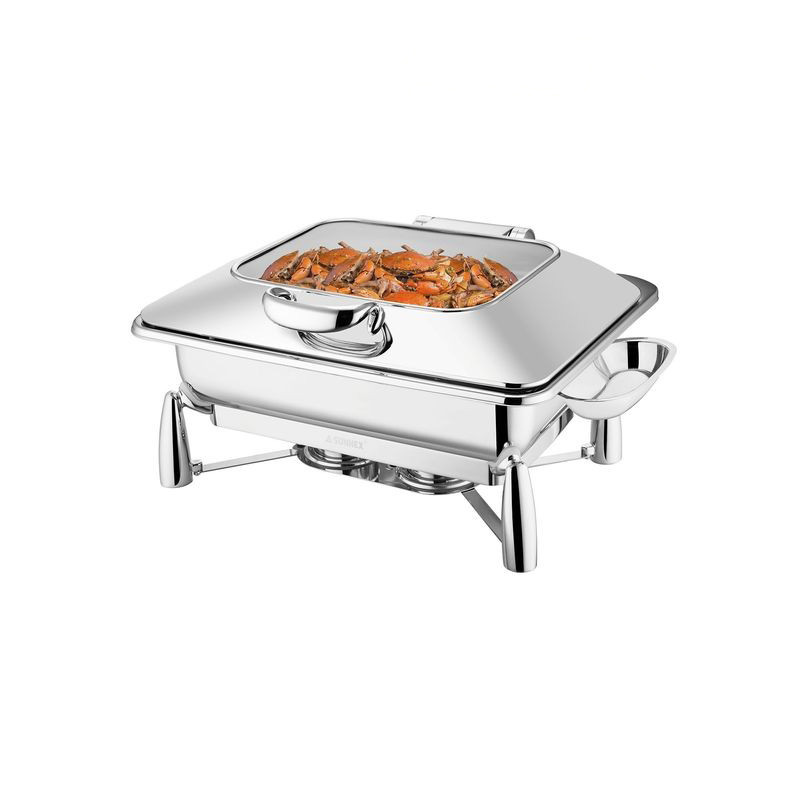
Alcohol Heated Chafing Dish + Utensil Tray
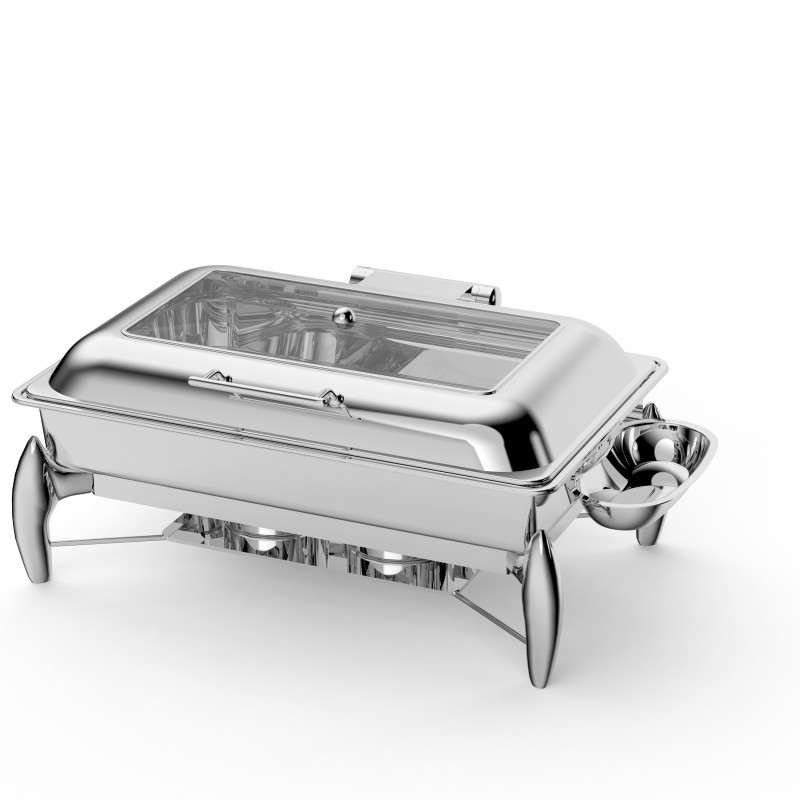
Alcohol Heated Chafing Dish + Utensil Tray represents the quality construction that professional catering requires for reliable buffet service. The thoughtful engineering and professional appearance ensure this unit supports quality perception while maintaining food at proper serving temperatures throughout your event.
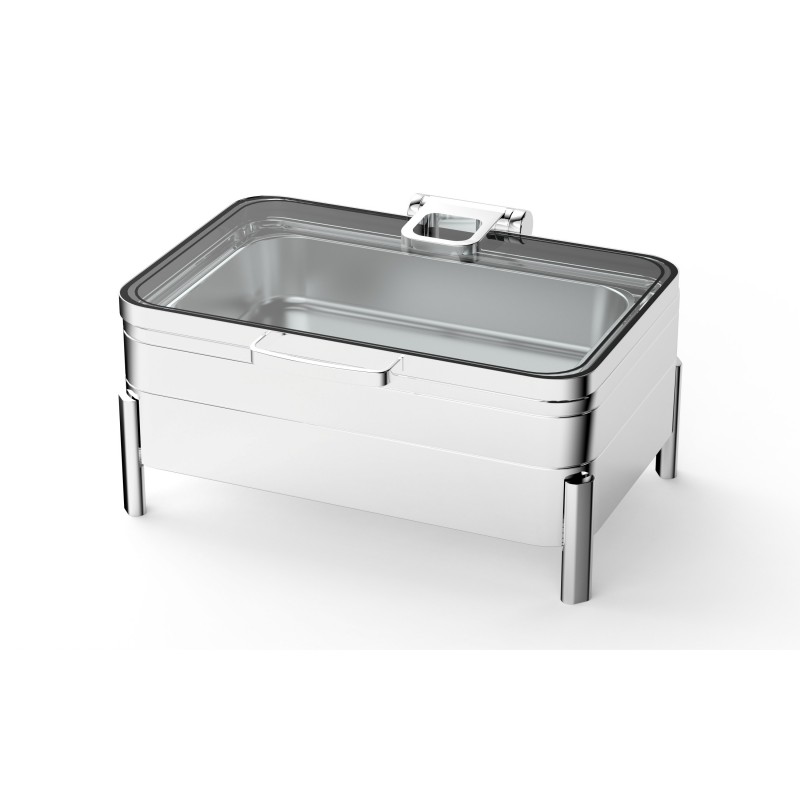
Fuel Chafing Dish-HC380Z
Fuel Chafing Dish-HC380Z provides the dependable performance that caterers depend on for professional buffet operations. Quality materials and design ensure consistent results that support both food quality and event success across a wide range of catering applications.
Decision Framework
The chafing dish versus slow cooker decision ultimately depends on event type, food quality expectations, operational resources, and budget constraints. Neither equipment type universally outperforms the other; each serves different priorities effectively. Match your equipment selection to the priorities that matter most for your specific catering context.
Consider the total operational picture when making equipment investments. The cost savings from slow cookers may not justify the quality and presentation compromises they impose in contexts where those factors affect client satisfaction. The premium for quality chafing dishes often pays returns in client satisfaction that justifies the investment.
Operations serving diverse event types may benefit from maintaining both equipment types for selective deployment based on event requirements. This flexibility provides the appropriate tool for each situation without accepting the limitations of a single approach across all catering contexts.
Related Articles
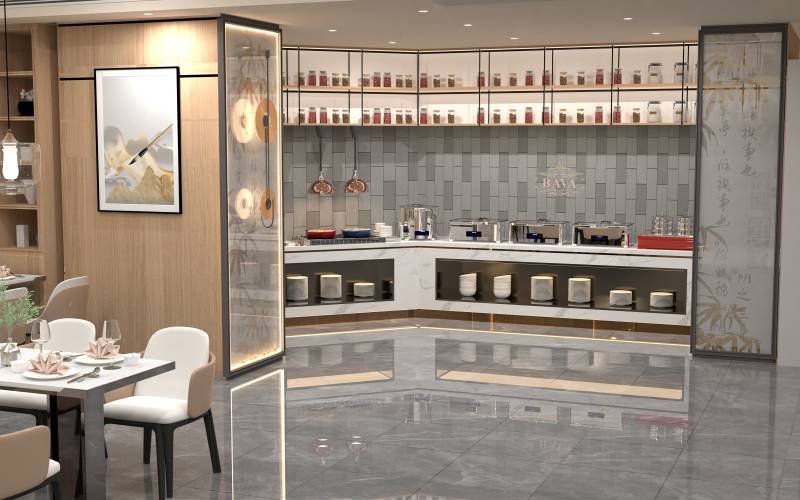
Electric Buffet Warmer with Adjustable Thermostat for Restaurants
Discover the best Electric Buffet Warmer with Adjustable Thermostat for Restaurants solutions. Real ...
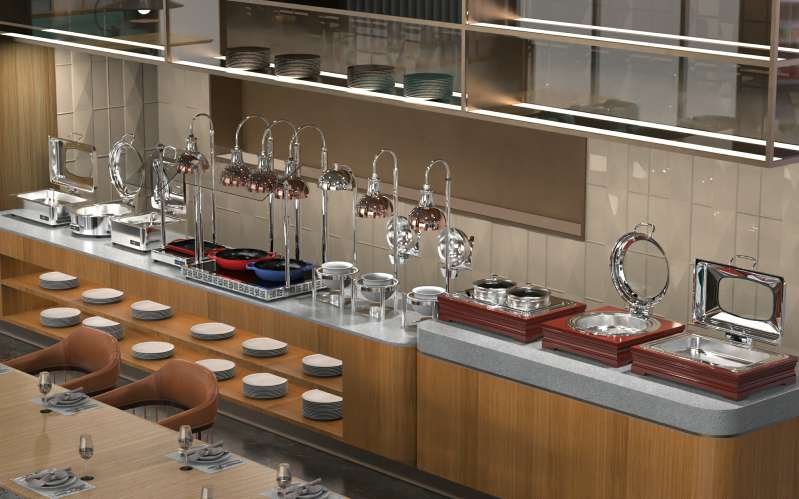
Mini Chafing Dish for Breakfast Buffet & Condiment Stations
Discover the best Mini Chafing Dish for Breakfast Buffet & Condiment Stations solutions. Real case s...
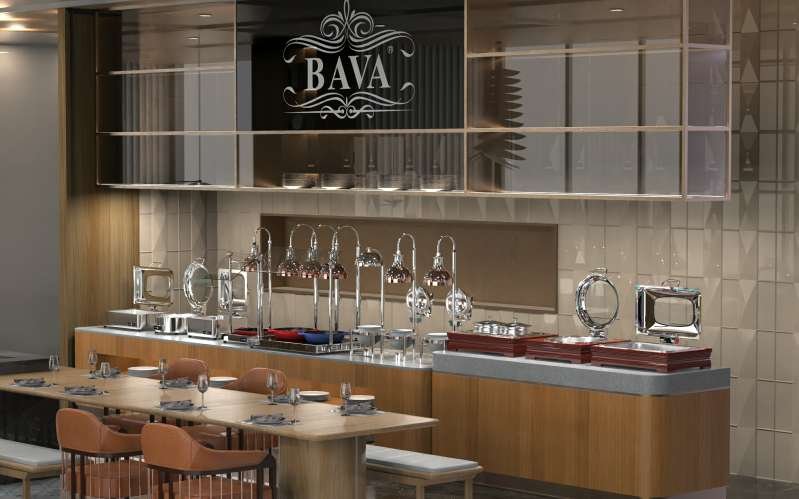
9QT Extra-Large Chafing Dish for Large-Scale Banquet Events
Discover the best 9QT Extra-Large Chafing Dish for Large-Scale Banquet Events solutions. Real case s...
Wall-Mounted Buffet Stove for Space-Saving Kitchen Layouts
Discover the best Wall-Mounted Buffet Stove for Space-Saving Kitchen Layouts solutions. Real case st...
Stainless Steel Food Warmer for Supermarket Deli Departments
Discover the best Stainless Steel Food Warmer for Supermarket Deli Departments solutions. Real case ...
Commercial Chafer Dish with Temperature Control for Food Safety
Discover the best Commercial Chafer Dish with Temperature Control for Food Safety solutions. Real ca...