
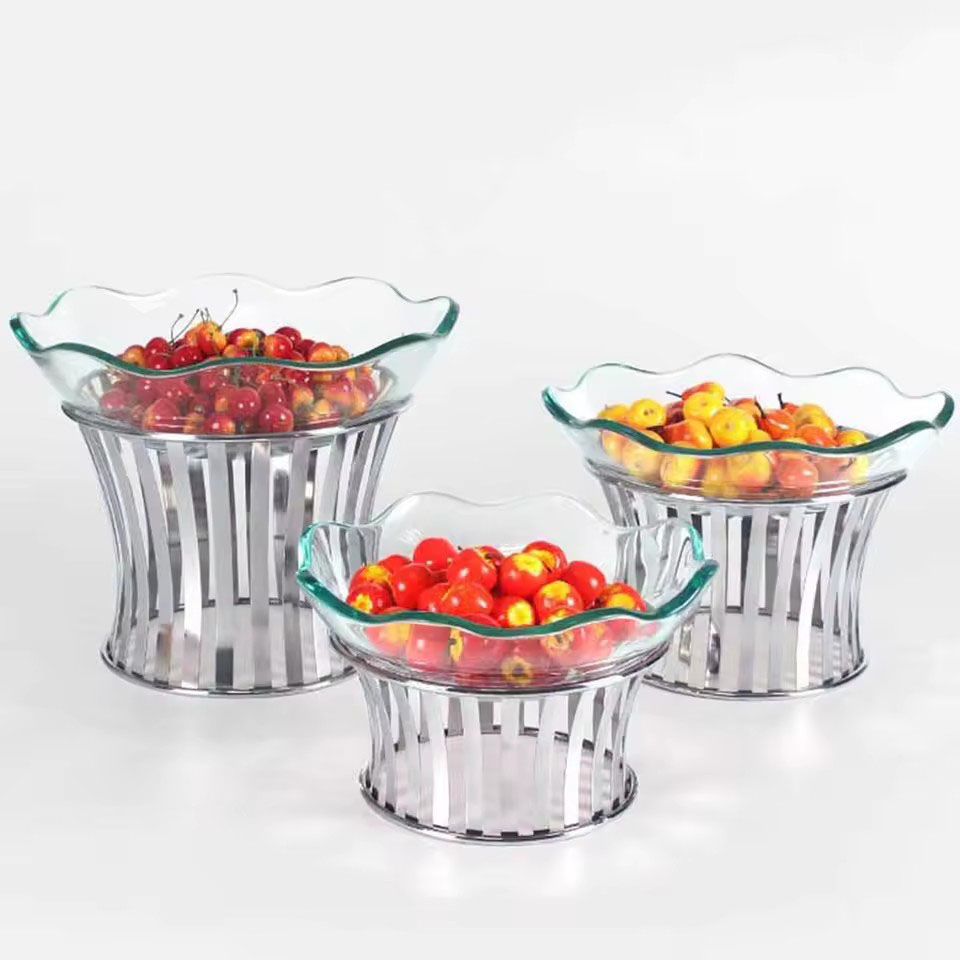
Chafing Dish vs. Food Warmer Tray: Which to Choose?
Food warmer equipment choices shape how catering operations handle temperature maintenance, presentation quality, and service logistics. Chafing dishes and food warmer trays serve overlapping purposes but create different tradeoffs that matter for specific event types, food categories, and operational contexts. Understanding these differences helps operators select equipment that matches their actual needs rather than defaulting to familiar options.
Design and Function Comparison
Chafing dishes are self-contained heating units featuring a water bath surrounding a food pan, with an integrated heat source beneath the water reservoir. This enclosed design provides thermal buffering that maintains consistent temperatures and protects food from direct heat exposure. The complete unit design means chafing dishes work as standalone equipment without external support systems.
Food warmer trays are heated serving surfaces, typically electric, that maintain food temperature through direct conduction from a heating element to the food container placed above. These tray-style warmers require compatible food containers (standard hotel pans, platters, or specialized warmer trays) and depend on external power infrastructure for their heating function.
The fundamental difference lies in heat transfer methodology. Chafing dishes use the water bath to moderate temperature delivery, creating gentler heating conditions that suit a broader range of foods. Food warmer trays deliver heat directly, creating faster temperature recovery but potentially more aggressive thermal exposure for sensitive food items.
Comparison: Chafing Dish vs. Food Warmer Tray
| Aspect | Chafing Dish | Food Warmer Tray |
|---|---|---|
| Heating Method | Water bath; indirect, gentle, and even | Direct surface heating; conduction-based |
| Temperature Stability | Excellent; water bath buffers fluctuations | Good; direct heating maintains consistent output |
| Setup Required | Water filling, fuel or power setup, preheating | Placement, power connection, container loading |
| Portability | Self-contained; works anywhere with fuel or outlet | Requires power; limited to cord reach areas |
| Food Container | Integrated food pan included with unit | Requires separate food pans or compatible vessels |
| Power Source | Fuel (gel, sterno) or electric; dual options | Electric only; dedicated outlet required |
| Capacity | Standard sizes; typically 8-12 quart food pans | Varies by tray size; commonly 1/2, 1/3, or full-size pans |
| Presentation | Elegant; designed for formal buffet presentation | Functional; utilitarian appearance |
| Maintenance | Water bath cleaning, fuel management, inspections | Surface cleaning; minimal maintenance |
| Cost | Moderate to premium; complete unit pricing | Lower to moderate; tray-only pricing |
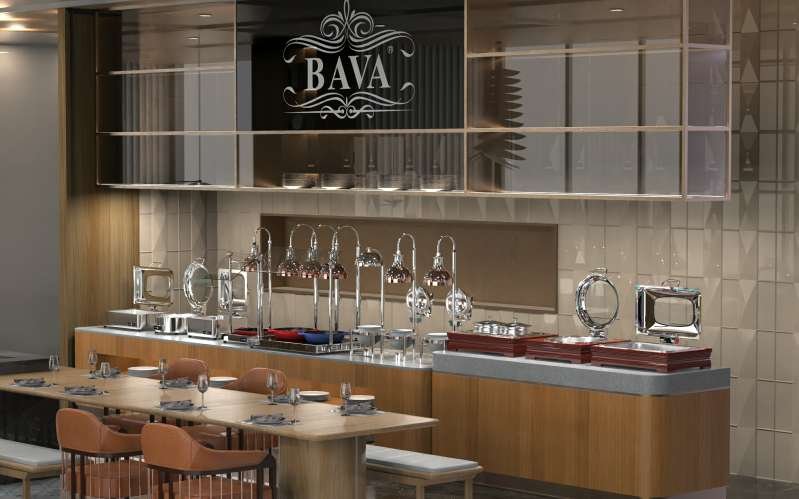
Temperature and Food Quality
Chafing dish water bath heating provides exceptional temperature stability that protects food quality throughout extended service periods. The thermal mass of the water reservoir moderates temperature swings and provides even heating across the entire food surface, reducing the hot spots and cold spots that direct heating systems sometimes create. This consistency matters most for foods where texture and appearance affect perceived quality.
Food warmer trays deliver consistent heat output directly to the food container, maintaining reliable temperatures without the thermal buffering effect. The direct heating approach recovers temperature quickly after serving portions are removed, but may create more aggressive thermal exposure for foods near the container edges compared to the center.
Moisture retention differs between systems. Chafing dish water baths naturally maintain food moisture levels, while food warmer trays offer no inherent moisture protection. Foods prone to drying during holding may benefit from the humidity that chafing dish water baths naturally provide.
Operational Logistics
Chafing dish setup requires more preparation steps including water level verification, fuel loading or power connection, and adequate preheating time before food loading. These preparation requirements add to advance setup workload but become efficient for experienced operators who develop streamlined preparation workflows. Budget setup time accordingly for quality results.
Food warmer tray setup is more straightforward, requiring only unit placement, power connection, and container loading once the unit reaches operating temperature. This simpler setup reduces preparation demands and allows faster response to equipment needs during busy event periods.
Power management differs significantly between options. Chafing dishes with fuel capability work in any location without electrical infrastructure, making them ideal for outdoor events or venues with limited power availability. Food warmer trays require dedicated electrical access that may not exist in all serving locations.
Event Type Considerations
Formal events requiring elegant presentation and consistent quality favor chafing dishes, where the professional appearance and superior temperature management support quality perception. The complete unit design with integrated serving presentation creates the refined aesthetic that formal occasions demand, making chafing dishes the standard for wedding receptions and executive functions.
Casual events and back-of-house holding applications may prefer food warmer trays, where their functional simplicity and lower cost provide practical advantages. The utilitarian appearance matters less when food warmer trays operate behind serving lines or in less visible locations where presentation quality is not a primary concern.
High-volume events with diverse food categories may benefit from both equipment types deployed selectively. Chafing dishes handle visible buffet presentations where quality perception matters, while food warmer trays manage additional holding capacity in kitchen or staging areas where their functional advantages outweigh presentation considerations.
Featured Chafing Dish Products
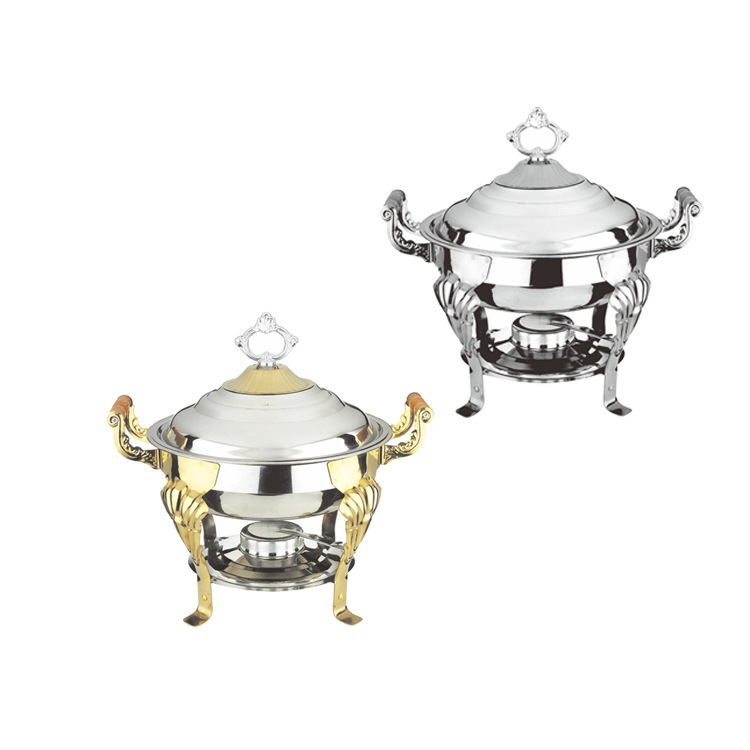
Mini Individual Buffet Chafing Dish
Mini Individual Buffet Chafing Dish delivers the professional-grade temperature management that quality catering demands. The water bath heating system maintains food quality and safety throughout extended service periods, making it the appropriate choice for events where presentation and food quality are paramount.
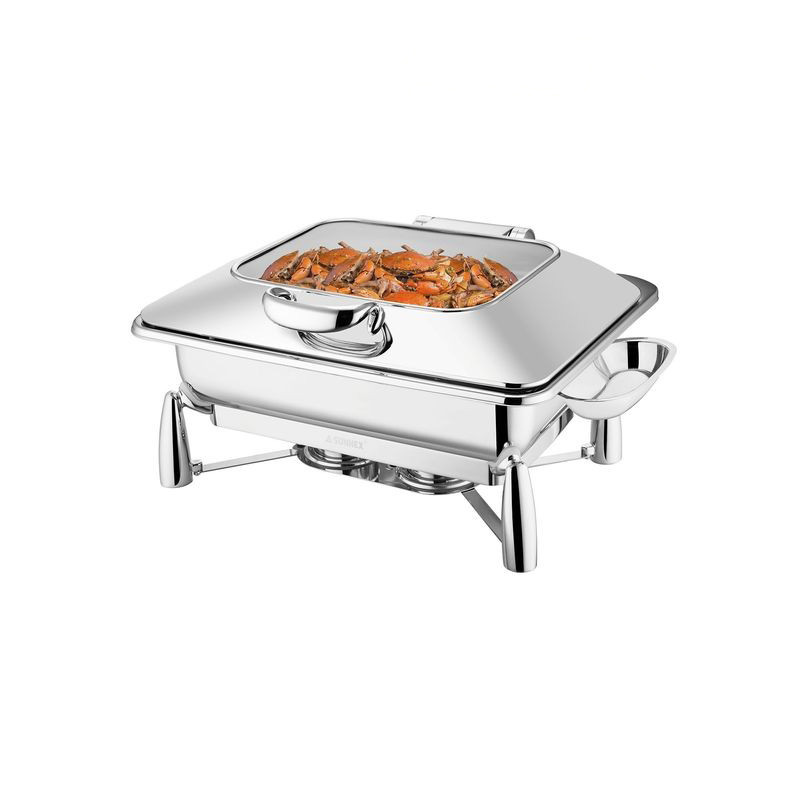
Alcohol Heated Chafing Dish + Utensil Tray
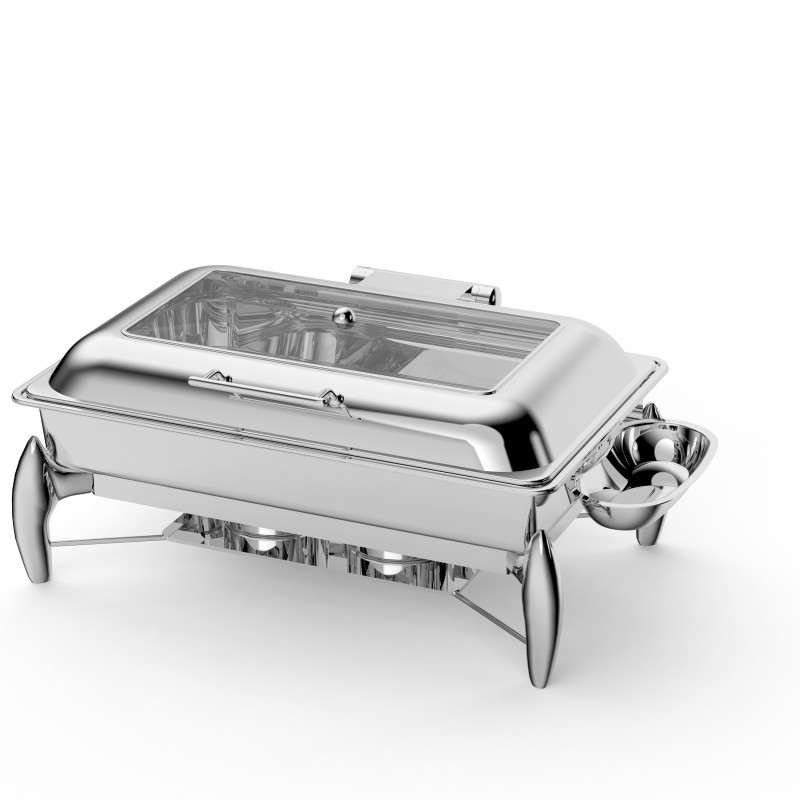
Alcohol Heated Chafing Dish + Utensil Tray represents the quality engineering that professional caterers depend on for reliable buffet service. The complete heating solution and elegant presentation support quality perception while maintaining food at proper serving temperatures throughout your event.
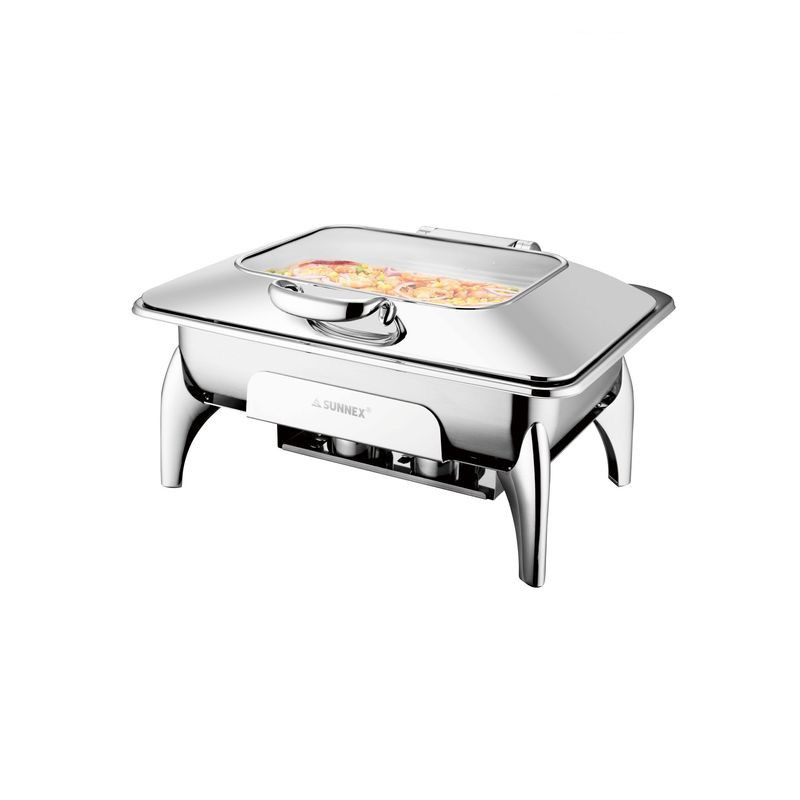
Stainless Steel Alcohol Chafing Dish
Stainless Steel Alcohol Chafing Dish provides the dependable performance and professional appearance that successful catering operations require. Quality materials and thoughtful design ensure this unit serves reliably across a wide range of catering applications and event types.
Decision Framework
The chafing dish versus food warmer tray decision should reflect your specific event mix, presentation requirements, and operational capabilities. Neither equipment type universally serves all needs; each excels in specific applications. Evaluate your actual usage patterns rather than theoretical capabilities when making equipment investment decisions.
Consider the total cost of ownership including initial purchase, consumables (fuel for chafing dishes), maintenance, and eventual replacement. The apparent cost advantage of food warmer trays may narrow when all ownership costs factor into the comparison.
Many successful catering operations maintain both equipment types, selecting the appropriate tool based on specific event requirements. This flexibility allows optimization for each situation without accepting the limitations of a single approach across all catering contexts.
Related Articles
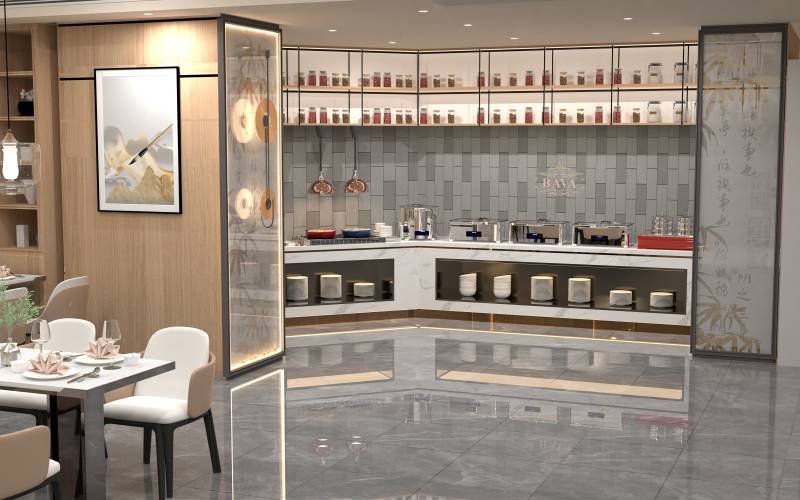
Electric Buffet Warmer with Adjustable Thermostat for Restaurants
Discover the best Electric Buffet Warmer with Adjustable Thermostat for Restaurants solutions. Real ...
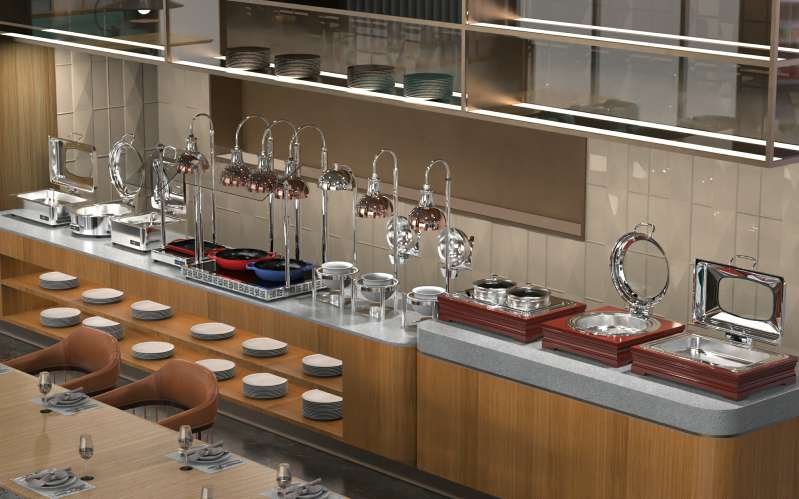
Mini Chafing Dish for Breakfast Buffet & Condiment Stations
Discover the best Mini Chafing Dish for Breakfast Buffet & Condiment Stations solutions. Real case s...
9QT Extra-Large Chafing Dish for Large-Scale Banquet Events
Discover the best 9QT Extra-Large Chafing Dish for Large-Scale Banquet Events solutions. Real case s...
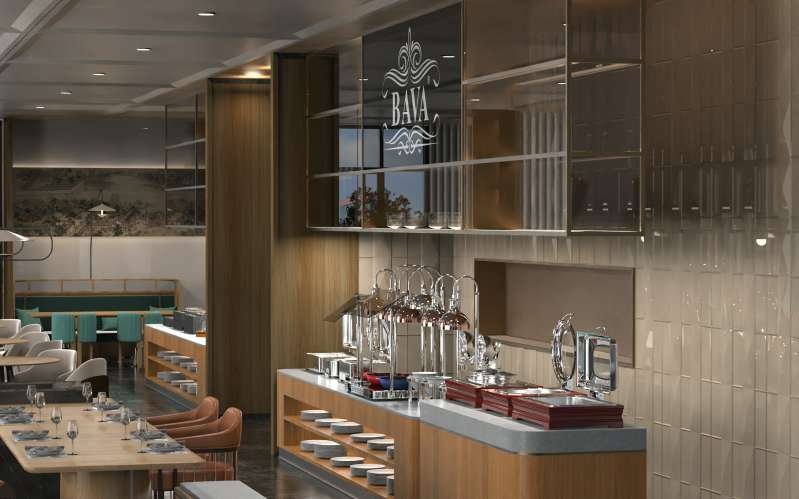
Wall-Mounted Buffet Stove for Space-Saving Kitchen Layouts
Discover the best Wall-Mounted Buffet Stove for Space-Saving Kitchen Layouts solutions. Real case st...
Stainless Steel Food Warmer for Supermarket Deli Departments
Discover the best Stainless Steel Food Warmer for Supermarket Deli Departments solutions. Real case ...
Commercial Chafer Dish with Temperature Control for Food Safety
Discover the best Commercial Chafer Dish with Temperature Control for Food Safety solutions. Real ca...