
How to Choose the Right Buffet Warmer for Your Event
Selecting the right buffet warmer can make or break your event. The wrong choice means cold food, unhappy guests, and a stressful service — while the right one keeps every dish at the perfect temperature from the first guest to the last. With so many options available, from traditional fuel-fired chafing dishes to advanced electric warmers with digital thermostats, how do you narrow down the field? This guide walks you through every decision point so you can match the right warmer to each event you cater.
Start with Your Event Type
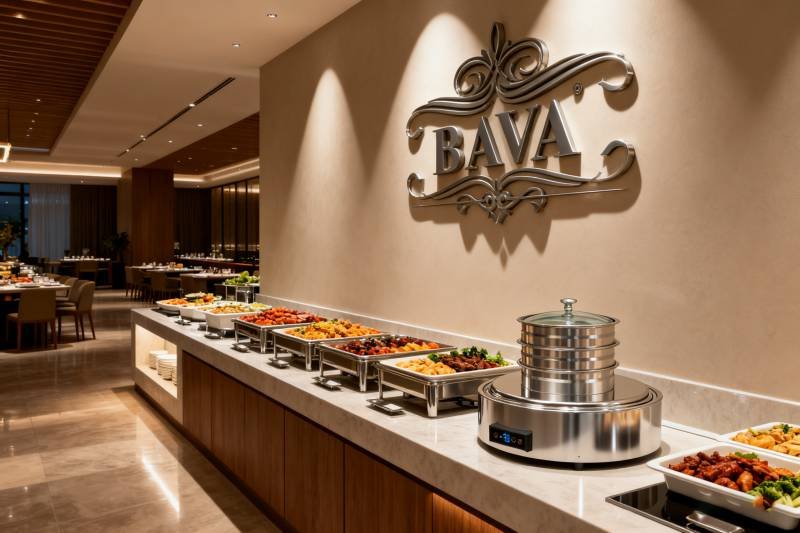
The kind of event you are catering determines most of your equipment needs before you even look at product specifications. A formal wedding reception in a hotel ballroom has very different requirements from a casual outdoor barbecue or a corporate lunch in a conference room. Consider the venue first: does it have reliable electrical outlets near the buffet tables, or will you need equipment that operates without power? Are there fire safety regulations that restrict open flames? Is the event indoors or outdoors, and how long will food need to be held?
Indoor hotel and conference events typically favor electric warmers because power is readily available and open flames may be prohibited by venue policy. Outdoor events — weddings in gardens, festivals in parks, corporate retreats at remote venues — often require fuel-based warmers that operate independently of the power grid. The length of the event also matters: a two-hour cocktail reception puts less demand on your warming equipment than a four-hour brunch service.
Electric vs. Fuel: The Core Decision
This is the single most important choice you will make, and it comes down to the practical constraints of your venue and the level of temperature control you need.
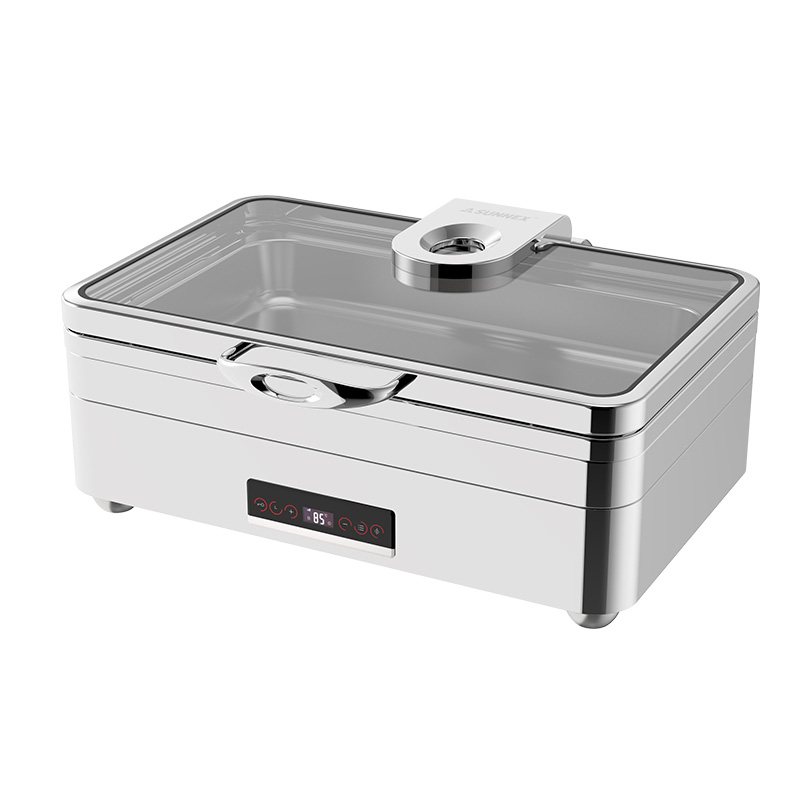
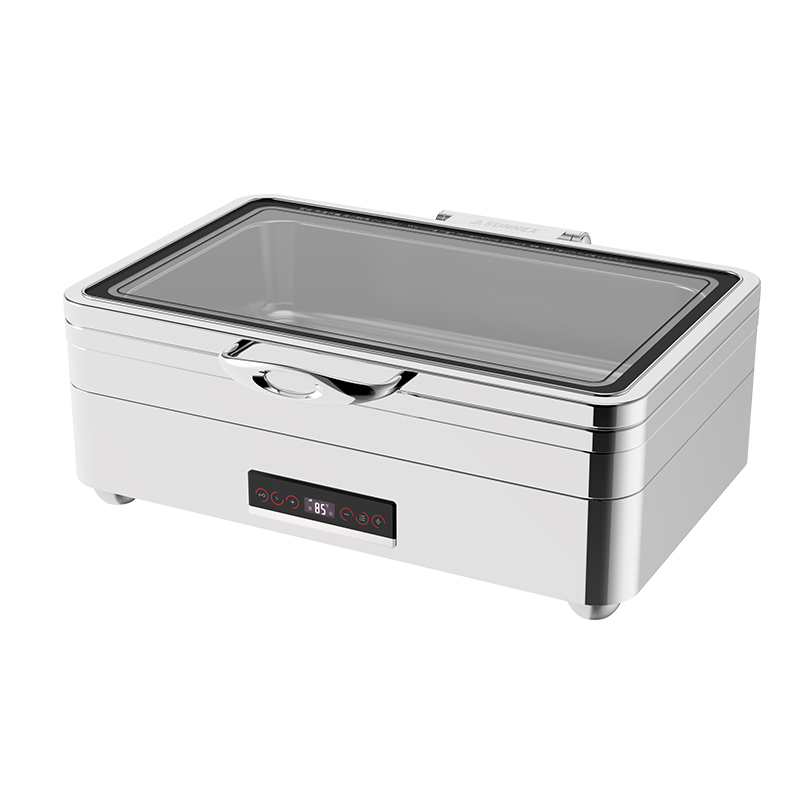
Electric Chafing Dish-W07
A 900W rapid-heating chafing dish with intelligent temperature control, multi-safety protection, anti-dry heat flash alarm, and 45-89°C adjustable thermostat. Ideal for hotel buffets and banquet catering where precise temperature management is essential.
Electric warmers offer precise temperature control, consistent heat distribution, and no open flame. Models like the W07 with adjustable thermostats let you dial in the exact holding temperature for each dish, which is critical for delicate items like sauces, egg dishes, and cream-based foods that can break or separate if held at the wrong temperature. Electric warmers also run indefinitely as long as they are plugged in — there is no fuel to replace mid-service. The trade-off is that they require a power outlet, and the cord can be a tripping hazard if not managed properly.
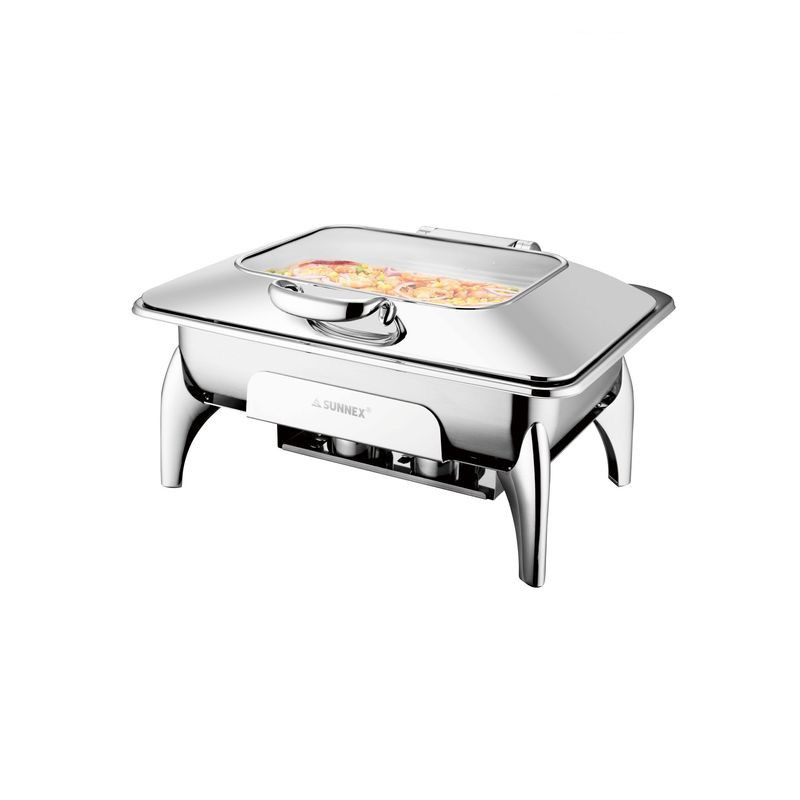
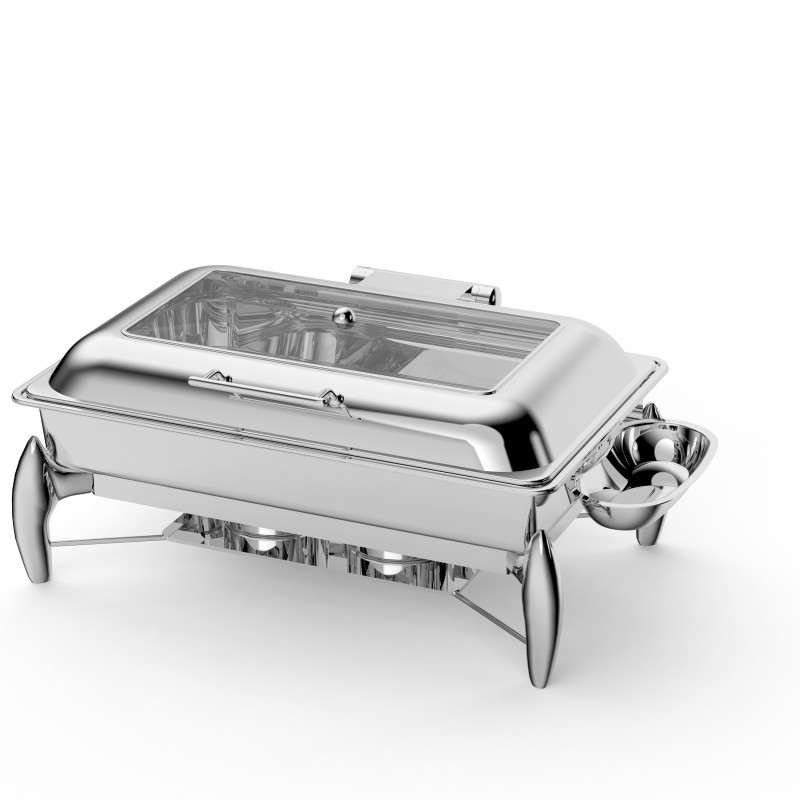
Stainless Steel Alcohol Chafing Dish
A classic fuel-based chafing dish built from stainless steel for commercial buffet service. Uses alcohol or chafing fuel to maintain safe serving temperatures without electricity, making it versatile for both indoor and outdoor events.
Fuel-based warmers operate anywhere without electricity. They use chafing fuel cans or alcohol burners to heat a water pan, which in turn keeps the food pan warm through gentle indirect heat. This makes them indispensable for outdoor events, remote venues, and any situation where power access is unreliable or unavailable. The downside is that you have less precise temperature control — you cannot dial in a specific degree setting — and fuel cans typically last two to six hours, requiring replacement during longer events.
Capacity: Match Your Guest Count
Buffet warmers come in several standard sizes, and choosing the right capacity prevents both food waste and guest disappointment. Full-size chafing dishes hold approximately 8 to 9 liters and serve 25 to 50 portions depending on the dish. Half-size units hold about 4 liters and work well for side dishes or smaller gatherings. Round chafing dishes offer elegant presentation for formal events but hold slightly less volume than rectangular models.
For events with 50 to 100 guests, plan on two to four full-size warmers per buffet line, depending on the number of dishes. For larger events, consider double pan units that serve two dishes from a single footprint.
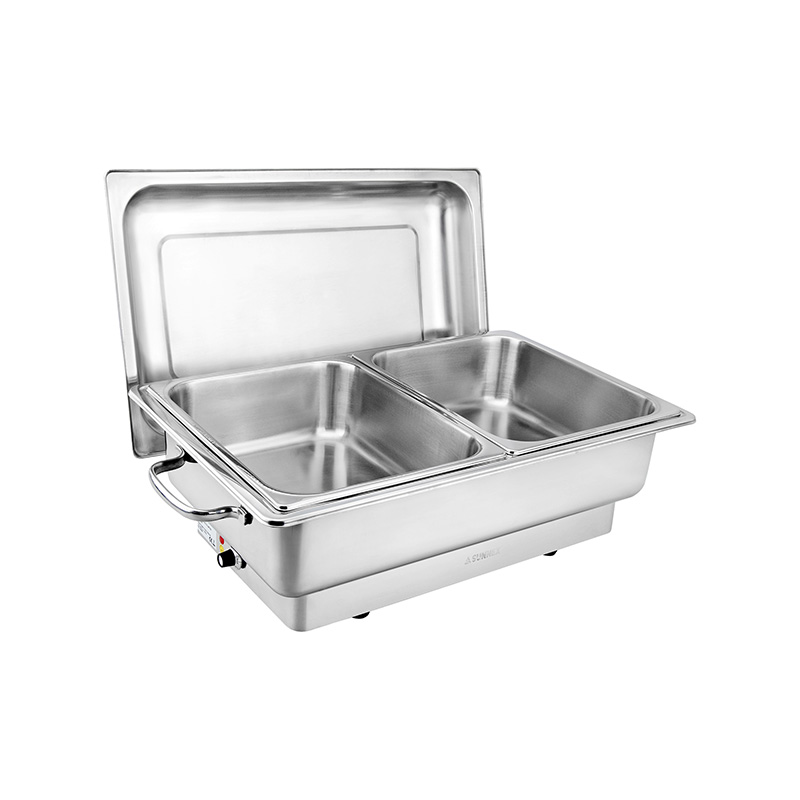
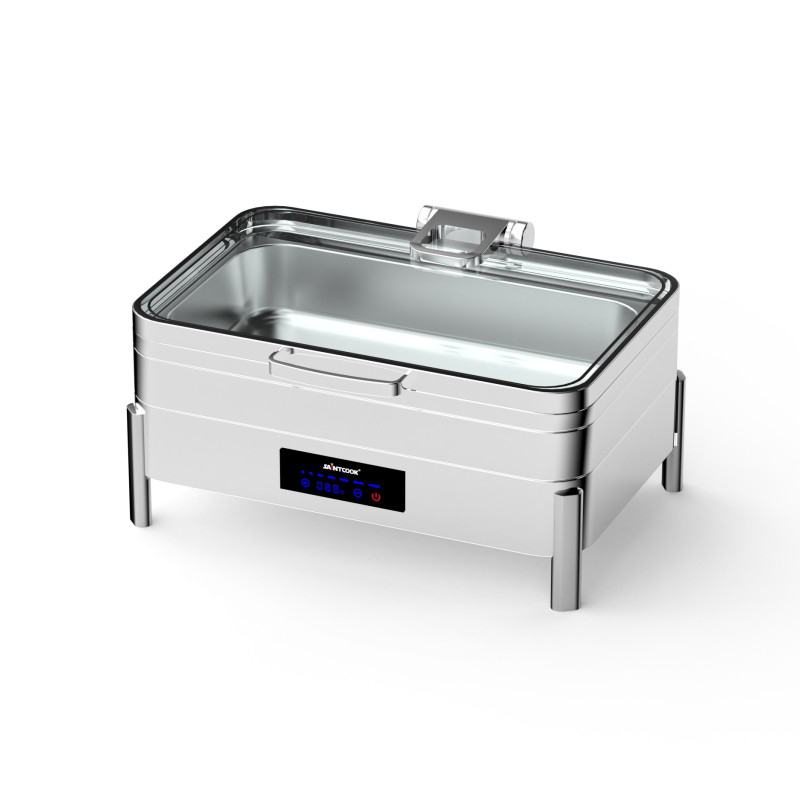
Stainless Steel Electric Double Pan Chafing Dish
An electric double pan chafing dish that heats two compartments independently, allowing caterers to serve two different dishes at separate temperatures from one unit. Stainless steel construction ensures durability in high-volume banquet settings.
Double pan warmers are a smart choice when you need to maximize the number of dishes on a limited buffet table. Each compartment heats independently, so you can hold a hot entree at 75°C in one side and a warm side dish at 55°C in the other. This flexibility is particularly valuable for breakfast buffets, where you might need to hold eggs, bacon, and pastries at different temperatures on the same table.
Temperature Control and Food Safety
Food safety regulations in most jurisdictions require that hot food be held at 63°C (145°F) or above to prevent bacterial growth. This is not a suggestion — it is a legal requirement that health inspectors enforce. When evaluating a buffet warmer, check whether it can maintain this minimum temperature consistently throughout the service period, not just at the beginning.
Electric warmers with digital thermostats give you a clear readout of the holding temperature and an audible alarm if the temperature drops below the set point. Fuel-based warmers require more vigilance: you need to monitor the fuel level, check the water pan periodically, and use a food thermometer to verify that dishes remain at safe temperatures. Some caterers use a combination — electric warmers in the kitchen for back-of-house holding, and fuel warmers on the buffet line for front-of-house display.
Portability and Setup
If you transport equipment to multiple venues, weight and packability become important considerations. Stainless steel chafing dishes with removable components are the standard for mobile caterers because they disassemble for compact transport and reassemble quickly on-site. Look for models with sturdy handles, secure-fitting lids, and a frame that supports the food pan at the correct height above the water pan.
Electric warmers with long power cords give you more flexibility in table placement. If the venue has limited outlets, bring a commercial-grade power strip with surge protection. Avoid using extension cords rated for household use — they can overheat under the sustained load of multiple warming units.
Build Quality and Durability
Catering equipment takes a beating. It gets loaded into vans, stacked in storage, set up on uneven surfaces, and cleaned with harsh chemicals. Stainless steel is the industry standard for a reason: it resists corrosion, withstands impact, and cleans easily. Look for warmers with welded joints rather than spot-welded or riveted connections, as these are more likely to hold up under repeated assembly and disassembly.
The water pan and food pan should fit snugly without wobbling, and the lid should close securely to trap heat and moisture. A lid that does not seal properly will let steam escape, causing food to dry out and temperatures to drop. Dome lids are better than flat lids for heat retention because they create a larger pocket of trapped steam above the food.
Presentation and Aesthetics
In formal catering, the appearance of the equipment matters almost as much as its function. Gold-plated, copper-finished, and rose gold chafing dishes create an upscale impression that justifies premium pricing for wedding and corporate events. Stainless steel has a clean, professional look that works for most occasions. Avoid equipment with visible dents, discoloration, or worn finishes — it sends the wrong message about your operation's quality standards.
Budget and Value
Price is always a factor, but the cheapest option is rarely the best value in catering equipment. A budget chafing dish that warps after a dozen uses will cost more in replacements than a premium model that lasts for years. Consider the total cost of ownership: the purchase price plus fuel costs for fuel-based units, or energy costs for electric models. A more efficient warmer that uses less fuel or electricity can save money over its lifetime even if the initial purchase price is higher.
Most established caterers invest in a mix of electric and fuel warmers to handle any venue and event type. Start with the type that matches your most common event, then expand your inventory as your client base grows and your event portfolio diversifies.
Related Articles
Electric Buffet Warmer with Adjustable Thermostat for Restaurants
Discover the best Electric Buffet Warmer with Adjustable Thermostat for Restaurants solutions. Real ...
Mini Chafing Dish for Breakfast Buffet & Condiment Stations
Discover the best Mini Chafing Dish for Breakfast Buffet & Condiment Stations solutions. Real case s...
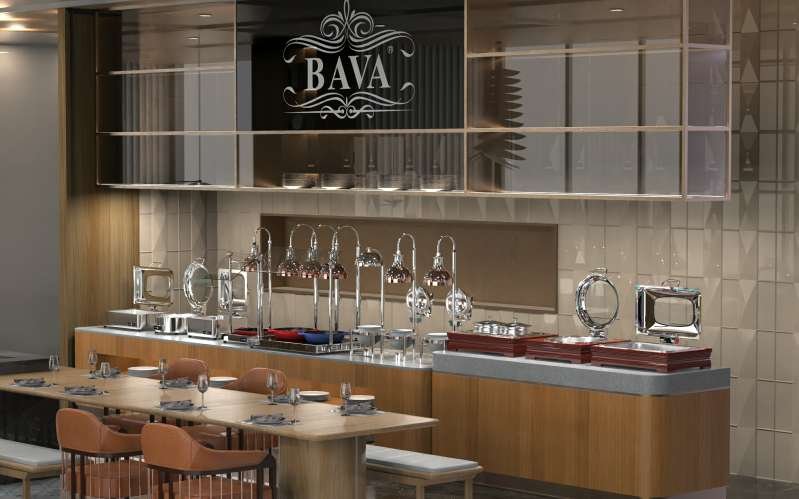
9QT Extra-Large Chafing Dish for Large-Scale Banquet Events
Discover the best 9QT Extra-Large Chafing Dish for Large-Scale Banquet Events solutions. Real case s...
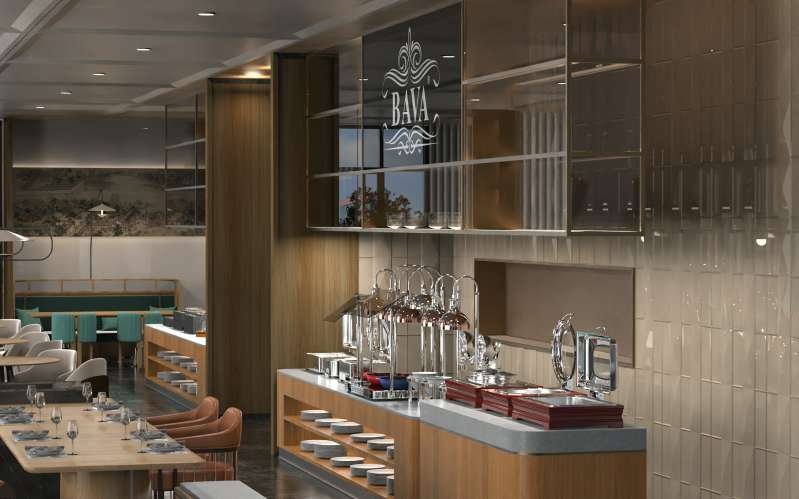
Wall-Mounted Buffet Stove for Space-Saving Kitchen Layouts
Discover the best Wall-Mounted Buffet Stove for Space-Saving Kitchen Layouts solutions. Real case st...
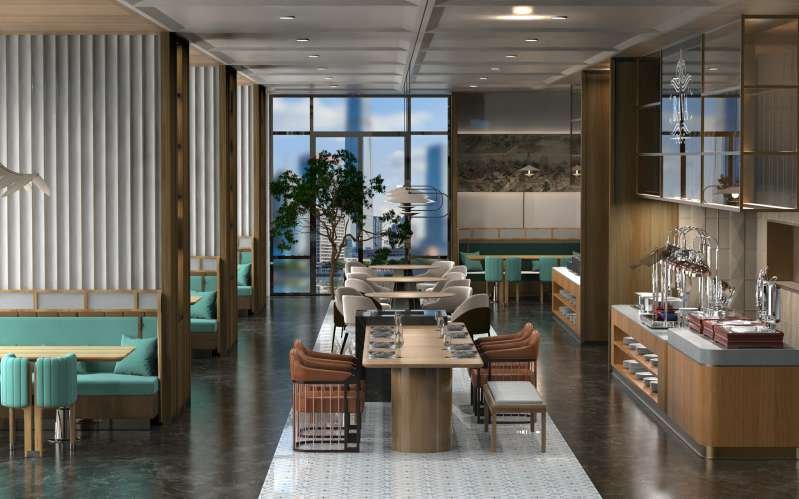
Stainless Steel Food Warmer for Supermarket Deli Departments
Discover the best Stainless Steel Food Warmer for Supermarket Deli Departments solutions. Real case ...
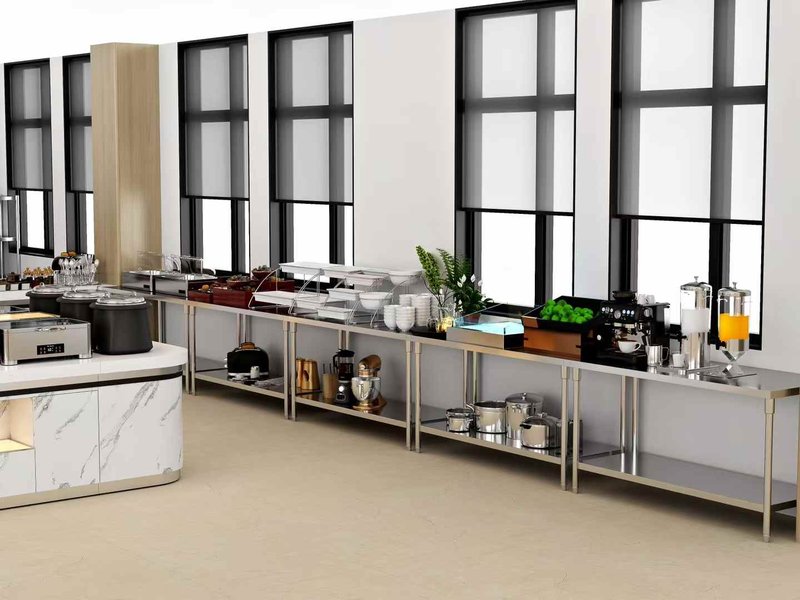
Commercial Chafer Dish with Temperature Control for Food Safety
Discover the best Commercial Chafer Dish with Temperature Control for Food Safety solutions. Real ca...