
Electric vs Fuel Buffet Warmers: Which Is Better?
Choosing between an electric and a fuel buffet warmer is one of the first decisions every caterer faces when building their equipment inventory. Both types keep food at safe serving temperatures, but they work in fundamentally different ways — and the wrong choice for your event can mean anything from inconvenient power cord management to a health code violation. This comparison breaks down the real-world differences so you can make the right call for every job you book.
How Each Type Works
Electric buffet warmers use a built-in heating element connected to a power outlet. The element heats a water pan or directly heats the food pan, and a thermostat maintains the set temperature automatically. Once you plug it in and dial in your temperature, it runs without further attention until you unplug it.
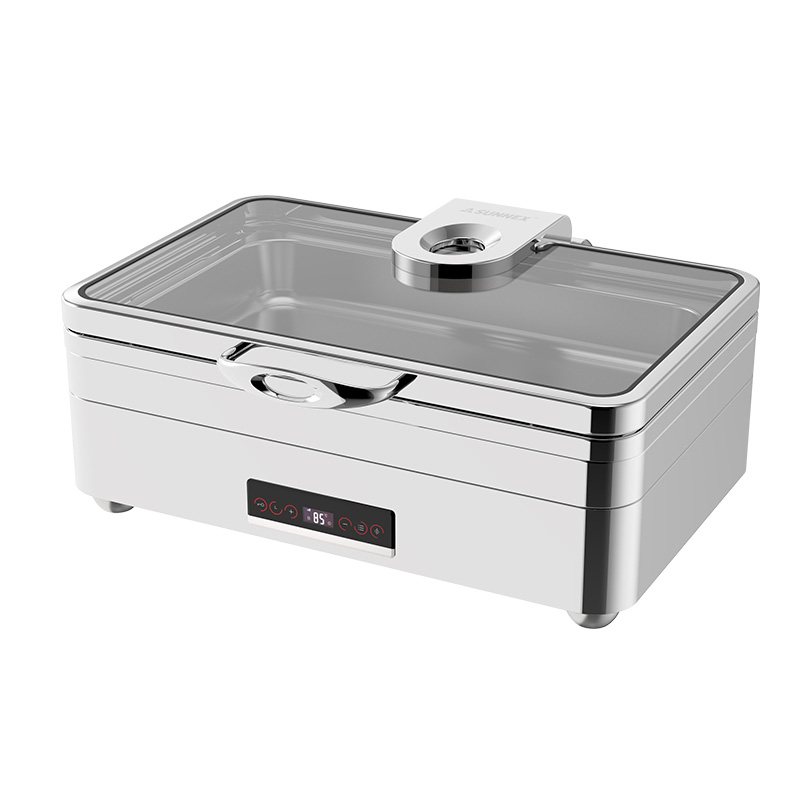
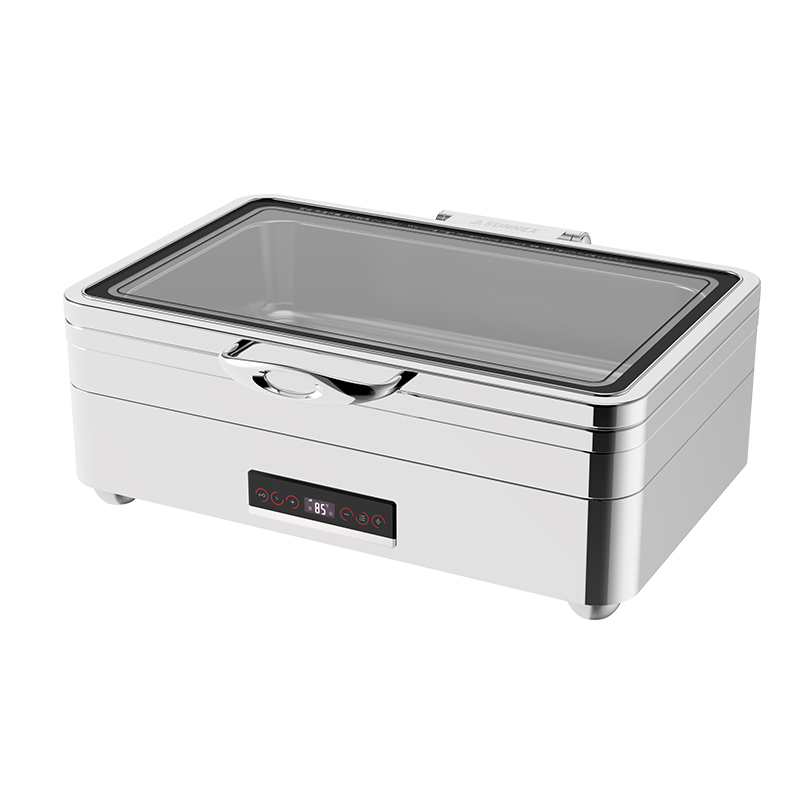
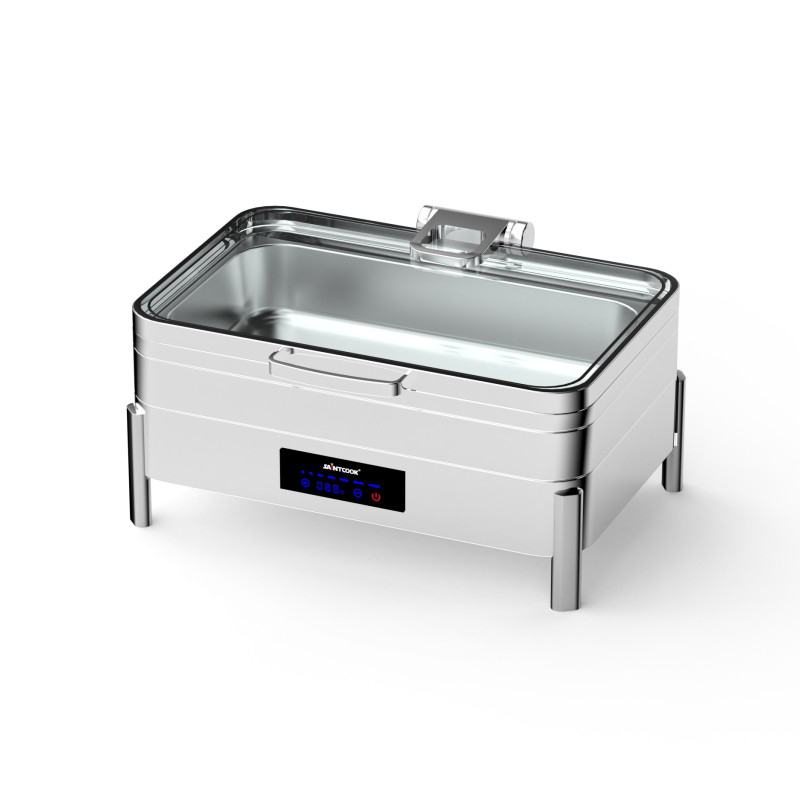
Electric Chafing Dish-W07
A 900W rapid-heating chafing dish with intelligent temperature control, multi-safety protection, anti-dry heat flash alarm, and 45-89°C adjustable thermostat. Built for hotel buffets and banquet catering where precise temperature management is critical.
Fuel buffet warmers use chafing fuel cans or alcohol burners positioned beneath a water pan. The flame heats the water, which creates steam that gently warms the food pan above. There is no electrical component — the system relies entirely on the fuel source for heat. The fuel can typically needs replacement every two to six hours depending on the brand and setting.
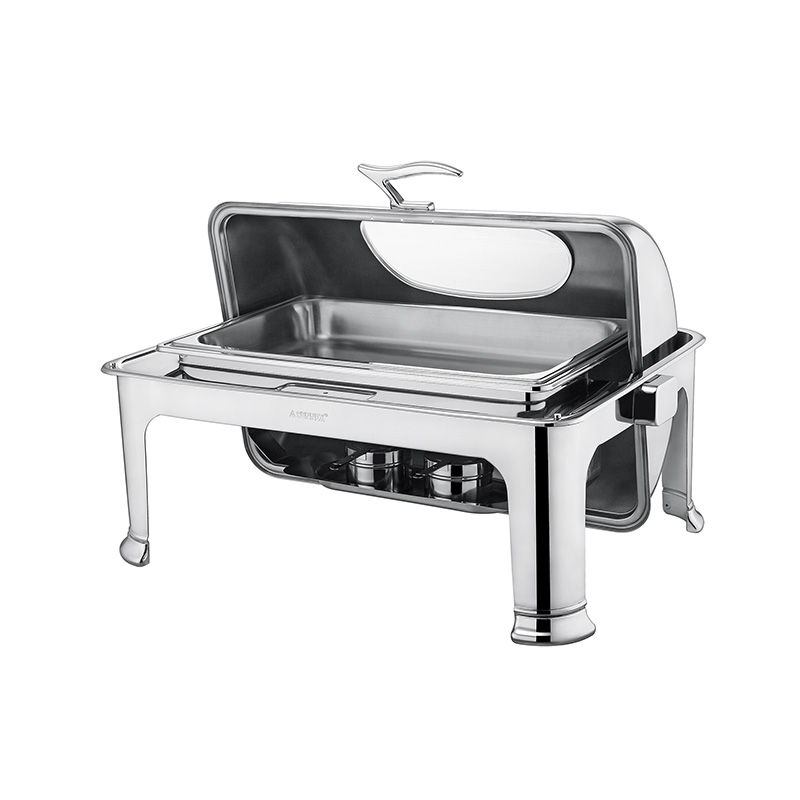
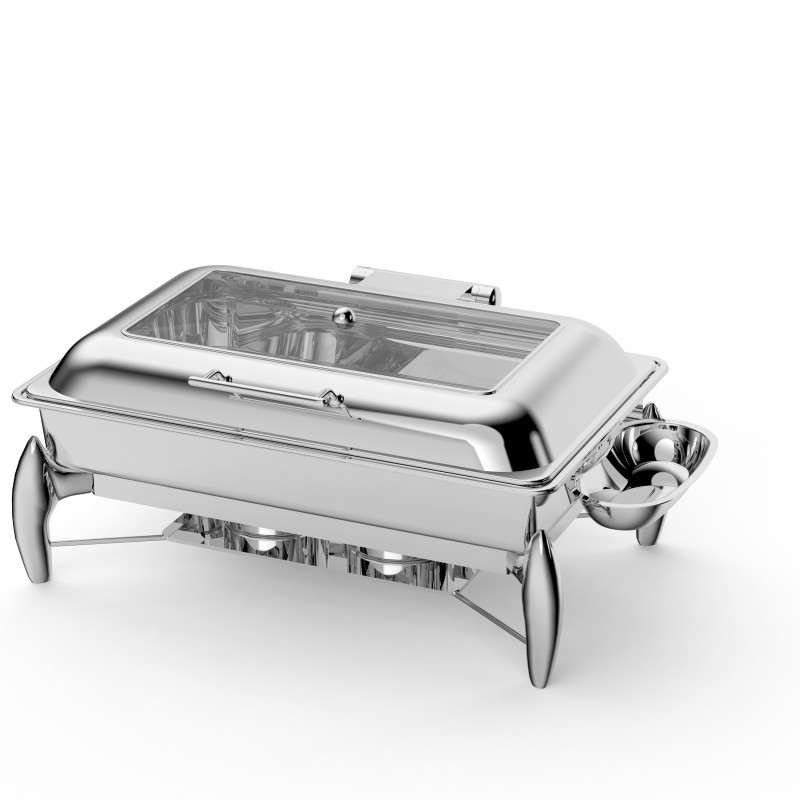
Covered Stainless Steel Alcohol Chafing Dish
A classic fuel-based chafing dish with a covered design, built from stainless steel for commercial buffet service. Uses alcohol or chafing fuel to maintain safe serving temperatures, making it versatile for indoor and outdoor events alike.
Head-to-Head Comparison
| Feature | Electric Warmer | Fuel Warmer |
|---|---|---|
| Power source | Electrical outlet required | Chafing fuel or alcohol — no outlet needed |
| Temperature control | Precise digital thermostat (1°C increments) | No precise control — adjust by opening/closing fuel lid |
| Setup time | 5 minutes — plug in, set temperature, wait | 10-15 minutes — assemble frame, add water, light fuel |
| Run time | Unlimited while plugged in | 2-6 hours per fuel can, then replace |
| Open flame | None — safe for all indoor venues | Yes — some venues restrict or prohibit |
| Portability | Limited by cord length and outlet access | Fully portable — works anywhere |
| Ongoing cost | Electricity (minimal per event) | Fuel cans ($2-5 each, multiple per event) |
| Best for | Indoor venues, long events, precise temp needs | Outdoor events, remote venues, short setups |
When Electric Wins
Electric warmers are the clear choice for any event where you have reliable power access and need consistent temperature control over a long service period. Wedding receptions in hotel ballrooms, corporate lunches in conference centers, hospital cafeterias — these are all environments where an outlet is never far away and health inspectors expect to see food held at a precise temperature.
The thermostat on a quality electric warmer eliminates guesswork. You set it to 74°C and it holds 74°C. For caterers who serve temperature-sensitive items like hollandaise sauce, melted chocolate, or egg dishes, this precision is not optional — it is the difference between a dish that holds beautifully and one that separates or becomes unsafe. Many electric models also include an overheat shutoff and an audible alarm, which gives you a safety net that fuel warmers simply cannot match.
Another overlooked advantage: electric warmers produce no combustion byproducts. In enclosed spaces with limited ventilation, fuel warmers release small amounts of carbon monoxide and water vapor. One or two units in a large ballroom is not a concern, but a buffet line with eight or ten fuel warmers running for hours can make the air noticeably stale. Electric units avoid this entirely.
When Fuel Wins
Fuel warmers shine in situations where electricity is unavailable, unreliable, or impractical to route to the buffet table. Outdoor weddings in garden pavilions, corporate retreats at remote conference centers, food festivals in public parks — these are the events where showing up with an electric warmer means scrambling to find an outlet or running 50 feet of extension cord across a lawn.
The logistics of fuel warmers are simpler in many ways. No cords to manage, no power strips to trip over, no circuit breakers to worry about when you are running multiple units on the same circuit. You set up the frame, fill the water pan, light the fuel, and you are running. For caterers who work across a wide range of venues, this plug-free operation is a significant advantage.
Fuel warmers also tend to be less expensive to purchase initially, which makes them attractive for caterers who are just starting out and need to build inventory on a budget. A basic stainless steel chafing dish with fuel holder costs significantly less than an electric model with a digital thermostat.
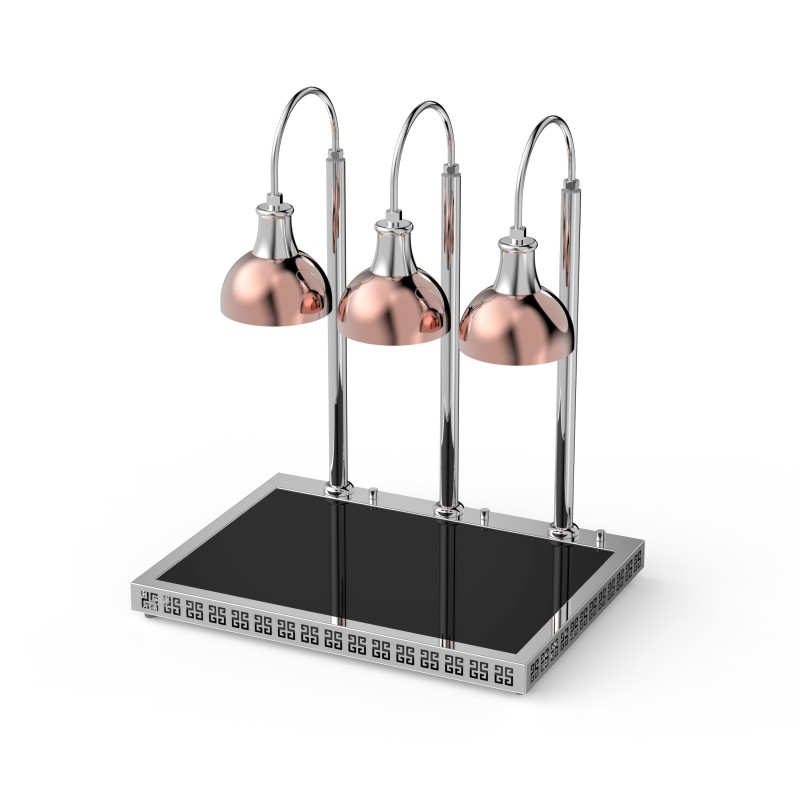
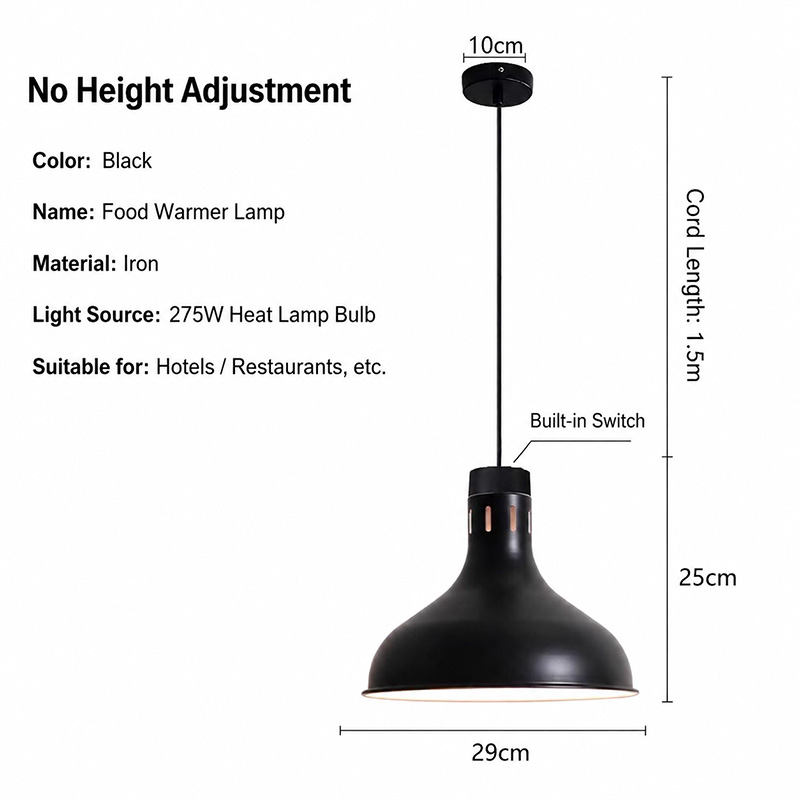
Three-Head Rose Gold Buffet Heat Lamp Station
BAVA Three-Head Rose Gold Buffet Heat Lamp Station with three rose gold dome lamps over a black glass warming surface. An elegant overhead warming solution ideal for buffet lines and display counters where visual presentation matters.
The Real Cost Difference
Upfront cost favors fuel warmers, but the long-term economics are more nuanced. A fuel can costs two to five dollars and lasts two to six hours. For a four-hour event with six chafing dishes, you might burn through twelve to twenty-four fuel cans at a cost of twenty-four to one hundred and twenty dollars in fuel alone. Over the course of a busy catering season, these consumable costs add up fast.
Electric warmers cost more to purchase but virtually nothing to operate. The electricity consumed by a 900W warmer running for four hours costs less than a single fuel can. Over dozens of events, the savings on fuel can offset the higher purchase price of the electric unit. For high-volume caterers who run events several times a week, electric warmers are the more economical choice in the long run.
Safety Considerations
Both types have safety considerations, but they differ in nature. Electric warmers pose a burn risk from the heating element and a tripping hazard from the power cord. Fuel warmers carry the risks associated with open flames: accidental contact burns, fuel spills, and the small but real risk of fire if a fuel can is knocked over or placed on an unstable surface.
Venue fire codes are increasingly strict about open flames. Many hotels and convention centers require caterers to use electric warmers exclusively, or to obtain a special permit for fuel-based equipment. Some municipalities have adopted the International Fire Code provisions that restrict open-flame food warming in assembly occupancies. Before you invest in a fleet of fuel warmers, check the regulations in your most common venue types.
The Practical Answer: Own Both
Most experienced caterers do not choose one type over the other — they own both and deploy the right tool for each event. Electric warmers for indoor venues with power access. Fuel warmers for outdoor and off-grid events. Some caterers even use a hybrid approach at a single event: electric warmers on the main buffet line for reliable temperature control, and a fuel warmer on the dessert station or beverage table where lower traffic means fuel lasts longer.
If you are starting from scratch and can only buy one type, let your most common event type decide. Do you mostly cater indoor hotel and conference events? Go electric. Do you mostly handle outdoor weddings and festivals? Go fuel. Then expand to the other type as your business grows and your event portfolio diversifies.
Related Articles
Electric Buffet Warmer with Adjustable Thermostat for Restaurants
Discover the best Electric Buffet Warmer with Adjustable Thermostat for Restaurants solutions. Real ...
Mini Chafing Dish for Breakfast Buffet & Condiment Stations
Discover the best Mini Chafing Dish for Breakfast Buffet & Condiment Stations solutions. Real case s...
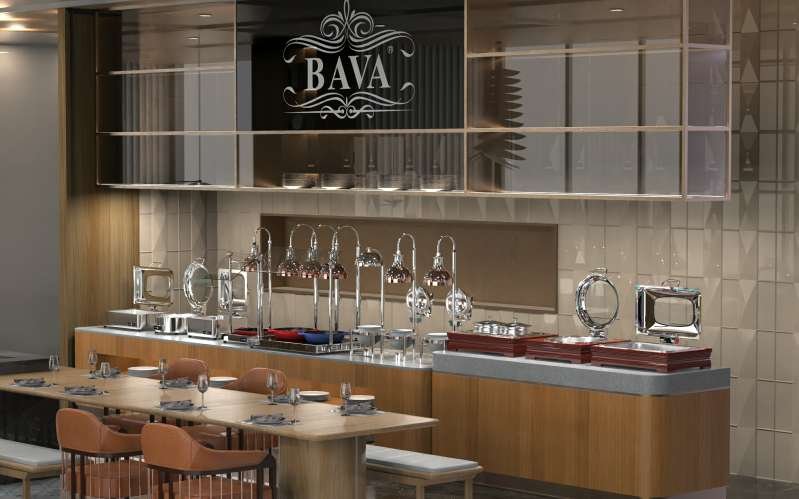
9QT Extra-Large Chafing Dish for Large-Scale Banquet Events
Discover the best 9QT Extra-Large Chafing Dish for Large-Scale Banquet Events solutions. Real case s...
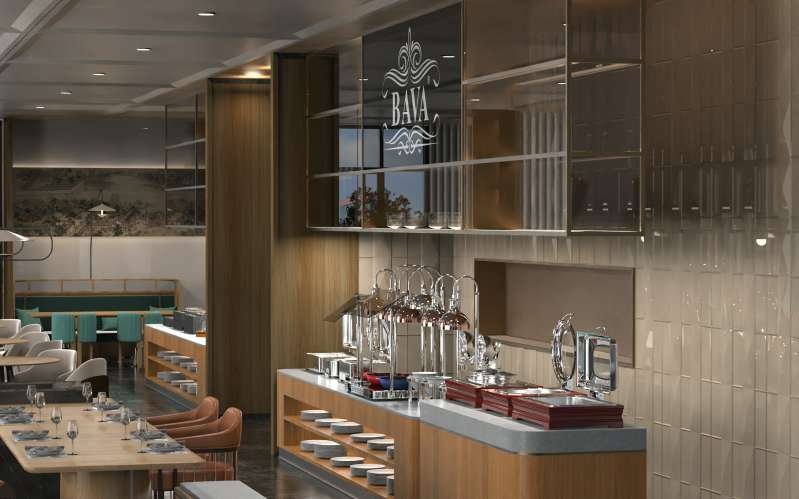
Wall-Mounted Buffet Stove for Space-Saving Kitchen Layouts
Discover the best Wall-Mounted Buffet Stove for Space-Saving Kitchen Layouts solutions. Real case st...
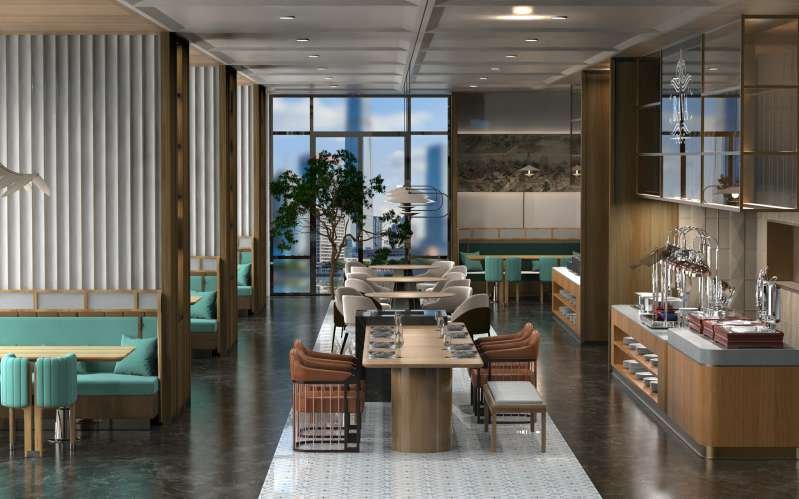
Stainless Steel Food Warmer for Supermarket Deli Departments
Discover the best Stainless Steel Food Warmer for Supermarket Deli Departments solutions. Real case ...
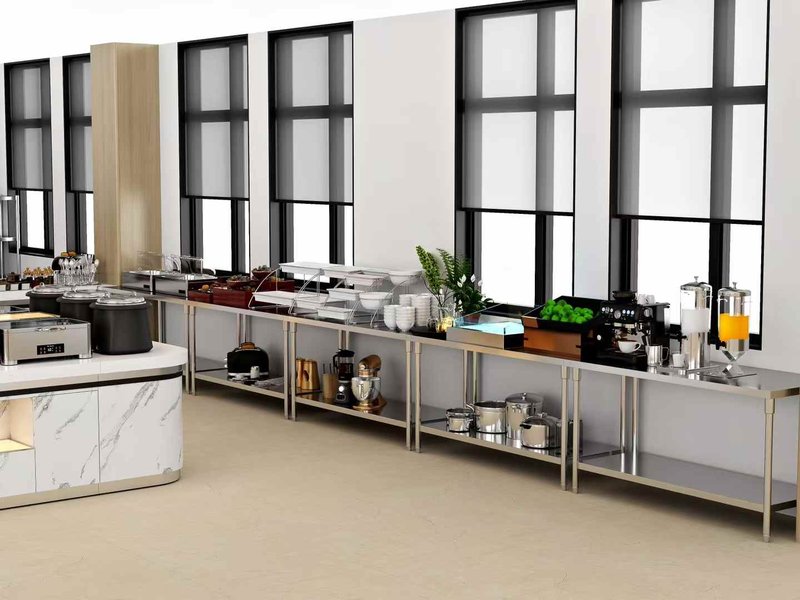
Commercial Chafer Dish with Temperature Control for Food Safety
Discover the best Commercial Chafer Dish with Temperature Control for Food Safety solutions. Real ca...