
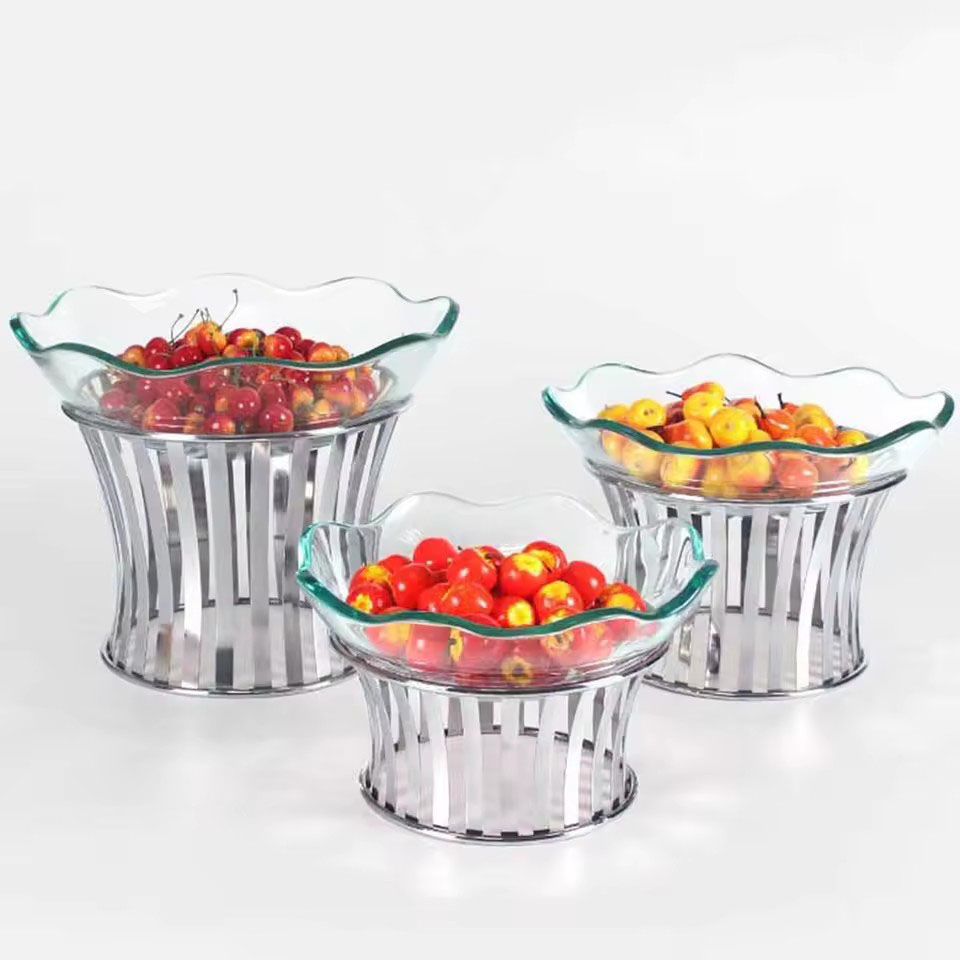
Electric vs. Fuel Chafing Dishes: Which Is Better for Catering?
The choice between electric and fuel-powered chafing dishes shapes operational capabilities, cost structures, and service quality in ways that deserve careful consideration before purchase. Both technologies serve the same fundamental purpose but excel in different scenarios and impose different constraints on how service operates. Understanding these differences enables decisions that align equipment selection with actual operational needs.
Heat Source Comparison
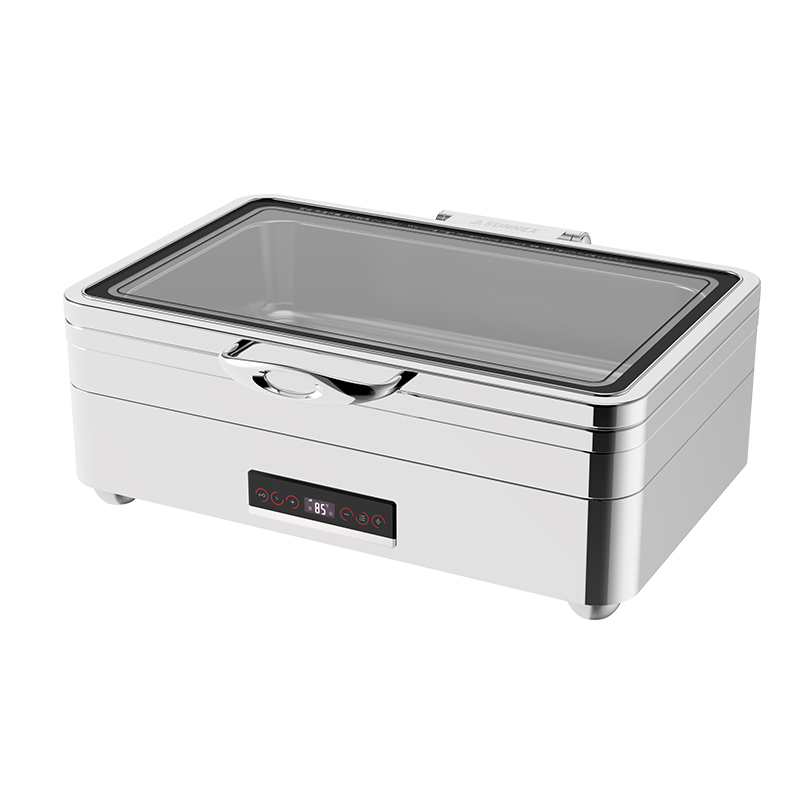
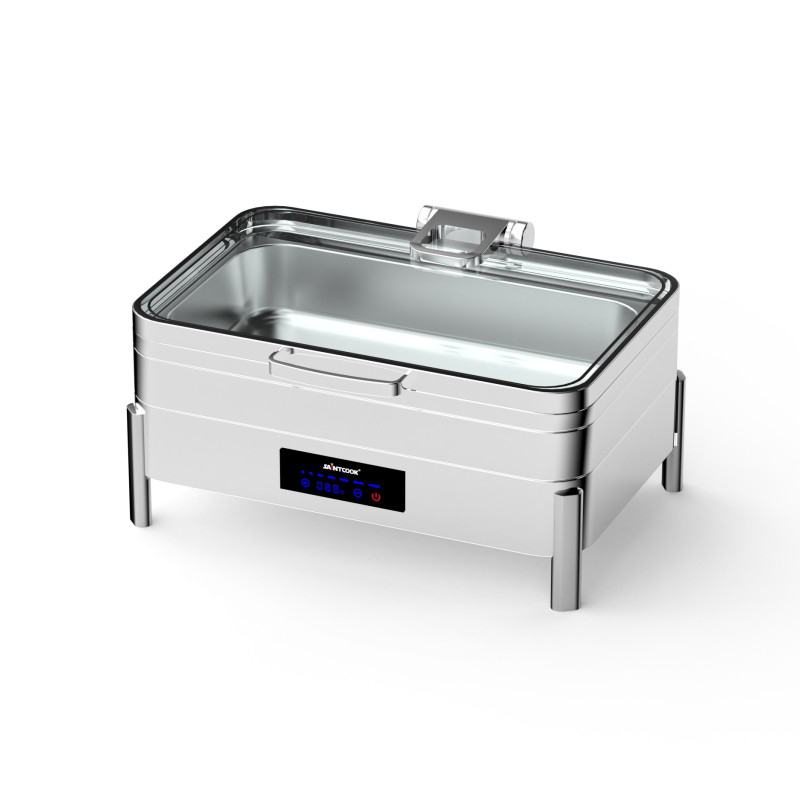
Electric chafing dishes draw power from standard electrical outlets or dedicated circuits, providing consistent, controllable heat that doesn't deplete during service. The heating element maintains steady temperatures without the gradual decline that fuel consumption creates, ensuring food quality remains stable throughout extended service.
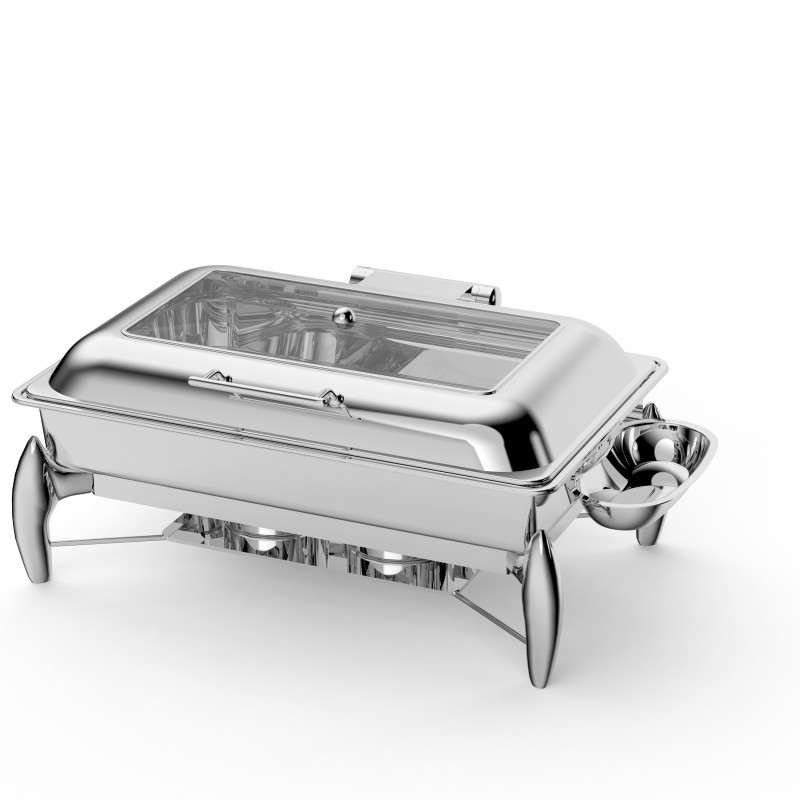
Fuel-powered units use gelled fuel or liquid petroleum burned beneath the water bath to generate heat. This approach provides genuine portability without requiring access to electrical outlets, making fuel systems the natural choice for outdoor events, remote locations, or venues where power access is limited or unreliable.
The heat output characteristics differ meaningfully between technologies. Electric elements produce consistent bottom heat that heats water uniformly, while fuel flames create more variable temperature distribution across the water bath surface. This difference affects which foods perform better in each system type.
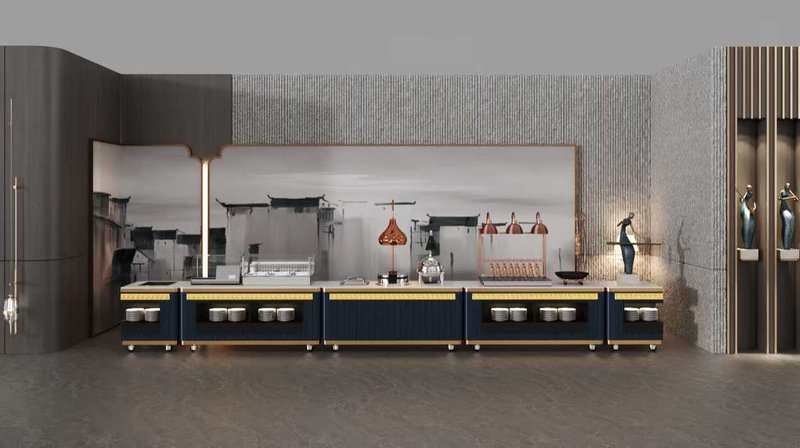
Comparison: Electric vs. Fuel Chafing Dishes
| Feature | Electric Chafing Dishes | Fuel Chafing Dishes |
|---|---|---|
| Power Requirements | Requires electrical outlet or generator; limits placement options | No power required; fully portable anywhere |
| Heat Consistency | Stable, consistent temperature maintained automatically | Temperature varies as fuel burns; requires monitoring and refueling |
| Operating Cost | Electricity cost only; lower ongoing expense | Fuel purchases required; costs accumulate over events |
| Indoor Safety | No open flame or combustion products; safer for enclosed spaces | Open flame present; produces combustion gases requiring ventilation |
| Setup Complexity | Requires power cord management and outlet access | Fuel cans must be lit and monitored; simpler initial setup |
| Outdoor Suitability | Requires weather-protected power source; wind affects heating | Excellent outdoor performance; no wind impact on fuel heating |
| Food Quality Control | Precise temperature control; automatic maintenance | Manual temperature adjustment; requires experienced monitoring |
Operational Cost Analysis
Electricity costs for chafing dish operation typically amount to fractions of a dollar per hour, making electric operation significantly cheaper than equivalent fuel consumption over extended use. The energy efficiency of electric heating elements translates directly to lower operating costs that compound over time.
Fuel expenses accumulate differently, varying with event duration, number of units, and fuel prices in your region. Gel fuel cans typically provide two to four hours of heat each, meaning multiple fuel changes during extended events. Liquid fuel provides longer burn times but requires additional safety precautions during handling and storage.
Equipment acquisition costs favor fuel systems initially, as electric chafing dishes with heating elements and controls command higher prices than equivalent fuel-powered units. The long-term operating cost advantage of electric systems eventually offsets this initial premium, with break-even timing depending on usage frequency and electricity versus fuel pricing.
Service Environment Considerations
Indoor events with reliable power access favor electric systems, where the consistent temperature control and absence of combustion byproducts create better food quality outcomes. Climate-controlled venues protect electric units from weather variables while their stable operation fits naturally into controlled indoor environments.
Outdoor catering presents the strongest case for fuel systems, where the ability to place units anywhere without power cable management dramatically simplifies logistics. Garden weddings, outdoor corporate events, and tent installations all benefit from fuel system portability that electric units simply cannot match.
Mixed environments sometimes justify maintaining both system types, enabling equipment selection matched to each event's specific requirements. This flexibility proves valuable for caterers serving diverse venue types, though it requires managing inventory and staff training for both technologies.
Staff Training and Safety
Fuel system operation requires staff training on safe fuel handling, ignition procedures, and fire suppression response. The open flame and combustible fuel present hazards that electric systems eliminate entirely, making electric operation more forgiving for less experienced staff.
Gel fuel presents relatively lower risk than liquid fuel but still requires careful handling to prevent burns and fire incidents. Staff must understand the specific hazards of the fuel type they work with and maintain the safety protocols that prevent accidents.
Electric systems require attention to cord management that prevents trip hazards and water exposure risks, but the operational hazards are generally more manageable than fuel system risks. The reduced safety training requirements may prove valuable for operations with high staff turnover or variable experience levels.
Maintenance Requirements
Electric heating elements and controls require periodic inspection and occasional replacement as components wear out. The electrical system demands attention to cord condition, connection integrity, and heating element function that fuel systems don't require.
Fuel systems face different maintenance demands, including burner cleaning, fuel reservoir inspection, and structural integrity checks that identify corrosion or damage. The absence of electrical components simplifies some aspects of maintenance while creating others specific to fuel system operation.
Both systems benefit from the same fundamental care practices: thorough cleaning after each use, proper storage procedures, and regular inspection that catches problems before they affect service. The maintenance investment required for reliable operation applies regardless of which heat source technology you choose.
Featured Chafing Dish Products
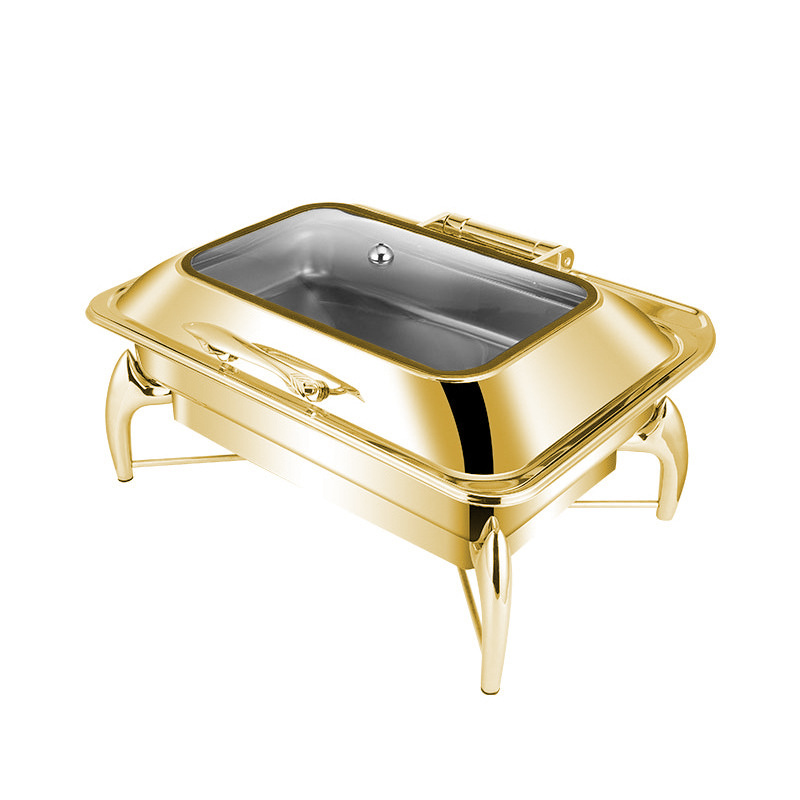
Alcohol Heated Gold-Plated Stainless Steel Buffet Chafing Dish
Alcohol Heated Gold-Plated Stainless Steel Buffet Chafing Dish delivers the reliable performance that both electric and fuel operations demand. Quality construction maintains consistent function regardless of heat source, providing dependable service that professional caterers depend on.
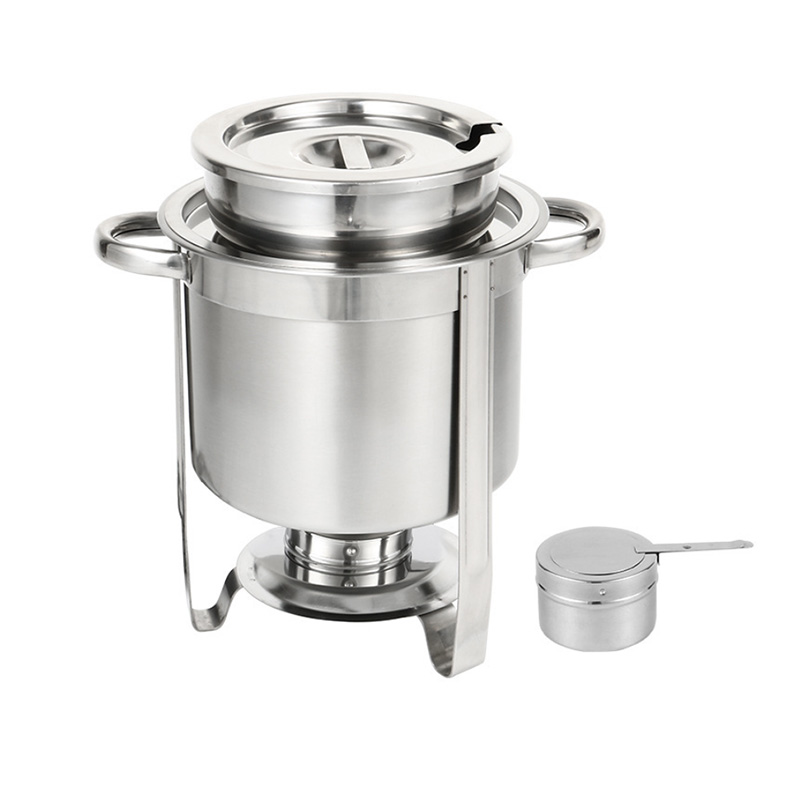
7L Stainless Steel Soup Pot
7L Stainless Steel Soup Pot represents the professional quality that justifies equipment investment. The durable design and thoughtful features support consistent operation across both electric and fuel heating configurations.
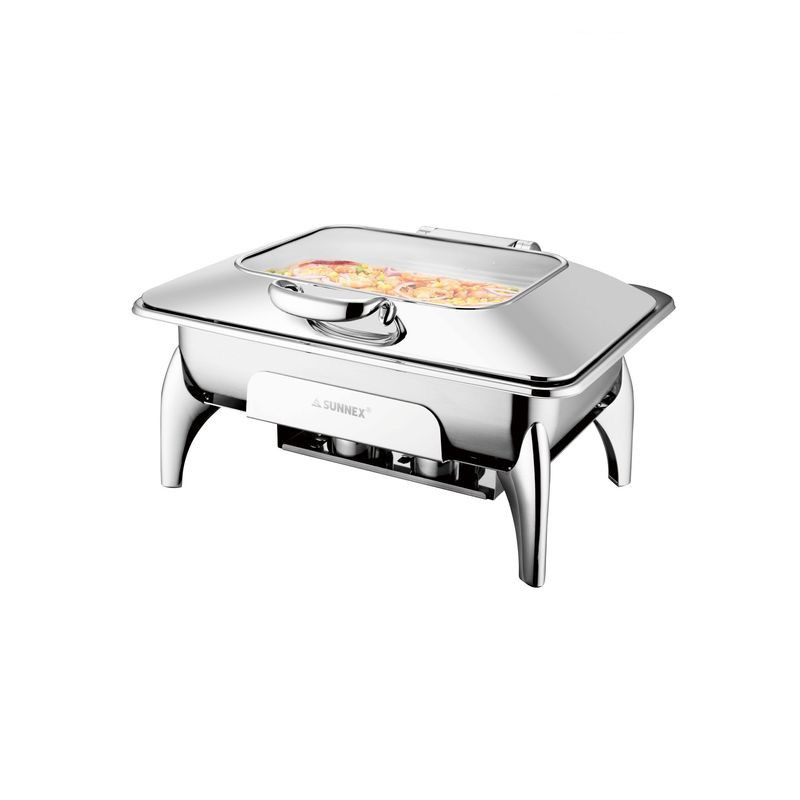
Stainless Steel Alcohol Chafing Dish
Stainless Steel Alcohol Chafing Dish provides the professional-grade performance that demanding catering environments require. The quality engineering ensures reliable operation whether powered by electricity or fuel, giving operators flexibility without sacrificing quality.
Making the Right Choice
The electric versus fuel decision ultimately reflects your specific operational patterns and service environment characteristics. Neither technology universally outperforms the other; each excels in conditions suited to its design strengths. Analyze your typical events, venue requirements, and operational priorities to identify which approach serves your needs better.
Consider the possibility of maintaining both system types if your catering spans diverse environments. The additional inventory management complexity may pay returns through improved equipment matching to each event's specific requirements. The investment in both technologies provides flexibility that single-system operations cannot match.
Related Articles
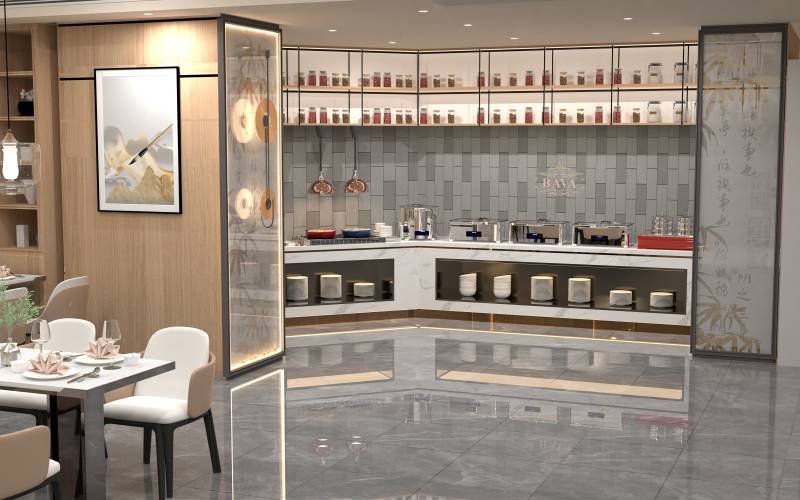
Electric Buffet Warmer with Adjustable Thermostat for Restaurants
Discover the best Electric Buffet Warmer with Adjustable Thermostat for Restaurants solutions. Real ...
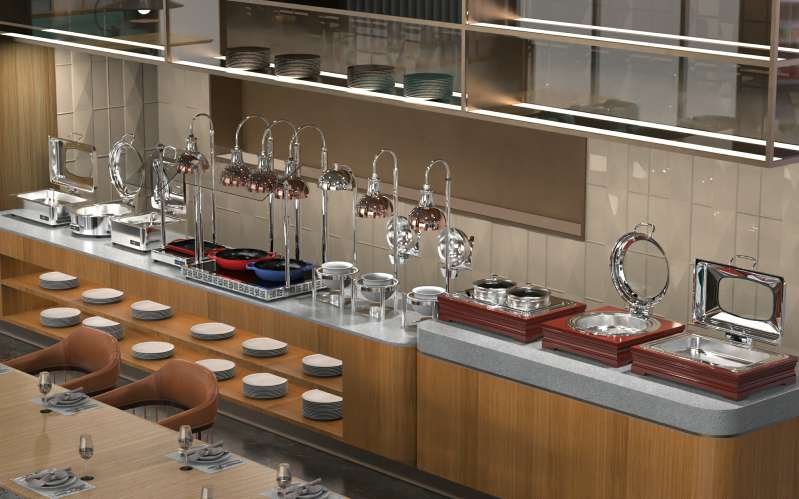
Mini Chafing Dish for Breakfast Buffet & Condiment Stations
Discover the best Mini Chafing Dish for Breakfast Buffet & Condiment Stations solutions. Real case s...
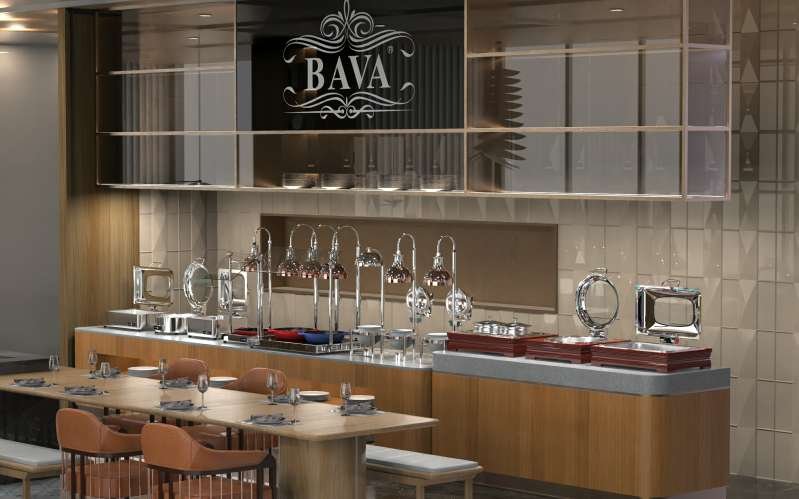
9QT Extra-Large Chafing Dish for Large-Scale Banquet Events
Discover the best 9QT Extra-Large Chafing Dish for Large-Scale Banquet Events solutions. Real case s...
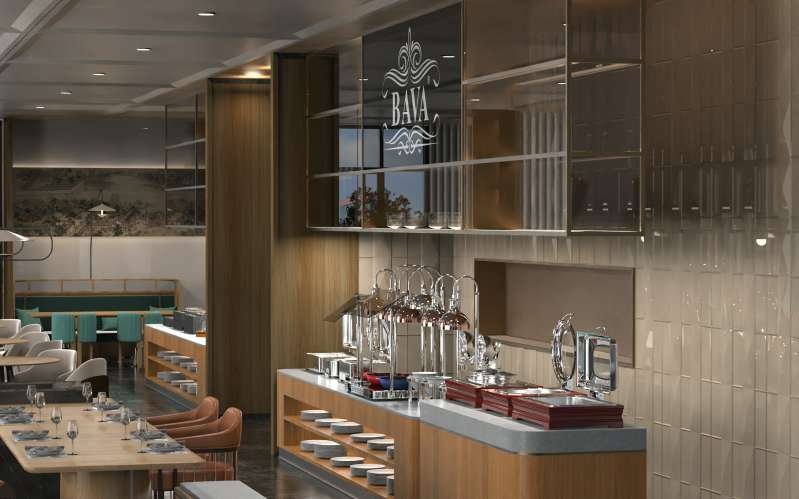
Wall-Mounted Buffet Stove for Space-Saving Kitchen Layouts
Discover the best Wall-Mounted Buffet Stove for Space-Saving Kitchen Layouts solutions. Real case st...

Stainless Steel Food Warmer for Supermarket Deli Departments
Discover the best Stainless Steel Food Warmer for Supermarket Deli Departments solutions. Real case ...
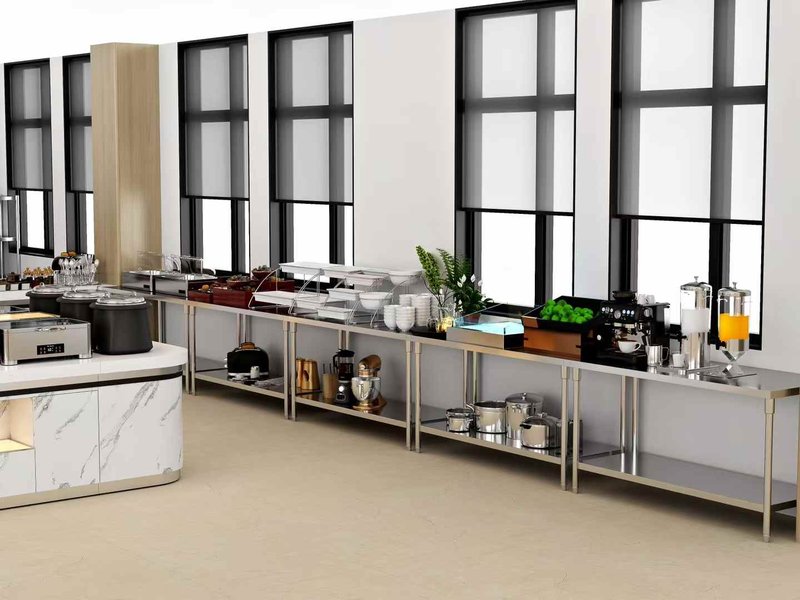
Commercial Chafer Dish with Temperature Control for Food Safety
Discover the best Commercial Chafer Dish with Temperature Control for Food Safety solutions. Real ca...