

How to Store Chafing Dishes: Pro Tips for Longevity
Proper storage practices dramatically extend chafing dish service life while maintaining the appearance and function that justify equipment investment. Yet storage receives less attention than active use despite its significant impact on long-term equipment condition. Developing systematic storage procedures protects your equipment from the degradation that improper storage introduces and ensures readiness for the next deployment.
Pre-Storage Cleaning Requirements
Never store chafing dishes with food residue, grease, or moisture remaining on any surface. These contaminants create corrosion, attract pests, and degrade seals and finishes during storage periods. Complete cleaning using appropriate methods for each material type must precede any storage scenario.
Disassemble units fully for cleaning rather than cleaning assembled components. Hidden surfaces between stacked parts develop corrosion and residue accumulation that compromises function and appearance. Separate all removable components and clean each thoroughly before storage reassembly.
Pay particular attention to water pans where mineral deposits from repeated water heating accumulate over time. These deposits affect heat transfer efficiency and create pitting that weakens metal over time. Periodic descaling removes accumulated minerals and preserves heating performance.

Drying Before Storage
All surfaces must be completely dry before storage to prevent the corrosion that persistent moisture promotes. Air drying works for components that won't be immediately stored, while thorough towel drying ensures storage readiness for items needed quickly. Any moisture remaining during storage creates localized corrosion that worsens over time.
Heating elements require special attention to ensure complete dryness. Residual moisture in heating compartments creates short circuit risks when equipment is next powered and may damage electrical components. Ensure heating elements are fully dry before reconnecting power or storing electric units.
Consider using moisture-absorbing desiccants in storage areas to maintain low humidity around stored equipment. This additional protection proves particularly valuable in humid climates or storage areas without climate control. Replace desiccants periodically to maintain their effectiveness.
Climate-Controlled Storage
Temperature extremes damage chafing dish materials through expansion and contraction cycles that stress joints and seals. Avoid storage in unheated sheds, garages, or outdoor areas where temperature fluctuations create material stress. Climate-controlled storage maintains consistent conditions that preserve equipment condition.
Humidity control prevents the corrosion that high moisture levels accelerate. Storage areas with humidity above 60% create conditions favoring rust formation on steel components. Dehumidifiers or climate control maintain humidity levels that protect metal surfaces throughout storage periods.
Direct sunlight exposure degrades plastic components, damages finishes, and accelerates the oxidation of exposed metal surfaces. Store units away from windows or use light-blocking covers that prevent UV damage to equipment surfaces and decorative elements.
Proper Stacking and Organization
Stack components safely to maximize storage density while preventing damage from improper stacking. Place softer materials between hard surfaces, and ensure stacks won't topple during storage area activity. Well-organized storage uses space efficiently while protecting equipment condition.
Lids should typically be stored separately from bases to prevent scratching and allow individual component inspection without full disassembly. The additional storage space this requires often pays returns through reduced surface damage and easier access when units are needed.
Label storage locations and maintain inventory records that enable quick identification of specific units. Detailed records support preventive maintenance scheduling and help identify units that see heavier use requiring more frequent service.
Protective Covering
Cloth covers protect equipment from dust accumulation and light exposure while allowing air circulation that prevents moisture trapping. Avoid plastic covers that trap humidity and create condensation conditions promoting corrosion. Breathable fabric covers provide protection without the moisture risks that plastic creates.
Individual component covers prevent scratching during storage and simplify identification when units are needed. Soft cloth bags or wrap protect polished surfaces from the abrasion that contact with other items creates.
Original equipment packaging provides ideal protection when available, having been designed specifically for safe storage and transport of the items it contains. Retain packaging for equipment requiring the highest protection levels or equipment transported frequently between storage and service locations.
Inspection During Storage
Periodic inspection during extended storage catches problems before they worsen. Quarterly inspections verify that storage conditions remain appropriate and identify any equipment showing early degradation signs. Catching problems early enables maintenance before damage becomes severe.
Check for pest activity that may damage equipment during storage. Rodents and insects seeking shelter may damage electrical components, chew through cords, or create contamination that requires cleaning before use. Storage area pest control prevents these costly incidents.
Verify that fuel storage areas remain safe and compliant with relevant regulations. Fuel expiration, container degradation, and storage condition changes all require attention during storage inspections. Maintain fuel supplies properly or remove fuel from storage to prevent degradation and safety risks.
Maintenance During Storage
Apply protective coatings to steel surfaces during storage periods to prevent corrosion during vulnerable periods. Food-safe mineral oil on steel surfaces provides temporary protection that preserves appearance between uses. Reapply periodically during extended storage to maintain protection.
Lubricate moving parts that might seize during extended storage. Hinges, adjustment mechanisms, and removable component connections all benefit from lubrication that prevents the corrosion-induced seizing that impairs function.
Electrical testing verifies that cord and connection integrity remains sound throughout storage. Check cords for damage, test grounding continuity, and verify that switches and controls function properly. Identify problems during storage rather than discovering them during service preparation.
Featured Chafing Dish Products
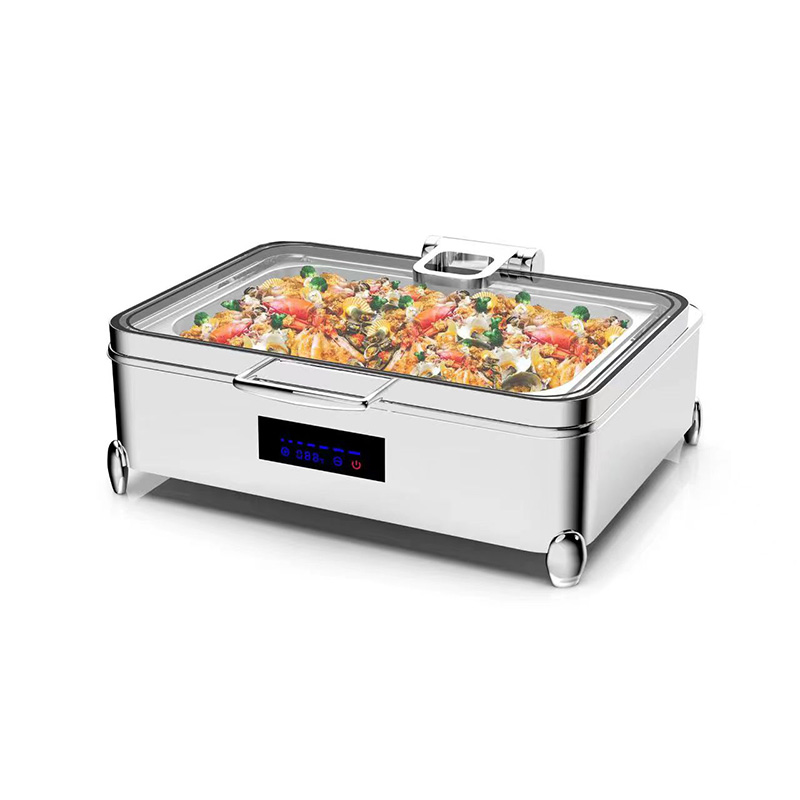
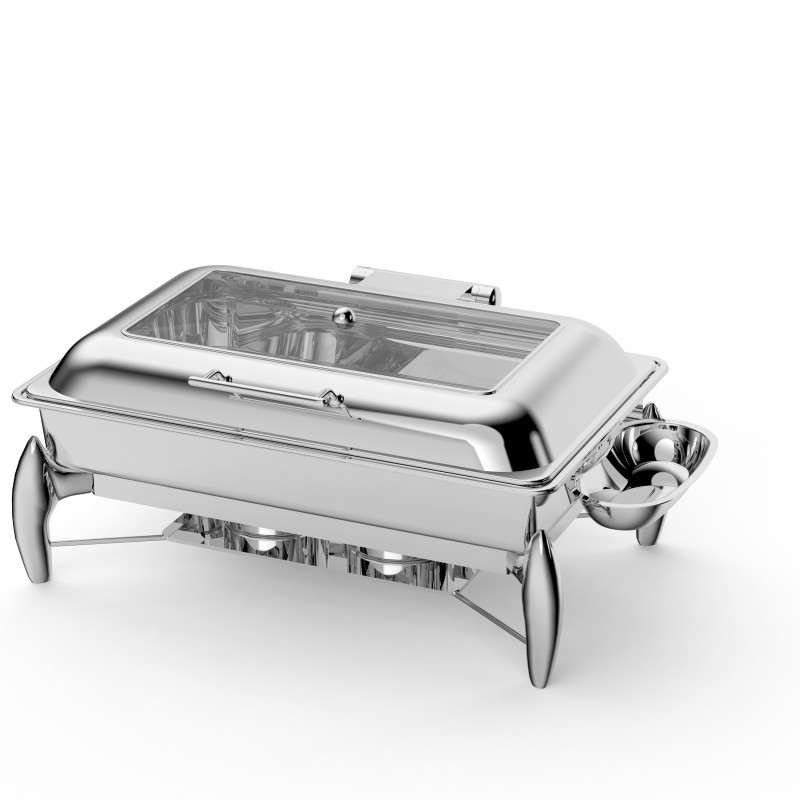
Electric Chafing Dish Food Warmer
Electric Chafing Dish Food Warmer delivers the durable construction that rewards proper storage practices with years of reliable service. Quality materials and thoughtful design maintain their condition through proper storage and emerge ready for demanding service.
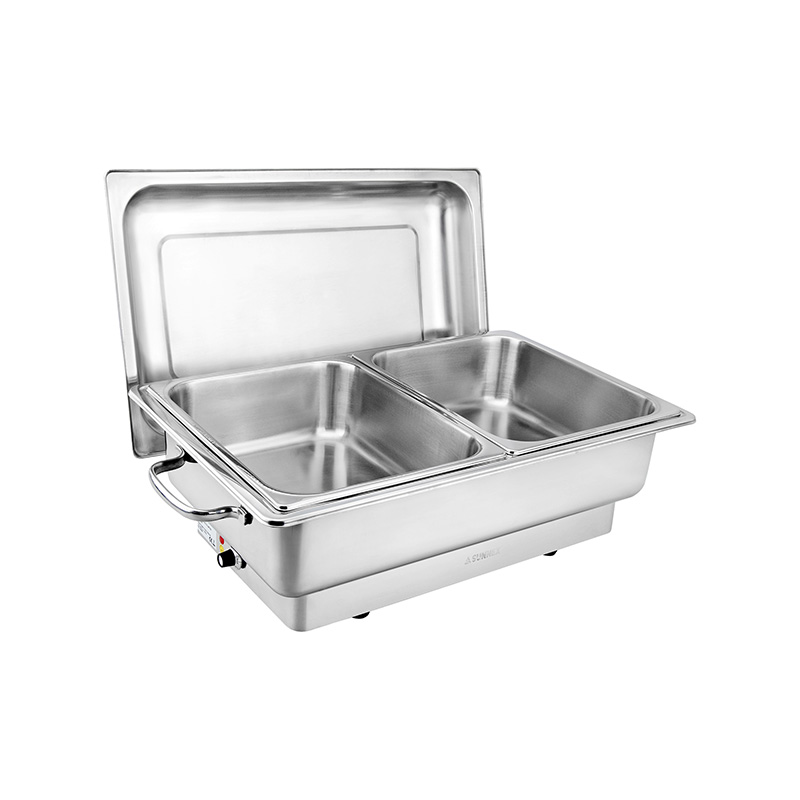
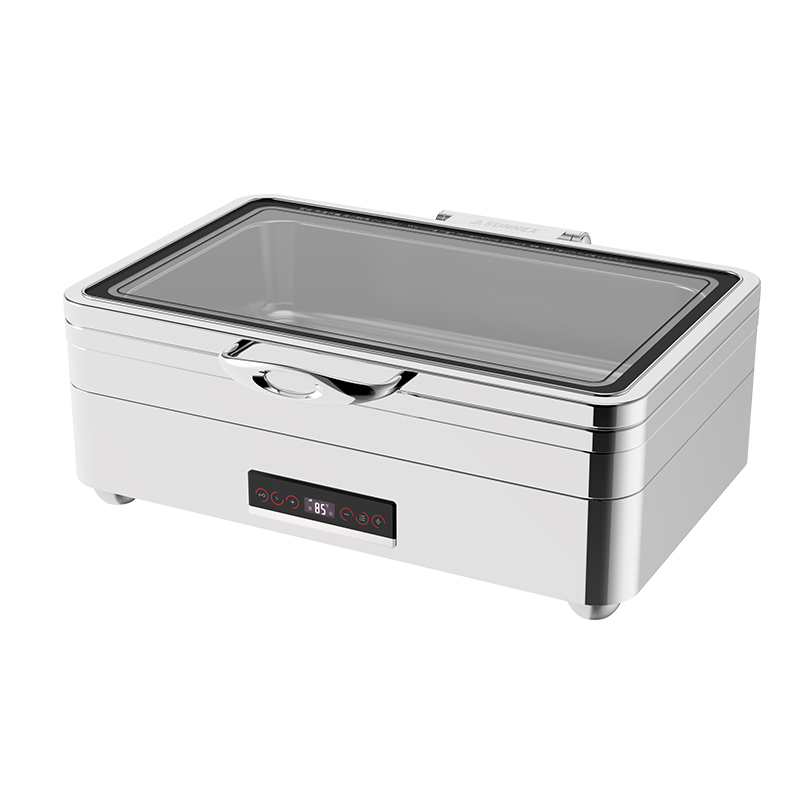
Stainless Steel Electric Double Pan Chafing Dish
Stainless Steel Electric Double Pan Chafing Dish combines professional quality with the storage-friendly design that simplifies long-term preservation. The quality construction maintains appearance and function through proper storage practices that protect your investment.
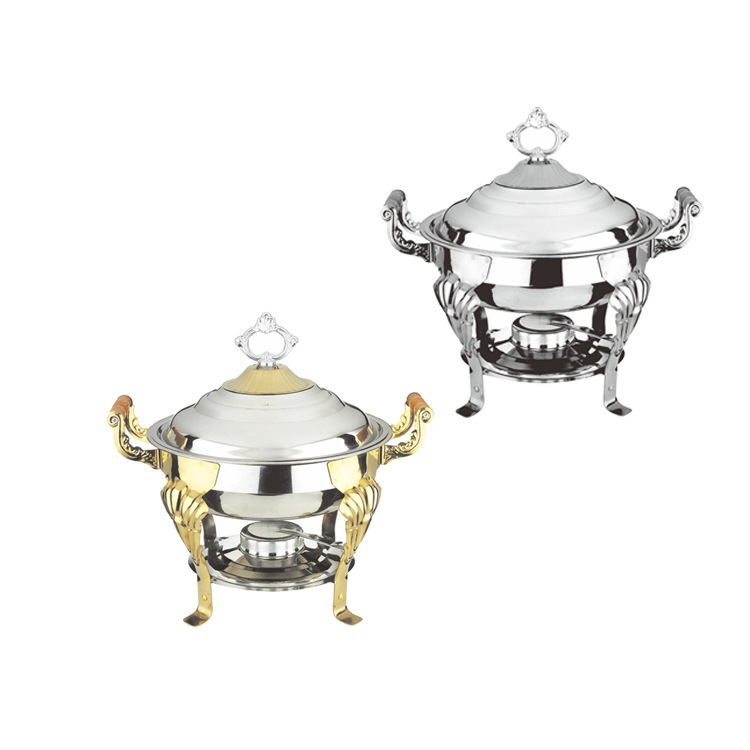
Mini Individual Buffet Chafing Dish
Mini Individual Buffet Chafing Dish represents the professional standard for caterers who prioritize equipment longevity through proper storage and maintenance. The superior design and materials provide the durability that quality storage practices protect and extend.
Preserving Equipment Investment
Storage practices directly affect the return you receive from equipment investment. Equipment that emerges from storage in poor condition fails to deliver the value that quality purchasing provided. Invest in proper storage to protect all other equipment investments you've made.
The systematic approach to storage develops into habits that become second nature, requiring minimal additional effort while providing substantial protection. Build storage practices into your operational routines and maintain them consistently to preserve equipment quality indefinitely.
Related Articles

Electric Buffet Warmer with Adjustable Thermostat for Restaurants
Discover the best Electric Buffet Warmer with Adjustable Thermostat for Restaurants solutions. Real ...

Mini Chafing Dish for Breakfast Buffet & Condiment Stations
Discover the best Mini Chafing Dish for Breakfast Buffet & Condiment Stations solutions. Real case s...

9QT Extra-Large Chafing Dish for Large-Scale Banquet Events
Discover the best 9QT Extra-Large Chafing Dish for Large-Scale Banquet Events solutions. Real case s...

Wall-Mounted Buffet Stove for Space-Saving Kitchen Layouts
Discover the best Wall-Mounted Buffet Stove for Space-Saving Kitchen Layouts solutions. Real case st...

Stainless Steel Food Warmer for Supermarket Deli Departments
Discover the best Stainless Steel Food Warmer for Supermarket Deli Departments solutions. Real case ...

Commercial Chafer Dish with Temperature Control for Food Safety
Discover the best Commercial Chafer Dish with Temperature Control for Food Safety solutions. Real ca...