
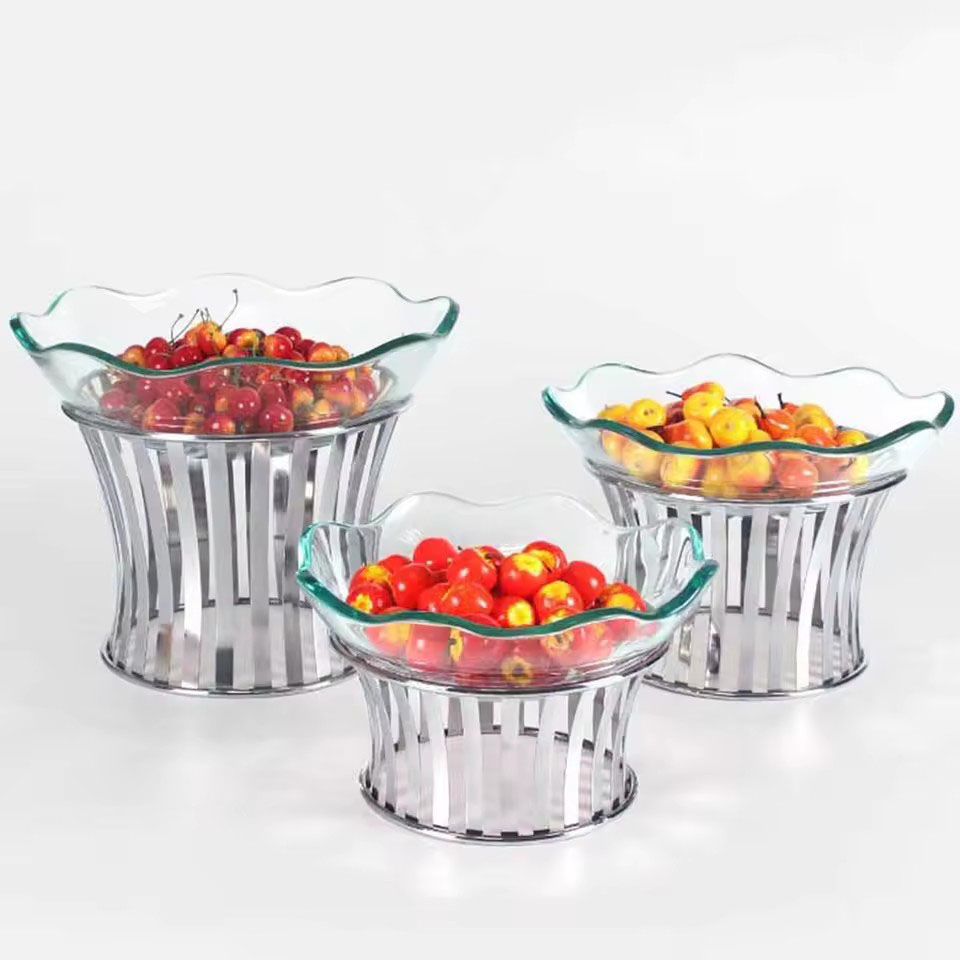
Chafing Dish Safety Tips: Avoid Burns & Foodborne Illness
Chafing dish service presents two distinct safety domains that require equal attention: burn hazards from hot surfaces and fuel systems, and foodborne illness risks from improper temperature management. Both categories of risk cause serious harm when neglected, yet both respond well to systematic safety practices that professional caterers can implement consistently. Understanding the hazards enables targeted prevention that protects staff, guests, and your operation's reputation.
Burn Hazards from Hot Surfaces
The water bath in a chafing dish reaches temperatures sufficient to cause serious burns upon contact. Staff and guests who touch the exterior surfaces or rim of a heated unit risk injury that creates both immediate suffering and potential liability for your operation. Positioning equipment away from high-traffic areas reduces accidental contact that causes burns.
Fuel systems present separate burn risks that require specific precautions. Gel fuel cans reach high temperatures during operation and can cause burns if touched directly. Liquid fuel presents greater risk due to its potential for flame ignition if accidentally spilled near heat sources. Understanding these fuel-specific hazards enables appropriate handling protocols that prevent fuel-related burns.
Steam escaping from chafing dish openings creates burn potential that many operators underestimate. The enclosed space accumulates pressurized steam that releases suddenly when lids open, particularly if the unit has been sealed during transport or storage. Opening lids partially to release steam pressure before full access prevents steam burns to hands and faces.
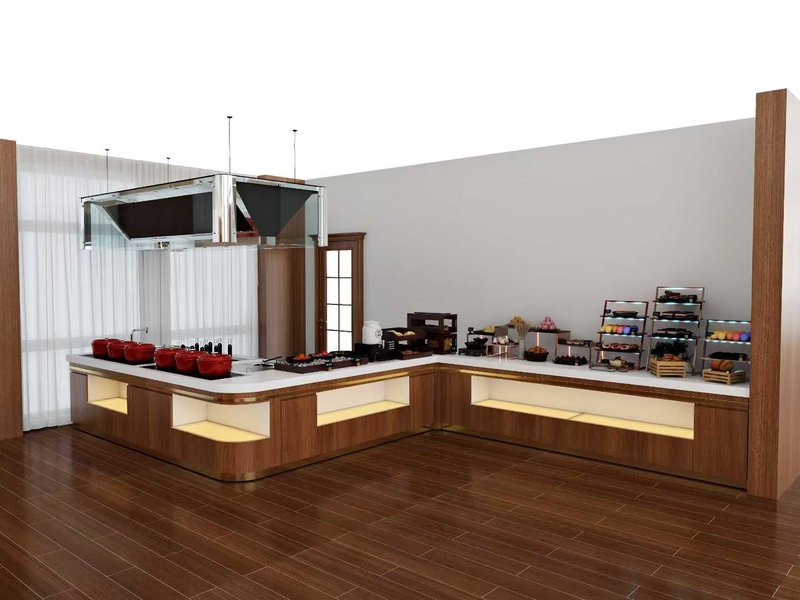
Fire Prevention Protocols
Gel fuel presents minimal fire risk when handled correctly but can ignite catastrophically if exposed to ignition sources while hot. Keep all ignition sources away from fuel storage and service areas. The vapor space above heated gel fuel can ignite if sufficient heat and ignition coincide, creating flash fire hazards that喷射火焰 creates serious injury risk.
Never add fuel to a lit or recently extinguished chafing dish. The residual heat can ignite fuel vapor during pouring, creating a fireball that endangers everyone nearby. Establish the firm protocol that fuel addition requires cooled equipment, and enforce this rule through training and supervision until it becomes automatic habit.
Keep fire suppression equipment accessible and maintained in all areas where chafing dishes operate. Class K fire extinguishers designed for kitchen fires provide appropriate protection for fuel-related incidents. Ensure staff know the location and proper use of suppression equipment before service begins.
Temperature Management for Food Safety
Food entering chafing dishes must already be at safe internal temperatures from prior cooking. The chafing dish maintains rather than creates safe temperatures, so food that enters cold cannot safely reach cooking temperatures during service. This fundamental principle protects against the bacterial growth that improper temperature management enables.
Monitor food temperatures throughout service using calibrated thermometers. The temperature danger zone between 40°F and 140°F (4°C and 60°C) allows rapid bacterial multiplication. Food that spends extended time in this range may appear safe while harboring dangerous contamination that causes illness after consumption.
Reheat food to 165°F (74°C) before transferring to chafing dishes for holding. Verify this temperature with a clean, calibrated thermometer before service. Food that never reaches safe reheating temperatures should be discarded rather than held, regardless of its appearance or odor.
Setup and Inspection Procedures
Inspect equipment before each use for damage that affects safety performance. Check for cracked glass, damaged handles, loose fittings, and corrosion that weakens structural integrity. Damaged equipment should be removed from service and repaired or replaced before use.
Verify fuel system integrity before heating begins. Inspect fuel cans for damage, check connections for leaks, and ensure ventilation openings are clear before ignition. The few minutes spent on pre-service inspection prevent the emergencies that equipment failure creates during service.
Position chafing dishes on stable, level surfaces that support the weight of water, food, and equipment without tipping. Uneven surfaces create spill risks that increase with the jostling of busy service areas. Use stabilization devices where surfaces create instability concerns.
Staff Training Requirements
Every staff member working with chafing dishes requires training on the specific hazards present in your operation. This training should cover equipment-specific procedures, emergency response protocols, and the reasoning behind safety requirements. Understanding why rules exist produces better compliance than rules imposed without explanation.
Practice emergency procedures before they become necessary. Fire suppression drills, burn treatment protocols, and food safety incident responses all benefit from rehearsal that identifies gaps and builds muscle memory. When emergencies occur, practiced responses outperform improvised reactions.
Supervise new staff closely until their competence with chafing dish operation is demonstrated and documented. The learning curve for safe equipment operation includes hazards that experienced staff have learned to navigate intuitively. New staff lack this intuition and require guidance that keeps them safe during the learning period.
Guest Safety Considerations
Guest interaction with chafing dishes requires monitoring to prevent burns and contamination. Guests unfamiliar with heated equipment may not recognize the hazards present, particularly children who may not understand the consequences of touching hot surfaces or reaching into service areas.
Position chafing dishes to minimize guest access to hot surfaces while maintaining accessibility for service. The ideal placement provides clear sight lines for staff monitoring while preventing accidental guest contact with heated components. Consider the flow of guest movement when planning equipment placement.
Warning signage alerts guests to burn hazards without requiring staff to provide verbal warnings continuously. Clear, visible signage indicating hot surfaces protects both guests and your operation from incidents that warning signs might have prevented.
Featured Chafing Dish Products
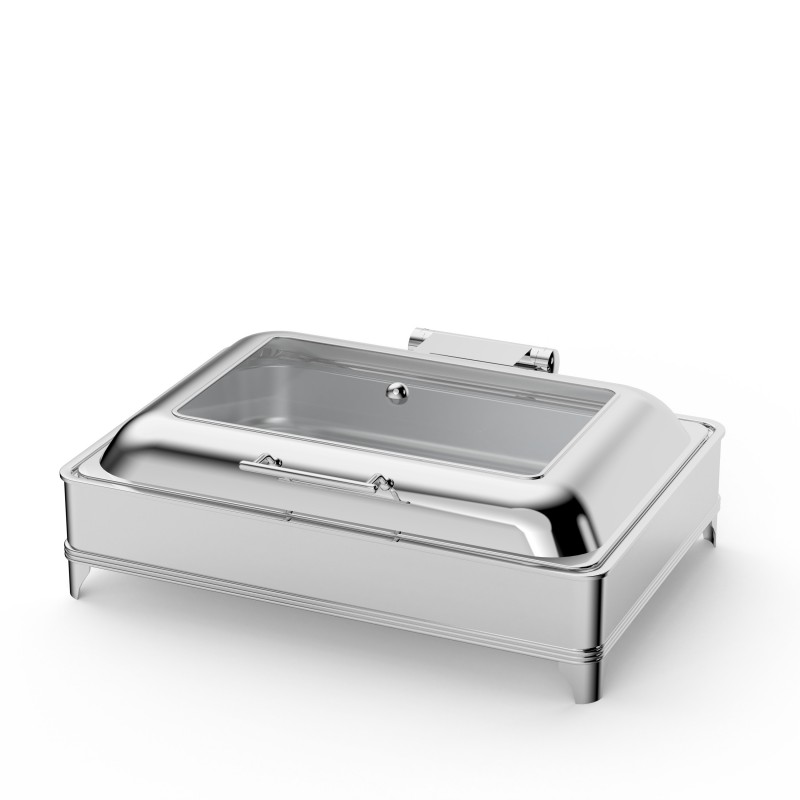
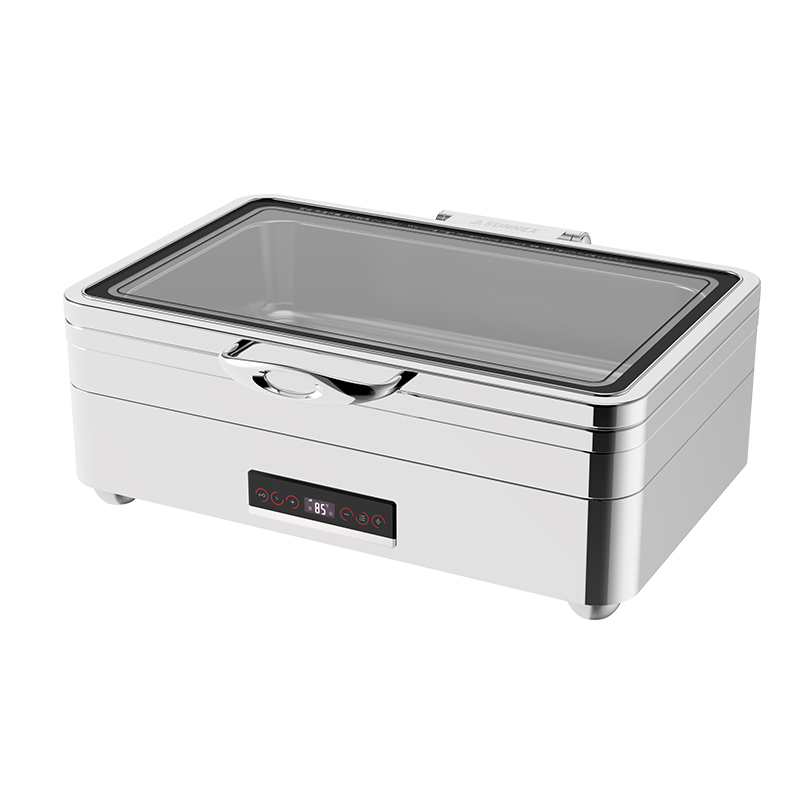
Stainless Steel Electric Buffet Warmer with Visible Window
Stainless Steel Electric Buffet Warmer with Visible Window incorporates safety-oriented design features that protect staff and guests during demanding service. Quality engineering minimizes the burn and fire hazards that inferior equipment introduces into professional catering environments.
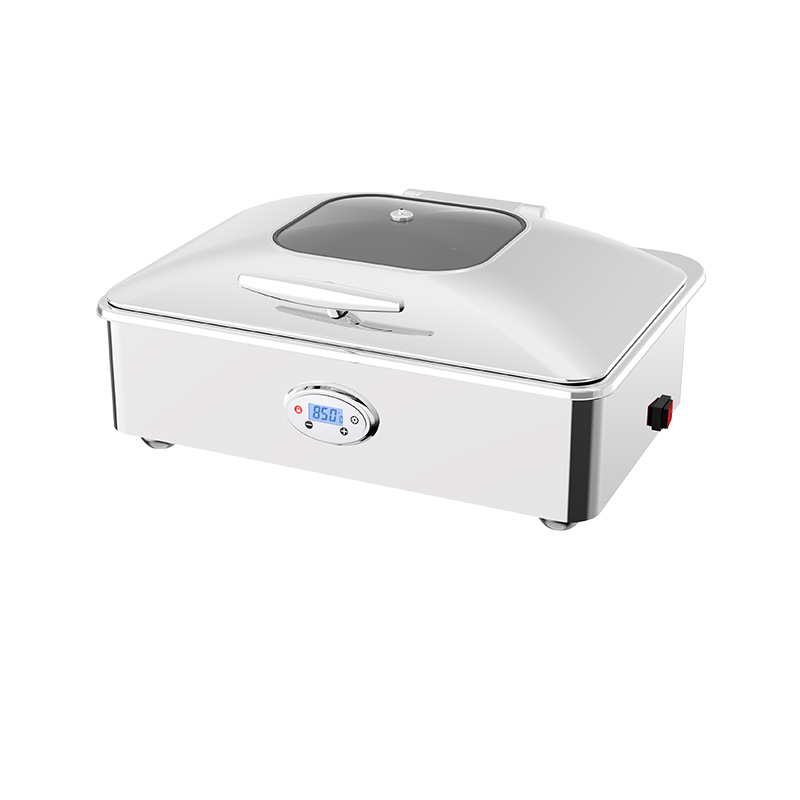
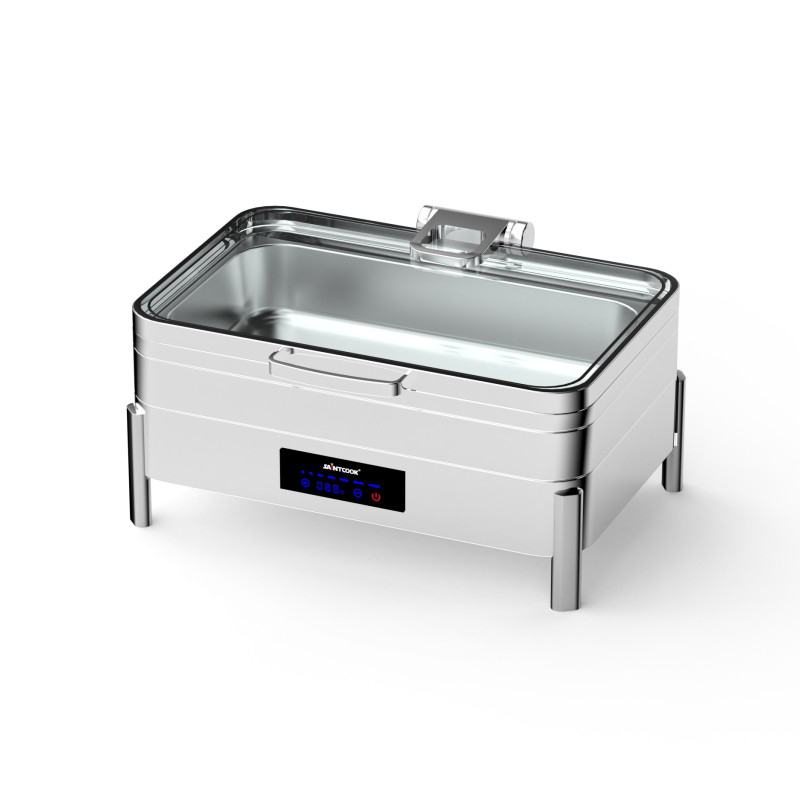
Electric Chafing Dish-W37
Electric Chafing Dish-W37 delivers the reliable performance and safety features that professional catering requires. The durable construction maintains safety integrity throughout extended service periods and demanding operational conditions.
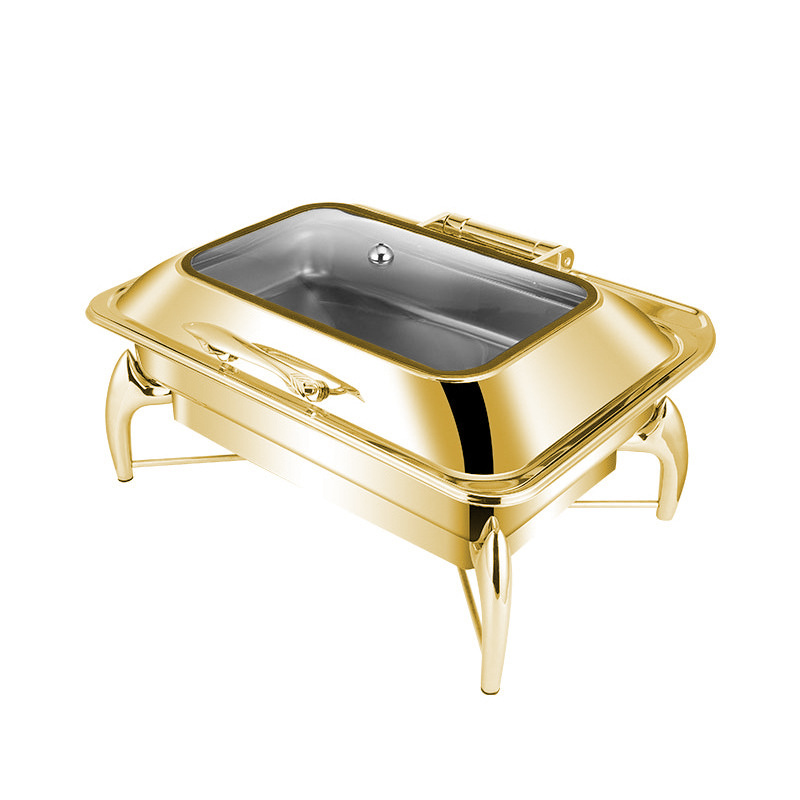
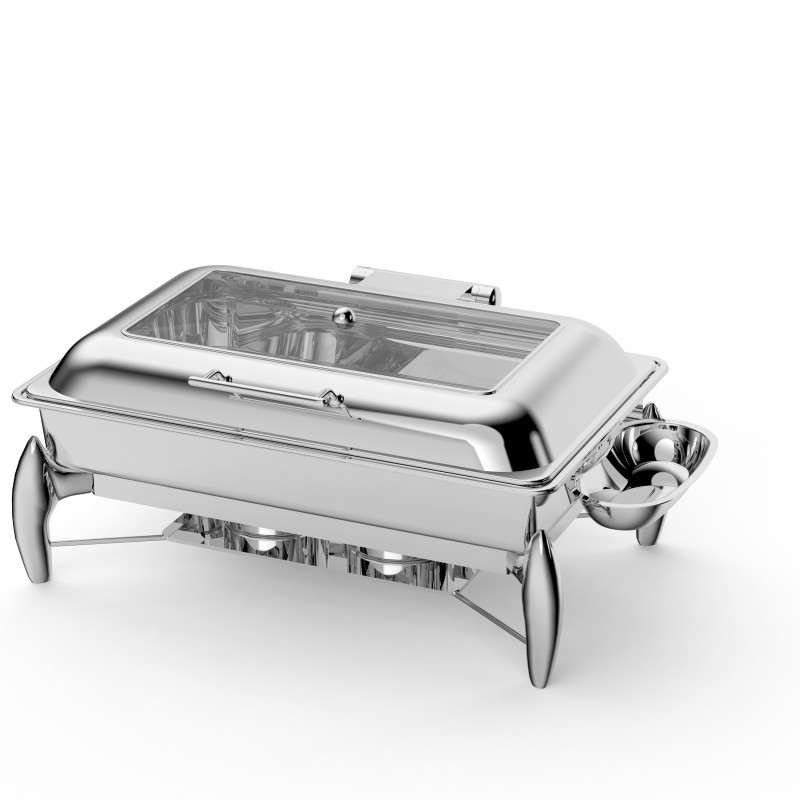
Alcohol Heated Gold-Plated Stainless Steel Buffet Chafing Dish
Alcohol Heated Gold-Plated Stainless Steel Buffet Chafing Dish represents the professional investment in safety-conscious equipment that protects everyone involved in your catering events. Superior design and quality materials provide the reliability that safety-critical applications demand.
Building a Safety Culture
Effective safety management requires consistent attention that becomes embedded in operational culture rather than treated as optional extras. Lead by example, enforce protocols consistently, and address safety concerns immediately when they arise. A genuine commitment to safety produces the vigilance that prevents incidents.
Document safety practices, training, and incidents to create accountability and enable continuous improvement. Records of what has been done provide evidence of reasonable care if incidents occur, while analysis of near-misses and incidents reveals improvement opportunities that prevent future harm.
Safety is not a constraint on quality service but rather the foundation that enables it. Events where guests and staff remain unharmed and food causes no illness deliver the reliability that builds lasting catering reputation. Invest in safety to protect everything else you've worked to build.
Related Articles

Electric Buffet Warmer with Adjustable Thermostat for Restaurants
Discover the best Electric Buffet Warmer with Adjustable Thermostat for Restaurants solutions. Real ...
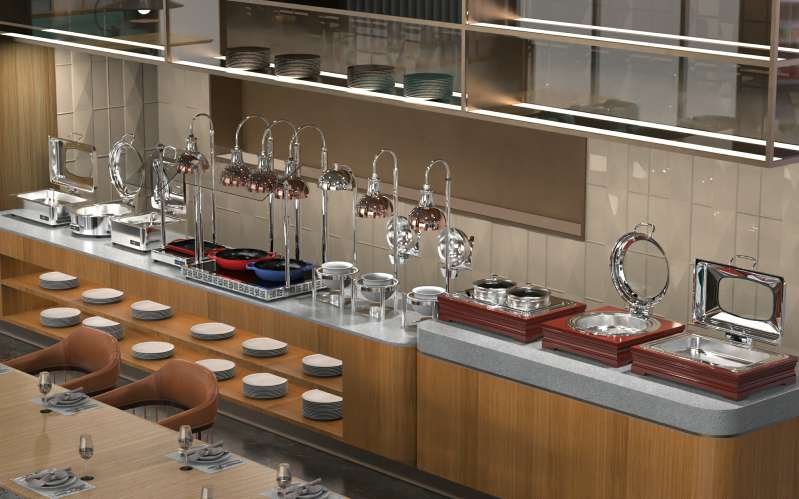
Mini Chafing Dish for Breakfast Buffet & Condiment Stations
Discover the best Mini Chafing Dish for Breakfast Buffet & Condiment Stations solutions. Real case s...
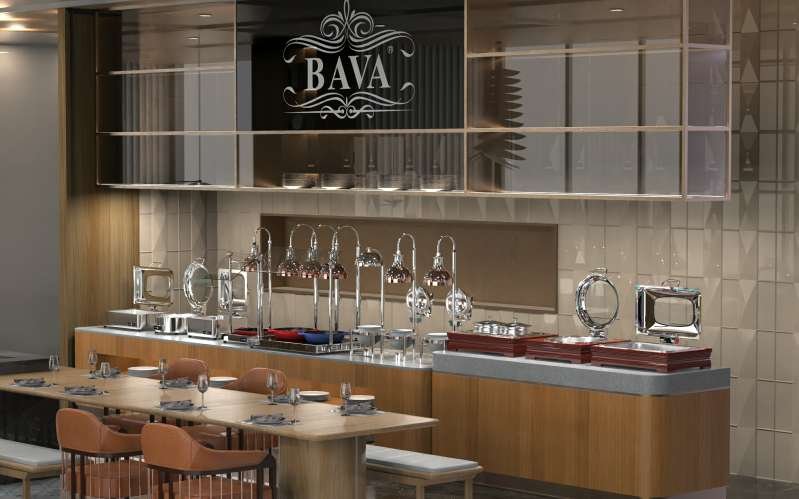
9QT Extra-Large Chafing Dish for Large-Scale Banquet Events
Discover the best 9QT Extra-Large Chafing Dish for Large-Scale Banquet Events solutions. Real case s...
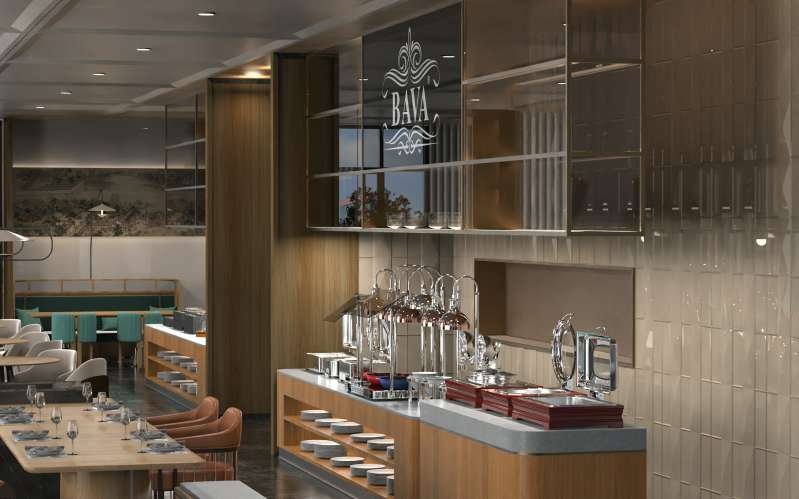
Wall-Mounted Buffet Stove for Space-Saving Kitchen Layouts
Discover the best Wall-Mounted Buffet Stove for Space-Saving Kitchen Layouts solutions. Real case st...

Stainless Steel Food Warmer for Supermarket Deli Departments
Discover the best Stainless Steel Food Warmer for Supermarket Deli Departments solutions. Real case ...

Commercial Chafer Dish with Temperature Control for Food Safety
Discover the best Commercial Chafer Dish with Temperature Control for Food Safety solutions. Real ca...