
How to Prevent Food from Drying Out in a Chafing Dish
Food dryness ranks among the most common quality complaints in buffet service, turning appealing dishes into unappetizing offerings that guests bypass in favor of better-presented alternatives. The problem stems from a combination of factors including direct heat exposure, air circulation, and moisture evaporation that accumulate over extended service periods. Understanding these mechanisms enables targeted solutions that preserve food quality throughout your service window.
The Science of Food Drying
Moisture migration from food to the surrounding environment drives the drying process in chafing dishes. The heating element creates temperature gradients that accelerate moisture evaporation, particularly in dishes with large surface areas exposed to air. As water molecules leave the food surface, the remaining moisture concentrates, creating the dried texture that quality-conscious operators want to prevent.
Surface-to-volume ratio determines how quickly individual dishes dry out. Thin layers of food with high surface-to-volume ratios lose moisture faster than thick, dense portions. Understanding this relationship helps with both food preparation decisions and serving arrangement choices that affect drying rates.
Humidity levels inside the chafing dish affect drying speed significantly. The enclosed space traps some evaporated moisture, creating slightly higher humidity near the food surface that slows further drying. Breaking that humidity barrier through lid openings or direct heat exposure accelerates moisture loss dramatically.
Water Bath Management
The water bath surrounding the food pan creates a buffer that moderates direct heat exposure and reduces the temperature differential driving moisture loss. Maintaining adequate water levels throughout service ensures this protective buffer remains effective. Low water levels expose food pans to direct bottom heat that dramatically accelerates drying and creates hot spots that compromise food quality.
Start with water at or near boiling temperature to minimize the heating workload placed on the food itself. Cold water entering a heated chafing dish requires the fuel or element to bring water to temperature, during which time food directly over heating elements may overheat and dry before the bath stabilizes.
Monitor water levels throughout service, particularly during extended events where evaporation gradually depletes the bath. Replenishing with hot water from a preheated source maintains temperature stability better than adding cold water that requires additional heating energy.

Lid Usage Strategies
Lids serve as the primary defense against the air circulation that accelerates drying. Keeping lids in place whenever food is not being actively served maintains the humid environment that preserves moisture. Every lid opening allows dry air to flush humidity from the food's immediate environment, resetting the drying cycle.
Train service staff to minimize lid open time during service. Quick peeks and extended lid removal dramatically increase moisture loss compared to efficient serving movements that return lids to position immediately. Practice and protocol create the habits that protect food quality during high-pressure service periods.
Consider using domed lids that provide better humidity retention than flat covers. The domed shape creates additional air space above the food surface that buffers humidity changes during brief openings. This design feature provides passive quality protection without requiring additional staff attention.
Food Preparation Techniques
Oil or butter coatings create moisture barriers that slow surface drying even when extended service exposes food to dry air. Brushing prepared foods with thin oil layers before service adds minimal preparation effort while providing significant protection against the texture degradation that dryness creates.
Sauces and liquids surrounding food items provide natural moisture retention that protects the food itself. Preparing dishes with adequate sauce coverage ensures that exposed surfaces benefit from this moisture reservoir throughout service. Bare areas without sauce coverage dry fastest and should be minimized through thoughtful plating.
Temperature selection affects moisture retention significantly. Lower operating temperatures within the safe holding range reduce the evaporation rate that drives moisture loss. The minimum safe temperature provides the best moisture retention, while higher temperatures accelerate both warming and drying simultaneously.
Dish Selection and Arrangement
Deeper food pans reduce surface-to-volume ratios compared to shallow presentations, providing inherent moisture retention advantages. The additional depth means more food is insulated from direct air exposure and benefits from the moisture-retentive effects of the food mass itself.
Arranging dishes to minimize exposed surface area reduces the area subject to direct drying. Round pans have less perimeter relative to their area than rectangular pans, reducing the edge drying that rectangular configurations experience disproportionately.
Avoid overfilling pans beyond recommended levels, which increases exposed surface area without proportional volume benefits. The optimal fill level balances serving efficiency against quality preservation, typically filling pans to approximately two-thirds to three-quarters of capacity.
Service Timing Optimization
Staggering food pan replacements maintains fresh appearance throughout service rather than allowing early pans to deteriorate while later pans sit waiting. Fresh food always outperforms food that has been held, so planning pan changes around service flow preserves quality perception even when the same food items are offered throughout the event.
Pre-portioning or staging food in advance of service enables faster replenishment when serving pans deplete. Having replacement pans ready to go means no gap between depleting an old pan and introducing a fresh one, maintaining continuous quality without extended food exposure to service conditions.
Understanding your specific service duration enables appropriate food preparation and staging. Short events with quick turnover can accept different preparation approaches than extended service periods where food quality preservation matters more throughout the full service window.
Monitoring and Adjustment
Regular food quality checks during service catch drying problems before they affect guest perception significantly. Experienced staff can identify the onset of drying issues and take corrective action through replenishment, sauce addition, or pan rotation before quality degrades noticeably.
Moisture spritzing provides emergency intervention when drying occurs despite preventive measures. Food-safe spray bottles filled with water or appropriate sauces enable spot treatment of areas showing premature drying without requiring complete pan replacement.
Documenting drying issues and their timing provides data for future planning. Understanding which dishes dry fastest, at what service durations problems emerge, and which events create the most challenge enables increasingly refined approaches that anticipate rather than react to quality issues.
Featured Chafing Dish Products
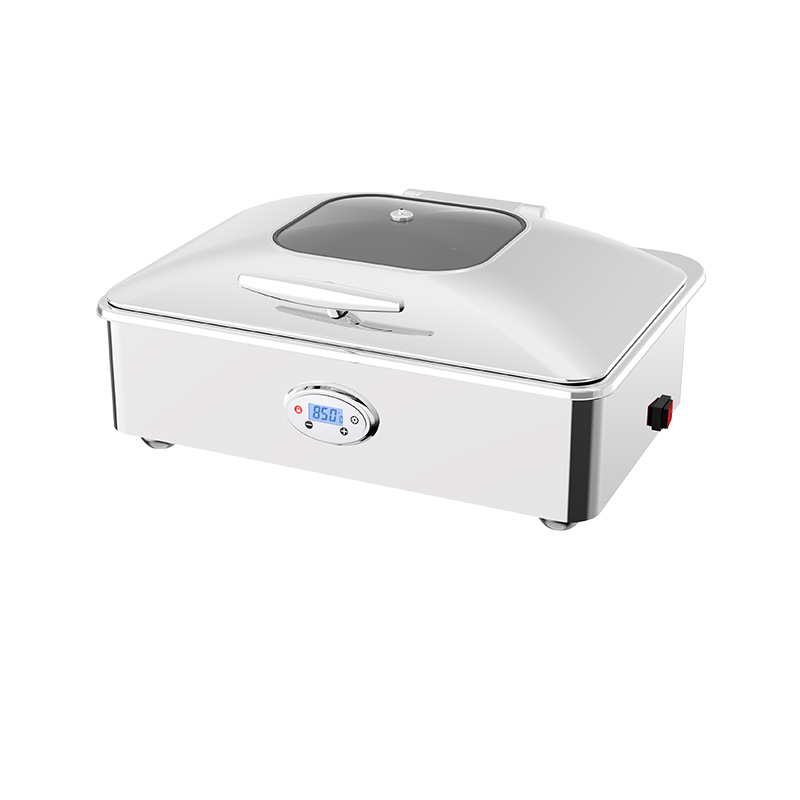
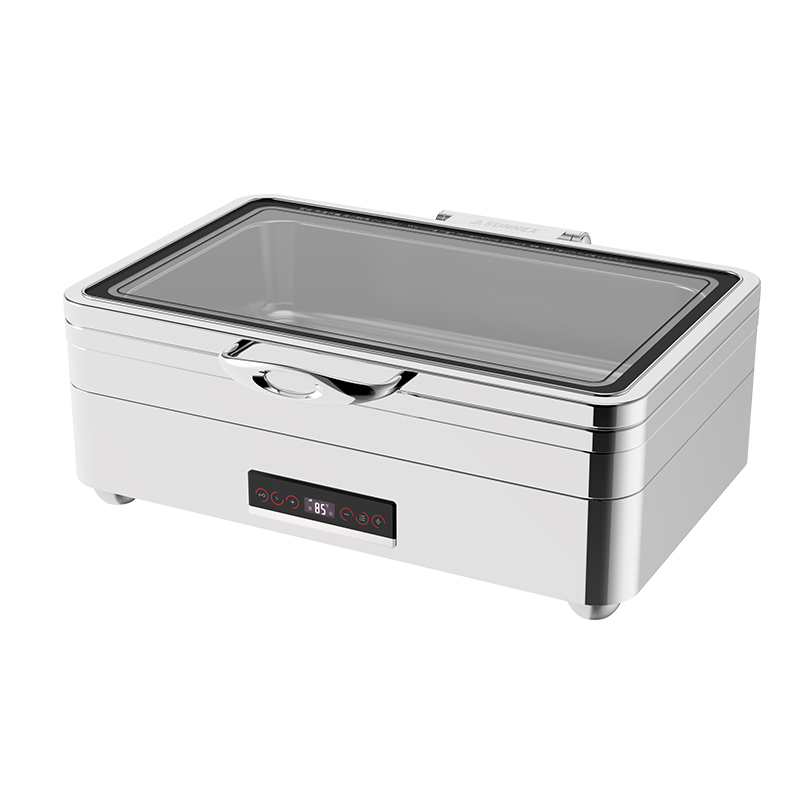
Electric Chafing Dish-W37
Electric Chafing Dish-W37 provides the even heating distribution that minimizes hot spots and reduces localized drying. Quality construction maintains consistent water bath temperatures throughout extended service, protecting food quality throughout your event.
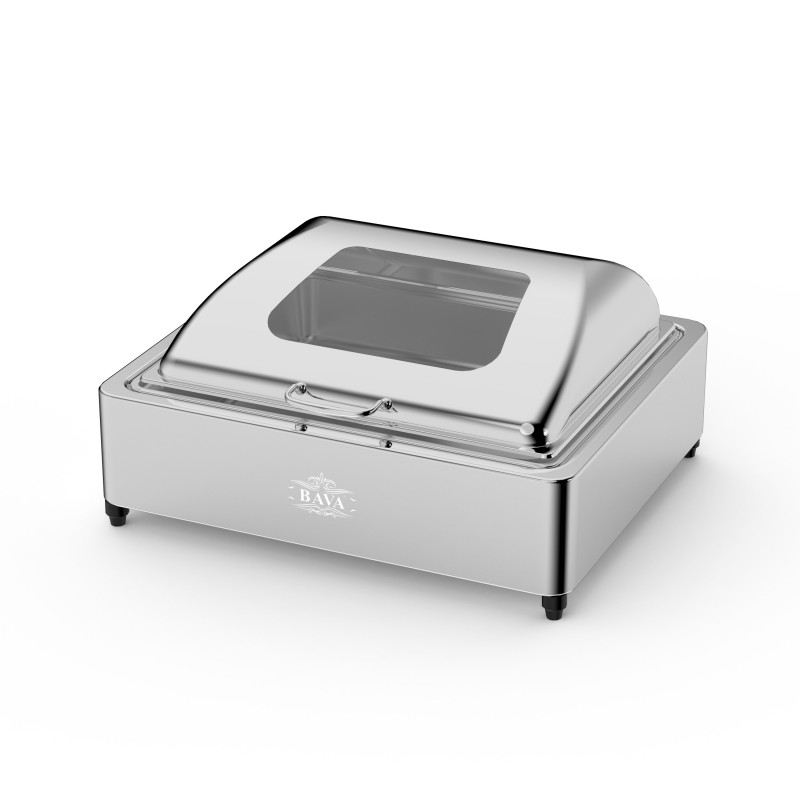
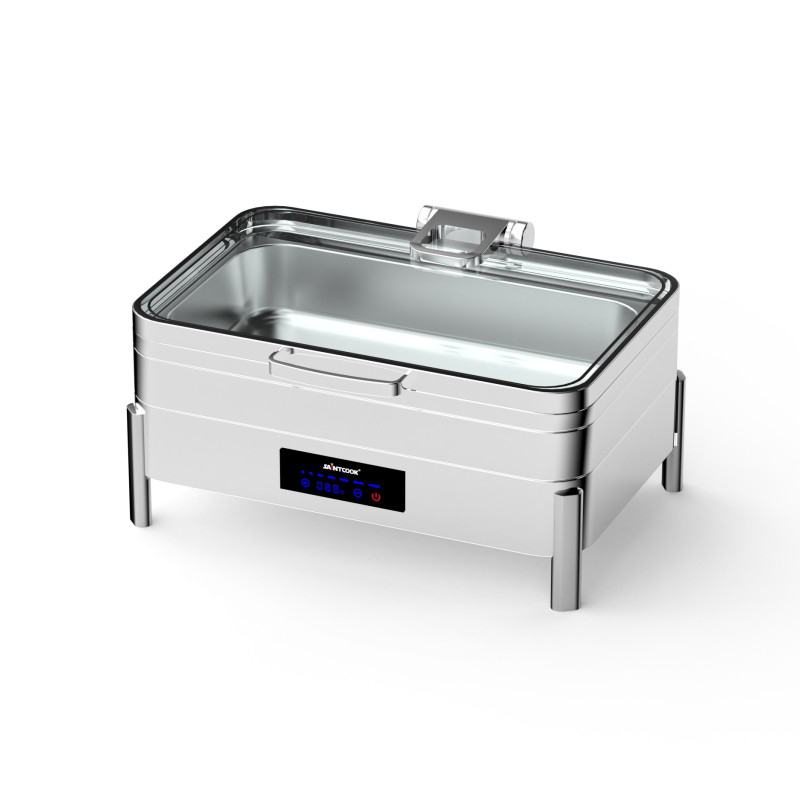
Electric Chafing Dishes-StoveMaster Series
Electric Chafing Dishes-StoveMaster Series combines efficient design with the reliable performance that moisture-sensitive food presentations demand. The thoughtful engineering protects food quality by maintaining proper temperature without the excessive heat that accelerates drying.
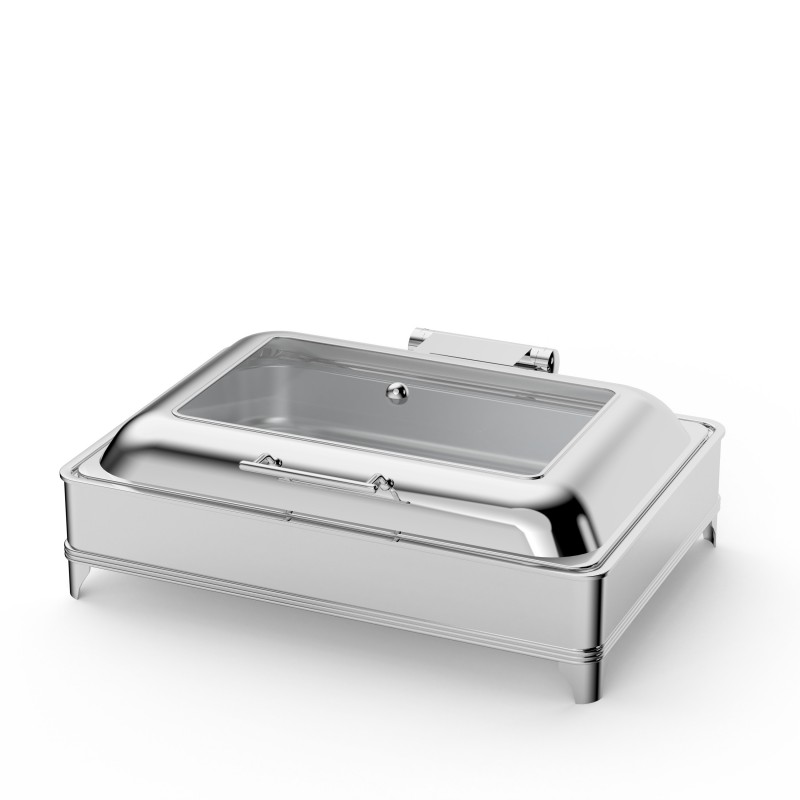
Stainless Steel Electric Buffet Warmer with Visible Window
Stainless Steel Electric Buffet Warmer with Visible Window represents the professional choice for caterers who prioritize food quality throughout extended service periods. The superior design provides the temperature control and moisture retention that prevents the drying problems that compromise buffet presentations.
Protecting Food Quality Consistently
Preventing food drying requires attention to multiple factors working simultaneously, from equipment management through food preparation and service protocols. Developing systematic approaches that address each factor ensures consistent results that protect your buffet quality reputation.
The investment in quality prevention pays returns through improved guest satisfaction and reduced food waste from dried, unappealing offerings. Apply these principles consistently to build the service habits that preserve food quality throughout every event you cater.
Related Articles
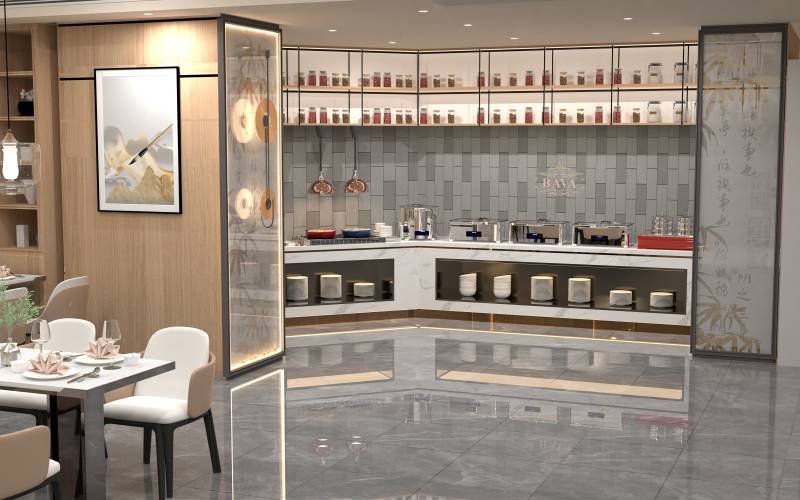
Electric Buffet Warmer with Adjustable Thermostat for Restaurants
Discover the best Electric Buffet Warmer with Adjustable Thermostat for Restaurants solutions. Real ...
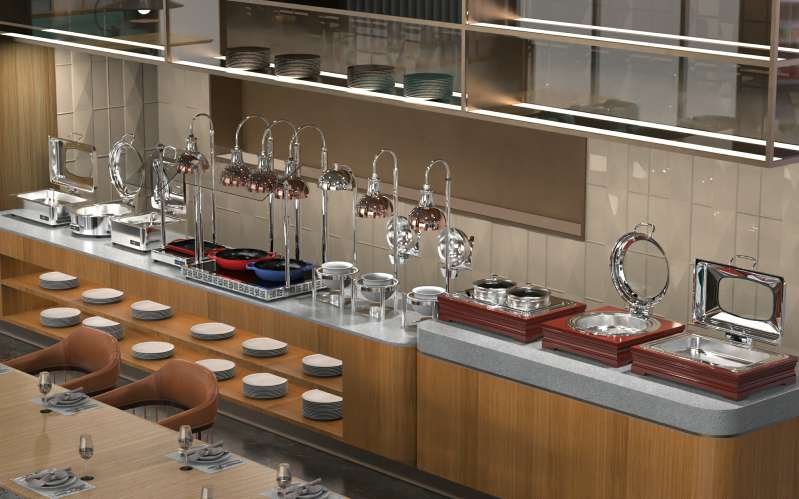
Mini Chafing Dish for Breakfast Buffet & Condiment Stations
Discover the best Mini Chafing Dish for Breakfast Buffet & Condiment Stations solutions. Real case s...
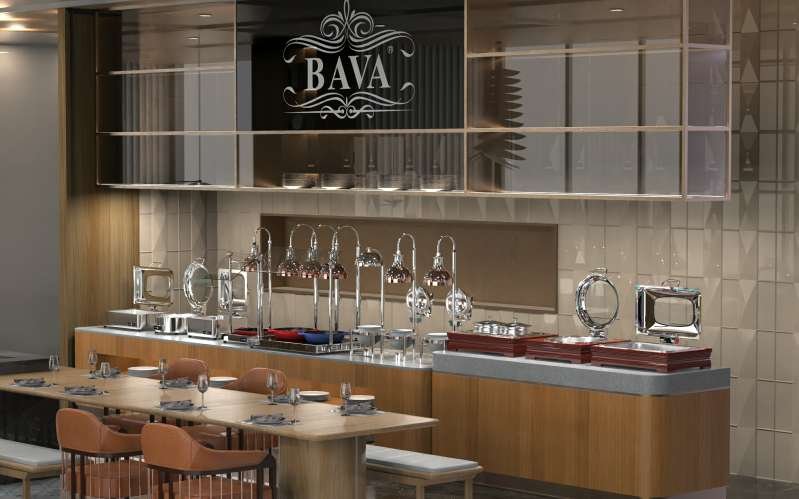
9QT Extra-Large Chafing Dish for Large-Scale Banquet Events
Discover the best 9QT Extra-Large Chafing Dish for Large-Scale Banquet Events solutions. Real case s...
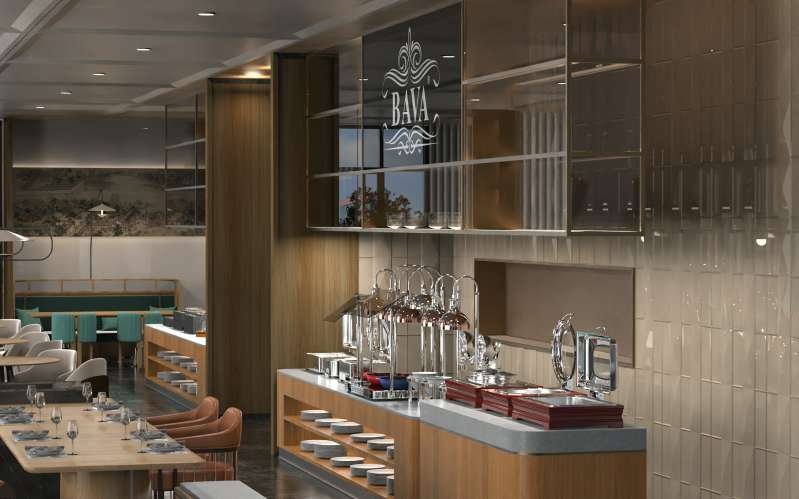
Wall-Mounted Buffet Stove for Space-Saving Kitchen Layouts
Discover the best Wall-Mounted Buffet Stove for Space-Saving Kitchen Layouts solutions. Real case st...

Stainless Steel Food Warmer for Supermarket Deli Departments
Discover the best Stainless Steel Food Warmer for Supermarket Deli Departments solutions. Real case ...
Commercial Chafer Dish with Temperature Control for Food Safety
Discover the best Commercial Chafer Dish with Temperature Control for Food Safety solutions. Real ca...