
Can You Use a Chafing Dish to Cook Food? Safety Guide
The short answer is no — chafing dishes are designed for holding and maintaining food temperature, not cooking raw ingredients from their raw state. Yet this question arises frequently because the warm surface and enclosed space create the appearance of a cooking environment. Understanding the distinction between warming and cooking protects food safety, prevents equipment damage, and ensures the results your events require.
How Chafing Dishes Generate Heat
Chafing dish heating elements produce temperatures typically ranging from 140°F to 200°F (60°C to 93°C), which fall well short of the temperatures required for safe cooking. The "danger zone" for food safety spans 40°F to 140°F (4°C to 60°C), and chafing dish operating temperatures often overlap with this range, creating the exact conditions where bacterial growth accelerates.
These temperatures work perfectly for maintaining food that has already been cooked to safe internal temperatures. The sustained warmth prevents food from cooling into the danger zone while waiting for service. However, the same temperatures cannot reliably bring raw food to safe cooking endpoints.
The fuel-based heating systems in most chafing dishes provide limited and inconsistent heat output compared to actual cooking equipment. Without precise temperature control and sufficient heat transfer, attempting to cook in a chafing dish produces unpredictable and potentially unsafe results.
The Food Safety Problem
Cooking requires reaching specific internal temperatures that destroy harmful bacteria. Poultry must reach 165°F (74°C), ground meats require 160°F (71°C), and other proteins have their own safe cooking temperatures. Chafing dish heating cannot reliably or quickly bring food to these temperatures, creating bacterial survival risks.
Even if chafing dishes could theoretically reach cooking temperatures, the slow heat transfer means food would remain in the danger zone for extended periods during the cooking process. This prolonged exposure allows bacteria to multiply to dangerous levels before adequate temperatures are reached.
Health regulations in most jurisdictions explicitly prohibit using chafing dishes for cooking. These regulations reflect the genuine safety risks that cooking in warming equipment creates. Violations may result in food safety violations, event shutdowns, and potential liability for illness outbreaks.

Proper Chafing Dish Use
Pre-cooked food placed in chafing dishes must reach safe serving temperatures before being transferred to the unit. Bring food to proper cooking temperatures in kitchen equipment designed for cooking, verify those temperatures with a calibrated food thermometer, and only then transfer to pre-heated chafing dishes for service holding.
Pre-heating the water bath before adding food ensures the unit provides immediate temperature maintenance rather than requiring time to bring food up from cold. A properly heated chafing dish maintains rather than creates temperatures, protecting food safety from the moment food enters service.
Temperature monitoring throughout service provides ongoing assurance that food remains above the danger zone threshold. Regular temperature checks using calibrated thermometers catch situations where heating performance degrades or ambient conditions overwhelm the unit's capacity to maintain safe temperatures.
When Chafing Dishes Might Seem to Cook
Some recipes involve bringing partially prepared items to service temperature in chafing dishes — things like pre-cooked sauces that need reheating or components assembled from already-cooked ingredients. These applications differ fundamentally from cooking raw ingredients, as all components have already been through safe cooking processes.
Slow-simmered dishes that benefit from extended warming periods may seem to cook in chafing dishes, but the food involved has already been fully cooked before entering the chafing dish. The extended warming simply continues the flavor development and temperature maintenance that cooking initiated.
Understanding this distinction clarifies when chafing dish use is appropriate and when it crosses into unsafe territory. The equipment serves food holding brilliantly when used correctly, but it cannot substitute for proper cooking equipment when cooking is actually needed.
Equipment That Can Actually Cook
Commercially designed cook-and-hold equipment provides the temperature control and consistent heat output that cooking requires. These units reach and maintain cooking temperatures while monitoring food safety throughout extended cooking cycles. They represent the appropriate equipment choice when cooking must occur near the service point.
Portable burners and hot plates designed for cooking provide the heat output and temperature control that chafing dishes lack. These can actually bring food to safe cooking temperatures, though they require different setup and monitoring than warming equipment.
Planning your food preparation workflow to cook food before the event and use chafing dishes only for holding ensures food safety while simplifying service logistics. The investment in proper preparation upstream eliminates the temptation to misuse equipment downstream.
Legal and Liability Considerations
Using chafing dishes to cook food potentially voids food safety certifications and insurance coverage that protect your business. When foodborne illness incidents occur, investigators examine preparation methods and equipment use. Documentation showing improper equipment use for cooking strengthens liability cases against caterers.
Health department inspections focus on proper equipment use as part of overall food safety compliance. Improper cooking practices discovered during inspection create violations that affect your operation's compliance status and may trigger more intensive future inspection protocols.
The financial and reputational costs of food safety incidents far exceed any convenience gained from improper equipment use. Protecting your guests, your reputation, and your business requires using equipment for its designed purpose rather than pushing warming equipment into cooking applications.
Featured Chafing Dish Products
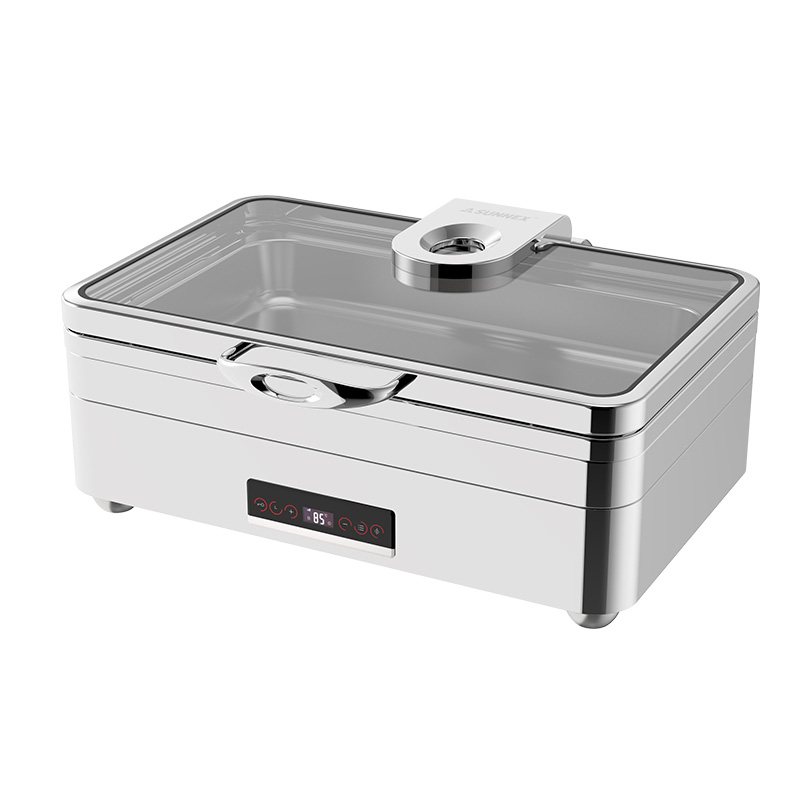
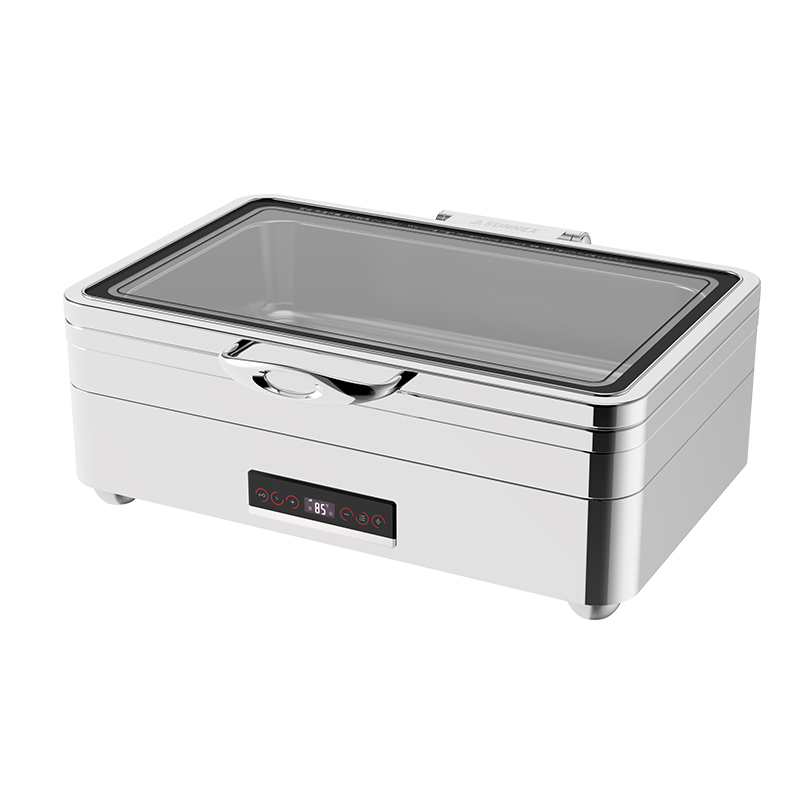
Electric Chafing Dish-W07
Electric Chafing Dish-W07 provides the reliable temperature maintenance that proper food holding requires. Designed for food safety, it delivers consistent warming performance when used according to manufacturer specifications.
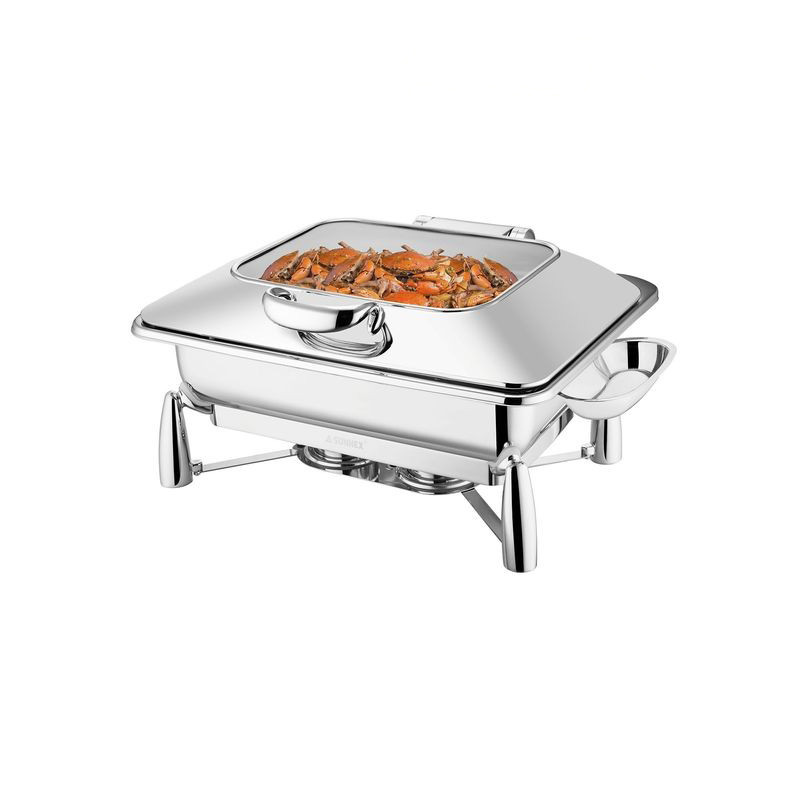
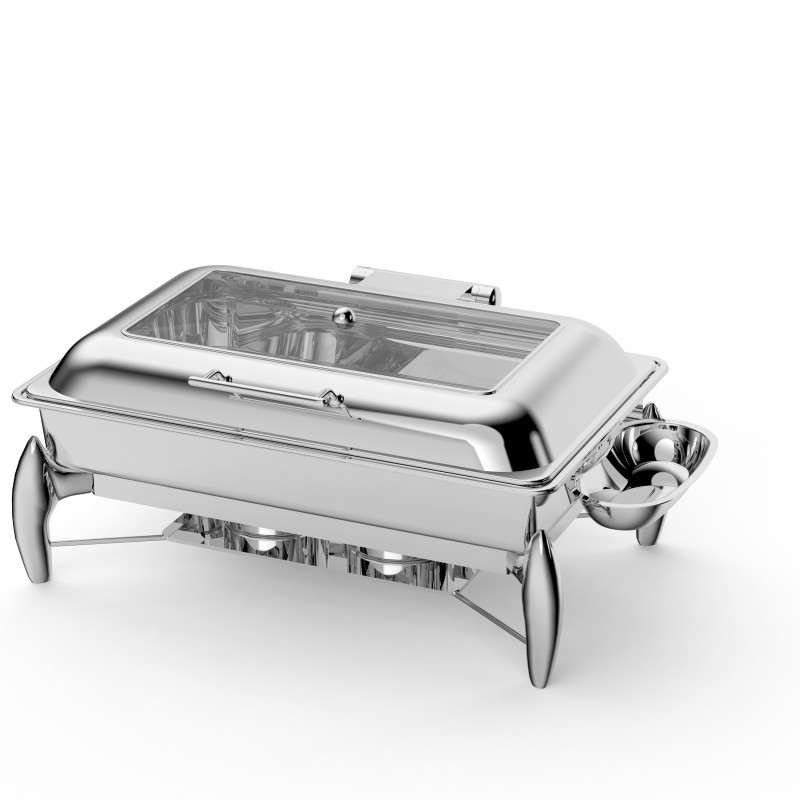
Alcohol Heated Chafing Dish + Utensil Tray
Alcohol Heated Chafing Dish + Utensil Tray delivers professional-grade warming performance for properly pre-cooked food. The reliable heating system maintains safe serving temperatures throughout extended service periods.
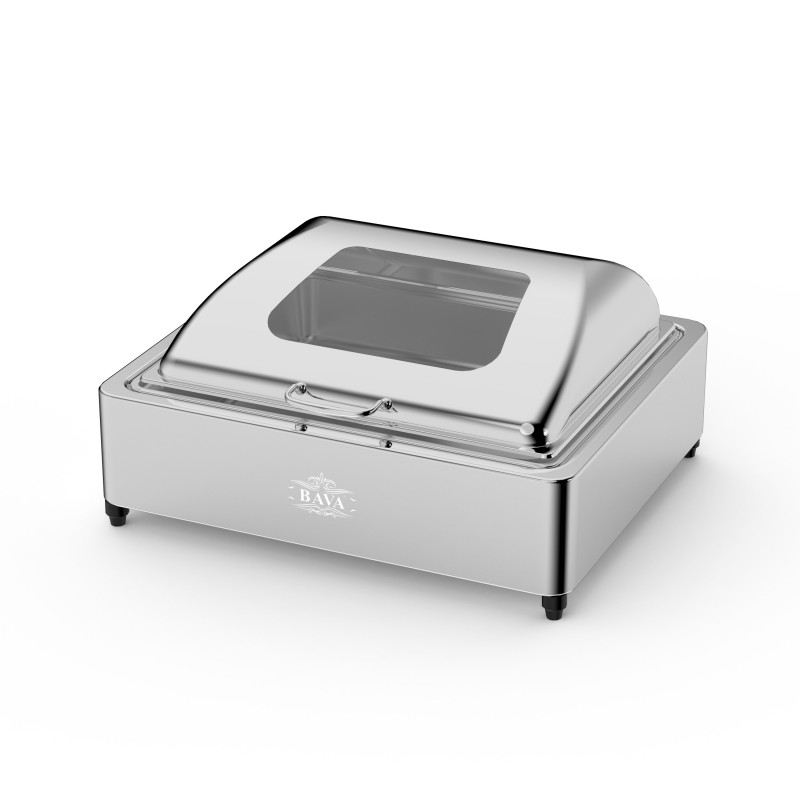
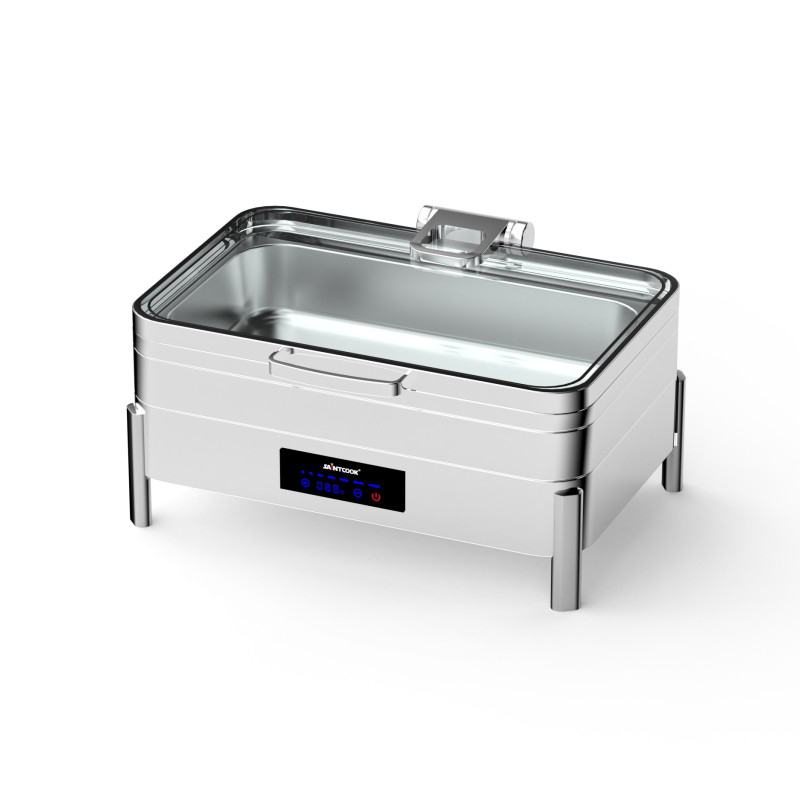
Electric Chafing Dishes-StoveMaster Series
Electric Chafing Dishes-StoveMaster Series represents the professional standard for food holding in demanding catering environments. Quality engineering ensures consistent performance that supports food safety when used as designed.
Using Equipment Correctly
Chafing dishes serve an essential function in professional catering by maintaining food at safe serving temperatures throughout events. Using them correctly protects food safety while delivering the service reliability that clients expect.
The distinction between warming and cooking matters because the equipment itself cannot bridge that gap. Pre-cook your food properly, verify temperatures, and use chafing dishes only for their designed purpose. This approach ensures food safety, protects your reputation, and delivers the quality results your events require.
Related Articles
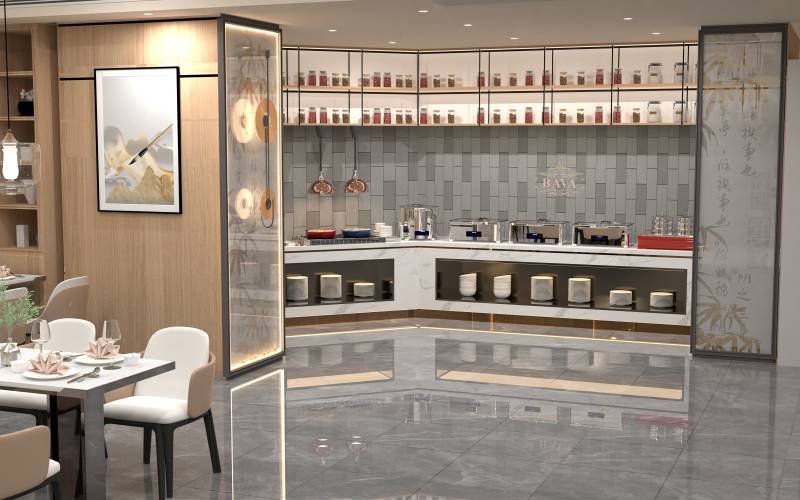
Electric Buffet Warmer with Adjustable Thermostat for Restaurants
Discover the best Electric Buffet Warmer with Adjustable Thermostat for Restaurants solutions. Real ...
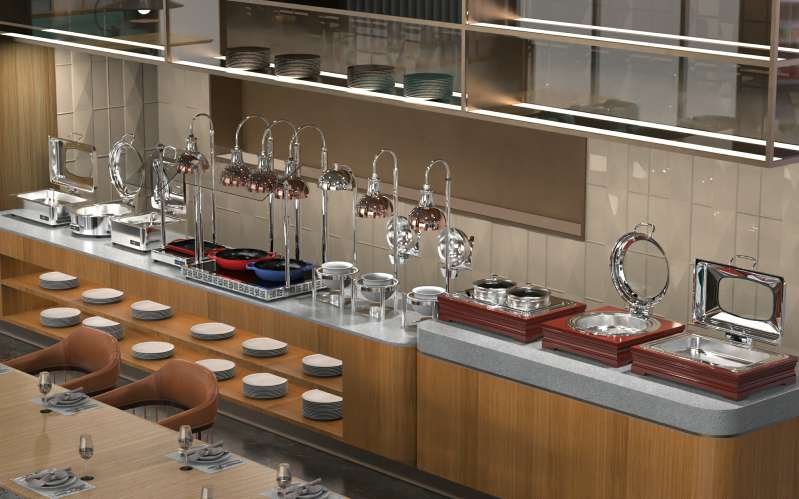
Mini Chafing Dish for Breakfast Buffet & Condiment Stations
Discover the best Mini Chafing Dish for Breakfast Buffet & Condiment Stations solutions. Real case s...
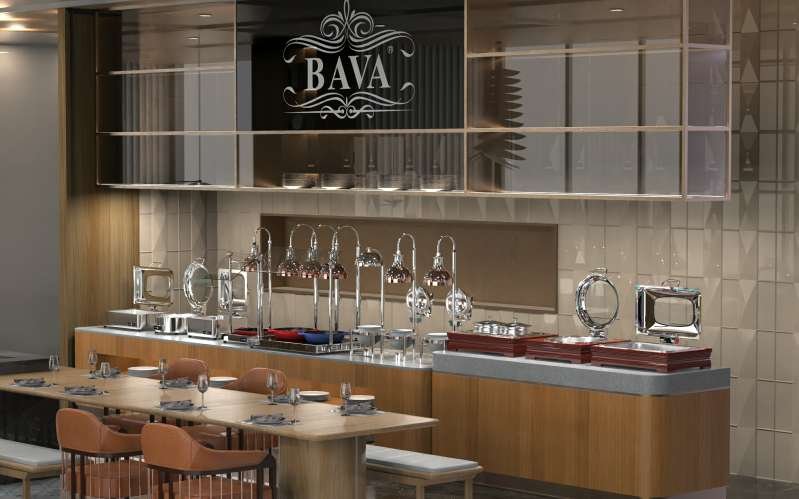
9QT Extra-Large Chafing Dish for Large-Scale Banquet Events
Discover the best 9QT Extra-Large Chafing Dish for Large-Scale Banquet Events solutions. Real case s...
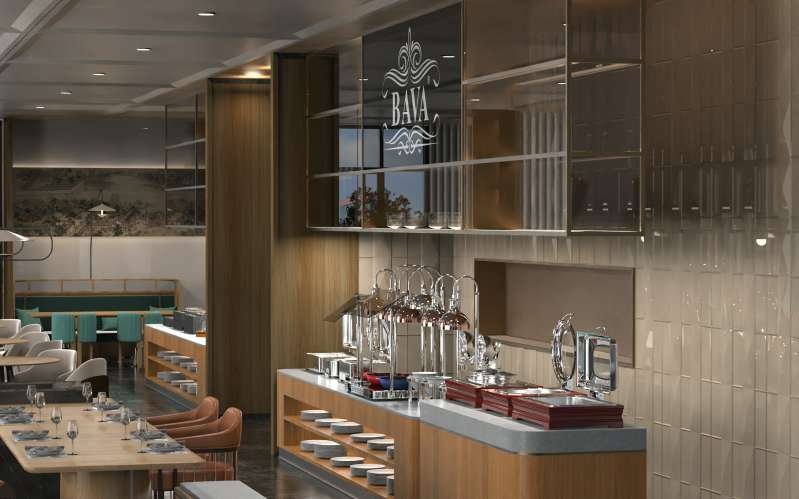
Wall-Mounted Buffet Stove for Space-Saving Kitchen Layouts
Discover the best Wall-Mounted Buffet Stove for Space-Saving Kitchen Layouts solutions. Real case st...

Stainless Steel Food Warmer for Supermarket Deli Departments
Discover the best Stainless Steel Food Warmer for Supermarket Deli Departments solutions. Real case ...
Commercial Chafer Dish with Temperature Control for Food Safety
Discover the best Commercial Chafer Dish with Temperature Control for Food Safety solutions. Real ca...