
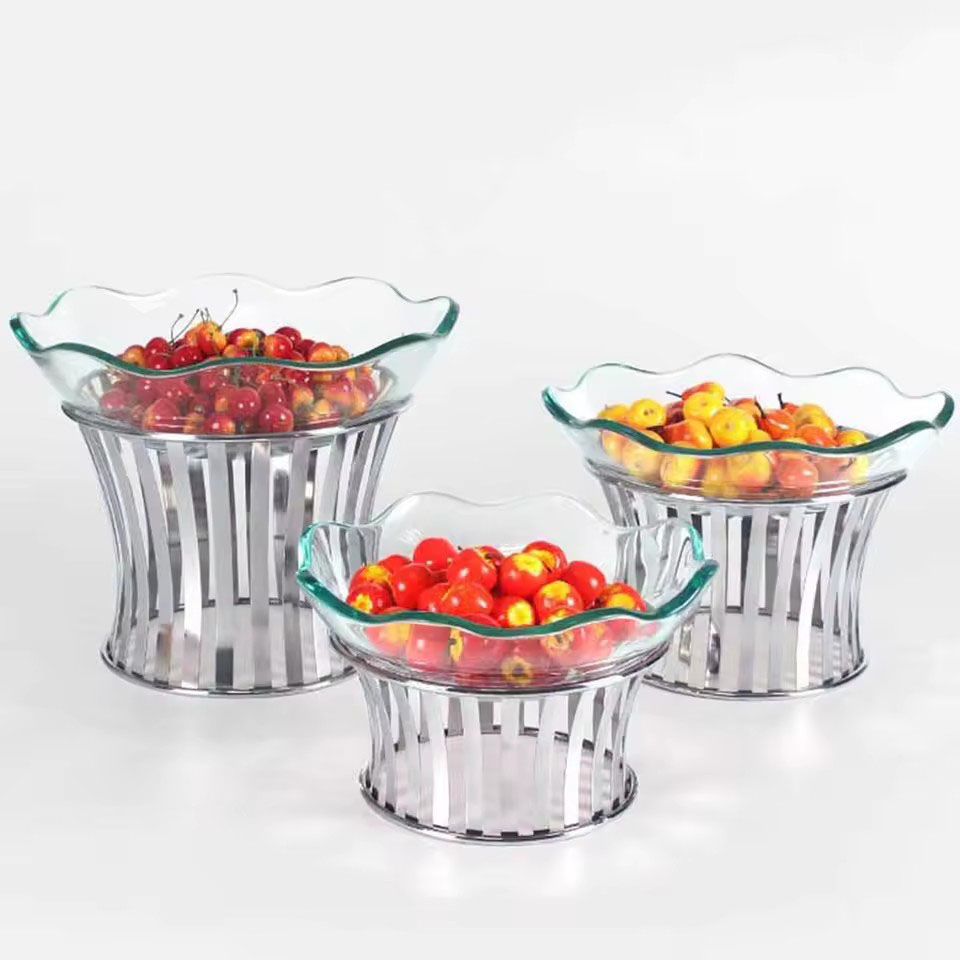
What Fuel Do You Use for a Chafing Dish? All Options Explained
Understanding chafing dish fuel options helps catering professionals select the right heating approach for each specific service situation. Different fuel types offer distinct advantages and limitations that make some better suited to particular events, venues, and service styles. This comprehensive overview covers every fuel option available for chafing dish heating, enabling informed decisions that support successful events.
Gel Fuel: The Most Popular Choice
Gel fuel dominates chafing dish heating in most catering operations, offering a balance of convenience, safety, and performance that suits diverse applications. The semisolid gel format contains fuel within a stable matrix that resists spillage and prevents the flame spread risks associated with liquid fuels. These characteristics make gel fuel particularly valuable for mobile operations where equipment transport creates vibration and jostling.
Standard gel fuel cans burn for approximately two hours at heat output appropriate for maintaining food at safe serving temperatures. The burn duration provides adequate service time for most events, with the predictable timing enabling reliable service planning. Longer events may require fuel changes, but the two-hour cycle accommodates typical catering service windows.
Gel fuel produces minimal smoke and odor when burning properly, avoiding the unwanted aromas that some fuels introduce to food presentation areas. The clean burn supports food quality by preventing fuel-related taste contamination while maintaining the professional appearance that catering events require.

Liquid Sterno: Higher Heat Output
Liquid sterno provides greater heat output than gel alternatives, burning at temperatures that more rapidly bring food to serving temperature and maintaining higher heat levels throughout service. This performance advantage becomes significant when heating dense food items or maintaining temperature in cold ambient conditions where additional heat input compensates for greater heat loss.
The liquid format introduces handling considerations that gel fuel avoids. Spillage risks require more careful transport and setup procedures, particularly during mobile service operations. The flammable nature of liquid fuel demands stricter storage protocols and more careful staff training than gel alternatives require.
Liquid sterno works best in controlled environments where experienced staff manage fuel handling, and where the higher heat output provides meaningful service benefits. The additional risk and complexity make liquid sterno inappropriate for casual operations or inexperienced staff.
Electric Heating: The Modern Alternative
Electric chafing dishes eliminate fuel handling entirely, providing consistent heating through electrical elements that plug into standard power outlets. The temperature control that electric systems provide exceeds what fuel heating achieves, maintaining more precise temperatures throughout extended service periods without the fluctuation that fuel burn creates.
The total cost of ownership analysis favors electric heating for operations with sufficient event volume and venues with reliable power access. Initial equipment costs run higher than fuel-heated alternatives, but ongoing fuel expenses disappear entirely. For high-volume operations, the fuel savings eventually exceed the additional equipment investment.
Electric heating enables features that fuel systems cannot provide, including precise temperature adjustment, automatic temperature maintenance, and programmable heating cycles. These capabilities support higher food quality standards in operations that prioritize consistent excellence.
Butane Heating: Compact Power
Butane cartridges provide compact, high-output heating suitable for applications where fuel efficiency and heat concentration matter most. The gaseous fuel burns cleanly with excellent heat transfer characteristics, rapidly bringing food to serving temperature and maintaining heat throughout service.
Cartridge-based systems require careful ventilation consideration, as butane combustion consumes oxygen and produces combustion byproducts that require adequate air exchange. Enclosed spaces present particular challenges that make butane inappropriate for some venue configurations.
The portability advantage of butane cartridges appeals to operators who value light, compact fuel supplies. Cartridges weigh less than equivalent gel fuel quantities, potentially reducing transport costs for mobile operations serving distant venues.
Comparing Fuel Costs and Efficiency
Gel fuel costs typically run higher per hour of heating than bulk liquid sterno, but the handling safety advantages and reduced waste often offset the per-unit cost difference. The total cost calculation must include disposal costs, spill cleanup, and the labor required for different fuel handling approaches.
Electric heating costs depend entirely on local electricity rates and usage patterns. In regions with low electricity costs and high fuel prices, electric heating may offer substantial ongoing savings despite higher equipment investment. Calculate actual operating costs based on your specific utility rates.
Butane cartridge pricing varies with purchase volume and local market conditions. Bulk purchasing provides substantial savings for high-volume operations, while occasional users may find per-unit costs less favorable than alternatives designed for lower-volume consumption.
Safety Considerations by Fuel Type
Gel fuel presents the lowest safety risk profile among common chafing dish fuels. The contained format prevents spillage, and the gel doesn't ignite as easily as liquid fuels when accidentally exposed to ignition sources. These characteristics make gel fuel appropriate for less experienced operators and higher-risk service environments.
Liquid fuels require more comprehensive safety training and stricter operational protocols. The fire hazards associated with liquid fuel ignition demand careful attention to storage, handling, and service procedures. Operations using liquid fuels should maintain appropriate fire suppression equipment and emergency response capabilities.
Electric systems eliminate most fuel-related safety concerns but introduce electrical hazards that require different attention. Proper electrical connections, adequate circuit capacity, and protection from electrical shock all require consideration in electric heating applications.
Environmental Impact Considerations
Gel fuel combustion produces carbon dioxide and water vapor along with trace combustion byproducts. While not negligible, the environmental impact of catering-scale gel fuel use remains modest compared to larger energy consumption sources. Some manufacturers offer bio-based gel fuels that reduce fossil fuel dependency.
Electric heating environmental impact depends entirely on how electricity is generated. Operations with access to renewable energy sources can achieve carbon-neutral heating through electric systems, while coal-dependent grids may produce more total emissions than efficient fuel combustion.
Butane combustion produces carbon dioxide and water vapor similar to other hydrocarbon fuels. The compact format may reduce transportation emissions compared to bulkier fuel alternatives, though the net environmental calculation depends on specific operational details.
Featured Chafing Dish Products
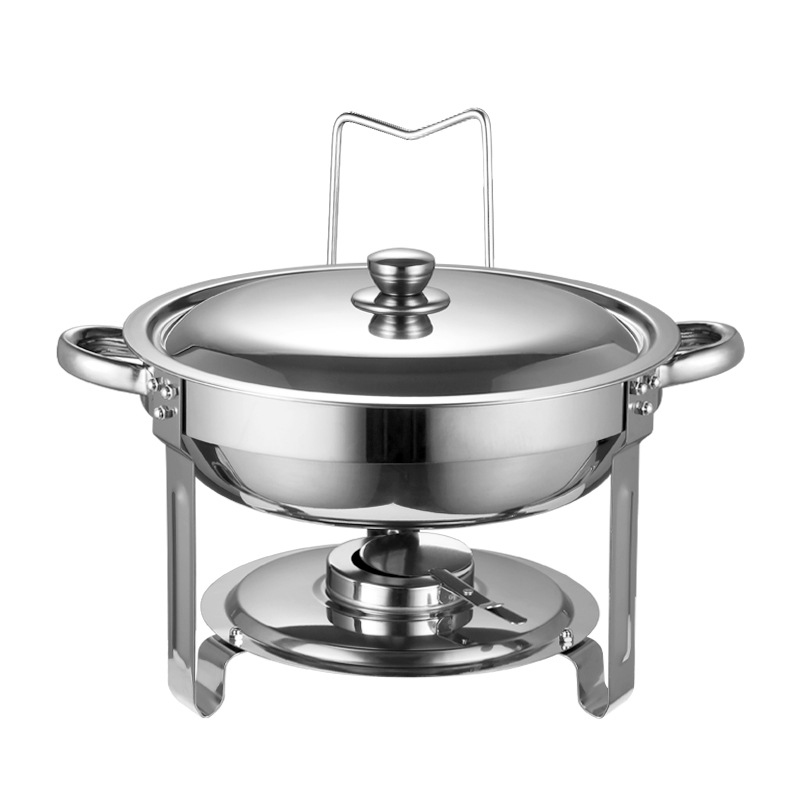
4.5L Stainless Steel Gold-Plated Round Chafing Dish
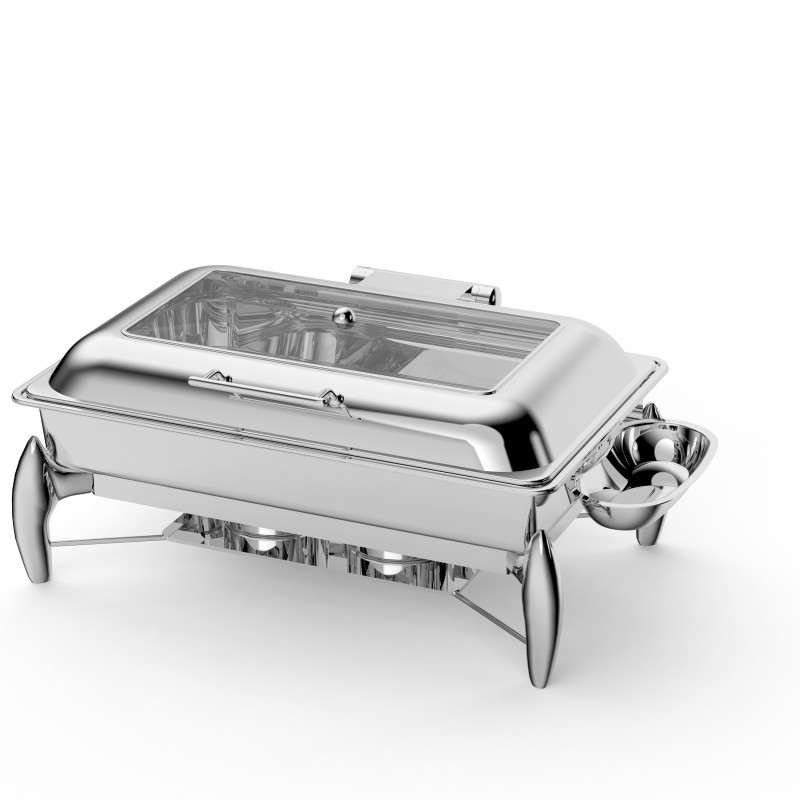
4.5L Stainless Steel Gold-Plated Round Chafing Dish delivers the reliable performance that professional catering demands, supporting various fuel options while maintaining consistent heating throughout service. The versatile design adapts to different fuel types based on your specific requirements.
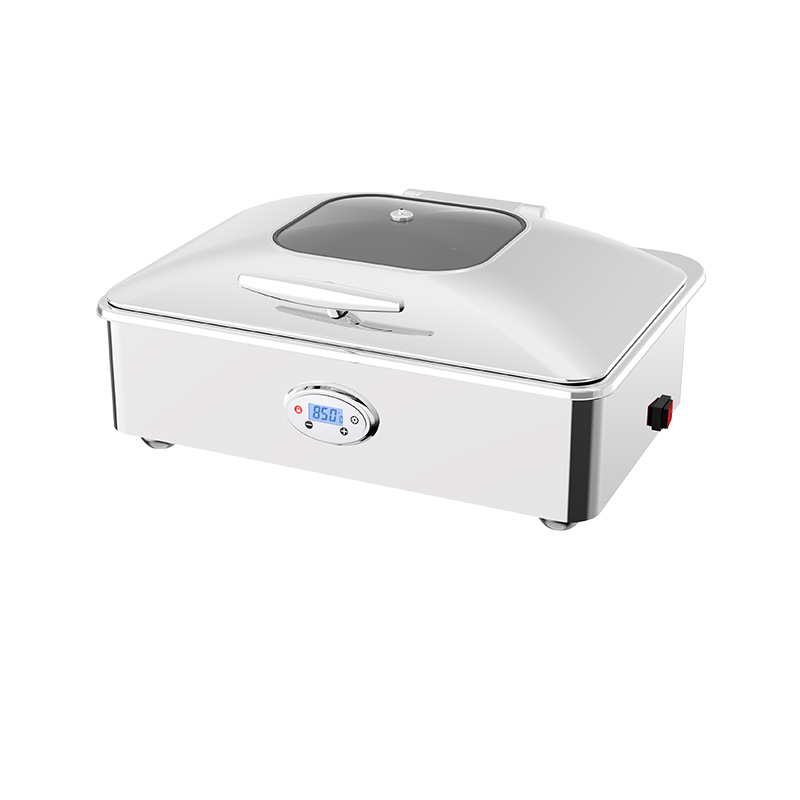
Electric Chafing Dish-W37
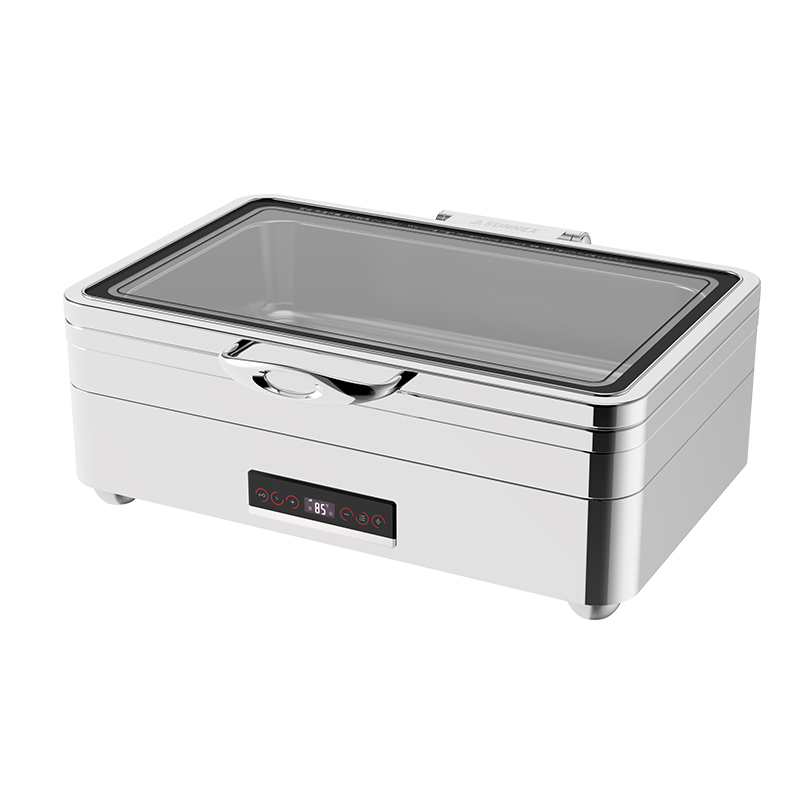
Electric Chafing Dish-W37 combines efficient heating design with the durability that demanding service environments require. The quality construction maximizes fuel efficiency while maintaining reliable performance across countless events.
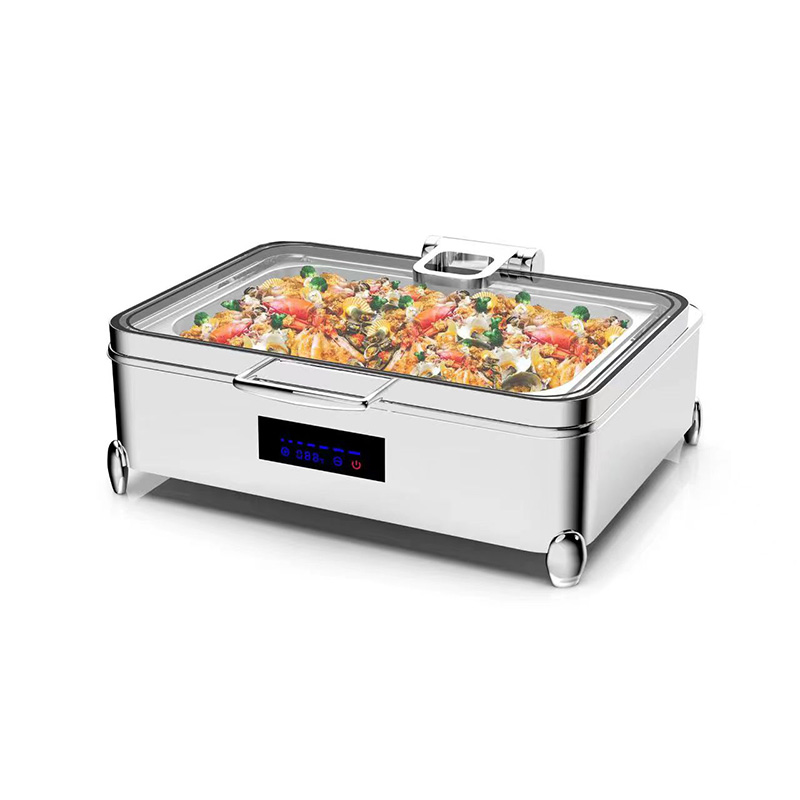
Electric Chafing Dish Food Warmer
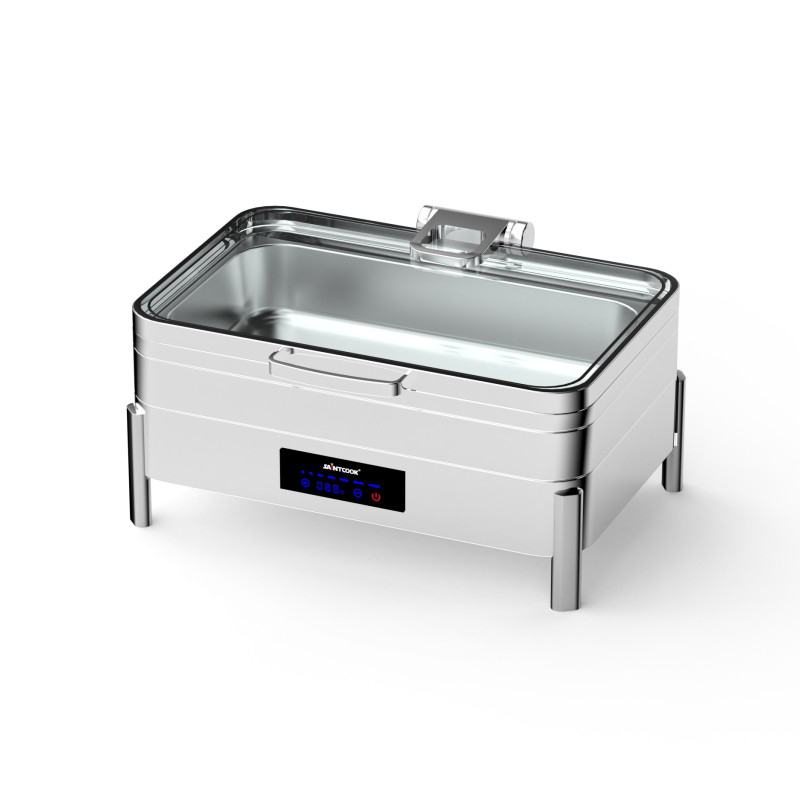
Electric Chafing Dish Food Warmer represents the professional choice for caterers who demand both safety and performance from their equipment. The thoughtful engineering supports safe fuel handling while delivering the heating capacity that quality food service requires.
Making Your Fuel Selection
Fuel selection depends on your specific operational context, including event types, venue characteristics, staff experience, and budget priorities. Evaluate each option against your actual requirements rather than following industry conventions that may not match your situation.
The right fuel choice supports successful events while maintaining safety and controlling costs. Apply these comparisons to make informed decisions that serve your operation well across diverse catering situations.
Related Articles
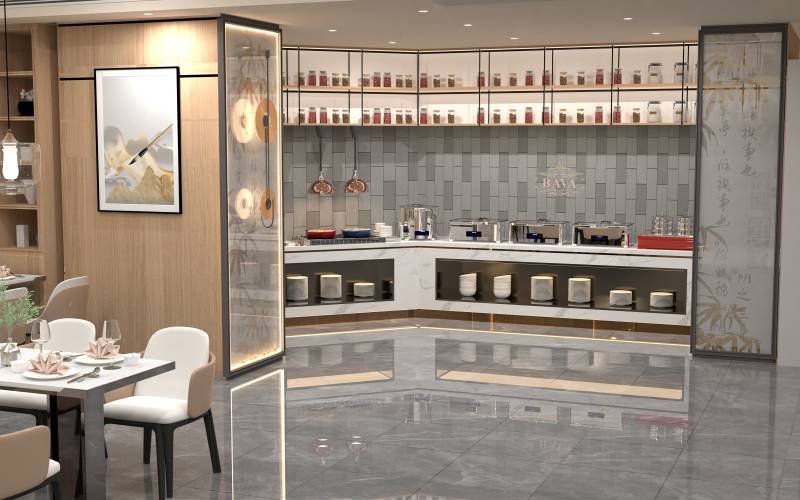
Electric Buffet Warmer with Adjustable Thermostat for Restaurants
Discover the best Electric Buffet Warmer with Adjustable Thermostat for Restaurants solutions. Real ...
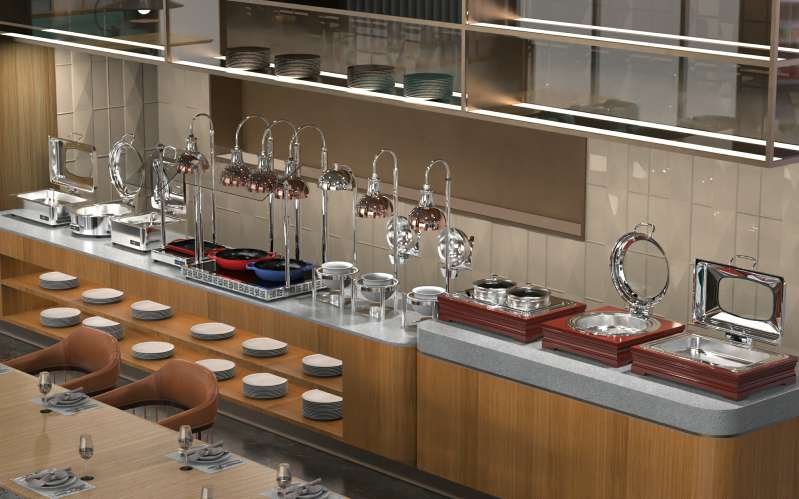
Mini Chafing Dish for Breakfast Buffet & Condiment Stations
Discover the best Mini Chafing Dish for Breakfast Buffet & Condiment Stations solutions. Real case s...
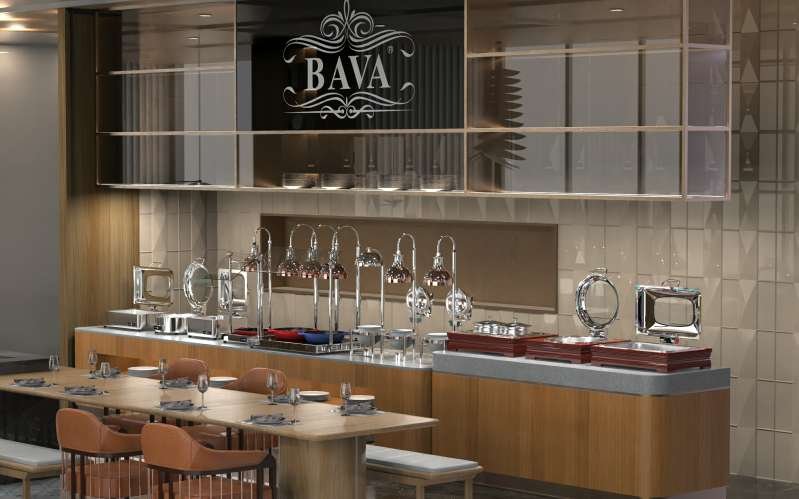
9QT Extra-Large Chafing Dish for Large-Scale Banquet Events
Discover the best 9QT Extra-Large Chafing Dish for Large-Scale Banquet Events solutions. Real case s...
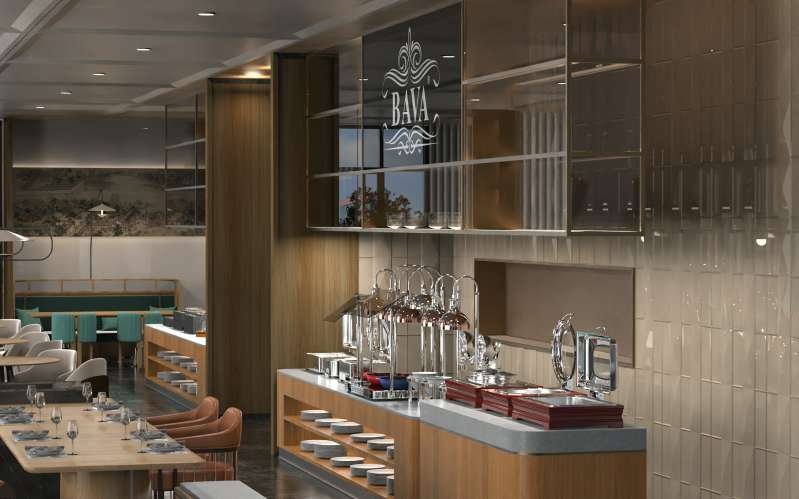
Wall-Mounted Buffet Stove for Space-Saving Kitchen Layouts
Discover the best Wall-Mounted Buffet Stove for Space-Saving Kitchen Layouts solutions. Real case st...

Stainless Steel Food Warmer for Supermarket Deli Departments
Discover the best Stainless Steel Food Warmer for Supermarket Deli Departments solutions. Real case ...
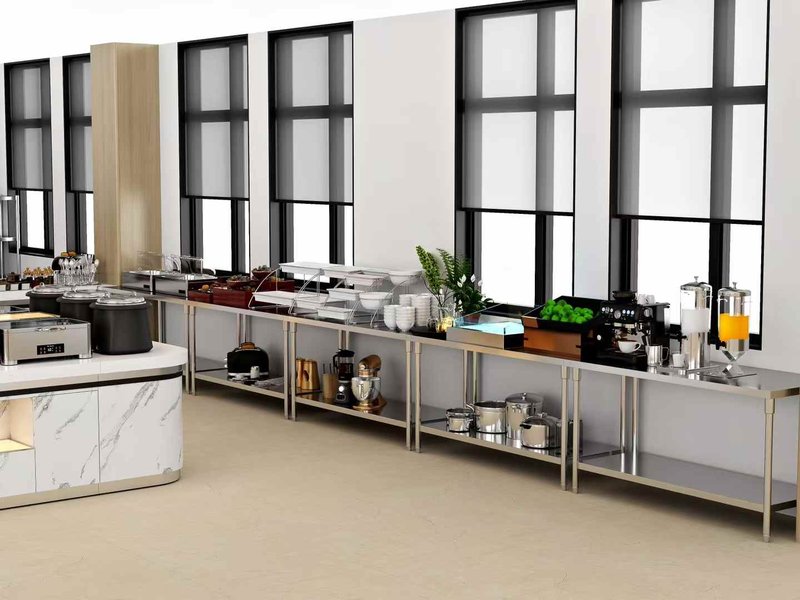
Commercial Chafer Dish with Temperature Control for Food Safety
Discover the best Commercial Chafer Dish with Temperature Control for Food Safety solutions. Real ca...