
How to Choose the Right Chafing Dish for Your Event
Selecting appropriate chafing dishes requires matching equipment capabilities to specific event requirements in ways that ensure reliable performance without unnecessary expense. The right choice balances serving capacity, presentation style, portability, and budget constraints while providing the functionality that your specific service approach demands. Understanding the decision factors that matter most helps you build an equipment fleet that serves your operation well across diverse event types.
Assessing Your Serving Capacity Needs
Guest count provides the starting point for capacity planning, but the relationship between guest numbers and equipment quantity involves more nuance than simple division. Different menu items consume at different rates depending on popularity, portion size, and guest preferences. Plan for the most popular items to require more capacity than a simple per-guest calculation suggests.
Service duration affects how much food you need to hold simultaneously versus how much you can refresh during service. Short events with rapid service may require less holding capacity than extended events where the same food remains in service for hours. Evaluate your specific event duration when planning equipment quantities.
Menu variety drives equipment diversity requirements beyond simple quantity. If your menu includes both liquid dishes and solid presentations, you need equipment appropriate to each type. Soup and sauce service typically requires different unit configurations than roast meat presentations. Plan your equipment mix to match your menu diversity.
Size and Space Considerations
Full-size chafing dishes accommodating GN 1/1 pans serve 40-60 portions before requiring replenishment, making them suitable for main course presentations at events with 50+ guests. The larger capacity reduces the frequency of kitchen-to-service-area replenishment, keeping service flowing smoothly during peak periods.
Half-size units serving 20-30 portions work well for appetizers, side dishes, and events with smaller attendance. Their compact footprint enables more units along limited counter space, supporting diverse menu offerings without requiring guests to travel far between options.
Consider the service counter or table space available for equipment placement. Measure your service areas before purchasing to ensure units fit appropriately, leaving adequate space for guest access and staff navigation. Crowded service areas create bottlenecks that slow service regardless of equipment quality.
Presentation Style Requirements
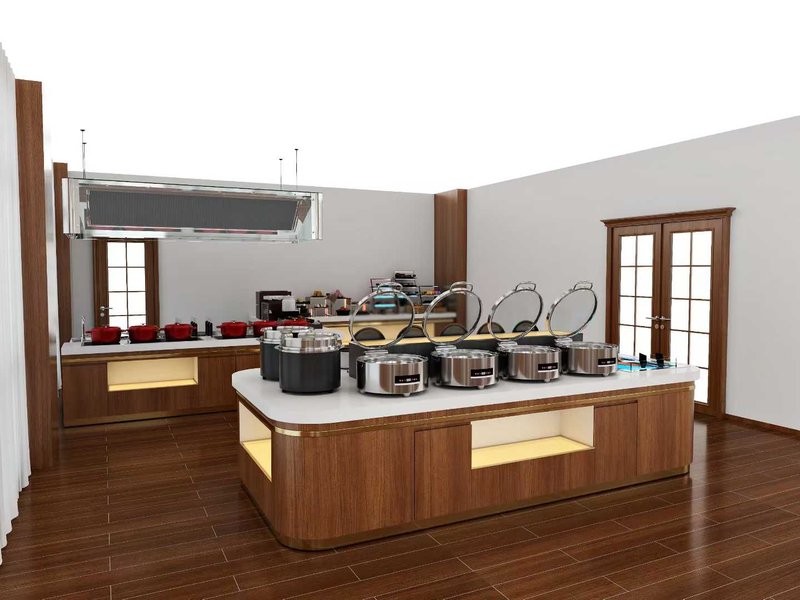
Formal events benefit from equipment that contributes to overall aesthetic quality, making premium-finish units appropriate investments despite their higher cost. The visual presentation that quality equipment provides affects how guests perceive the entire event, making presentation equipment part of your service quality reputation.
Casual events prioritize function over form, allowing economy equipment that provides reliable performance without premium appearance. Understanding when presentation quality matters and when it doesn't enables appropriate equipment allocation across your event portfolio.
Themed events may require specific equipment aesthetics that match the overall design language. Gold or copper finishes create different atmospheres than standard stainless steel. Consider how equipment appearance supports or detracts from the event experience you're creating.
Heating Method Selection
Gel fuel chafing dishes provide maximum portability, working anywhere without requiring power access. This flexibility suits outdoor events, tent installations, and venues with limited electrical infrastructure. The trade-off involves ongoing fuel costs and the logistics of fuel supply management.
Electric chafing dishes offer superior temperature control and eliminate fuel costs once equipment investment is made. They work best in venues with reliable power access where the higher initial equipment cost spreads across many events. Temperature consistency benefits food quality throughout extended service periods.
Some operations use both types strategically, deploying electric units in powered venues while maintaining a portable fleet of fuel-heated units for flexible deployment. This dual-fleet approach maximizes capability but increases equipment investment and maintenance requirements.
Durability and Usage Patterns
Equipment constructed from heavier-gauge stainless steel resists the dents, warping, and damage that intensive professional use introduces. The higher initial cost of quality construction pays returns through extended equipment life and consistent appearance throughout that life. Evaluate your usage intensity when deciding how much durability you need.
Occasional use operations may not recover the investment in premium equipment, making economy alternatives appropriate despite their shorter service life. Match equipment quality to your actual usage patterns rather than aspirational professional standards that your operation doesn't require.
Warranty coverage provides protection against manufacturing defects that affect new equipment. Evaluate warranty terms when comparing equipment options, particularly for premium purchases where warranty coverage provides meaningful financial protection.
Budget Optimization Strategies
Renting equipment for one-time events often proves more economical than purchasing equipment that sees infrequent use. Evaluate your event calendar to determine whether rental or purchase makes better financial sense for each equipment category. Some equipment justifies purchase for frequent use while other categories make sense to rent.
Building your equipment fleet gradually enables spreading equipment costs across time rather than requiring large upfront investment. Start with versatile equipment that serves multiple event types, then add specialized units as specific needs emerge. This approach reduces the risk of purchasing equipment that doesn't match your actual requirements.
Quality used equipment provides another acquisition path for operations with limited budgets. Inspect used equipment carefully for damage, wear, and functional problems before purchase. The savings compared to new equipment must be weighed against the uncertainty that used equipment introduces.
Featured Chafing Dish Products
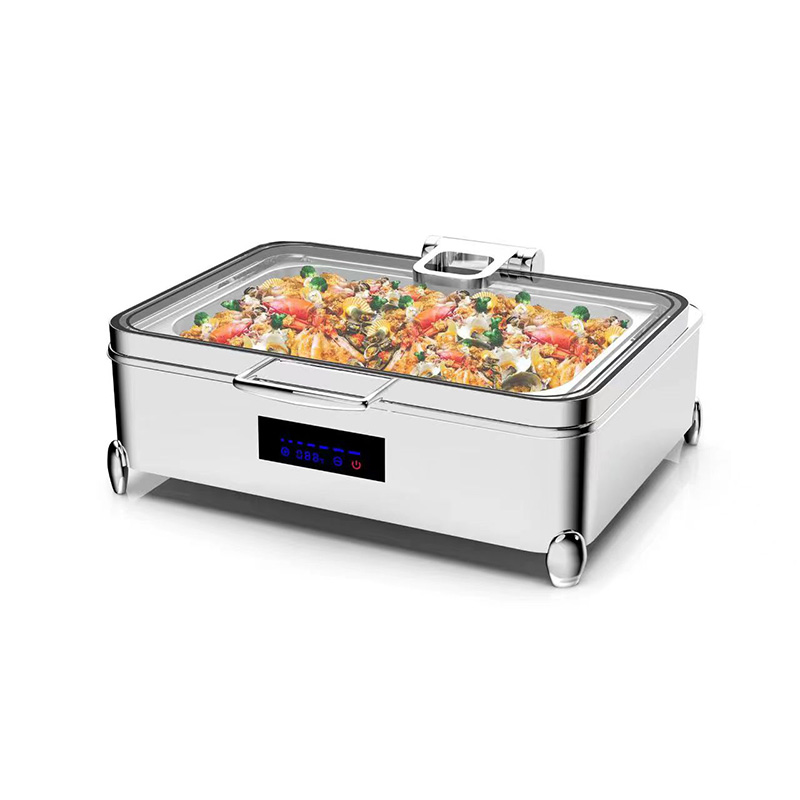
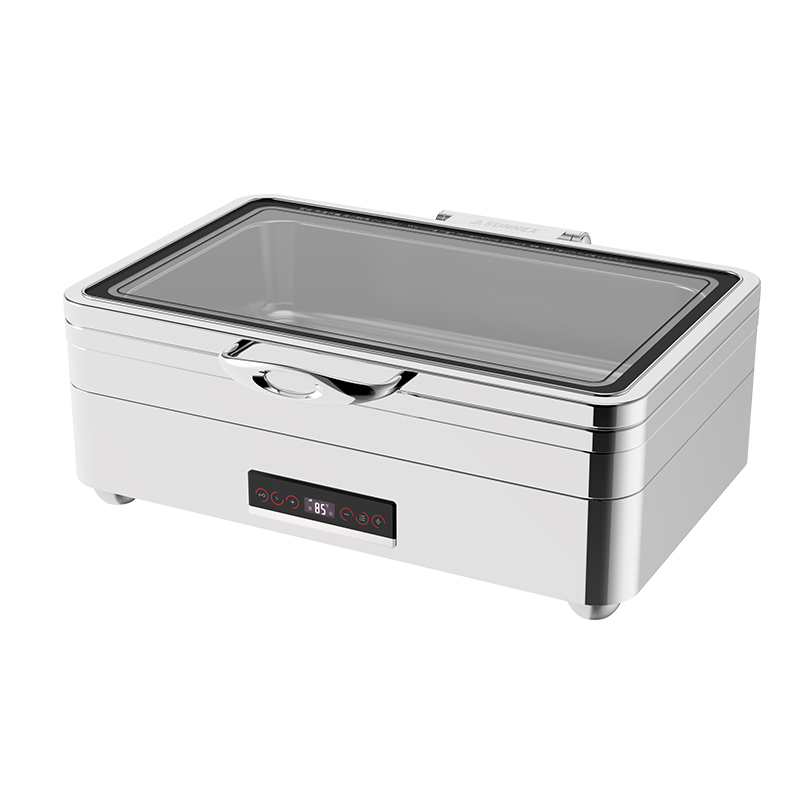
Electric Chafing Dish Food Warmer
Electric Chafing Dish Food Warmer delivers the professional quality that demanding events require. The versatile design adapts to diverse serving requirements while maintaining the reliable performance that professional catering depends upon.
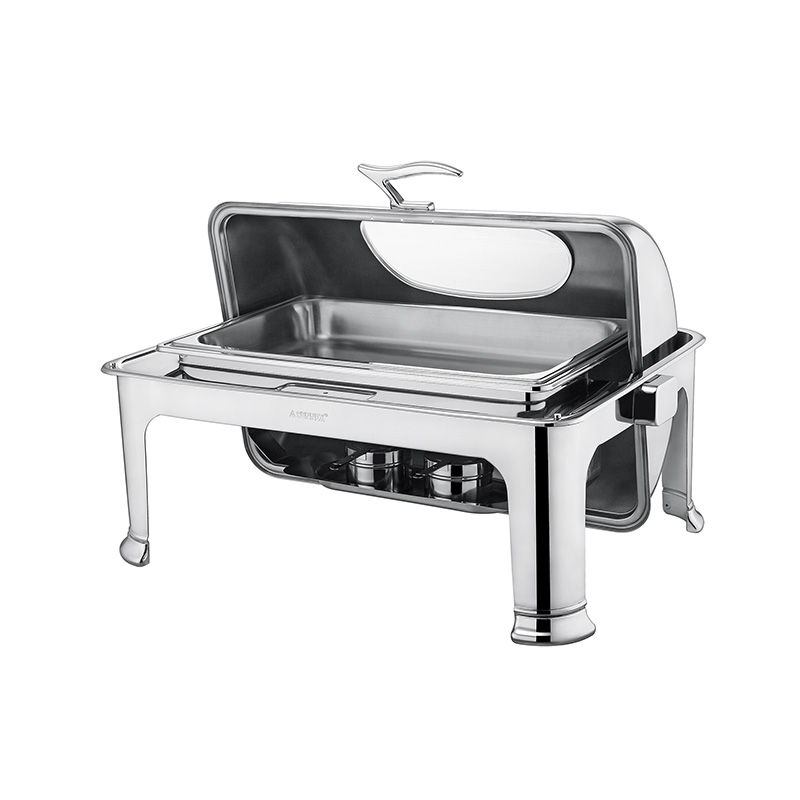
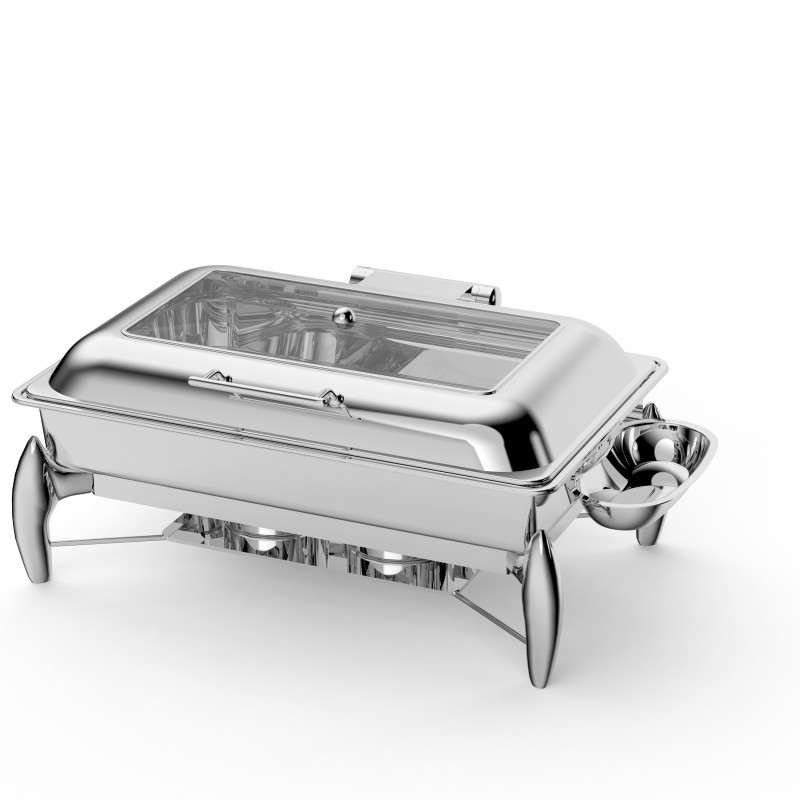
Covered Stainless Steel Alcohol Chafing Dish
Covered Stainless Steel Alcohol Chafing Dish combines practical capacity with the presentation quality that formal events demand. The thoughtful engineering provides consistent results while contributing to the overall event atmosphere.
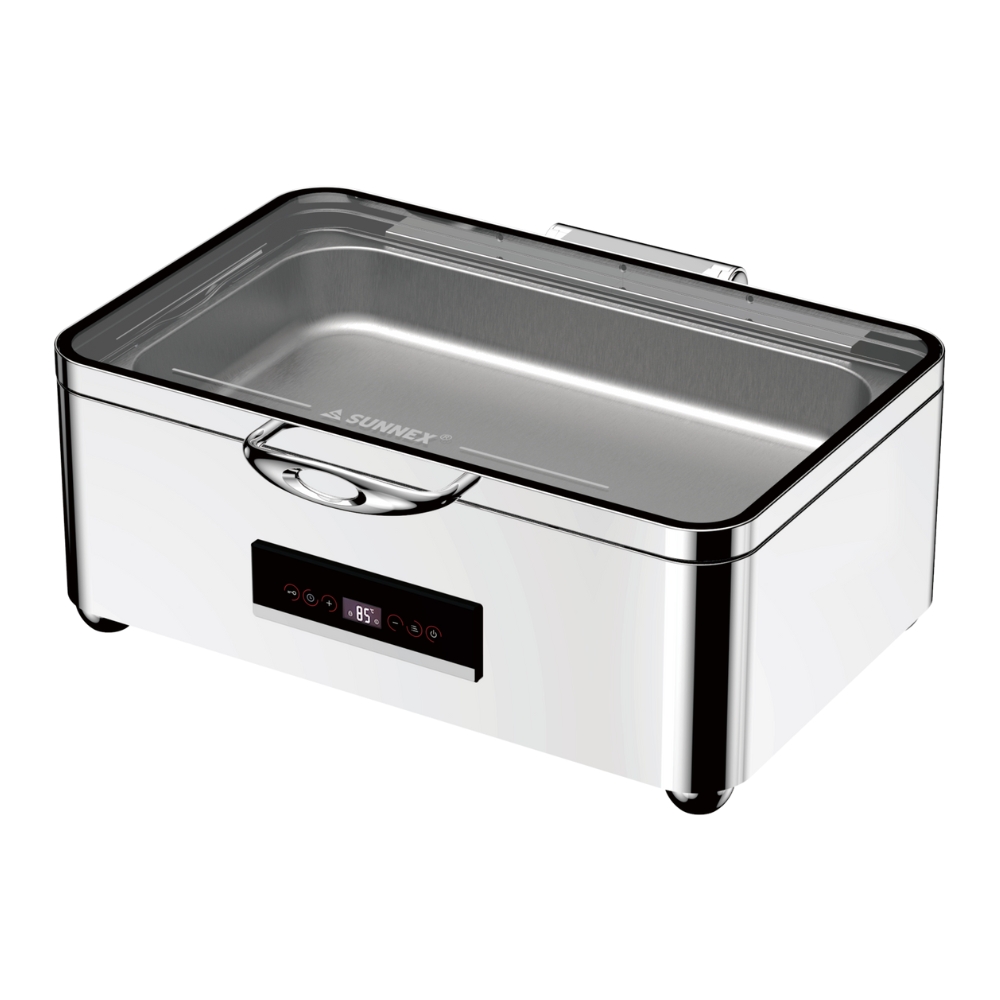
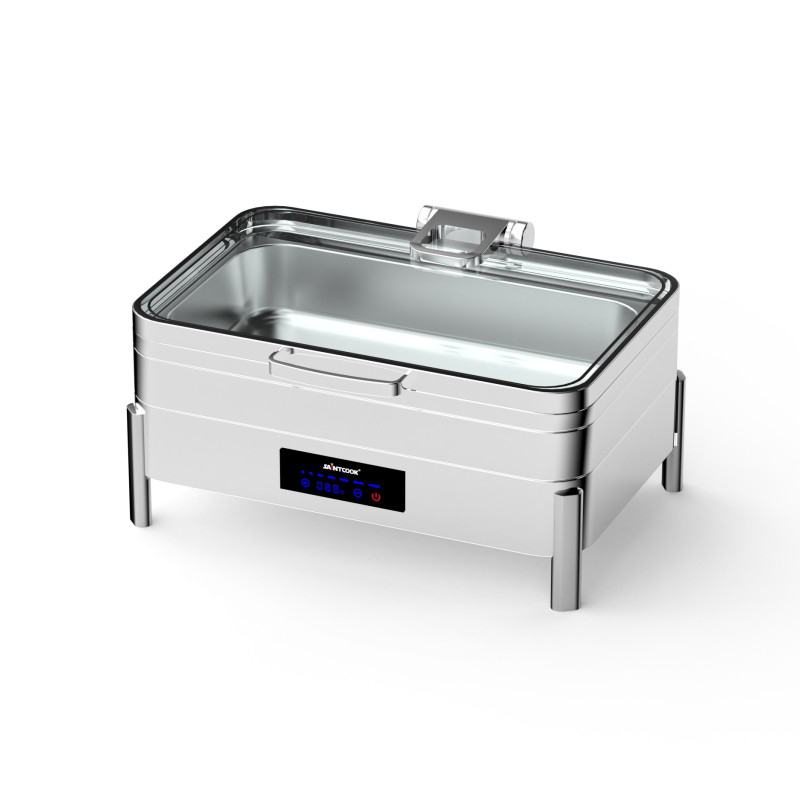
Full Size 11L Electric Chafer
Full Size 11L Electric Chafer represents the professional standard for caterers who prioritize equipment reliability and long-term value. The superior construction ensures consistent performance throughout years of demanding service.
Making Your Selection
Choosing the right chafing dish involves balancing multiple factors specific to your operation and typical events. Assess your actual requirements honestly, match equipment capabilities to those requirements, and build an equipment fleet that serves well without unnecessary expense.
The investment in appropriate equipment pays returns through reliable service, professional presentation, and the long-term value that quality construction provides. Apply these selection principles consistently to build an equipment fleet that supports your catering success.
Related Articles
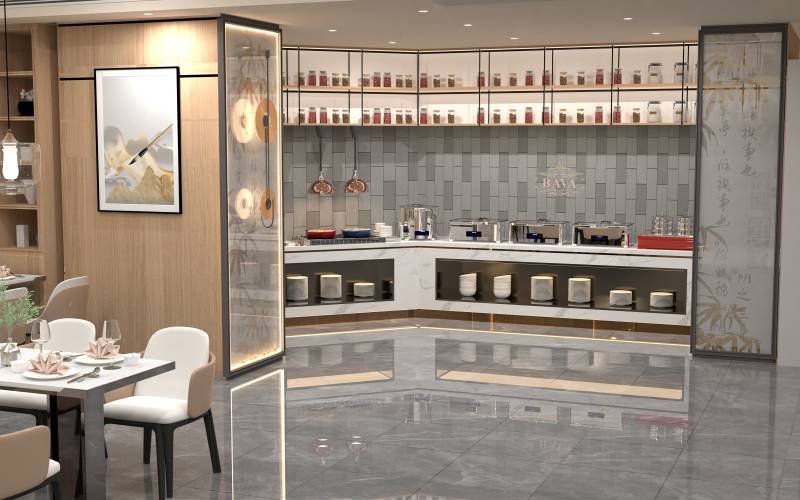
Electric Buffet Warmer with Adjustable Thermostat for Restaurants
Discover the best Electric Buffet Warmer with Adjustable Thermostat for Restaurants solutions. Real ...
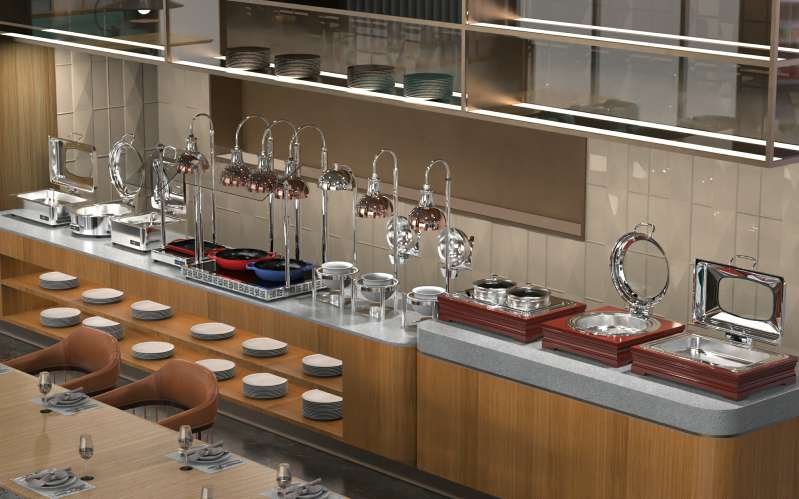
Mini Chafing Dish for Breakfast Buffet & Condiment Stations
Discover the best Mini Chafing Dish for Breakfast Buffet & Condiment Stations solutions. Real case s...
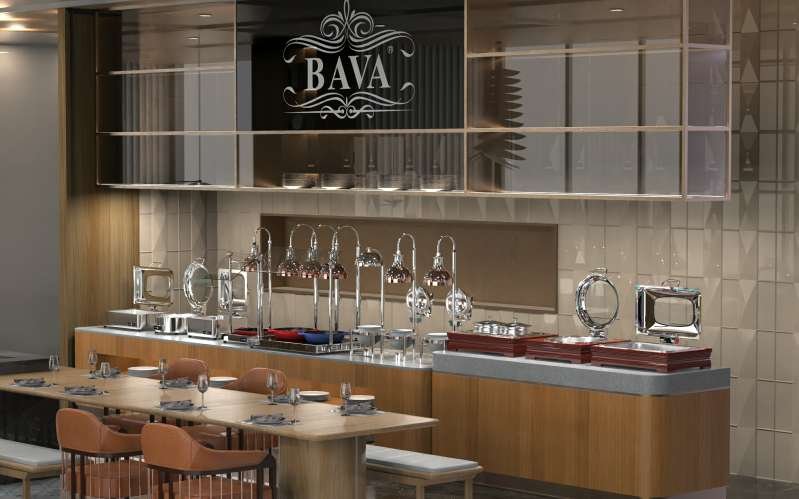
9QT Extra-Large Chafing Dish for Large-Scale Banquet Events
Discover the best 9QT Extra-Large Chafing Dish for Large-Scale Banquet Events solutions. Real case s...
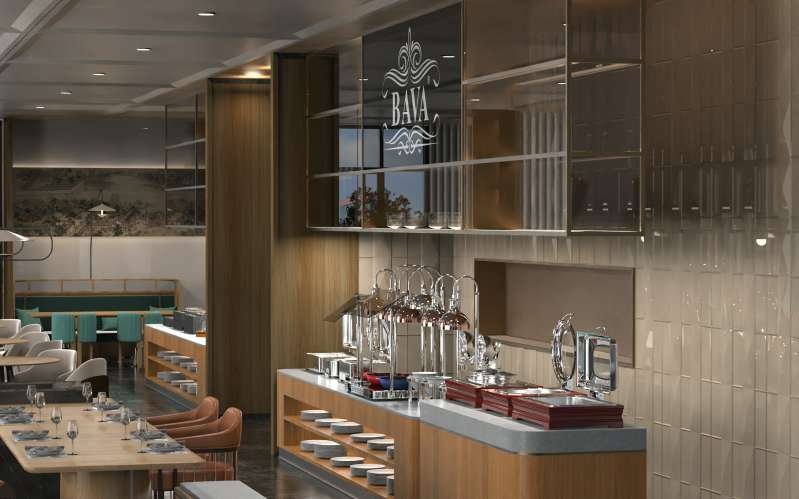
Wall-Mounted Buffet Stove for Space-Saving Kitchen Layouts
Discover the best Wall-Mounted Buffet Stove for Space-Saving Kitchen Layouts solutions. Real case st...
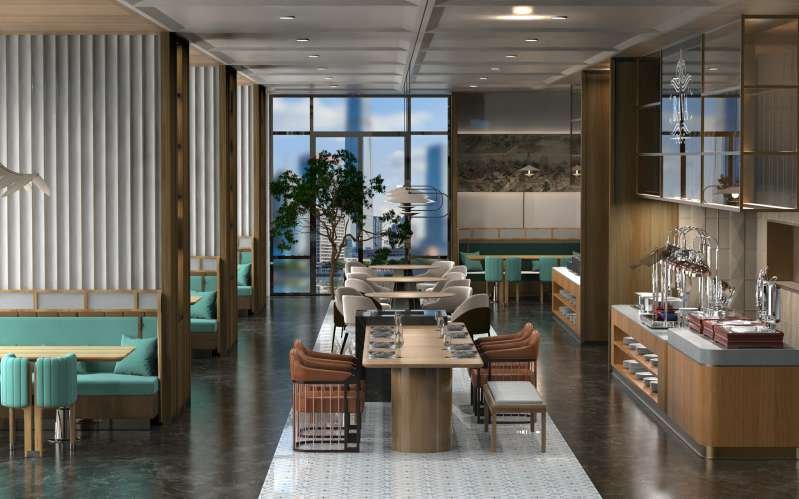
Stainless Steel Food Warmer for Supermarket Deli Departments
Discover the best Stainless Steel Food Warmer for Supermarket Deli Departments solutions. Real case ...
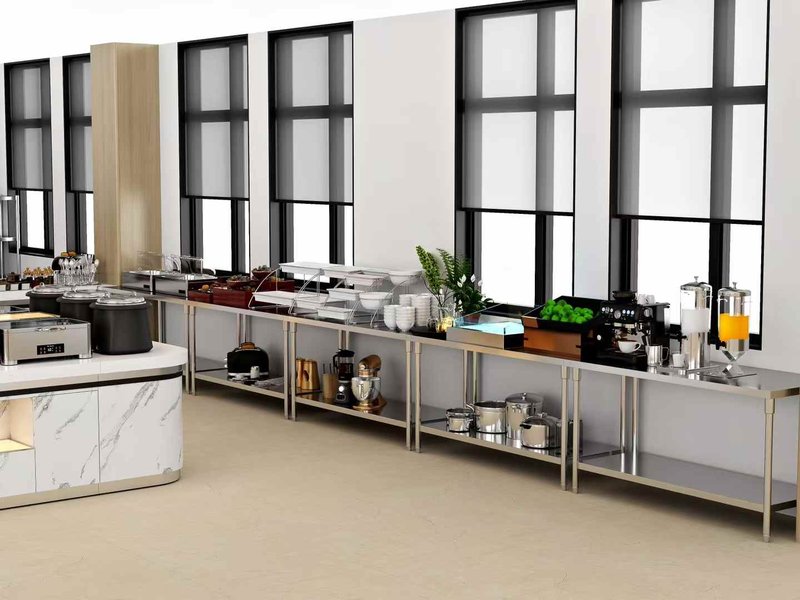
Commercial Chafer Dish with Temperature Control for Food Safety
Discover the best Commercial Chafer Dish with Temperature Control for Food Safety solutions. Real ca...