
How to Clean a Chafing Dish: Step-by-Step Maintenance Guide
Proper cleaning of chafing dishes protects both equipment longevity and food safety across every event you cater. Residual food matter, grease accumulation, and mineral deposits from water baths all compromise equipment performance and create sanitation concerns if not addressed through thorough cleaning protocols. Developing systematic cleaning habits ensures your equipment serves reliably for years while maintaining the presentation quality that clients expect.
Immediate Post-Service Handling
The most critical cleaning window occurs immediately after service concludes, while food residues remain soft and removable. Allowing food to dry and harden on surfaces transforms easy cleanup into an arduous scrubbing task that damages equipment finishes. Assign cleaning responsibilities before service concludes so staff can begin cleanup as soon as the last guests depart.
Remove food pans and lids first, setting them aside for separate cleaning. Dispose of remaining food according to your waste management protocols, scraping solid residues into appropriate containers. Avoid pouring liquid food waste down drain systems unless your grease management infrastructure accommodates significant organic loading.
Allow the water bath to cool sufficiently for safe handling before attempting to drain it. Hot water creates burn hazards and can damage drainage systems. Most units require 15-30 minutes of cooling before water removal becomes safe and practical. Plan your cleanup timeline to accommodate this cooling period.
Disassembling for Thorough Cleaning
Separate all removable components before cleaning begins. This typically includes the lid, food pan, water pan, and any decorative inserts or accessories. Each component requires different cleaning approaches based on its material and construction. Cleaning assembled units leaves residue in hidden areas that compromise sanitation and equipment condition.
Remove heating elements carefully according to manufacturer instructions, noting their positions for correct reassembly. Some heating elements are permanently installed and require only external cleaning, while others remove for more thorough maintenance. Understand your specific unit configuration before proceeding.
Inspect components as you disassemble them, noting any damage, excessive wear, or areas requiring special attention. Catching problems early enables timely repairs before they worsen, protecting your investment and preventing service disruptions from equipment failures.
Washing Procedures by Component
Stainless steel bodies and water pans clean most effectively with hot water, mild detergent, and non-abrasive cleaning tools. Harsh scrubbers and acidic cleaners damage stainless finishes, creating corrosion vulnerabilities that shorten equipment life. Use soft cloths or sponges for general cleaning, reserving more aggressive approaches for stubborn residue only after gentler methods prove inadequate.
Food pans require more thorough cleaning given their direct food contact. Wash in hot water with appropriate dish soap, rinse completely to remove all detergent residue, and sanitize using approved food-safe sanitizing solutions. Follow local health department requirements for sanitizing concentration and contact time.
Lids present cleaning challenges due to their shape and potential for scratches that affect appearance. Glass and polycarbonate lids clean with appropriate cleaners that won't damage their surfaces, while stainless lids follow the same gentle approach as other steel components. Avoid using metal utensils or abrasive tools on any lid surface.
Addressing Stubborn Residue
Burned-on residue from extended service requires more aggressive treatment but still avoids damaging approaches. Soak affected areas in hot soapy water for extended periods before attempting removal. Commercial chafing dish cleaning solutions provide formulated chemistry that loosens burned residues without damaging equipment surfaces.
Mineral deposits from hard water accumulate in water pans over time, creating scale that affects heating efficiency and appearance. Regular descaling using food-safe descaling solutions removes this buildup before it becomes severe. The frequency of descaling depends on your water hardness and usage intensity.
Grease accumulation on exterior surfaces and around heating elements requires degreasing attention beyond standard dish soap. Foodservice-appropriate degreasers dissolve grease effectively without damaging stainless surfaces when used according to product instructions. Build this degreasing step into your regular maintenance routine.
Rinsing and Drying
Complete rinsing removes all cleaning product residue that could affect food safety or damage surfaces over time. Use clean hot water for final rinses, ensuring no soap, degreaser, or cleaning solution traces remain. Inspect visually to verify clean surfaces before proceeding to sanitizing.
Thorough drying prevents water spots and inhibits the corrosion that persistent moisture promotes. Air drying works for components that won't be immediately stored, while staff-drying ensures immediate storage readiness for items needed at upcoming events. Use clean, food-safe cloths for any hand-drying procedures.
Sanitizing for Food Safety
Sanitizing follows cleaning to provide the final microbiological safety assurance that cleaning alone cannot guarantee. Use only food-safe sanitizers at manufacturer-specified concentrations, ensuring adequate contact time for the specific sanitizer type. Sanitizer concentration that's too low provides inadequate protection, while excessive concentration creates chemical hazards.
Air sanitizing (using sanitizer solutions that don't require wiping) requires the specified contact time before wiping or using treated surfaces. Rushing this step compromises the sanitation benefit that the process provides. Build adequate time into your cleaning protocols for proper sanitizing.
Verify sanitizer effectiveness periodically using test strips appropriate to your sanitizer type. Inaccurate concentration preparation or degraded solutions may not provide expected sanitation performance. Regular verification ensures your sanitation practices actually deliver the protection they assume.
Storage and Inspection
Store clean, dry components in protected locations that prevent dust accumulation and physical damage. Original equipment packaging often provides ideal storage protection when available. Otherwise, use covered storage areas that shield equipment from environmental contaminants while allowing air circulation that prevents moisture accumulation.
Inspect stored equipment periodically to catch problems before they affect service. Check for signs of pest activity, moisture damage, or component deterioration that may have developed during storage. Address any issues before the next event rather than discovering problems during critical service preparation.
Featured Chafing Dish Products
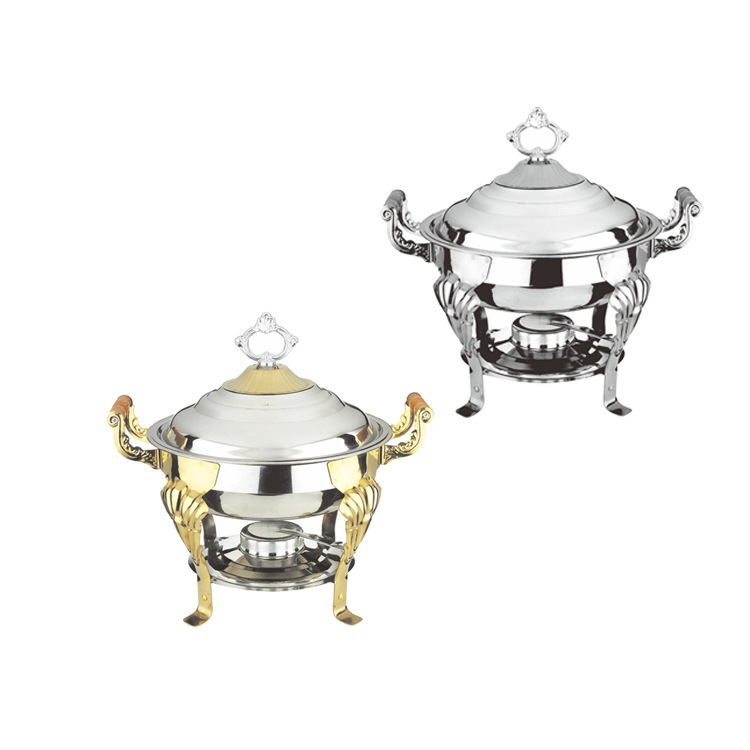
Mini Individual Buffet Chafing Dish
Mini Individual Buffet Chafing Dish delivers the durable construction that simplifies cleaning and extends equipment service life. Quality materials and thoughtful design reduce the cleaning effort required while maintaining the professional appearance your events demand.
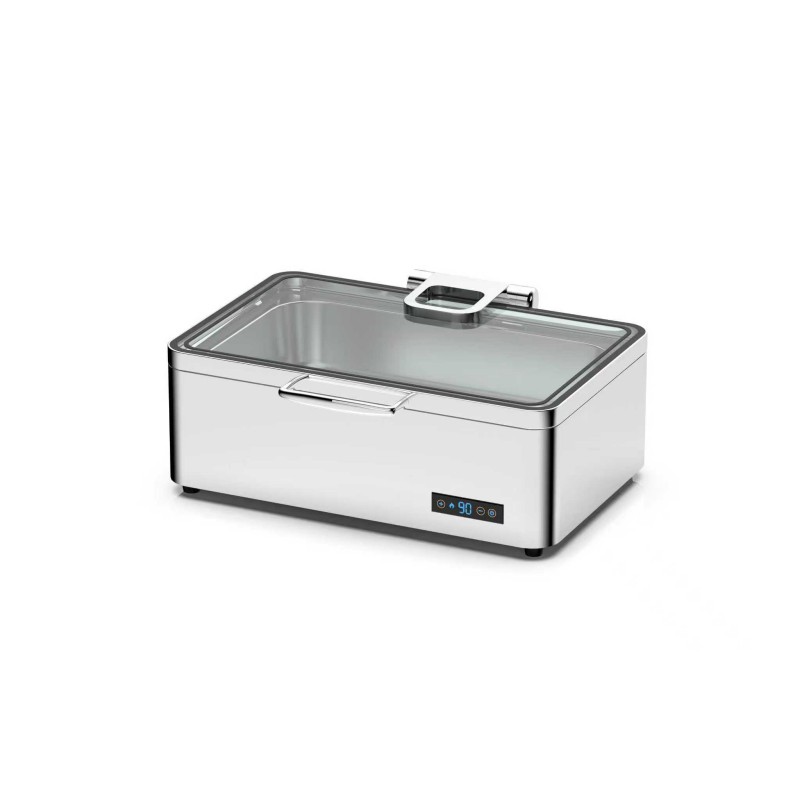
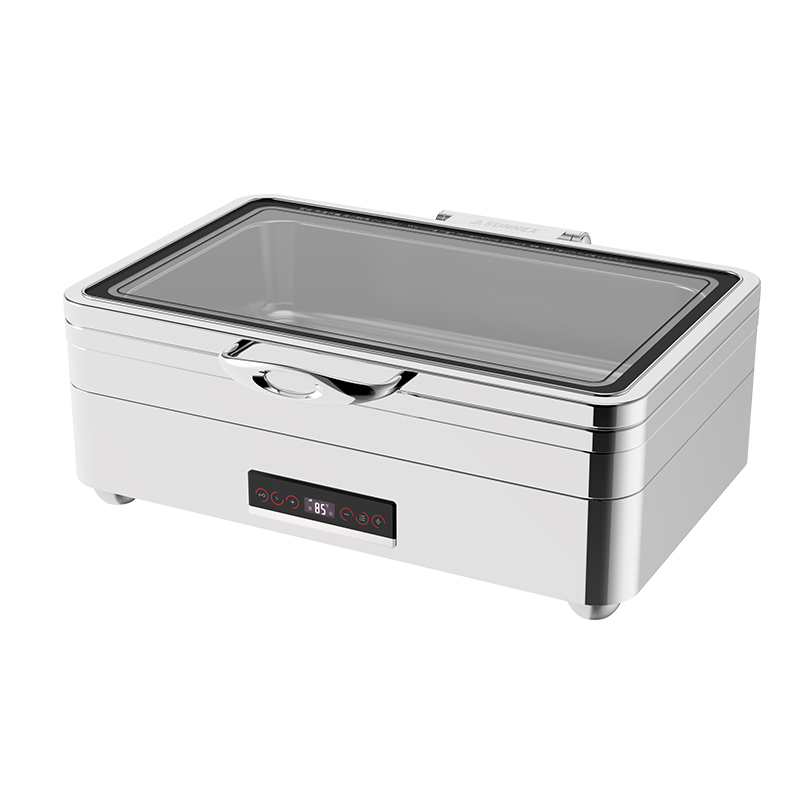
Electric Chafing Dish-BA
Electric Chafing Dish-BA combines practical functionality with cleaning-friendly design that reduces maintenance burden. The smooth surfaces and accessible components enable thorough cleaning that protects food safety across every event.
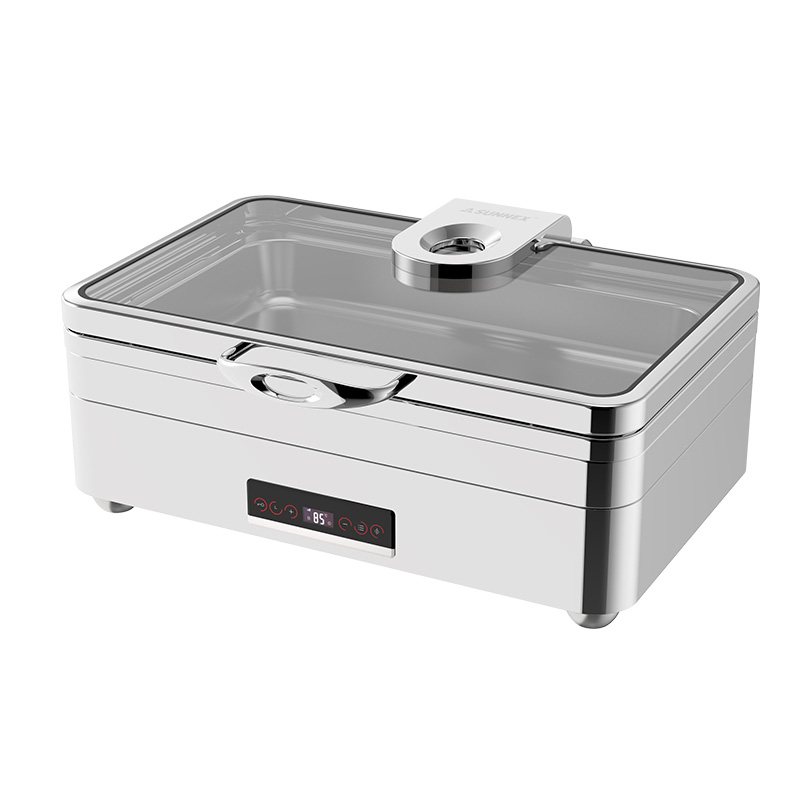
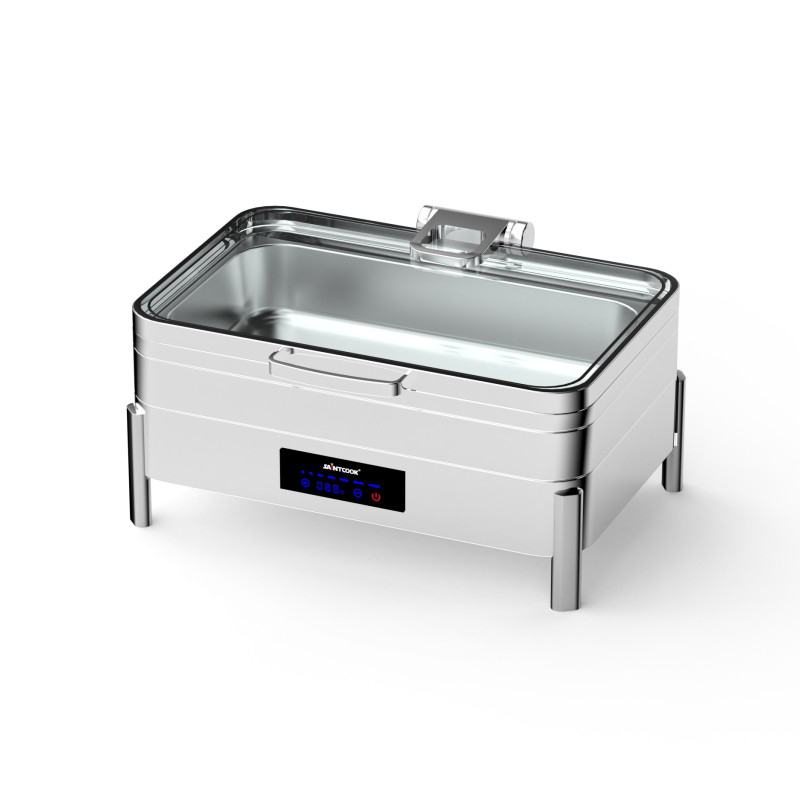
Electric Chafing Dish-W07
Electric Chafing Dish-W07 represents the professional investment for caterers who prioritize equipment longevity and consistent performance. The superior construction quality maintains appearance and function through years of demanding service.
Building Effective Cleaning Habits
Consistent cleaning practices protect your equipment investment while ensuring the food safety that your clients and their guests deserve. Develop systematic protocols, train staff thoroughly, and maintain the cleaning supplies that make proper cleaning practical and efficient.
The time invested in proper cleaning pays returns through extended equipment life, improved presentation quality, and the reliability that professional catering reputation depends upon. Apply these principles consistently to build cleaning habits that serve your operation well for years to come.
Related Articles

Electric Buffet Warmer with Adjustable Thermostat for Restaurants
Discover the best Electric Buffet Warmer with Adjustable Thermostat for Restaurants solutions. Real ...
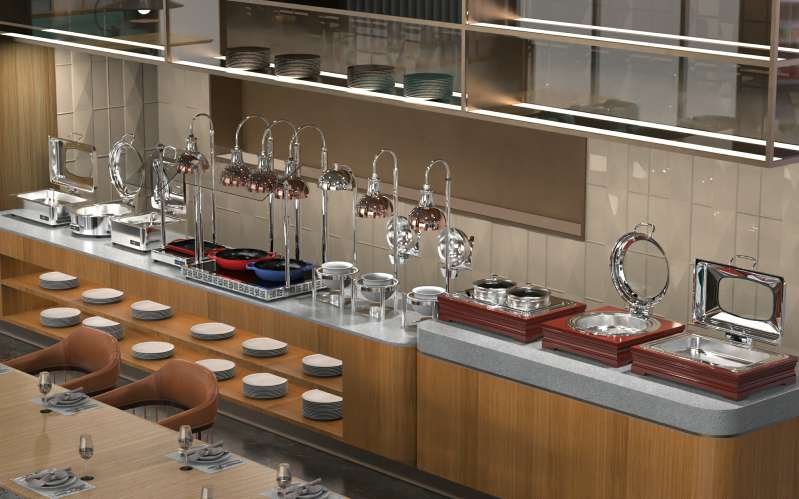
Mini Chafing Dish for Breakfast Buffet & Condiment Stations
Discover the best Mini Chafing Dish for Breakfast Buffet & Condiment Stations solutions. Real case s...
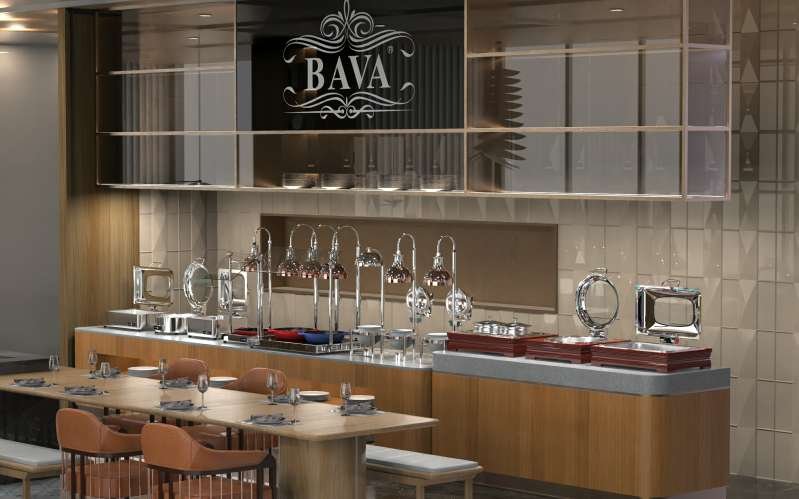
9QT Extra-Large Chafing Dish for Large-Scale Banquet Events
Discover the best 9QT Extra-Large Chafing Dish for Large-Scale Banquet Events solutions. Real case s...

Wall-Mounted Buffet Stove for Space-Saving Kitchen Layouts
Discover the best Wall-Mounted Buffet Stove for Space-Saving Kitchen Layouts solutions. Real case st...

Stainless Steel Food Warmer for Supermarket Deli Departments
Discover the best Stainless Steel Food Warmer for Supermarket Deli Departments solutions. Real case ...
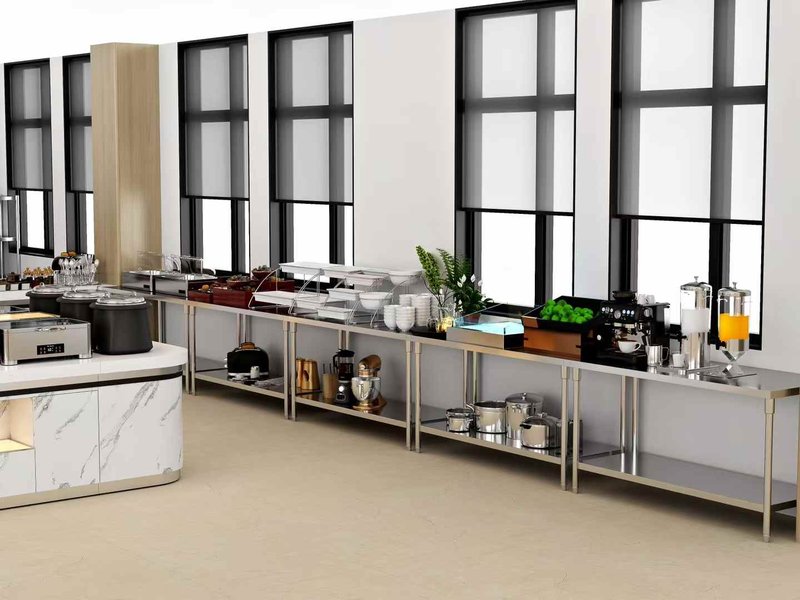
Commercial Chafer Dish with Temperature Control for Food Safety
Discover the best Commercial Chafer Dish with Temperature Control for Food Safety solutions. Real ca...