
How to Use Chafing Dish Fuel: Safety & Efficiency Tips
Chafing dish fuel powers the heating systems that keep buffet food at safe serving temperatures throughout events. Yet improper fuel handling ranks among the leading causes of catering accidents, making proper fuel management essential for every catering professional. Understanding fuel types, safe handling procedures, and efficiency optimization helps you achieve reliable performance while protecting yourself, your staff, and your guests from fuel-related hazards.
Types of Chafing Dish Fuel
Gel fuel remains the most common chafing dish fuel option, providing a semisolid gel that burns cleanly with minimal flame spread risk. The gel format reduces spillage concerns compared to liquid fuels, making gel the preferred choice for mobile catering operations where transport vibration creates liquid fuel leakage risk. Standard gel cans provide approximately 2 hours of burning time, though variations between manufacturers affect actual duration.
Liquid sterno provides higher heat output than gel alternatives, burning at temperatures sufficient to support more demanding heating requirements. However, liquid sterno requires more careful handling due to spillage risks and presents greater fire hazards if accidentally knocked over during service. Reserve liquid sterno for applications where gel fuel proves inadequate and staff training ensures safe handling.
Electric chafing dishes eliminate fuel concerns entirely in venues with reliable power access. While initial equipment costs exceed fuel-heated alternatives, electric units provide more consistent temperature control and eliminate ongoing fuel expenses. Consider total cost of ownership when evaluating electric versus fuel-based options for your operation.
Safe Fuel Handling Procedures
Store fuel containers in cool, well-ventilated areas away from ignition sources and direct sunlight. Heat exposure can cause fuel containers to pressurize, creating rupture risks that release flammable contents. Maintain storage area temperatures within manufacturer specifications to prevent pressure buildup that compromises container integrity.
Never add fuel to a lit or recently extinguished chafing dish. The residual heat can ignite fuel vapors, causing flash fires that create serious injury risk. Allow units to cool completely before refueling, and keep ignition sources away during the entire refueling process. Establish clear protocols that prevent accidental ignition during routine fuel service.
Handle fuel containers carefully to prevent spillage and container damage. Inspect containers before use for cracks, dents, or other damage that might compromise their integrity. Damaged containers should be disposed of properly rather than used, as they present unpredictable failure risks during service.

Lighting Procedures
Light gel fuel using long-reach lighting tools designed specifically for chafing dish use. Standard matches burn down too quickly, creating hand proximity hazards when lighting units at awkward angles. Invest in proper lighting equipment that keeps hands safely distant from the flame during ignition.
Open all ventilation openings before lighting to ensure adequate air supply for complete combustion. Incomplete combustion produces carbon monoxide and other hazardous gases that accumulate in poorly ventilated spaces. Verify ventilation adequacy for your specific service environment, particularly in enclosed spaces like banquet halls.
Allow flames to stabilize for several minutes before placing food pans, enabling the water bath to reach operating temperature before food enters. Attempting to heat food with a fresh flame that hasn't stabilized creates uneven heating and extends the time before proper serving temperatures are achieved.
Fuel Efficiency Optimization
Match fuel quantity to expected service duration, avoiding the waste that results from over-fueling events with shorter service windows. Half-empty fuel cans provide half the remaining burn time, so calculate fuel requirements based on actual expected service duration plus a reasonable buffer for unexpected delays.
Water bath levels directly affect fuel efficiency by determining how much heat input is required to maintain serving temperatures. Underfilled water reservoirs allow direct heating that consumes more fuel while creating uneven temperatures. Maintain proper water levels throughout service to maximize heating efficiency.
Lid usage affects fuel consumption significantly. Keep lids in place whenever food is not being actively served to reduce heat loss that forces fuel to work harder to maintain temperatures. Every lid opening event increases heat loss and accelerates fuel consumption during that period.
Managing Fuel During Extended Service
Plan fuel changes to occur during natural service breaks rather than mid-service when possible. Brief fuel depletions during active service create temperature recovery challenges that compromise food safety. Have replacement fuel ready before current fuel depletes, and complete fuel changes quickly to minimize service interruption.
Consider using two-burner chafing dishes for events exceeding 2 hours, where one burner provides continuous heating while the other can be refueled during brief exchanges. This approach maintains consistent heating throughout the refueling process, eliminating the temperature dip that complete fuel exhaustion creates.
Monitor flame quality throughout service as an indicator of remaining fuel duration. Diminished flames suggest fuel depletion approaching, prompting proactive refueling before service interruption occurs. Develop the experience to recognize flame changes that indicate fuel status without needing to check container levels directly.
Disposal and Environmental Considerations
Allow fuel cans to burn completely empty before disposal to prevent residual fuel concerns. Partially used cans should be stored safely and used during subsequent events rather than discarded. Completely empty cans can generally be disposed of through standard waste channels, though local regulations may vary.
Consider environmental impact when selecting fuel types. Some gel fuels contain ingredients that produce less desirable emissions than alternatives. If environmental impact matters for your operation or client requirements, research fuel options that minimize ecological footprint while providing adequate heating performance.
Featured Chafing Dish Products
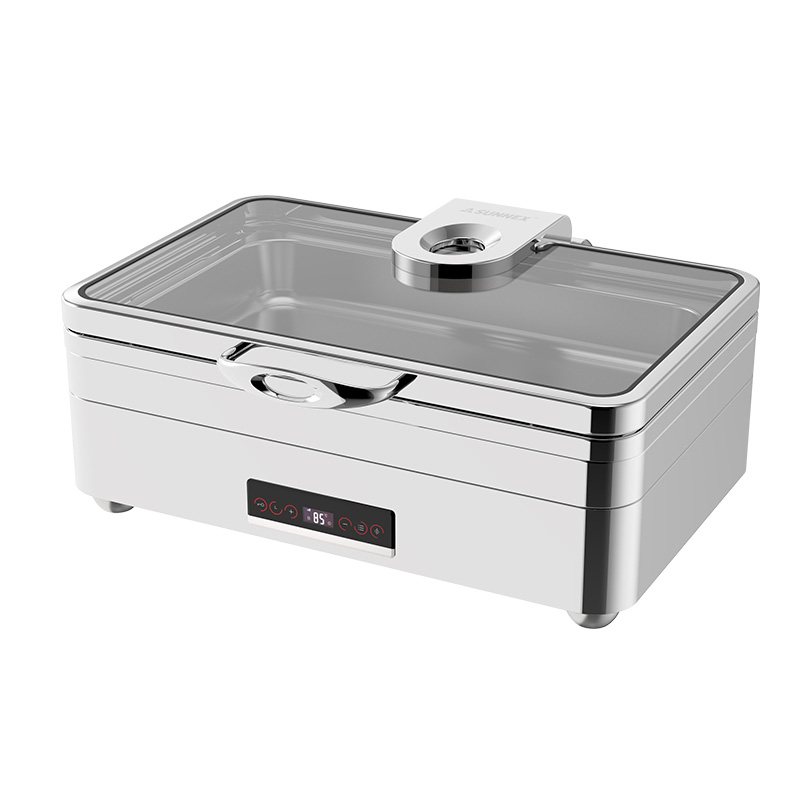
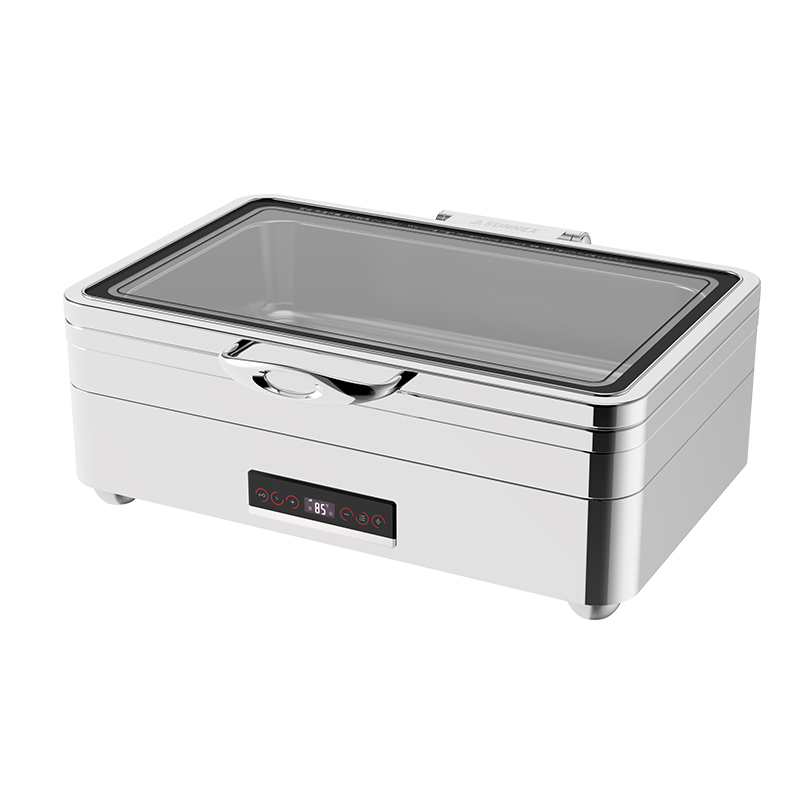
Electric Chafing Dish-W07
Electric Chafing Dish-W07 provides the reliable performance that fuel-heated service demands. The efficient heating system maximizes fuel economy while maintaining consistent temperatures throughout extended service periods.

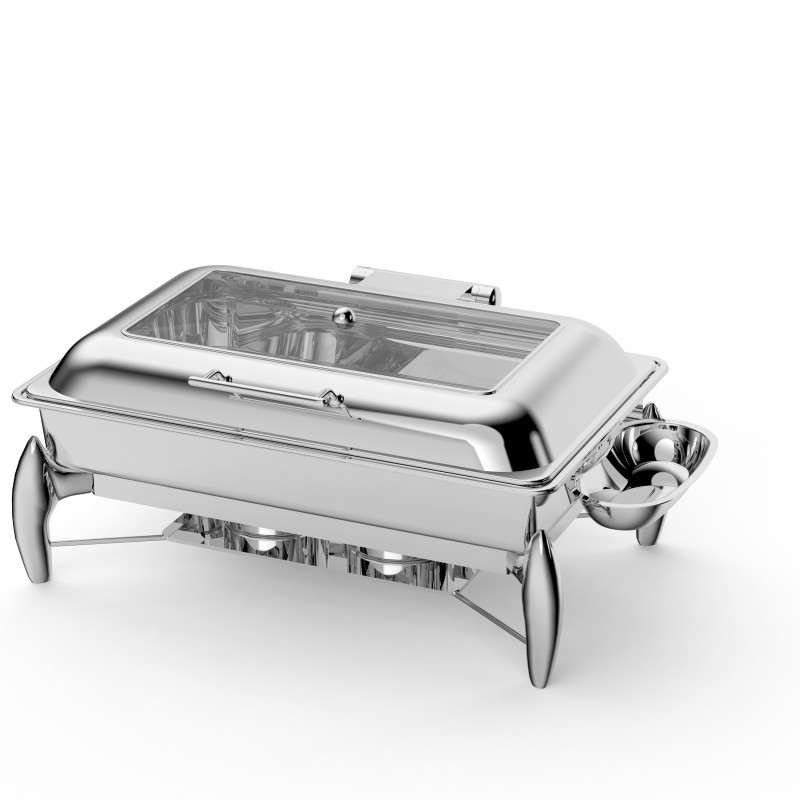
Stainless Steel Alcohol Fuel Buffet Chafing Dish
Stainless Steel Alcohol Fuel Buffet Chafing Dish combines practical design with fuel efficiency that reduces operating costs across countless events. The durable construction maintains heating consistency throughout the fuel burn cycle.
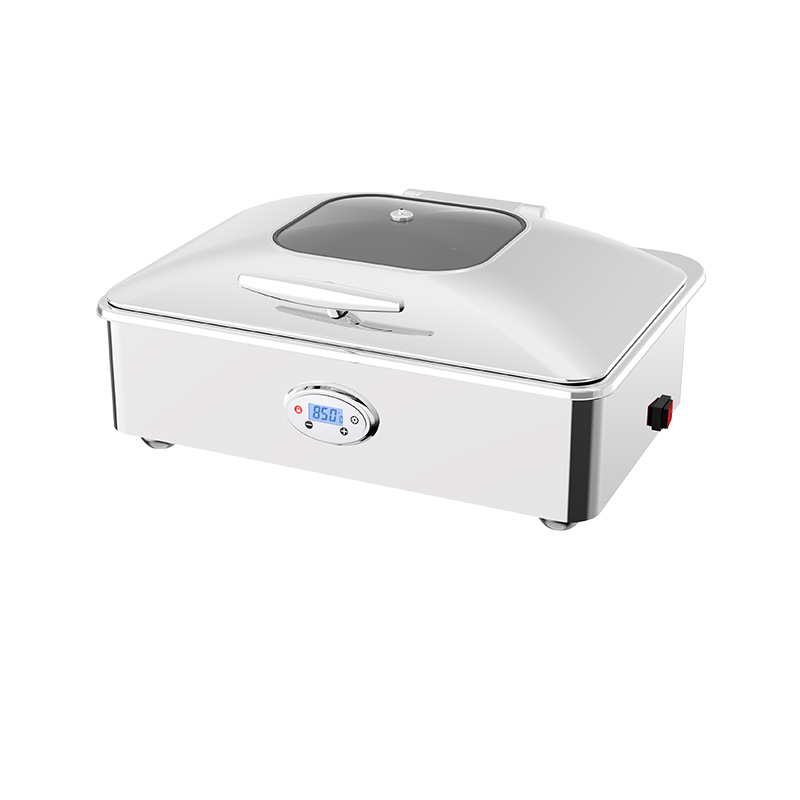
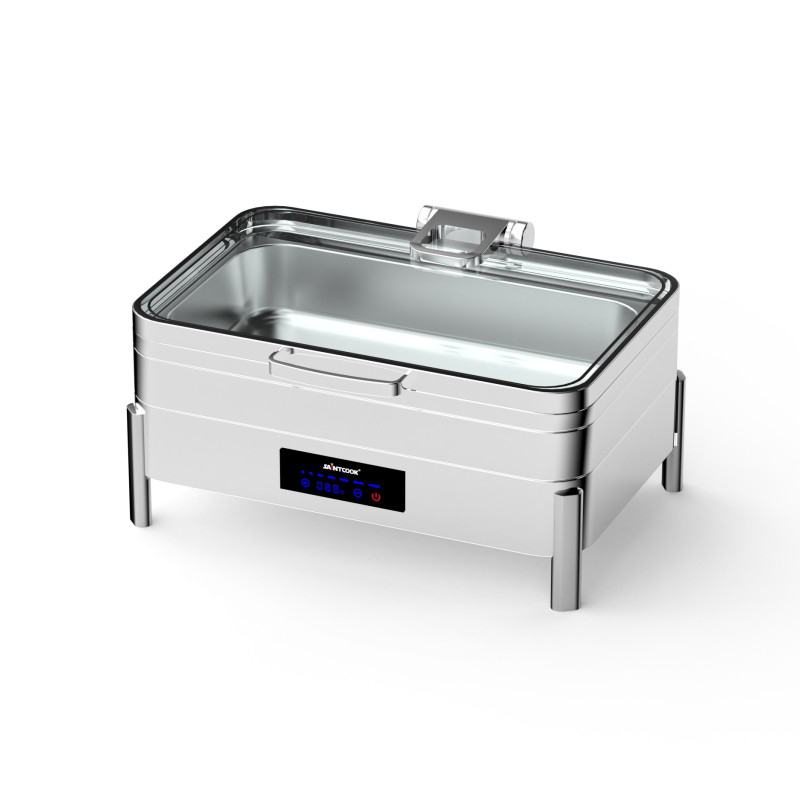
Electric Chafing Dish-W37
Electric Chafing Dish-W37 represents the professional choice for caterers who prioritize safety alongside performance. The thoughtful engineering supports safe fuel handling while delivering the heating capacity that demanding events require.
Building Safe Fuel Management Practices
Fuel management deserves the same systematic attention you give to other aspects of catering operations. Develop clear protocols, train staff thoroughly, and maintain the equipment and supplies that enable safe fuel handling throughout your service.
The investment in proper fuel management practices pays returns through improved safety outcomes, reduced waste, and more consistent food quality. Apply these principles consistently to build the reliable fuel management habits that professional catering requires.
Related Articles
Electric Buffet Warmer with Adjustable Thermostat for Restaurants
Discover the best Electric Buffet Warmer with Adjustable Thermostat for Restaurants solutions. Real ...
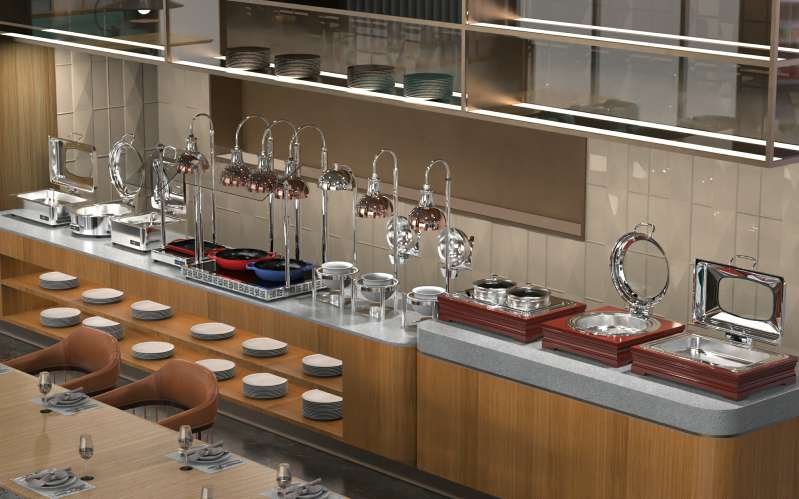
Mini Chafing Dish for Breakfast Buffet & Condiment Stations
Discover the best Mini Chafing Dish for Breakfast Buffet & Condiment Stations solutions. Real case s...
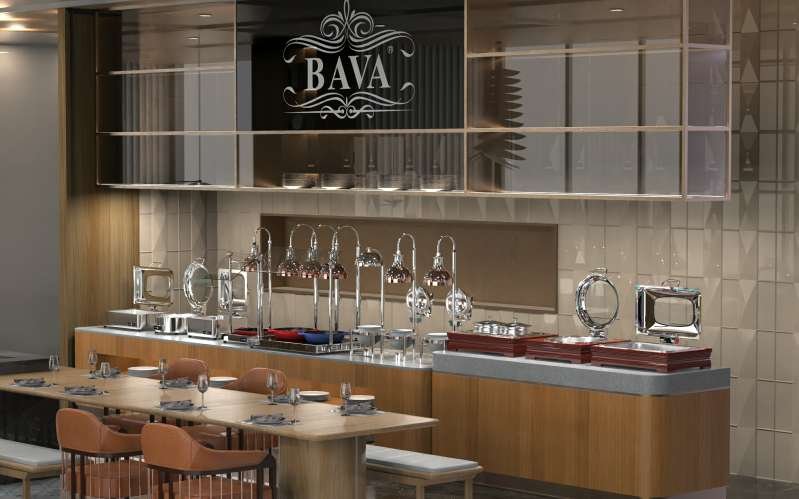
9QT Extra-Large Chafing Dish for Large-Scale Banquet Events
Discover the best 9QT Extra-Large Chafing Dish for Large-Scale Banquet Events solutions. Real case s...
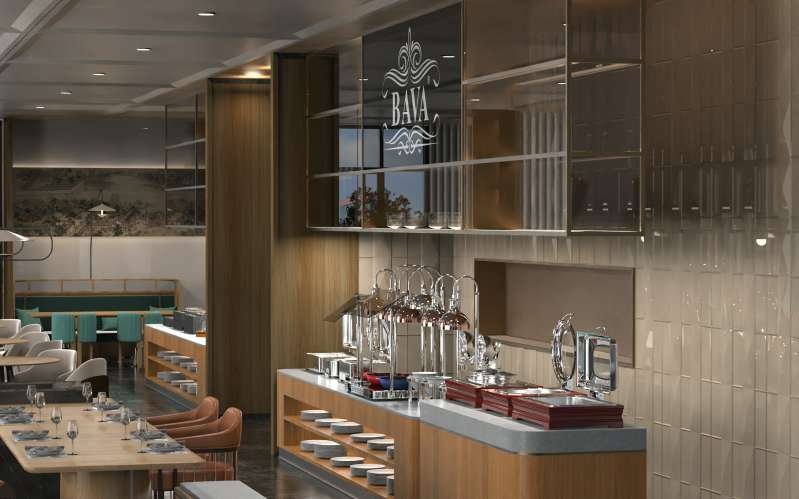
Wall-Mounted Buffet Stove for Space-Saving Kitchen Layouts
Discover the best Wall-Mounted Buffet Stove for Space-Saving Kitchen Layouts solutions. Real case st...

Stainless Steel Food Warmer for Supermarket Deli Departments
Discover the best Stainless Steel Food Warmer for Supermarket Deli Departments solutions. Real case ...
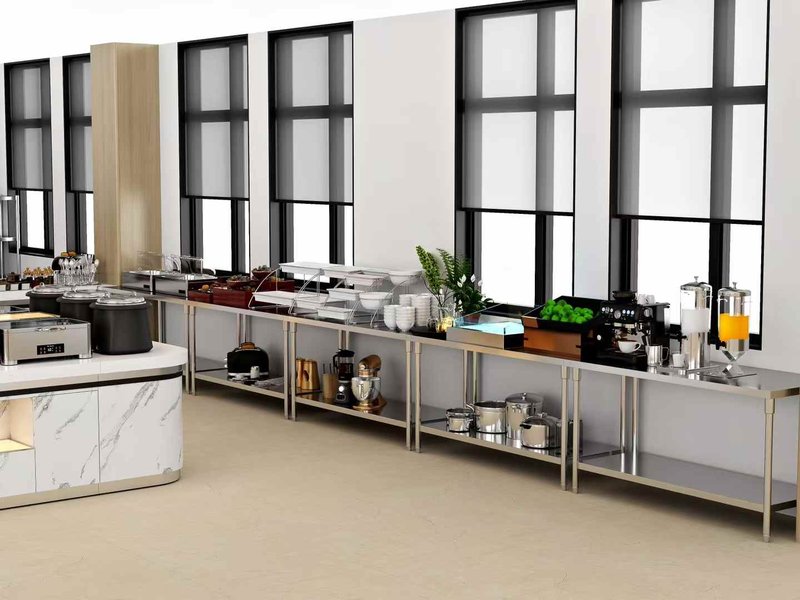
Commercial Chafer Dish with Temperature Control for Food Safety
Discover the best Commercial Chafer Dish with Temperature Control for Food Safety solutions. Real ca...