
How Long Does Food Stay Warm in a Chafing Dish? Complete Guide
One of the most common questions catering professionals face concerns how long food will remain at safe serving temperatures in a chafing dish. The answer involves multiple interacting factors including equipment quality, initial food temperature, ambient conditions, lid usage patterns, and fuel capacity. Understanding these variables helps caterers plan realistic service windows and avoid the food safety risks that arise when holding times exceed equipment capabilities.
The Science of Heat Retention in Chafing Dishes
Chafing dishes work by maintaining a water bath at temperatures sufficient to transfer heat to food pans through conduction. The water bath acts as a thermal reservoir that moderates temperature fluctuations and provides even heating across the food surface. This indirect heating approach proves gentler than direct heat methods, reducing the risk of burning or scorching that direct contact heating creates.
Heat loss occurs continuously during service through several mechanisms. Convection currents carry heat from the food surface to the surrounding air, particularly when lids remain open. Evaporation from the food surface accelerates heat loss, with this effect intensifying for liquid-based dishes like soups and sauces. Radiation from the hot food surface to the cooler environment provides additional heat loss that compounds over time.
The rate of heat loss varies significantly based on food composition. Dense, high-mass foods like casseroles and braised dishes retain heat longer than thin liquids or foods with high surface area relative to volume. This variation means the same chafing dish will maintain different foods at different durations, making blanket estimates unreliable.
Expected Holding Times by Food Type
Thick, dense foods such as roasted meats, casseroles, and baked pasta dishes typically maintain safe temperatures for 2-3 hours in a properly set up chafing dish with adequate fuel. The thermal mass of these foods provides significant resistance to temperature change, extending the time before internal temperatures drop below safe thresholds. These dishes work well for extended service periods where equipment may not be monitored continuously.
Liquid dishes including soups, sauces, and chili present more challenging holding requirements. The high surface area and continuous evaporation accelerate heat loss, reducing effective holding time to 1-2 hours under typical conditions. These dishes benefit from higher fuel levels or more frequent monitoring to ensure safe temperatures throughout service.
Rice, grains, and starch-based dishes hold temperatures moderately well, typically maintaining safety for 1.5-2.5 hours depending on initial temperature and serving conditions. These foods often develop textural degradation before temperature safety becomes a concern, making holding time limits more about quality than safety in many cases.
Factors That Accelerate or Extend Holding Time
Initial food temperature entering the chafing dish significantly affects holding duration. Food that arrives at serving temperature (165F or above) has maximum thermal margin available, while food that enters below proper serving temperature will spend valuable time heating rather than maintaining temperature. Always preheat food fully before placing in serving equipment.
Ambient room temperature dramatically affects holding performance. Cold room environments accelerate heat loss from chafing dishes, while warm environments slow the rate of temperature decline. Outdoor events in cooler temperatures may require additional fuel or shorter holding intervals to maintain safe temperatures throughout service.
Lid discipline makes a substantial difference in effective holding time. Each lid opening and removal event causes a temperature spike of heat loss that requires recovery time to restore. Events with frequent service interruptions will experience shorter effective holding times than those with continuous lid coverage during non-service periods.
Water bath temperature and fuel level determine the heat input rate available to maintain food temperatures. Underfilled water reservoirs or depleted fuel provide insufficient heat input to offset the continuous heat loss that service conditions create. Check water levels and fuel status at regular intervals throughout extended service.
Extending Holding Time Effectively
Strategic menu sequencing places temperature-sensitive dishes earlier in service when equipment temperatures remain highest. Plan your menu so dishes with the shortest safe holding times receive priority placement during the initial service window. Less temperature-sensitive dishes can occupy equipment during later service periods when temperatures naturally decline.
Staging backup equipment allows fresh food to replace depleted units before temperature concerns arise. Rather than attempting to extend individual unit holding times beyond reasonable limits, plan equipment rotation that maintains consistent fresh food availability throughout your service window. This approach provides better temperature consistency than pushing single units to their limits.
Preheating food pans and water before food entry reduces the initial stabilization period during which temperatures fluctuate most significantly. A properly preheated unit reaches equilibrium more quickly when food enters, providing more consistent temperatures throughout the service period.
Monitoring and Verification
Temperature monitoring provides the only reliable verification that food remains in the safe zone throughout service. Establish monitoring intervals appropriate to your service duration and risk level, with more frequent checks during extended events or when operating near holding time limits. Document readings to track temperature trends and identify when corrective action becomes necessary.
When temperatures approach the 140F minimum threshold, take immediate action to restore safe conditions. Adding fresh hot food raises the thermal mass of the system and can restore safe temperatures if the current food has not been in the danger zone for extended periods. Evaluate whether the food can be safely salvaged or whether disposal is necessary to protect health.
Featured Chafing Dish Products
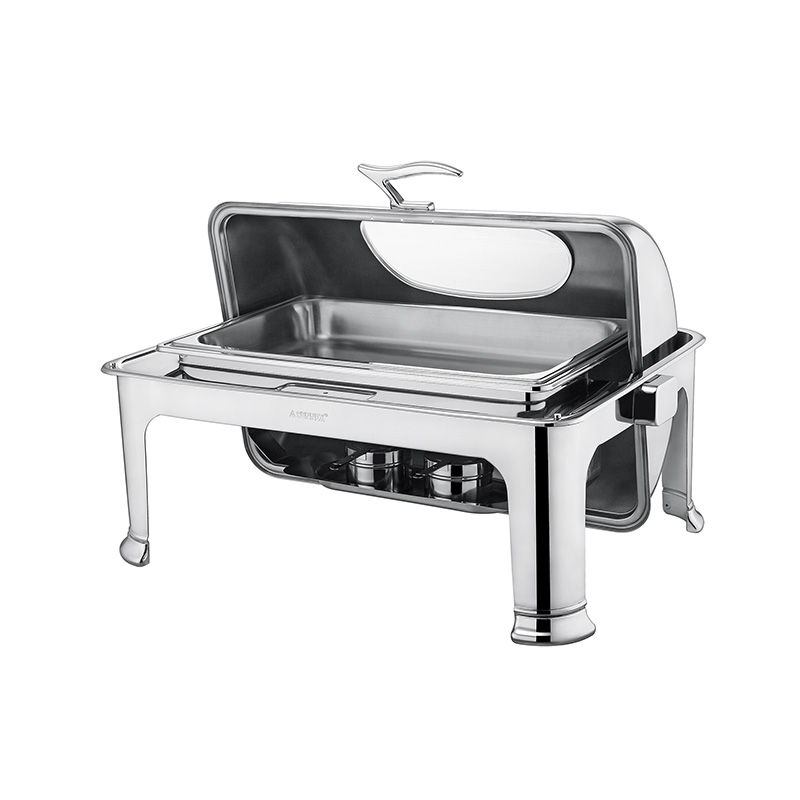
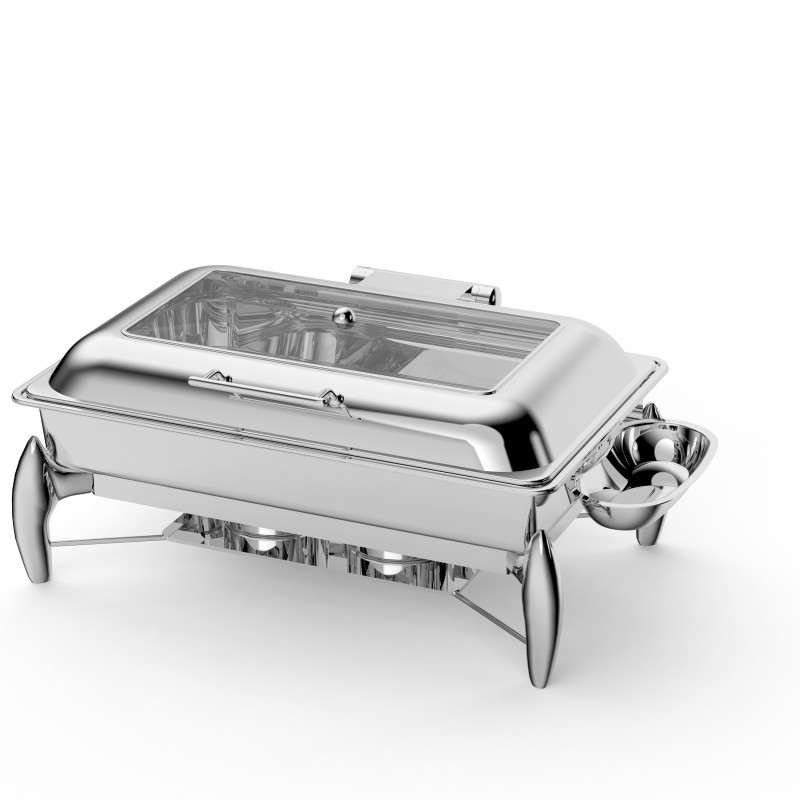
Covered Stainless Steel Alcohol Chafing Dish
Covered Stainless Steel Alcohol Chafing Dish delivers the consistent temperature maintenance that professional catering requires. The efficient heating system extends effective holding time while maintaining the food quality that your guests expect.
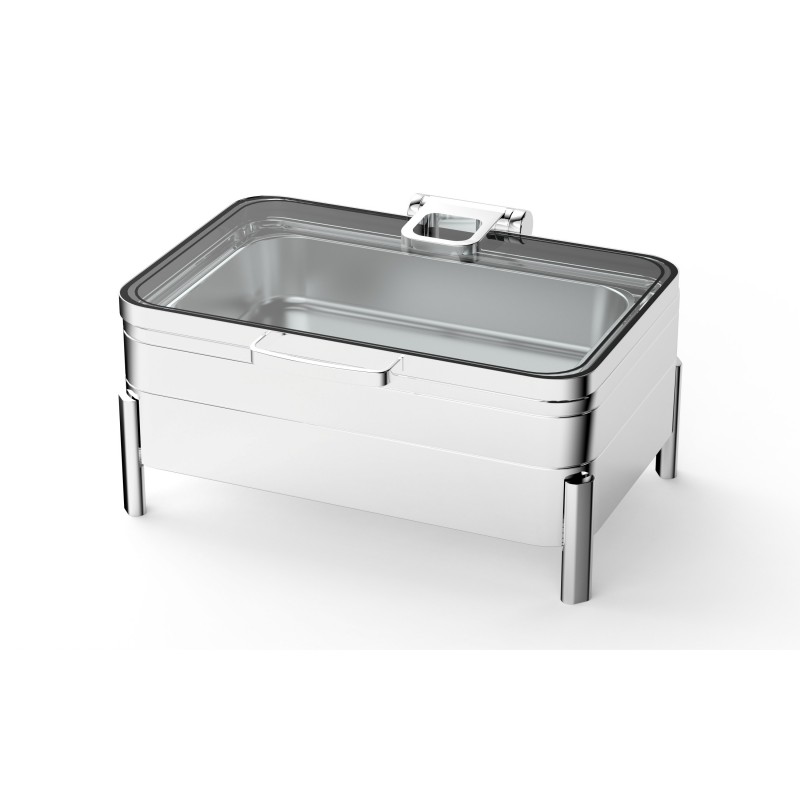
Fuel Chafing Dish-HC380Z
Fuel Chafing Dish-HC380Z combines reliable performance with practical features that simplify temperature management throughout extended service. The durable construction maintains heating consistency even after years of professional use.

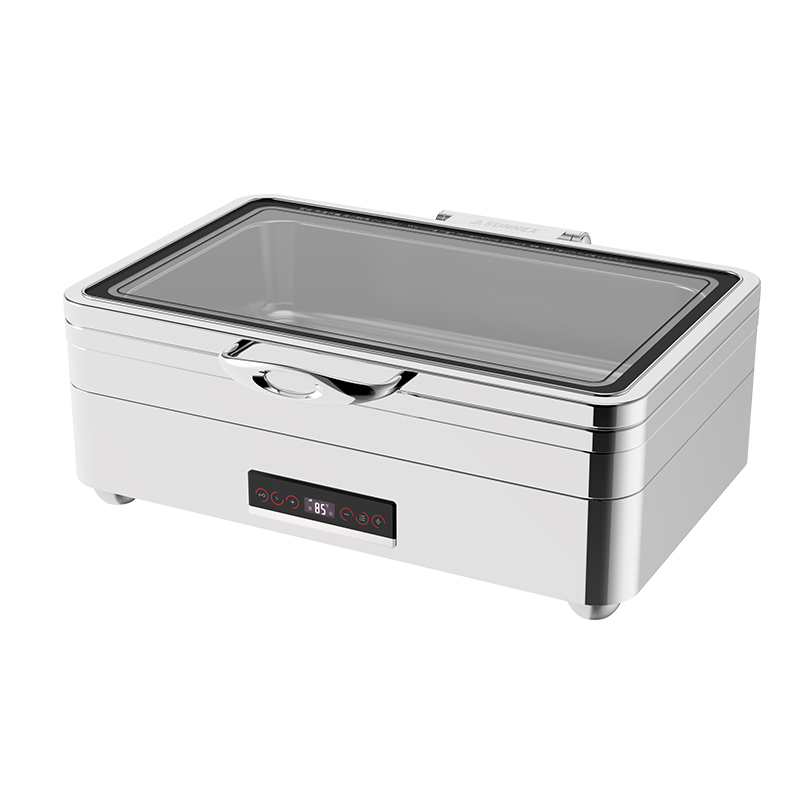
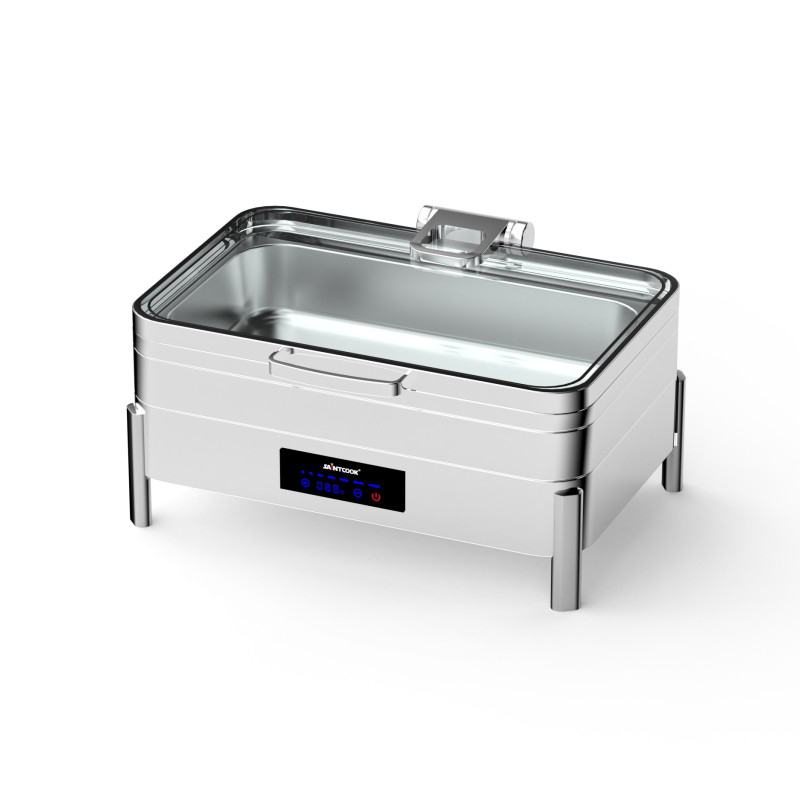
Electric Chafing Dishes-W20
Electric Chafing Dishes-W20 represents the professional standard for caterers who demand reliable holding performance across diverse food types and service conditions. The superior engineering provides the consistent results that demanding events require.
Planning Your Service Window
Realistic service planning accounts for the holding limitations that chafing dishes impose. Design your service flow to deliver fresh food throughout the event rather than relying on extended holding of the same food. Equipment rotation, menu sequencing, and temperature monitoring together enable safe and successful catering service.
Understanding the factors that affect holding time empowers you to make informed decisions about equipment setup, service timing, and menu design. Apply these principles consistently to achieve reliable results that protect food safety while delivering the quality your clients expect.
Related Articles
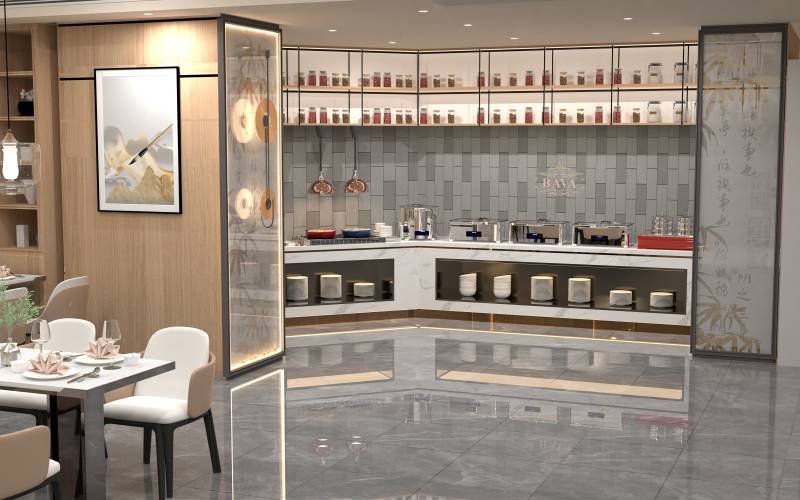
Electric Buffet Warmer with Adjustable Thermostat for Restaurants
Discover the best Electric Buffet Warmer with Adjustable Thermostat for Restaurants solutions. Real ...
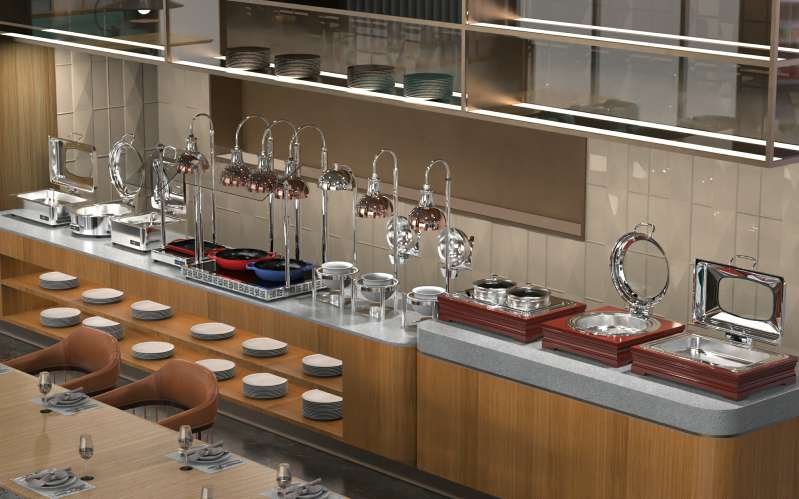
Mini Chafing Dish for Breakfast Buffet & Condiment Stations
Discover the best Mini Chafing Dish for Breakfast Buffet & Condiment Stations solutions. Real case s...
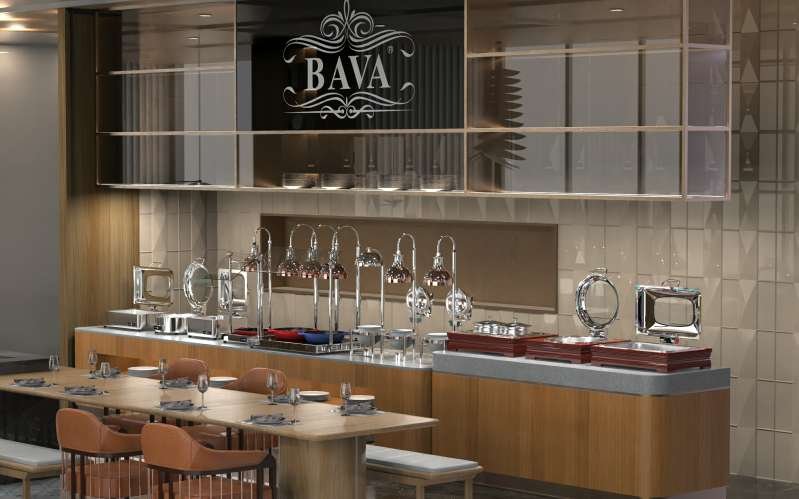
9QT Extra-Large Chafing Dish for Large-Scale Banquet Events
Discover the best 9QT Extra-Large Chafing Dish for Large-Scale Banquet Events solutions. Real case s...
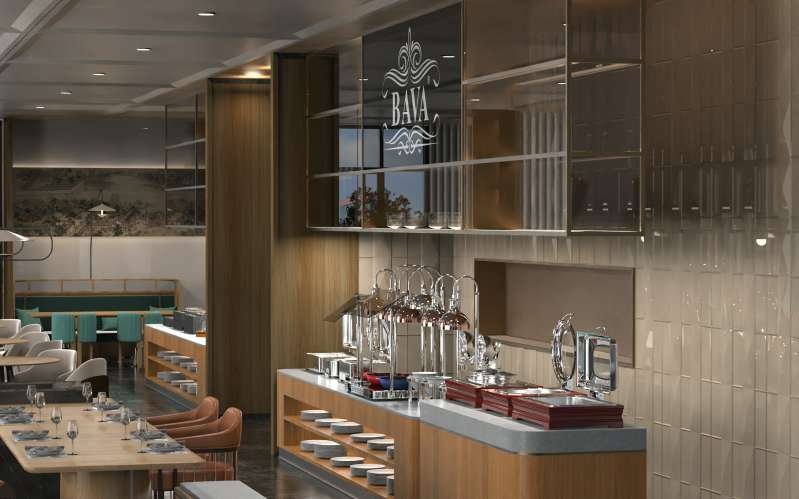
Wall-Mounted Buffet Stove for Space-Saving Kitchen Layouts
Discover the best Wall-Mounted Buffet Stove for Space-Saving Kitchen Layouts solutions. Real case st...
Stainless Steel Food Warmer for Supermarket Deli Departments
Discover the best Stainless Steel Food Warmer for Supermarket Deli Departments solutions. Real case ...
Commercial Chafer Dish with Temperature Control for Food Safety
Discover the best Commercial Chafer Dish with Temperature Control for Food Safety solutions. Real ca...