
How to Keep Food Warm in a Chafing Dish: Pro Tips for Caterers
Keeping food at safe serving temperatures throughout a buffet service requires understanding how chafing dishes work, how heat transfers through food, and how to structure your setup for consistent performance. Professional caterers develop these skills through experience and repetition, but understanding the underlying principles helps you achieve reliable results faster while avoiding common pitfalls that compromise food quality and safety.
Understanding Safe Temperature Ranges
Food safety standards require hot foods to remain above 140 degrees Fahrenheit (60 Celsius) during service. Below this threshold, bacterial growth accelerates rapidly, creating health risks that proper temperature management prevents. The danger zone between 40F and 140F (4C-60C) allows dangerous bacteria to multiply exponentially, making temperature monitoring essential for safe catering.
Many caterers mistakenly focus solely on the temperature of the food surface, missing the reality that temperature stratification occurs within food pans. The bottom and sides of food pans lose heat first as they contact the water bath below, creating uneven temperatures throughout the food volume. Understanding this stratification helps you arrange food to maintain consistent temperatures across the entire serving period.
Regular temperature monitoring with probe thermometers provides the only reliable way to verify safe temperatures throughout service. Visual inspection and intuition prove inadequate for assessing whether food remains in the safe zone. Establish monitoring protocols that include temperature checks at regular intervals throughout service.
Proper Chafing Dish Setup
The water bath beneath food pans serves as a thermal buffer that moderates temperature fluctuations and provides gentle, even heat distribution. Fill the water reservoir to the appropriate level before lighting the heating element, and verify water temperature reaches operating range before placing food pans in service. Starting with inadequate water temperature extends the time food spends in the danger zone.
Water levels that are too low result in uneven heating and potential burning on the bottom of food pans. Water levels that are too high risk splashing into food pans during transport or service movement. Most units specify optimal water levels that balance heating efficiency against splash risk.
Lid placement significantly affects heat retention during holding periods. Keep lids in place when food is not being actively served to minimize heat loss. Each lid removal and replacement creates temperature recovery time during which food temperatures dip toward dangerous levels. Minimize lid events to maintain consistent temperatures.
Fuel Management Strategies
Fuel type and quantity determine how effectively your chafing dishes maintain temperature throughout service. Standard gel fuel provides approximately two hours of heat at proper levels, making it suitable for shorter events but potentially inadequate for extended service periods. Calculate expected service duration when selecting fuel quantities.
Electric chafing dishes provide more consistent and controllable heating compared to fuel-based alternatives. When reliable power access exists, electric units eliminate fuel run-out concerns and provide temperature consistency that fuel units cannot match. Consider the operational benefits when evaluating equipment investments.
Refueling protocols require careful timing to minimize temperature disruption. Plan fuel changes during natural service breaks rather than mid-service when possible. Have fresh fuel ready before the current fuel depletes, and complete refueling as quickly as possible to minimize the time food temperatures recover from lid removal.
Food Preparation and Pan Management
Starting with food at proper temperature significantly affects how well it holds temperature during service. Food that enters the chafing dish below safe serving temperatures will not heat adequately during the brief holding period that service provides. Always preheat food to proper temperatures before placing it in serving equipment.
Pan depth affects temperature maintenance substantially. Deeper pans of food retain heat better than shallow pans because the greater food mass provides thermal inertia that resists temperature change. When practical, use deeper pans that allow larger food volumes to maintain temperature more consistently.
Avoid overfilling pans beyond the recommended level, which compromises proper lid sealing and can create spill hazards during service movement. Conversely, pans that are too shallow relative to food volume lose heat too rapidly. Match pan size to expected consumption rate while maintaining appropriate fill levels.
Service Flow Optimization
Service flow patterns affect how long food remains in equipment and how consistently it maintains temperature. Position chafing dishes to minimize service interruptions that require lid removal. Organize the serving line so guests move through efficiently without clustering at equipment that keeps lids open longer than necessary.
Stagger preparation times so food enters serving equipment close to actual service timing rather than significantly earlier. Food that sits in heated equipment for extended periods before service begins has less temperature margin available during actual service. Coordinate kitchen preparation with service timing for optimal results.
Consider the sequence of dishes in your menu when planning service order. Dishes that hold temperature poorly should be served earlier in the service period when equipment temperatures remain highest. Dishes with better heat retention can occupy equipment for longer periods without temperature concerns.
Temperature Monitoring During Service
Establish regular temperature monitoring as a standard service procedure rather than reacting to problems after they develop. Check food temperatures at minimum every 30 minutes during extended service, with more frequent checks during the first hour when temperature stabilization occurs. Document readings to identify temperature trends before problems develop.
When temperatures approach the 140F threshold, take immediate corrective action. Adding fresh hot food can raise overall temperatures if time permits. Adjusting fuel levels or switching to fresh fuel provides additional heat input. In extreme cases, removing the pan to reheat and then returning it to service may be necessary.
Featured Chafing Dish Products
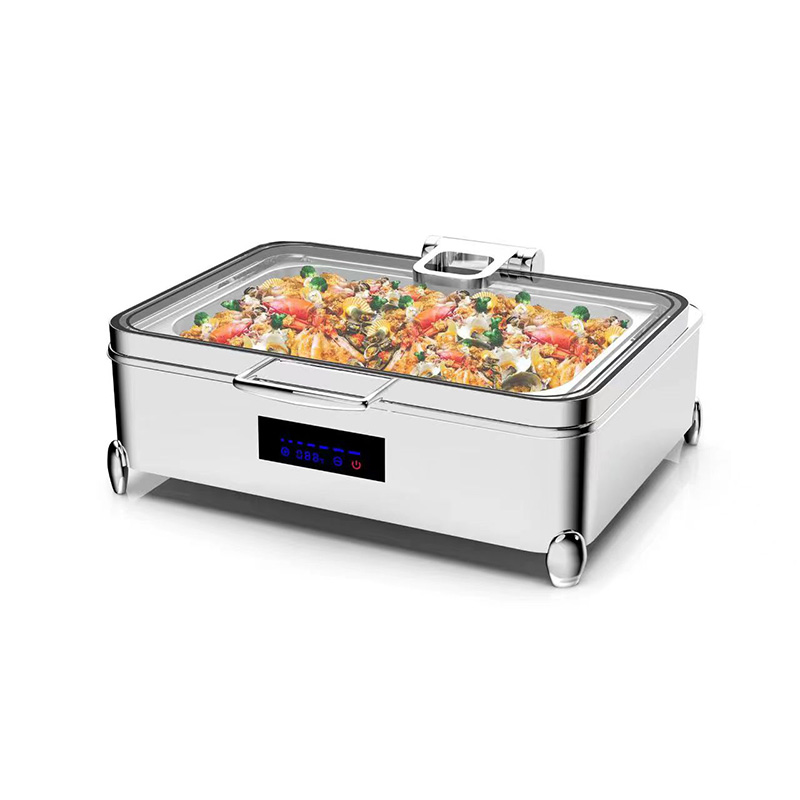
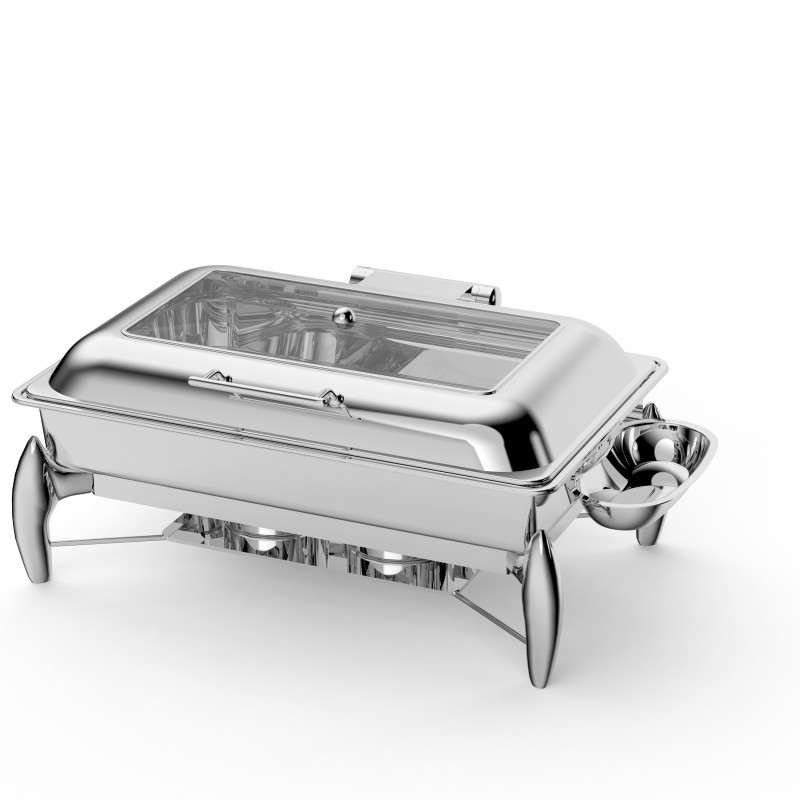
Electric Chafing Dish Food Warmer
Electric Chafing Dish Food Warmer provides the reliable temperature maintenance that professional catering demands. The efficient heating system minimizes fuel consumption while maintaining consistent food temperatures throughout extended service periods.
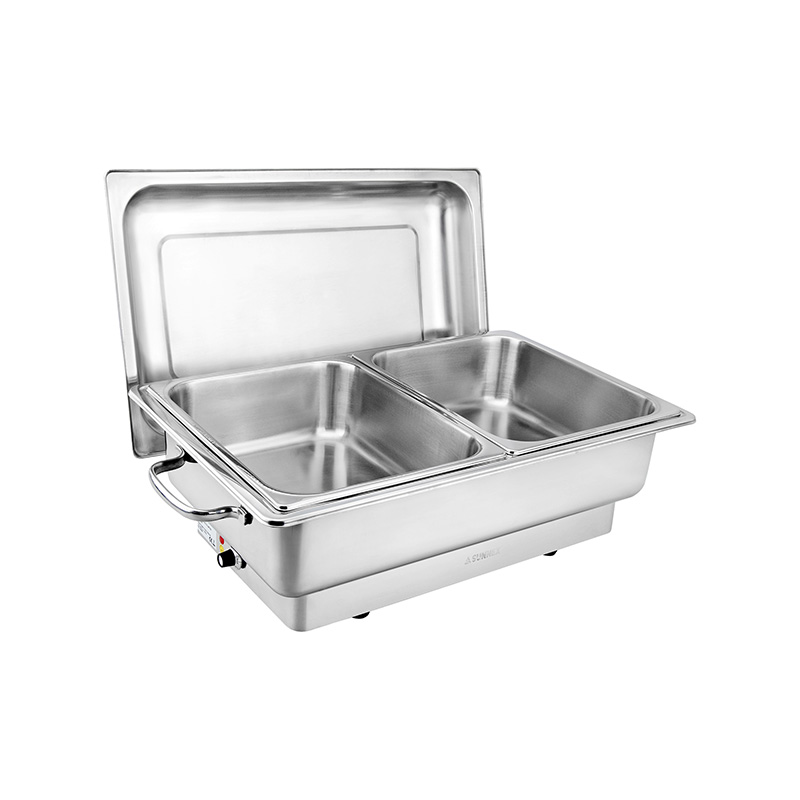
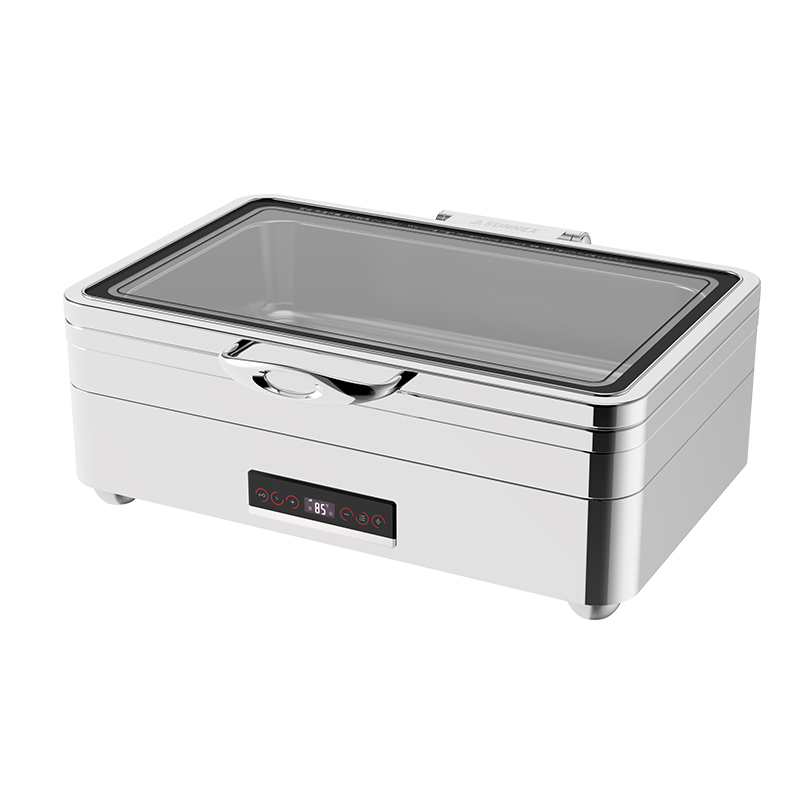
Stainless Steel Electric Double Pan Chafing Dish
Stainless Steel Electric Double Pan Chafing Dish delivers the durability and performance that high-volume catering operations require. The thoughtful design addresses common temperature maintenance challenges while simplifying setup and service procedures.

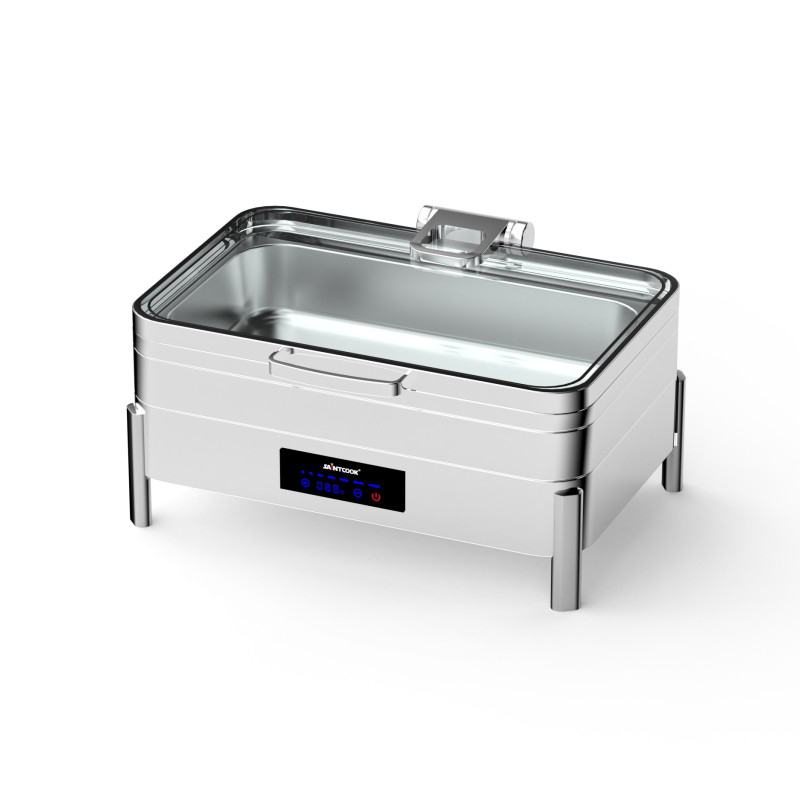
Electric Chafing Dishes-W20
Electric Chafing Dishes-W20 represents the professional choice for caterers prioritizing food safety alongside presentation quality. The reliable heating performance ensures food stays in the safe temperature zone throughout your service window.
Developing Professional Temperature Management
Temperature management improves through deliberate practice and systematic attention to the factors that affect food temperatures during service. Develop protocols that address each element of temperature management, from initial setup through service completion, and train staff on the principles that guide their decisions during service.
Documentation and review help identify improvement opportunities. Track temperature readings, fuel consumption, and service outcomes to identify patterns that suggest optimization opportunities. Continuous improvement in temperature management translates directly into food safety outcomes and customer satisfaction.
Related Articles
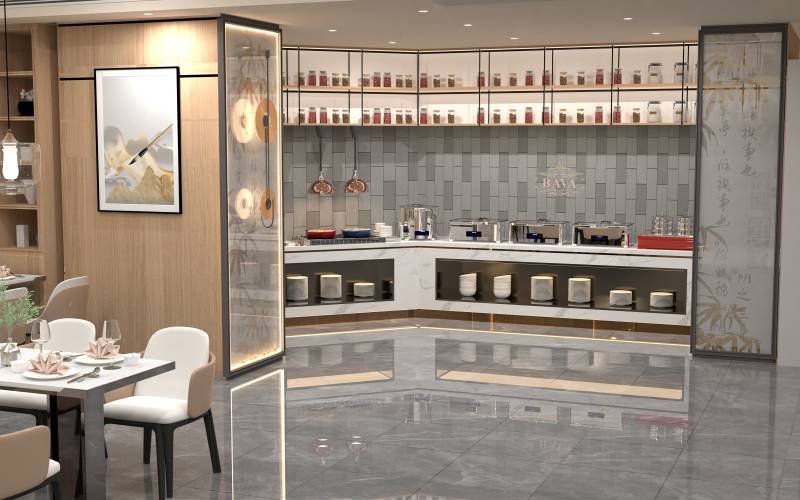
Electric Buffet Warmer with Adjustable Thermostat for Restaurants
Discover the best Electric Buffet Warmer with Adjustable Thermostat for Restaurants solutions. Real ...
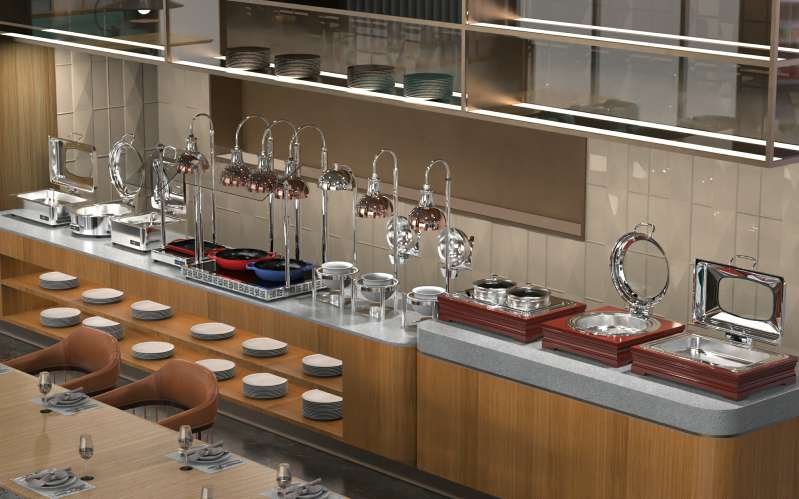
Mini Chafing Dish for Breakfast Buffet & Condiment Stations
Discover the best Mini Chafing Dish for Breakfast Buffet & Condiment Stations solutions. Real case s...
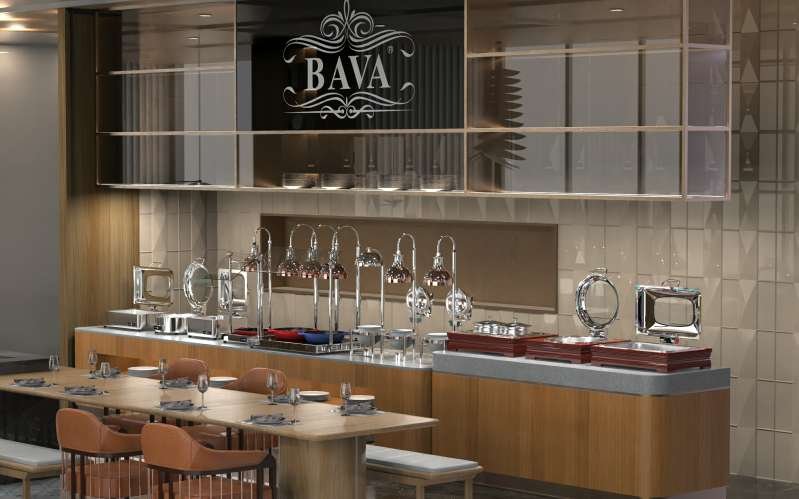
9QT Extra-Large Chafing Dish for Large-Scale Banquet Events
Discover the best 9QT Extra-Large Chafing Dish for Large-Scale Banquet Events solutions. Real case s...
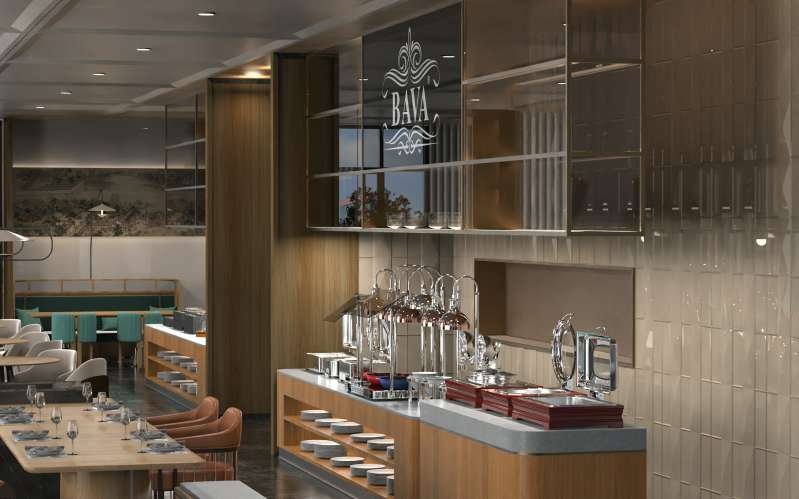
Wall-Mounted Buffet Stove for Space-Saving Kitchen Layouts
Discover the best Wall-Mounted Buffet Stove for Space-Saving Kitchen Layouts solutions. Real case st...
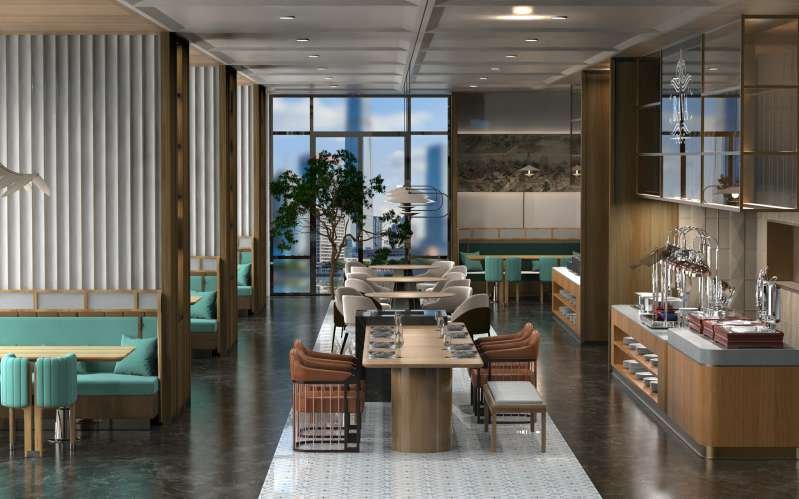
Stainless Steel Food Warmer for Supermarket Deli Departments
Discover the best Stainless Steel Food Warmer for Supermarket Deli Departments solutions. Real case ...
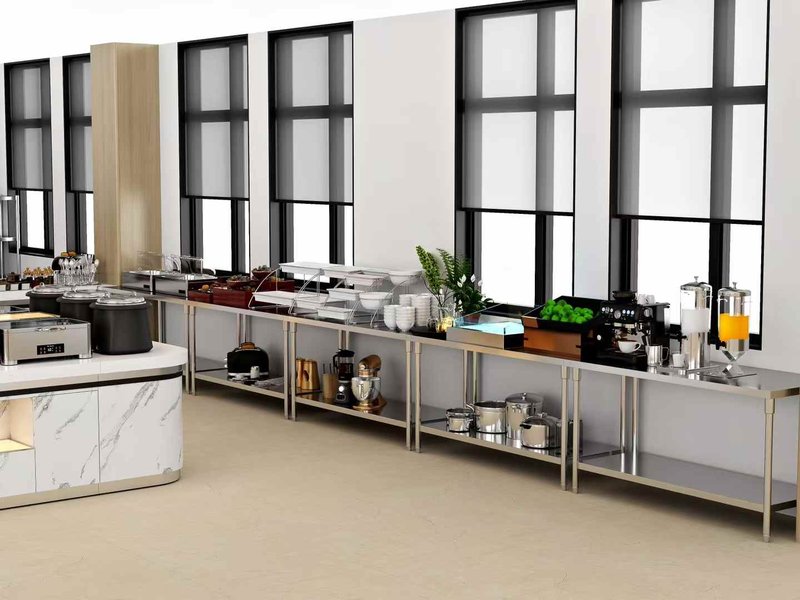
Commercial Chafer Dish with Temperature Control for Food Safety
Discover the best Commercial Chafer Dish with Temperature Control for Food Safety solutions. Real ca...