
Best Chafing Dishes for Small Businesses: Budget-Friendly Picks
Small catering businesses and startup food operations face equipment purchasing decisions that significantly impact startup costs and ongoing profitability. Chafing dishes represent a necessary investment for any operation offering buffet or served food, but the equipment market offers overwhelming options across a vast price spectrum. Finding the right balance between affordability and reliable performance requires understanding which features matter most for small-scale operations and which premium options provide genuine value versus mere marketing appeal.
Understanding Small Business Equipment Needs
Small catering businesses typically operate with limited inventory, constrained storage space, and budget requirements that preclude purchasing large equipment quantities. A single chafing dish must serve diverse events without the flexibility that multiple units provide for different situations. This constraint demands equipment selection focused on versatility and reliability rather than specialized applications that large operations can afford to dedicate specific equipment toward.
Event volume for small businesses determines equipment requirements differently than high-volume operations. Businesses handling occasional events or beginning their growth phase need equipment that performs dependably when used while tolerating storage periods between uses. Equipment that requires extensive setup time or complex maintenance between events creates operational friction that reduces the viability of smaller-scale operations.
Storage limitations affect small business equipment selection more severely than established operations. Full-size chafing dishes require substantial storage space that small businesses may not have available, making size and portability important factors alongside performance and cost considerations. Collapsible or compact options provide flexibility for businesses with limited dedicated equipment storage.
Essential Features for Small Business Chafing Dishes
Durability ranks as the most critical feature for small business equipment, where replacement costs directly impact profitability and where equipment failure during an event creates reputation damage that exceeds the simple cost of replacement. Equipment with solid construction, quality hinges, and proper materials provides the reliability that business reputation depends upon, even when the initial cost exceeds the cheapest available alternatives.
Versatility matters for small businesses where a single unit might serve breakfast, lunch, and dinner events with completely different food types. Equipment that accommodates various pan sizes and handles different food categories without performance degradation provides the flexibility that limited inventory demands. Look for units with adjustable temperature control and consistent heat distribution across different food types.
Easy cleaning and maintenance affect the operational efficiency of small teams without dedicated kitchen staff. Equipment with dishwasher-safe components, removable water pans, and accessible surfaces reduces the cleaning burden that competes with other operational tasks. Complicated cleaning requirements reduce the practicality of equipment that appears affordable on initial purchase but imposes ongoing cleaning costs.
Transport features matter when small businesses handle off-site events without dedicated delivery vehicles. Equipment weight, handle design, and secure closure mechanisms affect how easily units move between storage and event locations. Lightweight options that maintain adequate durability provide the portability that mobile catering operations require without the excessive fragility of truly lightweight alternatives.
Size Considerations for Small Operations
Full-size chafing dishes provide maximum capacity for high-volume events but create storage and transport challenges that smaller operations may find prohibitive. These standard-sized units work well for established operations with dedicated storage and transport infrastructure, but the space requirements and handling difficulty make them less suitable for businesses just starting or operating from home kitchens.
Compact and half-size chafing dishes provide practical alternatives for small businesses, offering adequate capacity for smaller events while fitting more easily into storage spaces and transport vehicles. These smaller units also cost less than full-size alternatives, reducing the capital required to build initial equipment inventory. The capacity limitation becomes less significant as businesses grow and can add full-size units for larger events.
tabletop chafing dishes serve intimate events and situations where full-size units would overwhelm the presentation. These smaller options work particularly well for breakfast service, cocktail party food stations, and situations where multiple units create a more attractive display than a single large unit. The lower capacity requires more frequent refilling but enables more elegant presentation for smaller gatherings.
Fuel Type Decisions
Electric chafing dishes provide convenient temperature control and consistent performance without fuel supply management requirements. For businesses with reliable electrical access at event venues, electric units eliminate the ongoing cost and logistics of fuel purchasing while providing precise temperature adjustment that fuel-heated units cannot match. The higher initial cost of electric units often pays returns through reduced operating expenses over time.
Gel fuel and sterno chafing dishes provide complete portability without electrical infrastructure requirements, making them essential for outdoor events and venues without accessible power. The fuel cost accumulates with usage frequency, making this option more expensive over time than electric alternatives despite the lower initial equipment investment. Businesses handling outdoor events regularly should budget both fuel costs and the logistical planning that fuel management requires.
Combo units that support both electric and fuel operation provide maximum flexibility for operations handling diverse event types. These dual-capability units enable electric operation at venues with power access while converting to fuel operation for outdoor or remote events. The premium pricing for combo capability may justify itself for businesses with mixed event portfolios that require both operational modes.
Building Your Equipment Inventory
Small businesses should resist the temptation to purchase the cheapest available equipment in favor of mid-range options that provide adequate quality without premium pricing. The equipment market contains many reputable brands offering good value in the mid-range category, where quality construction meets reasonable pricing appropriate for businesses watching startup costs carefully. Research brand reputation and read reviews from actual small business users before committing to specific models.
Start with essential quantities rather than speculatively purchasing equipment for events you haven't booked yet. Two to three versatile chafing dishes serving most initial needs costs less than building complete inventory for event volumes you may not immediately achieve. Add equipment as actual demand justifies the investment rather than purchasing speculatively based on projected future business.
Consider equipment financing or lease options that some suppliers offer, spreading equipment costs over time rather than requiring large upfront capital deployment. The total cost under financing arrangements typically exceeds outright purchase pricing, but the cash flow benefit may outweigh the additional cost for businesses with limited startup capital. Compare financing costs against the opportunity cost of capital deployed in equipment rather than operations.
Featured Chafing Dish Products for Small Businesses
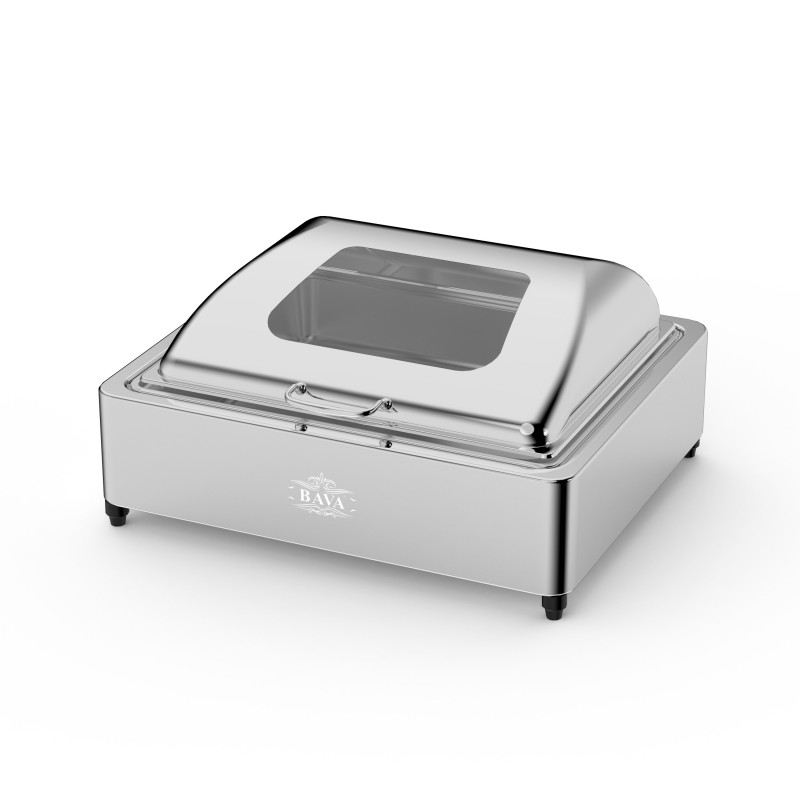
Electric Chafing Dishes-StoveMaster Series
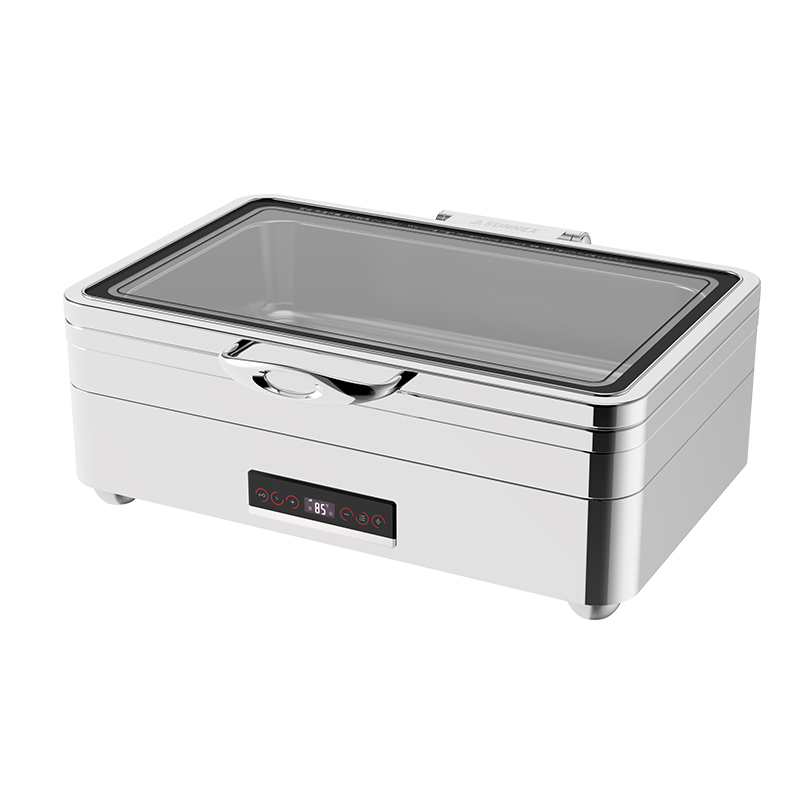
Electric Chafing Dishes-StoveMaster Series delivers the reliable performance and quality construction that small business catering operations require from their equipment investment. The thoughtful design balances cost against performance, providing the durability and function that business reputation depends upon without premium pricing that startup budgets cannot accommodate.
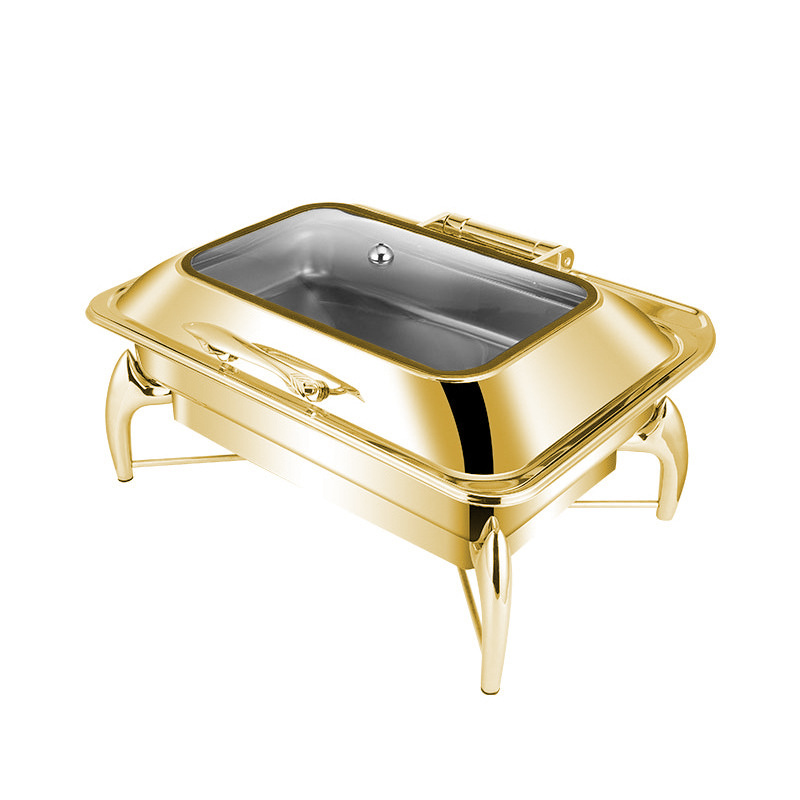
Alcohol Heated Gold-Plated Stainless Steel Buffet Chafing Dish
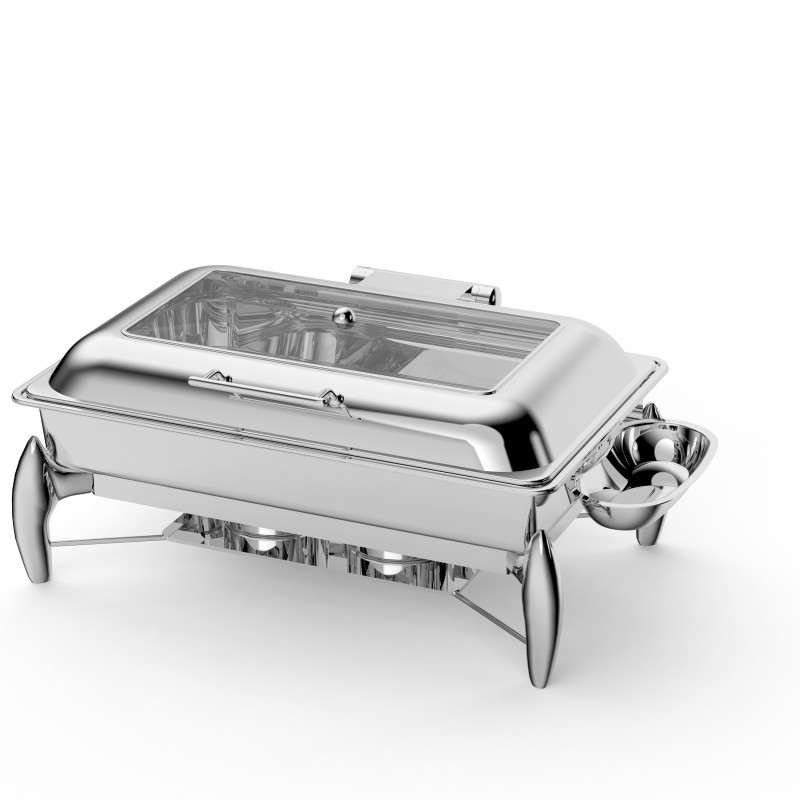
Alcohol Heated Gold-Plated Stainless Steel Buffet Chafing Dish represents the quality standard that budget-conscious small businesses should seek in their equipment purchases. The engineering and materials provide adequate durability for regular use while the pricing structure fits startup budget constraints that premium alternatives would strain.

Electric Chafing Dish-HC380D
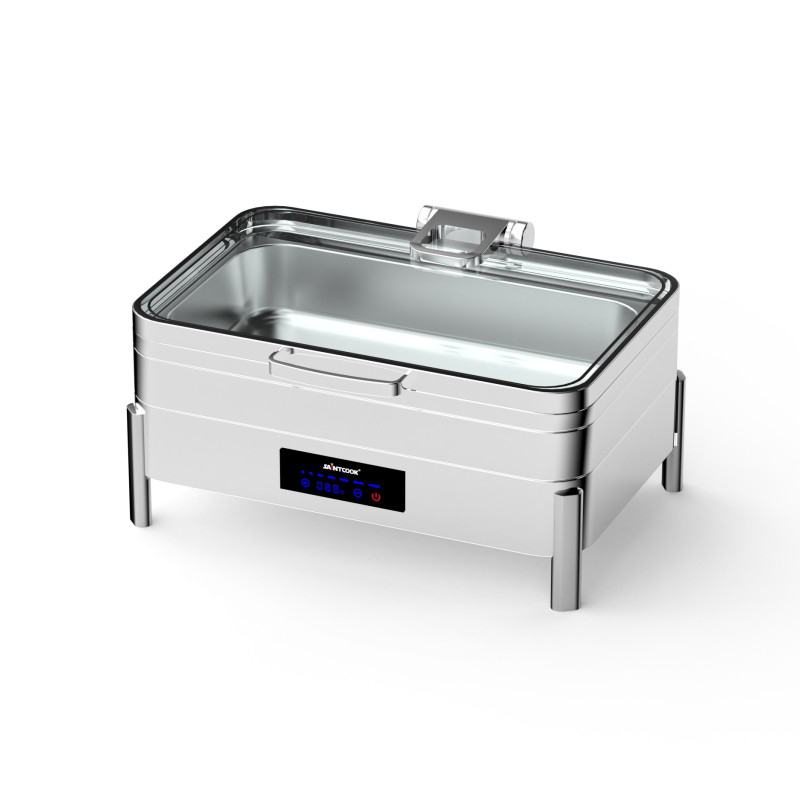
Electric Chafing Dish-HC380D provides the dependable performance and professional appearance that small business growth depends upon. This unit balances the cost sensitivity that startup budgets require with the quality that client expectations and food safety standards demand, making it an appropriate foundation for growing catering businesses.
Maximizing Your Equipment Investment
Proper equipment care extends service life and maintains performance quality that protects your initial investment. Establish cleaning routines immediately upon equipment receipt, and train all staff on proper operation and maintenance procedures. Equipment that receives appropriate care provides years of reliable service, while equipment subjected to neglectful handling fails prematurely and creates replacement costs that undermine initial savings.
Track equipment performance across events to identify any units requiring service attention before failures occur during client events. Regular inspection and preventive maintenance costs less than emergency replacement and avoids the reputation damage that equipment failures create with clients and guests. Document maintenance activities to establish equipment service history that informs replacement decisions and resale value.
Consider equipment resale value when making purchasing decisions, as quality units retain significant resale value if business direction changes or upgrades become appropriate. Premium equipment that serves reliably for years often sells for meaningful percentages of original purchase price, partially offsetting the higher initial investment through eventual resale. Cheap equipment typically retains no resale value and requires full replacement cost for subsequent equipment.
Related Articles
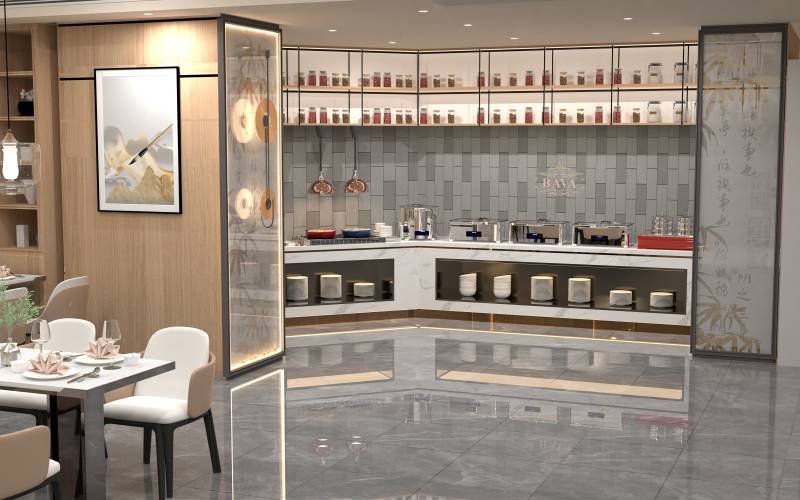
Electric Buffet Warmer with Adjustable Thermostat for Restaurants
Discover the best Electric Buffet Warmer with Adjustable Thermostat for Restaurants solutions. Real ...
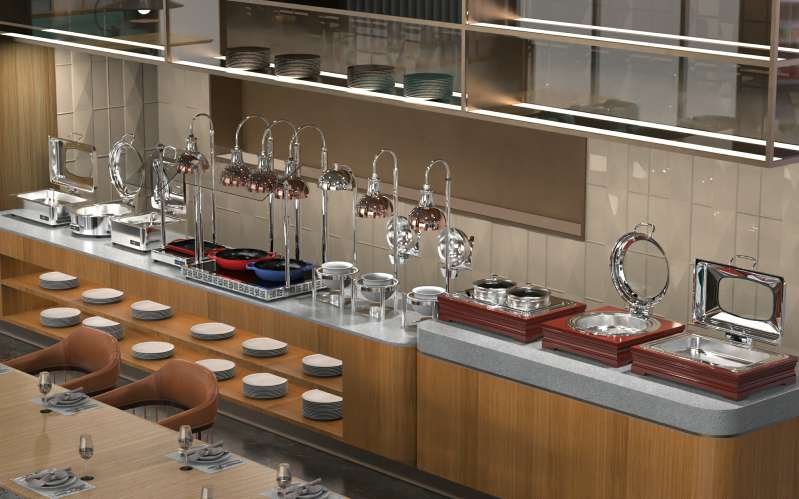
Mini Chafing Dish for Breakfast Buffet & Condiment Stations
Discover the best Mini Chafing Dish for Breakfast Buffet & Condiment Stations solutions. Real case s...
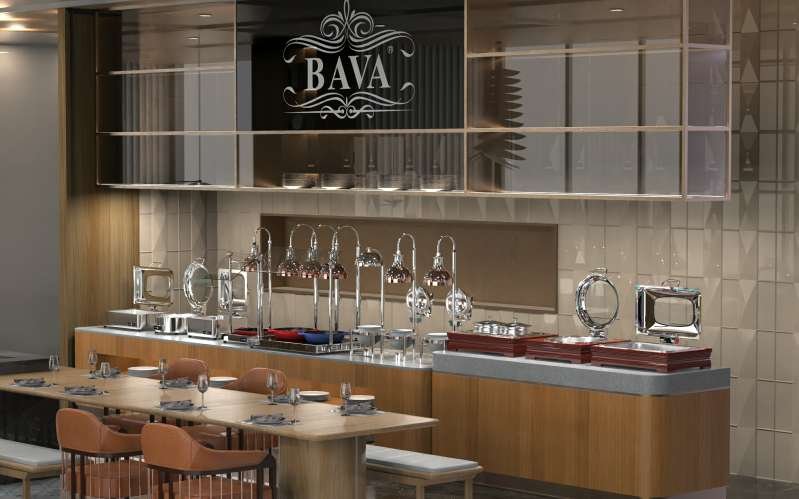
9QT Extra-Large Chafing Dish for Large-Scale Banquet Events
Discover the best 9QT Extra-Large Chafing Dish for Large-Scale Banquet Events solutions. Real case s...
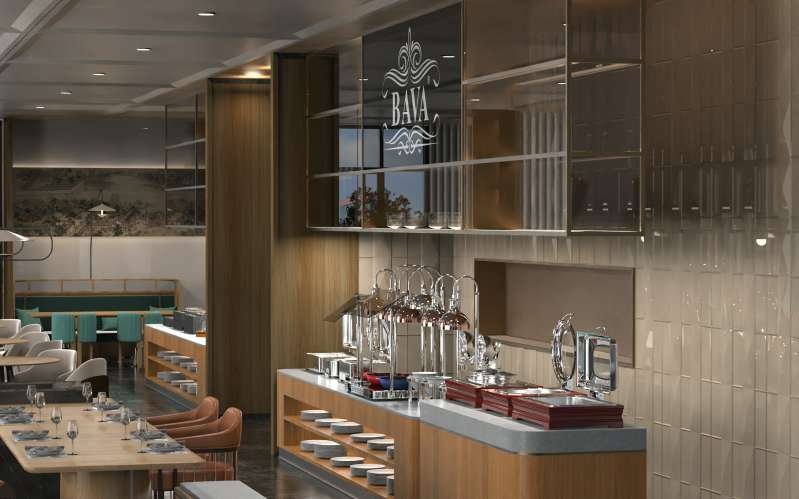
Wall-Mounted Buffet Stove for Space-Saving Kitchen Layouts
Discover the best Wall-Mounted Buffet Stove for Space-Saving Kitchen Layouts solutions. Real case st...

Stainless Steel Food Warmer for Supermarket Deli Departments
Discover the best Stainless Steel Food Warmer for Supermarket Deli Departments solutions. Real case ...
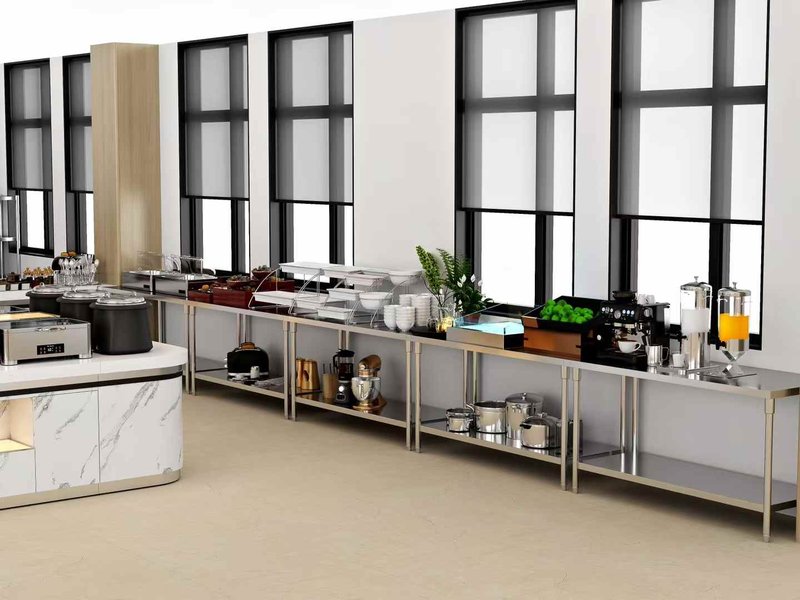
Commercial Chafer Dish with Temperature Control for Food Safety
Discover the best Commercial Chafer Dish with Temperature Control for Food Safety solutions. Real ca...