
Chafing Dish Rental: Complete Guide for Event Planners
Event planning involves countless equipment decisions, with food service infrastructure often ranking among the most consequential for guest experience and operational flow. Chafing dish rental provides access to professional-grade equipment without the capital investment that ownership requires, making it an attractive option for event planners working across diverse venues and event types. Understanding how rental arrangements work, what to expect from rental suppliers, and how to integrate rented equipment into event planning workflows helps planners make informed decisions that support successful events.
Understanding the Chafing Dish Rental Model
Equipment rental decouples the cost of having equipment available from the cost of owning it permanently, converting capital expense into operational expense that aligns with event-specific budgets. This conversion particularly benefits event planners who work across varied event types and scales, where owning equipment appropriate for large events would sit idle during smaller gatherings. Rental enables right-sized equipment deployment for each event without the inventory constraints that ownership imposes.
Rental suppliers maintain equipment inventories sized for their customer base, providing flexibility that individual ownership cannot match. When an event requires more equipment than one planner's inventory contains, rental suppliers can often accommodate the additional requirement without forcing planners to refuse business or turn away clients. This scalability makes rental particularly valuable for planners handling events of varying sizes.
The rental model also transfers maintenance responsibility to the supplier, eliminating the cleaning, inspection, and repair tasks that equipment ownership requires between uses. For planners without dedicated kitchen staff or storage facilities, this maintenance transfer provides significant operational relief that improves event quality and reduces planning friction.

When Rental Makes Sense
Occasional events that don't justify equipment ownership benefit most from rental arrangements. Organizations hosting annual galas, corporate events, or seasonal celebrations may find the per-event rental cost less than the storage, maintenance, and capital costs that ownership would impose. The math favors rental whenever equipment would sit idle for significant portions of the year.
Venue variety creates situations where rental outperforms ownership. Events held at different venues require equipment transport that becomes expensive and logistically complex when planners own their equipment. Rental suppliers at each event location eliminate transport requirements, providing locally-available equipment without the shipping or delivery coordination that equipment ownership would demand.
Budget events may not justify equipment ownership even for frequent users. Planners working with constrained budgets that prioritize event spending on other elements may find rental's pay-per-use model enables quality food service equipment that ownership costs would preclude. The flexibility of rental spending enables budget reallocation based on actual event requirements.
Selecting Rental Suppliers
Equipment quality varies significantly between rental suppliers, with some maintaining professional-grade equipment suitable for formal events while others offer economy alternatives appropriate only for casual gatherings. Request equipment specifications and, when possible, inspect actual rental inventory before committing to supplier relationships. The lowest-priced supplier often provides the lowest-quality equipment, creating false economy when presentation suffers at your events.
Supplier reliability matters as much as equipment quality for event success. Equipment that fails to arrive, arrives damaged, or arrives without necessary accessories creates operational crises during events when response options are limited. Research supplier reputation through planner peer networks, read online reviews, and when possible, verify supplier track records through references from similar events.
Geographic coverage affects supplier selection for planners working across multiple regions. Suppliers with distributed locations can provide consistent equipment quality and service standards across different event locations, reducing the variability that multi-market planners encounter when working with locally-selected suppliers at each destination.
Service capabilities distinguish rental suppliers beyond equipment inventory. Suppliers who provide delivery, setup assistance, pickup, and post-event cleaning support reduce the operational burden that planners must manage independently. These value-added services often justify higher pricing when the time savings and reliability improvements support event quality.
Rental Logistics Planning
Lead time requirements vary between suppliers and equipment types, with premium equipment often requiring advance reservation to ensure availability. Booking as early as possible, particularly for peak event seasons when equipment inventories are fully committed, provides the best availability and selection. Last-minute requests may encounter availability gaps that force equipment substitutions or supplier compromises.
Delivery and pickup timing requires coordination with event setup and breakdown schedules. Equipment arriving before the venue is ready creates storage challenges, while late delivery disrupts event preparation. Discuss timing expectations with suppliers in advance, including buffer time for unexpected delays, to ensure equipment arrives when needed without creating venue coordination problems.
Quantity calculation for rental requires understanding both equipment capacity and expected consumption rates. Under-ordering creates food running out during service, while over-ordering wastes budget on equipment that sits unused. Calculate based on guest count, service duration, and food type, adding buffer quantities for safety against unexpected demand spikes or equipment issues.
Accessories and consumables often require separate ordering from core equipment. Fuel, serving utensils, replacement pans, and backup heating elements may not be included in standard rental packages. Clarify exactly what accessories are included with rental equipment and what must be separately sourced to avoid day-of surprises that affect event quality.
Cost Considerations
Rental pricing structures vary between suppliers, with some charging flat per-unit rates while others price based on event duration, guest count, or service tier. Understand the pricing model before comparing quotes, as apparent price differences may reflect different service inclusions rather than genuine cost advantages. Request itemized quotes that break down exactly what each pricing option includes.
Damage waivers and insurance options affect total rental cost and risk exposure. Equipment damaged during events may generate replacement charges that waivers cover, but waiver costs add to rental expense. Evaluate risk tolerance and event conditions when deciding whether waiver coverage justifies the additional cost.
Minimum order requirements and delivery fees affect total cost for small events. Some suppliers require minimum rental values before accepting orders, while others charge delivery fees that make small orders uneconomical. Understand all applicable fees before finalizing rental arrangements to avoid budget surprises that affect event planning.
Quality Control with Rented Equipment
Equipment inspection upon delivery enables identification of quality issues before events begin. Check each unit's heating function, lid operation, and overall condition when equipment arrives. Document any concerns immediately and communicate with suppliers to resolve issues before events start rather than during service when alternatives are unavailable.
Temperature verification before food loading ensures equipment functions properly for food safety compliance. Use calibrated thermometers to verify that each unit maintains appropriate holding temperatures before placing food in service. Equipment that doesn't reach safe holding temperatures should be replaced before use, not discovered during health inspections or food safety incidents.
Backup planning for equipment failure protects events against unexpected issues during service. Understanding supplier emergency response capabilities and having backup plans for common failure scenarios enables rapid response when problems arise. The difference between a managed issue and an event disaster often comes down to preparation and response speed.
Featured Chafing Dish Products

Electric Chafing Dish-HC380D
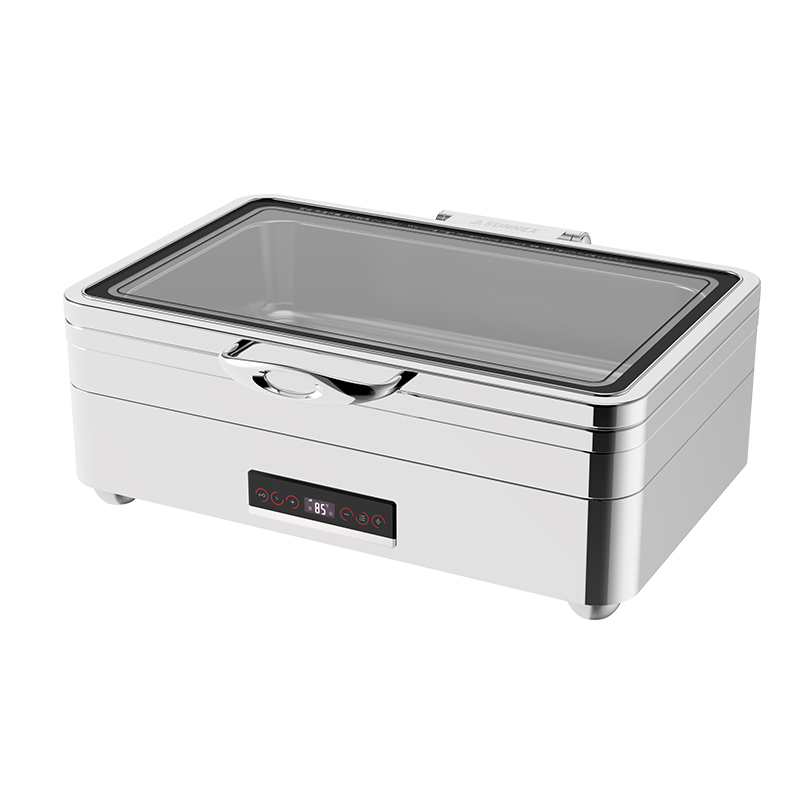
Electric Chafing Dish-HC380D represents the professional-grade quality that rental equipment should meet for quality-focused events. When evaluating rental suppliers, look for equipment meeting this standard to ensure your events project the quality image that clients and guests expect.
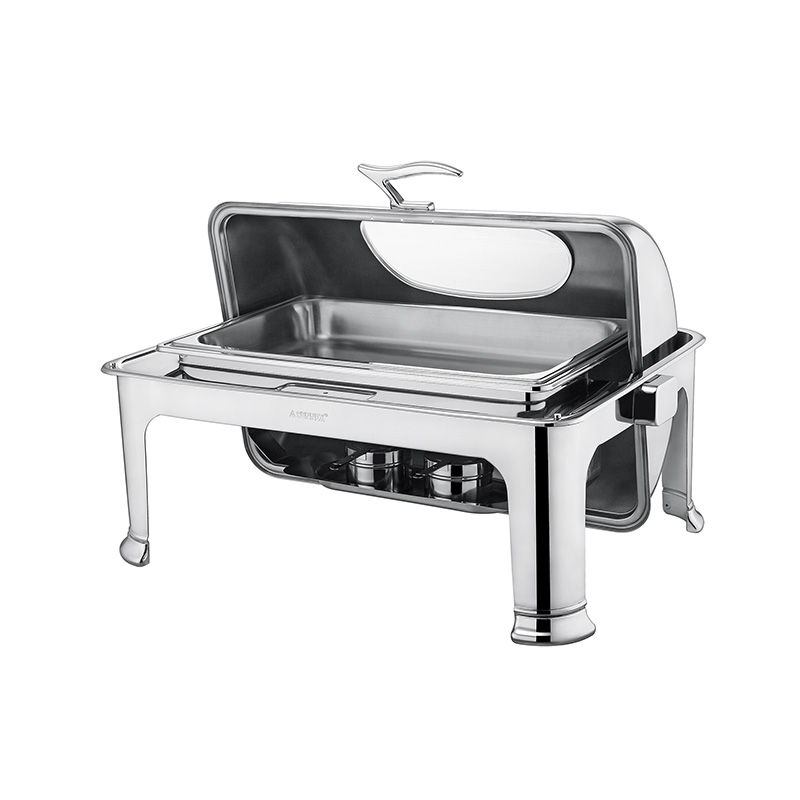
Covered Stainless Steel Alcohol Chafing Dish
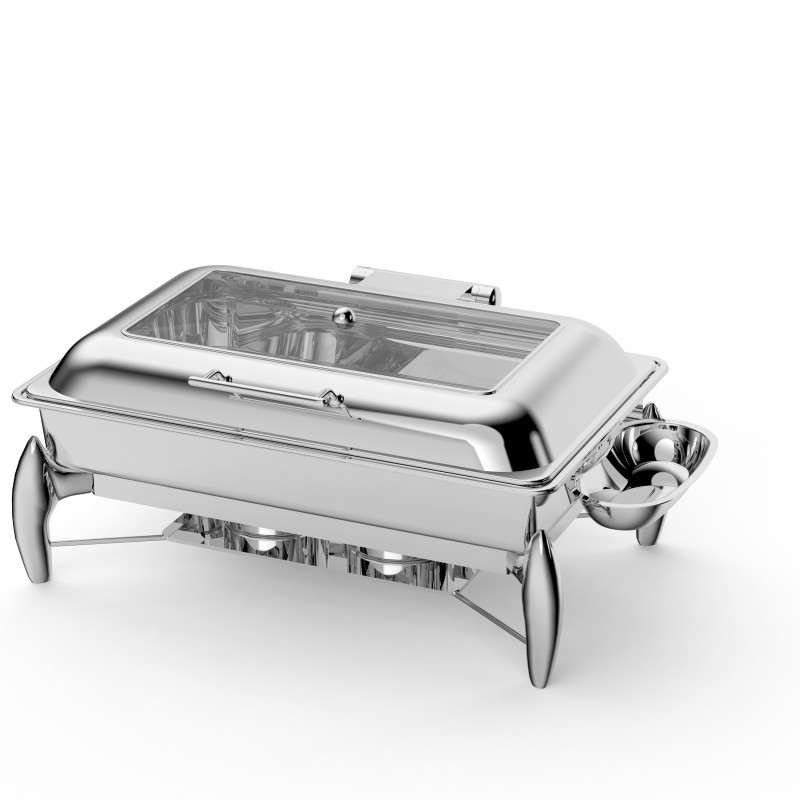
Covered Stainless Steel Alcohol Chafing Dish demonstrates the construction quality that professional catering equipment requires for reliable event support. These standards help event planners evaluate rental equipment quality and select suppliers providing appropriate equipment for their event requirements.
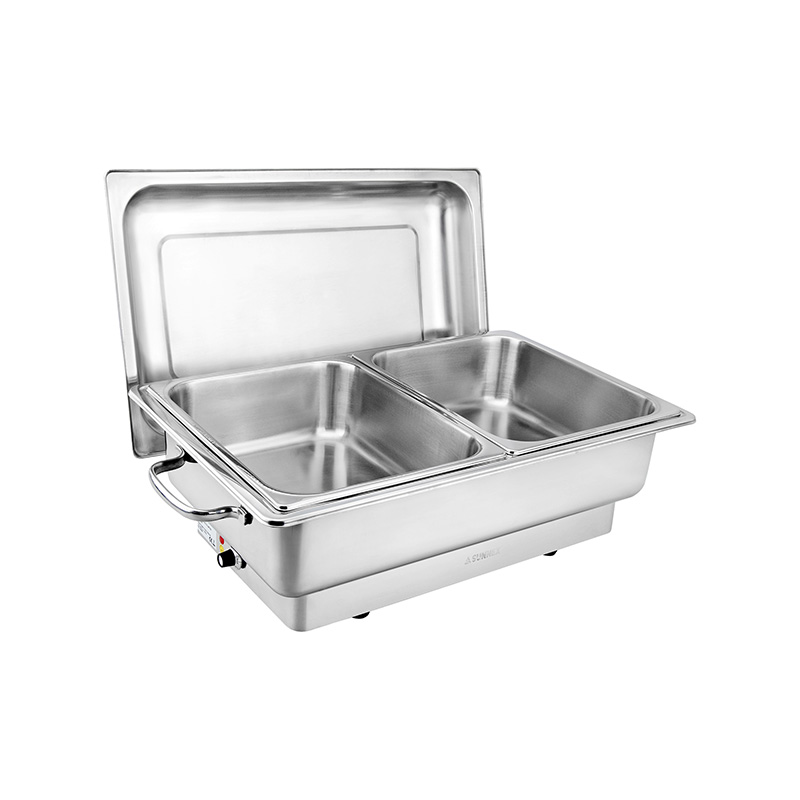
Stainless Steel Electric Double Pan Chafing Dish
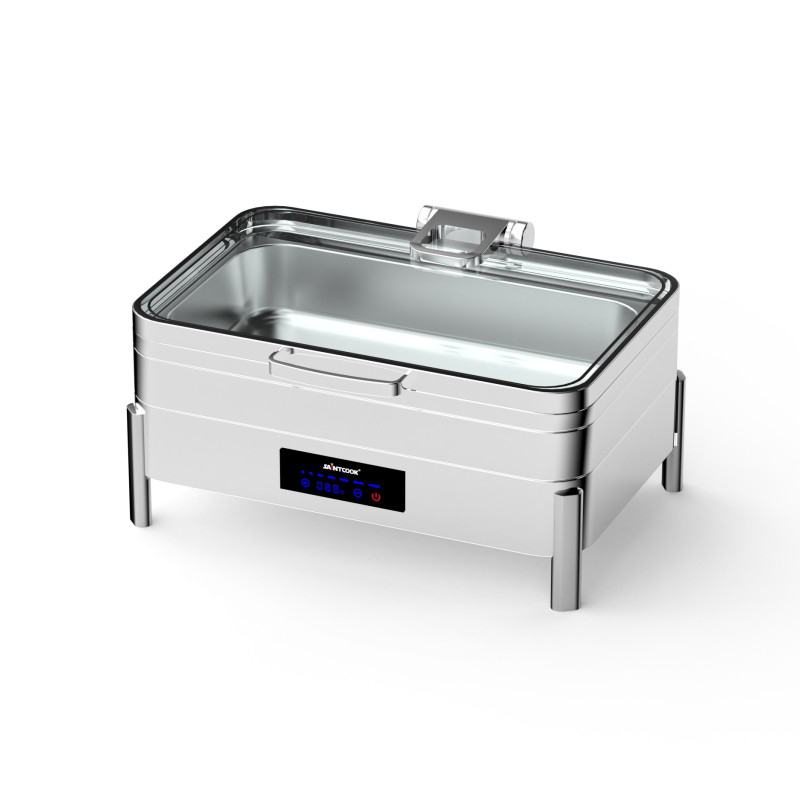
Stainless Steel Electric Double Pan Chafing Dish provides the dependable performance that quality catering operations deliver at events. Understanding what professional equipment looks and performs like helps planners demand appropriate quality from rental suppliers, ensuring events meet the standards that client expectations require.
Building Rental Supplier Relationships
Consistent supplier relationships improve service quality over time as suppliers learn your preferences and event requirements. Repeat business often receives priority treatment during availability conflicts, and established relationships enable more flexible arrangements than one-time transactions provide. Invest in relationship quality with suppliers who reliably meet your event standards.
Clear communication about event requirements, venue conditions, and service expectations helps suppliers prepare appropriately for each engagement. Provide detailed briefings that include venue access constraints, timeline requirements, and any special circumstances that affect equipment needs. The more suppliers understand about your events, the better they can support your specific requirements.
Feedback about equipment performance and service quality helps suppliers improve and demonstrates your engagement with their service. Constructive feedback, both positive and critical, builds the supplier relationships that make future events more successful. Suppliers who receive feedback about quality issues can address problems before they affect subsequent events.
Related Articles
Electric Buffet Warmer with Adjustable Thermostat for Restaurants
Discover the best Electric Buffet Warmer with Adjustable Thermostat for Restaurants solutions. Real ...
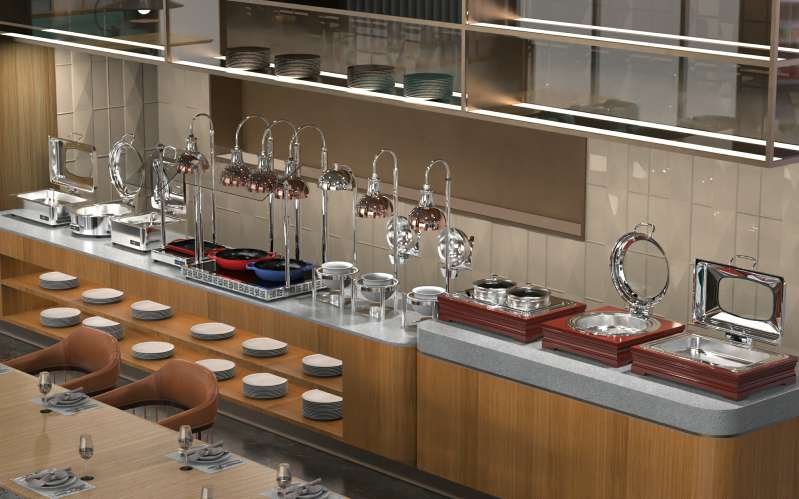
Mini Chafing Dish for Breakfast Buffet & Condiment Stations
Discover the best Mini Chafing Dish for Breakfast Buffet & Condiment Stations solutions. Real case s...
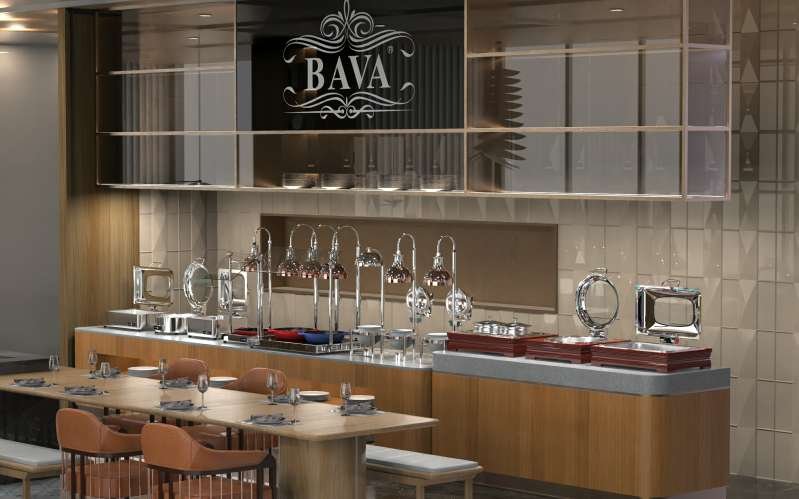
9QT Extra-Large Chafing Dish for Large-Scale Banquet Events
Discover the best 9QT Extra-Large Chafing Dish for Large-Scale Banquet Events solutions. Real case s...
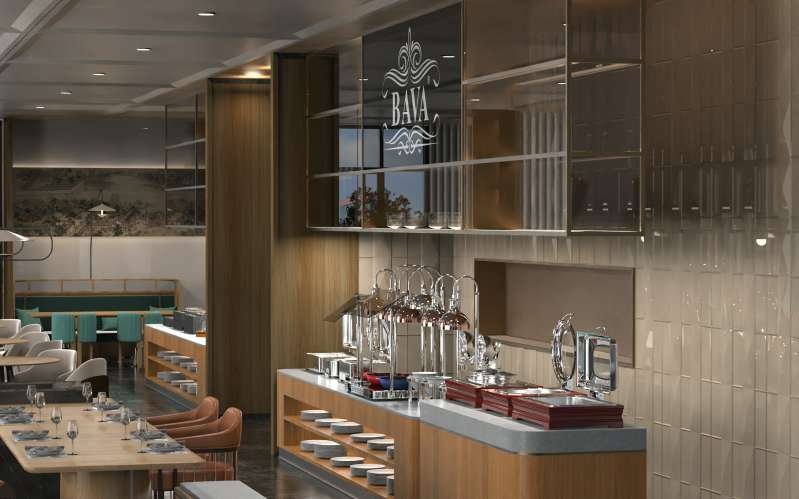
Wall-Mounted Buffet Stove for Space-Saving Kitchen Layouts
Discover the best Wall-Mounted Buffet Stove for Space-Saving Kitchen Layouts solutions. Real case st...

Stainless Steel Food Warmer for Supermarket Deli Departments
Discover the best Stainless Steel Food Warmer for Supermarket Deli Departments solutions. Real case ...
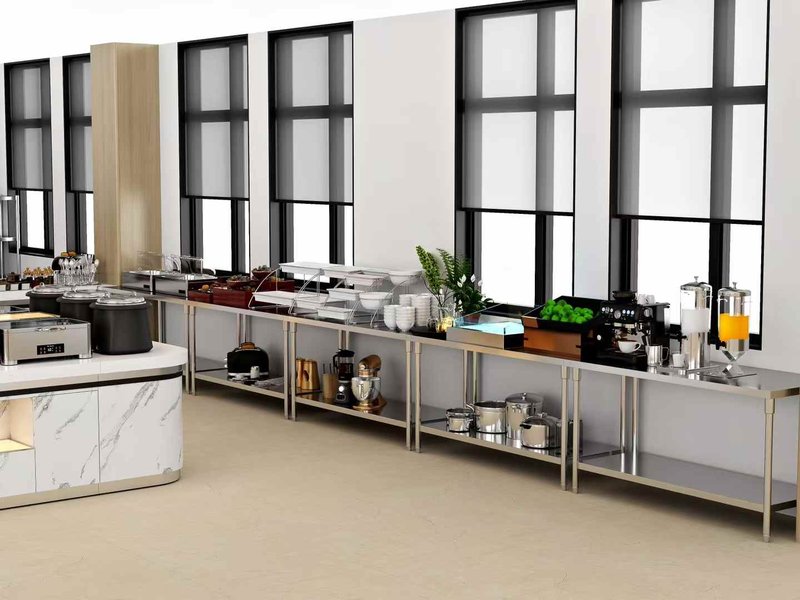
Commercial Chafer Dish with Temperature Control for Food Safety
Discover the best Commercial Chafer Dish with Temperature Control for Food Safety solutions. Real ca...