
Chafing Dish Fuel Gel: Long-Lasting Options for Catering
Fuel gel provides the clean-burning heat source that professional catering demands, offering consistent performance without the smoke and odor that some fuel types produce. Understanding fuel gel characteristics helps caterers select appropriate products for their specific applications while optimizing burn time and heat output for efficient service. The gel formulation offers safety and convenience advantages that make it the preferred choice for many operators.
Gel Fuel Advantages
Clean burning characteristics distinguish gel fuel from liquid alternatives, with minimal smoke and odor that preserves food quality and guest comfort. The gel consistency prevents the spills that liquid fuels can create, reducing fire hazards and cleanup requirements. These cleanliness benefits make gel fuel particularly suitable for indoor events and upscale venues.
Safety benefits from the gel consistency include reduced spill risk and the inability to spread like liquid fuel if containment fails. The viscous nature of gel fuel limits its spread potential, providing safety margin that liquid fuels cannot match. This safety characteristic is especially valuable for events where guest interaction might disturb chafing dish arrangements.
Convenience features include easy lighting without priming, predictable burn rates, and simple disposal after use. Gel fuel cans arrive ready for use with no preparation required, and the solidified residue after burnout is easily handled. The convenience factor reduces staff training requirements and operational complexity.
Burn Time Varieties
Standard burn times range from two to four hours for most gel fuel products, with selection based on anticipated service duration. Matching burn time to event length prevents the waste that overly long-burning fuel creates or the interruption that premature exhaustion causes. Burn time selection should align with typical event schedules.
Extended burn options provide six hours or more of continuous heat for lengthy events or multi-service occasions that exceed standard fuel capacity. These long-burning formulations are typically more expensive per can but provide the continuous operation that all-day events require. Extended burn products suit professional operations with demanding schedules.
Economy formulations offer shorter burn times at lower cost for brief events or operations where budget constraints are significant. These products suit occasional users or short-duration service where extended burn capacity would be wasted. Economy options make sense for users with limited event frequency or duration.
Heat Output Considerations
Temperature maintenance capability varies between gel formulations, with some products designed for maximum heat output while others prioritize extended burn duration. Understanding the relationship between heat output and burn time helps select appropriate fuel for specific food types and service conditions. The balance between intensity and duration affects both performance and cost.
Multiple can arrangements may be necessary for large chafing dishes or foods requiring higher temperatures, with standard single-can configurations sometimes insufficient for full-size equipment. Understanding heat requirements for different food volumes and types enables proper fuel planning. Can quantity should match thermal demand.
Ambient temperature effects influence gel fuel performance, with cold environments reducing heat output and outdoor conditions affecting burn characteristics. Adjustments to fuel quantity or type may be necessary for challenging environments. Environmental awareness enables appropriate fuel specification.
Storage and Handling
Storage requirements for gel fuel include temperature moderation and protection from ignition sources, with typical shelf life of two to three years under proper conditions. Cool, dry storage preserves fuel quality while preventing the degradation that excessive heat or moisture can cause. Proper storage protects both safety and performance.
Transport considerations include proper packaging that prevents damage and potential ignition during movement between venues. Fuel containers should be protected from crushing or puncture that could create leaks or exposure. Transport safety protects both equipment and personnel.
Inventory management ensures fuel availability for scheduled events while avoiding the waste that expired or degraded fuel creates. Stock rotation and expiry monitoring maintain fuel quality while supporting operational reliability. Inventory systems should track both quantity and age of fuel supplies.
Environmental Factors
Emissions from gel fuel are generally cleaner than liquid alternatives, with formulations designed to minimize smoke and harmful combustion products. Indoor air quality considerations favor gel fuel for enclosed venues where ventilation may be limited. Environmental consciousness increasingly influences fuel selection decisions.
Disposal requirements for spent gel fuel vary by jurisdiction, with some areas allowing standard disposal while others require special handling. Understanding local regulations ensures compliant disposal while avoiding the penalties that improper disposal can trigger. Disposal compliance is part of responsible operations.
Sustainability considerations include the packaging waste that disposable fuel cans create and the renewable content that some gel formulations incorporate. Environmentally conscious operators may prioritize products with recycled content or reduced packaging. Sustainability factors increasingly influence purchasing decisions.
Featured Chafing Dish Products

Electric Chafing Dishes-W20
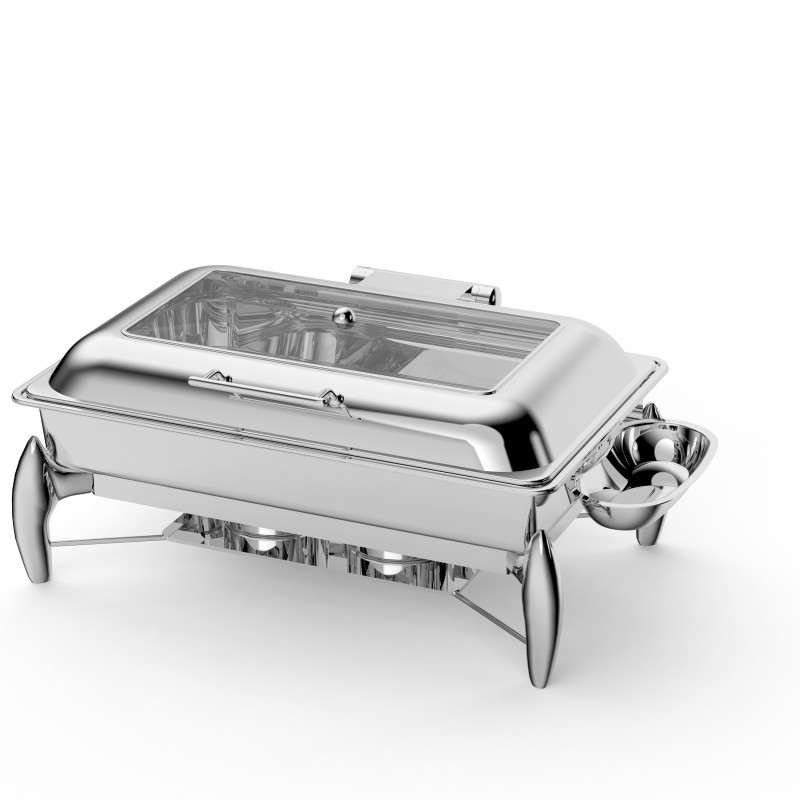
Electric Chafing Dishes-W20 demonstrates the fuel accommodation design that works optimally with gel fuel products. Quality chafing dishes include fuel chambers sized appropriately for standard gel cans, ensuring proper fit and efficient heat transfer.
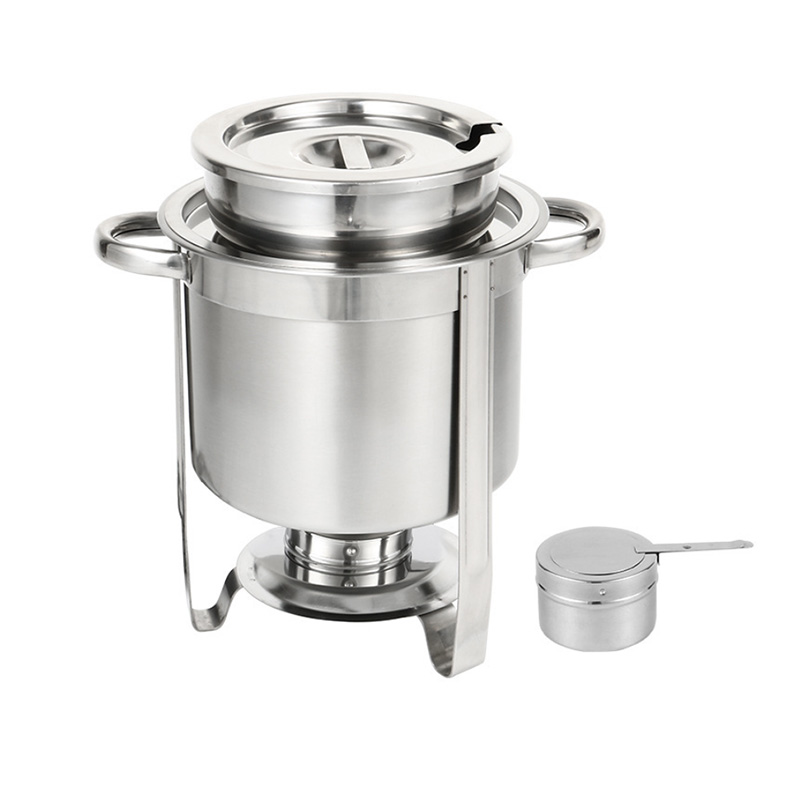
7L Stainless Steel Soup Pot
7L Stainless Steel Soup Pot provides the heat distribution characteristics that gel fuel delivers effectively. Understanding how equipment design maximizes fuel efficiency helps operators optimize both performance and operating costs.
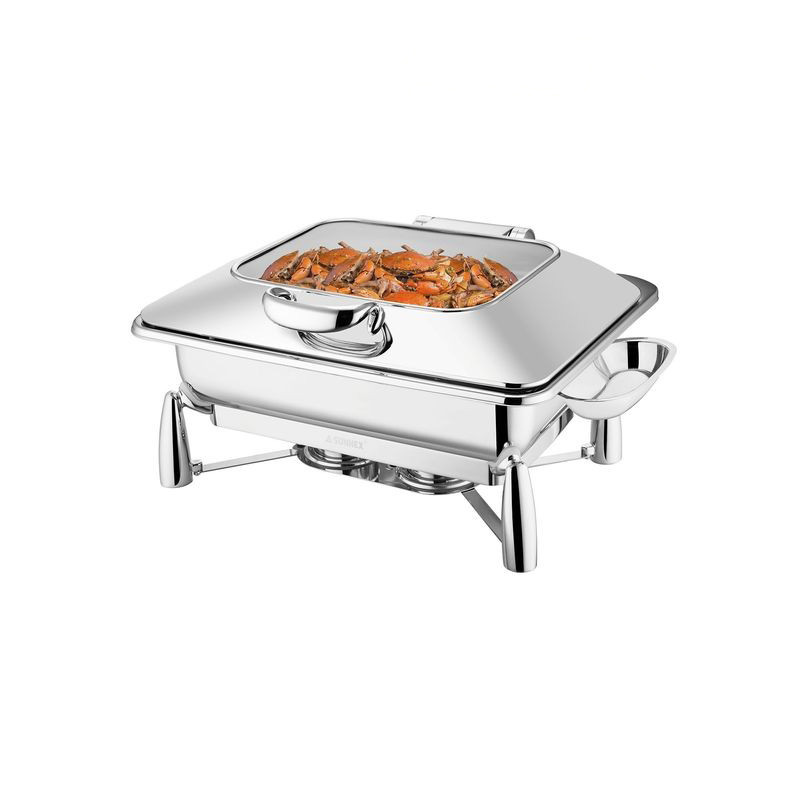
Alcohol Heated Chafing Dish + Utensil Tray
Alcohol Heated Chafing Dish + Utensil Tray represents the quality construction that extracts maximum value from each fuel unit. Efficient heat transfer design reduces fuel consumption while maintaining excellent food warming performance.
Cost Analysis
Per-hour operating costs depend on fuel price and burn time, with calculations enabling comparison between products and fuel types. Extended-burn products may have higher per-can costs but lower per-hour expenses due to longer duration. Cost analysis should consider actual burn performance rather than just purchase price.
Bulk purchasing reduces per-can costs significantly, with case quantities offering savings that improve operating economics. Volume discounts reward operators who can forecast fuel requirements and maintain appropriate inventory levels. Bulk purchase planning should consider storage capacity and shelf life.
Total cost of ownership includes not just fuel price but also handling labor, disposal costs, and any operational disruptions from fuel-related problems. Comprehensive cost comparison reveals the true economics of different fuel options. Hidden costs can significantly affect the comparison between fuel types and brands.
Related Articles

Electric Buffet Warmer with Adjustable Thermostat for Restaurants
Discover the best Electric Buffet Warmer with Adjustable Thermostat for Restaurants solutions. Real ...
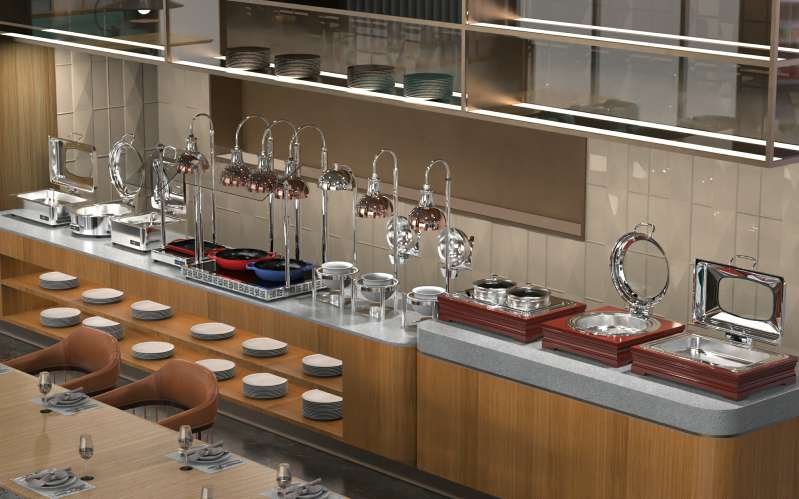
Mini Chafing Dish for Breakfast Buffet & Condiment Stations
Discover the best Mini Chafing Dish for Breakfast Buffet & Condiment Stations solutions. Real case s...
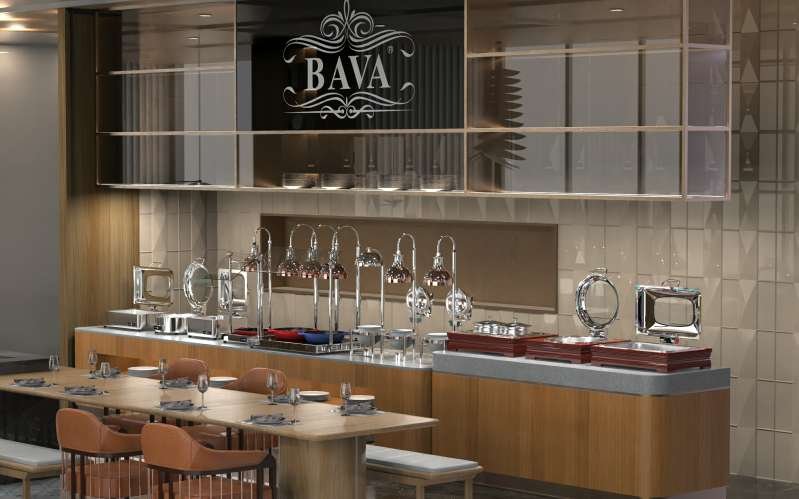
9QT Extra-Large Chafing Dish for Large-Scale Banquet Events
Discover the best 9QT Extra-Large Chafing Dish for Large-Scale Banquet Events solutions. Real case s...
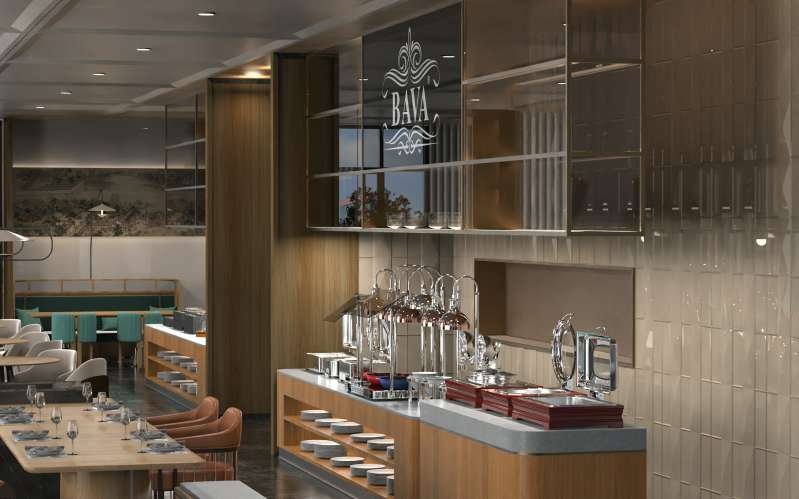
Wall-Mounted Buffet Stove for Space-Saving Kitchen Layouts
Discover the best Wall-Mounted Buffet Stove for Space-Saving Kitchen Layouts solutions. Real case st...

Stainless Steel Food Warmer for Supermarket Deli Departments
Discover the best Stainless Steel Food Warmer for Supermarket Deli Departments solutions. Real case ...
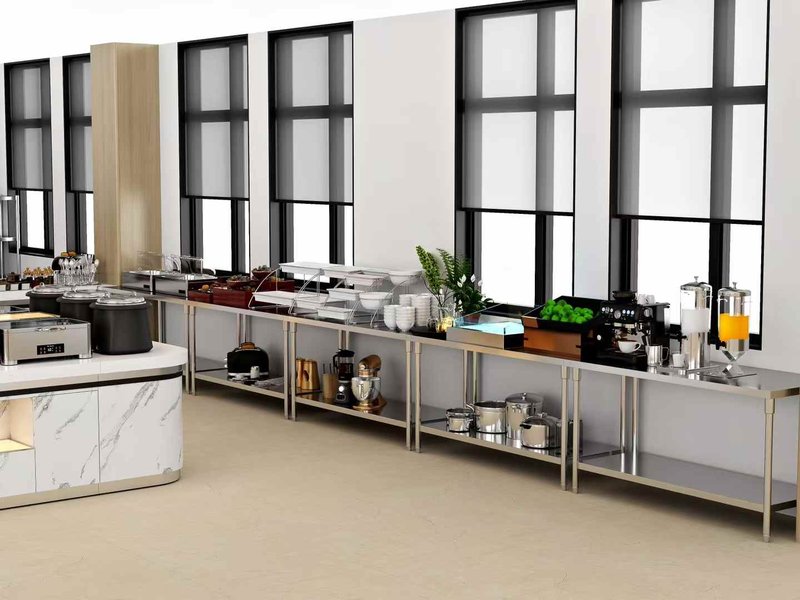
Commercial Chafer Dish with Temperature Control for Food Safety
Discover the best Commercial Chafer Dish with Temperature Control for Food Safety solutions. Real ca...