
Chafing Dish Fuel Wick: Replacement Wicks for Fuel Cans
Fuel wicks provide the controlled fuel delivery that some chafing dish systems require, drawing liquid fuel from reservoirs to flame points where controlled combustion produces consistent heat. Replacement wicks become necessary through normal wear, contamination, or the maintenance cycles that keep fuel systems operating properly. Understanding wick functions and replacement procedures helps maintain reliable food warming equipment.
Wick Function and Design
Capillary action moves fuel from reservoir to flame through wick material, with the wick structure controlling the fuel flow rate that determines heat output. The material density and fiber composition affect both fuel delivery rate and the heat that the wick itself must withstand during operation. Quality wicks balance delivery capacity against durability requirements.
Material composition varies between cotton, fiberglass, and composite materials that offer different performance characteristics for various fuel types and heat levels. Cotton wicks suit moderate-temperature applications, while fiberglass withstands higher temperatures that would degrade organic materials. Material selection should match the fuel system requirements.
Dimensions affect both the fuel delivery rate and the flame characteristics that result, with wick diameter and length tailored to specific fuel can or reservoir designs. Using wicks with incorrect dimensions can cause poor performance or safety problems that proper specification avoids. Dimensional matching is essential for safe operation.
Signs That Replacement Is Needed
Performance degradation indicates wick deterioration, with reduced heat output, uneven flame, or difficulty maintaining consistent temperature suggesting wick problems. These symptoms typically develop gradually as wick material degrades through normal use. Recognizing early warning signs enables planned replacement before complete failure.
Visual inspection reveals wick condition, with charring, clogging, or physical damage indicating replacement necessity. Wicks should appear clean and intact throughout their length, with any deterioration suggesting end of service life. Regular inspection routines catch problems before they affect service.
Contamination from fuel impurities or debris can clog wick material, preventing proper fuel delivery even when the wick structure remains intact. Contaminated wicks may not respond to cleaning and typically require replacement for reliable operation. Fuel quality affects wick longevity significantly.

Replacement Procedures
Cool-down requirements prevent burns and ensure safe handling during wick replacement, with fuel systems requiring adequate cooling time before maintenance access. Attempting replacement while components remain hot creates burn risk and can damage replacement parts. Safety protocols should specify minimum cooling periods.
Removal techniques vary by wick type, with some designs requiring simple extraction while others need specific procedures to avoid damaging holder mechanisms. Following manufacturer instructions prevents damage that could affect replacement wick fit or performance. Proper removal technique protects equipment longevity.
Installation positioning affects performance significantly, with wicks requiring proper seating depth and alignment for correct fuel delivery. Incorrect positioning can cause poor performance or safety problems that proper installation avoids. Installation procedures should be followed precisely.
Wick Selection
Compatibility matching ensures that replacement wicks work properly with specific fuel system designs, with wick specifications tailored to particular products. Using incompatible wicks can cause poor performance or safety hazards that proper selection prevents. Compatibility verification should precede purchase.
Quality grades vary between economy and premium options, with differences in material quality and construction affecting both performance and longevity. Premium wicks typically last longer and perform more consistently than budget alternatives. Quality investment pays returns through reliability and extended service life.
Quantity considerations include the convenience of having spare wicks available versus the storage and inventory management that large quantities require. Maintaining appropriate spares inventory prevents service interruptions while avoiding excess stock that could degrade before use. Inventory planning should match usage patterns.
Maintenance Practices
Cleaning procedures can extend wick life by removing deposits that would otherwise clog material and reduce fuel delivery. Gentle cleaning with appropriate solvents removes buildup without damaging wick structure. Cleaning effectiveness varies with contamination type and severity.
Trimming may restore performance to wicks that have developed carbon buildup at the flame end, removing degraded material to expose fresh wick surface. Trimming should follow manufacturer guidelines for depth and technique to avoid creating new problems. Not all wick types benefit from trimming.
Storage of spare wicks requires protection from contamination that could affect performance when installed. Original packaging provides appropriate protection, while bulk storage should use sealed containers that exclude dust and moisture. Proper storage preserves wick quality for future use.
Featured Chafing Dish Products

Stainless Steel Alcohol Fuel Buffet Chafing Dish
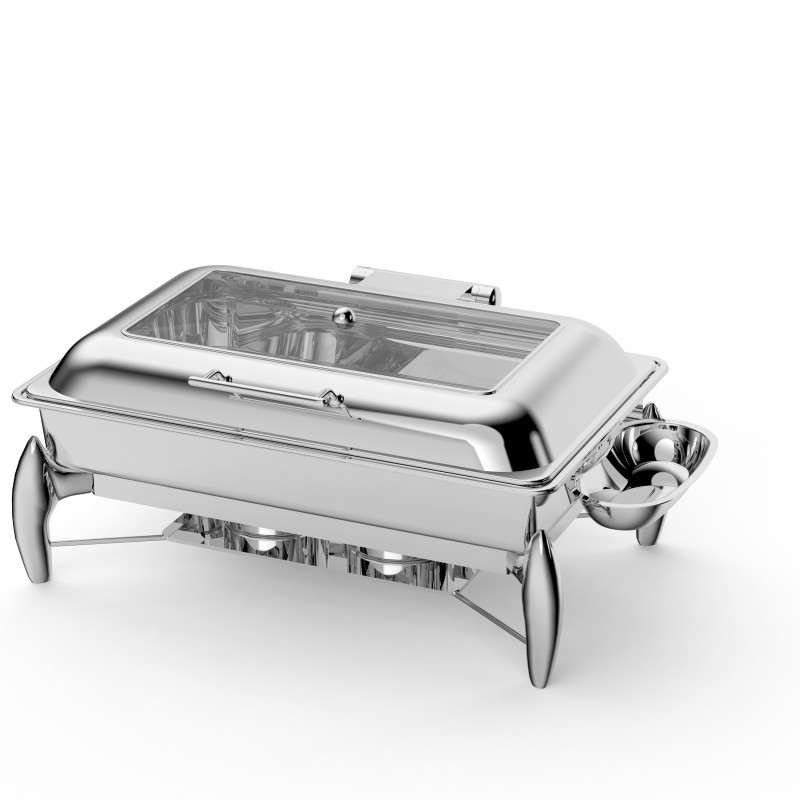
Stainless Steel Alcohol Fuel Buffet Chafing Dish demonstrates the integrated design approach where fuel system components work together for optimal performance. Quality chafing dishes with wick-type fuel systems include design features that facilitate maintenance and wick replacement.
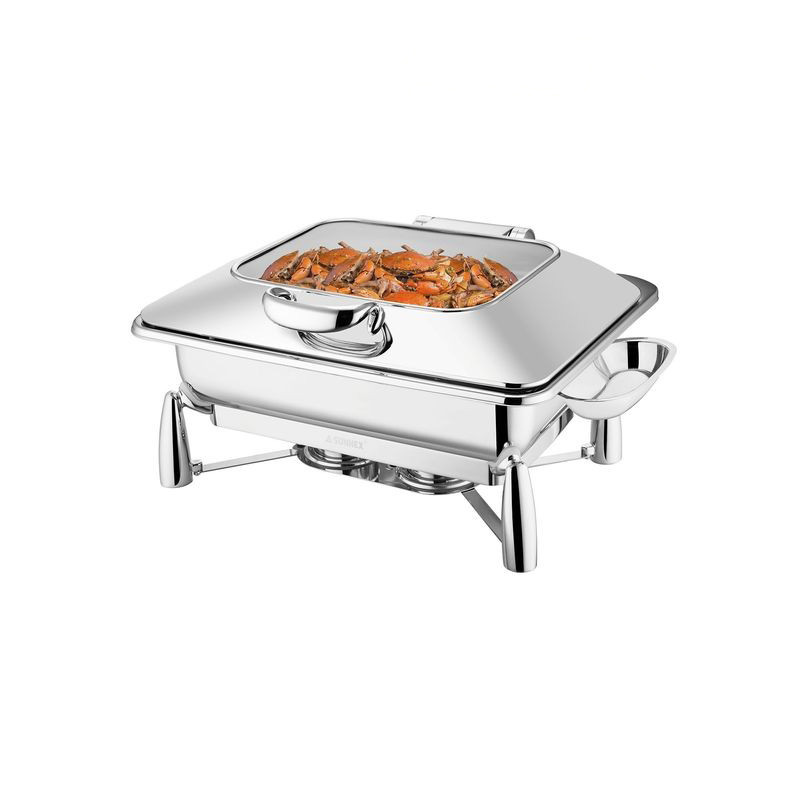
Alcohol Heated Chafing Dish + Utensil Tray
Alcohol Heated Chafing Dish + Utensil Tray provides the reliable platform that wick-type fuel systems require for consistent operation. Understanding how equipment design affects fuel system maintenance helps operators plan appropriate care routines.
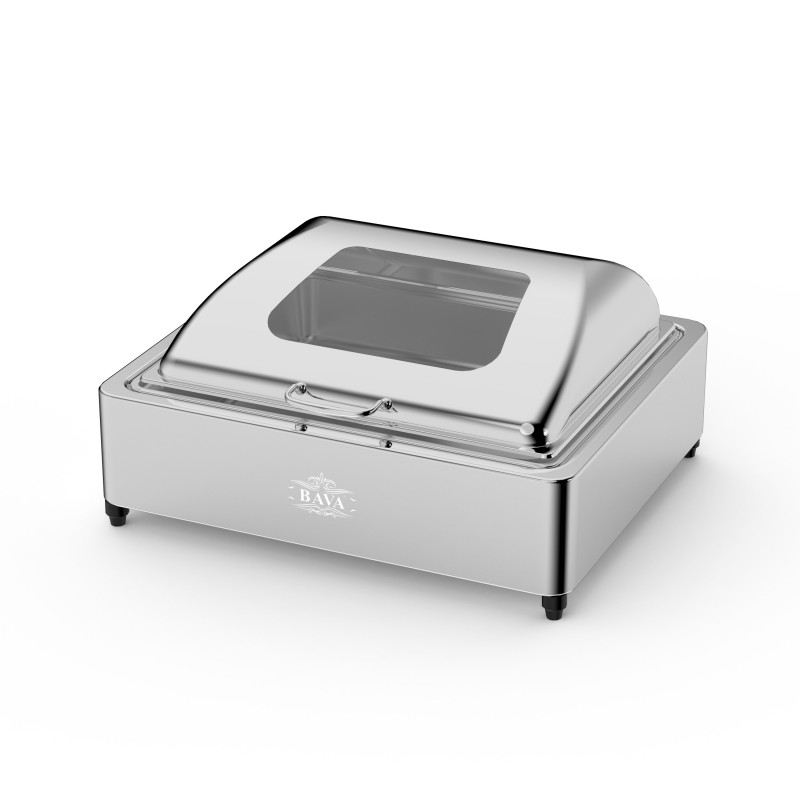
Electric Chafing Dishes-StoveMaster Series
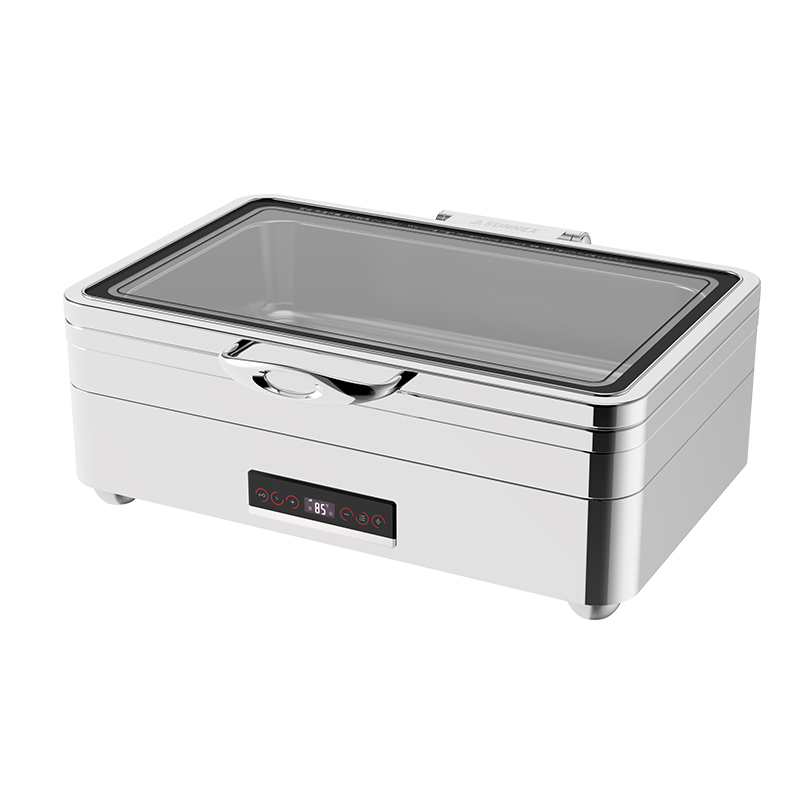
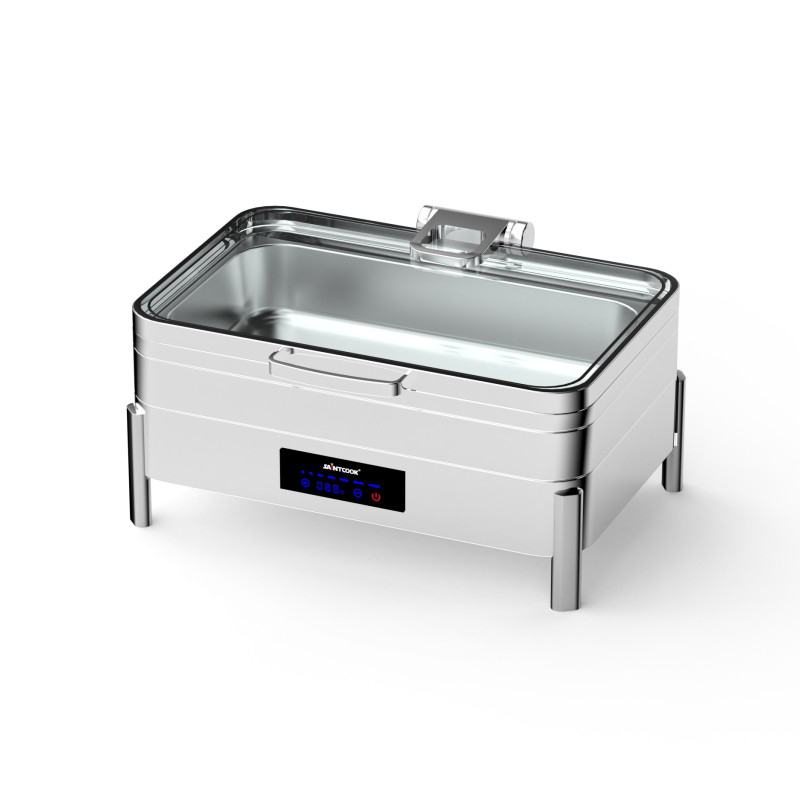
Electric Chafing Dishes-StoveMaster Series represents the quality construction that maintains fuel system integrity over years of service. Quality equipment design considers maintenance access and component replacement to support long-term reliability.
Cost and Availability
Wick pricing varies significantly between brands and quality levels, with premium wicks costing more but typically delivering superior performance and longevity. The cost difference often pays for itself through extended service intervals and improved reliability. Value assessment should consider total cost of ownership rather than just purchase price.
Availability through specialty suppliers ensures that replacement wicks can be obtained when needed, though standard shipping times may not suit emergency requirements. Identifying local sources or maintaining spares inventory prevents the service interruptions that long lead times could cause. Supply chain planning should anticipate replacement needs.
Original equipment wicks from manufacturers provide guaranteed compatibility but may cost more than aftermarket alternatives. Aftermarket wicks may offer acceptable performance but require careful verification of specifications. The choice between OEM and aftermarket options depends on performance priorities and budget constraints.
Related Articles

Electric Buffet Warmer with Adjustable Thermostat for Restaurants
Discover the best Electric Buffet Warmer with Adjustable Thermostat for Restaurants solutions. Real ...
Mini Chafing Dish for Breakfast Buffet & Condiment Stations
Discover the best Mini Chafing Dish for Breakfast Buffet & Condiment Stations solutions. Real case s...
9QT Extra-Large Chafing Dish for Large-Scale Banquet Events
Discover the best 9QT Extra-Large Chafing Dish for Large-Scale Banquet Events solutions. Real case s...

Wall-Mounted Buffet Stove for Space-Saving Kitchen Layouts
Discover the best Wall-Mounted Buffet Stove for Space-Saving Kitchen Layouts solutions. Real case st...

Stainless Steel Food Warmer for Supermarket Deli Departments
Discover the best Stainless Steel Food Warmer for Supermarket Deli Departments solutions. Real case ...

Commercial Chafer Dish with Temperature Control for Food Safety
Discover the best Commercial Chafer Dish with Temperature Control for Food Safety solutions. Real ca...