
Chafing Dish Hacks: Pro Tips for Caterers & Event Planners
Professional caterers accumulate operational tricks that transform ordinary chafing dish performance into exceptional service delivery. These battle-tested hacks address real-world challenges that standard instructions miss, enabling smoother operations and better food quality. Whether managing a busy catering company or planning a significant event, these professional techniques provide practical advantages.
Temperature Management Hacks
Adding a small amount of vinegar to the water pan prevents mineral buildup while helping maintain consistent temperatures throughout service. Vinegar in water prevents scale. Consistent temperatures serve food safely.
Using a remote thermometer probe in the food pan enables temperature monitoring without opening the lid, with wireless models providing convenient real-time data from any location. Remote thermometers monitor without opening lids. Wireless data provides convenient access.
Preheating with the lid closed accelerates temperature recovery, with trapped heat building faster than open-lid preheating. Closed-lid preheating builds heat faster. Trapped heat recovers temperature quickly.
Presentation Improvements
Decorative liner pans elevate food presentation above the standard stainless surface, with colorful or patterned options enhancing visual appeal without affecting function. Decorative liners improve appearance. Visual appeal enhances guest experience.
Arranging food in the pan from center outward creates natural serving flow, with guests naturally taking from the outer portions while fresh center portions remain protected. Center-out arrangement protects fresh food. Natural flow serves guests efficiently.

Using matching liner pans across multiple chafing dishes creates cohesive presentation, with consistent appearance projecting professional attention to detail. Matching liners create cohesion. Professional presentation impresses guests.
Fuel Efficiency Tricks
Adjusting the fuel holder height changes flame intensity, with raising the holder increasing heat output for demanding periods or lowering it during quiet service windows. Height adjustment changes intensity. Variable output matches demand.
Covers between services retain heat efficiently, with brief cover periods during serving gaps maintaining temperature without continuous fuel consumption. Covers retain heat between services. Brief covers reduce fuel use.
Having two fuel cans per burner enables quick replacement during service, with fresh cans pre-lit and warming while active cans run down. Dual cans enable quick replacement. Pre-lit cans warm during operation.
Water Pan Wisdom
Using filtered water in the water pan reduces mineral deposits that impair heat transfer and complicate cleaning. Filtered water prevents buildup. Clean water transfers heat efficiently.
A layer of cooking spray on the water pan exterior prevents rust and makes cleanup easier after service concludes. Cooking spray prevents rust. Easier cleanup follows service.
Measuring water levels with a simple dipstick made from a wooden dowel provides quick verification without opening the unit. Dipstick measurement checks levels quickly. Wooden dowels provide simple verification.
Featured Chafing Dish Products
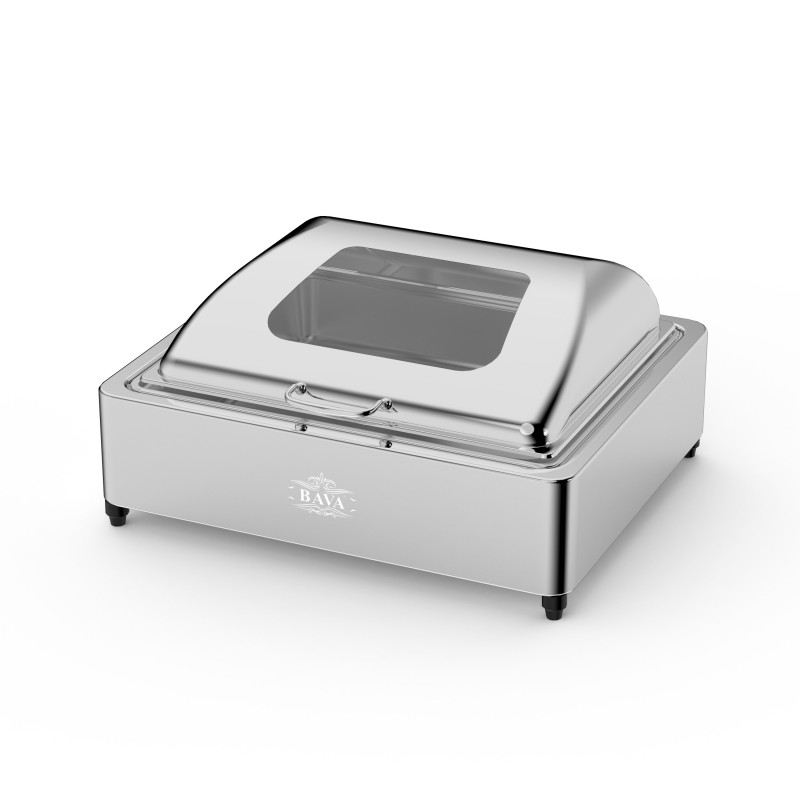
Electric Chafing Dishes-StoveMaster Series
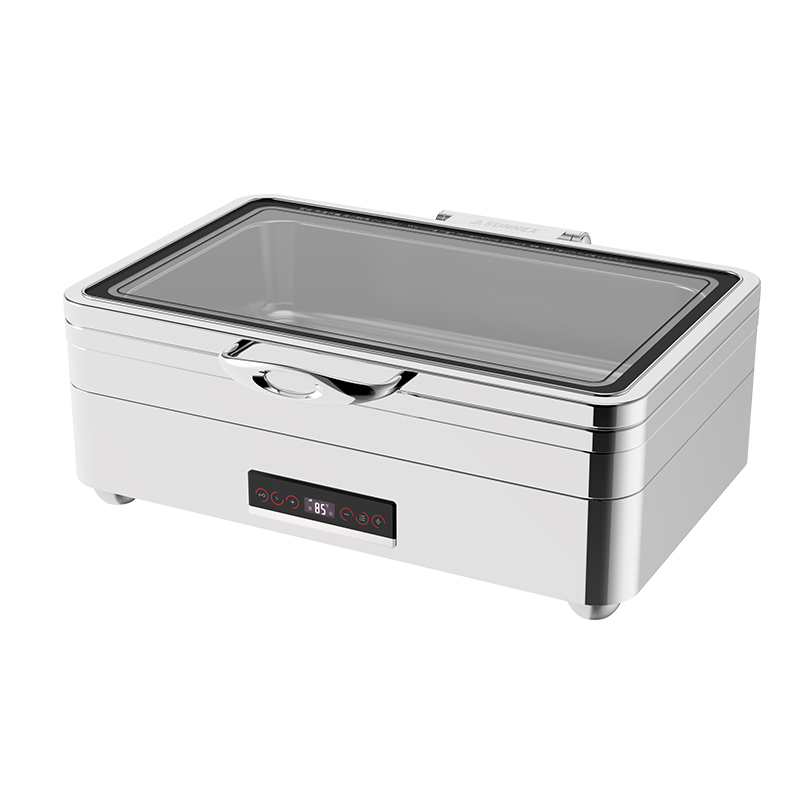
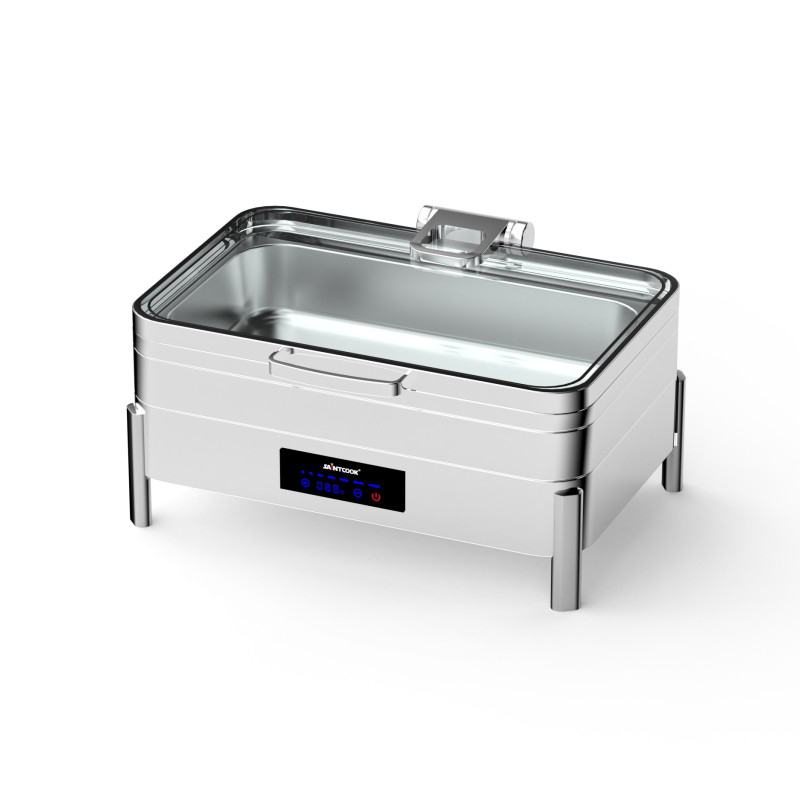
Electric Chafing Dishes-StoveMaster Series benefits from professional operational techniques. Understanding how to maximize equipment potential delivers better service results.
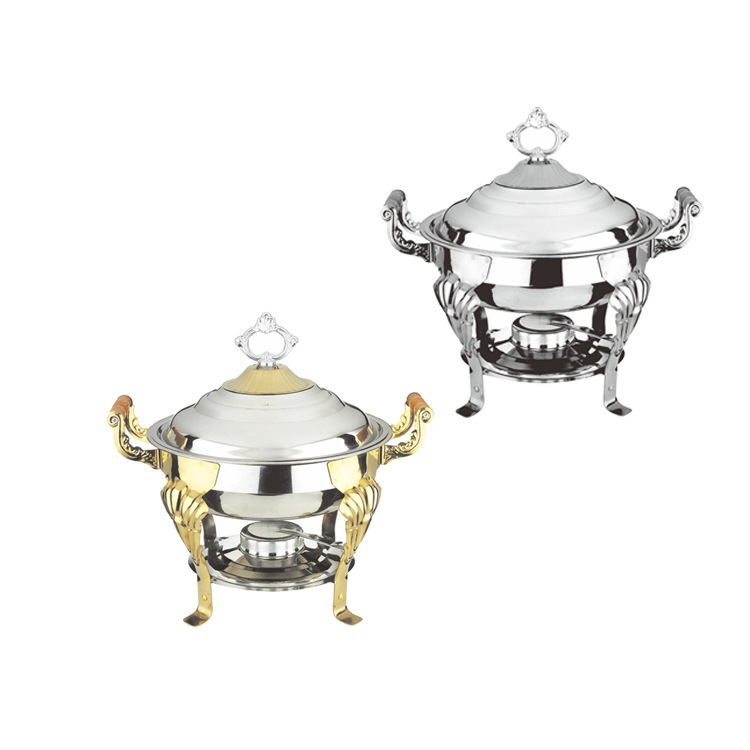
Mini Individual Buffet Chafing Dish
Mini Individual Buffet Chafing Dish rewards operators who apply professional techniques. Quality equipment combined with skilled operation produces exceptional outcomes.

Stainless Steel Alcohol Fuel Buffet Chafing Dish
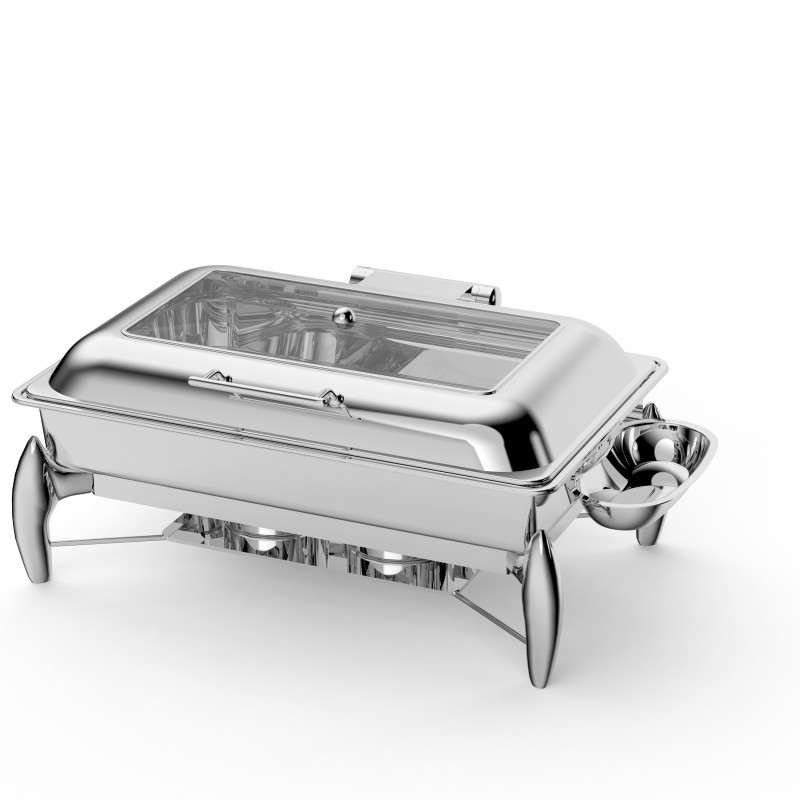
Stainless Steel Alcohol Fuel Buffet Chafing Dish serves demanding professionals who understand operational efficiency. Professional-grade performance matches professional-grade techniques.

Transport and Setup Shortcuts
Labeling chafing dish boxes with contents and setup order streamlines venue unloading, with clear labels preventing confusion during time-pressured setup periods. Labeled boxes enable quick setup. Clear labels prevent confusion.
Loading equipment in reverse order of setup priority ensures first-needed items appear first when unloading, with strategic loading saving time at the venue. Reverse loading prioritizes first needs. Strategic placement saves time.
Using wheeled utility carts for transport reduces physical strain while speeding movement between storage and service locations. Wheeled carts reduce strain. Faster movement improves efficiency.
Service Efficiency Techniques
Designating one staff member as the chafing dish manager ensures consistent monitoring and quick problem response throughout service. Dedicated monitoring ensures consistency. Quick response prevents service issues.
Having spare parts readily available including extra clips, gaskets, and burners prevents small problems from becoming service disruptions. Spare parts prevent small problems. Quick fixes avoid disruptions.
Scheduling water level checks at regular intervals such as every thirty minutes creates reliable monitoring without constant attention. Regular intervals create reliable monitoring. Scheduled checks ensure consistent attention.
Food Quality Hacks
Using heat diffusers under the food pan creates more even heating that prevents hot spots and edge burning common with direct flame contact. Heat diffusers create even heating. Consistent temperatures protect food quality.
Adding a small amount of water to thick sauces before loading prevents surface drying and crusting during extended holding periods. Water addition prevents drying. Thick sauces benefit from moisture.
Stirring food periodically redistributes temperature and moisture, with stirring schedules ensuring even quality throughout serving periods. Periodic stirring redistributes heat. Scheduled stirring maintains quality.
Cleaning and Maintenance Tricks
Cleaning units immediately after service before food residue dries makes cleanup dramatically easier, with timing being the most significant factor in cleaning difficulty. Immediate cleaning prevents difficult residue. Timing matters most for cleanup.
Using a soft brush to clean burner holes prevents clogging that affects flame quality, with regular attention maintaining consistent burner performance. Soft brush cleaning maintains burners. Regular attention preserves flame quality.
Storing units with doors slightly open allows air circulation that prevents musty odors from developing during storage periods. Open-door storage provides circulation. Air flow prevents odor problems.
Event-Specific Strategies
Outdoor events require wind protection that indoor setups ignore, with simple wind barriers preventing flame problems that cold air movement creates. Wind protection serves outdoor events. Barriers prevent flame problems.
Cold weather events need insulation strategies that hot weather events avoid, with covers and placement maximizing retained heat in challenging conditions. Cold weather needs insulation. Strategic placement maximizes retained heat.
Long-duration events benefit from equipment rotation plans that keep fresh units available throughout extended serving periods. Rotation plans keep fresh units available. Extended events need equipment cycling.
Budget Optimization
Renting infrequently-needed specialty equipment costs less than purchase while providing access to professional-grade options for specific events. Rental serves occasional needs. Professional access without purchase investment.
Buying basic equipment in quantity while renting specialty items creates efficient budget allocation across entire inventories. Quantity buying reduces per-unit cost. Strategic rental maintains variety.
Equipment sharing arrangements with other caterers provides access to expanded inventory without individual purchase of everything needed. Sharing reduces individual costs. Cooperative arrangements expand available inventory.
Staff Training Applications
Creating illustrated checklists with photos helps multilingual staff understand procedures regardless of language proficiency, with visual guides ensuring consistent execution. Illustrated checklists transcend language barriers. Visual guides ensure consistent understanding.
Role-specific training where certain staff members specialize in chafing dish management creates expertise that general training cannot match. Role specialization creates expertise. Focused training builds specific knowledge.
Post-service debriefs identifying what worked and what failed build institutional knowledge that improves future operations. Debriefs build institutional knowledge. Continuous improvement comes from honest assessment.
Conclusion
Professional chafing dish hacks transform standard operation into exceptional service delivery. Temperature management, presentation improvements, fuel efficiency, and transport shortcuts address real challenges that experienced operators face daily. Water pan wisdom, food quality techniques, and cleaning tricks maintain equipment longevity while ensuring consistent food quality. Event-specific strategies and budget optimization enable operations to serve clients effectively within practical constraints. These professional techniques accumulate through experience, and implementing them immediately provides advantages that otherwise require years of trial and error to develop.
Related Articles
Electric Buffet Warmer with Adjustable Thermostat for Restaurants
Discover the best Electric Buffet Warmer with Adjustable Thermostat for Restaurants solutions. Real ...
Mini Chafing Dish for Breakfast Buffet & Condiment Stations
Discover the best Mini Chafing Dish for Breakfast Buffet & Condiment Stations solutions. Real case s...
9QT Extra-Large Chafing Dish for Large-Scale Banquet Events
Discover the best 9QT Extra-Large Chafing Dish for Large-Scale Banquet Events solutions. Real case s...
Wall-Mounted Buffet Stove for Space-Saving Kitchen Layouts
Discover the best Wall-Mounted Buffet Stove for Space-Saving Kitchen Layouts solutions. Real case st...

Stainless Steel Food Warmer for Supermarket Deli Departments
Discover the best Stainless Steel Food Warmer for Supermarket Deli Departments solutions. Real case ...
Commercial Chafer Dish with Temperature Control for Food Safety
Discover the best Commercial Chafer Dish with Temperature Control for Food Safety solutions. Real ca...