
5 Mistakes to Avoid When Using a Chafing Dish
Chafing dish misuse causes food safety problems, equipment damage, and service failures that proper knowledge prevents. Experienced caterers learn these lessons through costly mistakes, but new users can avoid the same problems with informed awareness. Understanding common errors and their solutions ensures safe, effective chafing dish operation that serves guests well while protecting food quality and safety.
Mistake 1: Insufficient Preheating
Starting with cold equipment guarantees temperature recovery problems throughout service, with cold water pans absorbing heat that should reach food. Preheating provides warm starting conditions. Cold equipment causes temperature recovery problems.
Proper preheating requires lighting fuel and allowing the unit to reach operating temperature before food goes in, typically fifteen to twenty minutes before service begins. Preheating takes fifteen to twenty minutes. Advance preparation ensures readiness.
Water in the water pan preheats alongside the unit, with hot water reducing temperature recovery time when cold food loads into the food pan. Hot water speeds recovery. Preheated water serves food faster.
Mistake 2: Adding Cold Food Directly
Loading cold food into a hot chafing dish causes temperature drop that takes extended time to recover, risking food safety during the recovery period. Cold food causes temperature danger. Recovery time risks food safety.
Bringing food to near-serving temperature before loading ensures the chafing dish maintains safe temperatures without dangerous cooling periods. Near-hot food loads safely. Preheating food prevents temperature danger.
Batch cooking and timing ensure food reaches proper temperature before serving periods, with proper planning preventing last-minute temperature problems. Planning prevents problems. Timing ensures food reaches temperature.

Mistake 3: Improper Fuel Management
Running out of fuel mid-service creates immediate food safety issues while attempting to change fuel disrupts service and exposes staff to burn risks. Fuel exhaustion causes service disruption. Mid-service fuel changes create hazards.
Calculating fuel needs based on event duration and burner output prevents shortages, with backup fuel supplies providing insurance against unexpectedly long service periods. Fuel calculation prevents shortages. Backup fuel provides insurance.
Improper fuel handling causes burns and fire hazards, with training on safe fuel procedures protecting staff while ensuring proper equipment operation. Safe handling prevents accidents. Training protects staff and equipment.
Mistake 4: Neglecting Water Pan Maintenance
< p>Allowing the water pan to run dry causes uneven heating, hot spots, and potential damage to both food and equipment. Empty water pans cause problems. Dry operation damages equipment and food.Regular water level monitoring throughout service ensures adequate water maintains proper heat distribution, with scheduled checks preventing dangerous dry-running conditions. Monitoring prevents dry running. Regular checks ensure adequate water.
Water quality affects equipment longevity, with hard water causing scale buildup that impairs heat transfer and cleaning difficulty. Water quality matters for equipment. Scale buildup impairs performance.
Featured Chafing Dish Products
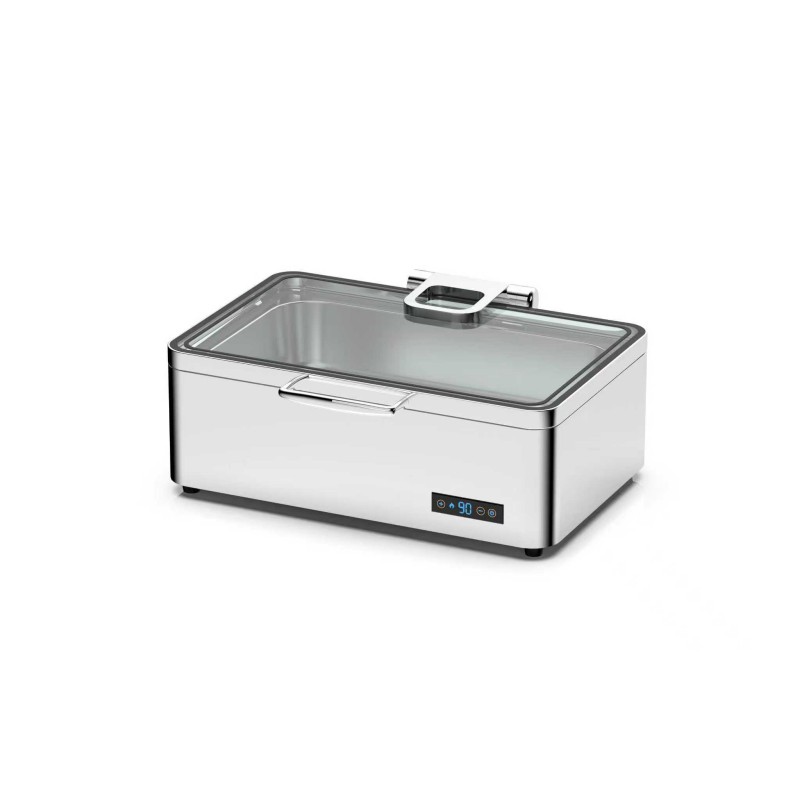
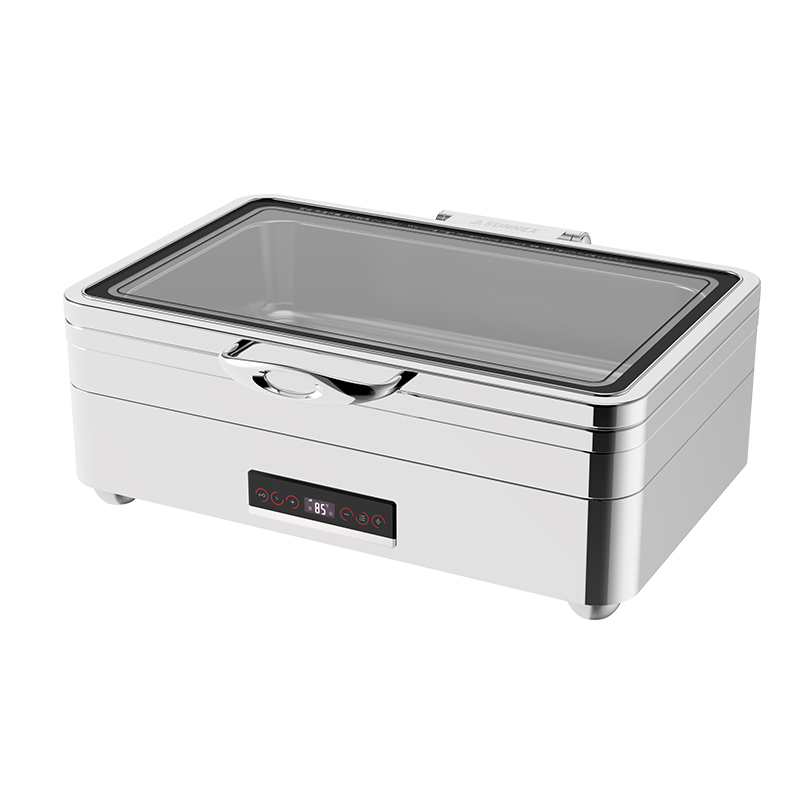
Electric Chafing Dish-BA
Electric Chafing Dish-BA delivers reliable performance when operated correctly. Understanding proper techniques ensures these professional units serve food safely and effectively.
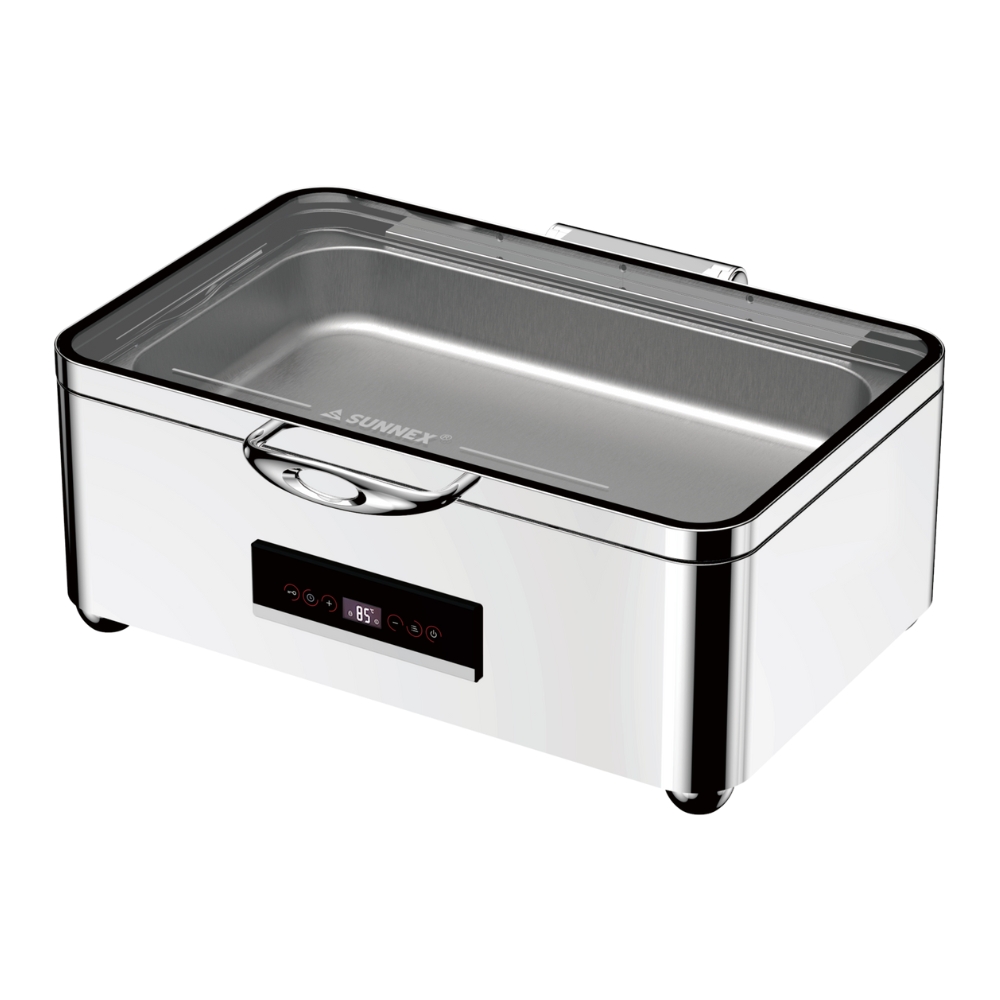
Full Size 11L Electric Chafer
Full Size 11L Electric Chafer represents quality construction that responds well to proper operation. Professional-grade materials and design serve reliable performance when used correctly.
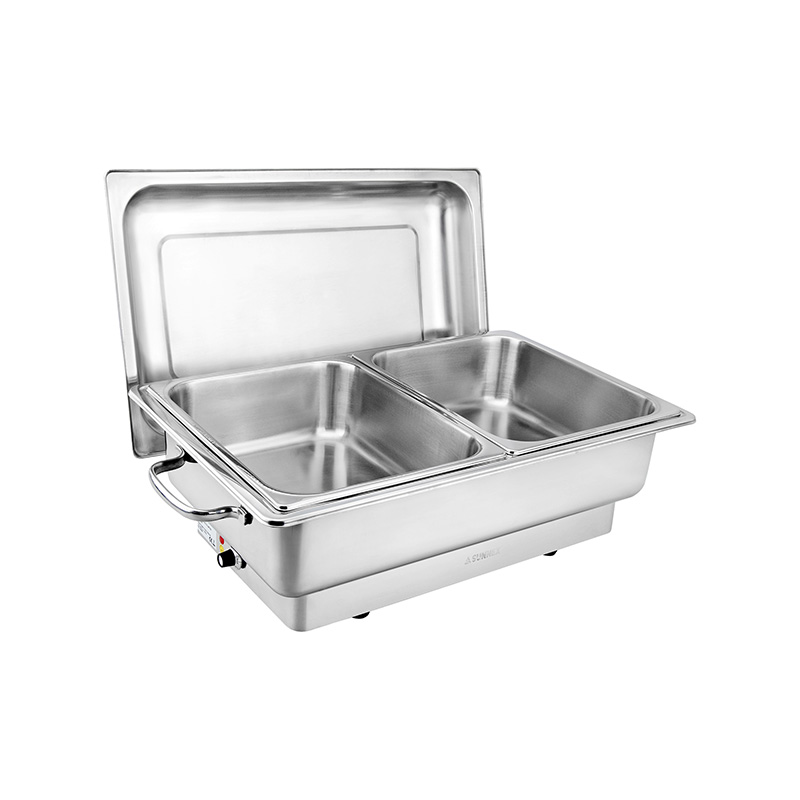
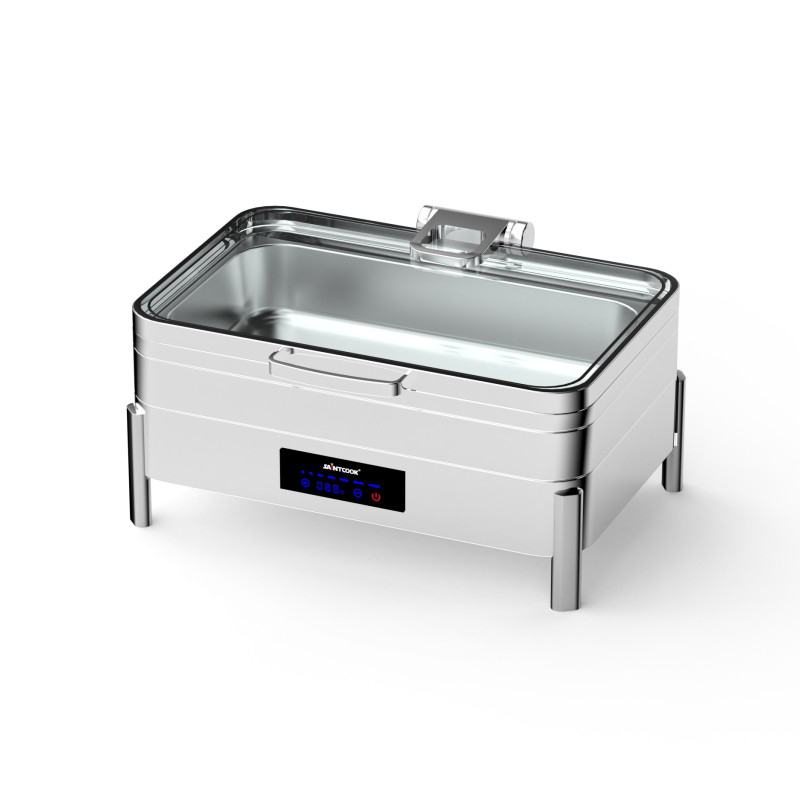
Stainless Steel Electric Double Pan Chafing Dish
Stainless Steel Electric Double Pan Chafing Dish illustrates the durable equipment that proper technique protects. Careful operation maintains appearance and function through years of reliable service.
Mistake 5: Overcrowding the Food Pan
Excessive food volume in the pan prevents proper heat circulation, causing uneven temperatures and extended recovery times after serving. Overcrowding prevents heat circulation. Uneven heating creates temperature variation.
Appropriate food levels allow heat circulation around food surfaces, with proper portioning ensuring all food reaches safe temperatures throughout service. Proper levels enable circulation. Appropriate portions ensure even heating.
Multiple pans serving the same item prevent overcrowding while maintaining adequate volume, with coordination ensuring synchronized service of split portions. Multiple pans prevent overcrowding. Coordinated pans serve adequate volume.
Temperature Monitoring Mistakes
Relying solely on visual appearance misjudges actual food temperature, with potentially dangerous food appearing perfectly normal while falling below safe holding temperatures. Appearance misleads. Visual cues cannot measure temperature.
Using proper thermometers provides accurate temperature readings, with calibrated probes enabling confident assessment of food safety. Thermometers provide accuracy. Calibrated probes ensure confidence.
Placement of temperature probes in thickest food portions ensures representative readings, with edge measurements potentially misrepresenting actual temperatures. Probe placement affects accuracy. Thickest portions provide true readings.
Transport and Setup Errors
Transporting loaded units causes spills, burns, and uneven food distribution, with safe transport requiring empty pans or careful securing procedures. Loaded transport causes hazards. Empty transport or careful securing prevents accidents.
Improper setup on uneven surfaces causes stability problems that create spill and burn hazards, with proper surface assessment preventing dangerous situations. Uneven surfaces create hazards. Surface assessment prevents accidents.
Rushed setup omits important steps like water pan level checking and preheating that proper procedures require for safe operation. Rushed setup omits critical steps. Proper procedures ensure safe operation.
Food Quality Mistakes
Holding food beyond recommended times causes quality degradation even when temperatures remain safe, with texture and flavor suffering extended holding periods. Holding beyond recommended times degrades quality. Texture suffers extended holding.
Re-heating previously held food in chafing dishes cannot restore fresh quality, with careful portioning preventing excessive holding that affects food quality. Reheating cannot restore quality. Careful portioning prevents extended holding.
Different food types have different holding tolerances, with sauces and dairy-based items degrading faster than solid protein dishes. Different foods tolerate holding differently. Sauce items degrade faster.
Cleaning and Maintenance Oversights
Postponing cleaning allows food residue to bake onto surfaces, making subsequent cleaning more difficult while potentially affecting food safety. Delayed cleaning bakes on residue. Prompt cleaning prevents problems.
Using abrasive materials damages finish and coating, with proper cleaning tools preserving appearance while effectively removing residue. Abrasive materials damage surfaces. Proper tools clean without harm.
Skipping the water pan cleaning allows mineral buildup that impairs heat transfer and creates sanitation concerns over time. Water pan cleaning prevents buildup. Mineral deposits impair function.
Staff Training Gaps
Inadequate training causes inconsistent operation, with different staff members creating varying results based on individual knowledge and habits. Training gaps cause inconsistency. Standard procedures ensure consistent results.
Written procedures provide reference for all staff members, with checklists ensuring critical steps receive attention regardless of individual experience. Written procedures guide staff. Checklists ensure critical steps.
Regular training refreshers keep skills current and reinforce proper techniques, with periodic review preventing skill decay that affects service quality. Refreshers keep skills current. Regular review prevents decay.
Conclusion
Avoiding common chafing dish mistakes protects food safety, preserves equipment, and ensures professional service quality. Preheating, proper food temperature, fuel management, water monitoring, and avoiding overcrowding form the foundation of correct operation. Staff training and written procedures maintain consistent practices across all team members. These avoidable mistakes cause unnecessary problems when proper knowledge and attention prevent them entirely.
Related Articles

Electric Buffet Warmer with Adjustable Thermostat for Restaurants
Discover the best Electric Buffet Warmer with Adjustable Thermostat for Restaurants solutions. Real ...
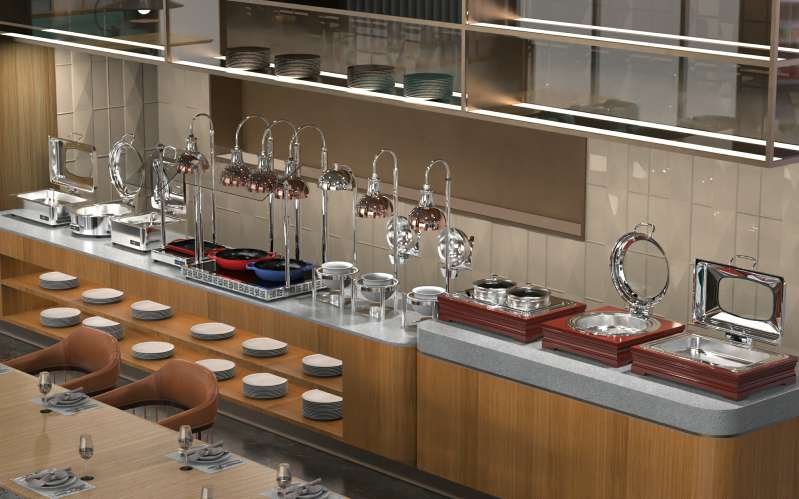
Mini Chafing Dish for Breakfast Buffet & Condiment Stations
Discover the best Mini Chafing Dish for Breakfast Buffet & Condiment Stations solutions. Real case s...
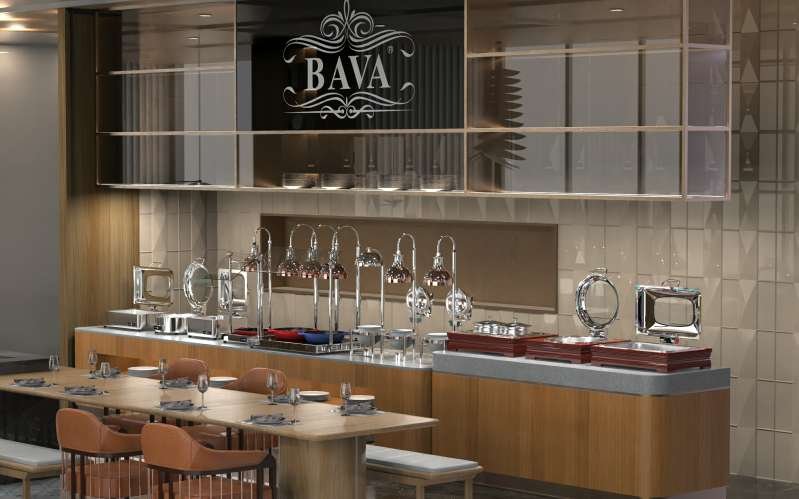
9QT Extra-Large Chafing Dish for Large-Scale Banquet Events
Discover the best 9QT Extra-Large Chafing Dish for Large-Scale Banquet Events solutions. Real case s...
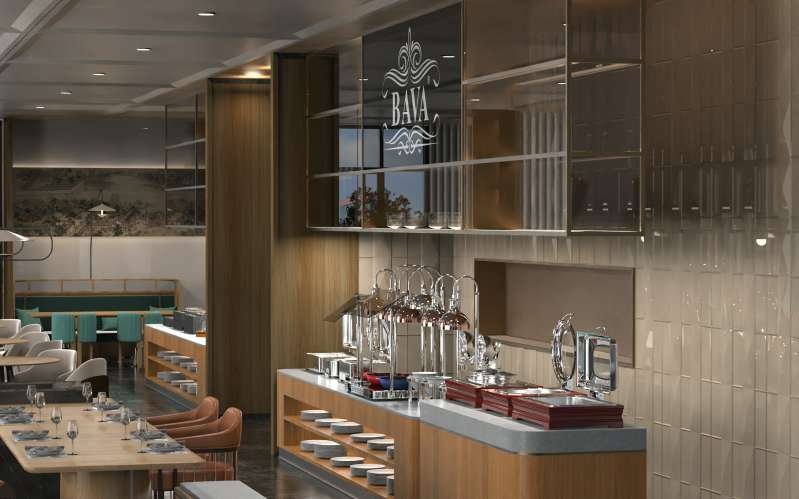
Wall-Mounted Buffet Stove for Space-Saving Kitchen Layouts
Discover the best Wall-Mounted Buffet Stove for Space-Saving Kitchen Layouts solutions. Real case st...

Stainless Steel Food Warmer for Supermarket Deli Departments
Discover the best Stainless Steel Food Warmer for Supermarket Deli Departments solutions. Real case ...

Commercial Chafer Dish with Temperature Control for Food Safety
Discover the best Commercial Chafer Dish with Temperature Control for Food Safety solutions. Real ca...