
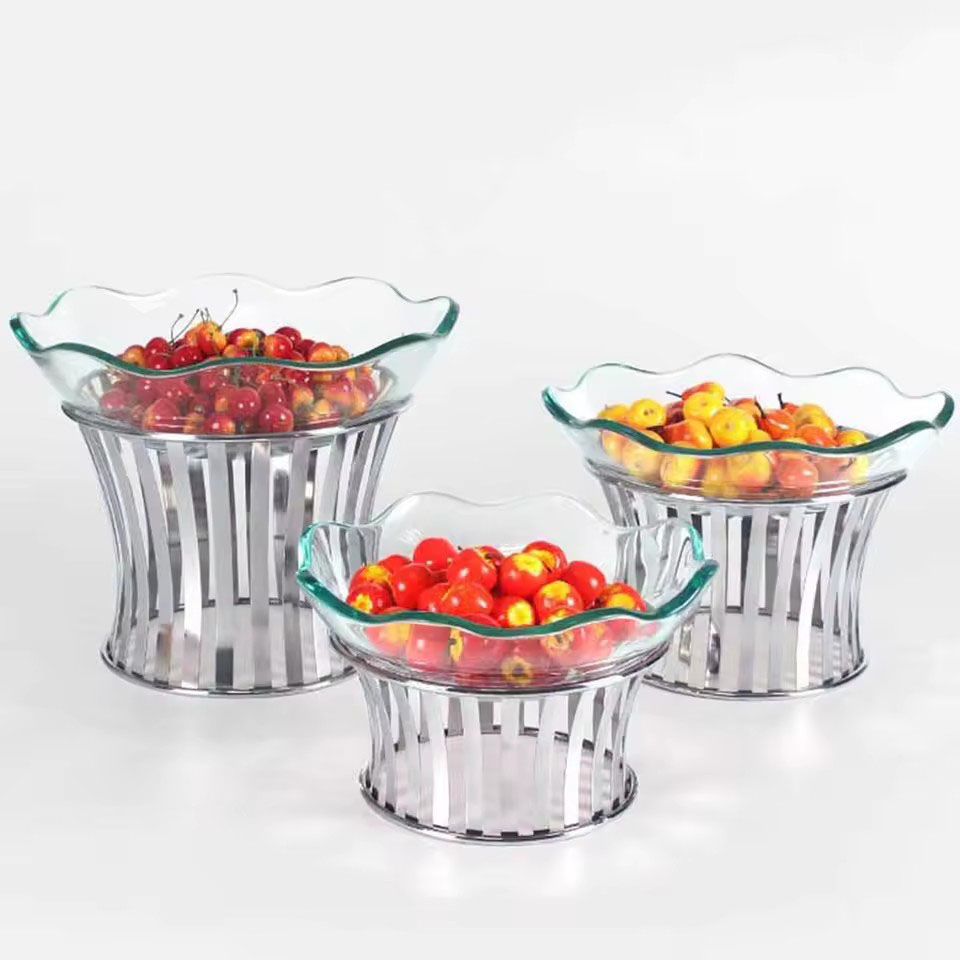
How to Choose the Perfect Chafing Dish for Your Next Event
Event type fundamentally shapes chafing dish requirements, with formal banquets demanding different equipment than casual backyard gatherings. Understanding how event characteristics influence equipment needs ensures appropriate selection that serves guests effectively while managing budget constraints. This guide walks through key decision factors that help match chafing dishes to specific event requirements.
Event Size Determines Capacity
Guest count drives capacity requirements, with each chafing dish serving approximately twenty to thirty guests depending on serving sizes and menu variety. Guest count guides capacity selection. More guests need more equipment.
Service duration affects fuel requirements and potentially the number of units needed, with longer events requiring more fuel reserves and possibly additional backup units. Duration influences fuel planning. Extended service needs more resources.
Menu variety determines how many different food items require hot holding simultaneously, with diverse menus needing multiple chafing dishes for each hot item. Menu variety affects unit count. Multiple dishes need multiple units.
Formal vs. Casual Events
Formal occasions benefit from elegant equipment that enhances table presentation, with polished or mirror-finish chafing dishes contributing to upscale atmosphere. Elegant equipment serves formal needs. Presentation matters for upscale events.
Catering professionals serving formal events invest in premium equipment that reflects service quality, understanding that visible equipment represents their business. Professional presentation represents service quality. Visible equipment reflects business standards.
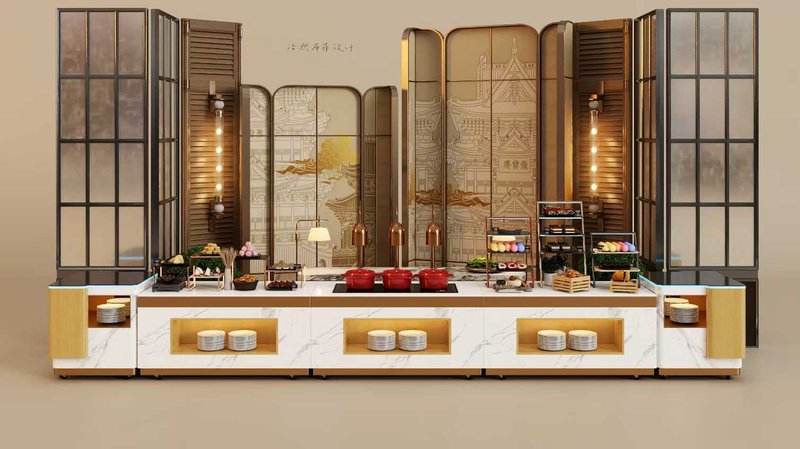
Casual events tolerate simpler equipment without presentation concerns, with budget-friendly options serving functional needs without unnecessary expense. Casual events tolerate simpler equipment. Function matters more than presentation.
Space Considerations
Venue constraints limit chafing dish placement and size options, with some venues offering limited table space that restricts equipment footprint. Space constraints limit options. Venue restrictions affect placement.
Buffet layout determines how many units fit in available space, with strategic placement maximizing service efficiency while maintaining guest flow. Layout affects placement efficiency. Strategic arrangement serves guests well.
Clearance requirements around each unit for serving access and maintenance affect how many dishes can fit in given space. Access clearance limits density. Serving needs space around units.
Temperature Requirements
Food safety regulations require maintaining hot food above one hundred forty degrees Fahrenheit, with reliable equipment ensuring consistent temperatures throughout service. Food safety demands temperature maintenance. Reliable equipment protects guests.
Some menu items benefit from specific temperature ranges that standard equipment may not precisely deliver, with specialized units addressing unique holding requirements. Specific items need specific temperatures. Specialized units serve unique needs.
Featured Chafing Dish Products
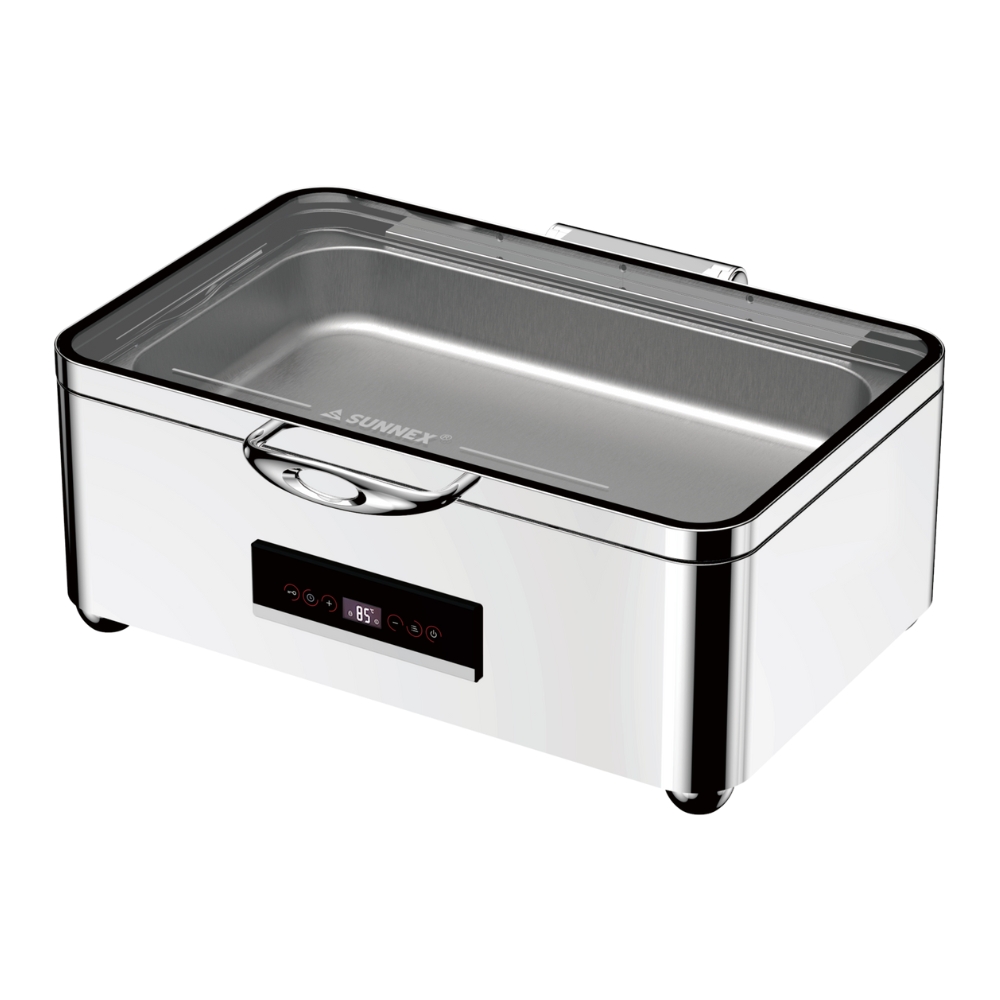
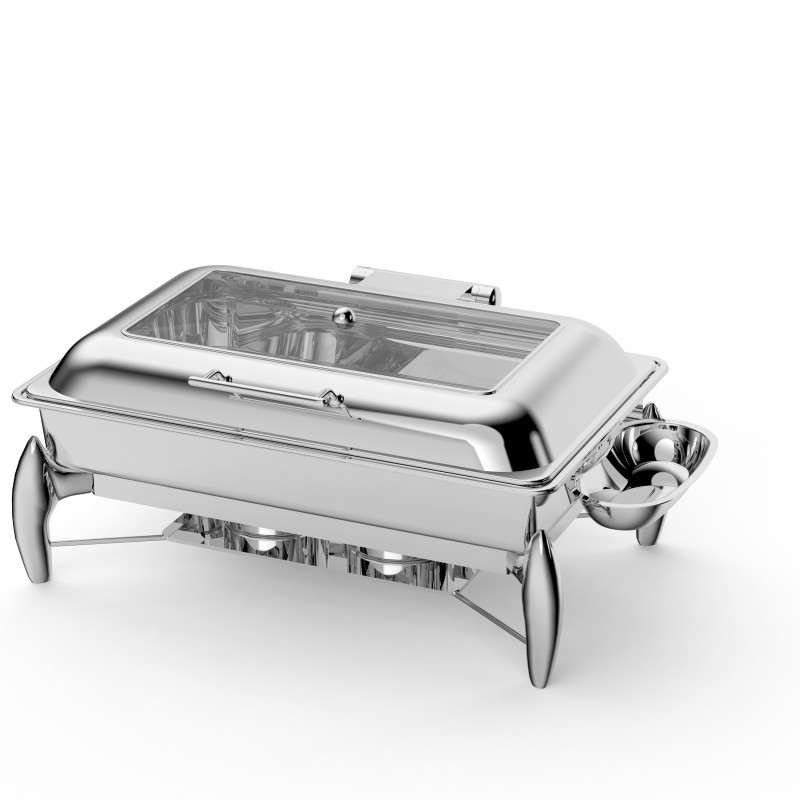
Full Size 11L Electric Chafer
Full Size 11L Electric Chafer provides the reliable performance that professional caterers depend on. Consistent temperature maintenance and durable construction serve demanding event requirements.
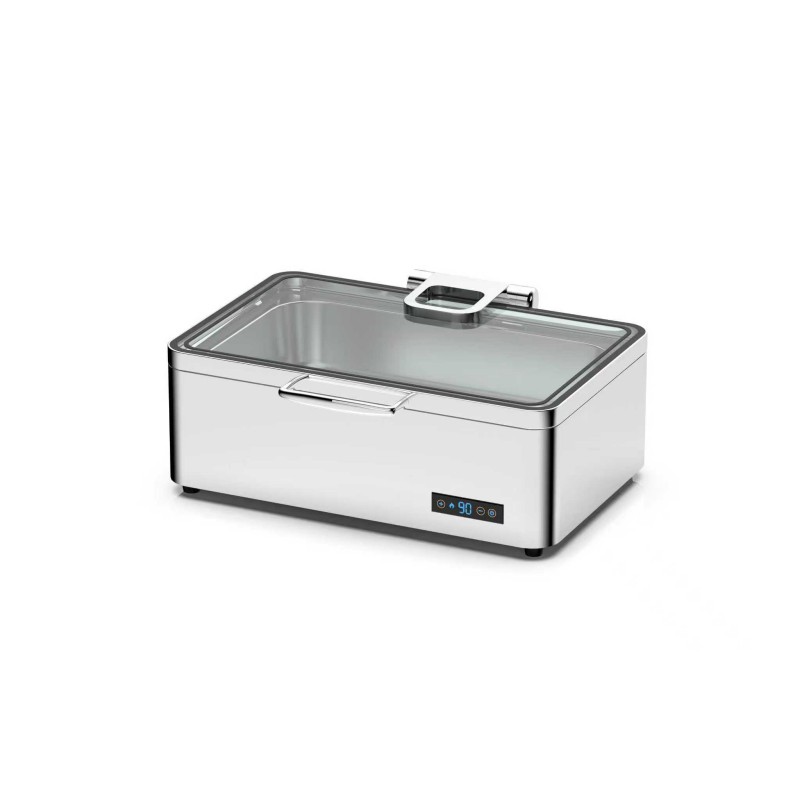
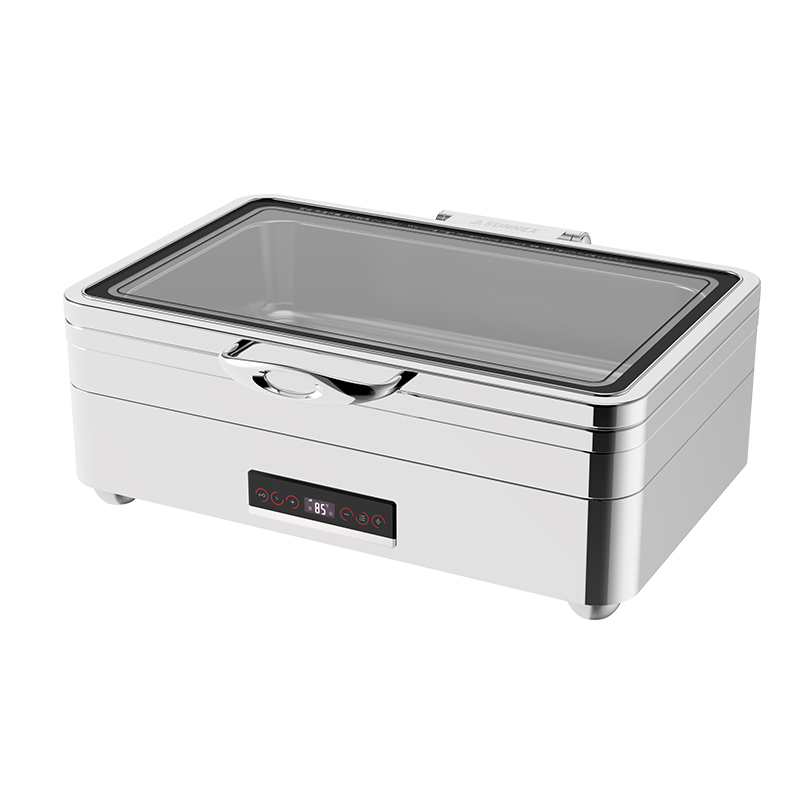
Electric Chafing Dish-BA
Electric Chafing Dish-BA offers the quality construction that frequent users require. Professional-grade materials and thoughtful design handle repeated use without degradation.
Service style influences whether units need covers during serving or can operate open, with some events benefiting from covers that maintain temperature between service periods. Cover needs depend on service style. Serving patterns guide cover requirements.
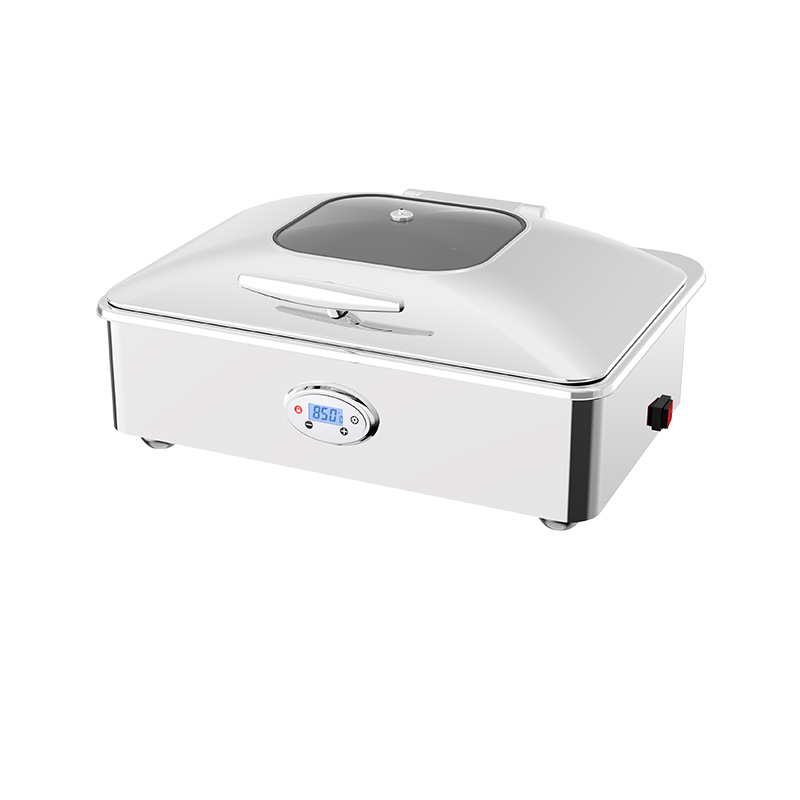
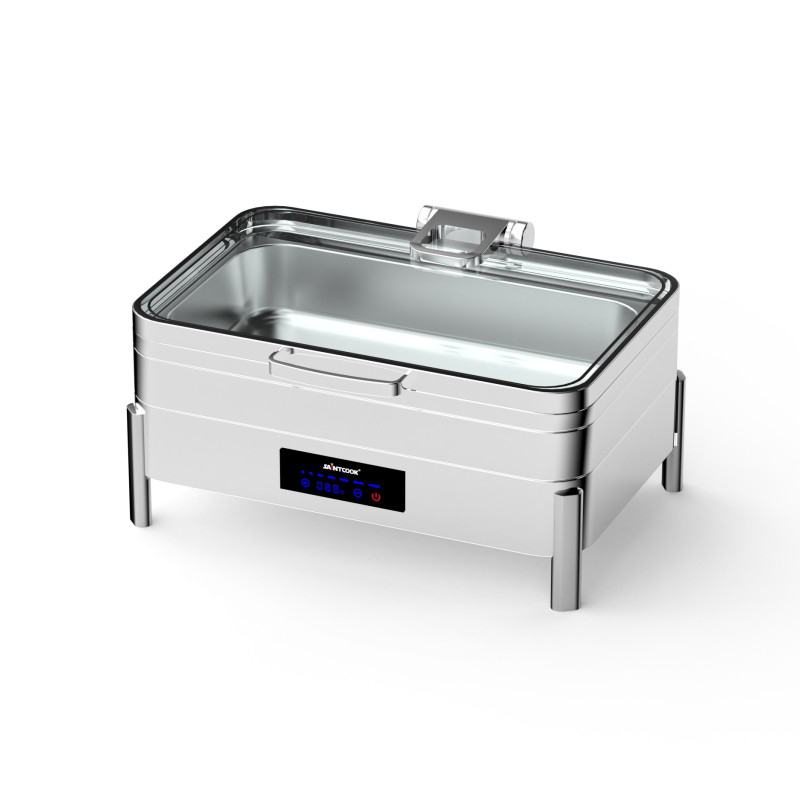
Electric Chafing Dish-W37
Electric Chafing Dish-W37 combines elegant appearance with practical functionality for events where presentation matters. Visual appeal enhances atmosphere while reliable performance ensures food quality.
Power vs. Fuel Options
Electric chafing dishes offer precise temperature control and eliminate fuel handling concerns, though they require nearby electrical outlets. Electric options offer precision. Power availability limits electric use.
Gel fuel units provide mobility and independence from electrical infrastructure, making them suitable for outdoor events and venues without convenient power. Fuel units provide mobility. Outdoor events benefit from independence.
Some venues restrict fuel use due to fire codes or ventilation limitations, with electric options becoming necessary in those situations. Code restrictions affect fuel options. Venue requirements limit choices.
Transport and Logistics
Equipment that needs transporting requires consideration of vehicle capacity and loading logistics, with heavier units requiring appropriate transport resources. Transport requirements affect selection. Vehicle capacity limits equipment size.
Setup and breakdown time influences equipment practicality, with simpler designs reducing labor requirements for events with limited setup windows. Setup time affects practicality. Simple designs reduce labor.
Storage between events requires adequate space, with stackable units simplifying storage requirements for operators with limited space. Storage needs affect practical selection. Stackable designs help storage.
Budget Alignment
Rare events justify rental rather than purchase, with rental costs below storage and maintenance expenses for equipment used infrequently. Rental suits rare events. Cost below storage for occasional use.
Regular events warrant purchase calculations comparing rental costs against purchase and maintenance expenses over expected equipment lifespan. Purchase math favors regular events. Per-use cost comparison guides decision.
Quality investment should scale with usage frequency, with heavy-use scenarios benefiting from premium equipment that resists wear and maintains appearance. Heavy use justifies quality investment. Durable equipment serves frequent users.
Menu Planning Connection
Menu composition affects temperature requirements, with some dishes needing higher heat levels than standard chafing dishes deliver. Menu affects temperature needs. Specific dishes need specific heat.
Sauce and gravy holding requires units with better temperature precision, as these items suffer quality degradation more quickly than solid foods. Sauces need precise temperatures. Holding quality matters for liquids.
Dessert holding uses different equipment than hot food, with specialized units addressing dessert-specific temperature requirements. Desserts need different equipment. Specialized holding serves specific items.
Theme and Aesthetics
Event themes influence equipment selection, with rustic events favoring different aesthetics than elegant formal gatherings. Theme affects aesthetic selection. Event style guides appearance choice.
Color coordination matters for events with specific color schemes, with some manufacturers offering units in various finishes beyond standard stainless. Color options enable coordination. Finish variety serves themed events.
Presentation style shapes whether units sit directly on tables or on decorative stands, with elevated displays requiring compatible equipment designs. Presentation affects equipment placement. Stand compatibility shapes selection.
Service Staff Considerations
Staff experience level influences equipment complexity tolerance, with trained professionals managing sophisticated units while casual events need simpler equipment. Staff skill affects complexity. Simple equipment suits casual operators.
Service staff count affects how many units one person can manage, with understaffed events benefiting from simpler equipment requiring less attention. Staffing affects practical unit count. Attention requirements influence selection.
Training time for unfamiliar equipment may exceed available preparation time, with familiar equipment ensuring confident service delivery. Training needs affect equipment selection. Familiar equipment ensures confident service.
Backup Planning
Critical food items warrant backup equipment availability, with backup units preventing service failures when primary equipment has problems. Critical items need backup. Contingency prevents disasters.
Extra fuel and spare parts prevent mid-event service disruptions, with prudent operators maintaining emergency supplies. Extra supplies prevent disruptions. Emergency preparedness serves guests.
Backup power solutions for electric units address power failure risks that fuel units avoid entirely. Power backup addresses risks. Contingency planning prevents failures.
Conclusion
Perfect chafing dish selection considers event size, formality, space, temperature requirements, budget, and aesthetic needs. The right equipment for formal banquets differs significantly from casual gathering requirements. Careful assessment of event characteristics ensures purchasing or rental decisions that serve guests effectively while managing costs appropriately. Professional caterers benefit from quality investment while occasional hosts can select more economical options matching their actual usage patterns.
Related Articles
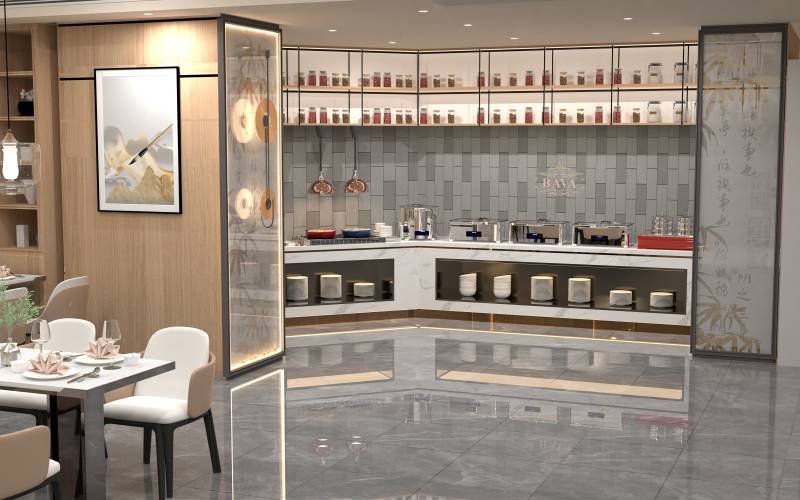
Electric Buffet Warmer with Adjustable Thermostat for Restaurants
Discover the best Electric Buffet Warmer with Adjustable Thermostat for Restaurants solutions. Real ...
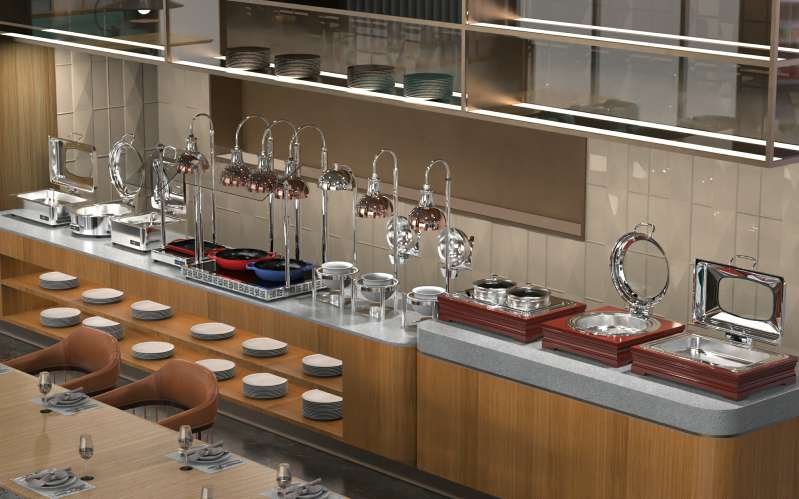
Mini Chafing Dish for Breakfast Buffet & Condiment Stations
Discover the best Mini Chafing Dish for Breakfast Buffet & Condiment Stations solutions. Real case s...
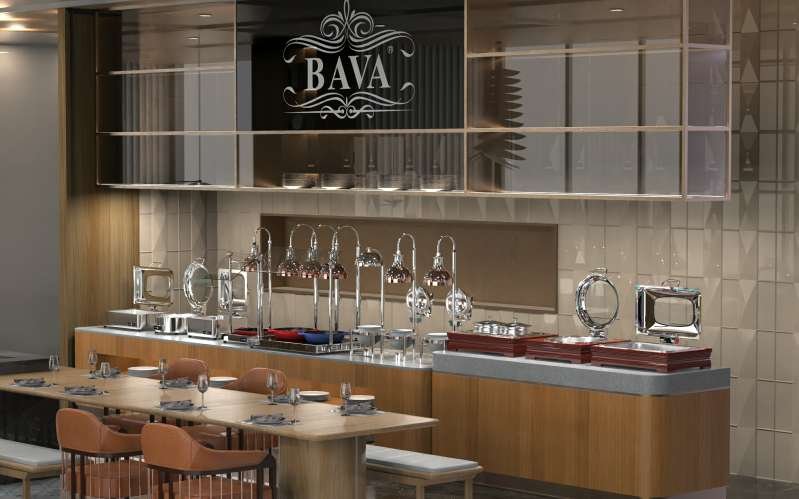
9QT Extra-Large Chafing Dish for Large-Scale Banquet Events
Discover the best 9QT Extra-Large Chafing Dish for Large-Scale Banquet Events solutions. Real case s...
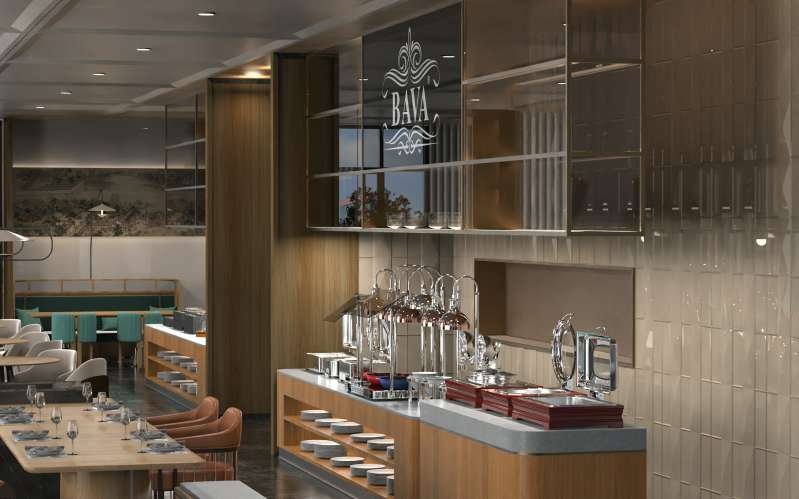
Wall-Mounted Buffet Stove for Space-Saving Kitchen Layouts
Discover the best Wall-Mounted Buffet Stove for Space-Saving Kitchen Layouts solutions. Real case st...
Stainless Steel Food Warmer for Supermarket Deli Departments
Discover the best Stainless Steel Food Warmer for Supermarket Deli Departments solutions. Real case ...
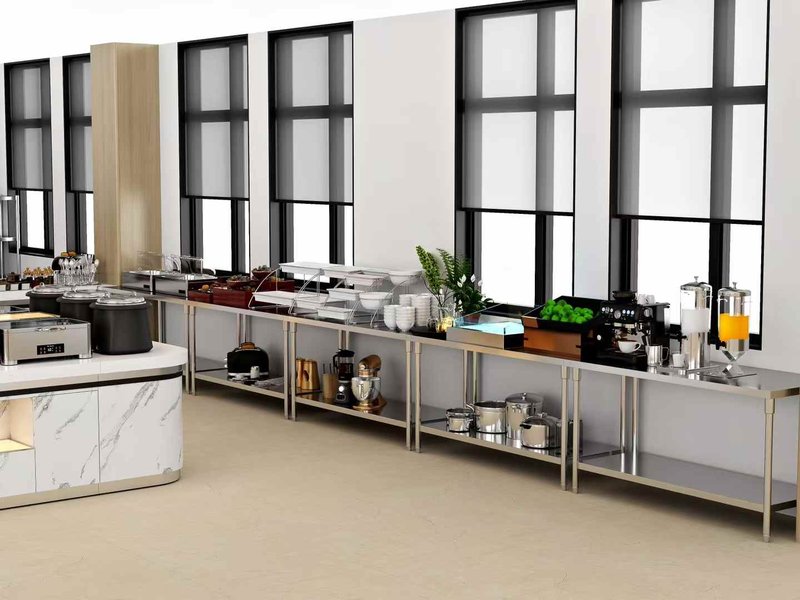
Commercial Chafer Dish with Temperature Control for Food Safety
Discover the best Commercial Chafer Dish with Temperature Control for Food Safety solutions. Real ca...