
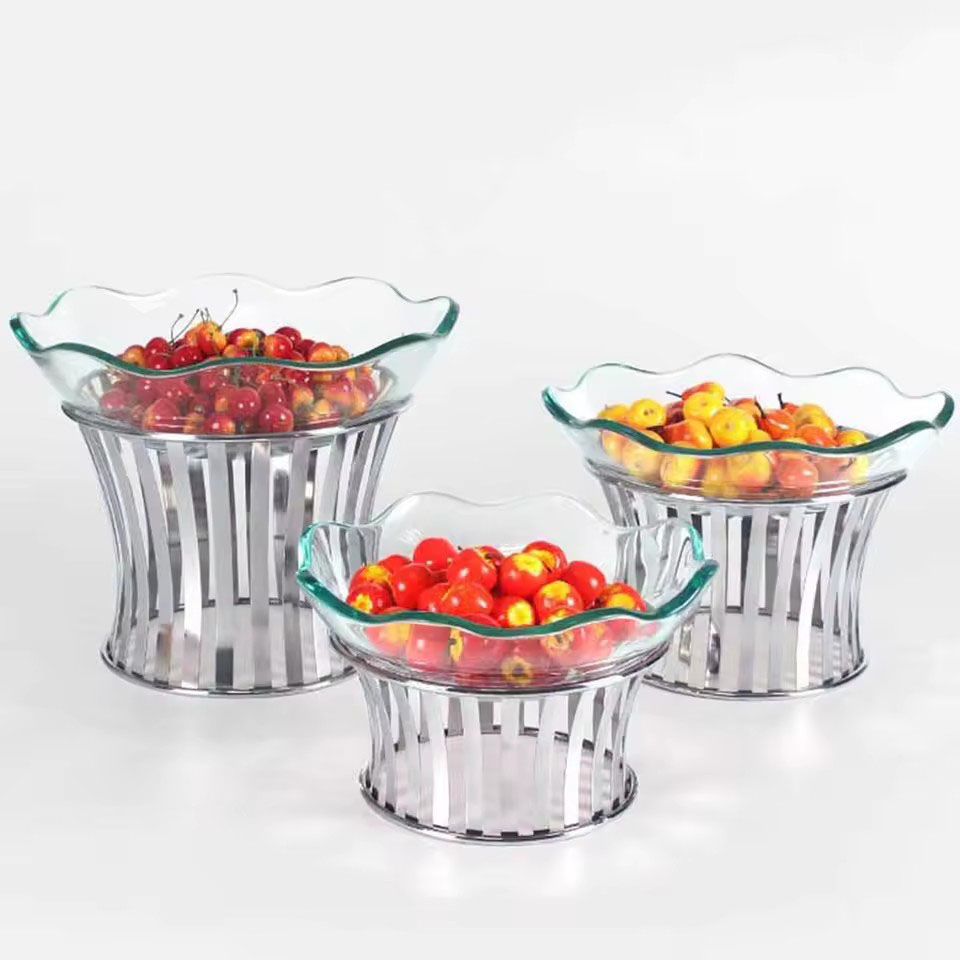
How to Set Up a Buffet with Chafing Dishes: Step-by-Step
Proper buffet setup transforms catering equipment into an organized dining experience that serves guests efficiently while maintaining food quality throughout service periods. Systematic preparation prevents the chaos that disorganized setups create, ensuring smooth operations that guests experience as seamless hospitality. This step-by-step guide walks through the complete setup process from venue assessment through final positioning.
Venue Assessment Before Setup
Evaluating available space determines how many chafing dishes fit comfortably while maintaining adequate guest flow between serving stations. Measuring available tables and clearances before transport prevents arrival surprises that time constraints cannot accommodate. Advance measurement prevents setup problems. Knowing space enables planning.
Identifying power outlet locations for electric units or ventilation for fuel-powered equipment ensures appropriate placement that serves event needs. Power and ventilation location affects placement. Infrastructure determines positioning options.
Checking surface stability for each setup location prevents wobbling equipment that creates safety concerns and service difficulties. Stable surfaces prevent dangerous wobbling. Surface check protects safety.
Equipment and Supply Gathering
Creating comprehensive equipment lists ensures nothing essential gets left behind during loading. Checklists organized by setup stage catch omissions that rushed preparation misses. Organized checklists catch omissions. Stage-based lists ensure complete preparation.
Verifying equipment function before loading prevents discovering problems at the venue when replacement options do not exist. Pre-event testing catches problems early. Function verification prevents venue discoveries.
Organizing supplies by setup sequence speeds venue work, with items loaded in reverse order of use appearing first when unloading. Reverse-order loading speeds setup. Organized supplies reduce venue time.
Setting Up Chafing Dish Stands
Positioning stands before placing food pans enables adjustment without the weight and complexity that loaded pans add. Empty stand positioning allows easy leveling. Weight-free adjustment simplifies alignment.
Checking stand stability by gentle pressure testing identifies wobbling equipment before it affects service. Pressure testing catches instability. Early identification enables correction.
Ensuring adequate clearance around each stand for serving access and maintenance during service prevents crowding that complicates operations. Clear access prevents service crowding. Adequate space serves operations.

Water Pan Preparation
Filling water pans with filtered water before placing on stands prevents spills and ensures proper water levels from the start. Pre-fill reduces spill risks. Filtered water prevents mineral buildup.
Using the correct water level, typically one to two inches, provides optimal heat distribution without overflow risks during heating. Correct levels optimize heat transfer. Appropriate depth prevents overflow.
Adding a small amount of vinegar to hard water areas prevents the scale buildup that affects heat transfer over multiple events. Vinegar addition prevents scale. Soft water transfers heat better.
Fuel System Setup
Installing fuel cans before placing food pans enables access without reaching over loaded equipment. Fuel-first installation prevents awkward reaching. Clear access simplifies fuel handling.
Checking fuel levels and having backup cans readily available prevents mid-service fuel exhaustion that creates service chaos. Backup fuel prevents mid-service problems. Adequate supply ensures continuous operation.
Lighting burners before food loading begins starts temperature recovery while final food preparation continues. Early burner lighting starts recovery. Warm water serves food faster.
Food Pan Loading
Bringing food to near-serving temperature before pan loading prevents the dangerous temperature recovery period that cold food creates. Hot food loads safely. Pre-heated food protects service.
Placing food pans in centers before adjusting final position enables food distribution that serving patterns follow naturally. Center placement guides serving flow. Natural arrangement serves guests efficiently.
Covering food pans until just before service prevents cooling while maintaining the preheating that loaded units provide. Pre-service covers retain heat. Covered pans maintain temperature.
Featured Chafing Dish Products
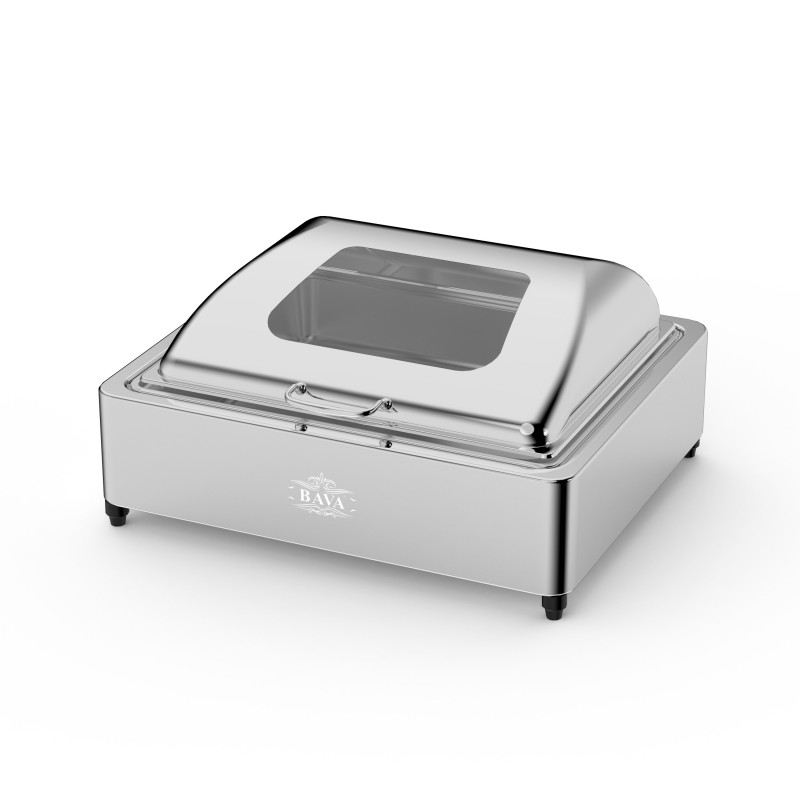
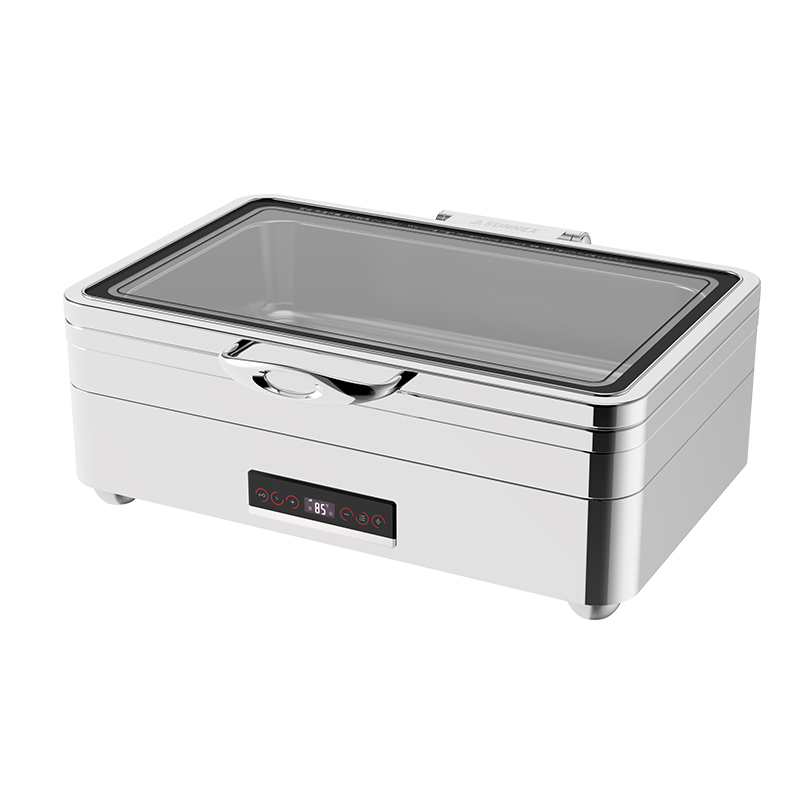
Electric Chafing Dishes-StoveMaster Series
Electric Chafing Dishes-StoveMaster Series provides reliable performance when setup follows proper procedures. Professional equipment rewards careful preparation with consistent results.
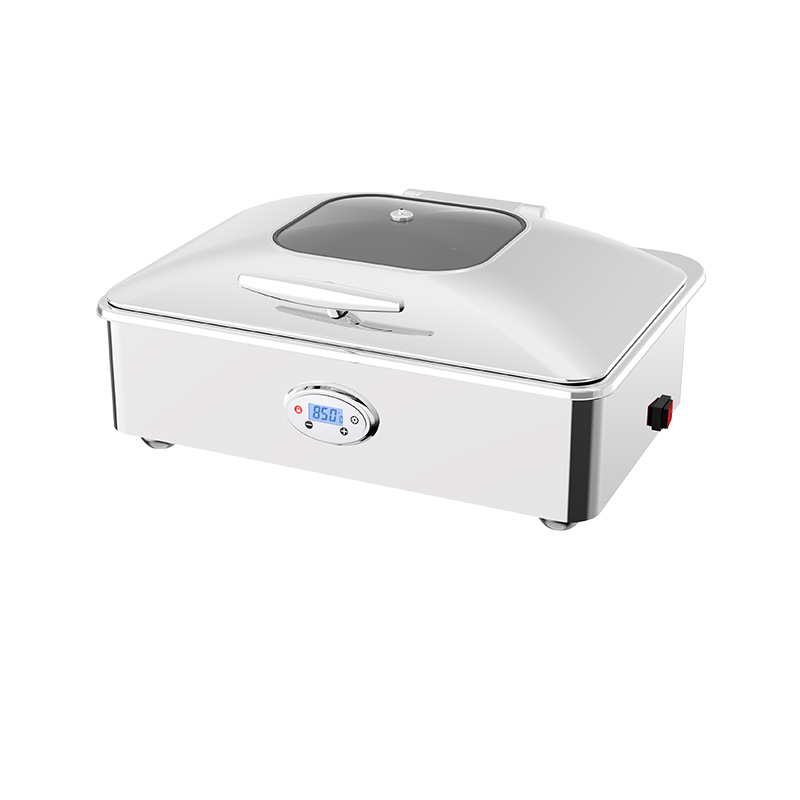
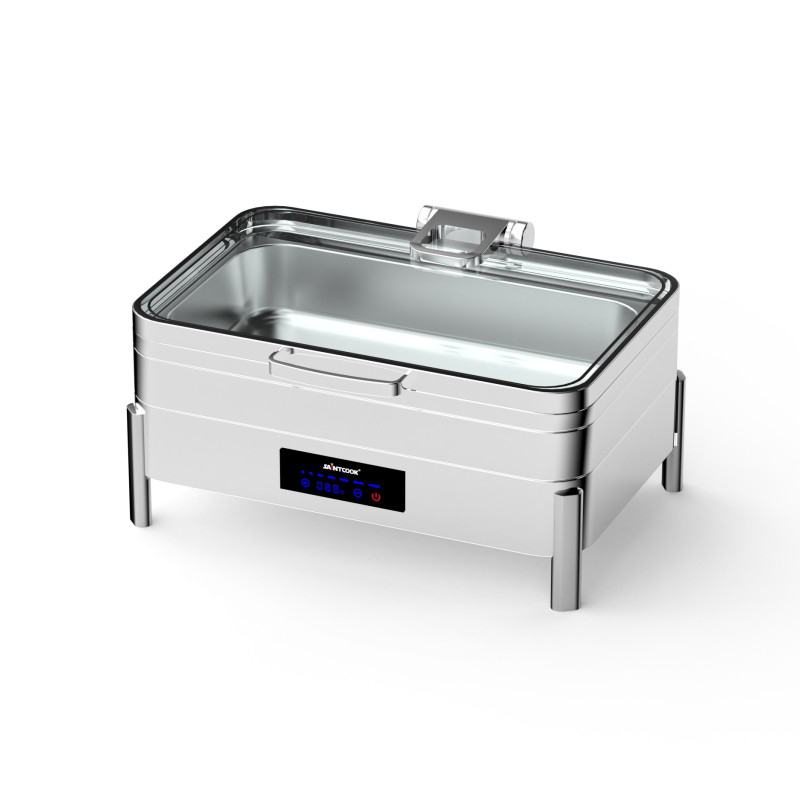
Electric Chafing Dish-W37
Electric Chafing Dish-W37 demonstrates how quality construction supports proper setup procedures. Professional design handles the demands of careful buffet operations.

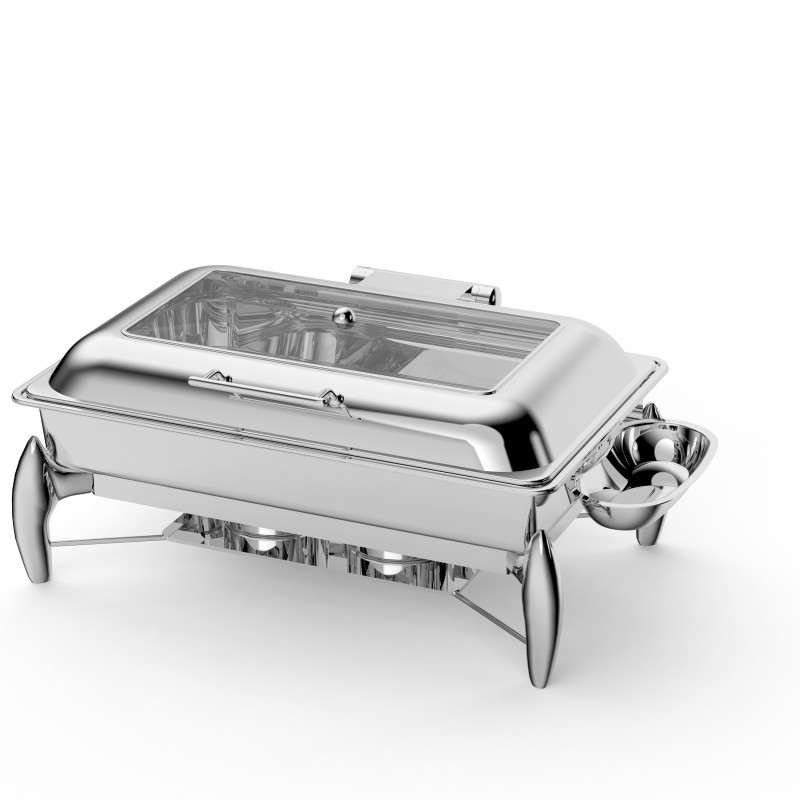
Stainless Steel Alcohol Fuel Buffet Chafing Dish
Stainless Steel Alcohol Fuel Buffet Chafing Dish illustrates how durable equipment serves demanding buffet environments. Quality materials withstand repeated setup and service cycles.
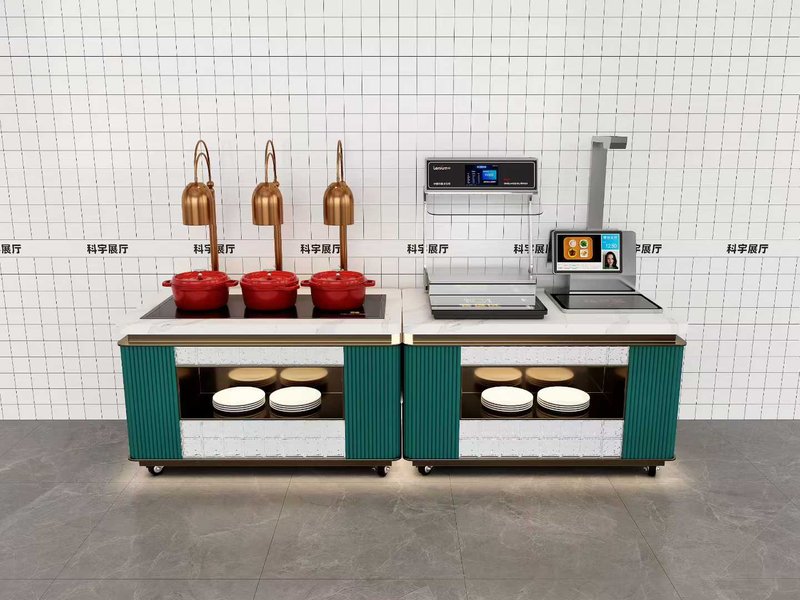
Temperature Verification
Using calibrated thermometers to verify water pan temperatures ensures units reach the operating temperatures that food safety requires. Thermometer verification confirms safe temperatures. Accurate reading protects food safety.
Checking multiple locations across water pan surfaces identifies hot or cold spots that affect food temperature uniformity. Multiple checks reveal uneven heating. Surface variation affects food safety.
Recording starting temperatures provides reference for monitoring throughout service, with significant drops signaling problems requiring attention. Starting records enable service monitoring. Reference points reveal problems.
Buffet Layout Organization
Grouping chafing dishes by menu course creates intuitive serving flow that guests follow naturally. Course grouping guides serving. Intuitive arrangement serves efficiently.
Placing beverage stations away from hot equipment prevents congestion that mixing creates. Beverage separation prevents serving bottlenecks. Dedicated space improves flow.
Positioning serving utensils in consistent locations across all chafing dishes enables guests to locate tools easily without searching. Consistent utensil positioning helps guests. Familiar arrangement serves smoothly.
Dinnerware and Service Supply Placement
Ensuring adequate dinnerware quantities prevents running out during service that guests experience as event failure. Quantity planning prevents shortages. Sufficient supply serves all guests.
Positioning napkin and utensil stations near buffet entry provides convenient access before guests begin serving themselves. Entry-adjacent supplies serve conveniently. Early access prevents downstream crowding.
Having backup supplies staged nearby enables quick restocking without service disruption. Nearby backup enables rapid restocking. Prepared backup prevents service interruption.
Signage and Menu Display
Creating clear menu cards identifying each dish helps guests make informed selections while reducing staff questions about contents. Clear identification serves guests. Menu cards reduce staff questions.
Indicating dietary information including vegetarian, gluten-free, or allergen contents protects guests with specific requirements. Dietary labeling protects vulnerable guests. Clear information enables safe choices.
Professional signage presentation elevates buffet appearance while supporting event theme consistency. Professional presentation elevates atmosphere. Themed signage supports event character.
Service Staff Positioning
Assigning specific chafing dish monitoring responsibilities ensures continuous attention throughout service periods. Assigned monitoring ensures coverage. Specific responsibility prevents gaps.
Positioning staff to assist guests with serving questions prevents equipment confusion that disrupts flow. Staff accessibility helps guests. Assisting prevents service disruption.
Briefing staff on menu details and handling procedures ensures consistent guest interaction regardless of which team member guests approach. Consistent briefing enables consistent answers. Team preparation serves guests uniformly.
Final Setup Verification
Walking the complete buffet layout from guest entry perspective identifies flow problems before service begins. Entry-perspective review catches problems. Advance identification enables correction.
Testing guest traffic flow by simulating service movements reveals congestion points that actual service would expose. Traffic simulation identifies bottlenecks. Advance testing enables repositioning.
Photographing completed setup provides documentation for future events while capturing the visual presentation that guests experience. Setup photographs serve future reference. Visual documentation captures presentation.
Service Period Monitoring
Scheduling regular temperature checks throughout service maintains food safety while identifying problems before they become critical. Regular checks maintain safety. Scheduled monitoring prevents critical failures.
Monitoring food levels and arranging replenishment before pans empty prevents the empty displays that embarrass hosts. Pan-level monitoring prevents empty displays. Proactive replenishment maintains presentation.
Designating cleanup responsibility for any spills or issues maintains professional appearance throughout service. Designated cleanup maintains appearance. Continuous attention preserves presentation.
Conclusion
Systematic buffet setup with chafing dishes follows logical sequence from venue assessment through final verification. Each step builds on previous preparation while establishing the conditions that successful service requires. Proper setup prevents the problems that rushed or disorganized preparation creates, ensuring smooth operations that guests experience as seamless hospitality. The time invested in careful preparation pays returns throughout service through efficient operations and confident execution.
Related Articles
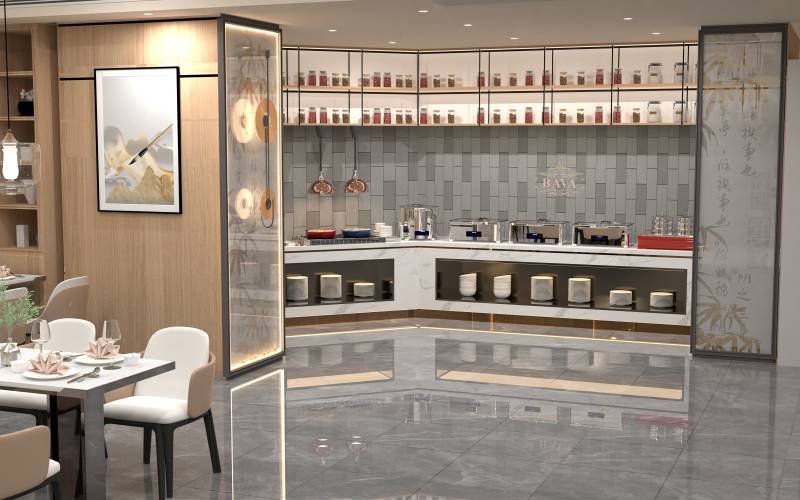
Electric Buffet Warmer with Adjustable Thermostat for Restaurants
Discover the best Electric Buffet Warmer with Adjustable Thermostat for Restaurants solutions. Real ...
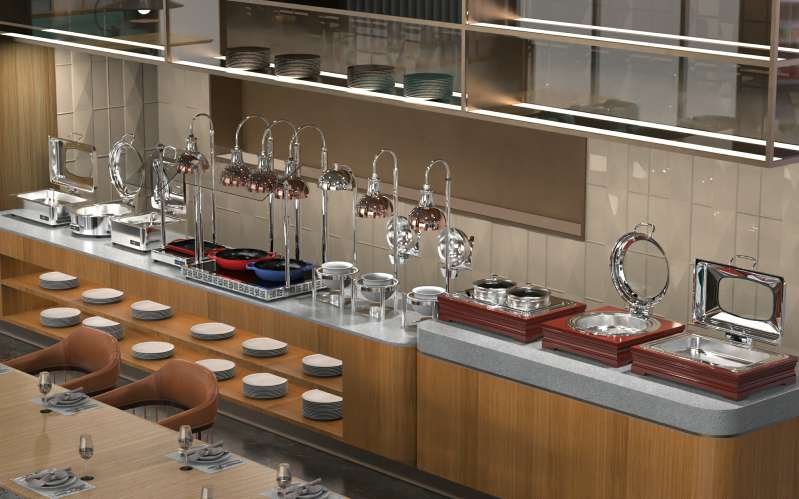
Mini Chafing Dish for Breakfast Buffet & Condiment Stations
Discover the best Mini Chafing Dish for Breakfast Buffet & Condiment Stations solutions. Real case s...
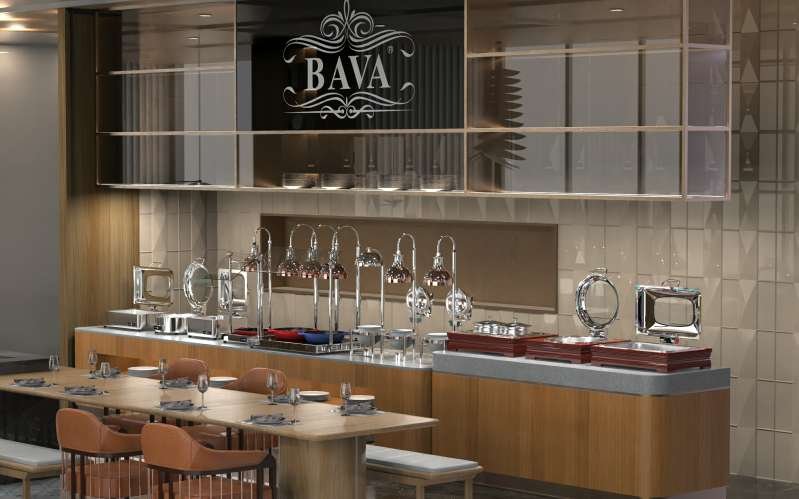
9QT Extra-Large Chafing Dish for Large-Scale Banquet Events
Discover the best 9QT Extra-Large Chafing Dish for Large-Scale Banquet Events solutions. Real case s...
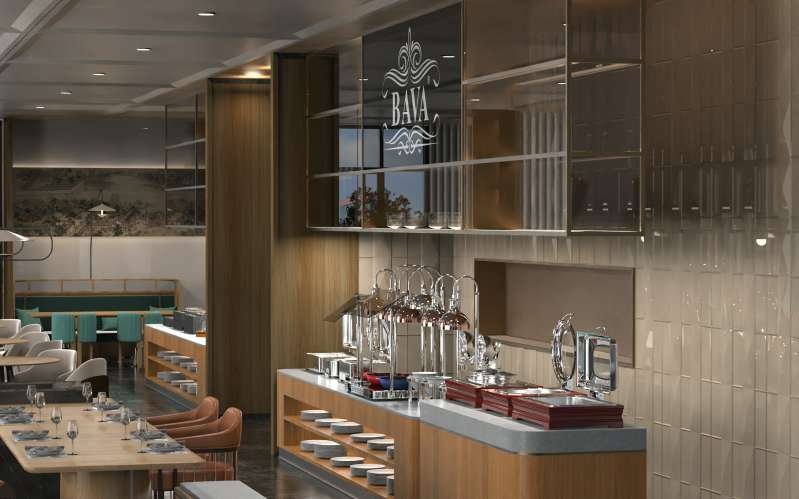
Wall-Mounted Buffet Stove for Space-Saving Kitchen Layouts
Discover the best Wall-Mounted Buffet Stove for Space-Saving Kitchen Layouts solutions. Real case st...
Stainless Steel Food Warmer for Supermarket Deli Departments
Discover the best Stainless Steel Food Warmer for Supermarket Deli Departments solutions. Real case ...
Commercial Chafer Dish with Temperature Control for Food Safety
Discover the best Commercial Chafer Dish with Temperature Control for Food Safety solutions. Real ca...