

Chafing Dish Maintenance: Extend the Life of Your Equipment
Professional chafing dishes represent significant investments for catering businesses, with quality units costing hundreds of dollars each. Regular maintenance protects these investments, extending equipment life while ensuring reliable performance that service quality depends on. Understanding proper care procedures prevents the premature failures that neglect creates, saving replacement costs while maintaining the consistent results that professional operations require.
Daily Maintenance Routines
Post-service cleaning prevents food residue from hardening into difficult-to-remove deposits that accumulate over repeated events. Immediate cleaning after each use removes residues before they set. Fresh residue cleans easily. Caked residue demands effort.
Disassembling all removable components enables thorough cleaning that assembled cleaning cannot achieve. Taking apart water pans, food pans, covers, and stands exposes surfaces that hidden positions protect from cleaning. Complete disassembly enables complete cleaning. Hidden surfaces harbor bacteria.
Using non-abrasive cleaning tools protects polished surfaces that scratching damages permanently. Soft cloths and non-scratch pads clean effectively without the surface damage that steel wool or abrasive cleaners create. Protected surfaces maintain appearance. Abrasive tools cause permanent damage.
Water Pan Care
Draining water completely after each use prevents the mineral deposits that standing water leaves behind. Complete drainage eliminates standing water residue. Empty pans prevent buildup.
Removing mineral deposits with vinegar solutions dissolves scale that affects heat transfer efficiency. Regular descaling maintains heating performance. Scale buildup reduces efficiency.
Inspecting for rust or corrosion identifies problems before they compromise structural integrity. Early identification enables repair or replacement. Corrosion spreads when ignored.

Burner and Fuel System Maintenance
Cleaning burner holes with fine wires clears the clogs that affect flame consistency. Regular unclogging maintains even heating. Clear holes burn evenly.
Inspecting fuel cans for damage or corrosion ensures safe operation that compromised containers cannot guarantee. Damaged containers risk fire hazards. Safety inspection prevents accidents.
Replacing worn gaskets prevents fuel leaks that create fire hazards and waste expensive fuel. Gasket replacement prevents dangerous leaks. Fresh seals ensure safe operation.
Stainless Steel Surface Care
Following grain direction during cleaning maintains the polished appearance that cross-grain scrubbing compromises. Grain-aligned cleaning protects finish. Consistent direction preserves appearance.
Using stainless steel-specific cleaners removes fingerprints and water spots that general cleaners leave behind. Specialized products serve specialized surfaces. Purpose cleaners outperform general alternatives.
Applying protective polishing compounds periodically restores shine that daily use gradually dulls. Regular polishing maintains professional appearance. Protected surfaces resist future soiling.
Storage Best Practices
Ensuring complete drying before storage prevents the moisture damage that trapped water creates during extended storage periods. Complete drying prevents corrosion. Storage-ready equipment requires dry surfaces.
Storing in climate-controlled environments protects equipment from temperature extremes and humidity fluctuations that accelerate deterioration. Climate control extends equipment life. Temperature stability prevents material stress.
Using protective covers prevents dust accumulation and accidental damage during storage. Covered storage protects from debris. Dust-free equipment loads faster.
Featured Chafing Dish Products
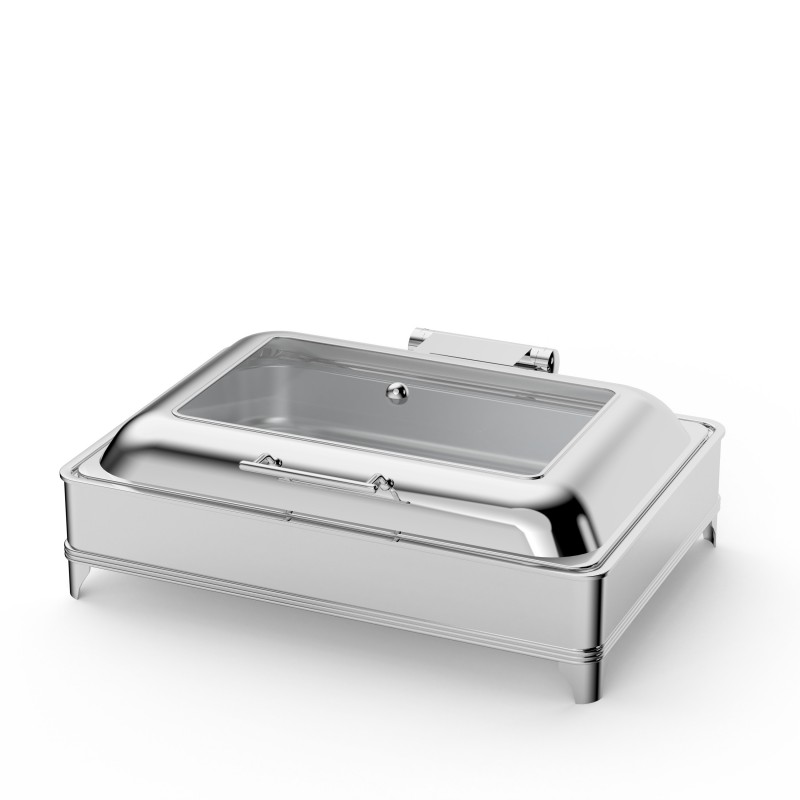
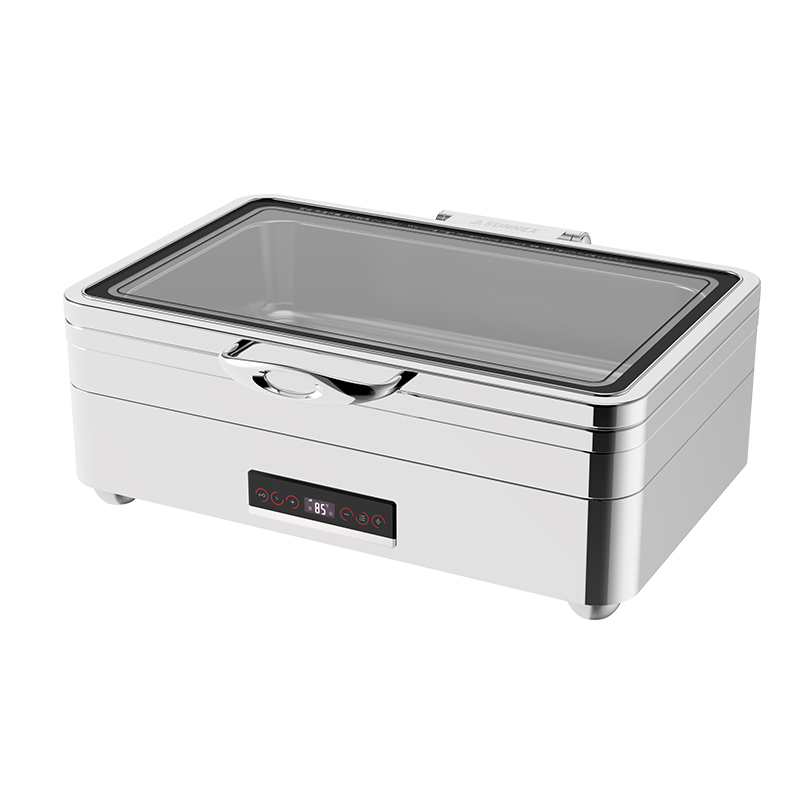
Stainless Steel Electric Buffet Warmer with Visible Window
Stainless Steel Electric Buffet Warmer with Visible Window rewards consistent maintenance with reliable long-term performance. Quality equipment serves businesses well when cared for properly.
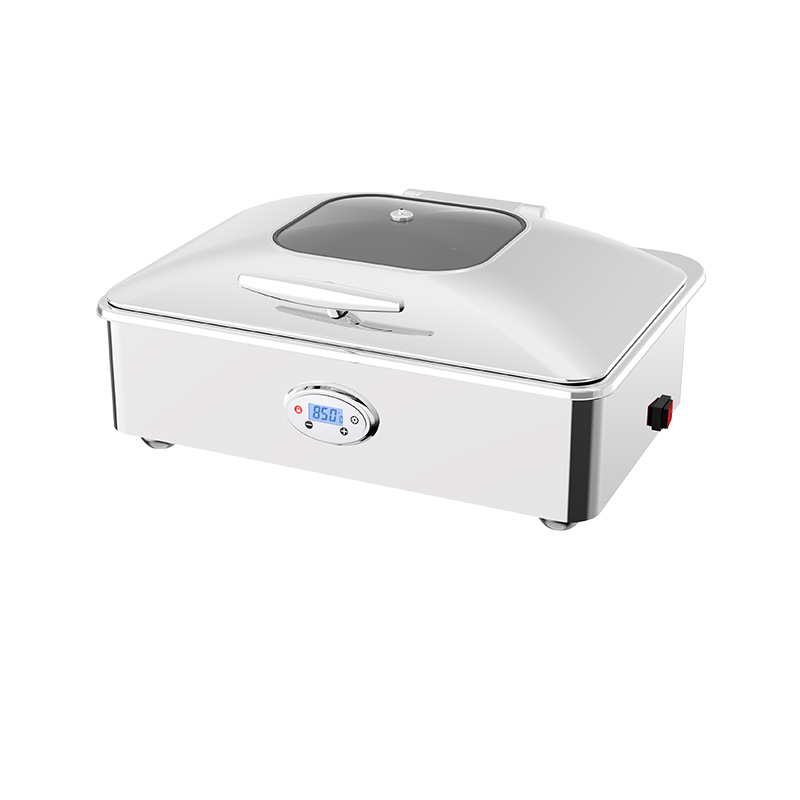
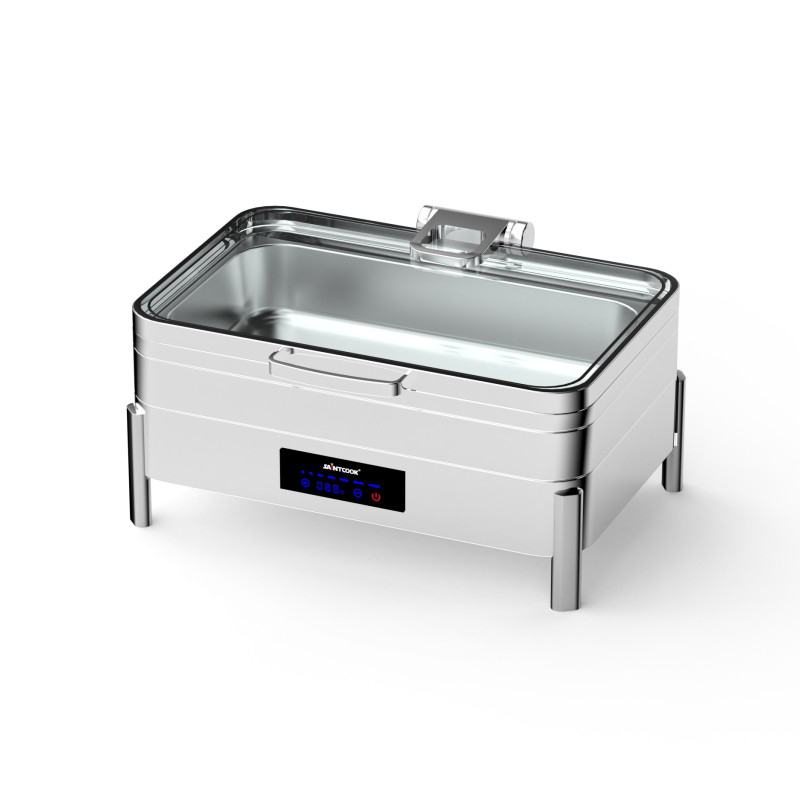
Electric Chafing Dish-W37
Electric Chafing Dish-W37 demonstrates how professional construction withstands demanding use when maintained according to recommended procedures.
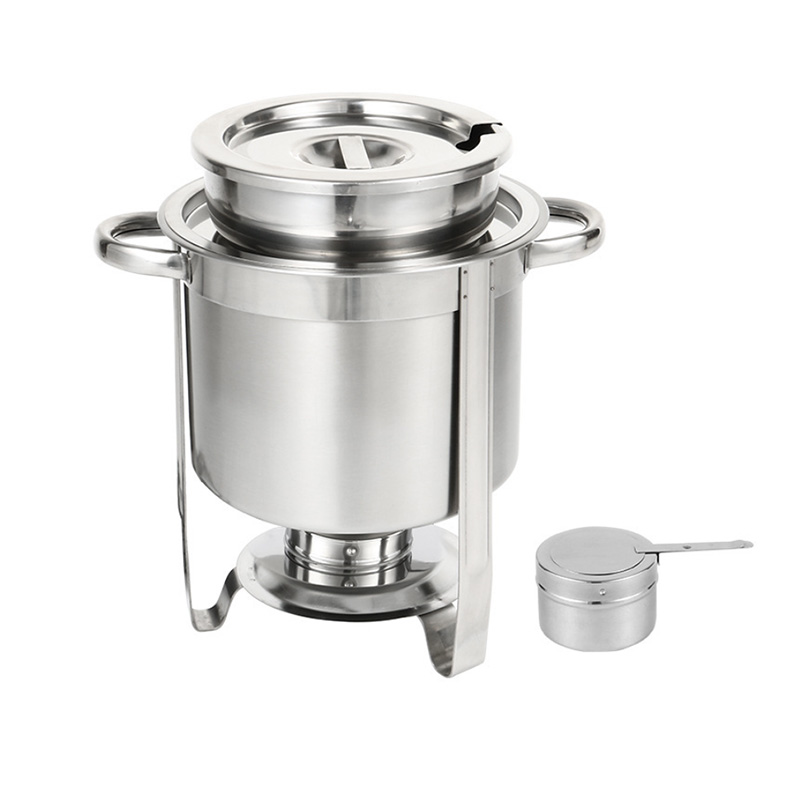
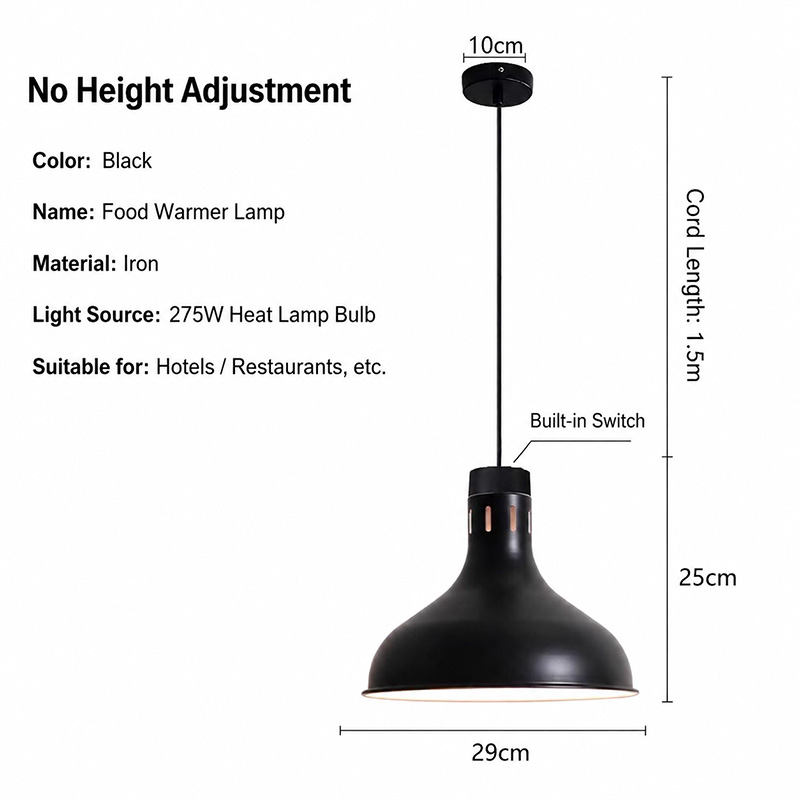
7L Stainless Steel Soup Pot
7L Stainless Steel Soup Pot illustrates how durable materials serve demanding catering environments through proper care and attention.

Periodic Professional Inspection
Scheduling annual professional inspection identifies wear issues that visual examination might miss. Professional assessment reveals hidden problems. Expert evaluation complements regular care.
Replacing wear parts proactively prevents the failures that worn components inevitably create. Preventive replacement avoids emergency failures. Proactive service prevents service disruptions.
Documenting maintenance history tracks equipment condition while informing replacement timing decisions. Maintenance records reveal condition trends. Documented history guides investment decisions.
Handling and Transport Care
Using padded transport containers prevents the impact damage that unprotected movement creates. Padded transport protects investment. Secure containers prevent damage.
Securing equipment during vehicle transport prevents shifting that damages components. Stable loading prevents movement damage. Secure transport protects fragile elements.
Training staff on proper handling procedures ensures everyone treating equipment with appropriate care. Staff training prevents careless damage. Consistent handling protects all equipment.
Seasonal Deep Maintenance
Conducting thorough deep cleaning between peak seasons addresses accumulated wear that regular cleaning cannot manage. Seasonal deep cleaning restores equipment condition. Comprehensive care serves peak performance.
Replacing worn components before high-demand periods prevents failures during critical service times. Pre-season replacement avoids mid-service breakdowns. Prepared equipment serves peak demand.
Inspecting and replacing hardware including screws, hinges, and fasteners maintains structural integrity that loose hardware compromises. Hardware inspection prevents structural failures. Tight hardware ensures safe operation.
Water Quality Considerations
Using filtered water reduces mineral content that affects water pan surfaces and heating efficiency. Filtered water protects equipment. Soft water prevents scale buildup.
Adjusting maintenance frequency to local water hardness ensures care intensity matches actual conditions. Localized care intensity matches conditions. Hard water needs more attention.
Installing water treatment systems for high-volume operations ensures consistent water quality across all locations and events. Treatment systems ensure quality consistency. Consistent water serves consistent results.
Performance Monitoring
Tracking heating performance over time reveals efficiency degradation that maintenance can address. Performance records identify emerging problems. Trend analysis guides intervention timing.
Noting unusual sounds, smells, or behaviors during operation identifies problems requiring attention. Operating observation catches developing issues. Attention to detail prevents failures.
Measuring actual temperatures against expected performance identifies heating system issues before they affect food safety. Temperature verification ensures safe operation. Performance comparison reveals problems.
Budget Planning for Replacement
Setting aside maintenance budget annually ensures funds availability for repairs and professional service. Budget allocation prevents emergency scrambling. Planned spending serves operations.
Understanding equipment lifespan helps plan replacement cycles that prevent operational disruptions. Lifespan knowledge guides planning. Anticipated replacement prevents surprises.
Researching replacement options during stable periods enables informed decisions that urgent needs cannot support. Research during stability enables good decisions. Urgent choices often disappoint.
Staff Training for Maintenance
Creating written maintenance procedures ensures consistent care regardless of which staff members handle equipment. Written procedures ensure consistency. Standardized care protects all equipment.
Demonstrating proper techniques during training embeds good habits that verbal instruction alone cannot establish. Hands-on demonstration builds skill. Visual learning complements reading.
Including maintenance responsibility in job descriptions ensures accountability that unclear roles undermine. Clear responsibility ensures completion. Assigned tasks receive attention.
Conclusion
Chafing dish maintenance directly affects equipment lifespan, performance, and ownership cost. Daily cleaning, periodic deep maintenance, proper storage, and professional inspection combine to protect investments while ensuring reliable operation. The time and resources dedicated to maintenance pay returns through extended equipment life, consistent performance, and reduced replacement costs. Professional catering operations that treat maintenance seriously position themselves for sustainable success through reliable equipment that serves guests dependably.
Related Articles

Electric Buffet Warmer with Adjustable Thermostat for Restaurants
Discover the best Electric Buffet Warmer with Adjustable Thermostat for Restaurants solutions. Real ...
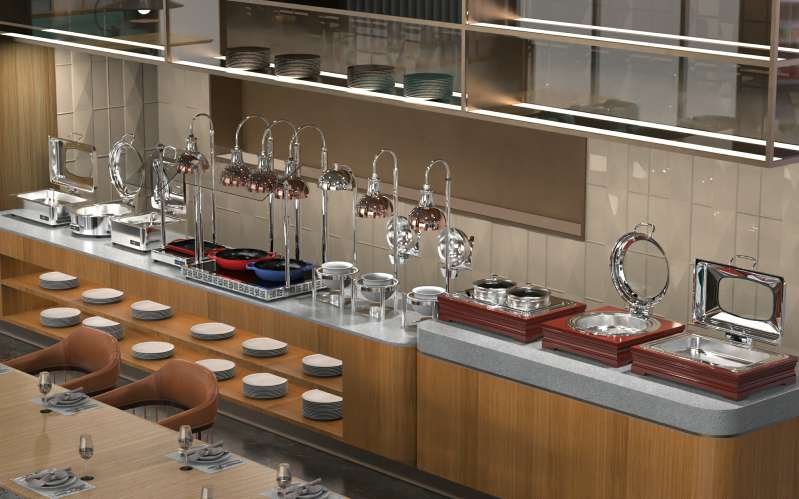
Mini Chafing Dish for Breakfast Buffet & Condiment Stations
Discover the best Mini Chafing Dish for Breakfast Buffet & Condiment Stations solutions. Real case s...

9QT Extra-Large Chafing Dish for Large-Scale Banquet Events
Discover the best 9QT Extra-Large Chafing Dish for Large-Scale Banquet Events solutions. Real case s...

Wall-Mounted Buffet Stove for Space-Saving Kitchen Layouts
Discover the best Wall-Mounted Buffet Stove for Space-Saving Kitchen Layouts solutions. Real case st...

Stainless Steel Food Warmer for Supermarket Deli Departments
Discover the best Stainless Steel Food Warmer for Supermarket Deli Departments solutions. Real case ...

Commercial Chafer Dish with Temperature Control for Food Safety
Discover the best Commercial Chafer Dish with Temperature Control for Food Safety solutions. Real ca...