
What Is a Food Heat Lamp? Complete Buying Guide for 2026
If you have ever walked through a hotel buffet line or attended a catered event and noticed food staying perfectly warm under glowing overhead lights, you have seen a food heat lamp in action. These simple yet essential devices are a staple in commercial food service, keeping dishes at safe serving temperatures while maintaining visual appeal. But what exactly is a food heat lamp, and how do you choose the right one for your business? This guide breaks down everything you need to know.
What Is a Food Heat Lamp?
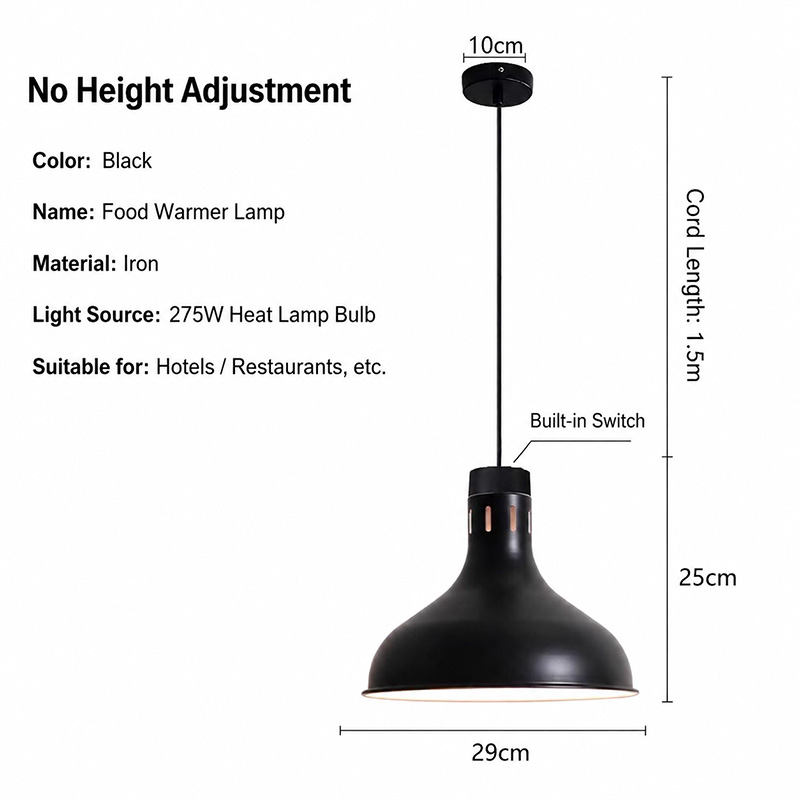
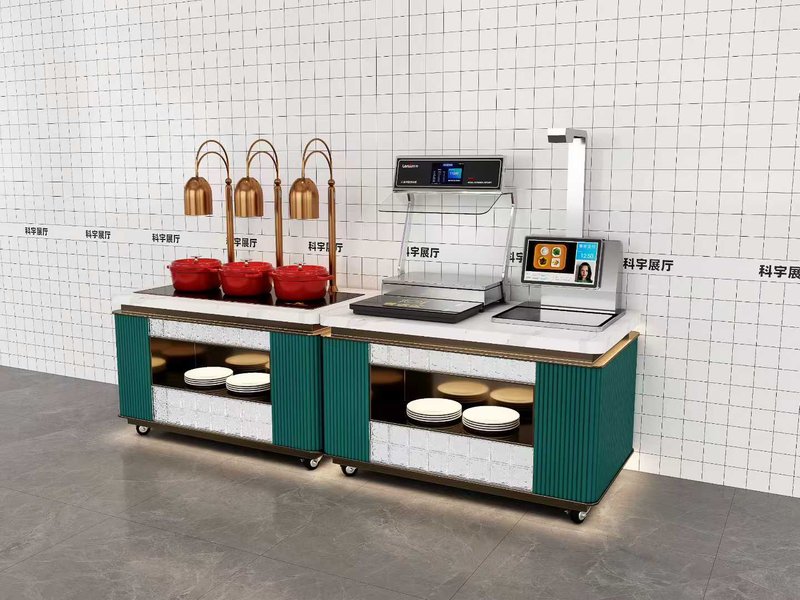
A food heat lamp is a commercial-grade warming device designed to hold prepared food at safe serving temperatures using radiant heat. Unlike steam tables or warming drawers that heat from below, heat lamps direct warmth downward from above, making them ideal for buffet lines, carving stations, and pass-through areas in restaurants.
The core technology is straightforward: an infrared or halogen bulb generates heat, which is reflected downward by a metal housing or shade onto the food below. The operator can adjust the height of the lamp to control heat intensity — closer for more heat, farther for gentler warming. This flexibility makes heat lamps suitable for everything from delicate pastries to thick roasts.
Why Food Heat Lamps Matter
Food safety is the primary reason heat lamps exist. According to food safety guidelines, hot food must be held at or above 140 degrees Fahrenheit (60 degrees Celsius) to prevent bacterial growth. Once food drops below this threshold, it enters the "danger zone" where bacteria multiply rapidly, creating health risks for customers and liability issues for operators.
Beyond safety, heat lamps also protect food quality. Cold french fries, lukewarm soup, or tepid roast beef disappoint customers and damage a restaurant's reputation. A properly positioned heat lamp keeps food at the temperature the chef intended, preserving both flavor and texture.
Finally, heat lamps contribute to presentation. Open buffet setups allow customers to see the food, and a well-lit, warmly glowing display is far more appetizing than food sitting under cold metal covers or in closed warmers.
Types of Food Heat Lamps
Freestanding Single-Head Lamps
The most common type for small to medium operations. These feature a single lamp head mounted on an adjustable arm attached to a weighted base. They are portable, easy to reposition, and cover roughly one to two full-size food pans. Single-head lamps are ideal for carving stations, made-to-order counters, or small buffet spreads.
Multi-Head Lamp Stations
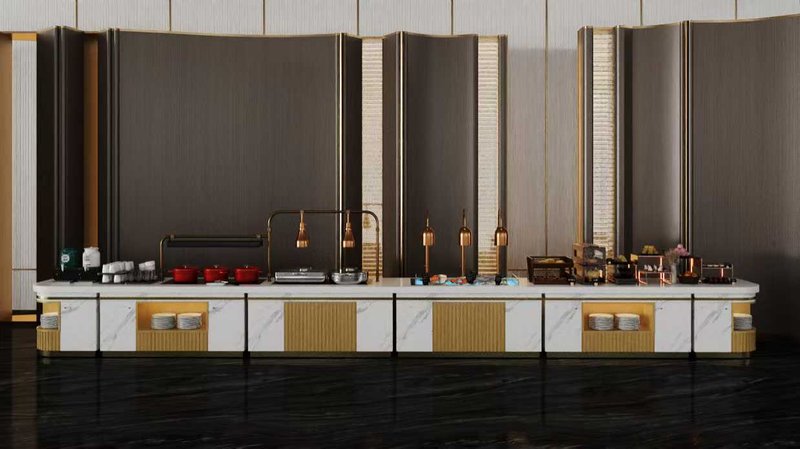
For larger buffet lines or catering events, multi-head stations combine two, three, or more lamp heads on a single frame. These provide consistent coverage across an extended food display, eliminating cold spots and reducing the number of individual units needed. Multi-head stations are popular in hotel buffets, conference centers, and banquet halls.
Ceiling-Mounted and Wall-Mounted Lamps
Permanent installations in high-end restaurants and hotels often use ceiling-mounted or wall-mounted heat lamps. These free up counter space entirely and create a clean, professional look. They are fixed in position and typically wired directly into the building's electrical system, making them a long-term investment rather than a portable solution.
Dual-Insulation Workstations
The most advanced option combines an overhead heat lamp with a heated base plate or warming shelf. This dual-heat approach is particularly effective for dense foods like whole turkeys, hams, or large casseroles that need consistent internal temperature. These workstations are common in institutional food service, high-volume catering, and luxury hotel buffets.
Key Features to Consider When Buying
Heat Output and Wattage
Commercial heat lamps typically range from 250 to 500 watts per head. Higher wattage produces more heat, which is necessary for large food volumes or drafty environments. For standard indoor buffet service, 250 to 350 watts is usually sufficient. Outdoor catering or high-volume carving stations may require 400 watts or more.
Adjustable Height
The ability to raise and lower the lamp head is critical for versatility. Different foods require different heat levels — a delicate souffle needs gentle warmth from a higher position, while a thick prime rib needs intense heat from close range. Look for models with smooth, tool-free adjustment mechanisms.
Build Quality and Materials
Commercial kitchens are tough environments. Stainless steel construction is the gold standard for durability, corrosion resistance, and ease of cleaning. Some models feature rose gold or brushed chrome finishes for front-of-house applications where appearance matters as much as function.
Bulb Type
Infrared bulbs are the most common choice for commercial heat lamps. They produce consistent, even heat and have a long lifespan. Halogen bulbs are brighter and can make food look more visually appealing, but they tend to generate more intense heat and may require more frequent replacement. Consider the availability and cost of replacement bulbs when making your choice.
Base Stability
A heat lamp that tips over is both a safety hazard and a service disruption. Look for models with wide, weighted bases. For portable catering use, consider units with locking casters. For permanent installations, wall-mounted or ceiling-mounted options eliminate tipping risk entirely.
Number of Heads
Match the lamp configuration to your service setup. A single head covers about 18 to 24 inches of buffet space. A three-head station can warm an entire 6-foot buffet table. Buying too few heads leaves cold gaps; buying too many wastes energy and creates unnecessary clutter.
How to Use a Food Heat Lamp Correctly
Owning a heat lamp is only half the battle — using it correctly is what ensures food safety and quality. Here are the essential practices every operator should follow:
Start with hot food. Heat lamps maintain temperature; they do not reheat cold food. Always bring food to serving temperature in an oven or on a stove before placing it under the lamp. Starting with cold food risks keeping it in the bacterial danger zone indefinitely.
Position the lamp properly. As a general rule, position the lamp 12 to 18 inches above the food surface. Closer placement increases heat intensity but also increases the risk of drying out the food. Farther placement reduces heat output. Adjust based on the specific food and ambient conditions.
Monitor food temperature. Use a probe thermometer to check food temperature regularly, especially during long service periods. Even the best heat lamp cannot compensate for extremely cold room temperatures or food that was not heated properly to begin with.
Limit holding time. Most foods should not be held under a heat lamp for more than two to four hours. Beyond this window, quality degrades significantly even if the temperature remains safe. Plan production and service timing to minimize holding periods.
Cover food when possible. Using covers or cloches in combination with heat lamps reduces moisture loss and helps maintain temperature more efficiently. This is especially important for foods that dry out quickly, such as roasted meats or baked pasta dishes.
Cost and Budget Considerations
Food heat lamps range widely in price depending on type, size, and build quality. Entry-level single-head freestanding models start around fifty to eighty dollars. Mid-range units with better materials and adjustability typically cost one hundred to two hundred fifty dollars. High-end multi-head stations, ceiling-mounted systems, or dual-insulation workstations can run five hundred to two thousand dollars or more.
When budgeting, factor in ongoing costs: replacement bulbs, electricity consumption, and maintenance. Infrared bulbs last longer than halogen but may cost more upfront. Energy-efficient models reduce operating costs over time, which matters for units that run several hours per day.
Recommended Products
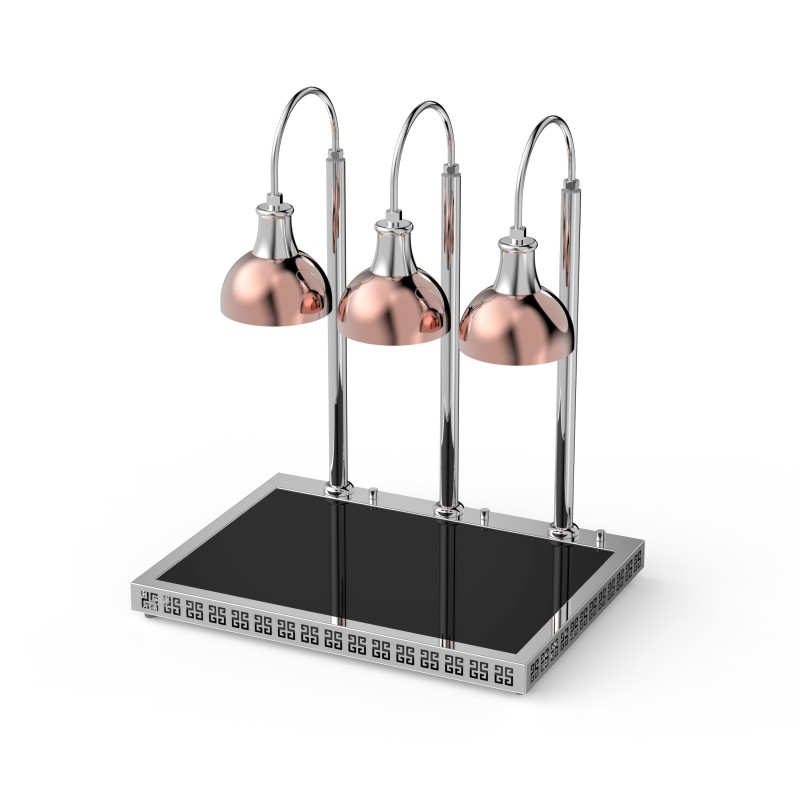
Three-Head Rose Gold Buffet Heat Lamp Station
A professional-grade three-head station designed for large buffet spreads and high-volume catering. The rose gold finish elevates front-of-house presentation, while three independently adjustable heads provide flexible coverage across multiple dishes. Ideal for hotels, banquet halls, and event venues where consistent warming and visual appeal are equally important.
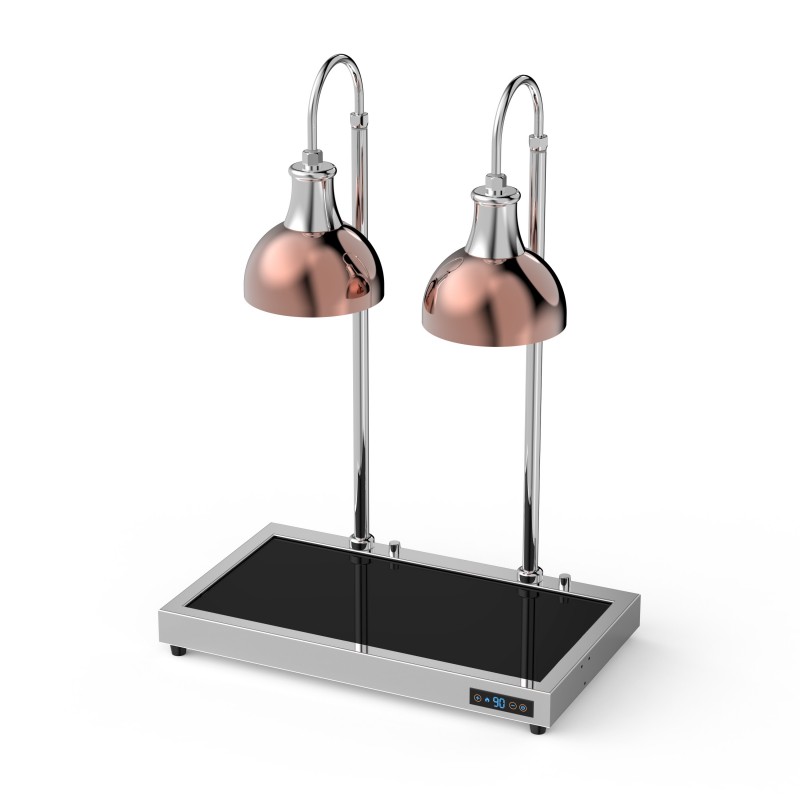
Dual-Insulation Workstation with Heat Lamp and Heating Plate
An advanced dual-heat solution combining overhead radiant warming with a heated base plate for maximum temperature retention. Perfect for dense foods, roasts, and large-format dishes that require sustained internal warmth. The workstation design provides a stable, professional platform ideal for hotel buffets and upscale catering operations.
Common Mistakes to Avoid
Even experienced operators make mistakes with heat lamps. Here are the most common pitfalls and how to avoid them:
Placing the lamp too close. This dries out food surfaces, creates uneven heating, and can even scorch delicate items. Always start with the lamp at the manufacturer's recommended height and adjust gradually.
Using heat lamps to reheat cold food. This is a food safety violation. Heat lamps maintain temperature; they do not raise it. Reheat food to 165 degrees Fahrenheit internally before placing it under the lamp.
Neglecting bulb replacement. Dim or failing bulbs may not produce enough heat to keep food safe. Replace bulbs at the first sign of reduced output or uneven heating.
Ignoring ambient conditions. Outdoor service, air conditioning vents, and open doors can all reduce a heat lamp's effectiveness. Position lamps to minimize exposure to drafts, and consider higher-wattage units for challenging environments.
Conclusion
A food heat lamp is a simple device with a critical job: keeping food safe, warm, and appealing from the kitchen to the customer's plate. Whether you operate a small cafe, a bustling restaurant, or a large-scale catering business, investing in the right heat lamp pays dividends in food quality, customer satisfaction, and regulatory compliance.
When shopping for a heat lamp, focus on your specific needs: the volume of food you serve, your service environment, your aesthetic requirements, and your budget. Match the lamp type, wattage, and configuration to your operation, and follow best practices for positioning, temperature monitoring, and maintenance. With the right equipment and proper use, a food heat lamp becomes an indispensable part of your food service toolkit.
Related Articles
Electric Buffet Warmer with Adjustable Thermostat for Restaurants
Discover the best Electric Buffet Warmer with Adjustable Thermostat for Restaurants solutions. Real ...
Mini Chafing Dish for Breakfast Buffet & Condiment Stations
Discover the best Mini Chafing Dish for Breakfast Buffet & Condiment Stations solutions. Real case s...
9QT Extra-Large Chafing Dish for Large-Scale Banquet Events
Discover the best 9QT Extra-Large Chafing Dish for Large-Scale Banquet Events solutions. Real case s...
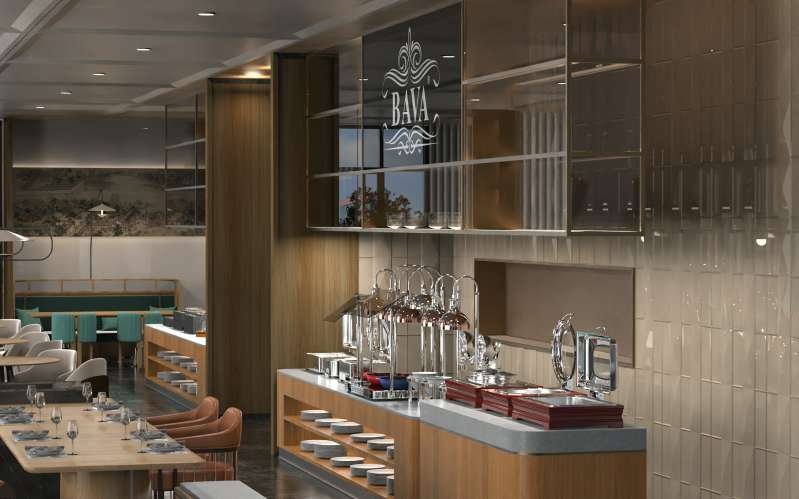
Wall-Mounted Buffet Stove for Space-Saving Kitchen Layouts
Discover the best Wall-Mounted Buffet Stove for Space-Saving Kitchen Layouts solutions. Real case st...
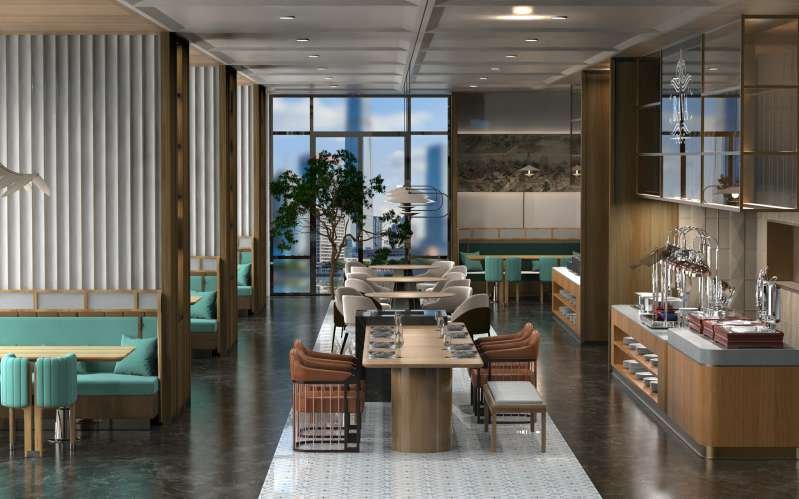
Stainless Steel Food Warmer for Supermarket Deli Departments
Discover the best Stainless Steel Food Warmer for Supermarket Deli Departments solutions. Real case ...
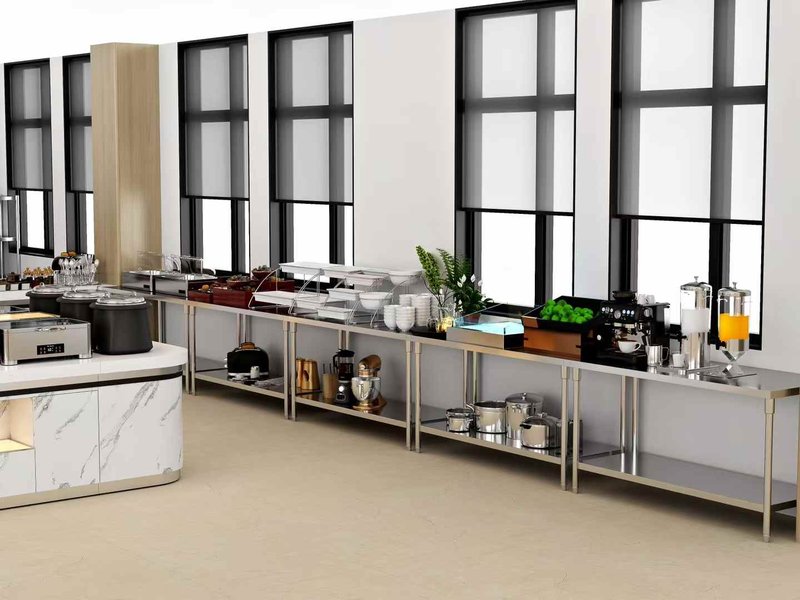
Commercial Chafer Dish with Temperature Control for Food Safety
Discover the best Commercial Chafer Dish with Temperature Control for Food Safety solutions. Real ca...