
Food Heat Lamp Safety: Essential Tips for Commercial Kitchens
Commercial kitchens present a challenging environment for any electrical equipment. Between steam, grease, high temperatures, and the constant activity of a busy service, equipment that is not properly selected, installed, and maintained creates serious risks. Food heat lamps, which generate sustained high temperatures and operate in close proximity to food, staff, and flammable materials, require particular attention to safety practices. Understanding these risks — and how to mitigate them — is essential knowledge for every food service operator.
Fire Risk Assessment and Prevention
The Combustible Materials Challenge
Commercial kitchens are filled with combustible materials: paper napkins, wooden cutting boards, food packaging, grease-laden filters, and the various polymers used in food storage containers and packaging. Heat lamps operate at surface temperatures that can exceed 400 degrees Fahrenheit — well above the ignition point of many common kitchen materials. The combination of high temperature, proximity to combustibles, and extended operation creates an inherent fire risk that demands proactive management.
Most heat lamp fires originate from one of three scenarios: the lamp is positioned too close to combustible materials, the lamp is placed in contact with or near flammable food packaging or containers, or a lamp malfunctions due to electrical or thermal failure. Each scenario is preventable with proper procedures and equipment selection.
Minimum Safe Distances
Every heat lamp manufacturer specifies minimum safe distances between the lamp head and combustible materials. These specifications are not arbitrary — they are determined through testing and reflect the actual temperature distribution around the lamp at full output. Adhering to these distances is non-negotiable for safe operation.
Typical minimum distances for standard commercial heat lamps:
12 to 18 inches minimum from the lamp housing to any combustible material above the lamp.
18 to 24 inches minimum below and to the sides of the lamp head, accounting for reflected heat and heat column expansion.
36 inches minimum from lamp to any flammable vapor or gas source, including aerosol cooking sprays and cleaning chemicals.
These distances assume proper lamp operation. Damaged equipment, degraded bulbs, or improper installation can alter the actual heat distribution, making adherence to minimum distances even more critical.
Fire Suppression Compatibility
Commercial kitchens must have appropriate fire suppression systems — typically wet chemical extinguishers and overhead fire suppression hood systems. Heat lamp installations must be compatible with these systems:
Hood suppression systems. Heat lamps installed under range hoods should be included in the suppression zone coverage. Verify that your fire suppression system inspection includes heat lamps and that nozzle placement accounts for heat lamp positions.
Extinguisher accessibility. Keep Class K (cooking oil) fire extinguishers accessible near heat lamp stations. Standard ABC extinguishers may not be effective for grease fires common in food warming applications.
Emergency shutoff. Heat lamps should be connected to circuits that can be quickly disconnected in an emergency. Clearly labeled shutoff switches accessible from outside the service area are recommended for large heat lamp installations.
Electrical Safety in the Kitchen Environment
Moisture and Electrical Risk
Commercial kitchens expose electrical equipment to more moisture than almost any other working environment. Steam from cooking operations, splashing from cleaning, and the general humidity of a hot kitchen all create moisture that can reach electrical components. Heat lamps operating above cooking surfaces are particularly exposed to rising steam and grease-laden moisture.
Electrical safety in this environment requires:
GFCI protection. Ground Fault Circuit Interrupter outlets and circuits detect electrical leakage and disconnect power within milliseconds, preventing potentially lethal shock hazards. Heat lamps in areas subject to moisture — within six feet of sinks, above steam-producing equipment, in outdoor or tent environments — must be on GFCI-protected circuits.
Drip loops. Electrical cords should be routed to create a drip loop — a downward curve in the cord below the level of the connection point — that prevents moisture running along the cord from reaching the plug or outlet.
Regular cord inspection. Heat lamp cords are subject to more flexing and thermal stress than most kitchen equipment. Inspect cords before each use for signs of insulation damage, kinking, or connector wear.
Overload and Circuit Protection
Each heat lamp draws a specific current based on its wattage and voltage. Running multiple high-wattage heat lamps on an undersized circuit creates overheating in the building wiring — a serious fire hazard that may not be apparent until significant damage occurs.
Calculate total heat lamp load for each circuit and verify it does not exceed eighty percent of the circuit rating. A 20-amp, 120-volt circuit can handle 2,400 watts continuously; two 1,000-watt heat lamps would leave minimal margin. Err on the side of additional circuits rather than overloading existing ones.
Burn Hazards for Kitchen Staff
Lamp Surface Temperatures
The lamp housing and bulb of an operating heat lamp reach temperatures that cause immediate burns on contact. In a busy kitchen where staff move quickly between tasks, the hot surface of a heat lamp is a significant contact burn hazard. This is especially true for pendant-mounted lamps at eye level or adjustable-arm lamps that may have been positioned lower than intended.
Staff training must include clear instructions to:
Never touch the lamp housing or bulb during or immediately after operation, regardless of how long the lamp has been running.
Allow adequate cooling time. A heat lamp that has been running for hours retains heat for a significant period after shutdown. Allow at least fifteen to twenty minutes of cooling before handling any part of the lamp assembly.
Use handles and adjustment mechanisms, not the lamp housing. Adjust lamp height using designated adjustment points, not by gripping the lamp head itself.
Radiant Heat Exposure Limits
Prolonged exposure to radiant heat from a heat lamp — even at safe distances from the lamp surface — can cause thermal discomfort and eventually burns. Staff who work continuously near heat lamp stations should be aware of their exposure time and position.
The American Conference of Governmental Industrial Hygienists establishes Threshold Limit Values for occupational heat exposure. While kitchen environments are not typically subject to these standards directly, they provide useful guidance: staff should not be exposed to radiant heat intensities above 300 British Thermal Units per square foot per hour for extended periods without relief.
Food Safety and Temperature Management
The Temperature Danger Zone
Food held between 40 degrees Fahrenheit and 140 degrees Fahrenheit enters what food safety professionals call the Temperature Danger Zone — the range in which pathogenic bacteria multiply most rapidly. Heat lamps are designed to keep food above this threshold, but they do so imperfectly and inconsistently.
The fundamental limitation of radiant heat warming is that it heats the food surface without guaranteeing adequate temperature throughout the food mass. A thick piece of meat may feel warm at the surface under a heat lamp while remaining cool — and potentially in the danger zone — at its center.
Safe food warming practices:
Use temperature probes. No heat lamp operation should proceed without regular temperature monitoring using calibrated food thermometers. Check food temperature at the coldest point — typically the center of the thickest item.
Implement time-based controls. Food held under heat lamps without active temperature monitoring should be tracked using time rather than temperature. The FDA Food Code allows up to two hours in the danger zone if food is served or discarded by the end of that period.
Dual-heat for dense foods. Foods more than three inches thick require bottom heat as well as top heat to ensure safe internal temperatures. Use heat lamps in combination with heated bases, hot holding cabinets, or steam tables for dense food items.
Cross-Contamination Prevention
Heat lamps positioned over raw protein items — carved roasts, poultry, or raw meat presentations — create specific cross-contamination risks. Dripping juices from raw items above can contaminate ready-to-eat foods below. Steam and splatter from raw items can carry pathogens to the lamp and surrounding surfaces.
Never position a heat lamp so that it is directly over raw protein items and ready-to-eat foods in the same vertical plane. Use physical barriers or separate heat lamp stations for raw and ready-to-eat items.
Installation Safety Requirements
Structural Support
Ceiling-mounted and wall-mounted heat lamps impose significant loads on their mounting surfaces. A fully extended freestanding lamp with a tall arm and heavy base may weigh thirty pounds or more; ceiling-mounted units with extended arms may impose lateral forces that stress mounting hardware.
Ceiling installations must be mounted to structural ceiling members or properly rated ceiling support systems. Suspended ceiling tiles cannot support heat lamp loads. An installer should verify structural adequacy before installation.
Wall-mount installations require mounting to wall studs or structural backing. Drywall alone cannot support heat lamp loads, particularly when the arm is extended.
Freestanding stations must be placed on level, stable surfaces. Unlevel surfaces reduce base stability. Never place a freestanding heat lamp on a cart, table, or unstable surface.
Clearance from Ventilation
Heat lamps positioned near ventilation hoods or air conditioning supply vents may experience inconsistent performance due to airflow interference. More importantly, high-velocity air movement across the lamp can carry heat away from the food surface, reducing warming effectiveness and potentially creating unsafe conditions without obvious warning signs.
Position heat lamps at least thirty-six inches away from HVAC supply vents and eighteen inches from the edge of ventilation hood capture zones.
Maintenance Safety Protocols
Bulb Replacement Procedures
Replacing a heat lamp bulb is straightforward in principle but involves handling a component that operates at extreme temperatures and working near electrical connections. Proper procedures protect both the technician and the equipment:
Power disconnection. Always disconnect power at the circuit breaker rather than relying on the lamp switch. A switch failure could allow the circuit to remain energized during bulb replacement.
Cooling time. Allow at least twenty minutes for the lamp to cool after shutdown before attempting any work on it. A bulb that appears off may still retain sufficient heat to cause burns.
Clean gloves or cloth. Handle replacement bulbs with clean gloves or a cloth. Skin oils on the glass envelope create hot spots that significantly reduce bulb lifespan.
Hand-tight, not tool-tight. Screw-base bulbs should be seated firmly by hand. Using tools to tighten bulbs risks cracking the glass or base.
Verify compatibility. Confirm the replacement bulb matches the lamp's voltage, wattage, and base type specifications exactly. Substituting an incorrect bulb can create fire hazards or electrical overload conditions.
Regular Inspection Schedule
Establish a documented inspection schedule for all heat lamp equipment:
Daily: Visual inspection of housing, cord, and plug condition. Functional test of switch operation.
Weekly: Reflector cleaning. Check for signs of overheating, discoloration, or damage to housing or mounting hardware.
Monthly: Electrical inspection of cords and connections. Check arm adjustment mechanism for wear or looseness. Verify base stability of freestanding units.
Quarterly: Professional inspection of all heat lamp installations including electrical testing and structural assessment.
Recommended Products

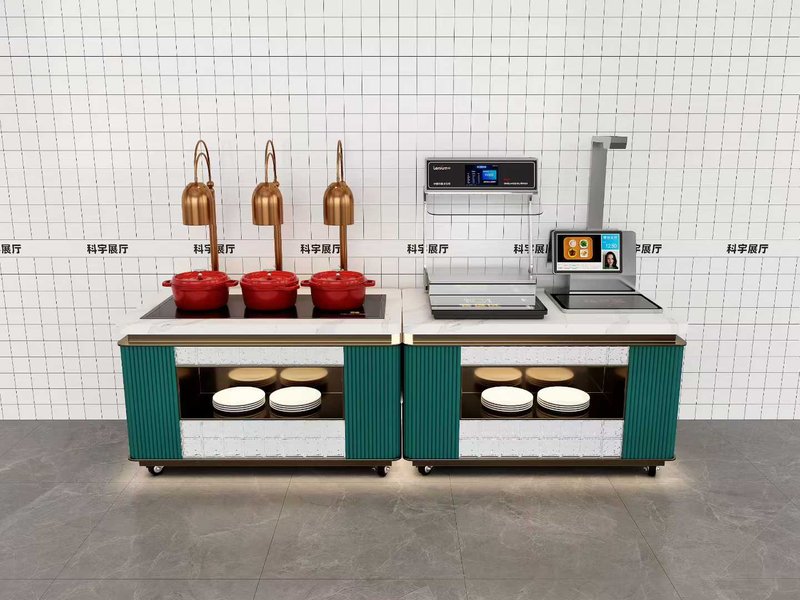
Three-Head Rose Gold Buffet Heat Lamp Station
A professional multi-head heat lamp station designed with safety-conscious features for busy commercial kitchens. The three independently adjustable lamp heads allow precise positioning that maintains required safe distances from surrounding materials. The rose gold finish not only provides aesthetic appeal for front-of-house applications but also resists corrosion and maintains its appearance in steam-heavy kitchen environments. The weighted base provides exceptional stability against accidental bumps or contact, reducing the risk of tip-over that could cause hot surface contact injuries. Each lamp head accepts standard commercial bulbs and includes built-in thermal protection against overheating.
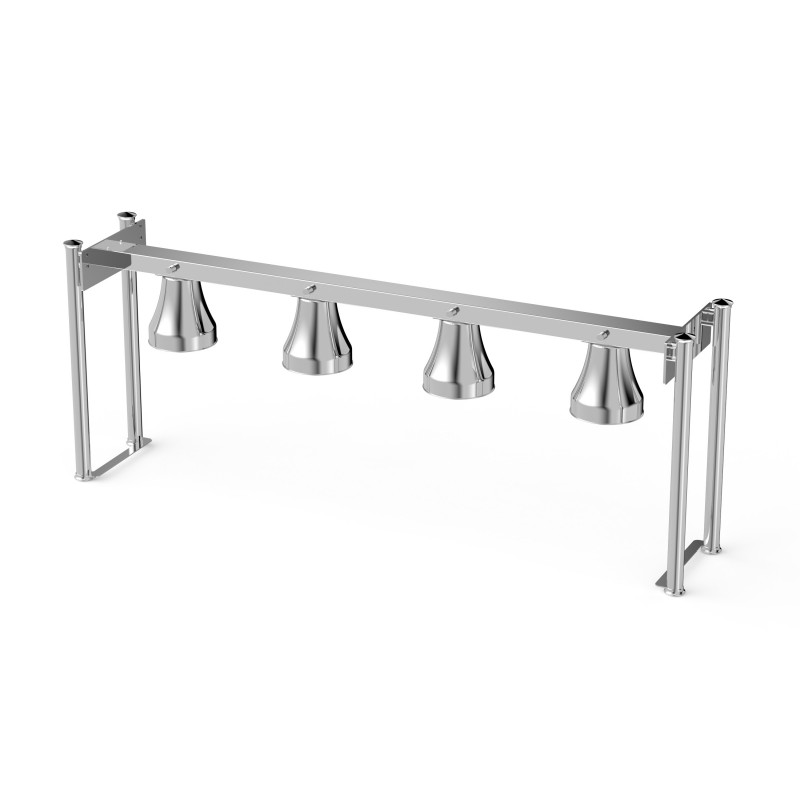
Stainless Steel Buffet Heat Lamp Rack
A heavy-gauge stainless steel heat lamp station designed for the demanding environment of professional food service. The stainless steel construction is inherently fire-resistant and withstands the heat, moisture, and grease exposure of a commercial kitchen without degradation. The adjustable arm mechanism includes positive locking detents that maintain lamp position securely during service, eliminating the drift and droop that can gradually reduce safe clearance distances over time. The broad weighted base ensures stability even on uneven surfaces or when the arm is fully extended with a high-wattage bulb installed. Designed for easy cleaning and sanitation without special procedures or materials.
Conclusion
Food heat lamp safety is not optional — it is a fundamental requirement of responsible food service operation. The combination of high temperatures, proximity to food and staff, electrical operating environment, and combustible surroundings demands systematic attention to risk management.
Implement written safety procedures for heat lamp operation, inspection, and maintenance. Train all staff on these procedures. Document inspections and maintenance activities. Review and update procedures when equipment changes or incidents occur.
The investment in safety — proper equipment selection, correct installation, regular maintenance, staff training, and documented protocols — is modest compared to the potential consequences of a heat lamp fire or burn injury.
Related Articles

Electric Buffet Warmer with Adjustable Thermostat for Restaurants
Discover the best Electric Buffet Warmer with Adjustable Thermostat for Restaurants solutions. Real ...
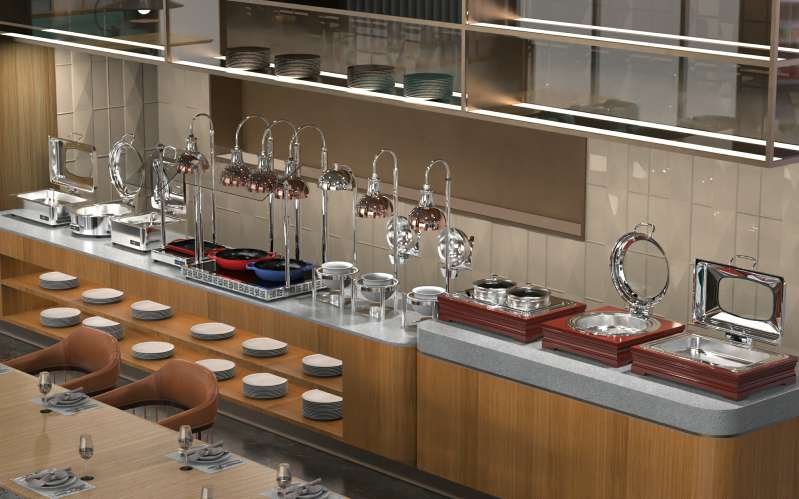
Mini Chafing Dish for Breakfast Buffet & Condiment Stations
Discover the best Mini Chafing Dish for Breakfast Buffet & Condiment Stations solutions. Real case s...
9QT Extra-Large Chafing Dish for Large-Scale Banquet Events
Discover the best 9QT Extra-Large Chafing Dish for Large-Scale Banquet Events solutions. Real case s...

Wall-Mounted Buffet Stove for Space-Saving Kitchen Layouts
Discover the best Wall-Mounted Buffet Stove for Space-Saving Kitchen Layouts solutions. Real case st...

Stainless Steel Food Warmer for Supermarket Deli Departments
Discover the best Stainless Steel Food Warmer for Supermarket Deli Departments solutions. Real case ...
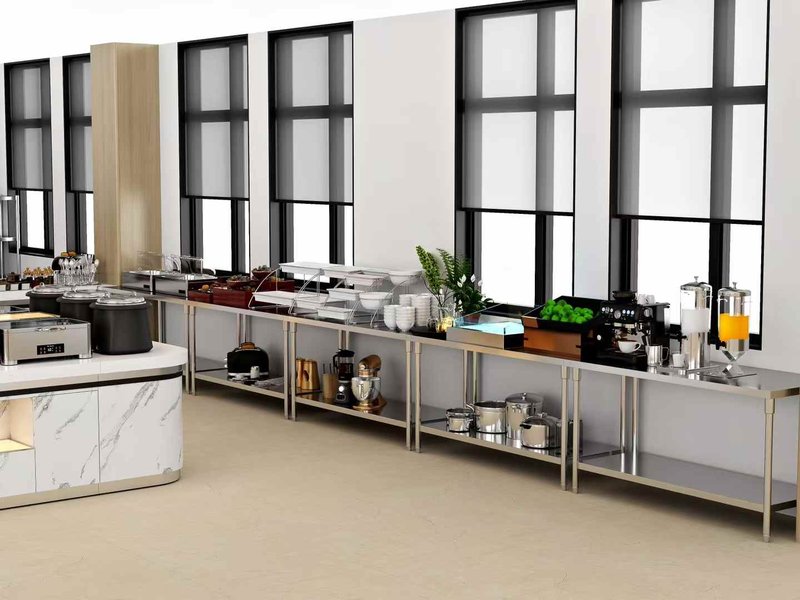
Commercial Chafer Dish with Temperature Control for Food Safety
Discover the best Commercial Chafer Dish with Temperature Control for Food Safety solutions. Real ca...